The Definitive Guide to Recovery Nutrition After Dental Surgery

Undergoing wisdom tooth extraction is a common dental procedure, but the days immediately following surgery require careful attention to nutrition and oral care. The choices you make regarding your post-operative diet play a critical role in determining how quickly your gums heal, how much pain you experience, and whether complications like dry socket or infection develop. Understanding exactly what to consume, how to prepare it, and when to introduce different textures can transform your recovery experience from uncomfortable to remarkably smooth. This comprehensive guide provides a medically sound list of soft foods to eat after wisdom teeth removal, backed by clinical dental guidelines (Mayo Clinic), nutritional science, and practical recovery strategies.
Healing after oral surgery is a delicate biological process. Within minutes of extraction, a fibrin clot forms in the empty socket, acting as a protective barrier that shields underlying bone and nerve endings from bacteria, air, and food particles. This clot eventually transforms into granulation tissue, which is then gradually replaced by healthy epithelial cells. Any disruption during this delicate timeline can delay healing, cause significant pain, or require additional medical intervention. That is why selecting appropriate nutrition is not just about comfort; it is a fundamental component of your clinical recovery plan. By adhering to a carefully structured list of soft foods to eat after wisdom teeth removal, you actively support tissue regeneration, reduce inflammation, and maintain optimal hydration while your jaw and gums repair themselves.
The Science Behind Post-Extraction Healing and Nutrition
Oral surgery triggers a localized inflammatory response that initiates a cascade of cellular repair mechanisms. Within the first twenty-four to seventy-two hours, the surgical site experiences peak swelling and tenderness as immune cells migrate to the area to clear debris and fight potential pathogens. During this critical window, your body's metabolic rate actually increases to fuel tissue reconstruction, meaning your nutritional needs are elevated even though your ability to chew is temporarily restricted. Consuming nutrient-dense, easily digestible foods ensures your immune system and connective tissue have the raw materials required for efficient healing.
Free calculatorHeadache Location ChartIdentify headache types by locationOpen the calculatorProtein synthesis is particularly crucial during the first week of recovery. Amino acids from dietary protein are the building blocks for collagen, which forms the structural framework of healing gums. Without adequate protein intake, the body struggles to close surgical incisions and strengthen mucosal tissue, potentially prolonging recovery time. Additionally, specific micronutrients like vitamin C, zinc, and omega-3 fatty acids directly modulate inflammation and support cellular proliferation. Vitamin C is essential for cross-linking collagen fibers, zinc acts as a cofactor for over three hundred enzymatic reactions involved in wound repair, and omega-3s help balance the inflammatory response to prevent excessive swelling.
Temperature and texture also directly impact the surgical site. Hot foods can increase blood flow to the area, exacerbating swelling and potentially causing the clot to destabilize. Cold or room-temperature foods, on the other hand, promote mild vasoconstriction, which helps control edema and provides natural analgesic effects. Similarly, foods that require vigorous mastication place unnecessary stress on the masseter and temporalis muscles, which are already fatigued from prolonged jaw stretching during surgery. By prioritizing a carefully selected list of soft foods to eat after wisdom teeth removal, you minimize mechanical trauma while maximizing nutritional delivery to healing tissues.
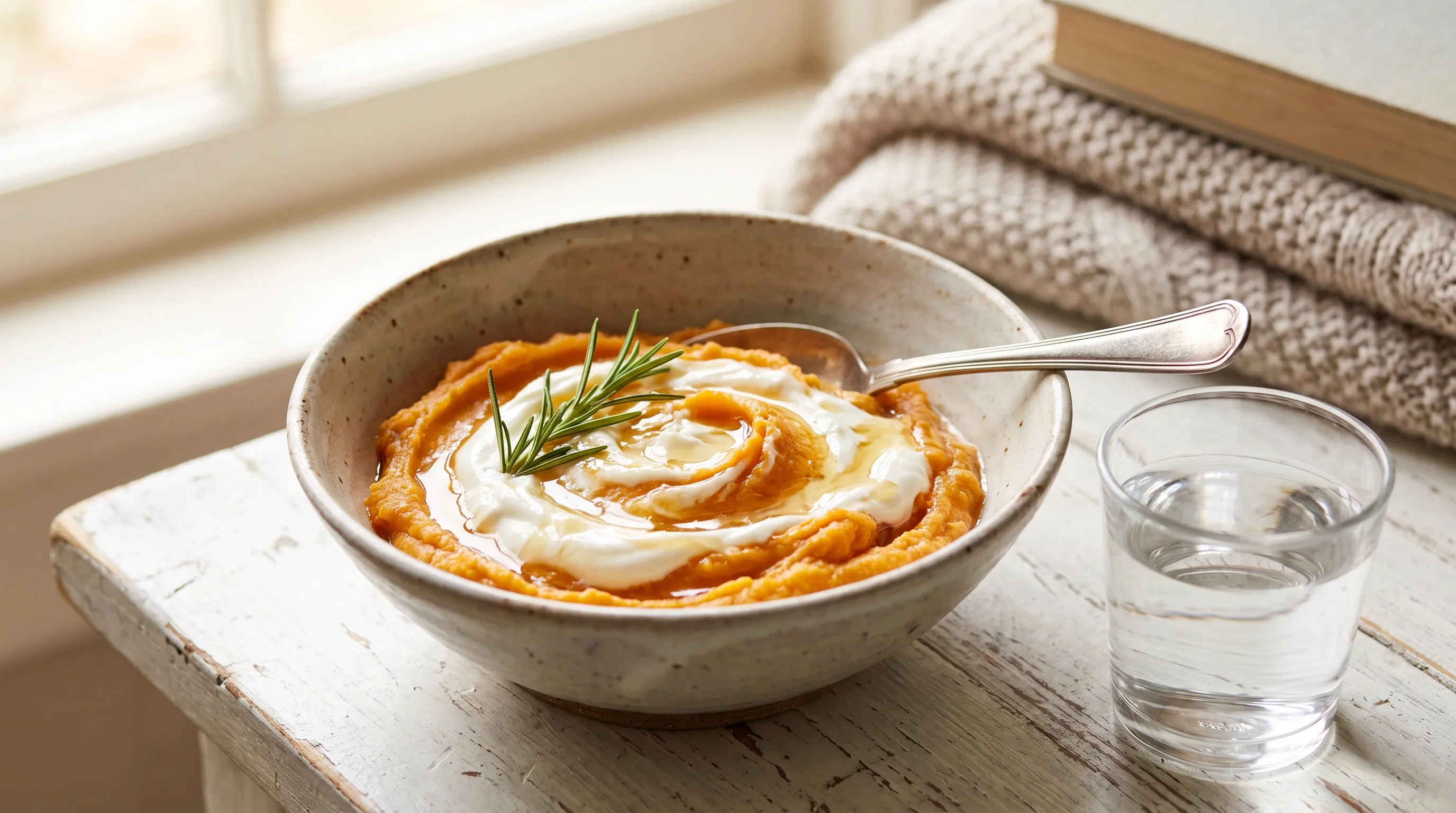
The Ultimate List of Soft Foods to Eat After Wisdom Teeth Removal
Dental professionals universally recommend transitioning through three distinct dietary phases following wisdom tooth extraction. Each phase corresponds with your healing timeline, gradually introducing more texture as your surgical sites stabilize and pain subsides. Below is a comprehensive breakdown of optimal foods for each recovery stage, complete with preparation guidelines and nutritional benefits.
Phase 1: Days 1 to 3 - Liquids, Broths, and Smooth Purees
During the initial seventy-two hours, the blood clot is extremely fragile, and the surgical site is highly sensitive to pressure. Your primary goal during this phase is to maintain hydration, prevent dry socket, and provide easily assimilated nutrients without requiring any chewing. All foods should be cooled to room temperature or slightly chilled to minimize swelling.
Bone broth and vegetable stocks serve as foundational recovery liquids. They provide essential electrolytes, collagen peptides, and anti-inflammatory compounds that support mucosal healing. Choose low-sodium varieties to prevent dehydration, and sip slowly without suction. Clear protein shakes formulated for post-surgical recovery offer concentrated amino acids and vitamins in a liquid format that bypasses the need for mastication. When selecting protein powders, opt for hydrolyzed whey or plant-based blends without artificial sweeteners or gritty textures.
Applesauce, mashed bananas, and pureed peaches deliver natural sugars, potassium, and dietary fiber without abrasive particles. Ensure they are completely smooth and seed-free to avoid irritation. Greek yogurt and cottage cheese provide high-quality protein and probiotics that support gut health, which can be temporarily disrupted by prescribed antibiotics. Always choose plain varieties without granola, fruit chunks, or seeds. Smoothies blended with spinach, avocado, and dairy-free milk offer a nutrient-dense option rich in healthy fats, vitamin E, and folate. Avoid blending seeds, ice cubes, or fibrous stems that could scratch healing tissue.
Mashed avocado supplies monounsaturated fats and potassium, while chilled pudding and custard provide calorie-dense comfort. Refried beans, pureed lentils, and smooth hummus deliver plant-based protein and iron. When preparing these items, always strain through a fine mesh sieve to eliminate any hidden lumps or skins that could become lodged in the extraction site.
Phase 2: Days 4 to 7 - Mashed, Soft Solids, and Semi-Solid Foods
As swelling decreases and the clot stabilizes into granulation tissue, you can safely introduce slightly thicker textures that still require minimal chewing. The key during this stage is to maintain softness while increasing caloric and protein density to meet your body's elevated repair demands. This list of soft foods to eat after wisdom teeth removal bridges the gap between purees and regular meals.
Scrambled eggs cooked until completely tender and cooled slightly offer one of the highest-quality protein sources available. Add a small amount of softened butter or olive oil to increase caloric content without introducing chewing difficulty. Mashed potatoes, sweet potatoes, and parsnips provide complex carbohydrates, potassium, and beta-carotene. Prepare them with warm milk or dairy alternatives instead of chunky skins or heavy spices. Overcooked oatmeal and cream of wheat deliver soluble fiber and steady energy release. Ensure they are cooked well past the normal soft stage, then allowed to cool to a safe temperature before consumption.
Soft-cooked pasta such as orzo, ditalini, or small shell noodles can be served in mild broth or with smooth, seed-free sauces like olive oil and parmesan. Avoid tomato-based sauces with high acidity, which can sting sensitive tissue. Flaky white fish like cod, tilapia, or sole poached or baked until exceptionally tender provides lean protein and omega-3 fatty acids. Check carefully for bones and mash gently with a fork before eating. Tofu, silken or extra-soft, absorbs flavors beautifully and requires no chewing when blended into soups or served in smooth broths.
Pureed soups such as butternut squash, carrot ginger, and cream of mushroom deliver hydration alongside vitamins A, K, and B-complex. Strain thoroughly to remove any fibrous vegetable strands. Soft cheeses like ricotta, cream cheese, and mild goat cheese blend easily into meals and offer additional calcium and probiotics. Remember to keep all foods at lukewarm or cool temperatures, as warmth can still trigger residual swelling during this transitional phase.
Phase 3: Days 8 to 14+ - Gentle Chewables and Transition Foods
By the end of the first week, epithelial cells begin closing over the extraction sockets, and pain typically subsides significantly. You can now experiment with slightly firmer textures, though crunchy, hard, or sticky foods remain off-limits. The goal is to reintroduce mild chewing to prevent jaw stiffness while continuing to protect the healing mucosa.
Soft pancakes, French toast, and well-moistened muffins provide carbohydrates and comfort. Soak them in milk or applesauce briefly to further soften the texture. Steamed or boiled vegetables like zucchini, carrots, and green beans should be cooked until they break apart easily with light fork pressure. Avoid raw vegetables until full healing is confirmed by your oral surgeon. Ground meats such as turkey, beef, or chicken cooked slowly in stews offer sustained protein without the need for aggressive chewing. Ensure they are thoroughly moistened with gravy or broth.
Canned or very soft fruits like pears, peaches, and mangoes offer natural sweetness and digestive enzymes. Cottage cheese with smooth fruit purees combines protein with vitamins in a gentle format. Soft rice and quinoa cooked with extra liquid until creamy provide complete amino acid profiles and steady energy. As you progress through this list of soft foods to eat after wisdom teeth removal, always monitor your comfort level and stop immediately if you experience sharp pain, bleeding, or swelling.
Critical Foods to Strictly Avoid During Recovery
Understanding what not to eat is equally as important as selecting appropriate nutrition. Certain foods and beverages can mechanically disrupt the clot, chemically irritate exposed nerve endings, or introduce pathogens that delay tissue repair. Consuming prohibited items during the first two weeks significantly increases the risk of dry socket, a painful condition where the clot dislodges prematurely, exposing bone and nerves to air and bacteria.
Crunchy and hard foods such as chips, nuts, seeds, popcorn, pretzels, and raw carrots must be avoided entirely. These items contain sharp edges or hard fragments that can easily puncture the delicate granulation tissue or become trapped in the extraction socket, triggering infection. Chewy foods like bagels, tough meats, caramel, taffy, and gummy candies require sustained jaw pressure and create suction forces that pull directly at the healing site. Spicy foods, acidic citrus juices, vinegar-based dressings, and tomato-heavy sauces can chemically burn exposed mucosa and cause intense stinging pain.
Hot beverages including coffee, tea, and soup should be kept below lukewarm temperatures for at least seven days. Heat increases local blood flow, which exacerbates swelling and can destabilize the forming clot. Alcohol and carbonated drinks interfere with pain medication metabolism, dehydrate tissues, and create bubbling pressure in the oral cavity that may dislodge protective layers. Finally, using straws generates negative intraoral pressure that physically extracts the blood clot from the socket, making it one of the most common preventable causes of dry socket.
| Food Category | Safe for Recovery | Unsafe During Healing | Reason to Avoid |
|---|---|---|---|
| Proteins | Scrambled eggs, Greek yogurt, silken tofu, flaky fish | Jerky, tough steak, crunchy nuts, whole seeds | Hard/chewy textures cause mechanical trauma and suction |
| Grains/Starches | Mashed potatoes, overcooked oats, soft pasta | Chips, crusty bread, popcorn, pretzels | Sharp edges can lodge in sockets or puncture clots |
| Fruits/Vegetables | Pureed peaches, mashed bananas, well-cooked carrots | Raw apples, corn, berries with seeds, citrus | Acidic juices irritate tissue; seeds cause inflammation |
| Beverages | Room-temp water, herbal tea, bone broth, smoothies (no seeds) | Hot coffee, soda, alcohol, energy drinks | Heat increases swelling; carbonation/alcohol disrupts healing |
| Desserts | Smooth pudding, custard, pureed fruit sorbet | Granola bars, crunchy cookies, caramel, taffy | Sticky/chewy textures create pulling forces on sockets |
Nutrient-Focused Strategies for Accelerated Recovery
Optimizing your post-surgical nutrition goes beyond texture; it requires strategic macronutrient and micronutrient targeting. Clinical studies consistently demonstrate that patients who consume targeted nutrient profiles experience faster epithelial closure, reduced pain duration, and lower infection rates (Cleveland Clinic). Incorporating specific food groups ensures your body has everything needed to repair tissue efficiently while minimizing inflammatory responses.
High-quality protein remains the cornerstone of wound healing. Aim for at least fifty to sixty grams daily, distributed across meals to maximize muscle protein synthesis and collagen production. Lean poultry, fish, dairy, and plant-based sources like blended quinoa or legume purees provide complete amino acid profiles. Vitamin C supplementation through smooth purees of kiwi, strawberries, or bell peppers supports hydroxylation of proline and lysine residues in collagen, directly strengthening gum tissue. Zinc-rich foods like pureed pumpkin seeds, lentils, and lean beef enhance DNA synthesis and cell division during the proliferative phase of healing.
Hydration is frequently underestimated but critically important. Dehydration thickens saliva, reducing its natural antibacterial properties and making oral cleaning difficult. Water, diluted electrolyte solutions, and clear broths maintain mucosal moisture and support lymphatic drainage, which reduces facial swelling. Anti-inflammatory fats from avocado, olive oil, and blended salmon help modulate prostaglandin production, naturally lowering pain and swelling without relying solely on pharmaceuticals. Probiotic-rich foods like plain kefir and yogurt restore oral and gut microbiota balance, particularly if you are taking broad-spectrum antibiotics prescribed post-surgery.
Practical Tips for Eating Safely and Comfortably
Adhering to a list of soft foods to eat after wisdom teeth removal requires technique adjustments that minimize accidental trauma and maximize nutrient absorption. Position yourself upright at a forty-five-degree angle or higher when eating to prevent food particles from drifting backward into extraction sockets. Chew exclusively on the opposite side of your mouth, using minimal jaw force. If both sides were operated on, rely entirely on swallowing and gentle tongue movement to maneuver food.
Temperature control cannot be overstated. Test all items with your inner wrist or lip before consumption to ensure they are cool or lukewarm. Use soft silicone or rubber-tipped utensils instead of metal forks or spoons that could accidentally strike healing tissue. After each meal, perform a gentle saline rinse by tilting your head slightly and allowing water to flow out naturally into a sink rather than spitting vigorously. This passive rinsing technique removes debris without creating dangerous pressure changes in the oral cavity.
Meal frequency should shift from three large meals to five to six smaller portions throughout the day. Smaller volumes are easier to manage when swelling limits mouth opening and reduce the duration of chewing sessions. Prepare meals in advance during the first week to avoid excessive standing or kitchen activity, which can elevate blood pressure and increase throbbing pain. Keep a cooler stocked with pre-portioned smoothies, purees, and hydration drinks to eliminate unnecessary preparation strain.

Sample Seven-Day Meal Plan for Optimal Healing
Following a structured nutritional timeline eliminates guesswork and ensures consistent intake of healing compounds. This sample plan demonstrates how to apply the principles of texture progression, nutrient density, and temperature management across a full week of recovery.
Days one through two focus exclusively on liquids and ultra-smooth purees. Begin with chilled clear broth sipped hourly, blended banana-apple puree for breakfast, room-temperature vanilla protein shake at midday, mashed avocado blended with olive oil for afternoon nutrition, and lukewarm chamomile tea with honey in the evening. Maintain strict hydration with cool water between all feedings.
Days three through four introduce semi-soft items as swelling visibly decreases. Start the morning with completely cooled, overcooked cream of wheat stirred with almond milk. Mid-morning, consume a strained butternut squash soup. Lunch consists of blended lentil and vegetable soup with a side of plain, room-temperature Greek yogurt. Afternoon snacks include mashed pears and cottage cheese. Dinner features poached cod flaked finely into warm broth, accompanied by mashed cauliflower and carrots. Continue saline rinses passively after each intake.
Days five through seven allow for gentle chewing on the opposite side. Breakfast shifts to extra-soft scrambled eggs blended with ricotta and cooled slightly. Mid-morning offers a smooth spinach-mango smoothie without seeds or ice. Lunch includes well-cooked orzo pasta tossed in olive oil and finely grated parmesan. Afternoon snacks feature silken tofu blended with a touch of sesame paste and mashed banana. Dinner provides ground turkey simmered in low-sodium chicken broth with thoroughly softened white rice and steamed zucchini mashed with butter. Maintain elevation when resting and continue avoiding straws entirely.
When to Contact Your Oral Surgeon Immediately
Even with meticulous dietary planning, complications can occasionally arise. Recognizing warning signs early ensures prompt medical intervention and prevents prolonged recovery. Contact your dental professional immediately if you experience bleeding that persists beyond twenty-four hours despite applying firm gauze pressure, severe pain that worsens after day three instead of improving, foul-tasting discharge or pus indicating infection, fever exceeding one hundred point one degrees Fahrenheit, visible bone in the socket with intense radiating pain, or difficulty swallowing that progresses to breathing interference.
Dry socket typically presents between days three and five with sudden, intense throbbing pain that radiates to the ear, temple, or neck. The protective clot is absent, leaving nerve endings exposed. Only a licensed oral surgeon or dentist can properly diagnose and treat this condition by placing a medicated dressing and adjusting your pain management protocol. Do not attempt to self-diagnose or insert objects into the extraction site. Early clinical intervention dramatically reduces discomfort and restores normal healing trajectories within days.
Frequently Asked Questions
When can I safely transition back to a regular diet?
Most patients can resume a normal diet gradually after fourteen to twenty-one days, depending on individual healing rates and the complexity of the extractions. Begin by reintroducing one moderately firm food at a time, monitoring for pain or swelling, and avoid returning to extremely hard, crunchy, or sticky items for at least four weeks. Always prioritize your comfort and follow your surgeon's clearance before consuming challenging textures.
Are there specific vitamins I should take to speed up healing?
Yes, vitamin C (five hundred to one thousand milligrams daily) and zinc (fifteen to thirty milligrams) are clinically shown to accelerate soft tissue repair and collagen synthesis (NIH Office of Dietary Supplements). A standard multivitamin containing B-complex nutrients, vitamin D, and iron can also support immune function and red blood cell production. Consult your healthcare provider before starting any supplement regimen, especially if you are taking blood thinners or other prescription medications that may interact.
How long should I avoid using a straw or spitting vigorously?
Strictly avoid straws, vigorous spitting, and aggressive rinsing for a minimum of ten to fourteen days post-surgery. The suction forces and sudden pressure changes created by these actions are the primary mechanical causes of dry socket, which can occur even after the initial three-day high-risk window has passed. Allow fluids to drip naturally from your mouth when rinsing, and use gentle tilting motions rather than forceful expulsion.
Can I consume dairy products while taking antibiotics?
Plain yogurt, kefir, and soft cheeses are actually recommended during antibiotic therapy because they replenish beneficial gut bacteria that medications deplete. However, avoid calcium-fortified beverages or high-dairy meals within two hours of taking certain antibiotics like tetracyclines or fluoroquinolones, as calcium can interfere with drug absorption. Space out dairy intake and medications by at least two to three hours, or follow your prescribing doctor's specific timing instructions.
What should I do if food gets stuck in the extraction socket?
Never pick at the socket with sharp utensils, toothpicks, or your fingers, as this will damage healing tissue and introduce pathogens. After seventy-two hours have passed, begin gentle warm saltwater rinses after every meal. Tilt your head to the side and allow the solution to flow over the area passively. If debris remains trapped and causes significant discomfort or swelling, schedule an appointment with your oral surgeon for professional irrigation and assessment.
Conclusion
Recovering from wisdom tooth extraction does not have to be a frustrating or painful experience when guided by evidence-based nutritional strategies. By carefully following a comprehensive list of soft foods to eat after wisdom teeth removal, you actively protect delicate blood clots, supply essential repair nutrients, and minimize the risk of post-surgical complications. Each phase of healing demands specific textures, temperatures, and preparation methods that align with your body's natural tissue regeneration timeline. Prioritize hydration, maintain gentle oral hygiene, avoid prohibited foods completely during the critical first two weeks, and listen closely to your body's comfort signals. With proper dietary planning and clinical awareness, your recovery will progress smoothly, allowing you to return to full function and regular eating habits safely and confidently. Always maintain open communication with your oral healthcare provider, and never hesitate to seek professional guidance if your healing deviates from the expected trajectory.
How we work
Researched and drafted with AI assistance, then reviewed by a human editor against the cited sources.
This article is general health information, not medical advice. Consult a qualified healthcare professional about your own situation.