Gluten Free Protein Powder: Complete Guide for Safe Supplementation
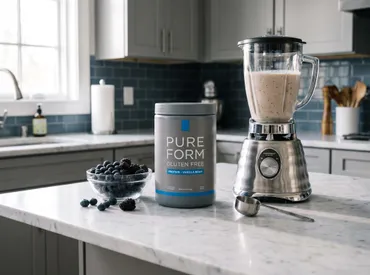
Navigating the modern supplement aisle can feel overwhelming, especially when your dietary requirements demand strict compliance. For millions of individuals managing celiac disease, non-celiac gluten sensitivity, or simply pursuing a cleaner eating lifestyle, finding a high-quality gluten free protein powder is essential. Protein serves as the foundational macronutrient for muscle tissue repair, metabolic regulation, enzymatic function, and immune system resilience. Yet, traditional supplement formulations often carry hidden risks of gluten contamination through shared manufacturing infrastructure, ambiguous ingredient sourcing, or the inclusion of maltodextrin and modified food starch. Understanding how to identify truly safe options requires more than simply reading the front label. It demands a systematic approach that scrutinizes third-party certifications, evaluates amino acid bioavailability, and recognizes how industrial processing methods impact gastrointestinal tolerance. This comprehensive guide will walk you through the clinical science, regulatory safety standards, and evidence-based strategies for selecting a supplement that aligns seamlessly with both your physiological recovery goals and your digestive health requirements. Whether you are a competitive athlete optimizing post-training anabolism, a recreational fitness enthusiast, or an individual managing chronic inflammatory markers, making informed decisions about your nutritional supplementation remains a critical pillar of long-term wellness.
What Is Gluten-Free Protein Powder and Why Does It Matter?
Gluten is a composite of storage proteins, primarily gliadin and glutenin, naturally found in wheat, barley, and rye. For the general population, these proteins are safely metabolized. However, individuals with celiac disease experience a distinct autoimmune reaction when gluten peptides interact with the intestinal mucosa (Mayo Clinic). The immune system mistakenly targets tissue transglutaminase, leading to villous atrophy, malabsorption of critical micronutrients, and chronic gastrointestinal distress. Even those without a clinical diagnosis may suffer from non-celiac gluten sensitivity, characterized by bloating, fatigue, joint pain, and brain fog following ingestion. When protein supplements are processed in facilities that also handle gluten-containing grains, microscopic cross-contamination occurs. A gluten free protein powder eliminates this risk by utilizing ingredients sourced, tested, and manufactured in controlled environments.
Free calculatorBMI CalculatorCalculate Body Mass IndexOpen the calculatorUnderstanding the Immunological and Digestive Impact of Gluten
The pathophysiology of gluten ingestion in sensitive individuals extends far beyond transient discomfort. In celiac patients, undigested gluten peptides trigger T-cell mediated inflammation within the lamina propria of the small intestine. Over time, this compromises the intestinal barrier, leading to increased intestinal permeability, commonly referred to as leaky gut (Cleveland Clinic). This state allows endotoxins and partially digested macromolecules to enter systemic circulation, potentially exacerbating autoimmune markers and hindering nutrient assimilation. When selecting a protein supplement, the priority is not merely muscle hypertrophy, but systemic tolerance. Clinical guidelines emphasize that even trace exposures as low as 10 milligrams per day can sustain mucosal inflammation in highly reactive individuals. Consequently, a rigorously tested gluten free protein powder becomes a protective dietary tool that supports both structural recovery and mucosal integrity.
The Intersection of Athletic Performance and Dietary Compliance
Athletes and active individuals operate in a physiological state of heightened demand. Exercise induces microtrauma in muscle fibers, elevates cortisol levels, and depletes glycogen stores. Protein supplementation bridges the gap between dietary intake and anabolic requirements, supplying essential and branched-chain amino acids that activate the mTOR pathway, initiating muscle protein synthesis (NIH). However, digestive distress compromises this entire cascade. Bloating, cramping, and delayed gastric emptying from gluten exposure reduce exercise capacity, impair hydration status, and blunt recovery timelines. Transitioning to a certified gluten free protein powder ensures that athletes receive uninterrupted amino acid delivery without triggering adverse inflammatory responses. This alignment of performance nutrition with dietary compliance represents a paradigm shift in how endurance and strength professionals structure their recovery protocols.
How to Choose the Right Gluten-Free Protein Powder
The supplement market operates with varying degrees of transparency, making product evaluation a critical skill. Not every package labeled naturally free or clean contains the rigorous safety standards necessary for sensitive populations. A systematic selection process involves verifying certifications, analyzing nutritional composition, and scrutinizing ancillary ingredients that may compromise tolerability.
Verifying Third-Party Certifications and Label Transparency
Independent testing organizations establish the gold standard for supplement safety. The Gluten-Free Certification Organization (GFCO) mandates batch testing with a strict threshold of 10 parts per million, significantly lower than the FDA recommendation of 20 ppm. NSF Certified for Sport verifies both gluten absence and the exclusion of over 290 banned substances, crucial for competitive athletes subject to anti-doping regulations. When evaluating products, locate the certification seal on the primary packaging and cross-reference the batch number on the certifying body’s public database. Manufacturers that provide comprehensive certificates of analysis demonstrate accountability and commitment to clinical-grade quality control. Always verify that certification applies to the final packaged product, not merely the raw ingredients, as processing stages frequently introduce contaminants.
Evaluating Amino Acid Profiles and Protein Digestibility
The efficacy of any protein supplement hinges on its amino acid composition and rate of digestion. Human physiological requirements encompass nine essential amino acids that cannot be synthesized endogenously. Leucine, isoleucine, and valine constitute the branched-chain amino acid cluster responsible for initiating translational signaling in skeletal muscle. High-quality gluten free protein powder typically features a complete amino acid spectrum, ensuring optimal anabolic potential. Protein quality is quantified using the Protein Digestibility Corrected Amino Acid Score (PDCAAS) or Digestible Indispensable Amino Acid Score (DIAAS). Dairy-derived isolates consistently score near 1.0, indicating near-complete absorption, while certain plant blends require strategic fortification to match this efficiency. Reviewing the amino acid panel on the product label allows consumers to align supplementation with specific training modalities, whether prioritizing rapid post-workout delivery or sustained overnight recovery.
Navigating Sweeteners, Thickeners, and Additives
The macronutrient profile tells only part of the story. Excipients and flavoring agents frequently compromise gastrointestinal tolerance and overall product safety. Many gluten free protein powder formulations rely on sugar alcohols like erythritol or maltitol, which ferment in the colon and provoke bloating in susceptible individuals. Artificial sweeteners such as sucralose and acesulfame potassium alter gut microbiota composition, potentially disrupting metabolic signaling over extended periods (WHO). Opt for products sweetened with stevia, monk fruit extract, or minimal natural cane sugar. Thickeners including xanthan gum, guar gum, and cellulose derivatives improve mouthfeel but may exacerbate symptoms in individuals with irritable bowel syndrome or small intestinal bacterial overgrowth. Prioritize transparent ingredient lists that avoid proprietary blends and clearly disclose processing aids, anti-caking agents, and flow regulators.

Top Types of Gluten-Free Protein Sources
The foundation of any effective supplementation strategy lies in source selection. Each protein origin presents distinct advantages, digestibility characteristics, and amino acid distributions. Understanding these differences enables personalized formulation choices aligned with dietary preferences and physiological tolerances.
Whey Protein Isolate: The Dairy-Derived Standard
Whey protein isolate undergoes extensive microfiltration and ion-exchange processes that remove nearly all lactose, fat, and non-protein components. The resulting powder contains 90 percent or higher protein by weight, delivering a rapid absorption profile ideal for immediate post-exercise recovery. Clinical studies consistently demonstrate that whey isolate elevates plasma leucine concentrations within 30 to 45 minutes of ingestion, maximizing muscle protein synthesis during the critical anabolic window. For individuals without dairy allergies but requiring strict gluten avoidance, whey isolate sourced from dedicated facilities remains the clinical benchmark. Ensure the manufacturing facility processes no gluten-containing grains, as standard whey concentrate may carry cross-contamination risks.
Plant-Based Blends: Pea, Rice, Hemp, and Beyond
The demand for vegan and hypoallergenic alternatives has accelerated the development of sophisticated plant protein matrices. Pea protein delivers a robust concentration of arginine and lysine, while rice protein compensates with high methionine and cysteine content. Hemp protein introduces essential omega-3 and omega-6 fatty acids alongside significant dietary fiber, supporting both musculoskeletal recovery and cardiovascular health. Single-source plant proteins often fall short of optimal PDCAAS ratings due to limiting amino acids. Modern gluten free protein powder manufacturers address this by engineering precise complementary blends that achieve complete amino acid parity with dairy-derived alternatives. Fermentation techniques further enhance bioavailability by pre-digesting complex proteins into smaller peptide chains, reducing gastrointestinal burden.
Alternative Options: Egg White and Beef Isolate
Egg white protein offers a lactose-free, highly digestible alternative with an amino acid profile closely mirroring human requirements. It absorbs at a moderate rate, making it suitable for sustained nutrient delivery throughout the day or pre-workout consumption. Beef protein isolate, derived through hydrolysis and purification processes, eliminates cholesterol and fat while retaining a dense concentration of collagen-derived peptides and essential amino acids. Some individuals report improved joint comfort when incorporating hydrolyzed beef protein, attributed to glycine and proline content that supports connective tissue synthesis. Both options circumvent dairy and plant allergens while maintaining strict gluten compliance when sourced appropriately.
| Protein Source | Approx. Protein per Scoop | Digestion Speed | Best For | Dietary Compatibility |
|---|---|---|---|---|
| Whey Isolate | 25-30g | Rapid (30-45 min) | Post-workout recovery, lean mass | Lactose-sensitive, non-vegan |
| Pea-Rice Blend | 20-25g | Moderate (60-90 min) | Complete amino acids, sustained release | Vegan, dairy/soy-free |
| Egg White | 24g | Moderate (90-120 min) | Pre-workout, overnight nutrition | Paleo, dairy-free |
| Hemp Seed | 15g | Slow (2-4 hours) | Fiber intake, omega-3/6 balance | Whole-food focus, raw diets |
| Beef Hydrolysate | 25-30g | Rapid to Moderate | Joint support, high protein density | Carnivore, dairy/soy/plant-free |
Health Benefits of Going Gluten-Free with Protein Supplements
Eliminating unnecessary gluten exposure while maintaining optimal protein intake yields measurable physiological advantages beyond basic symptom avoidance. These benefits span gastrointestinal function, systemic inflammation modulation, and long-term metabolic health.
Optimized Digestive Comfort and Reduced Bloating
Chronic low-grade gluten ingestion disrupts the balance of intestinal microbiota and impairs pancreatic enzyme function. Transitioning to a verified gluten free protein powder restores normal gastric emptying rates and reduces substrate fermentation that causes gas production. Clinical gastroenterology literature confirms that symptom resolution correlates directly with strict dietary adherence. When combined with digestive enzymes like protease and amylase, high-quality protein powders assimilate efficiently, minimizing residual undigested peptides that trigger immune activation. Patients frequently report decreased abdominal distension, normalized bowel regularity, and enhanced meal tolerance within weeks of switching to certified formulations.
Lower Systemic Inflammation and Enhanced Recovery
Inflammation operates as a double-edged sword in athletic and metabolic physiology. Acute inflammation facilitates tissue repair, while chronic elevation promotes oxidative stress, fatigue, and impaired adaptation. Gluten-derived peptides can sustain systemic inflammatory markers, including C-reactive protein and interleukin-6, even in non-celiac populations. By removing this trigger, athletes experience accelerated recovery timelines, reduced delayed onset muscle soreness, and improved cardiovascular response to exercise stress. Research published in peer-reviewed sports medicine journals demonstrates that athletes adhering to strict gluten-free protocols exhibit faster creatine kinase clearance and reduced subjective fatigue scores. A reliable gluten free protein powder serves as both a nutritional catalyst and an inflammatory modulator, supporting holistic recovery.
Supporting Long-Term Metabolic and Immune Health
The small intestine houses approximately 70 percent of the body’s immune tissue, functioning as the primary barrier against environmental pathogens and dietary antigens. Consistent gluten exposure in sensitive individuals compromises immunoglobulin A secretion and disrupts mucosal-associated lymphoid tissue function. Maintaining strict dietary compliance through certified supplementation preserves gut barrier integrity, optimizing nutrient absorption and reducing autoimmune flare frequency. Furthermore, adequate protein intake regulates satiety hormones like peptide YY and glucagon-like peptide-1, supporting healthy body composition and insulin sensitivity. Longitudinal nutritional data indicates that individuals combining gluten avoidance with consistent protein optimization demonstrate improved bone mineral density, lean mass preservation during caloric restriction, and enhanced neurocognitive function.
Common Pitfalls and How to Avoid Hidden Gluten
The supplement industry lacks uniform regulatory oversight, creating opportunities for mislabeling and cross-contamination that endanger sensitive consumers. Recognizing these vulnerabilities empowers informed purchasing decisions.
The Danger of Cross-Contamination in Manufacturing Facilities
Shared production lines pose the most significant risk for trace gluten exposure. Even with rigorous cleaning protocols, microscopic protein residues persist in equipment seams, ventilation ducts, and packaging machinery. Manufacturers that process wheat flour, malted ingredients, or barley extract alongside gluten free protein powder introduce unacceptable variability. Always prioritize facilities dedicated exclusively to allergen-safe production. Contact customer service directly to inquire about cleaning validation protocols and request third-party environmental swab test results. Reputable companies maintain transparent supply chain documentation and willingly provide batch-specific safety data.
Recognizing Deceptive Labeling and Marketing Gimmicks
Terms such as wheat-free, naturally clean, or crafted without gluten carry no regulatory guarantee and frequently mask underlying contamination risks. Marketing copy emphasizes aesthetics rather than analytical safety. Always read the complete ingredient disclosure, scanning for derivatives like hydrolyzed wheat protein, maltodextrin sourced from wheat, or natural flavors containing barley malt. Verify that the product explicitly states gluten-free on the principal display panel, not solely in fine print. Cross-reference manufacturer claims against independent laboratory databases and consumer safety platforms. When in doubt, select products bearing nationally recognized certification seals that mandate ongoing compliance audits.
How to Incorporate Gluten-Free Protein into Your Daily Routine
Strategic implementation maximizes physiological benefits while minimizing digestive stress and metabolic disruption. Proper timing, preparation methods, and dosage modulation transform supplementation from a convenience into a precise nutritional intervention.
Strategic Timing for Pre-Workout and Post-Workout Nutrition
Exercise creates distinct physiological windows where nutrient availability dictates recovery efficiency. Consuming 15 to 20 grams of protein 30 minutes before training elevates circulating amino acids, reducing exercise-induced muscle breakdown and supporting sustained energy output. Post-workout supplementation within 45 minutes capitalizes on heightened muscle cell sensitivity to insulin, driving rapid nutrient uptake and glycogen resynthesis. For individuals training fasted or engaging in prolonged endurance activities, combining protein with fast-acting carbohydrates enhances anabolic signaling and replenishes hepatic glucose stores. Adjusting intake frequency to align with training volume prevents unnecessary caloric surplus while maintaining positive nitrogen balance.
Creative Recipe Ideas and Meal Integration
Supplement versatility extends far beyond water or milk mixtures. Blending a scoop of gluten free protein powder into Greek yogurt creates a high-protein snack that stabilizes blood sugar and prolongs satiety. Incorporating it into oatmeal, chia pudding, or pancake batter boosts macronutrient density without altering texture. Savory applications include stirring unflavored variants into vegetable soups, mixing into meat-based patties for binding, or folding into scrambled eggs for enhanced structural recovery. When baking, replace 15 to 20 percent of standard flour with protein powder while adjusting liquid ratios to prevent dryness. These integrative strategies diversify nutrient delivery and prevent supplementation fatigue, ensuring long-term adherence.
Adjusting Portion Sizes for Your Goals
Protein requirements fluctuate with training cycles, body composition targets, and metabolic health status. Sedentary individuals maintaining stable weight typically require 0.8 to 1.0 grams per kilogram daily, easily met through whole foods (NIH MedlinePlus). Resistance athletes pursuing hypertrophy benefit from 1.6 to 2.2 grams per kilogram, often necessitating supplementation to achieve consistent dosing. Caloric restriction phases demand higher relative protein intake, up to 2.5 grams per kilogram, to preserve lean tissue during energy deficits. Monitor hydration levels closely, as elevated protein metabolism increases renal water clearance and urea production. Distribute intake across four to six feedings to optimize amino acid absorption rates, avoiding single mega-doses that exceed hepatic deamination thresholds. Periodically reassess dosage every eight to twelve weeks, adjusting based on performance metrics, body composition scans, and digestive feedback.

Frequently Asked Questions
Is all whey protein naturally gluten free?
While whey itself originates from dairy and lacks inherent gluten, contamination frequently occurs during flavoring, processing, or packaging. Shared equipment, malt extracts, and modified starches introduce trace gluten into otherwise pure formulations. Always verify third-party certifications and review facility protocols to ensure complete safety.
How much protein should I consume daily if I use gluten free protein powder?
Daily requirements depend on activity level, age, body mass, and objectives. General guidelines recommend 0.8 grams per kilogram for sedentary adults, while active individuals and athletes require 1.2 to 2.0 grams per kilogram. A single scoop provides 20 to 30 grams, efficiently supplementing dietary gaps without exceeding safe intake thresholds.
Can plant-based gluten free protein powders cause digestive bloating?
Plant proteins occasionally contain oligosaccharides, high fiber ratios, or thickeners like guar gum that ferment in the colon, producing gas and distension. Selecting enzymatically processed variants, starting with half servings, and increasing hydration significantly reduces gastrointestinal discomfort. Fermented blends and sprouted protein matrices further enhance tolerance.
What certifications should I look for to guarantee a product is safe?
Seek seals from the Gluten-Free Certification Organization (GFCO), NSF Certified for Sport, or USP Verified. These programs enforce batch testing, facility audits, and supply chain transparency, ensuring final products contain less than 10 to 20 parts per million of gluten. Always verify certifications on the manufacturer’s database rather than relying solely on packaging claims.
Does heating or blending gluten free protein powder destroy its nutrients?
Moderate heat denatures protein structure but preserves amino acid integrity and nutritional value. In fact, denaturation improves enzymatic access and digestibility. Avoid extreme prolonged exposure above 350 degrees Fahrenheit, which may degrade heat-sensitive additives like probiotics, antioxidants, or certain vitamins. Standard blending and baking temperatures remain completely safe.
Conclusion
Selecting the right nutritional supplement requires diligence, scientific understanding, and a commitment to quality over convenience. A certified gluten free protein powder delivers the essential amino acids necessary for muscle repair, metabolic regulation, and immune support while safeguarding vulnerable digestive systems from inflammatory triggers. By prioritizing third-party verified products, evaluating amino acid profiles, and understanding your unique physiological tolerances, you transform supplementation from a generic routine into a targeted health intervention. Whether managing celiac disease, navigating non-celiac sensitivity, or optimizing athletic performance, the principles of safety, bioavailability, and strategic implementation remain universally applicable. Commit to transparent sourcing, integrate protein thoughtfully across your daily meals, and monitor your body’s feedback to refine your approach continuously. Informed supplementation, grounded in clinical evidence and personal awareness, serves as a cornerstone for sustainable vitality, long-term musculoskeletal health, and uncompromising dietary compliance.
How we work
Researched and drafted with AI assistance, then reviewed by a human editor against the cited sources.
This article is general health information, not medical advice. Consult a qualified healthcare professional about your own situation.