A Complete Guide to Vitamin Care: Storage, Usage, and Safety

Key points
- Vitamin A: Important for vision, immune function, and skin health.
- Vitamin B1 (Thiamine): Helps convert food into energy and supports nerve function.
- Vitamin B2 (Riboflavin): Supports energy production and helps maintain healthy skin and eyes.
- Vitamin B3 (Niacin): Aids in metabolism, digestion, and nervous system function.
- Vitamin B5 (Pantothenic Acid): Necessary for fatty acid synthesis and energy metabolism.
- Vitamin B6 (Pyridoxine): Involved in brain development and mood regulation.
Vitamins are vital to our health—so much so that the word “vita” comes from the Latin for “life.” Whether you’re browsing the supplement aisle or planning balanced meals, understanding the care of vitamins is essential for maintaining good health.
But the topic can be confusing. Should you rely on food or take supplements? How do you store vitamins to keep them effective? Can taking too many be harmful? This guide will cover what vitamins are, why you need them, how to get them, and how to properly care for them.
“A vitamin is a substance that makes you ill if you don’t eat it.” – Albert Szent-Györgyi, Nobel Prize-winning scientist and discoverer of Vitamin C
The scientific journey to understand vitamins began in the early 20th century when researchers sought to explain mysterious deficiency diseases like scurvy, pellagra, beriberi, and rickets. These conditions, once rampant in naval crews, impoverished communities, and industrialized populations, revealed that certain food components were indispensable beyond calories and macronutrients. Today, vitamin research has shifted from preventing acute deficiency diseases to understanding how optimal micronutrient status influences long-term wellness, cellular resilience, and chronic disease risk reduction. Modern clinical nutrition recognizes that vitamins are not merely passive ingredients but dynamic regulators of human physiology, influencing everything from gene expression to neurological signaling.
What Are Vitamins?
Vitamins are organic compounds that our bodies need in small amounts to grow, develop, and stay healthy. Unlike macronutrients (carbohydrates, proteins, fats), they don’t provide energy but enable critical biochemical reactions. Most vitamins cannot be made by our bodies, so we must get them from our diet or supplements, which is why they are called "essential" nutrients.
Free calculatorDosage CalculatorCalculate medication dosageOpen the calculatorAt a cellular level, vitamins primarily function as coenzymes or prosthetic groups—molecules that bind to enzymes and activate them, allowing metabolic pathways to proceed efficiently. For example, B-complex vitamins act as coenzymes in the citric acid cycle and electron transport chain, the very processes that convert food into adenosine triphosphate (ATP), your body's primary energy currency. Vitamin D, uniquely, acts more like a hormone, binding to nuclear receptors to modulate over 1,000 genes involved in immune regulation, cell differentiation, and calcium homeostasis. Understanding this distinction is crucial because it highlights why vitamins cannot simply be "stockpiled" or taken in isolation without regard for the complex biochemical networks they support.
The 13 Essential Vitamins
There are 13 essential vitamins, each with a specific role:
- Vitamin A: Important for vision, immune function, and skin health.
- Vitamin B1 (Thiamine): Helps convert food into energy and supports nerve function.
- Vitamin B2 (Riboflavin): Supports energy production and helps maintain healthy skin and eyes.
- Vitamin B3 (Niacin): Aids in metabolism, digestion, and nervous system function.
- Vitamin B5 (Pantothenic Acid): Necessary for fatty acid synthesis and energy metabolism.
- Vitamin B6 (Pyridoxine): Involved in brain development and mood regulation.
- Vitamin B7 (Biotin): Supports healthy hair, skin, and nails.
- Vitamin B9 (Folate/Folic Acid): Crucial for DNA synthesis; essential during pregnancy to prevent birth defects.
- Vitamin B12 (Cobalamin): Needed for red blood cell formation and neurological function.
- Vitamin C (Ascorbic Acid): An antioxidant that supports the immune system and collagen production.
- Vitamin D (Calciferol): Vital for bone health by helping the body absorb calcium.
- Vitamin E (Tocopherol): An antioxidant that protects cells from damage.
- Vitamin K: Key for blood clotting and contributes to bone health.
These vitamins are categorized into two types:
- Fat-Soluble (Vitamins A, D, E, K): These are stored in the body’s fatty tissue and liver. Because they are stored, excessive intake from supplements can accumulate and lead to toxicity.
- Water-Solural (Vitamin C and B-complex): These are not stored in the body (except for B12 to some extent) and any excess is typically flushed out through urine. This means you need a regular supply from your diet.
The physiological handling of these two categories dictates how we should consume and monitor them. Fat-soluble vitamins require dietary lipids for intestinal absorption and rely on carrier proteins (like retinol-binding protein for Vitamin A or vitamin D-binding protein) to circulate in the bloodstream. Water-soluble vitamins, conversely, generally diffuse more readily or utilize specific sodium-dependent transporters in the gut. Their rapid clearance through renal filtration is a protective evolutionary mechanism, preventing acute overload but necessitating consistent daily intake. This fundamental difference also explains why clinical guidelines set strict Tolerable Upper Intake Levels (ULs) for fat-soluble vitamins, while water-soluble vitamins typically present lower acute toxicity risks—though exceptions like B6 and niacin exist.
Why Are Vitamins Important for Health?
Vitamins act as catalysts that help your body run smoothly. Their key roles include:
- Energy Production: B-complex vitamins help convert food into usable energy. Without enough of them, you can feel fatigued.
- Immune Support: Vitamins C and D are crucial for a healthy immune system. Vitamin C supports immune cells, while Vitamin D helps regulate immune responses.
- Bone Health: Vitamin D is essential for calcium absorption, and Vitamin K helps bind calcium to bones, keeping them strong.
- Vision and Eye Health: Vitamin A is famous for maintaining good vision, especially in low light.
- Blood Health: Vitamin K is required for blood clotting, while Vitamin B12 and Folate are necessary for making red blood cells and preventing anemia.
- Skin, Hair, and Nails: Biotin, Vitamin C, and Vitamin E all contribute to healthy skin, hair, and nails.
- Antioxidant Protection: Vitamins C and E are antioxidants that neutralize harmful free radicals, which can damage cells and contribute to chronic diseases.
Beyond these foundational roles, vitamins operate through powerful synergistic relationships that dictate overall metabolic health. For instance, Vitamin D alone cannot optimally direct calcium to bone matrix without adequate Vitamin K2 to activate osteocalcin, a protein responsible for bone mineralization. Similarly, Vitamin C dramatically enhances the intestinal absorption of non-heme iron from plant-based foods, while B12 and folate work in tandem during the methylation cycle—a critical biochemical pathway responsible for DNA repair, neurotransmitter synthesis, and homocysteine regulation. Elevated homocysteine, often resulting from inadequate B-vitamin status, is an independent risk factor for cardiovascular disease and cognitive decline.
Furthermore, adequate vitamin status plays a protective role against oxidative stress and low-grade systemic inflammation, both of which are underlying drivers of aging and chronic conditions like type 2 diabetes, neurodegenerative diseases, and autoimmune disorders. Antioxidant vitamins (C, E, and beta-carotene from Vitamin A) donate electrons to unstable free radicals, halting lipid peroxidation and protecting cellular membranes and mitochondrial DNA from degradation. While megadoses of isolated antioxidants have sometimes failed in large clinical trials (sometimes even showing harm in smokers), obtaining these vitamins through a diverse, plant-forward diet consistently correlates with reduced all-cause mortality and improved healthspan. This reinforces the principle that vitamins work best as part of a complex nutritional matrix rather than as standalone biochemical bullets.
Best Natural Sources of Vitamins: Food First!
Nutrition experts almost always recommend a "food first" approach. A balanced diet rich in fruits, vegetables, whole grains, and lean proteins provides a complex matrix of vitamins, minerals, and fiber that supplements cannot replicate.
 Whole foods provide a rich package of vitamins, minerals, fiber, and antioxidants that work together for optimal health.
Some top food sources include:
- Vitamin A: Carrots, sweet potatoes, spinach, liver, and eggs.
- B Vitamins: Whole grains, lean meats, eggs, dairy, legumes, and leafy greens. Vegans should seek fortified foods or supplements for B12, which is found almost exclusively in animal products.
- Vitamin C: Citrus fruits, strawberries, bell peppers, and broccoli.
- Vitamin D: Fatty fish (salmon, mackerel), fortified milk, and sunlight exposure. Many people may still need a supplement, especially in winter or northern climates.
- Vitamin E: Nuts, seeds, vegetable oils, and avocados.
- Vitamin K: Leafy green vegetables like spinach, kale, and collard greens.
Tip: Cooking methods affect vitamin content. Steaming or microwaving vegetables with minimal water preserves more water-soluble vitamins (like C and B vitamins) than boiling.
It is also important to consider the impact of modern agriculture, harvesting timelines, and food processing on nutrient density. Vitamins in fresh produce begin degrading the moment they are harvested due to enzymatic activity, light exposure, and oxygen contact. A study published in the Journal of the American Dietetic Association found that spinach can lose more than half of its folate and Vitamin C content within eight days of harvest if stored at room temperature. This does not mean you should avoid fresh produce; rather, it emphasizes the value of eating locally sourced, seasonal, or rapidly frozen options. Flash-freezing locks in peak nutrient levels and prevents further oxidative loss, often making frozen vegetables nutritionally comparable or even superior to fresh produce that has spent days in transit. Additionally, pairing vitamin-rich foods with healthy fats (such as adding olive oil to leafy greens or avocado to tomatoes) significantly increases the absorption of fat-soluble carotenoids like lycopene and lutein, demonstrating how dietary context dramatically alters bioavailability.
Vitamin Supplements: Do You Need Them?
While a healthy diet is the foundation, supplements can be beneficial in certain situations.
When Supplements Might Be Helpful:
- Dietary Restrictions: Vegans require Vitamin B12 supplements. Those with allergies or limited diets may also have nutritional gaps.
- Increased Needs: Pregnant women need prenatal vitamins (especially folic acid and iron). Older adults may need more Vitamin D and B12.
- Diagnosed Deficiencies: If a doctor confirms you are low in a specific vitamin (like D or B12) through a blood test, targeted supplementation is necessary.
- Common Gaps: Vitamin D deficiency is widespread due to indoor lifestyles, making supplementation a common recommendation.
Cautions with Supplements:
- Not a Diet Replacement: Supplements cannot undo the effects of a poor diet.
- More Isn't Better: Megadoses can be harmful. High doses of Vitamin A can be toxic, and excess Vitamin B6 can cause nerve damage.
- Quality Varies: Look for brands with third-party verification seals like USP or NSF to ensure quality and purity.
Understanding the landscape of dietary supplements requires navigating a market that operates differently from pharmaceuticals. Under the U.S. Dietary Supplement Health and Education Act (DSHEA) of 1994, supplements are regulated as food, not drugs. This means manufacturers are responsible for ensuring product safety and label accuracy, but the FDA does not pre-approve supplements before they hit shelves. Consequently, independent third-party testing organizations like NSF International, USP, and ConsumerLab have become essential for verifying that what is on the label matches what is in the bottle, free from heavy metals, contaminants, or undisclosed fillers.
Another critical distinction lies in the chemical forms of vitamins used in supplements versus those found in food. For example, many multivitamins use synthetic folic acid, which requires conversion by the enzyme methylenetetrahydrofolate reductase (MTHFR) to become biologically active. Individuals with common MTHFR genetic polymorphisms (up to 30-40% of the population) may have reduced conversion efficiency, making methylated folate (5-MTHF) a more bioavailable alternative. Similarly, Vitamin B12 is commonly sold as cyanocobalamin (synthetic, stable, inexpensive) versus methylcobalamin or adenosylcobalamin (naturally occurring, active coenzyme forms). While cyanocobalamin is effective for most people, those with advanced absorption issues or specific genetic factors may benefit from the pre-methylated or hydroxocobalamin forms. Recognizing these nuances helps consumers make informed choices aligned with their individual physiology and health goals.
*Should you be taking multivitamins? This nutritionist explains the benefits and drawbacks of supplementation.*How to Take Vitamins Safely (Dosage & Timing)
If you take supplements, follow these best practices for safety and effectiveness:
- Follow Recommended Dosages: Adhere to the Recommended Dietary Allowance (RDA) and never exceed the Tolerable Upper Intake Level (UL) without medical supervision.
- Take with Meals: Fat-soluble vitamins (A, D, E, K) are best absorbed with a meal containing some fat. Most other vitamins are also well-tolerated with food.
- Consider Timing: Many people prefer taking vitamins in the morning. B vitamins can have a slight energizing effect, so avoid them before bed if you're sensitive.
- Be Aware of Interactions: High doses of minerals like calcium and iron can compete for absorption, so take them at different times if needed. Vitamin K can interfere with blood-thinning medication. Always consult your doctor or pharmacist about potential interactions with your medications.
Optimizing supplement routines also involves strategic dosing schedules and physiological awareness. Water-soluble vitamins, due to their rapid clearance, are often better absorbed when divided into two smaller doses throughout the day rather than taking the entire daily amount at once. This prevents saturating the intestinal transporters and reduces renal waste. For example, splitting a 1000 mg Vitamin C dose into 500 mg in the morning and 500 mg in the afternoon can maintain steadier plasma concentrations and improve overall utilization.
Furthermore, consistency matters more than timing precision for most nutrients. The body's micronutrient status reflects cumulative intake over weeks to months, not a single daily bolus. However, certain medications can drastically alter vitamin absorption. Proton pump inhibitors (PPIs) and H2 blockers reduce stomach acid, impairing the cleavage of protein-bound Vitamin B12 and decreasing the solubility of fat-soluble vitamins. Metformin, a first-line diabetes medication, can interfere with B12 and folate absorption in the ileum. Orlistat, a weight-loss drug that blocks dietary fat absorption, concurrently reduces the uptake of Vitamins A, D, E, and K. Patients on these medications require vigilant monitoring and often proactive supplementation under clinical guidance. Maintaining adequate hydration when taking supplements also supports renal clearance of water-soluble byproducts and reduces the risk of gastrointestinal discomfort, particularly with magnesium or high-dose Vitamin C formulations that can draw water into the intestines.
Taking Care of Vitamins: Storage and Handling
Proper storage is crucial to maintain the potency and safety of your vitamins.
For Supplements:
- Store in a Cool, Dry Place: Heat, light, and moisture degrade vitamins. Avoid the bathroom cabinet and opt for a pantry or closet shelf.
- Keep Lids Tightly Closed: This prevents moisture and air from damaging the supplements.
- Check Expiration Dates: Vitamins lose potency over time. Discard expired or discolored pills.
- Keep Out of Reach of Children: Gummy vitamins look like candy, and high-potency supplements like iron can be extremely dangerous if a child overdoses.
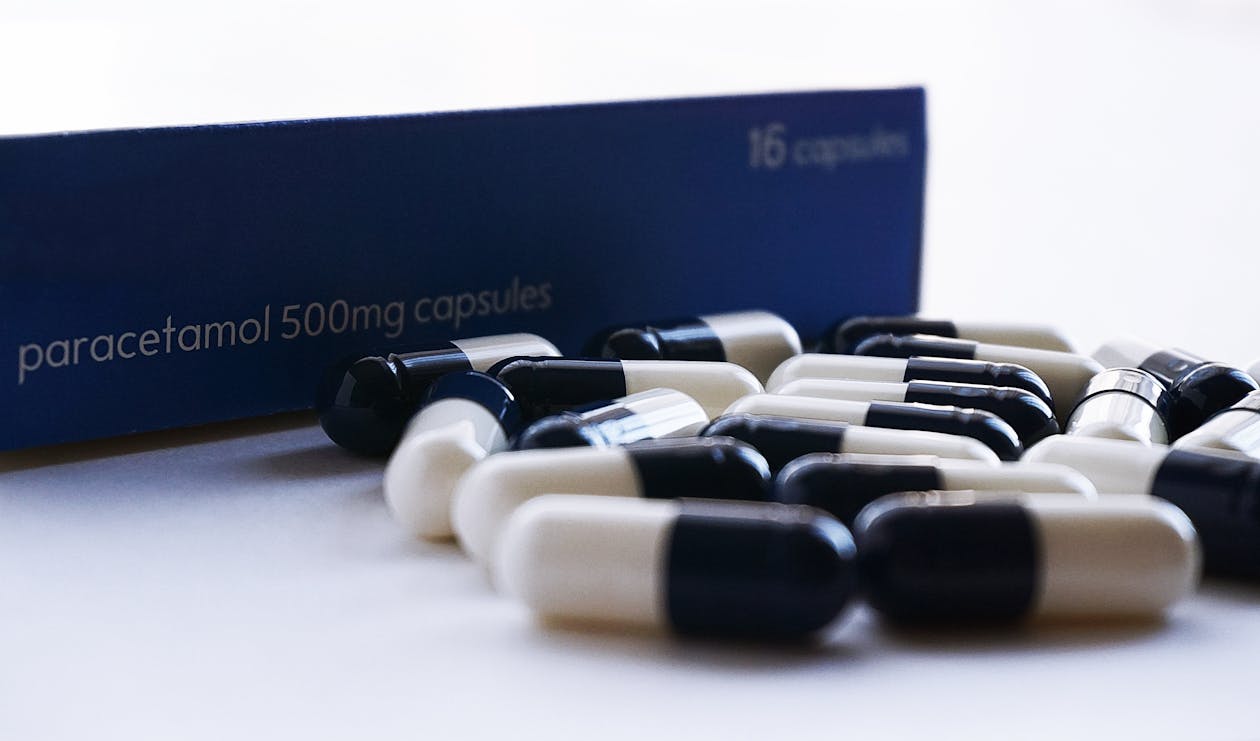 Store supplements properly in their original containers, away from heat and humidity, and out of reach of children.
For Vitamins in Food:
- Eat Fresh: Produce loses vitamins over time. Frozen fruits and vegetables are a great alternative as they are often frozen at peak ripeness.
- Cook Gently: Avoid over-boiling. Steaming, roasting, or sautéing preserves more nutrients.
- Store Properly: Keep cut produce in airtight containers in the refrigerator to minimize oxidation and vitamin loss.
The packaging of your supplements plays a silent but critical role in preserving their integrity. Reputable manufacturers use amber or opaque bottles to block ultraviolet and visible light, which catalyzes oxidative degradation in sensitive compounds like Vitamin C, Vitamin E, and B2. Desiccant packets or cotton plugs are included to absorb ambient moisture and prevent hydrolysis, a chemical reaction that breaks down molecular structures and renders supplements ineffective. It is generally recommended to remove cotton balls after opening, as they can trap humidity and microbial contaminants each time you reach into the bottle, whereas the silica gel desiccant should be left in place.
Certain formulations demand stricter environmental controls. Liquid vitamins, fish oil softgels, and probiotics are highly susceptible to oxidation and thermal degradation. Omega-3 fatty acids, rich in polyunsaturated fats, rapidly become rancid when exposed to heat or light, not only losing their anti-inflammatory properties but potentially promoting oxidative stress. These should be refrigerated after opening and monitored closely for any fishy or sour odor, which indicates lipid peroxidation. Similarly, enteric-coated or sustained-release tablets are engineered to survive stomach acid and dissolve in the intestines; crushing, chewing, or exposing them to excessive humidity compromises this mechanism, leading to gastric irritation and reduced absorption. Always store supplements away from strong odors, as some compounds can absorb volatile molecules from nearby spices, cleaners, or chemicals. When in doubt, refer to the manufacturer's specific storage instructions, which are based on rigorous stability testing under controlled conditions.
Signs of Vitamin Deficiency (and Can You Have Too Much?)
It's important to recognize the signs of both not enough and too much of a vitamin.
Common Signs of Deficiency:
- Fatigue and Weakness: Can be a sign of low Vitamin B12 or iron.
- Bleeding Gums or Easy Bruising: May indicate low Vitamin C or K.
- Bone Pain or Muscle Weakness: Could be a symptom of Vitamin D deficiency.
- Night Blindness: A classic sign of Vitamin A deficiency.
- Tingling or Numbness: Can be related to a Vitamin B12 deficiency.
If you suspect a deficiency, consult a healthcare provider for testing and diagnosis.
The Dangers of Too Many Vitamins (Hypervitaminosis): It is difficult to overdose on vitamins from food alone, but high-dose supplements can be toxic.
- Vitamin A Toxicity: Can cause dizziness, liver damage, and birth defects.
- Vitamin D Toxicity: Leads to a buildup of calcium in the blood (hypercalcemia), causing nausea, confusion, and kidney problems.
- Vitamin B6 Toxicity: High doses can cause severe nerve damage.
- Vitamin E Toxicity: High-dose supplements have been linked to an increased risk of bleeding.
Clinical assessment of vitamin status has evolved significantly. While serum concentrations are the most common initial test, they do not always reflect tissue stores or functional activity. For example, serum B12 levels can appear borderline normal while functional deficiency exists; in such cases, measuring methylmalonic acid (MMA) or homocysteine provides a more accurate picture of intracellular B12 activity. Similarly, 25-hydroxyvitamin D is the gold standard marker for Vitamin D status, but optimal ranges are debated, with many endocrinologists suggesting 30–50 ng/mL for bone and immune health, rather than the older 20 ng/mL threshold. Functional deficiencies—where nutrient levels are technically within normal lab ranges but cellular demand outpaces supply due to stress, illness, or inflammation—are increasingly recognized in integrative and preventive medicine. Addressing these often involves lifestyle modification, gut health optimization, and targeted, moderate-dose supplementation guided by repeat testing rather than guesswork.
*Many people take Vitamin D incorrectly. Learn the right way to optimize absorption and avoid common mistakes.*Special Considerations
Vitamin needs can vary based on age, diet, and lifestyle.
- Life Stage: Children need vitamins for growth, pregnant women have increased needs for nutrients like folate, and older adults may need more B12 and D.
- Dietary Preferences: Vegetarians and vegans must ensure they get enough Vitamin B12, iron, and other nutrients commonly found in animal products.
- Illness or Stress: Your body may use certain nutrients more rapidly during times of illness or chronic stress. A balanced diet is your best defense, though some people find a B-complex supplement helpful during stressful periods.
Beyond these baseline considerations, gastrointestinal health fundamentally dictates vitamin status. The small intestine is the primary site for micronutrient absorption, and conditions that compromise its integrity or motility can precipitate widespread deficiencies. Celiac disease, Crohn's disease, ulcerative colitis, and bacterial overgrowth (SIBO) damage the mucosal lining, impairing transporter function. Individuals who have undergone bariatric surgery experience dramatically reduced gastric acid and bypassed absorption surfaces, necessitating lifelong, high-potency, often chewable or liquid, multivitamin regimens. Chronic alcohol consumption also disrupts absorption, particularly for thiamine (B1), folate, and Vitamin D, while simultaneously increasing renal excretion of magnesium and B vitamins, creating a vicious cycle of metabolic depletion.
Pharmacogenomics is another emerging frontier in personalized vitamin care. Genetic variations affect how efficiently individuals metabolize and utilize micronutrients. The aforementioned MTHFR mutation affects folate processing, while polymorphisms in the GC gene influence Vitamin D binding protein efficiency, making some individuals require higher dietary or supplemental Vitamin D to achieve the same serum levels as others. Similarly, genetic variants in the COMT and MTRR enzymes impact the demand for B6 and B12 during neurotransmitter and methylation cycles. As precision nutrition advances, routine supplementation is gradually shifting away from one-size-fits-all recommendations toward biomarker-driven, genotype-aware protocols that optimize nutrient density without unnecessary accumulation.
Additional Resources
For more detailed, science-based information, explore these authoritative sources:
- NIH Office of Dietary Supplements: Vitamin and Mineral Fact Sheets
- Harvard T.H. Chan School of Public Health: The Nutrition Source: Vitamins
- Mayo Clinic: Supplements: Nutrition in a pill?
- World Health Organization (WHO): Micronutrients Information
Conclusion
Vitamins are the unsung heroes working behind the scenes to keep our bodies functioning optimally. By understanding how to care for your vitamins—through a nutritious diet, wise use of supplements when needed, and proper storage—you can harness their benefits for long-term health. Remember that balance is key. Focus on food variety, listen to your body, and consult professionals for personalized advice.
“The first wealth is health.” – Ralph Waldo Emerson
[This guide is for educational purposes and is not a substitute for professional medical advice. Always check with a healthcare provider before making significant changes to your vitamin or supplement regimen.]
Frequently Asked Questions
Can I get all the vitamins I need from a balanced diet alone?
For most healthy adults consuming a varied, whole-food-based diet, obtaining adequate vitamins from food is entirely possible and generally preferred. Whole foods provide co-factors, fiber, and phytonutrients that enhance absorption and synergistically support metabolic pathways. However, certain populations face unavoidable gaps due to dietary restrictions, geographical limitations (e.g., limited sunlight for Vitamin D synthesis), age-related absorption decline, or increased physiological demands like pregnancy. In these cases, targeted supplementation bridges the gap without compromising the "food-first" foundation. Regular blood work and dietary assessments are the most reliable ways to determine if your intake meets your individual needs.
Are synthetic vitamins in supplements as effective as those from food?
Chemically isolated synthetic vitamins often have high bioavailability but may lack the accompanying co-factors found in whole foods. For example, synthetic Vitamin E (dl-alpha-tocopherol) is approximately 50% as biologically active as natural Vitamin E (d-alpha-tocopherol). However, many synthetic forms like Vitamin C (ascorbic acid) and Vitamin B3 (niacinamide) are virtually identical to their natural counterparts and are efficiently utilized by the body. The primary advantage of food-derived vitamins is the nutritional matrix: fiber slows digestion, polyphenols enhance stability, and complementary minerals optimize transport mechanisms. While synthetic vitamins effectively prevent and treat clinical deficiencies, long-term wellness research consistently favors nutrient intake primarily from minimally processed foods.
How long does it take to correct a vitamin deficiency once supplementation begins?
The timeline varies significantly based on the specific vitamin, severity of the deficiency, absorption capacity, and individual metabolism. Water-soluble vitamins like B12 and Vitamin C can show symptomatic improvement and normalized blood levels within 2 to 8 weeks when supplemented appropriately. Fat-soluble vitamins, particularly Vitamin D and Vitamin A, require longer periods—typically 3 to 6 months—to replenish hepatic and tissue stores, as the body prioritizes immediate metabolic needs before restoring reserves. Conditions affecting gut absorption, such as celiac disease or chronic PPI use, may extend this timeline substantially. Consistency, proper dosing, and addressing underlying malabsorption issues are critical for efficient repletion.
Do vitamins expire, and is it safe to take expired supplements?
Yes, all vitamins have expiration dates, which indicate the manufacturer's guarantee of full potency and safety up to that point. Over time, exposure to oxygen, light, and humidity causes gradual chemical degradation, reducing the active nutrient concentration. Taking expired vitamins is rarely dangerous, but they become progressively less effective. For example, expired fish oil or liquid Vitamin D may oxidize, becoming rancid and potentially inflammatory, while degraded Vitamin C tablets may turn brown and lose antioxidant capacity. It is best to dispose of expired products, especially if you notice changes in color, texture, odor, or crumbling. If you choose to take a recently expired, properly stored dry tablet, expect diminished efficacy rather than toxicity.
Can vitamins interact with prescription medications, and how can I manage this?
Absolutely. Drug-nutrient interactions are common and clinically significant. Certain antibiotics (like fluoroquinolones and tetracyclines) bind to minerals in multivitamins, reducing drug absorption. Warfarin (Coumadin), a blood thinner, is directly antagonized by Vitamin K, making consistent intake levels critical. Statins can deplete CoQ10, while oral contraceptives may lower circulating levels of B vitamins, Vitamin C, and magnesium. To manage these interactions safely, always maintain an updated medication and supplement list for your healthcare providers. A general best practice is to separate vitamin supplements and prescription medications by at least 2 to 4 hours unless specifically instructed otherwise by a pharmacist or physician. Regular monitoring of therapeutic drug levels and nutrient markers ensures both efficacy and safety.
How we work
Researched and drafted with AI assistance, then reviewed by a human editor against the cited sources.
This article is general health information, not medical advice. Consult a qualified healthcare professional about your own situation.