Bile Salts Supplements: Comprehensive Guide to Digestion, Liver Health & Safe Usage

Key points
- Bile production is essential for fat emulsification, micelle formation, and absorption of fat-soluble vitamins A, D, E, and K.
- Common signs of insufficiency include steatorrhea, chronic bloating, unexplained vitamin deficiencies, and postprandial discomfort after fatty meals.
- Ox bile extracts provide broad digestive support, while TUDCA and UDCA focus on hepatoprotection and cholestatic management.
- Proper timing with meals, conservative dosing, and awareness of contraindications maximize benefits while minimizing gastrointestinal irritation.
- Long-term success integrates supplementation with dietary fiber, bitter herbs, hydration, and regular clinical monitoring for sustained hepatobiliary resilience.
In recent years, digestive wellness has moved to the forefront of holistic health discussions, with clinicians and patients alike seeking effective solutions for bloating, fat malabsorption, and persistent post-meal discomfort. As dietary fats play a critical role in hormone synthesis, neurological integrity, and cellular membrane formation, optimizing their digestion has become a foundational priority for long-term vitality. At the center of this intricate digestive process lies a powerful yet frequently overlooked physiological substance: bile. When endogenous production falters or delivery to the intestines becomes compromised, many individuals turn to bile salts supplements to bridge the nutritional gap and restore optimal gastrointestinal function. These specialized formulations are not merely a passing wellness trend; they represent a scientifically grounded approach to supporting hepatobiliary health, enhancing nutrient assimilation, and alleviating chronic digestive complaints that modern diets often exacerbate. Understanding how these compounds interact with your liver, gallbladder, and intestinal mucosa is absolutely essential before incorporating them into your daily regimen. By exploring the underlying physiology, reviewing clinical evidence, and outlining practical application strategies, you can make highly informed decisions about whether these digestive aids align with your unique metabolic profile. This comprehensive guide will walk you through everything from the complex biochemistry of bile synthesis to evidence-based dosing protocols, ensuring you have the knowledge required to use them safely, effectively, and sustainably.
Understanding the Role of Bile Salts in Human Physiology
The Hepatobiliary System and Bile Synthesis
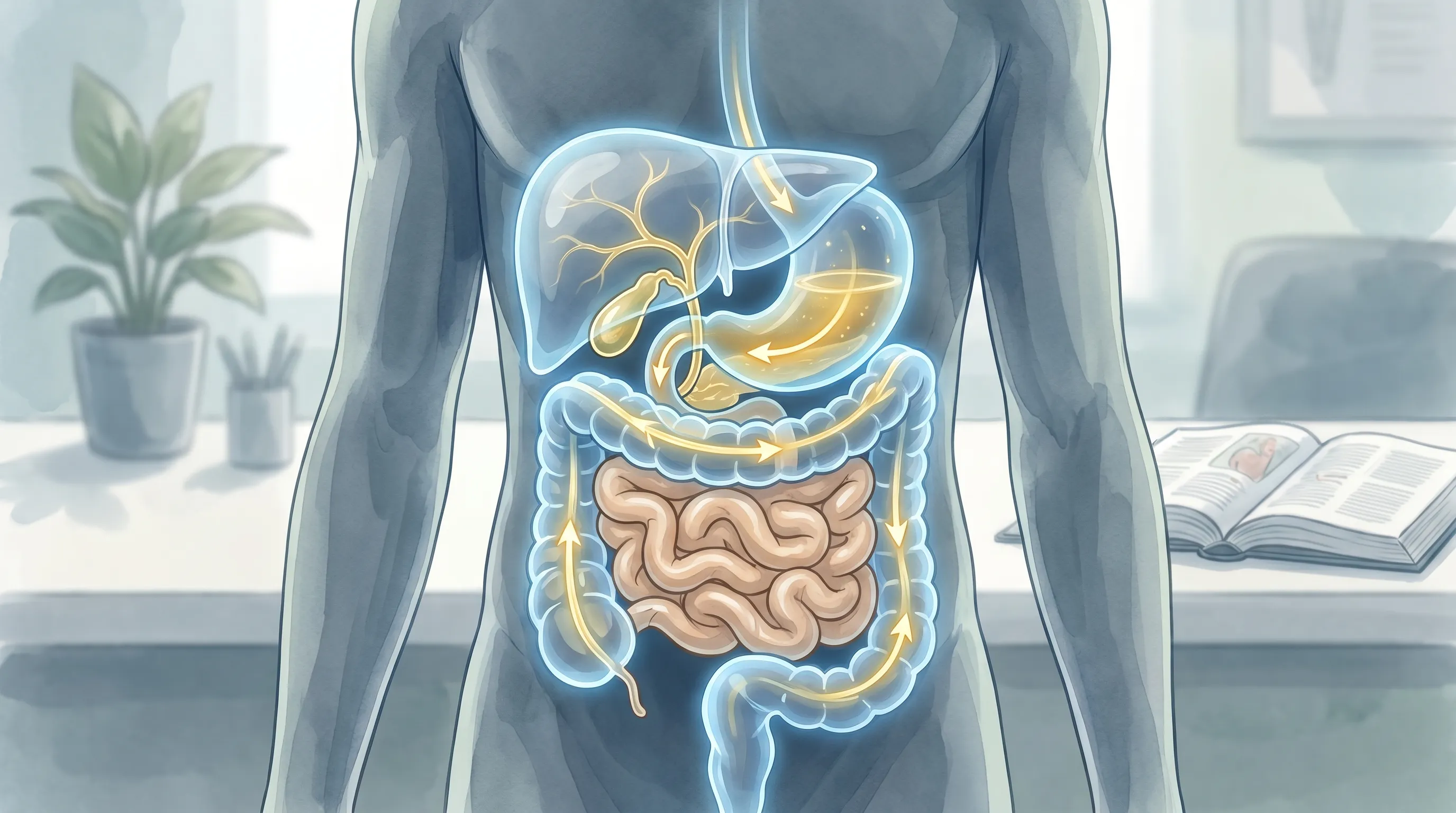
Bile production begins within hepatocytes, the primary functional cells of the liver, where cholesterol serves as the foundational precursor for bile acid synthesis. Through a series of tightly regulated enzymatic reactions, primarily mediated by cholesterol 7α-hydroxylase, the liver converts lipids into primary bile acids, including cholic acid and chenodeoxycholic acid. These acids are then conjugated with either taurine or glycine, transforming them into amphipathic molecules capable of interacting with both water and fat. This conjugation process is vital because it prevents bile acids from passively diffusing back across cell membranes and ensures they remain soluble in the aqueous environment of the small intestine. Once synthesized, these compounds are stored and concentrated in the gallbladder, where water and electrolytes are reabsorbed to create a potent, viscous solution. When dietary fats enter the duodenum, the hormone cholecystokinin is secreted, triggering gallbladder contraction and relaxation of the sphincter of Oddi, which allows bile to flow into the intestinal lumen. For individuals experiencing hepatic congestion, biliary sludge, or impaired gallbladder motility, this natural delivery system becomes disrupted, leading to compromised lipid digestion. In such clinical scenarios, targeted supplementation becomes a practical therapeutic intervention.
Free calculatorDosage CalculatorCalculate medication dosageOpen the calculatorMicelle Formation and Fat Emulsification
The primary biochemical role of bile is to facilitate the formation of mixed micelles, which are microscopic aggregates that encapsulate dietary triglycerides, cholesterol, and phospholipids. Without adequate bile concentration, large fat globules coalesce and float through the digestive tract largely undigested, overwhelming the action of pancreatic lipase. Bile salts act as biological detergents, reducing surface tension and emulsifying fats into smaller, manageable droplets that significantly increase the surface area available for enzymatic hydrolysis. Once pancreatic lipase breaks triglycerides down into monoglycerides and free fatty acids, these smaller molecules are incorporated into bile salt micelles and transported across the unstirred water layer adjacent to the intestinal epithelium. This transport mechanism is the rate-limiting step for lipid absorption, meaning that suboptimal bile flow directly correlates with malabsorption symptoms. Individuals who experience floating, foul-smelling stools, nausea after fatty meals, or unexplained vitamin deficiencies often trace these issues back to inadequate micelle formation. By introducing exogenous compounds through carefully formulated bile salts supplements, patients can artificially restore this critical emulsification capacity, allowing the digestive tract to process dietary lipids efficiently even when endogenous flow is sluggish or insufficient.
The Enterohepatic Circulation Loop
One of the most fascinating aspects of bile physiology is its highly efficient recycling mechanism, known as enterohepatic circulation. Approximately 95% of conjugated bile acids that reach the terminal ileum are actively reabsorbed into the portal bloodstream via specific sodium-dependent bile acid transporters. They then return to the liver, where hepatocytes extract them, conjugate them anew if necessary, and secrete them back into the biliary ducts. This continuous loop minimizes the liver's synthetic burden and maintains a stable bile acid pool of roughly 3 to 5 grams, which cycles multiple times daily during normal feeding patterns. Disruptions to this cycle, such as ileal resection, small intestinal bacterial overgrowth, or rapid intestinal transit, lead to excessive fecal loss of bile acids and subsequent depletion of the circulating pool. When reabsorption falters, the liver must synthesize de novo bile acids from cholesterol, a metabolically demanding process that can strain hepatic reserves and contribute to lipid imbalances. Supplementation strategies that focus on replenishing this pool can help maintain homeostasis, reduce cholesterol turnover, and support sustained digestive efficiency. Understanding this closed-loop system highlights why maintaining optimal gut integrity and transit time is just as crucial as ensuring adequate bile production in the first place.
Recognizing the Signs of Bile Deficiency
Fat Malabsorption and Steatorrhea
The most clinically obvious indicator of inadequate bile flow is steatorrhea, a condition characterized by pale, greasy, foul-smoking stools that are difficult to flush and often leave an oily residue in the toilet bowl. This symptom occurs because undigested triglycerides and cholesterol esters remain in the intestinal lumen, attracting water and accelerating motility through the colon. Patients frequently report increased flatulence, abdominal distension, and a heavy sensation in the upper abdomen shortly after meals rich in avocado, nuts, olive oil, or animal fats. Over time, chronic fat malabsorption can lead to unintended weight fluctuations despite adequate caloric intake, as the body loses valuable energy substrates through the stool. Clinicians typically assess fecal fat content using Sudan III staining or quantitative stool analysis, but many individuals self-identify this pattern long before formal testing occurs. Addressing the underlying delivery issue often resolves these gastrointestinal complaints rapidly. Implementing bile salts supplements alongside moderate fat intake can dramatically improve stool consistency, reduce intestinal urgency, and restore comfort after eating. It is important to gradually reintroduce dietary fats while monitoring tolerance, as sudden increases can overwhelm even supplemented pathways and exacerbate osmotic diarrhea.
Post-Cholecystectomy Digestive Changes
Following gallbladder removal, the body loses its ability to store and concentrate bile, resulting in a continuous, low-grade drip of hepatic secretions into the duodenum regardless of meal presence. This physiological shift creates a paradoxical situation where fasting states expose the intestinal mucosa to constant bile acid exposure, while large, fatty meals arrive without a concentrated bolst of emulsifying agents to process them. Many post-cholecystectomy patients develop bile acid malabsorption, leading to chronic diarrhea, urgency, and bloating. Research indicates that up to 20% of individuals experience persistent digestive alterations years after surgery, significantly impacting quality of life and nutritional status. In these cases, timed administration of exogenous bile acids synchronized with meals can mimic the gallbladder's natural bolus effect, providing the concentrated digestive power exactly when needed. Clinical guidelines recommend taking formulations with the first bite of food containing lipids to ensure proper mixing with chyme. Over time, this targeted approach helps retrain the enteric nervous system, reduces intestinal irritation, and stabilizes bowel patterns. Patients who integrate this strategy often report substantial improvements in energy levels, mood, and overall digestive confidence, highlighting the profound impact of restoring physiological timing to the biliary system.
Microbiome Imbalances and SIBO Connections
Emerging research continues to reveal the intricate relationship between bile acid composition and intestinal microbiota equilibrium. Bile acids possess natural antimicrobial properties that help regulate bacterial populations in the proximal small intestine. When bile flow is stagnant or insufficient, opportunistic pathogens gain a foothold, fermenting undigested nutrients and producing excessive gases such as hydrogen and methane. This environment frequently precedes or exacerbates small intestinal bacterial overgrowth (SIBO), a condition marked by severe bloating, brain fog, and erratic bowel habits. Additionally, bile acids serve as signaling molecules for nuclear receptors like FXR and TGR5, which modulate gut motility, inflammation, and epithelial barrier integrity. Dysregulated signaling contributes to increased intestinal permeability, commonly referred to as leaky gut, allowing lipopolysaccharides and other inflammatory mediators to enter systemic circulation. Restoring adequate bile acid concentration helps reestablish antimicrobial control, supports healthy mucosal turnover, and reinforces tight junction proteins. By addressing bile insufficiency proactively, practitioners can intervene at the root of dysbiosis rather than merely suppressing symptomatic bacterial fermentation. This systemic perspective underscores why comprehensive digestive protocols prioritize biliary health alongside targeted antimicrobial or probiotic interventions.
Types of Formulations and Active Compounds
Conjugated Ox Bile Extracts
The most commonly available form of exogenous biliary support is purified ox bile extract, which closely mirrors the conjugated bile acid profile found in human secretions. Derived from bovine sources, these extracts contain cholic and chenodeoxycholic acid salts conjugated primarily with glycine and taurine. The extraction process typically involves purification, dehydration, and standardized powder formation to ensure consistent potency across batches. High-quality ox bile supplements are enteric-coated or formulated as delayed-release capsules to prevent premature degradation in the acidic gastric environment, ensuring that active compounds remain intact until they reach the duodenum. Clinical practitioners generally prefer standardized ox bile for individuals with intact gallbladders experiencing mild stasis, as it provides a broad-spectrum digestive aid without excessively overloading the hepatic synthetic pathways. When evaluating products, consumers should prioritize third-party tested formulations that disclose exact bile acid percentages and verify absence of heavy metals or residual processing solvents. The American Botanical Council and independent pharmacopeias provide testing standards that reputable manufacturers follow diligently.
Synthetic and Modified Bile Acids (TUDCA and UDCA)
Beyond natural extracts, the market offers hydrophilic bile acid derivatives such as tauroursodeoxycholic acid (TUDCA) and ursodeoxycholic acid (UDCA), which serve distinct physiological roles. TUDCA is particularly renowned for its cytoprotective properties, reducing endoplasmic reticulum stress, mitigating mitochondrial dysfunction, and supporting hepatocellular regeneration under toxic or cholestatic conditions. While less potent at fat emulsification compared to ox bile, TUDCA is frequently utilized in protocols addressing liver inflammation, bile duct obstruction, or metabolic stress. UDCA operates similarly, often prescribed in clinical settings for primary biliary cholangitis and gallstone dissolution therapy due to its ability to displace more hydrophobic, membrane-damaging bile acids. These modified acids are water-soluble, meaning they interact differently with intestinal mucosa and microbiota compared to native compounds. Individuals seeking hepatoprotection, detoxification support, or management of cholestatic symptoms may find greater benefit from these specialized formulations. It is crucial to distinguish between digestive support and cellular liver therapy, as conflating the two can lead to suboptimal dosing and misplaced expectations regarding fat digestion improvements.
Synergistic Nutritional Co-Factors
Modern biliary formulations rarely rely on isolated bile acids alone; instead, they incorporate synergistic co-factors to enhance bioavailability, support hepatic function, and stabilize intestinal pH. Phosphatidylcholine, a major phospholipid found in human bile, is frequently added to reduce bile acid toxicity toward the mucosal lining and promote mixed micelle stability. Taurine and glycine supplements are also common, as they provide the conjugation substrates necessary for the liver to efficiently recycle and process endogenous bile acids. Additionally, formulations may include artichoke leaf extract, which stimulates mild hepatobiliary secretion, or d-limonene, known for its ability to support gallbladder motility and reduce spasm. When selecting a comprehensive product, consumers should review the full ingredient panel to ensure balanced ratios and avoid unnecessary fillers, artificial colors, or high-dose stimulants. Evidence suggests that multi-target approaches yield faster symptomatic relief and more sustained metabolic adaptation compared to monotherapy, particularly in individuals with complex digestive histories or long-standing nutrient deficiencies.
| Compound | Primary Mechanism | Ideal Use Case | Typical Dosing Range | Key Considerations |
|---|---|---|---|---|
| Ox Bile Extract | Broad-spectrum fat emulsification, micelle formation | General fat malabsorption, mild biliary stasis | 125-500 mg per fatty meal | May cause loose stools if overdosed; best taken with food |
| TUDCA | Cellular stress reduction, ER protection, hepatoprotection | Liver inflammation, metabolic stress, cholestasis support | 250-500 mg daily | Primarily for liver health; limited digestive fat action |
| UDCA | Gallstone solubilization, hydrophobic acid displacement | Biliary sludge, specific liver conditions (medical use) | 8-15 mg/kg/day | Requires clinical supervision; interacts with medications |
| Phosphatidylcholine | Bile toxicity buffering, micelle stability enhancement | Gut lining protection, chronic inflammation | 600-1800 mg daily | Highly synergistic; supports membrane repair |
| Taurine/Glyine Blend | Conjugation substrate provision, bile acid recycling | Depleted conjugation pools, chronic fatigue | 500-2000 mg daily | Supports long-term hepatic efficiency |
Clinical Evidence and Evidence-Based Applications
Optimizing Fat-Soluble Vitamin Uptake
One of the most compelling clinical indications for targeted biliary support is the prevention and treatment of fat-soluble vitamin deficiencies. Vitamins A, D, E, and K require micellar transport for intestinal absorption, and inadequate bile flow directly impairs their uptake. Deficiencies in vitamin A can compromise visual health and immune surveillance, while vitamin D insufficiency affects calcium metabolism, bone density, and inflammatory regulation. Vitamin E serves as a critical antioxidant protecting cellular membranes from lipid peroxidation, and vitamin K is essential for coagulation cascade activation and osteocalcin carboxylation. Patients with chronic steatorrhea frequently present with subclinical deficiencies that manifest as night blindness, muscle weakness, prolonged bleeding times, or unexplained bruising. Studies published in gastroenterology journals demonstrate that co-administration of bile acids with fat-soluble vitamin supplements significantly improves serum markers compared to vitamins alone. For individuals struggling to normalize blood levels despite high-dose supplementation, evaluating biliary function should be considered a priority step. Integrating bile salts supplements into a comprehensive nutrient restoration protocol often yields measurable improvements in laboratory parameters, energy metabolism, and immune resilience within weeks.
Modulating Gut Microbiota and Intestinal Permeability
The intersection of bile metabolism and gut ecology represents a rapidly expanding area of gastroenterological research. Bile acids function as potent signaling ligands for G-protein-coupled receptors expressed on intestinal epithelial cells and immune cells. When bile flow is adequate, these signaling pathways maintain homeostatic inflammation, regulate tight junction assembly, and promote mucus secretion that shields the epithelium from luminal antigens. Conversely, bile acid dysregulation contributes to mucosal barrier disruption, allowing bacterial translocation and systemic immune activation. Clinical trials examining bile acid modulators in inflammatory bowel conditions and functional dyspepsia report significant improvements in symptom severity scores and mucosal healing markers. By restoring physiological bile concentrations, patients can create an intestinal environment less conducive to pathogenic overgrowth while favoring commensal species that contribute to short-chain fatty acid production and colonocyte nourishment. This ecological shift often reduces chronic fatigue, brain fog, and joint discomfort that frequently accompany long-standing digestive compromise. Practitioners increasingly view biliary optimization not as a standalone intervention but as a foundational pillar for comprehensive gut rehabilitation and microbiome restoration.
Metabolic Support and Cholesterol Homeostasis
Bile acid synthesis represents the primary catabolic pathway for cholesterol elimination in humans. When bile is secreted into the intestine and subsequently excreted through feces, the body draws upon circulating and hepatic cholesterol pools to replenish lost acids. This continuous turnover helps maintain favorable lipid ratios and supports cardiovascular health. However, impaired enterohepatic recycling or excessive de novo synthesis can disrupt metabolic equilibrium, contributing to elevated LDL particles and triglyceride accumulation. Certain bile acid sequestrants are already prescribed in lipid management, but physiological modulation through targeted supplementation and dietary fiber synergy offers a gentler approach. Research indicates that optimizing bile flow supports healthy cholesterol clearance while simultaneously improving insulin sensitivity through TGR5 receptor activation in enteroendocrine cells. This metabolic cross-talk explains why individuals addressing digestive insufficiency often experience unintended but welcome improvements in weight management, glycemic control, and overall cardiovascular markers. By viewing the hepatobiliary system as a central metabolic regulator rather than merely a digestive accessory, clinicians and patients can design more holistic strategies that address systemic health beyond symptomatic relief. For those exploring these pathways, authoritative resources like the NIH Office of Dietary Supplements and peer-reviewed metabolic journals provide extensive clinical data supporting this integrated perspective. Read more on metabolic bile pathways

Safe Usage Guidelines and Practical Protocols
Dosage Timing and Meal Pairing Strategies
Successful implementation of any biliary support protocol hinges on precise timing and contextual meal pairing. Because bile acids function as emulsifiers, they must be physically present alongside dietary lipids in the duodenum to form micelles effectively. Taking supplements on an empty stomach or hours after eating renders them largely ineffective and increases the likelihood of gastrointestinal irritation. The optimal approach involves ingesting the formulation with the first few bites of your largest fat-containing meal, ensuring gradual mixing with chyme as it enters the small intestine. Starting with a conservative dose of 125 to 250 mg and gradually titrating upward based on tolerance prevents osmotic overload and allows the enteric nervous system to adapt. If experiencing loose stools or cramping, reducing the dose or distributing it across two smaller meals often resolves the issue. Individuals following ketogenic or high-fat dietary patterns may require higher frequencies, typically three times daily, to match lipid intake. Conversely, those on low-fat or plant-heavy diets might only need support during occasional rich meals. Consistency remains paramount, as sporadic usage prevents the establishment of stable enterohepatic cycling and delays symptom resolution. Tracking meals alongside dosing in a simple journal helps identify optimal timing windows and clarifies which food triggers require adjustment. For visual guidance on proper administration, many digestive health educators provide detailed walkthroughs online. Watch dosage timing guide
Contraindications and Safety Precautions
While generally well-tolerated, bile salts supplements are not universally appropriate, and understanding contraindications prevents adverse outcomes. Individuals with active gallstone disease, particularly large cholesterol stones or obstructing calculi, should avoid aggressive biliary stimulation until evaluated by a gastroenterologist, as sudden contraction or increased bile concentration can trigger biliary colic or ductal impaction. Patients diagnosed with severe cholestasis, acute hepatitis, or biliary atresia require medical supervision, as exogenous acids may exacerbate hepatic stress or interfere with prescribed therapies. Pregnancy and lactation represent another cautionary category; while conjugated bile acids naturally fluctuate during pregnancy, high-dose supplementation should only occur under obstetric guidance to monitor hepatic function and fetal development. Additionally, those with inflammatory bowel disease flare-ups or severe ulcerative conditions may experience mucosal irritation from unbuffered acids, necessitating buffered formulations or phospholipid co-administration. Drug interactions warrant particular attention, especially regarding fat-soluble pharmaceuticals, thyroid replacement medications, and cyclosporine, as altered micelle formation can unpredictably modify absorption kinetics. Establishing a four-hour separation window between bile acid administration and prescription medications generally mitigates these risks. Always consult a licensed healthcare provider before initiating supplementation, particularly when managing complex metabolic conditions or polypharmacy regimens.
Monitoring Response and Long-Term Considerations
Effective supplementation extends beyond initial symptom relief into sustained physiological adaptation and periodic reassessment. After four to six weeks of consistent use, patients should evaluate changes in stool consistency, postprandial comfort, bloating frequency, and overall energy levels. Laboratory markers, including comprehensive metabolic panels, lipid profiles, and fat-soluble vitamin concentrations, provide objective data to confirm functional improvements. If symptoms resolve completely, some individuals can gradually taper dosing, relying on restored endogenous production and dietary synergy. Others with chronic biliary dyskinesia, prior surgical intervention, or persistent metabolic stress may benefit from ongoing low-dose maintenance. Incorporating bitter herbs like gentian or dandelion root can support endogenous secretion alongside exogenous supplementation, promoting hepatic resilience and natural cycling. Lifestyle factors such as stress management, adequate hydration, and regular physical activity significantly influence vagal tone and hepatobiliary motility, meaning supplementation works best within a broader wellness framework. Long-term safety data for standardized ox bile extracts remain favorable when used within recommended parameters, though periodic liver enzyme monitoring is prudent for individuals with pre-existing hepatic conditions. By treating biliary optimization as a dynamic, responsive process rather than a permanent fix, patients can adjust protocols as metabolic demands shift across life stages, dietary changes, or seasonal variations. For deeper clinical insights into hepatobiliary function and digestive rehabilitation, reputable medical centers publish ongoing guidelines that bridge traditional pharmacology with functional nutrition strategies. Explore gallbladder health guidelines
Frequently Asked Questions
What Are the Best Bile Salts Supplements on the Market?
The most effective formulations feature standardized ox bile extract with disclosed potency percentages, preferably combined with phosphatidylcholine and taurine to support mucosal tolerance and conjugation efficiency. Look for products manufactured in GMP-certified facilities with third-party testing for purity, heavy metals, and residual solvents. Enteric-coated capsules or delayed-release blends typically offer superior bioavailability by protecting active compounds from gastric degradation.
Can I Take Bile Salts If I Still Have My Gallbladder?
Yes, individuals with intact gallbladders can safely utilize these supplements when experiencing functional sluggishness, mild stasis, or digestive discomfort after fatty meals. Starting at low doses and monitoring tolerance prevents overstimulation. If you have a history of gallstones or experience sharp upper right quadrant pain, consult a physician before use to ensure active obstruction is ruled out.
How Long Does It Take for Bile Salts Supplements to Work?
Most users notice reduced bloating, improved stool consistency, and less post-meal heaviness within three to seven days of consistent, meal-timed administration. Complete optimization of fat-soluble vitamin levels and microbiome stabilization typically requires four to twelve weeks of sustained use alongside appropriate dietary adjustments and lifestyle modifications.
Are There Natural Dietary Alternatives to Bile Salts Supplements?
Bitter foods such as arugula, dandelion greens, and radicchio naturally stimulate hepatic secretion and gallbladder motility through vagal reflexes. Adequate hydration, regular meal timing, and dietary fiber from vegetables and legumes support healthy bile flow and prevent sludge formation. While whole foods promote endogenous production, they may not provide sufficient concentration for individuals with significant insufficiency or post-surgical anatomical changes.
What Are the Common Side Effects of Overdosing on Bile Salts?
Excessive intake commonly causes osmotic diarrhea, abdominal cramping, nausea, and loose stools due to unabsorbed acids irritating the intestinal lining and drawing water into the lumen. Reducing the dose, splitting administration across smaller meals, or increasing phospholipid co-supplementation typically resolves these symptoms rapidly. Persistent gastrointestinal distress warrants medical evaluation to rule out underlying pathology.
Conclusion
Optimizing digestive efficiency and metabolic health often requires looking beyond conventional enzyme or probiotic protocols to address foundational biliary function. When bile production or delivery becomes compromised, fat malabsorption, nutrient deficiencies, and microbiome dysregulation quickly follow, creating a cascade of systemic symptoms that impact quality of life and long-term wellness. Understanding the physiological mechanisms of micelle formation, enterohepatic recycling, and hepatic signaling empowers individuals to make informed decisions about when and how to integrate targeted support. High-quality bile salts supplements, when selected carefully and administered with strategic timing, offer a scientifically validated pathway to restore digestive comfort, enhance vitamin assimilation, and stabilize intestinal ecology. Safety remains paramount; appropriate dosing, awareness of contraindications, and regular clinical monitoring ensure that supplementation complements rather than complicates existing health conditions. By combining evidence-based supplementation with mindful dietary choices, stress reduction, and consistent lifestyle habits, you can cultivate a resilient hepatobiliary system capable of sustaining optimal metabolic function for years to come. As research continues to illuminate the profound systemic influence of bile acids, prioritizing biliary health will undoubtedly remain a cornerstone of preventive medicine and functional wellness strategies.
Key Takeaways
- Bile production is essential for fat emulsification, micelle formation, and absorption of fat-soluble vitamins A, D, E, and K.
- Common signs of insufficiency include steatorrhea, chronic bloating, unexplained vitamin deficiencies, and postprandial discomfort after fatty meals.
- Ox bile extracts provide broad digestive support, while TUDCA and UDCA focus on hepatoprotection and cholestatic management.
- Proper timing with meals, conservative dosing, and awareness of contraindications maximize benefits while minimizing gastrointestinal irritation.
- Long-term success integrates supplementation with dietary fiber, bitter herbs, hydration, and regular clinical monitoring for sustained hepatobiliary resilience.
How we work
Researched and drafted with AI assistance, then reviewed by a human editor against the cited sources.
This article is general health information, not medical advice. Consult a qualified healthcare professional about your own situation.