Does Bone Grafting Hurt? What to Expect, Pain Management & Recovery
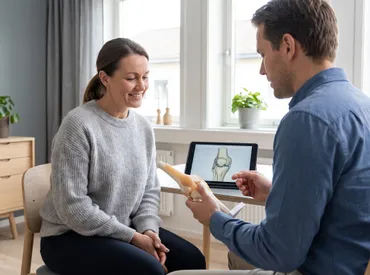
If you have been recommended a bone graft, whether for dental restoration, spinal fusion, or orthopedic reconstruction, one question inevitably dominates your mind: does bone grafting hurt? The anxiety surrounding surgical pain is completely natural, but understanding the reality of the procedure, modern pain management protocols, and the biological healing process can significantly ease your worries. Bone grafting has evolved into a highly refined, routine medical and dental procedure. While discomfort is expected during the initial recovery phase, it is rarely severe when managed correctly. Contemporary anesthesia ensures you remain completely comfortable during surgery, while targeted post-operative care keeps pain within a manageable range. This comprehensive guide breaks down exactly what to expect, how pain is measured and controlled, and the practical steps you can take to ensure a smooth, comfortable recovery. By combining clinical evidence with patient-centered care strategies, you will gain the clarity needed to approach your procedure with confidence rather than fear.
Understanding Bone Grafting: The Science and Purpose Behind the Procedure
What Exactly Is a Bone Graft?
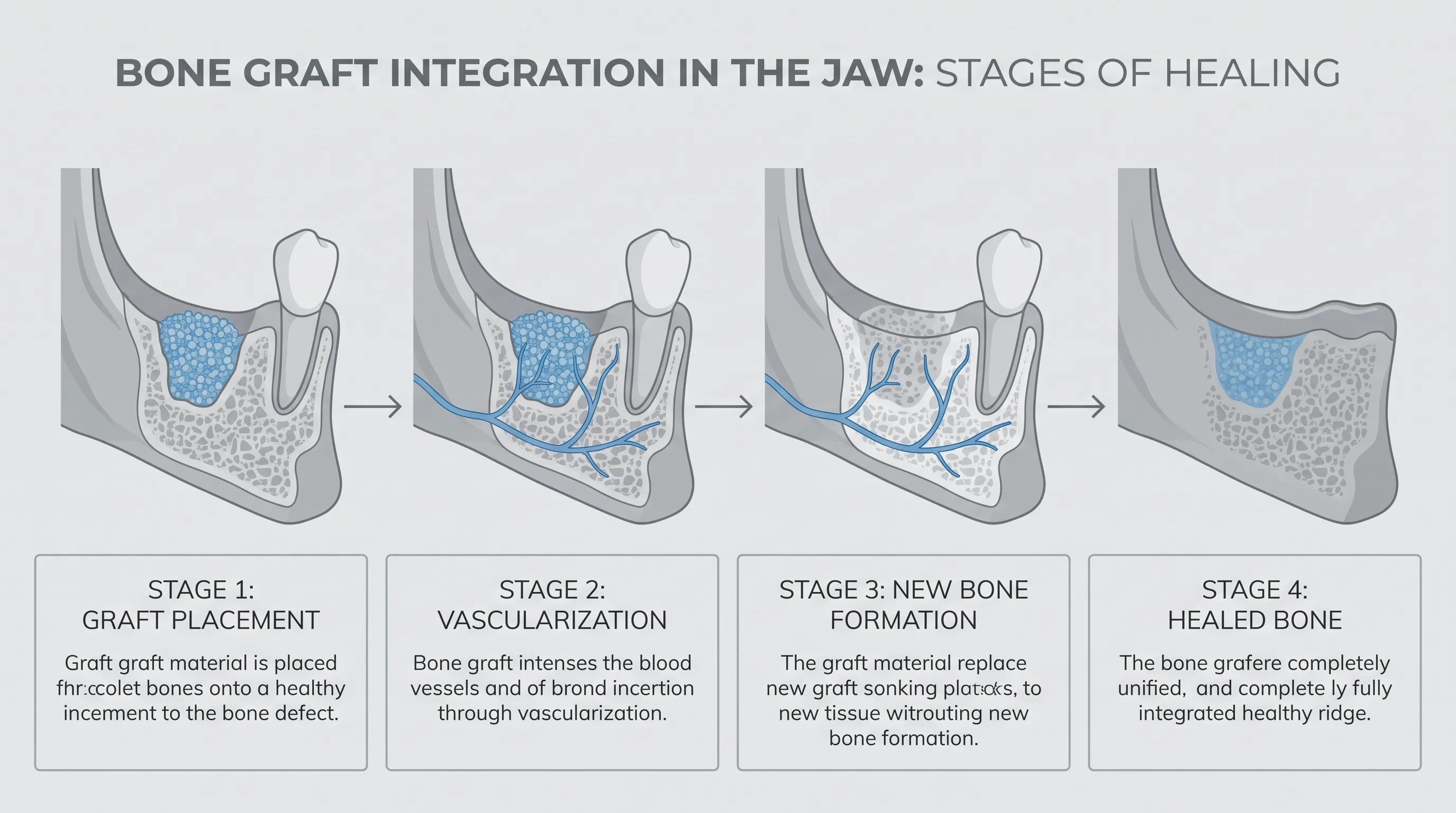
A bone graft is a surgical technique that replaces missing or damaged bone with biologically compatible material to stimulate natural bone regeneration, as outlined in clinical guidelines from the Cleveland Clinic. The procedure operates on three core biological principles: osteogenesis (live bone cells promoting new growth), osteoinduction (signaling molecules triggering stem cell differentiation into bone-forming osteoblasts), and osteoconduction (providing a structural scaffold for new bone to migrate and deposit minerals). Unlike traditional hardware fixation that merely holds fractured segments together, a graft actively participates in your body's remodeling cycle. Over time, the transplanted material is gradually resorbed and replaced by your own native bone tissue, a process called creeping substitution. This biological transformation is highly regulated and relies on adequate blood supply, mechanical stability, and optimal local pH levels to prevent necrosis or inflammatory overload.
Free calculatorBMI CalculatorCalculate Body Mass IndexOpen the calculatorCommon Applications in Medicine and Dentistry
In dentistry, bone grafting is routinely performed to preserve alveolar ridge height after tooth extraction, augment the maxillary sinus for future implant placement, or regenerate periodontal defects caused by severe gum disease. Orthopedic and neurosurgical specialties utilize grafts extensively for spinal fusions, complex fracture non-unions, joint revision surgeries, and tumor resections requiring skeletal reconstruction. Regardless of anatomical location, the fundamental objective remains identical: restore structural integrity, facilitate load-bearing capacity, and prevent progressive skeletal deterioration. Each clinical scenario demands precise surgical planning, and understanding why you specifically need a graft helps contextualize your expected pain trajectory and recovery milestones.
The Biological Healing Cascade
Pain following a bone graft is fundamentally an inflammatory response. Within minutes of tissue incision, your immune system releases cytokines, prostaglandins, and bradykinin, which sensitize nociceptors (pain receptors) and increase vascular permeability. This causes localized swelling, warmth, and throbbing sensations. While alarming to inexperienced patients, this cascade is entirely normal and indicates active cellular recruitment. Platelet-derived growth factors and transforming growth factors initiate the soft tissue repair phase, followed by cartilaginous callus formation and eventual mineralization. Pain perception typically peaks during the acute inflammatory window (days two through three) and steadily declines as collagen matures and vascular networks re-establish. Recognizing this timeline helps differentiate normal healing discomfort from pathological complications, a physiological process extensively documented by the National Institutes of Health (NIH).
Does Bone Grafting Hurt? Separating Fact from Fiction
Intraoperative Pain: What You Experience During Surgery
Modern surgical and dental protocols prioritize absolute patient comfort. Before any incision or drilling begins, you will receive targeted anesthesia. Local anesthetic blocks peripheral nerve transmission entirely. If anxiety or procedure complexity warrants deeper relaxation, intravenous sedation or general anesthesia ensures unconsciousness or profound sedation. You may feel mild pressure from retractors, suction devices, or bone preparation instruments, but sharp pain is neurologically impossible while anesthesia remains active. Advanced nerve monitoring and real-time pain assessment allow clinicians to administer additional anesthetic immediately if breakthrough discomfort occurs. Therefore, when considering does bone grafting hurt during the operation itself, the clinical answer is unequivocally no.
Post-Operative Pain: The First 72 Hours
Once anesthesia metabolizes, typically within four to eight hours post-procedure, mild to moderate discomfort begins. This manifests as a dull, rhythmic throbbing accompanied by noticeable swelling. Pain intensity usually measures between three and five on a ten-point scale for most patients. The discomfort stems from tissue trauma, vascular dilation, and early inflammatory mediator release. Swelling typically peaks at forty-eight hours before gradually resolving. During this critical window, staying ahead of pain is far more effective than reacting to severe throbbing. Prophylactic medication scheduling, strict adherence to cold therapy, and maintaining an elevated head position dramatically reduce nociceptive signaling and accelerate early comfort.
Managing Expectations: Normal Discomfort vs. Severe Pain
It is crucial to establish realistic benchmarks for what constitutes typical post-graft discomfort. Expect manageable soreness, stiffness, and occasional pressure, especially when chewing, turning your neck, or changing positions. Sharp, stabbing, or exponentially worsening pain beyond day three is abnormal and warrants immediate clinical evaluation. Psychological factors such as surgical anxiety, sleep deprivation, and pain catastrophization can artificially elevate perceived discomfort. Mind-body techniques, proper education, and transparent communication with your surgical team significantly modulate pain pathways. When patients proactively prepare and follow evidence-based protocols, the reality of post-operative recovery is consistently less severe than anticipated.
Types of Bone Grafts and How They Impact Discomfort Levels
Autografts: The Gold Standard with Higher Initial Discomfort
Autografts utilize your own harvested bone, typically taken from the chin, retromolar area, iliac crest, or tibia. Because they involve a secondary surgical site, autografts inherently generate more post-operative discomfort. Donor site pain often exceeds graft site pain, particularly with iliac crest harvesting. However, autografts offer superior osteogenic potential, reduced immunogenic rejection risk, and faster integration timelines. Patients choosing autografts should anticipate a slightly more intensive pain management regimen during the first week, followed by rapid symptom resolution as both wounds begin epithelializing and stabilizing.
Allografts and Xenografts: Minimizing Donor Site Pain
Allografts utilize processed human donor bone, while xenografts derive from bovine or porcine sources. Both undergo rigorous sterilization, demineralization, and freeze-drying to eliminate cellular material while preserving structural integrity. Because no secondary harvest site is required, initial discomfort is confined solely to the primary graft location. Pain profiles closely mimic complex tooth extractions or localized orthopedic surgeries. Allografts and xenografts integrate slightly slower than autografts but offer comparable long-term outcomes with significantly reduced early morbidity.
Synthetic Grafts and Growth Factors
Calcium phosphate ceramics, hydroxyapatite blocks, and bioactive glass formulations represent the synthetic category. These materials are engineered to mimic natural bone architecture while providing controlled degradation rates. When combined with recombinant human bone morphogenetic proteins (rhBMP) or platelet-rich plasma (PRP), synthetic grafts actively recruit host osteoblasts and accelerate vascularization. Pain levels with synthetic grafts are generally mild to moderate, primarily driven by surgical incision healing and localized inflammation rather than biological rejection or aggressive remodeling.
| Graft Type | Source Material | Primary Pain Driver | Typical Recovery Discomfort | Best Clinical Use Case |
|---|---|---|---|---|
| Autograft | Patient's own bone | Dual surgical sites, tissue harvesting | Moderate-High (Days 1-5) | Large defects, high load-bearing requirements |
| Allograft | Processed human donor | Single site, inflammatory response | Mild-Moderate (Days 2-4) | Socket preservation, moderate ridge augmentation |
| Xenograft | Bovine/Porcine bone | Single site, gradual integration | Mild (Days 2-4) | Sinus lifts, periodontal regeneration |
| Synthetic | Bio-ceramics/Polymers | Single site, material stabilization | Mild (Days 2-3) | Controlled resorption needs, allergy concerns |
Evidence-Based Pain Management Strategies That Work
Pharmacological Protocols Recommended by Specialists
Contemporary pain management relies on multimodal analgesia to target multiple neurological pathways simultaneously. Nonsteroidal anti-inflammatory drugs (NSAIDs) such as ibuprofen (400-600mg every six hours) and naproxen inhibit cyclooxygenase enzymes, reducing prostaglandin-mediated inflammation and edema. Acetaminophen (500-1000mg every six hours) acts centrally on COX-3 pathways and serotonin receptors, complementing NSAIDs without increasing gastrointestinal risk. When combined on staggered schedules, these medications often eliminate the need for prescription opioids. In cases of severe swelling, surgeons may prescribe a short tapering course of dexamethasone. Antibiotics are administered prophylactically to prevent bacterial colonization that could trigger secondary inflammatory pain. Always follow your provider's exact dosing schedule to avoid toxicity or rebound inflammation, consistent with pain management recommendations from the Mayo Clinic.
Non-Pharmacological Comfort Measures
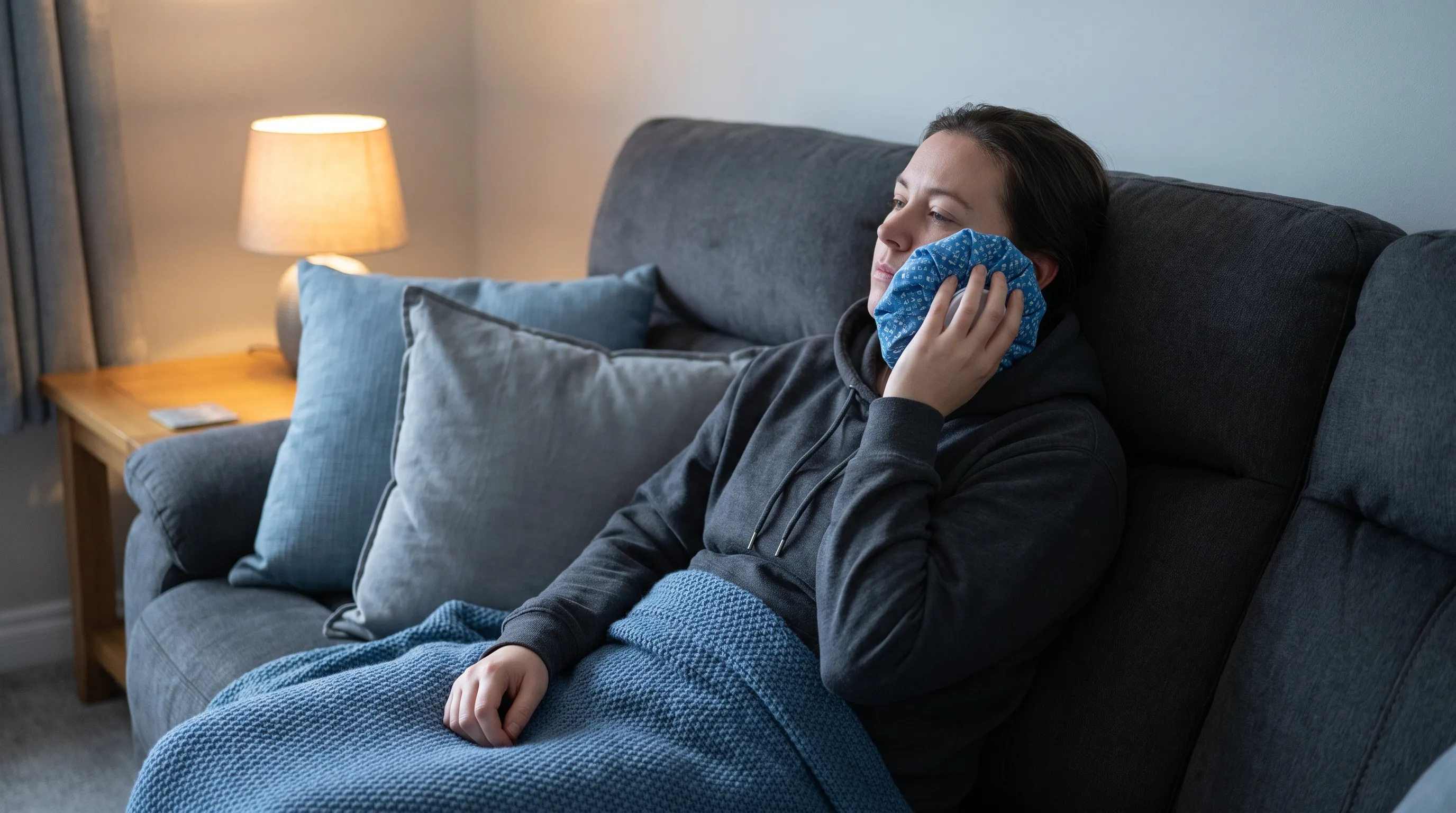
Cold therapy remains one of the most effective non-drug interventions for post-surgical pain. Applying an ice pack or gel wrap for twenty minutes on, twenty minutes off, during the first forty-eight hours constricts superficial blood vessels, decreases metabolic demand, and slows nerve conduction velocity. Head elevation above heart level utilizes gravity to limit fluid accumulation and reduce pressure-sensitive pain. Gentle warm saltwater rinses beginning forty-eight hours post-procedure maintain oral hygiene without disrupting the clotting matrix. Soft, cool, and non-chewy foods minimize mechanical trauma. Avoiding straws, vigorous spitting, and smoking prevents negative pressure that could dislodge the forming clot or compromise graft stability. These simple behavioral modifications dramatically reduce discomfort without pharmacological side effects.
Lifestyle Adjustments to Accelerate Healing and Reduce Pain
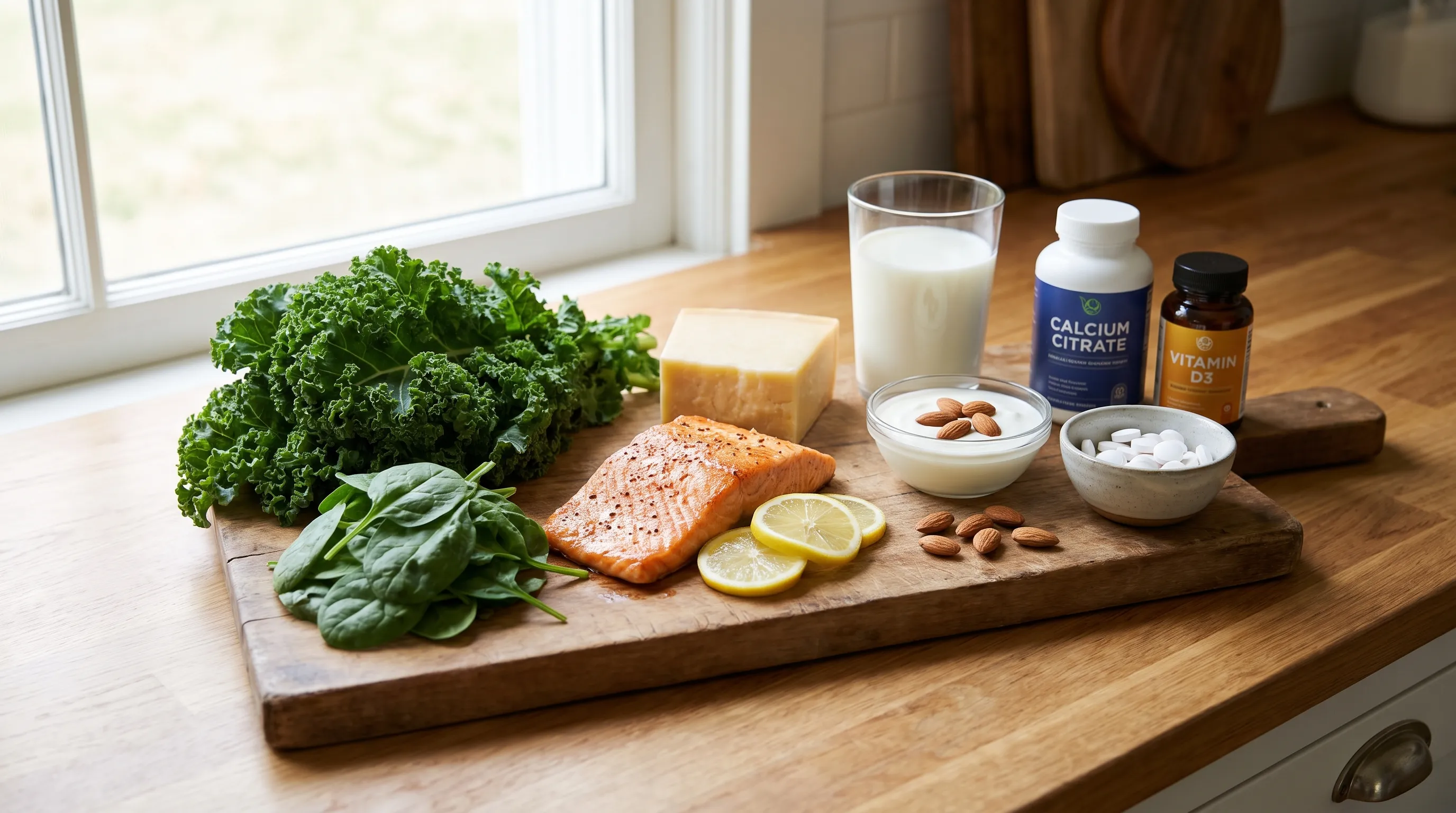
Your daily habits directly influence inflammatory resolution and tissue regeneration. Smoking cessation is non-negotiable; nicotine causes vasoconstriction, severely limiting blood flow to the graft site and delaying osteogenesis while exponentially increasing pain duration. The CDC strongly advises that patients quit tobacco use prior to surgery to optimize vascular recovery and immune response. Optimizing protein intake (aiming for 1.2-1.5g/kg body weight) supplies essential amino acids for collagen synthesis and cellular repair. Calcium and vitamin D supplementation supports mineralization, though mega-dosing provides no additional benefit. Staying hydrated maintains mucosal moisture and facilitates metabolic waste removal. Prioritizing seven to eight hours of uninterrupted sleep enhances growth hormone secretion, which peaks during slow-wave sleep cycles. Stress reduction through meditation, deep breathing, or guided imagery lowers cortisol levels, which otherwise prolongs inflammation and heightens pain sensitivity.
The Recovery Timeline: A Practical Day-by-Day Breakdown
The First 48 Hours: Peak Inflammation Management
Hours zero to forty-eight constitute the most intense period of post-operative recovery. Numbness gradually fades, giving way to noticeable swelling, mild bleeding, and rhythmic throbbing. Strict adherence to medication schedules prevents pain escalation. Apply cold compresses consistently. Maintain strict head elevation during rest. Consume only liquids or pureed foods. Avoid any physical exertion or bending below the waist. Gentle finger pressure with sterile gauze controls residual oozing. This phase demands patience and discipline, but pain remains highly predictable and easily controllable with proper intervention.
Days 3 to 7: Transitioning to Mild Discomfort
As acute inflammation resolves, swelling visibly decreases, and jaw stiffness or surgical site tension becomes more apparent than sharp pain. Transition from ice to alternating warm compresses to promote localized blood flow and lymphatic drainage. Begin gentle, prescribed mouth rinses. Introduce slightly firmer foods like scrambled eggs, mashed potatoes, and oatmeal, chewing exclusively on the opposite side. Most patients successfully wean off NSAIDs and transition to as-needed acetaminophen by day five. Fatigue remains common due to tissue repair energy demands and possible medication drowsiness.
Weeks 2 to 4: Gradual Normalization
Soft tissue epithelialization typically completes during this window. Surgical sutures dissolve or are removed. Any residual soreness is mild and only noticeable with extreme jaw stretching, heavy chewing, or prolonged neck positioning. You may gradually resume light cardiovascular exercise and routine daily activities. Avoid impact sports, heavy lifting, or activities that risk facial or spinal trauma. Continue calcium-rich nutrition and maintain meticulous oral hygiene using ultra-soft brushing techniques around the grafted area.
Months 2 to 6: Bone Maturation and Long-Term Comfort
Bone remodeling enters the mineralization phase. Radiographic imaging gradually shows increasing radiopacity as new trabecular bone bridges the graft particles. Patients report zero localized pain, though mild sensitivity may persist during temperature extremes or heavy mastication until implants are loaded or spinal hardware integrates. Follow-up appointments monitor integration progress. Most individuals feel completely normal by month three, with full structural strength achieved between four to six months.
Factors That Influence Your Individual Pain Experience
Medical History and Pre-Existing Conditions
Systemic health profoundly alters pain perception and healing velocity. Uncontrolled diabetes impairs microvascular perfusion and neutrophil function, prolonging inflammation and increasing infection risk. Osteoporosis medications like bisphosphonates can alter bone turnover rates, requiring modified surgical approaches and extended monitoring. Autoimmune disorders and chronic inflammatory conditions amplify baseline cytokine levels, potentially intensifying post-operative swelling. Patients with obstructive sleep apnea or chronic pain syndromes often require adjusted anesthetic and analgesic protocols. Comprehensive pre-operative screening ensures your pain management plan addresses these physiological variables.
Age, Pain Tolerance, and Psychological Factors
Younger patients generally exhibit faster cellular regeneration and more robust vascular responses, leading to shorter acute pain phases. Older adults may experience prolonged recovery due to diminished osteoblast activity and reduced tissue elasticity. Genetic variations in opioid receptor expression and cytochrome P450 enzyme metabolism influence medication efficacy. Psychological states such as anticipatory anxiety, depression, or pain catastrophization activate the limbic system, amplifying nociceptive signaling. Cognitive behavioral techniques, pre-operative counseling, and clear expectation setting significantly modulate subjective pain scores and improve recovery compliance.
Surgical Complexity and Anatomical Location
Procedural scope directly correlates with tissue trauma. A single-tooth socket preservation requires minimal incision and localized bone placement, resulting in low discomfort. Conversely, extensive ridge augmentation, sinus floor elevation, or multilevel spinal fusion involves larger exposures, prolonged operative times, and greater muscular manipulation. Mandibular grafts typically heal faster than maxillary due to denser cortical bone and superior vascularity. Spinal procedures require careful muscle retraction, leading to transient muscular soreness alongside surgical pain. Your surgeon tailors anesthesia depth, incision techniques, and closure methods to minimize tissue disruption and optimize early comfort.
Red Flags: When Discomfort Becomes a Cause for Concern
Signs of Infection or Graft Failure
While mild discomfort is expected, escalating pain after day four strongly indicates pathological processes. Watch for progressive swelling that extends into the neck or under the eye, foul-tasting yellow or green exudate, fever exceeding 100.4°F (38°C), or palpable warmth radiating beyond the surgical margin. Graft failure may present as visible particulate material extruding from the incision, persistent mobility of the surgical site, or inability to tolerate any pressure. Bacterial colonization disrupts the delicate pH balance required for osteogenesis and triggers destructive immune responses. Immediate clinical intervention with targeted antibiotics, possible debridement, and culture testing prevents permanent bone loss and systemic complications, aligning with standard post-surgical guidelines from the Mayo Clinic.
Nerve Involvement and Atypical Pain Syndromes
Nerve irritation or injury produces distinctly different pain characteristics than typical inflammatory throbbing. Symptoms include sharp, electric-like shocks, persistent burning sensations, unilateral numbness extending to the chin, lips, or extremities, and hyperesthesia where light touch triggers disproportionate pain. Mandibular procedures carry slight risk to the inferior alveolar nerve, while spinal surgeries monitor dorsal and ventral root proximity. Paresthesia often resolves spontaneously within weeks to months as neuropraxia heals, but persistent dysesthesia requires electrophysiological testing and potential referral to a pain specialist or neurologist. Early recognition prevents chronic neuropathic pain syndromes.
When to Immediately Contact Your Healthcare Provider
Establish clear communication channels before surgery. Do not hesitate to contact your clinical team if you experience uncontrolled bleeding despite firm pressure, sudden severe pain unresponsive to prescribed medication, difficulty breathing or swallowing, allergic reactions to medications (hives, facial swelling, wheezing), or complete loss of sensation persisting beyond expected anesthesia duration. Prompt intervention prevents minor complications from escalating into surgical emergencies. Keep emergency contact information accessible, track your symptoms in a dedicated log, and attend all scheduled follow-up appointments to ensure uninterrupted monitoring and optimal outcomes.
Frequently Asked Questions
Does bone grafting hurt during the actual procedure?
No, bone grafting does not hurt during the surgery itself. Patients receive targeted local anesthesia, intravenous sedation, or general anesthesia, which completely blocks pain transmission to the brain. While you may feel mild pressure or vibration from surgical instruments and bone preparation tools, sharp pain is neurologically impossible while anesthesia remains fully active. Modern pain monitoring ensures any breakthrough discomfort is addressed immediately.
How long does post-operative pain typically last after a bone graft?
Acute discomfort generally peaks within forty-eight to seventy-two hours post-surgery as inflammation reaches maximum intensity. With proper medication and cold therapy, pain steadily declines and becomes mild by days four through seven. Residual soreness or pressure may linger for two to four weeks as soft tissue matures and initial bone integration begins. Complete comfort returns as remodeling stabilizes, typically within two to three months for standard procedures.
Is an autograft more painful than allografts or synthetic materials?
Yes, autografts typically generate higher initial discomfort because they require a secondary surgical site for bone harvesting. Donor locations like the iliac crest or chin introduce an additional wound that heals independently, doubling the initial inflammatory response. Allografts, xenografts, and synthetic alternatives eliminate donor site trauma, confining discomfort solely to the primary graft location while maintaining comparable long-term structural integration.
What medications and home remedies are most effective for graft pain?
A staggered combination of ibuprofen and acetaminophen provides superior relief by targeting both peripheral inflammation and central pain pathways. Cold compresses applied twenty minutes on and twenty minutes off during the first two days significantly reduce swelling and nerve conduction. Keeping your head elevated, maintaining hydration, consuming protein-rich soft foods, and practicing stress-reduction techniques optimize healing. Avoid smoking, straws, and strenuous activity, as these dramatically increase pain duration and complication risk.
When should I call my surgeon regarding abnormal post-graft pain?
Contact your provider immediately if pain intensifies after day four instead of improving, if you develop a fever above 100.4°F, notice pus or foul drainage, experience radiating nerve pain or prolonged numbness, observe visible graft particles extruding from the site, or face uncontrolled bleeding. These symptoms indicate potential infection, graft instability, or nerve involvement requiring prompt clinical evaluation and targeted intervention.
Conclusion
Understanding whether does bone grafting hurt requires separating surgical reality from unfounded anxiety. While the procedure itself is entirely pain-free thanks to advanced anesthesia protocols, the recovery phase involves predictable, manageable discomfort that peaks early and steadily resolves with proper care. Modern multimodal pain management, combining targeted pharmacology with evidence-based home interventions, consistently keeps patient discomfort within mild to moderate ranges. Your individual pain experience will depend on graft type, surgical complexity, underlying health conditions, and adherence to post-operative guidelines. By preparing mentally, following your surgical team's instructions meticulously, and monitoring for warning signs, you can navigate the healing process smoothly and confidently. Bone grafting remains one of the most reliable methods for restoring skeletal integrity and function. When approached with realistic expectations and proactive care, temporary discomfort quickly gives way to lasting structural stability and improved quality of life. Always consult a qualified medical or dental professional to tailor a pain management and recovery protocol specifically aligned with your anatomical needs and health profile.
How we work
Researched and drafted with AI assistance, then reviewed by a human editor against the cited sources.
This article is general health information, not medical advice. Consult a qualified healthcare professional about your own situation.