Can Mold Die on Its Own? Understanding Fungal Lifecycle, Health Risks, and Safe Remediation
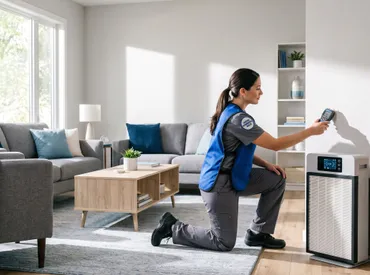
You open the bathroom door after a long vacation and notice a faint, earthy odor lingering in the hallway. A quick glance at the baseboards reveals a faint grayish smudge, and a chill runs down your spine. Mold is one of the most persistent and misunderstood biological invaders in residential and commercial spaces. It silently colonizes damp corners, thrives behind drywall, and releases microscopic particles that travel through ventilation systems. The question that plagues homeowners, property managers, and health-conscious individuals alike is simple yet deceptively complex: can mold die on its own? Understanding the biological reality behind this question requires moving past common myths and diving into the science of fungal ecology, environmental triggers, and clinical health impacts. When moisture disappears, does the fungus truly perish, or does it simply bide its time, waiting for conditions to improve? The answer has profound implications for your respiratory health, your home's structural integrity, and your overall indoor air quality. In this comprehensive guide, we will examine the lifecycle of indoor fungi, the physiological mechanisms that allow them to survive extreme desiccation, the hidden dangers of seemingly inactive colonies, and the evidence-based protocols required for permanent remediation. Whether you are dealing with a minor bathroom stain or widespread water damage, knowing exactly how mold responds to environmental changes will empower you to make safer, more effective decisions. Let us explore whether you can simply wait out an infestation, or if proactive intervention remains the only medically sound approach to protecting your home and your health.
Understanding the Biology of Mold Growth
Mold is not a single organism but a collective term for thousands of filamentous fungi that belong to the kingdom Fungi. Unlike plants, fungi do not photosynthesize; they are heterotrophic decomposers that obtain nutrients by secreting enzymes into organic matter and absorbing the broken-down compounds. This ecological niche makes them exceptionally well-adapted to thrive on common building materials, including cellulose-based drywall, wood framing, paper insulation, carpet backing, and even dust layers that accumulate on HVAC components. The structural framework of mold consists of microscopic thread-like structures called hyphae. When hyphae branch and interconnect, they form a visible network known as mycelium. This mycelial mat is what you typically see as fuzzy, patchy discoloration on walls, ceilings, or hidden cavities. The reproductive phase produces lightweight spores that detach easily and disperse through air currents, allowing colonies to expand exponentially. Each spore contains the genetic blueprint required to germinate and establish a new colony, provided the environmental conditions align. Medical and environmental researchers emphasize that fungal colonization is a dynamic biological process governed by temperature, water availability, pH levels, and nutrient density. When these variables shift, the organism adapts. This adaptability is precisely why the question can mold die on its own cannot be answered with a simple yes or no. Instead, it requires an understanding of metabolic regulation, spore resilience, and the physiological boundaries that dictate survival in indoor environments. By recognizing how fungi interact with your home, you gain critical insight into why passive waiting rarely resolves contamination and why structural drying alone often falls short of permanent eradication.
Free calculatorBMI CalculatorCalculate Body Mass IndexOpen the calculatorWhat Is Mold, Exactly?
At its core, mold is a multicellular eukaryote that functions as a saprophyte. It breaks down decaying organic material to recycle nutrients back into the environment. Indoors, however, it targets materials that humans consider structural or decorative rather than decaying. The most common indoor genera include Aspergillus, Penicillium, Cladosporium, Alternaria, Stachybotrys, and Fusarium. Each genus possesses unique growth patterns, pigmentation profiles, and environmental preferences. For example, Stachybotrys chartarum, often called black mold, requires prolonged saturation and high cellulose availability, while Aspergillus and Penicillium species germinate rapidly at moderate humidity levels and spread across a wide range of surfaces. From a clinical perspective, these organisms produce bioactive metabolites that influence human health, a correlation extensively documented in WHO guidelines on indoor air quality and dampness. The cell walls of mold spores contain chitin, glucans, and mannoproteins. These complex carbohydrates are highly immunogenic, meaning they readily stimulate inflammatory pathways in the respiratory tract, skin, and mucous membranes. Additionally, certain species synthesize secondary metabolites known as mycotoxins, which are low-molecular-weight toxic compounds that interfere with cellular function, protein synthesis, and immune regulation. It is crucial to understand that mold does not require sunlight, open spaces, or pristine conditions to survive. It only requires moisture and a nutrient source. Even a microscopic film of condensation on a cold pipe or a damp drywall seam can initiate colonization. When evaluating whether can mold die on its own, you must consider that these organisms have evolved over hundreds of millions of years to withstand environmental fluctuations. Their survival strategies are not accidental; they are the product of evolutionary optimization. This biological reality dictates why indoor infestations persist long after visible wetness disappears and why professional assessment remains a cornerstone of effective remediation protocols.
The Mold Lifecycle: From Spores to Colonization
The lifecycle of indoor mold begins the moment a spore lands on a susceptible surface. If the relative humidity exceeds 60 percent and the material remains damp for more than 48 hours, the spore absorbs water, swells, and ruptures its protective outer coating. A germ tube emerges, elongating into a hyphal strand. Within days, branching networks form, anchoring into the substrate and extending outward. As the colony matures, nutrient acquisition triggers reproductive development. Specialized structures called conidiophores rise above the mycelium, producing chains of new spores that are easily dislodged by air movement, foot traffic, or HVAC airflow. This reproductive phase is exponential; a single mature colony can release millions of spores daily. These airborne particles travel through ductwork, settle on furniture, and infiltrate bedding, clothing, and personal items. They also embed deep into porous materials, creating reservoirs that remain hidden from casual inspection. Environmental microbiologists note that spore viability does not require continuous moisture once the initial germination phase completes. Mature spores develop thickened walls and accumulate protective pigments like melanin, which shield them from ultraviolet radiation and oxidative stress. This physiological adaptation allows spores to remain airborne for weeks or settle undisturbed until conditions improve again. When evaluating whether can mold die on its own, the lifecycle perspective reveals a critical truth: the visible fuzz represents only a fraction of the biological footprint. The true threat lies in the microscopic spore bank and the embedded mycelial network that continues to degrade building materials and release inflammatory compounds. Without physical disruption and environmental correction, the cycle repeats indefinitely, compromising indoor air quality and triggering chronic health responses.
Environmental Triggers That Keep Mold Alive
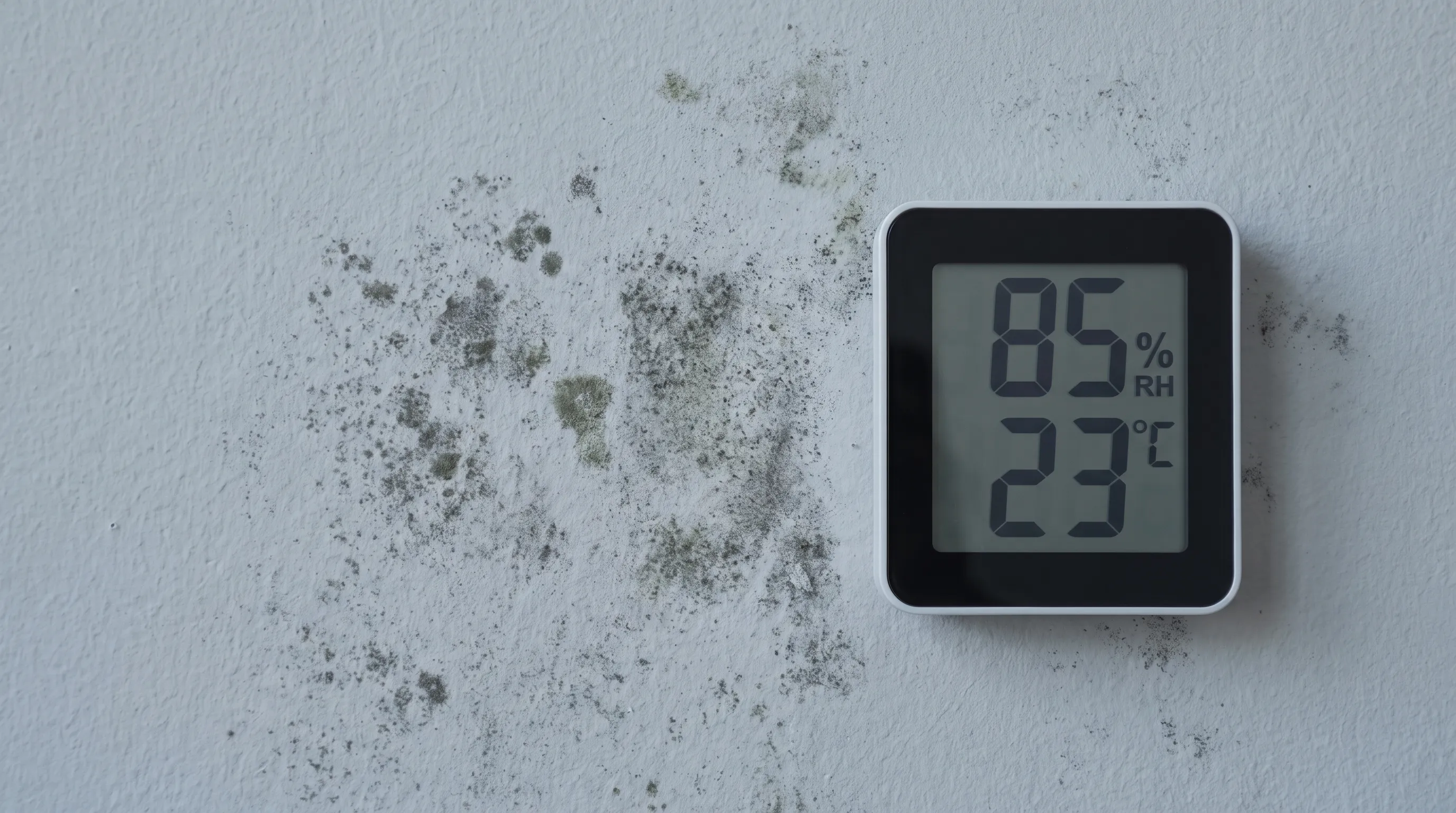
Mold does not randomly appear; it responds directly to measurable environmental parameters. Water activity (aw), temperature, ventilation rates, and surface condensation patterns dictate whether spores germinate, colonies expand, or metabolic processes shut down. Indoor environments often create microclimates that perfectly satisfy fungal requirements, especially in poorly ventilated bathrooms, basements, attics, and crawl spaces. Understanding these triggers allows homeowners to predict high-risk zones and implement targeted interventions before colonization becomes widespread. The EPA and CDC consistently emphasize that moisture control is the single most effective strategy for preventing and managing fungal growth. However, many property owners underestimate how quickly humidity levels can shift and how subtle leaks sustain biological activity over extended periods. By examining the precise environmental mechanics that support mold survival, we can better evaluate the conditions under which metabolic shutdown occurs and whether natural die-off is a realistic outcome in typical residential settings.
The Role of Moisture and Humidity
Moisture is the primary limiting factor for fungal metabolism. Mold requires water activity (aw) above 0.60 to initiate enzymatic breakdown and cellular division. When building materials absorb moisture, water moves from vapor or liquid states into the microscopic pores of cellulose and gypsum. This creates an ideal hydration matrix for hyphal penetration. Relative humidity plays an equally critical role. When indoor RH consistently exceeds 60 percent, surfaces begin to absorb ambient moisture, lowering their effective drying potential. Condensation on cold surfaces like windows, pipes, and exterior walls provides localized saturation that bypasses obvious plumbing failures. Even minor flooding, roof leaks, or appliance condensation lines can sustain colonies for weeks if left unaddressed. Dehumidification, exhaust ventilation, and vapor barriers disrupt this hydration cycle by reducing ambient moisture and accelerating surface evaporation. However, many homeowners mistakenly believe that turning off a humidifier or opening a window temporarily resolves the issue. Without structural drying, moisture trapped inside walls, under flooring, or within insulation continues to support biological activity. When assessing whether can mold die on its own, the moisture equation reveals that incomplete drying leaves hidden reservoirs intact. Spores may dry on the surface, but embedded hyphae continue drawing water from capillary action or vapor diffusion, allowing dormant networks to reactivate rapidly once ambient conditions shift.
Temperature and Airflow Dynamics
Temperature regulates the metabolic rate of indoor fungi. Most species thrive between 77 and 86 degrees Fahrenheit (25 to 30 degrees Celsius), which aligns closely with standard residential comfort settings. However, many genera adapt to cooler environments, with growth observed at temperatures as low as 50 degrees Fahrenheit when moisture remains available. Airflow dramatically influences both temperature regulation and moisture removal. Stagnant air allows humidity to accumulate, while excessive ventilation in humid climates can introduce external moisture into cooler interior spaces, causing condensation on thermal bridges. HVAC systems, when poorly maintained, distribute spores throughout the home and fail to filter airborne particulates effectively. Proper airflow management requires balanced supply and exhaust, regular filter replacement, and duct sealing to prevent negative pressure from drawing contaminated air from crawl spaces or wall cavities. When airflow remains restricted, microclimates develop that sustain fungal activity long after initial water intrusion. This thermal and aerodynamic stability is precisely why passive waiting rarely eliminates infestations. The biological engine simply requires minimal energy to maintain viability when environmental parameters remain favorable. Recognizing these dynamics clarifies why can mold die on its own depends less on time and more on sustained environmental correction. Without consistent temperature management, humidity regulation, and air filtration, biological resilience ensures survival, dormancy, or eventual reactivation.
Can Mold Die on Its Own? The Science Explained
The core of this inquiry rests on biological definitions of death, dormancy, and metabolic cessation in eukaryotic organisms. Unlike animals or plants, fungi possess extraordinary survival mechanisms that allow them to suspend biological processes when environmental conditions become hostile. When moisture disappears, cellular respiration slows, enzyme production halts, and hyphal networks dehydrate. Visually, the colony appears to dry out, darken, or crumble. However, this apparent decline does not equate to complete biological termination. Spores enter a state of anhydrobiosis, a reversible suspension of metabolism that preserves cellular integrity until hydration returns. The cell wall structure, reinforced by chitin and melanin, prevents oxidative damage and maintains structural viability during prolonged desiccation. This physiological strategy has allowed fungi to survive ice ages, volcanic events, and centuries of environmental stress. In modern indoor environments, it means that a seemingly dead colony may simply be waiting. Medical mycologists and environmental health experts consistently warn against relying on natural die-off because the timeline is unpredictable, the health risks remain present during dormancy, and reactivation can occur without warning. When evaluating whether can mold die on its own, the scientific consensus points toward dormancy as the dominant survival mechanism rather than true biological death. Understanding this distinction is essential for developing effective remediation strategies and protecting respiratory health over the long term.
Drought and Desiccation in Fungi
When mold experiences prolonged dryness, it initiates a series of physiological adaptations to preserve viability. Cytoplasmic water content decreases, metabolic pathways downregulate, and protective proteins accumulate to stabilize cellular membranes. The organism effectively enters a standby mode, conserving energy while maintaining structural integrity. This state can persist for months or even years, depending on temperature fluctuations, UV exposure, and ambient humidity. During desiccation, mycelia become brittle, pigmentation darkens, and surface spores detach more easily. Many homeowners interpret these visual changes as evidence that the problem has resolved itself. However, laboratory analyses consistently show that dried colonies retain the capacity to germinate within 24 to 48 hours of rehydration. The spore bank remains highly viable, and embedded hyphae continue to degrade organic substrates at a microscopic level. This hidden degradation weakens structural integrity, releases volatile organic compounds (MVOCs), and maintains an inflammatory burden in indoor air. The question can mold die on its own must therefore be reframed around biological resilience rather than visual appearance. Drought does not equal eradication. It equals suspension. Without physical removal and environmental correction, the dormant network remains a latent threat, ready to expand when humidity levels rise or water intrusion recurs.
Dormancy vs. True Death
True biological death in fungi requires the irreversible breakdown of cellular structures, including nucleic acids, proteins, and membrane lipids. This typically occurs only under extreme conditions such as prolonged high heat, chemical biocide saturation, or complete structural combustion. Dormancy, by contrast, is a regulated, reversible state that preserves viability until favorable conditions return. In indoor environments, dormancy is far more common than complete termination. Spores settle in dust layers, HVAC filters, and behind wall cavities, remaining undisturbed for extended periods. They do not require active metabolism to trigger allergic responses or release immunogenic proteins. The immune system reacts to structural components, not metabolic activity. Therefore, whether a colony is actively growing or dormant, the health implications remain substantial. Environmental engineers and occupational health specialists emphasize that passive waiting cannot resolve contamination because the inflammatory burden persists. Airborne particulates continue to circulate, and surface allergens remain concentrated. When evaluating whether can mold die on its own, the distinction between dormancy and death becomes clinically irrelevant. Both states require intervention to protect respiratory health, maintain structural integrity, and prevent long-term exposure to mycotoxins and beta-glucans. Relying on natural die-off ignores the immunological reality that dead mold is still allergenic, and dormant mold is still viable.
Health Risks of Living With Inactive Mold
The assumption that inactive mold poses minimal health risks is one of the most dangerous misconceptions in indoor environmental health. Clinical research consistently demonstrates that fungal spores, cell wall fragments, and metabolic byproducts trigger inflammatory pathways regardless of biological viability, a reality well-documented by the Mayo Clinic. The human respiratory system, immune system, and nervous system respond to molecular structures, not metabolic states. When you ask whether can mold die on its own, you must also consider whether it matters biologically if it does. The answer, from a medical standpoint, is clear: it does not. Allergenic proteins remain intact, mycotoxins persist in dust reservoirs, and volatile organic compounds continue to off-gas from contaminated materials. Long-term exposure contributes to chronic respiratory conditions, neurological symptoms, and immune dysregulation. Understanding these mechanisms is essential for recognizing why remediation must be thorough and why partial solutions often fail to resolve health complaints.
Allergens and Mycotoxins
Fungal cell walls contain beta-glucans and mannoproteins that activate pattern recognition receptors in immune cells. These receptors trigger cytokine release, histamine production, and inflammatory cascades that manifest as sneezing, nasal congestion, wheezing, and ocular irritation. Mycotoxins, produced primarily by certain Aspergillus and Stachybotrys species, interfere with cellular translation and disrupt neurological function. Chronic low-level exposure correlates with fatigue, cognitive fog, joint pain, and immune suppression, according to medical staff at the Cleveland Clinic. Importantly, these compounds do not degrade when the colony dries out. They remain embedded in dust, adhere to fabrics, and circulate through ventilation systems. Air quality studies show that dormant colonies contribute to elevated indoor allergen loads and increase asthma exacerbation rates in sensitive populations. When considering whether can mold die on its own, the toxicological reality demonstrates that chemical byproducts outlive biological activity. Physical removal, HEPA filtration, and surface cleaning remain necessary to reduce exposure and restore respiratory equilibrium.
Compromised Immune Responses
Individuals with compromised immune systems, chronic respiratory diseases, or genetic predispositions to hypersensitivity reactions face amplified risks from inactive mold. The immune system cannot distinguish between active and dormant spores; it responds to molecular patterns. Repeated exposure leads to sensitization, where previously harmless antigens trigger escalating allergic responses. In susceptible populations, prolonged exposure contributes to allergic bronchopulmonary mycosis, hypersensitivity pneumonitis, and chronic rhinosinusitis. Children and elderly residents face elevated vulnerability due to developing or declining immune regulation. Clinical guidelines from the American Academy of Allergy, Asthma & Immunology emphasize that symptom management requires source elimination rather than medication alone, a standard strongly supported by NIH environmental health research on indoor triggers. Antihistamines and bronchodilators address downstream inflammation but do not resolve the upstream trigger. When evaluating whether can mold die on its own, the immunological perspective confirms that biological status is clinically irrelevant. The exposure burden must be removed to restore health and prevent progressive sensitization.
Practical Steps to Eliminate Mold for Good
Effective remediation requires a systematic approach that addresses moisture control, physical removal, air filtration, and preventive engineering. Waiting for natural die-off is not a medically or structurally sound strategy. Instead, homeowners must implement evidence-based protocols that disrupt the fungal lifecycle and restore indoor air quality. The following strategies align with EPA, CDC, and professional restoration guidelines, ensuring safety, effectiveness, and long-term prevention.
DIY Remediation vs. Professional Intervention
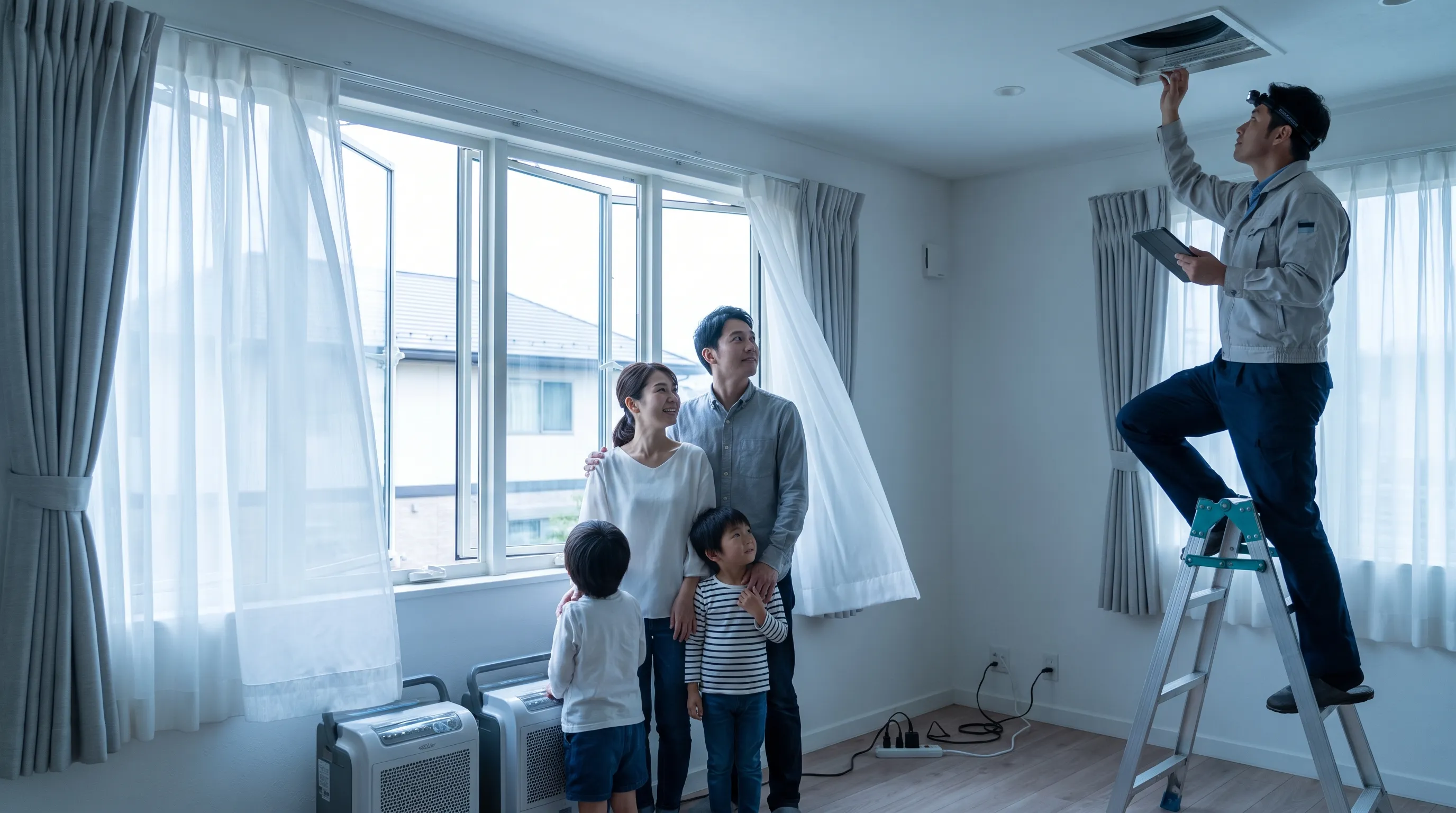
Small, visible patches on non-porous surfaces can often be managed with proper safety equipment and detergent-based cleaning. However, DIY efforts frequently fail because they address symptoms rather than root causes. Porous materials like drywall, insulation, and carpet retain embedded spores and hyphae that surface cleaning cannot reach. Biocides may temporarily inhibit growth but do not remove allergenic proteins or mycotoxin reservoirs. Professional remediation teams utilize moisture mapping, infrared thermography, HEPA vacuuming, antimicrobial treatments, and structural drying to eliminate contamination comprehensively. The EPA and CDC recommend professional intervention for areas exceeding 10 square feet, sewage contamination, HVAC involvement, or when residents exhibit respiratory symptoms. When assessing whether can mold die on its own, the remediation perspective confirms that professional protocols are necessary for persistent or hidden colonization. Attempting partial solutions often redistributes spores, worsens air quality, and delays effective treatment.
Long-Term Moisture Control Strategies
Sustained prevention relies on environmental engineering and routine maintenance. Whole-home dehumidifiers, properly sized exhaust ventilation, vapor barriers, and regular HVAC filter replacement form the foundation of moisture management. Leaky pipes, roof flashing failures, and foundation cracks require immediate repair to prevent chronic saturation. Indoor relative humidity should remain between 30 and 50 percent, monitored with calibrated hygrometers placed in high-risk zones. Routine inspection of attics, basements, and crawl spaces ensures early detection before colonization expands. When evaluating whether can mold die on its own, the preventive perspective demonstrates that environmental stability is the only reliable barrier against reactivation. Consistent maintenance, proactive drying, and professional air quality testing ensure long-term safety and structural integrity.
| Characteristic | Active Mold Colony | Dormant Mold Colony | Dead/Removed Mold |
|---|---|---|---|
| Metabolic Activity | High respiration, enzyme production | Suspended metabolism, anhydrobiosis | Complete cellular breakdown |
| Visual Appearance | Visible fuzz, pigmentation, moisture sheen | Dry, darkened, brittle fragments | Absent or residue after cleaning |
| Health Impact | High allergen + mycotoxin release | Persistent allergens + MVOCs | Minimal if fully removed |
| Reactivation Potential | N/A (already active) | Immediate upon rehydration | None if properly eradicated |
| Remediation Need | Urgent removal + moisture control | Full extraction + air filtration | Preventive maintenance only |
This comparison table clarifies why biological status does not dictate intervention urgency. Both active and dormant colonies require physical removal and environmental correction to restore safety and prevent recurrence.
Frequently Asked Questions
Can mold die on its own if I fix a small leak and let it dry?
Fixing the leak stops new moisture, but it does not eliminate existing biological activity. Drying typically induces dormancy rather than death. Spores remain viable, embedded mycelia continue to degrade materials, and allergenic proteins persist in dust. Physical removal, air filtration, and continued humidity control remain necessary to prevent reactivation and protect respiratory health.
Will turning off my humidifier permanently stop mold growth?
Reducing humidity slows active colonization but rarely eradicates established colonies. Indoor surfaces may retain absorbed moisture, and spores can survive desiccation indefinitely. Whole-home environmental correction, including structural drying, ventilation improvements, and HEPA air filtration, provides sustained prevention and eliminates hidden reservoirs that trigger symptoms.
Is dead mold less dangerous for people with asthma?
No. Asthma triggers include beta-glucans, mannoproteins, and mycotoxins that remain intact regardless of metabolic state. Clinical guidelines emphasize that symptom control requires allergen source elimination. Medication manages inflammation, but environmental remediation prevents chronic exacerbations and reduces long-term sensitization risk.
How long should I wait before assuming mold has died after drying?
You should not wait. Biological viability persists through dormancy, and health risks remain during suspension. Laboratory studies show germination within 24 to 48 hours of rehydration. Professional assessment and physical removal provide immediate exposure reduction and prevent unpredictable reactivation cycles that compromise indoor air quality.
Can I safely remove visible mold without professional help?
Small patches on non-porous surfaces can be cleaned with detergent, proper PPE, and HEPA vacuuming. However, porous materials, HVAC contamination, and large-scale colonization require professional intervention. Incomplete removal redistributes spores, worsens air quality, and fails to address embedded networks. EPA guidelines recommend professional remediation for areas exceeding 10 square feet or when respiratory symptoms are present.
Conclusion
The persistent question of whether can mold die on its own ultimately reveals a fundamental truth about indoor environmental health: fungal biology prioritizes survival over visibility. When moisture disappears, colonies do not vanish into nothingness; they transition into a resilient dormant state that preserves viability, maintains allergenic potential, and waits for favorable conditions to return. Relying on natural die-off ignores the immunological reality that both active and inactive spores trigger respiratory inflammation, compromise air quality, and accelerate structural degradation. Evidence-based remediation requires immediate moisture correction, physical removal of contaminated materials, comprehensive air filtration, and sustained environmental monitoring. By understanding the distinction between dormancy and death, homeowners and health professionals can implement protocols that protect respiratory wellness, restore indoor equilibrium, and prevent long-term exposure to immunogenic compounds. Waiting for a problem to resolve itself is never a medically sound strategy when structural biology and human health intersect. Proactive intervention, guided by authoritative environmental standards and clinical best practices, remains the only reliable path to a safe, breathable, and resilient living space.
How we work
Researched and drafted with AI assistance, then reviewed by a human editor against the cited sources.
This article is general health information, not medical advice. Consult a qualified healthcare professional about your own situation.