Onion Allergy: Symptoms, Diagnosis, Management & Dietary Alternatives

For millions of individuals navigating daily nutritional choices, the modern kitchen can sometimes feel like an unpredictable landscape of hidden triggers. Among the most ubiquitous yet frequently overlooked culinary ingredients is the common bulb vegetable, which forms the foundational aromatic base for countless global cuisines. While many people simply prefer to avoid its sharp bite or lingering aftertaste, others experience a genuine, immune-mediated response that transforms everyday cooking into a potential health risk. An onion allergy represents a specific type of food hypersensitivity wherein the body’s defense mechanisms mistakenly identify certain plant proteins as harmful invaders. This immunological misidentification initiates a rapid cascade of biochemical events, prompting mast cells to release histamine, leukotrienes, and other inflammatory mediators into the surrounding tissues. The resulting clinical presentation can range from mild, localized irritation in the oral cavity to severe, systemic reactions involving respiratory compromise or cardiovascular collapse, making comprehensive awareness and professional medical guidance absolutely essential. For foundational public health guidance on food hypersensitivity, refer to resources from the Centers for Disease Control and Prevention (CDC). Unlike the temporary bloating or cramping often attributed to fermentable carbohydrate sensitivities, a true allergic reaction demands immediate clinical attention, sustained dietary vigilance, and a thorough understanding of botanical cross-reactivity. Navigating this condition successfully requires more than simple ingredient avoidance; it necessitates a multidimensional approach that merges immunological education, meticulous meal planning, emergency preparedness, and psychological resilience to maintain both physical safety and nutritional equilibrium.

Understanding the Immunological Mechanisms
The Biological Basis of Food Hypersensitivity
To comprehend why certain individuals experience adverse reactions while others consume the same foods without consequence, it is crucial to examine the underlying immunological architecture. The human immune system relies on immunoglobulin E (IgE) antibodies to defend against pathogens, but in allergic individuals, these antibodies erroneously target harmless dietary proteins as threats. Upon initial exposure, a process called sensitization occurs, wherein dendritic cells process the onion-derived antigens and present them to T-helper cells. These T-cells then stimulate B-lymphocytes to produce antigen-specific IgE molecules. These IgE antibodies bind to Fc receptors on the surface of mast cells and basophils throughout the skin, gastrointestinal tract, and respiratory epithelium. This initial phase is entirely asymptomatic but primes the immune system for future encounters. Upon subsequent ingestion, the onion proteins rapidly cross-link the membrane-bound IgE antibodies, triggering immediate degranulation. This releases preformed mediators like histamine, tryptase, and heparin, while simultaneously synthesizing new prostaglandins and leukotrienes. The resulting vascular dilation, increased capillary permeability, smooth muscle contraction, and nerve stimulation manifest as the classic allergic symptoms clinicians observe in practice. Research emphasizes that even trace quantities can initiate this pathway in highly sensitized individuals, underscoring why meticulous label reading and cross-contamination prevention remain non-negotiable components of disease management, as outlined by the American College of Allergy, Asthma & Immunology.
Free calculatorBMI CalculatorCalculate Body Mass IndexOpen the calculatorDistinguishing True Allergy from Digestive Intolerance
A critical clinical challenge lies in accurately differentiating an onion allergy from food intolerance or pharmacological reactions. Many individuals mistakenly label their adverse experiences as allergies when they actually suffer from malabsorption or enzyme deficiency. Onions are exceptionally rich in fructans, a type of fermentable oligosaccharide that belongs to the FODMAP category. Individuals with irritable bowel syndrome (IBS) or small intestinal bacterial overgrowth (SIBO) lack the necessary transporters to properly absorb these short-chain carbohydrates. Consequently, undigested fructans travel to the colon, where gut microbiota ferment them, producing gas, bloating, altered motility, and visceral hypersensitivity. This process operates entirely through osmotic and microbial mechanisms, bypassing the immune system completely. In contrast, an onion allergy triggers immediate hypersensitivity reactions that typically appear within minutes to two hours post-consumption and involve recognizable cutaneous, respiratory, or systemic signs. Intolerance symptoms, however, are predominantly gastrointestinal, delayed, dose-dependent, and lack the anaphylactic potential. Clinicians frequently utilize structured elimination protocols and controlled reintroduction phases to clarify the diagnostic pathway. Patients experiencing an onion allergy require lifelong avoidance and emergency medication readiness, while those with FODMAP sensitivity may tolerate smaller portions, long-cooked preparations, or alternative low-FODMAP cooking techniques. Clinical resources from the Cleveland Clinic provide clear diagnostic frameworks for distinguishing these conditions. Mislabeling one condition as the other can lead to unnecessary dietary restrictions, nutrient deficiencies, or inadequate emergency preparedness.
Recognizing the Signs and Symptoms
Cutaneous and Dermatological Manifestations
The skin often serves as the earliest warning sign during an immunological reaction. When allergenic proteins enter the mucosal lining or bloodstream, localized and generalized dermatological responses frequently emerge. Pruritus, or intense itching, commonly appears around the mouth, lips, and perioral region within minutes of exposure. Erythematous rashes, hives (urticaria), and angioedema characterized by swelling of the eyelids, lips, tongue, and sometimes extremities can rapidly follow. These manifestations result from histamine-induced vasodilation and plasma leakage into the dermal layers. In chronic exposure scenarios, patients may develop atopic dermatitis flares or contact dermatitis, particularly when handling raw bulbs during food preparation. The direct contact between onion sap and compromised skin barriers can provoke localized redness, weeping lesions, and persistent itching, necessitating protective gloves during kitchen tasks. Monitoring the progression from localized pruritus to widespread hives is essential, as rapid cutaneous spread often precedes more severe systemic involvement.
Gastrointestinal and Digestive Distress
The gastrointestinal tract houses a vast majority of the body’s immune cells, making it highly susceptible to food-triggered hypersensitivity. Nausea, vomiting, abdominal cramping, and acute diarrhea frequently accompany an onion allergy due to rapid mucosal inflammation and smooth muscle hypercontractility. Histamine and leukotrienes increase intestinal permeability and accelerate transit times, effectively flushing the allergen from the system. Some patients report immediate oral tingling, metallic taste alterations, or throat tightening upon mastication. While overlapping symptoms with fructan intolerance exist, the acute onset, severity, and accompanying extra-gastrointestinal signs point toward an IgE-mediated pathway rather than malabsorption. Chronic undiagnosed cases may inadvertently lead to esophageal eosinophilia, where inflammatory cells infiltrate the esophageal lining, causing dysphagia and food impaction over time.
Respiratory Complications and Systemic Responses
As histamine circulates systemically, it targets the bronchial tree and upper airway mucosa, triggering coughing, wheezing, nasal congestion, and throat edema. The vocal cords may spasm, producing a sensation of air hunger or difficulty swallowing saliva. In progressive cases, laryngeal swelling compromises oxygen exchange, requiring immediate intervention. Cardiovascular effects include tachycardia, hypotension, and reduced peripheral perfusion due to widespread vasodilation and fluid shift into interstitial spaces. Dizziness, syncope, and a sense of impending doom frequently accompany these hemodynamic changes, signaling the onset of anaphylaxis.
Recognizing Anaphylaxis: A Medical Emergency
Anaphylaxis represents the most severe end of the allergic spectrum, demanding immediate epinephrine administration and emergency medical activation. Key diagnostic criteria include rapid onset of symptoms involving multiple organ systems, or a sudden drop in blood pressure following exposure to a known or suspected allergen. Throat closure, profound wheezing, altered mental status, cyanosis, or collapse warrant immediate intervention. Delaying treatment while waiting for symptoms to resolve spontaneously significantly increases mortality risk. The National Institute of Allergy and Infectious Diseases (NIAID) maintains comprehensive emergency action protocols that emphasize rapid response over observation. Patients with a documented history of severe reactions must carry auto-injectors at all times, verify expiration dates routinely, and ensure family members or coworkers understand proper administration techniques.
Diagnostic Pathways and Medical Evaluation
Clinical Assessment and Comprehensive History
Accurate diagnosis begins with a meticulously detailed clinical interview. Board-certified allergists evaluate symptom chronology, latency periods, portion thresholds, preparation methods, and concurrent exposures. Patients are encouraged to maintain structured food diaries documenting meals, symptom onset, duration, severity, and interventions utilized. This historical foundation guides subsequent testing decisions and prevents unnecessary procedural risks.
Skin Prick Testing and Serological Blood Work
Skin prick testing (SPT) involves introducing standardized onion allergen extracts into the superficial dermal layer using a lancet. A positive response manifests as a wheal-and-flare reaction exceeding baseline measurements, indicating IgE presence. While highly sensitive for immediate hypersensitivity, SPT can yield false positives in cross-reactive individuals or those with dermatographism. Complementary serum-specific IgE blood testing quantifies circulating antibody levels, providing objective data without triggering cutaneous reactions. Component-resolved diagnostics further isolate exact protein structures, differentiating true onion allergy from cross-reactive pollinosis or pan-allergen sensitivities.
Oral Food Challenges and Structured Elimination Protocols
When non-invasive testing remains equivocal, supervised oral food challenges serve as the clinical gold standard. Conducted in controlled environments with resuscitation equipment and trained personnel, these challenges gradually escalate onion exposure while monitoring vital signs and symptom emergence. Negative results safely reintroduce the food, while positive responses confirm diagnosis. For milder or ambiguous presentations, a structured four-to-six-week elimination diet followed by systematic reintroduction helps clarify dose-dependent thresholds and symptom correlation.

Comprehensive Management and Treatment Strategies
Immediate Relief and Emergency Preparedness
Pharmacological management focuses on halting mediator release and reversing symptomatic pathways. First-generation antihistamines provide rapid relief for localized itching and hives, though sedation limits daytime utility. Second-generation H1 antagonists offer targeted histamine blockade without cognitive impairment. For gastrointestinal spasms, antiemetics and antispasmodics provide symptomatic comfort but do not alter the underlying immune cascade. Epinephrine remains the definitive treatment for anaphylaxis, acting through alpha-1 adrenergic receptor agonism to constrict blood vessels, reduce edema, and relax bronchial smooth muscle. Beta-2 stimulation simultaneously suppresses further mast cell degranulation and cardiac output. Patients must receive formal training on intramuscular thigh administration, post-injection positioning, and mandatory emergency transport regardless of perceived symptom resolution.
Long-Term Avoidance and Culinary Adaptation
Sustained management hinges on proactive dietary restructuring. Onion powder, dehydrated flakes, oil infusions, and spice blends frequently harbor hidden allium derivatives, requiring meticulous scrutiny of processed foods. Fermented sauces, broths, gravies, salad dressings, and pre-packaged meals routinely utilize onion as a flavor enhancer, necessitating homemade alternatives or certified allergen-free brands. Cross-contamination prevention extends to shared kitchen utensils, cutting boards, frying oils, and restaurant preparation stations. Implementing strict cleaning protocols and designating allergen-free preparation zones significantly reduces accidental exposure risk.
Cross-Reactivity and Botanical Considerations
The Allium genus encompasses garlic, shallots, leeks, chives, scallions, and various wild cultivars. Due to shared genetic ancestry and homologous protein structures, cross-reactivity occurs frequently. Patients diagnosed with an onion allergy often exhibit sensitivity to related species, though individual tolerance varies. Clinical literature suggests that while structural similarities promote immune cross-recognition, isolated sensitivities to single genus members do occur. Comprehensive panel testing and gradual supervised reintroduction under medical supervision help delineate personal tolerance boundaries. Consulting authoritative botanical allergy databases and working closely with registered dietitians ensures nutritional adequacy while maintaining strict avoidance parameters, a standard supported by Mayo Clinic clinical guidelines.
Navigating an Allium-Free Lifestyle
Reading Labels and Identifying Hidden Sources
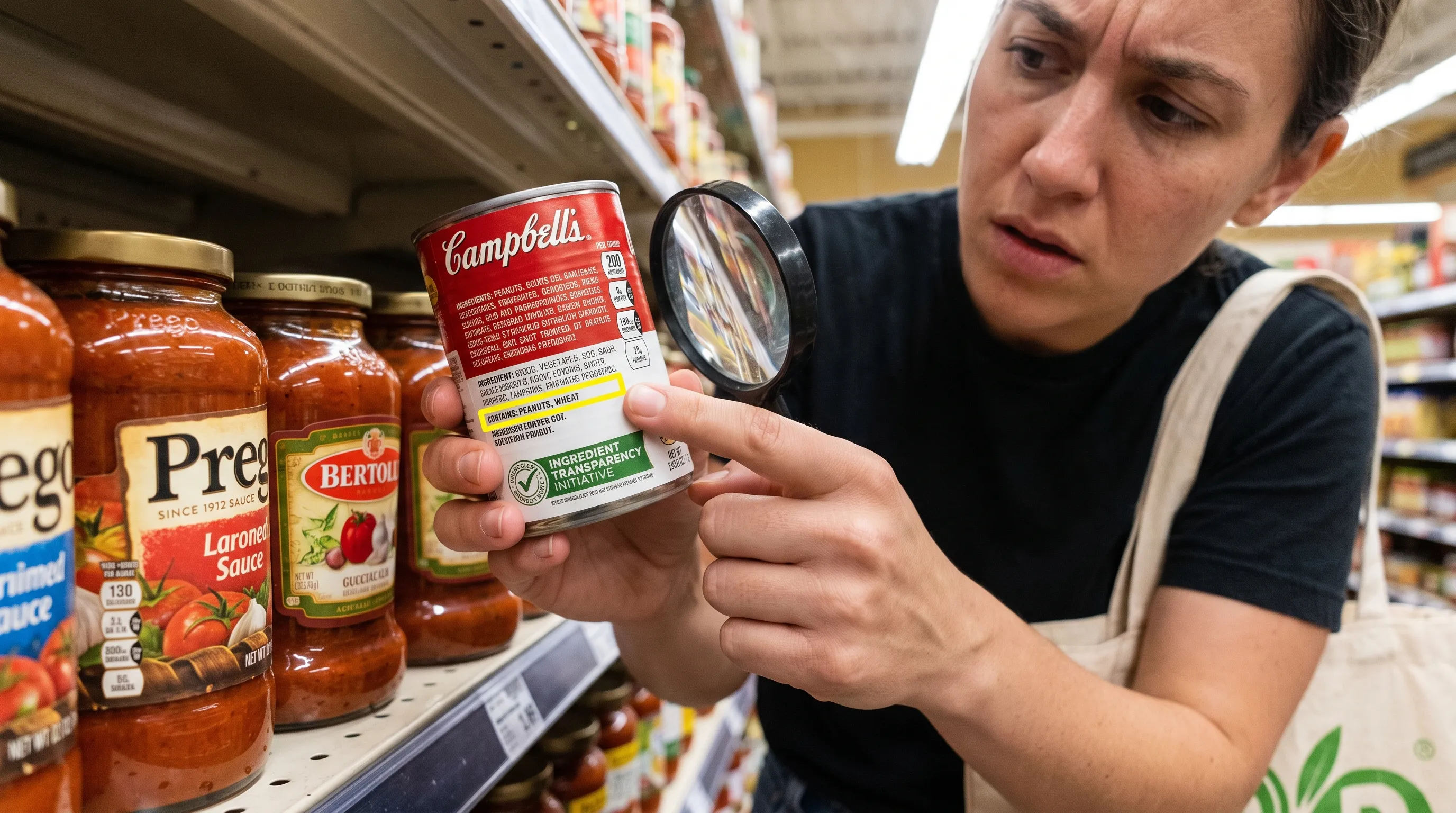
Modern food manufacturing frequently obscures onion derivatives under ambiguous terminology. Phrases such as "natural flavors," "spices," "vegetable powder," "aromatics," or "seasoning blend" may conceal dehydrated or processed allium content. The FDA mandates clear allergen labeling for major food allergens, yet onion is not classified as a top-nine allergen, leaving regulatory gaps in transparent disclosure. Consumers must familiarize themselves with botanical synonyms, scrutinize ingredient hierarchies, and directly contact manufacturers when formulations remain unclear. Mobile scanning applications and dedicated allergy databases streamline ingredient verification during grocery shopping. For international regulatory standards on allergen disclosure and patient safety, consult the World Health Organization (WHO).
Cooking Without Onions: Flavor Enhancement Strategies
Eliminating a foundational aromatic requires strategic culinary innovation. Celery, fennel, carrots, and parsnips provide sweet, earthy bases when sautéed in olive oil or butter. Celeriac root delivers a subtle onion-like depth without triggering immune responses. Roasted red peppers, smoked paprika, cumin, coriander, and toasted sesame seeds introduce umami and complexity. Fresh cilantro, parsley, dill, and chive substitutes (if tolerated) add bright top notes. Acidic components like lemon juice, apple cider vinegar, and white wine deglaze pans while mimicking the sharpness traditionally provided by raw bulbs. Slow-roasting vegetables caramelizes natural sugars, generating Maillard reaction compounds that replicate depth and savoriness. Developing a personalized repertoire of allium-free seasoning profiles ensures meals remain satisfying, nutritionally dense, and culturally diverse.
Dining Out, Traveling, and Social Navigation
Restaurant environments present heightened exposure risks due to bulk purchasing, shared cooking surfaces, and undisclosed ingredient substitutions. Communicating allergies clearly to servers, requesting chef consultations, and verifying kitchen protocols prevent cross-contact incidents. Travel requires advance planning: researching local cuisine patterns, carrying translation cards for international destinations, packing emergency snacks, and identifying nearby medical facilities streamline safety. Social gatherings demand proactive communication with hosts, offering to contribute safe dishes, and politely but firmly declining shared platters when preparation methods remain uncertain. Psychological resilience develops through gradual exposure to new dining environments, support group participation, and cognitive reframing that prioritizes long-term health over short-term convenience.
Complications and Overlapping Conditions
Oral Allergy Syndrome and Pollen Cross-Reactivity
Patients with seasonal pollinosis frequently experience oral allergy syndrome (OAS) when consuming raw botanical foods sharing homologous protein structures with airborne allergens. Birch pollen, in particular, shares structural similarities with allium profilins, triggering localized oropharyngeal itching upon raw onion consumption. Unlike systemic anaphylaxis, OAS typically resolves spontaneously after swallowing or thorough cooking, as heat denatures the thermolabile profilins. However, patients with progressive OAS may occasionally develop broader reactivity, warranting allergist evaluation and possible sublingual immunotherapy discussions, as detailed in NIH-funded immunology research.
FODMAP Sensitivity and IBS Diagnostic Overlap
The diagnostic landscape frequently conflates IgE-mediated onion allergy with FODMAP-driven functional gastrointestinal disorders. Over 70% of IBS patients report symptom exacerbation following high-fructan intake, yet standard food allergy panels return negative. Differentiating these conditions prevents unnecessary dietary escalation and ensures appropriate therapeutic targeting. Breath testing for hydrogen and methane fermentation, combined with symptom tracking during low-FODMAP phases, clarifies malabsorption versus hypersensitivity. Registered dietitians specializing in gastrointestinal health guide structured reintroduction phases, identifying personal tolerance thresholds without compromising microbiome diversity.
| Feature | True Onion Allergy | Fructan Intolerance (FODMAP) | Oral Allergy Syndrome |
|---|---|---|---|
| Immune Involvement | IgE-mediated | Non-immune, osmotic/microbial | IgE cross-reactivity with pollen |
| Symptom Onset | Minutes to 2 hours | 1 to 8 hours post-consumption | Immediate upon chewing raw |
| Primary Systems | Skin, GI, Respiratory | Gastrointestinal only | Oropharyngeal only |
| Anaphylaxis Risk | Present | Absent | Extremely rare |
| Heat Stability | Heat-stable proteins | Fructans degrade with cooking | Heat-denatures proteins |
| Diagnostic Testing | SPT, serum IgE, food challenge | Hydrogen breath test, elimination diet | Pollen testing + oral challenge |
| Management Approach | Strict avoidance, epinephrine | Portion control, cooking modification, dietitian-guided phases | Raw avoidance, cooked tolerance, allergy immunotherapy |
Frequently Asked Questions
Can an onion allergy develop later in life?
Yes, adult-onset food allergies are increasingly recognized by immunologists and allergists. While pediatric presentations remain common, hormonal fluctuations, gastrointestinal infections, changes in microbiome composition, chronic stress, or prolonged mucosal barrier disruption can lower immune tolerance thresholds. The immune system continuously adapts to environmental and dietary stimuli, and new sensitization pathways can emerge unexpectedly in previously tolerant individuals. Routine evaluation of new-onset symptoms ensures accurate classification and appropriate intervention strategies.
Is it safe to eat cooked or caramelized onions if you are allergic?
Generally, no. Unlike certain fruit or vegetable allergies where heat destroys thermolabile allergenic proteins, onion allergy triggers are frequently heat-stable. The lipid transfer proteins and storage proteins responsible for IgE binding maintain their structural integrity even during high-temperature roasting, sautéing, or caramelization. While some patients with isolated OAS tolerate cooked preparations, individuals with confirmed systemic allergy must avoid all thermal forms to prevent unpredictable reactivation of immune pathways.
What should I do if I accidentally consume onion?
Immediate cessation of consumption is paramount. Assess symptom severity rapidly: if limited to mild oral itching or localized skin flushing, an oral antihistamine and close observation may suffice. However, the emergence of throat tightness, wheezing, widespread hives, dizziness, or gastrointestinal urgency warrants immediate epinephrine administration followed by emergency transport. Never attempt to "wait it out" or assume antihistamines can reverse progressive anaphylactic pathways. Document the exposure, review ingredient sources to identify contamination routes, and schedule follow-up testing with your allergist to reassess emergency action plans.
Can children outgrow an onion allergy?
Tolerance development varies significantly among pediatric populations. While milk, egg, and soy allergies frequently resolve during early school years, stable plant protein allergies like those involving alliums demonstrate higher persistence rates. Annual reassessment through supervised testing evaluates declining IgE titers and potential oral tolerance induction. Some children achieve clinical remission by adolescence, particularly with early dietary diversification and microbiome stabilization. However, assuming spontaneous resolution without medical confirmation risks severe reactions upon accidental re-exposure.
How does an onion allergy differ from garlic sensitivity?
Both belong to the Allium genus and share overlapping sulfur-containing compounds, yet they possess distinct primary allergenic proteins. Cross-reactivity is statistically common due to structural homology, but isolated sensitivities do occur. A patient reacting exclusively to raw onions but tolerating well-cooked garlic suggests protein-specific hypersensitivity rather than pan-allium intolerance. Comprehensive component testing and supervised oral challenges clarify individual boundaries, preventing unnecessary blanket restrictions while maintaining strict avoidance of confirmed triggers.
Conclusion
Navigating life with a documented onion allergy requires a balanced integration of clinical vigilance, culinary creativity, and psychological resilience. The transition from a reactive state of constant dietary anxiety to a proactive, empowered lifestyle begins with accurate diagnosis, comprehensive education, and the development of reliable emergency protocols. Recognizing the distinct immunological pathways that differentiate true hypersensitivity from functional digestive intolerance prevents both unnecessary restrictions and dangerous underestimation of risk. Patients benefit immensely from collaborative care models involving board-certified allergists, registered dietitians, and mental health professionals who address the physiological, nutritional, and emotional dimensions of chronic food sensitivity. Modern culinary landscapes continue to evolve, offering increasingly sophisticated substitution strategies, transparent labeling standards, and allergen-certified product lines that expand safe dining possibilities. By prioritizing label literacy, cross-contamination prevention, and structured meal planning, individuals successfully reclaim their kitchens, social gatherings, and travel experiences without compromising safety. Continuous research into allergen desensitization therapies, microbiome modulation, and precision diagnostics promises increasingly personalized interventions in the coming years. Ultimately, thriving with this condition hinges on treating avoidance not as a restriction, but as a deliberate, health-preserving strategy that fosters long-term wellness, nutritional adequacy, and sustained quality of life. Always consult qualified healthcare providers for personalized diagnostic evaluation and treatment planning, ensuring every dietary decision aligns with your unique immunological profile and overall health objectives.
How we work
Researched and drafted with AI assistance, then reviewed by a human editor against the cited sources.
This article is general health information, not medical advice. Consult a qualified healthcare professional about your own situation.