How to Lose Chest Fat: Science-Backed Strategies for Men and Women

Learning how to lose chest fat requires a foundational understanding of human physiology, metabolic regulation, and evidence-based body composition strategies. Many individuals approach this goal with the expectation that targeted exercises alone will eliminate stubborn upper body adipose tissue. The reality, however, is governed by systemic energy balance, hormonal pathways, and genetic fat distribution patterns. When you consume fewer calories than your body expends, adipocytes release stored triglycerides through a process called lipolysis, mobilizing fat across the entire body rather than from a single localized region. This scientific reality forms the cornerstone of any successful fat reduction protocol. Understanding these mechanisms not only prevents wasted effort and frustration but also establishes a clear, sustainable roadmap for transforming upper body composition. The following comprehensive guide integrates clinical research, metabolic science, and practical implementation strategies to help you navigate the process of upper body fat reduction safely and effectively.
The Science of Systemic Fat Loss
Fat reduction is a highly regulated physiological process influenced by energy balance, neuroendocrine signaling, and cellular metabolism. To effectively address chest adiposity, it is essential to first dismantle pervasive fitness myths and replace them with evidence-based mechanisms.
Free calculatorMacros CalculatorCalculate protein, carbs, and fatOpen the calculatorThe Myth of Spot Reduction Is Physiologically Impossible
For decades, the fitness industry has promoted the idea that performing isolated movements will directly eliminate fat in the corresponding area. This concept, known as spot reduction, has been thoroughly debunked by peer-reviewed research and major health organizations. A landmark study published in the Journal of Strength and Conditioning Research followed participants performing localized abdominal exercises daily for six weeks. Despite significant muscular endurance improvements, there was no measurable decrease in abdominal fat compared to the control group. Fat loss occurred uniformly across measured sites, confirming that adipose mobilization is systemic rather than local. The American Council on Exercise and the American College of Sports Medicine both emphasize that fat cells respond to systemic hormonal and energy balance signals, not localized muscular contraction. When attempting to learn how to lose chest fat, recognizing this principle prevents misguided training protocols and redirects focus toward sustainable, whole-body fat reduction strategies.
The Lipolysis Process and Hormonal Triggers
Lipolysis, the metabolic breakdown of triglycerides into free fatty acids and glycerol, is tightly regulated by catecholamines (epinephrine and norepinephrine) and insulin sensitivity. When the body enters a caloric deficit, sympathetic nervous system activity increases, triggering beta-adrenergic receptors on adipocytes to initiate fat mobilization. However, adipocyte distribution varies significantly by anatomical region and individual biology. Chest tissue often contains a mix of alpha-2 and beta receptors, making it moderately responsive to fat-mobilizing signals but still subject to overall energy balance dictates. Understanding how to lose chest fat effectively means optimizing these hormonal pathways through consistent energy deficits, resistance training, and cardiovascular activity, which collectively enhance receptor sensitivity and maximize lipid oxidation.
Genetic and Sex-Based Fat Distribution Patterns
Genetics dictate primary and secondary fat storage depots, which directly influence where fat is lost first. Biological males typically exhibit an android fat distribution pattern, storing more adipose tissue in the trunk, abdomen, and upper body. Consequently, men often lose fat from the chest and arms relatively early in a fat loss journey. Biological females typically follow a gynoid pattern, prioritizing hip, gluteal, and thigh storage, making upper body fat reduction more variable. Hormonal profiles, particularly testosterone-to-estrogen ratios, further modulate these patterns. While genetics cannot be altered, adherence to a structured nutritional and exercise regimen will consistently yield systemic fat loss, eventually revealing leaner chest contours over time.
Differentiating Chest Fat from Gynecomastia
Before implementing any fat loss protocol, accurate tissue identification is critical. The pectoral region can exhibit fullness due to either excess adipose tissue or glandular proliferation, and each requires fundamentally different management strategies.
Pseudogynecomastia: Adipose Tissue Accumulation
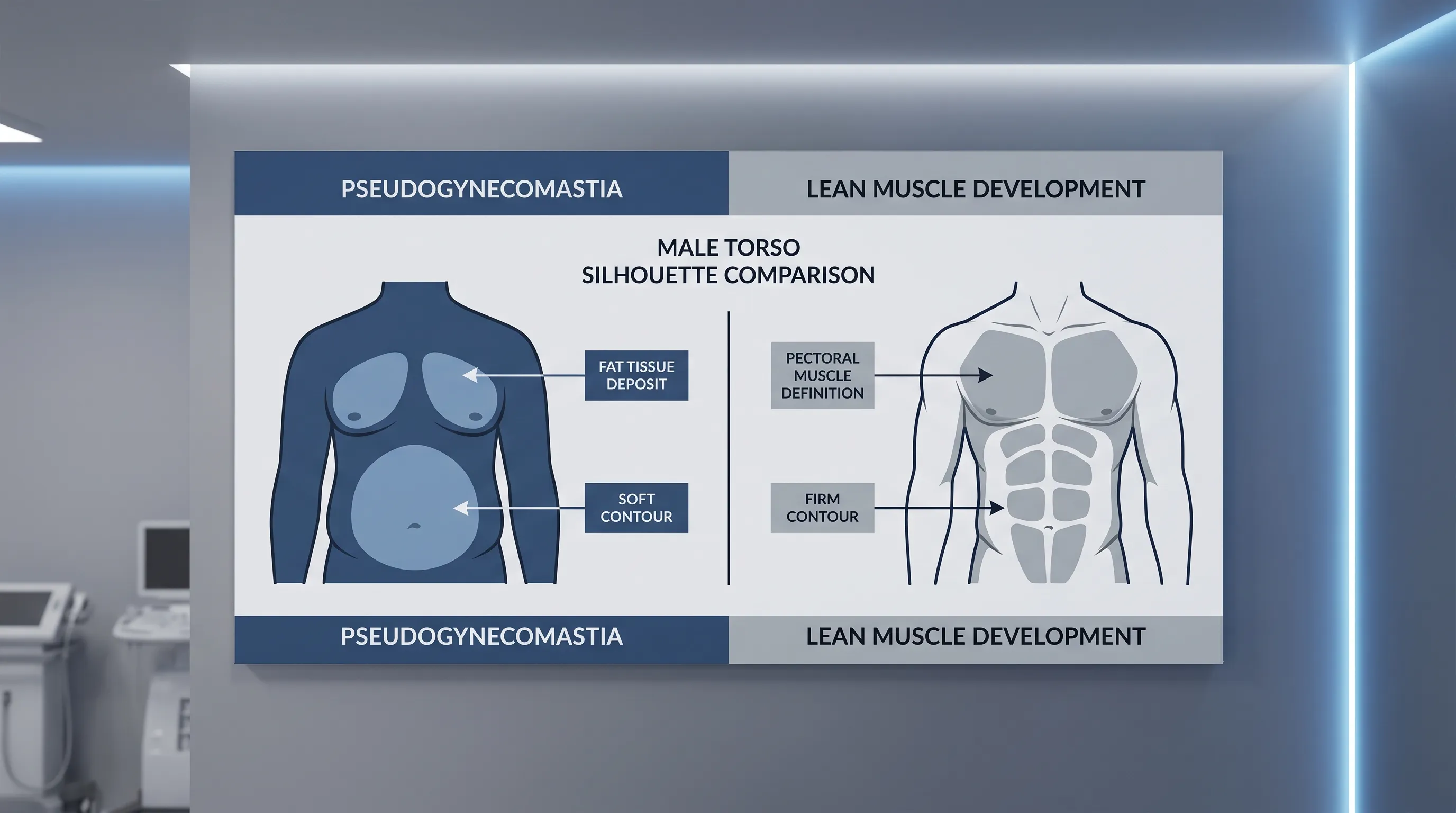
Pseudogynecomastia refers strictly to fat accumulation in the chest wall without glandular hypertrophy. It is directly correlated with elevated body fat percentages and typically presents as soft, uniform, and compressible tissue across the pectoral area. This condition is entirely responsive to caloric restriction, aerobic conditioning, and resistance training. Individuals experiencing pseudogynecomastia will see measurable improvements when following structured protocols for how to lose chest fat, as the adipose tissue behaves identically to fat stores in other anatomical regions.
True Gynecomastia: Glandular Tissue Enlargement
True gynecomastia involves the benign proliferation of fibroglandular tissue beneath the nipple-areolar complex. It is commonly driven by an imbalance between estrogenic stimulation and androgenic inhibition, occurring naturally during infancy, puberty, and aging. Certain medications, including antiandrogens, anabolic steroids, some antidepressants, and cardiovascular drugs, can also trigger this condition. Gynecomastic tissue typically feels firm, rubbery, or nodular, and may be tender to palpation. Unlike adipose tissue, glandular enlargement does not resolve with weight loss alone. Clinical evaluation by an endocrinologist or general surgeon is necessary to determine whether pharmacological intervention or surgical excision is warranted. For more information on glandular breast tissue development and medical management, refer to the Mayo Clinic's overview of gynecomastia. Misidentifying gynecomastia as simple fat accumulation often leads to prolonged frustration when diet and exercise yield minimal aesthetic changes.
Clinical Assessment and When to See a Physician
Self-assessment begins with the pinch test: grasp the tissue along the lower chest margin. A soft, pliable consistency suggests adipose dominance, while a dense, firm disc beneath the nipple indicates glandular tissue. If you notice asymmetry, nipple discharge, rapid growth, persistent pain, or associated systemic symptoms like fatigue or thyroid dysfunction, seek medical evaluation. Blood panels assessing testosterone, estradiol, prolactin, liver function, and thyroid hormones provide objective data. The Cleveland Clinic recommends professional evaluation when tissue texture is firm or symptomatic. Understanding how to lose chest fat must always start with accurate diagnosis, ensuring your efforts align with the underlying tissue composition.
| Characteristic | Pseudogynecomastia (Chest Fat) | True Gynecomastia (Glandular Tissue) |
|---|---|---|
| Tissue Composition | Adipose cells (fat) | Fibroglandular tissue proliferation |
| Palpation Texture | Soft, compressible, uniform | Firm, rubbery, often concentrated behind nipple |
| Hormonal Cause | Elevated total body fat percentage | Testosterone-to-estrogen imbalance |
| Response to Diet/Exercise | Highly responsive | Unresponsive; requires medical/surgical intervention |
| Typical Management | Caloric deficit, resistance training, cardio | Hormone evaluation, medication review, possible excision |
Nutritional Strategies to Drive Upper Body Fat Loss
Dietary management remains the single most influential factor in body composition change. While exercise shapes musculature and improves metabolic efficiency, energy intake dictates fat storage and mobilization.
Calculating and Sustaining a Caloric Deficit
The National Heart, Lung, and Blood Institute emphasizes that sustainable weight loss fundamentally requires burning more energy than consumed. A moderate deficit of 500 to 750 calories daily typically produces one to two pounds of fat loss per week, minimizing muscle catabolism and metabolic slowdown. To calculate your target, determine your total daily energy expenditure (TDEE) using established equations like Mifflin-St Jeor, then subtract your desired deficit. Tracking intake through a reputable application ensures accuracy, as human estimation of portion sizes is notoriously unreliable. When exploring how to lose chest fat, consistency in this deficit matters far more than perfection. Fluctuations are normal, but weekly averages should remain below maintenance to trigger systemic lipolysis.
Protein Intake for Lean Mass Preservation
During caloric restriction, the body may oxidize muscle protein for gluconeogenesis if amino acid availability is insufficient. Consuming 0.7 to 1.0 grams of protein per pound of target bodyweight daily provides essential substrates for tissue repair, satiety regulation, and thermogenesis. High-quality sources such as lean poultry, fish, eggs, legumes, and whey or plant-based protein isolates support nitrogen balance. Research consistently demonstrates that elevated protein intake during a fat loss phase preserves resting metabolic rate and enhances upper body muscle definition, which dramatically improves chest aesthetics even before fat loss completes. Distributing protein evenly across four to five meals optimizes muscle protein synthesis signaling throughout the day.
Fiber, Micronutrients, and Meal Composition
Beyond calories and protein, nutrient density dictates metabolic health, insulin sensitivity, and recovery capacity. Soluble and insoluble fibers slow gastric emptying, blunt postprandial glucose spikes, and support gut microbiome diversity, which emerging research links to improved lipid metabolism. Prioritize cruciferous vegetables, leafy greens, berries, and whole grains to fill the majority of plate volume. Micronutrients like zinc, magnesium, and B-vitamins are cofactors in enzymatic fat oxidation pathways and hormonal synthesis. Hydration also plays a critical role; even mild dehydration impairs lipolysis and increases perceived effort during workouts. When designing your approach to how to lose chest fat, view food as metabolic fuel rather than mere calories. Quality drives compliance, satiety, and physiological resilience.
Navigating Alcohol, Liquid Calories, and Dietary Adherence
Alcohol provides seven calories per gram, lacks nutritional value, and is prioritized for oxidation by the liver, temporarily pausing fat metabolism. Furthermore, ethanol consumption can increase peripheral aromatization, converting testosterone into estrogen and potentially altering upper body fat distribution. Liquid calories from sugary beverages, specialty coffees, and sweetened dairy products are particularly insidious because they bypass normal satiety signaling, leading to inadvertent overconsumption. To maximize progress, limit alcohol to occasional moderate consumption, replace caloric drinks with water or zero-calorie alternatives, and practice mindful eating. Behavioral strategies such as meal prepping, maintaining protein-centric meals during travel, and allowing strategic flexibility reduce psychological burnout while preserving the deficit required to successfully reduce chest adiposity.
Exercise Protocols for Chest Fat Reduction
Physical activity accelerates energy expenditure, preserves metabolically active tissue, and improves cardiovascular and endocrine function. A strategic combination of cardiovascular conditioning and structured resistance training forms the foundation of effective upper body transformation.
Cardiovascular Training and Energy Expenditure
The Centers for Disease Control and Prevention recommend 150 to 300 minutes of moderate-intensity or 75 to 150 minutes of vigorous-intensity aerobic activity weekly for optimal health and weight management. Steady-state cardio such as brisk walking, cycling, rowing, or swimming increases total daily energy expenditure without imposing excessive neuromuscular fatigue. Zone 2 training, characterized by conversational pace and 60-70% of maximum heart rate, preferentially oxidizes free fatty acids as a primary fuel source. Incorporating 30 to 45 minutes of low-to-moderate intensity cardio four to five times weekly creates a reliable caloric buffer that complements dietary restriction. For individuals focused on how to lose chest fat, consistent aerobic conditioning accelerates systemic fat mobilization while improving cardiac output and recovery capacity between resistance sessions.
High-Intensity Interval Training (HIIT)
HIIT alternates short bursts of near-maximal effort with active recovery periods, typically structured as 20 to 40 minutes per session. This modality significantly elevates excess post-exercise oxygen consumption (EPOC), increasing calorie burn for up to 48 hours post-workout. HIIT also improves insulin sensitivity, mitochondrial biogenesis, and visceral fat reduction, indirectly supporting subcutaneous chest fat loss. Sample protocols include treadmill sprints (30 seconds on, 90 seconds walk for 10 rounds), battle rope intervals, or cycling wattage peaks. While highly efficient, HIIT imposes greater central nervous system stress and should be limited to two or three sessions weekly to avoid overtraining, particularly when combined with heavy resistance training.
Resistance Training and Chest Aesthetics
Resistance training does not directly burn localized fat, but it fundamentally reshapes the pectoral region by increasing lean tissue volume and improving posture. Compound movements such as the barbell bench press, dumbbell incline press, push-ups, overhead presses, and bent-over rows recruit the anterior deltoids, triceps, latissimus dorsi, and rhomboids alongside the pectoralis major and minor. Increased muscle mass elevates basal metabolic rate, meaning more calories are burned at rest. Furthermore, a developed chest creates structural support that lifts and tightens the overlying tissue, dramatically reducing the appearance of sagging or soft fullness. When implementing these exercises, prioritize progressive overload: gradually increasing weight, volume, or range of motion across training weeks to continuously stimulate muscular adaptation.
Chest-Focused Aesthetics Without Overtraining
A common pitfall in chest fat reduction programs is excessive chest volume paired with inadequate back development, leading to rounded shoulders, anterior pelvic tilt, and poor postural alignment. For optimal aesthetics, maintain a 2:1 ratio of back to chest exercises. Incorporate cable crossovers, dumbbell flyes, and decline presses to target the lower and inner pectoral fibers, but always balance these with rows, pull-ups, and rear deltoid work. Training the chest two to three times weekly with adequate recovery between sessions ensures consistent stimulus without joint degradation or muscular imbalance. Proper form, controlled eccentrics, and full range of motion matter far more than maximal loading when the primary goal is compositional refinement rather than strength sport competition.
Hormonal Optimization and Lifestyle Factors
Fat loss is not purely mathematical; it is deeply intertwined with neuroendocrine regulation, circadian biology, and environmental stressors. Optimizing these factors accelerates results and prevents plateauing.
Sleep Architecture and Metabolic Health
Sleep deprivation severely disrupts metabolic homeostasis. Obtaining fewer than six hours nightly elevates cortisol, suppresses leptin (satiety hormone), and increases ghrelin (hunger hormone). This hormonal triad drives cravings for hyperpalatable foods, reduces resting metabolic rate, and promotes visceral fat accumulation. The National Institutes of Health and the Centers for Disease Control and Prevention recommend seven to nine hours of quality sleep nightly. Sleep hygiene protocols include maintaining a consistent bedtime, eliminating blue light exposure two hours before bed, keeping the bedroom cool and dark, and avoiding heavy meals or caffeine late in the day. Deep sleep and REM stages are critical for growth hormone release, which facilitates lipolysis and tissue repair. Prioritizing recovery is as important as training intensity when determining how to lose chest fat effectively.
Alcohol, Estrogen Conversion, and Fat Storage
Beyond empty calories, chronic alcohol consumption impacts hepatic function and hormonal clearance pathways. The liver processes ethanol before other macronutrients, temporarily halting fat oxidation. Additionally, alcohol can upregulate aromatase enzyme activity in adipose tissue, increasing the conversion of testosterone to estradiol. Elevated estrogen relative to testosterone in males correlates with increased fat deposition in the chest and abdominal regions. Reducing alcohol frequency, opting for clear spirits with zero-calorie mixers, and implementing alcohol-free periods significantly improve hormonal balance and upper body fat mobilization. Hydration and electrolyte replenishment on recovery days further mitigate metabolic stress.
Stress Management and Cortisol Regulation
Chronic psychological stress maintains elevated cortisol levels, which promotes lipogenesis in central and upper body depots while stimulating muscle protein breakdown. Mindfulness practices, breathwork, structured journaling, and nature exposure activate the parasympathetic nervous system, lowering sympathetic drive and improving recovery metrics. Regular physical activity itself serves as a potent cortisol modulator when appropriately dosed. However, combining excessive cardio, severe caloric restriction, and high life stress creates a catabolic environment that stalls fat loss. Integrating deliberate recovery days, engaging in low-intensity movement on rest days, and practicing cognitive reframing techniques ensure sustainable progress. Learning how to lose chest fat requires treating stress as a physiological variable, not merely a psychological state.
Environmental and Endocrine Considerations
Emerging research suggests that certain environmental xenoestrogens, found in some plastics, pesticides, and personal care products, may subtly influence fat distribution and endocrine signaling. While direct clinical evidence linking these compounds to isolated chest fat remains mixed, adopting a reductionist approach to chemical exposure is prudent. Using glass storage containers, filtering drinking water, selecting fragrance-free personal products, and consuming organic produce when possible minimize unnecessary endocrine disruption. These lifestyle adjustments support hormonal equilibrium, which indirectly optimizes fat mobilization efficiency.
Tracking Progress and Long-Term Maintenance
Sustainable transformation requires objective measurement, adaptive programming, and psychological resilience. Fat loss is nonlinear, and relying solely on scale weight often misrepresents true progress.
Setting Realistic Timelines
A healthy rate of fat loss ranges from 0.5% to 1.0% of total body weight weekly. Individuals carrying 15-25% body fat will typically see noticeable chest contour changes within eight to twelve weeks, while those exceeding 30% may require sixteen to twenty weeks for proportional results. Tracking should combine multiple metrics: weekly body weight averages, monthly circumference measurements, progress photographs under consistent lighting, and subjective assessments of clothing fit. Avoid daily scale obsession, as water retention, glycogen fluctuations, and digestive contents cause normal variance. Consistency over months yields permanent change; shortcuts yield temporary fluctuations.
Overcoming Metabolic Adaptation
Prolonged caloric restriction triggers adaptive thermogenesis, lowering resting metabolic rate to preserve energy. To counteract this, implement diet breaks or refeed days every four to six weeks, temporarily increasing carbohydrates to 10-15% above maintenance while keeping fats and protein stable. This brief elevation restores leptin levels, improves training performance, and mitigates metabolic slowdown. Alternatively, reverse dieting gradually increases caloric intake by 100-200 calories weekly post-cut to find a new maintenance baseline. Resistance training remains the most effective tool for preserving metabolic rate during restriction. When plateaus occur, reassess tracking accuracy, adjust step counts slightly, or introduce minor macro shifts rather than drastically cutting calories further, which exacerbates hormonal downregulation.
Maintenance Phase Transition and Habit Consolidation
The ultimate goal is not temporary depletion but lifelong compositional health. Once target body fat is reached, transition smoothly into maintenance by increasing calories incrementally, monitoring weight trends, and adjusting training volume. Shift focus from aggressive fat loss to strength acquisition, skill development, and athletic performance. Consolidate habits such as protein pacing, daily movement, sleep consistency, and mindful eating as permanent lifestyle pillars rather than temporary interventions. Maintenance requires psychological flexibility; occasional higher-calorie periods or reduced training weeks are normal and do not negate years of progress. Understanding how to lose chest fat is the beginning; learning how to maintain lean tissue, metabolic health, and upper body definition is the lifelong commitment that prevents regression.

Frequently Asked Questions
Can you target chest fat loss specifically through isolated exercises?
No. Peer-reviewed research and clinical consensus confirm that spot reduction is a physiological myth. Fat mobilization occurs systemically based on overall energy balance, genetics, and hormonal regulation. Chest fat will only decrease as total body fat declines through a sustained caloric deficit and regular physical activity.
How do you know if you have chest fat or true gynecomastia?
Pseudogynecomastia consists of soft, diffuse adipose tissue that typically responds to diet and exercise. True gynecomastia involves firm, rubbery glandular tissue beneath the nipple, often accompanied by tenderness or asymmetry. If you suspect glandular enlargement, consult a healthcare provider for hormonal evaluation and potential medical intervention.
How long does it take to lose chest fat safely?
With a consistent caloric deficit of 500-750 calories daily, you can expect to lose approximately one to two pounds per week. Noticeable reduction in chest fat typically occurs after eight to twelve weeks, depending on starting body composition, adherence, and genetic fat distribution patterns.
Does lifting weights burn fat directly from the chest?
Resistance training does not selectively burn chest fat, but it builds pectoral and surrounding musculature. This increases basal metabolic rate, improves insulin sensitivity, and enhances chest contour and firmness, making the area appear more proportionate as overall body fat decreases.
What dietary changes are most effective for reducing upper body fat?
A moderate caloric deficit combined with high protein intake (0.7-1g per pound of bodyweight), high fiber vegetables, healthy fats, and minimized alcohol consumption creates optimal conditions for systemic fat loss. Prioritizing whole foods and tracking macronutrients ensures lean mass preservation during the cutting phase.
Conclusion
Mastering how to lose chest fat requires abandoning outdated fitness myths and embracing physiological reality. Fat loss is a systemic process governed by energy balance, hormonal signaling, and genetic predisposition. While localized exercises cannot selectively eliminate adipose tissue, a well-structured combination of moderate caloric restriction, high-protein nutrition, consistent cardiovascular conditioning, and progressive resistance training will reliably reduce overall body fat and dramatically improve upper body aesthetics. Differentiating pseudogynecomastia from true gynecomastia remains a critical first step, ensuring that dietary and training efforts are directed appropriately and that medical intervention is pursued when necessary. Hormonal optimization, quality sleep, stress management, and sustainable habit formation serve as the foundational pillars that prevent metabolic adaptation and promote long-term maintenance. By applying these evidence-based principles consistently, tracking progress objectively, and adjusting protocols based on physiological feedback, individuals can achieve a leaner, firmer chest and a healthier, more resilient metabolic profile. Sustainable transformation prioritizes patience over shortcuts, consistency over intensity, and lifestyle integration over temporary restriction. The path to reducing chest adiposity is not about extreme deprivation or miracle routines; it is about aligning daily choices with human biology, respecting physiological limits, and committing to a balanced, scientifically grounded approach that yields lasting results.
For further reading on sustainable weight management and clinical guidelines, refer to the Mayo Clinic Weight-Loss Basics, the NHLBI Overweight and Obesity resources, the CDC Losing Weight guidelines, and the American Council on Exercise analysis of spot reduction. Additional visual explanations of lipolysis and chest fat management are available through evidence-based fitness educators who emphasize peer-reviewed methodology and transparent programming.
How we work
Researched and drafted with AI assistance, then reviewed by a human editor against the cited sources.
This article is general health information, not medical advice. Consult a qualified healthcare professional about your own situation.