Fleas vs Bed Bugs: Medical Identification, Health Risks & Eradication Guide

Waking up with unexplained, itchy skin lesions can trigger immediate concern, especially when you suspect a parasitic infestation in your home. Whether you are dealing with a pet that recently visited a groomer, a stay at a hotel, or a neighbor who recently moved furniture, the sudden appearance of red bumps often leaves homeowners searching for answers. The crucial first step in resolving this distressing situation is accurately distinguishing between the two most common household blood-feeding pests. Understanding the clinical, behavioral, and epidemiological differences between these insects is not merely an exercise in curiosity; it directly impacts your health outcomes, dictates the necessary medical interventions, and determines the most effective environmental remediation strategy. When evaluating fleas vs bed bugs, the distinction goes far beyond simple identification. It requires a comprehensive approach that integrates dermatological assessment, public health guidelines, and integrated pest management principles to ensure both immediate symptom relief and long-term eradication. This guide provides evidence-based insights into recognizing bite patterns, understanding disease transmission risks, managing clinical symptoms, and implementing medically sound eradication protocols Mayo Clinic insect bite identification and treatment. By combining clinical knowledge with practical environmental strategies, you can navigate this stressful situation safely, avoid costly misdiagnoses, and restore both your home environment and personal well-being.
Understanding the Biological & Behavioral Differences
The foundation of accurate identification lies in understanding the fundamental biological and behavioral distinctions between these two hematophagous arthropods. Both belong to different taxonomic orders and have evolved distinct survival mechanisms that dictate how they interact with their hosts and indoor environments. Fleas are wingless insects in the order Siphonaptera, primarily adapted for parasitizing mammals and occasionally birds. The most prevalent household species is the cat flea (Ctenocephalides felis), which accounts for over ninety percent of domestic infestations in the United States, alongside the dog flea (C. canis). These pests possess a laterally compressed, highly sclerotized body structure that allows them to navigate effortlessly through dense animal fur or human hair without being crushed. Their powerful, specialized hind legs contain an elastic protein called resilin, which enables them to launch themselves up to seven inches vertically and thirteen inches horizontally, making them exceptional dispersers across floor surfaces and between hosts CDC flea biology and transmission.
Free calculatorSun Protection GuideSPF guide and sun protection recommendationsOpen the calculatorIn stark contrast, bed bugs belong to the family Cimicidae, with the temperate species (Cimex lectularius) and tropical species (C. hemipterus) being the primary culprits in human dwellings. These insects possess dorsoventrally flattened, oval-shaped bodies that are perfectly adapted for slipping into narrow crevices, electrical switch plates, baseboard cracks, and mattress seams. Measuring between four and five millimeters as adults, they are significantly larger than fleas and completely lack the anatomical structures required for jumping or flying. Bed bugs rely exclusively on rapid crawling locomotion, moving at speeds that allow them to quickly retreat to their harborages when exposed to light or vibration. Their nocturnal feeding patterns further distinguish them from diurnal pests, as they remain concealed during daylight hours and emerge primarily when human hosts are stationary and sleeping CDC bed bug identification. This behavioral divergence is a critical factor when determining which pest you are dealing with, as it dictates where inspections should focus and which eradication methodologies will be most effective.
Morphology & Life Cycle
The life cycle of each insect plays a significant role in infestation dynamics and treatment duration. Fleas undergo complete metamorphosis, progressing through egg, larva, pupa, and adult stages. While adult fleas represent only about five percent of an established population, the remaining ninety-five percent exist as eggs, larvae, and pupae hidden deep within carpet fibers, pet bedding, and soil. Flea larvae feed exclusively on organic debris and dried adult flea feces, often referred to as "flea dirt," which consists primarily of undigested host blood. This environmental dependency means that successful eradication requires targeting both the adult parasites on the host and the developing stages in the surrounding environment. The pupal stage is particularly resilient, encased in a sticky cocoon that can remain dormant for several months until triggered by host vibrations, carbon dioxide, and heat.
Bed bugs, conversely, undergo incomplete metamorphosis, hatching from pale yellow eggs into nymphs that require a blood meal to molt into each successive developmental stage. They pass through five nymphal instars before reaching sexual maturity, with the entire process typically taking four to eight weeks under optimal temperature and humidity conditions. Unlike fleas, bed bugs do not have an intermediate environmental life stage that requires feeding on organic debris; they survive exclusively on vertebrate blood. Adult females can lay between one and five eggs daily, depositing them in secure crevices near host resting areas. The eggs are glued firmly to surfaces, making them resistant to casual cleaning but vulnerable to sustained high temperatures. Understanding these developmental timelines is essential for timing follow-up treatments and monitoring for population resurgence after initial intervention.
Movement Mechanics & Habitat Preferences
Locomotion directly influences how these pests colonize indoor spaces. Fleas are highly mobile jumpers that utilize their specialized legs to launch from host to host or from environmental reservoirs onto passing mammals. Their preference for furry hosts means they are predominantly found in areas where pets rest, such as upholstered furniture, carpeting, pet beds, and outdoor yards. Flea infestations often radiate from primary animal resting zones, with population density decreasing as distance from the host increases. They can also infest areas where pets do not typically go if introduced via infested bedding, clothing, or wildlife like rodents or raccoons. Bed bugs, however, are passive crawlers that rely entirely on human movement and hitchhiking behaviors to disperse. They do not actively seek out pets for feeding, as human blood provides superior nutritional value for their reproductive cycle. Consequently, they establish harborages in close proximity to where humans sleep, lounge, or remain stationary for extended periods. This includes bed frames, headboards, nightstands, couch cushions, and even behind picture frames or inside electronic devices near sleeping areas.
Recognizing Bite Characteristics & Clinical Presentation
When evaluating skin reactions, the clinical presentation provides crucial diagnostic clues that differentiate between these two common household pests. While bite reactions can vary significantly based on individual immune responses, age, and previous exposure history, dermatologists and public health experts have identified consistent patterns that aid in accurate identification Cleveland Clinic insect bite symptoms. The immune system recognizes foreign proteins in insect saliva, triggering localized histamine release and inflammatory cascades that result in erythema, edema, and intense pruritus. However, the anatomical location, arrangement, and morphological characteristics of these lesions differ substantially depending on the biting insect.
Dermatological Signs of Flea Infestation
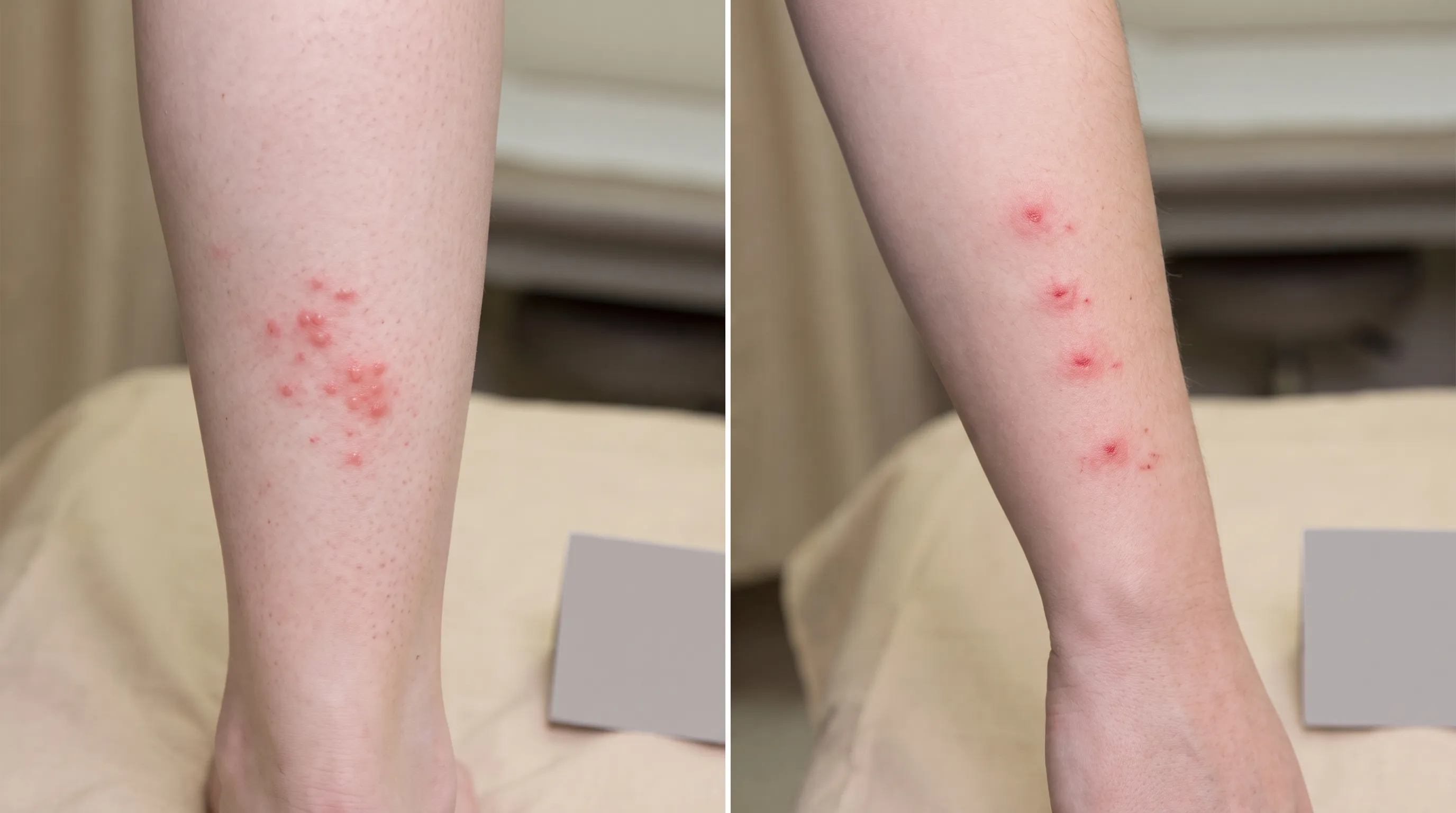
Flea bites predominantly manifest on the lower extremities, particularly around the ankles, feet, and lower calves. This distribution pattern reflects their jumping behavior, as they typically launch from carpets, flooring, or pet bedding to target the nearest exposed skin. Clinically, flea bites present as small, red, elevated papules with a central hemorrhagic puncture point that may be visible under magnification or close inspection. They frequently appear in irregular clusters or loosely grouped arrangements rather than distinct linear formations. The pruritic response is typically intense and immediate, often described as sharp, burning, or intensely irritating. Repeated exposure in sensitized individuals can trigger flea allergy dermatitis, characterized by widespread papular urticaria, lichenification, and excoriation from chronic scratching. In severe cases, particularly among children and individuals with compromised skin barriers, excessive scratching compromises the epidermal integrity, creating entry points for Staphylococcus aureus and Streptococcus pyogenes, which can lead to impetigo, folliculitis, or secondary bacterial skin infections.
Dermatological Signs of Bed Bug Infestation
Bed bug bites exhibit a markedly different clinical profile due to their feeding habits and preferred host contact areas. These lesions typically appear on skin that remains exposed during sleep, including the face, neck, shoulders, upper back, and forearms. A hallmark clinical feature is their tendency to arrange in linear or zigzag patterns, colloquially termed the "breakfast, lunch, and dinner" sign. This occurs because bed bugs probe multiple times along a blood vessel track to locate an optimal feeding site, often withdrawing and reinserting their proboscis in adjacent areas. The resulting lesions are erythematous, slightly raised papules that may progress to larger wheals or bullae in highly reactive individuals. Notably, bed bug reactions demonstrate significant individual variability; some people develop prominent, symptomatic welts within hours, while others remain entirely asymptomatic due to immune tolerance or lack of sensitization to salivary proteins. Repeated exposure over weeks or months often leads to accelerated and more severe hypersensitivity reactions, a phenomenon well-documented in dermatological literature.
Visual Identification & The Comparison Table
To systematically differentiate these pests, consider their biological traits, feeding behaviors, and environmental indicators side by side. The following table synthesizes the most clinically and practically relevant distinctions:
| Feature | Fleas | Bed Bugs |
|---|---|---|
| Scientific Classification | Ctenocephalides felis (most common) | Cimex lectularius / C. hemipterus |
| Size & Appearance | 1.5–3.3 mm, laterally compressed, dark brown | 4–5 mm, dorsoventrally flattened, reddish-brown |
| Locomotion | Exceptional jumpers (vertical/horizontal) | Crawlers only; cannot jump or fly |
| Preferred Host | Pets (cats, dogs) and occasionally humans | Humans exclusively |
| Habitat Zones | Pet bedding, carpets, soil, grass, floor edges | Mattress seams, bed frames, furniture, baseboards |
| Bite Location | Lower legs, ankles, feet | Exposed upper body (arms, neck, face, shoulders) |
| Bite Arrangement | Irregular clusters or loose groupings | Linear, zigzag, or grouped patterns |
| Active Period | Diurnal and nocturnal (opportunistic) | Strictly nocturnal (peak activity before dawn) |
| Disease Transmission | Known vectors for plague, typhus, tapeworms | Not known to transmit human pathogens |
When comparing fleas vs bed bugs, this structured comparison clarifies why diagnostic accuracy is essential before initiating treatment. Misidentifying a bed bug infestation as fleas often leads to ineffective pet-focused interventions, while mistaking fleas for bed bugs may result in unnecessary, costly structural treatments. Accurate identification requires careful inspection of the living environment, examination of pet grooming areas, and sometimes microscopic confirmation by a healthcare provider or licensed pest management professional.
Health Risks & Pathogen Transmission Profiles
The medical implications of parasitic infestations extend far beyond localized skin irritation. While both insects feed on vertebrate blood, their capacity to harbor and transmit infectious agents differs dramatically. Public health agencies have extensively studied the vector competence of these arthropods to determine their role in disease ecology, human morbidity, and community health interventions.
Documented Vector-Borne Diseases in Fleas
Fleas remain significant biological vectors in both historical and contemporary epidemiology. The oriental rat flea (Xenopsylla cheopis) is the primary vector for Yersinia pestis, the bacterium responsible for plague, which transmitted the Black Death during medieval pandemics and continues to cause sporadic outbreaks in endemic regions of the western United States and globally CDC plague and flea-borne diseases. While urban plague cases are rare in developed nations, sylvatic cycles involving wild rodents and their fleas maintain transmission potential in rural and semi-rural environments. Additionally, fleas transmit Bartonella henselae, the causative agent of cat scratch disease, through contaminated feces scratched into bite wounds or conjunctival mucosa. Murine typhus (Rickettsia typhi) is another documented flea-borne pathogen transmitted via inhalation or scratching of dried flea feces containing rickettsial organisms, particularly in areas with high rodent density. Beyond bacterial pathogens, fleas serve as intermediate hosts for the canine tapeworm (Dipylidium caninum). Human infection typically occurs in young children who accidentally ingest infected fleas during close contact with household pets, leading to mild gastrointestinal symptoms and visible tapeworm segments in stool.
Clarifying the Bed Bug Disease Myth
Contrary to widespread public concern, decades of rigorous entomological and epidemiological research have consistently demonstrated that bed bugs do not transmit infectious diseases to humans. The Centers for Disease Control and Prevention and the World Health Organization explicitly state that while bed bugs can carry over forty microbial organisms on their bodies or within their digestive tracts under experimental conditions, none have been successfully transmitted to humans through natural feeding behaviors. Their proboscis structure and blood-feeding mechanics lack the biological mechanisms required for efficient pathogen inoculation, and their saliva does not facilitate vector transmission. This critical distinction separates bed bugs from mosquitoes, ticks, and fleas, which possess well-documented roles in human disease ecology. The primary health burden of bed bugs stems from their biting activity, allergic responses, and psychological impact rather than infectious disease transmission.
Psychological Burden & Dermatological Sequelae
Despite their inability to transmit pathogens, bed bug infestations generate profound public health consequences through psychological distress and secondary medical complications. Clinical studies consistently report high rates of anxiety, insomnia, depression, and social stigma among affected individuals NIH MedlinePlus mental health impacts of pests. The chronic anticipation of being bitten disrupts sleep architecture, leading to fatigue, impaired cognitive function, and reduced quality of life. Dermatological sequelae are primarily driven by mechanical trauma from scratching, which compromises the stratum corneum and introduces commensal skin bacteria into deeper tissues. Excoriated lesions frequently progress to impetigo, folliculitis, or localized cellulitis, requiring targeted antimicrobial therapy. Rarely, highly sensitized individuals may experience systemic hypersensitivity reactions, including angioedema, urticaria, or anaphylaxis, though these occurrences are medically uncommon. Healthcare providers emphasize that addressing the psychological and dermatological components of infestation is equally important as eliminating the pests themselves.
Clinical Diagnosis & Management Guidelines
Managing insect bite reactions requires a systematic clinical approach that prioritizes symptom relief, prevents complications, and ensures appropriate medical escalation when necessary. Dermatologists and primary care physicians emphasize that treatment focuses on host management rather than parasite eradication, which falls under environmental pest control protocols.
When to Consult a Healthcare Provider
While most bite reactions resolve spontaneously with conservative care, certain clinical indicators warrant professional medical evaluation. Contact a healthcare provider if lesions exhibit expanding erythema, localized warmth, purulent exudate, or systemic signs such as fever, chills, or lymphadenopathy, which suggest secondary bacterial infection requiring oral antibiotics. Seek immediate emergency care for signs of severe allergic reactions, including respiratory distress, facial or throat swelling, hypotension, or generalized urticaria, as these may indicate progressing anaphylaxis CDC emergency guidance for allergic reactions. Additionally, individuals experiencing severe insomnia, persistent anxiety, or depression related to infestation should discuss psychological support options with their physician, as cognitive behavioral therapy and targeted interventions have proven effective in managing infestation-related mental health impacts.
Evidence-Based Symptomatic Relief
First-line management focuses on interrupting the histamine-mediated inflammatory cascade and soothing localized tissue irritation. Topical corticosteroids, particularly hydrocortisone one percent cream or ointment, are widely recommended by the American Academy of Dermatology for reducing pruritus and erythema Mayo Clinic topical hydrocortisone guidelines. Apply a thin layer to intact skin two to three times daily for no more than seven days to prevent epidermal atrophy. Oral second-generation antihistamines such as cetirizine or loratadine provide sustained itch relief without the sedative effects of older agents like diphenhydramine, making them preferable for daytime use Cleveland Clinic antihistamine recommendations. For intense nocturnal pruritus, a short course of sedating antihistamines may improve sleep quality. Supportive measures include cool compresses, colloidal oatmeal baths, and calamine lotion, which provide temporary soothing effects and reduce scratching frequency. Avoid topical anesthetic combinations containing diphenhydramine or benzocaine, as they carry a significant risk of contact dermatitis and may worsen skin irritation.
Preventing Secondary Bacterial Complications
The most common preventable complication of insect bites is secondary infection driven by repetitive scratching. Maintaining skin integrity is paramount; trim fingernails short, consider wearing cotton gloves during sleep, and apply barrier creams or hydrocolloid dressings over excoriated areas to protect healing tissue. Wash affected areas gently with mild soap and lukewarm water daily, patting dry to avoid further epidermal disruption. If lesions show signs of infection, healthcare providers may prescribe topical mupirocin for localized impetigo or oral antibiotics like cephalexin or clindamycin for more extensive cellulitis. Early intervention prevents progression to abscess formation, lymphangitis, or systemic bacteremia, particularly in immunocompromised individuals, young children, and the elderly.
Integrated Pest Management & Professional Eradication
Eradicating household infestations requires a scientifically grounded, multi-pronged approach known as Integrated Pest Management (IPM). This framework emphasizes accurate identification, targeted environmental interventions, and professional oversight rather than indiscriminate chemical application. Comparing fleas vs bed bugs reveals fundamentally different IPM requirements due to their distinct biology, harborages, and reproductive strategies.
Comprehensive Flea Control Protocols
Successful flea eradication requires simultaneous treatment of pets, indoor environments, and potentially outdoor perimeters. Begin with veterinary-prescribed adulticides and insect growth regulators (IGRs) that disrupt juvenile development by mimicking juvenile hormone, preventing larvae from maturing into reproducing adults. Treat all household animals simultaneously, as untreated pets serve as continuous reservoirs. Indoors, thorough vacuuming of carpets, rugs, and upholstery removes eggs, larvae, pupae, and organic debris that sustain immature stages. Dispose of vacuum bags immediately in sealed outdoor containers to prevent re-infestation. Wash pet bedding, throw blankets, and human bedding in hot water followed by high-heat drying to eliminate life stages. For persistent infestations, professional pest control operators apply targeted adulticides and IGR sprays to baseboards, under furniture, and in pet resting zones. Outdoor treatment focuses on shaded, moist areas in yards where flea pupae develop, utilizing environmentally safe larvicides. Consistency and environmental management are critical; failure to address all life stages simultaneously typically results in rapid population resurgence.
Strategic Bed Bug Elimination Frameworks
Bed bug eradication demands meticulous inspection, physical removal, and targeted interventions. Professional heat treatment remains the gold standard, as sustained exposure to temperatures between 120 and 140 degrees Fahrenheit penetrates harborages and kills all life stages, including eggs, without relying on chemical resistance profiles. Steam cleaning with commercial-grade units effectively treats mattress seams, furniture joints, and baseboard cracks where insects conceal themselves. High-quality mattress and box spring encasements trap existing populations and prevent new infestations by eliminating harborage sites. Professional pesticide applications target crack-and-crevice locations using desiccant dusts, silica gel, or targeted liquid formulations that avoid broad surface spraying. Interceptor traps placed under bed legs monitor treatment efficacy and capture crawling individuals attempting to access hosts. Clutter reduction is essential, as excessive storage provides countless harborage zones. Eradication typically requires multiple treatments spaced ten to fourteen days apart to address newly hatched nymphs before they can reproduce. Patience and strict adherence to preparation protocols significantly improve long-term success rates.
The Science Behind Why DIY Pesticides Fail
Over-the-counter foggers, bug bombs, and aerosol sprays are consistently discouraged by entomologists, the Environmental Protection Agency, and pest management professionals. These products deposit pesticide primarily on exposed surfaces while failing to penetrate deep harborages where bed bugs and flea pupae reside. The sudden exposure to sublethal pesticide concentrations triggers dispersal behavior, driving surviving insects into walls, adjacent apartments, or deeper into structural voids, thereby expanding the infestation footprint. Furthermore, widespread pyrethroid resistance in bed bug populations has rendered many consumer-grade products largely ineffective. Repeated use of foggers also increases indoor chemical exposure, potentially triggering asthma exacerbations, respiratory irritation, and neurological symptoms, particularly in children and vulnerable populations CDC pesticide safety and exposure guidelines. Professional IPM strategies prioritize physical removal, targeted applications, and monitoring traps, minimizing chemical exposure while maximizing eradication efficacy.
Long-Term Prevention & Environmental Safeguards
Sustainable protection against re-infestation relies on proactive environmental management, routine inspections, and consistent maintenance practices. Whether you have successfully eliminated an infestation or are seeking to prevent initial colonization, evidence-based prevention strategies significantly reduce risk.
Household & Pet Maintenance Strategies
Maintaining a flea-free environment begins with consistent veterinary care. Administer year-round, veterinarian-approved preventatives containing adulticides and IGRs, as these medications not only kill adult parasites but also sterilize females and disrupt offspring development, breaking the reproductive cycle. Wash pet bedding weekly in hot water, vacuum high-traffic areas regularly, and maintain short outdoor grass to reduce flea-friendly microclimates. For bed bug prevention, minimize bedroom clutter that provides hiding spaces, inspect secondhand furniture thoroughly before bringing it indoors, and consider using protective encasements on mattresses and box springs as a preventive barrier. Seal cracks around baseboards, electrical outlets, and plumbing penetrations to limit movement between wall voids and living spaces. Routine inspection of bedding seams, headboards, and nearby furniture every two weeks enables early detection before populations establish widespread colonization.
Travel Safety & Post-Trip Decontamination
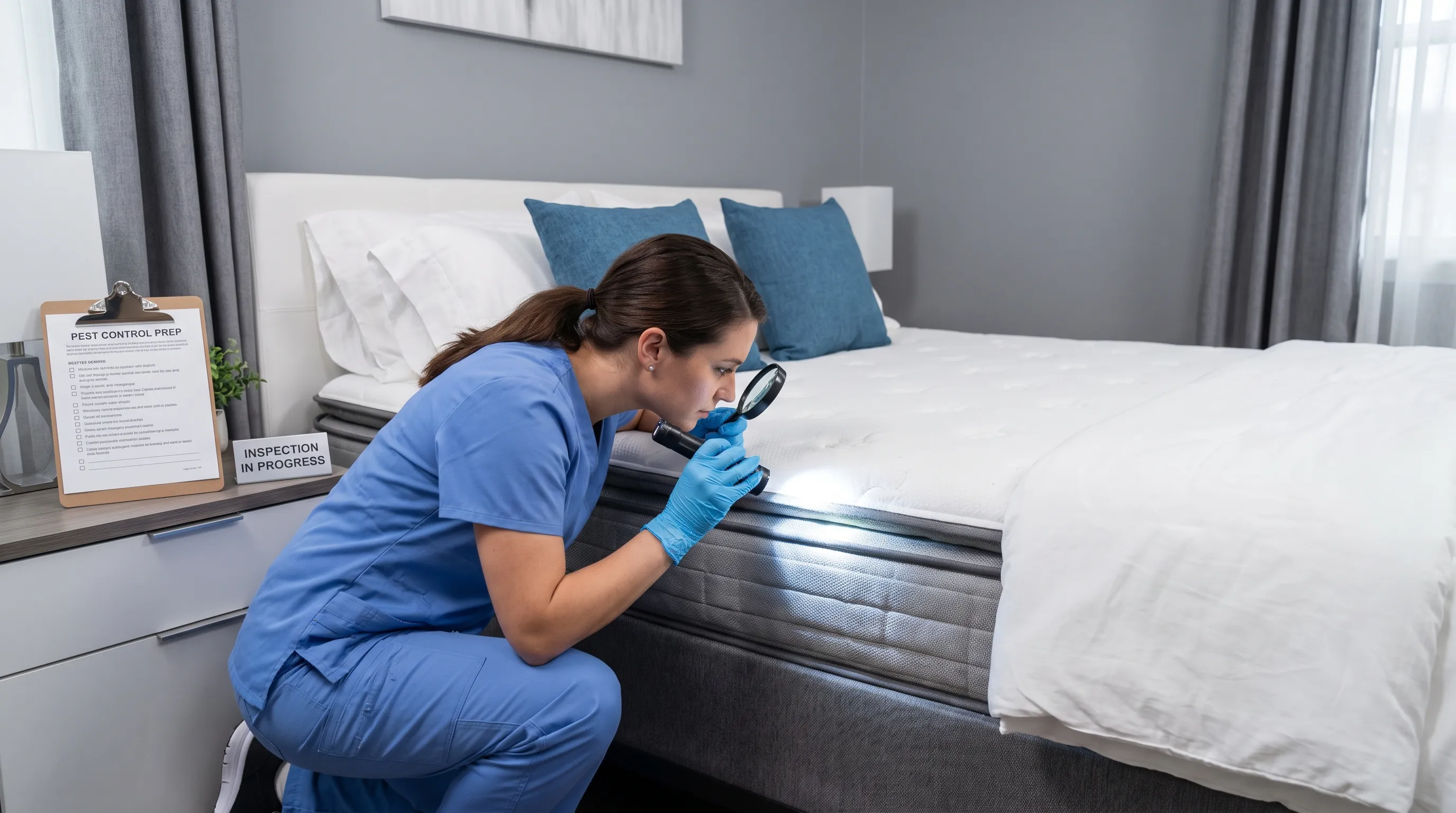
Hotels, hostels, vacation rentals, and public transportation are primary vectors for bed bug dispersal. Before settling into accommodations, conduct a brief inspection using a flashlight: examine mattress seams, headboard joints, and behind picture frames for live insects, shed exoskeletons, or dark fecal spotting CDC travelers' health guide for bed bugs. Keep luggage elevated on metal racks or in bathtubs rather than placing it on beds, upholstered chairs, or carpeted floors. Use hard-shell luggage when possible, as smooth surfaces offer fewer attachment points for crawling insects. Upon returning home, immediately unpack clothing directly into washing machines, launder items in hot water, and dry on the highest heat setting for at least thirty minutes. Non-washable items can be placed in sealed plastic bags and left in a hot vehicle for several days or professionally steam-treated. This systematic decontamination protocol prevents hitchhiking pests from establishing new indoor populations.
Frequently Asked Questions
Can bed bugs transmit diseases to humans?
No, bed bugs are not known to transmit human pathogens. Extensive epidemiological research by the CDC and WHO confirms that while they can harbor microorganisms experimentally, they lack the biological mechanisms for natural disease transmission. Their primary health impacts include allergic reactions, secondary skin infections from scratching, and psychological distress.
How long does it take for flea and bed bug bites to appear?
Flea bites typically become visible and intensely itchy within minutes to hours of feeding due to immediate hypersensitivity reactions. Bed bug responses vary widely; sensitized individuals may develop welts within hours, while others exhibit delayed reactions taking up to two weeks to manifest. Repeated exposure generally accelerates immune recognition and symptom onset.
Is it safe to use over-the-counter hydrocortisone for insect bites?
Yes, hydrocortisone one percent is a medically endorsed first-line treatment for mild to moderate bite inflammation Mayo Clinic topical steroid safety. Apply thinly to intact skin two to three times daily for up to one week. Discontinue use if irritation worsens or if skin becomes broken, and consult a physician before using on young children or large body surface areas.
Why do bug bombs and aerosol foggers fail to eliminate bed bugs?
Foggers deposit pesticide on exposed surfaces but cannot penetrate deep structural harborages where bed bugs reside. Sublethal chemical exposure triggers dispersal behavior, driving surviving insects into walls and adjacent rooms. Additionally, widespread pyrethroid resistance and indoor air quality concerns make these products ineffective and potentially hazardous.
When should I seek emergency medical care after insect bites?
Seek immediate care for systemic allergic symptoms including breathing difficulty, facial swelling, dizziness, or rapid heartbeat. Contact a healthcare provider promptly for signs of bacterial infection such as spreading redness, warmth, pus, or fever NIH MedlinePlus emergency insect bite guidance. Persistent psychological distress, severe insomnia, or worsening dermatological symptoms also warrant professional medical evaluation.
Conclusion
Accurately distinguishing between these common household pests is the cornerstone of effective health management and environmental remediation. Understanding the biological, clinical, and epidemiological differences ensures that you implement targeted symptom relief, avoid ineffective DIY treatments, and pursue appropriate medical and professional pest control interventions. While both insects feed on human blood, their disease transmission capabilities, preferred habitats, and required eradication strategies differ fundamentally. Fleas demand comprehensive pet management and environmental larval control, whereas bed bugs require meticulous structural inspection, heat treatment, and behavioral monitoring. By applying evidence-based clinical guidelines, prioritizing integrated pest management principles, and maintaining consistent preventive practices, you can protect your household from infestation, safeguard your dermatological health, and restore peace of mind. Always consult healthcare providers for severe or persistent skin reactions, and engage licensed pest management professionals for confirmed infestations to ensure safe, effective, and lasting resolution.
How we work
Researched and drafted with AI assistance, then reviewed by a human editor against the cited sources.
This article is general health information, not medical advice. Consult a qualified healthcare professional about your own situation.