What Is Crows Feet? Medical Causes, Prevention & Treatment Guide

The first time you notice them, they usually appear when you smile, laugh, or squint against the afternoon sun. They are the fine, radiating lines that extend outward from the outer corners of your eyes, and understanding what is crows feet is the first step toward managing them effectively before they deepen. Medically recognized as lateral canthal lines or periorbital rhytids, these wrinkles are among the most common early signs of facial aging. They form at the precise intersection where repetitive muscle movement meets the thinnest, most delicate skin on the human body. Because the periorbital region lacks substantial sebaceous glands and structural support, it responds rapidly to environmental stressors, lifestyle habits, and the natural chronological aging process. By the time most individuals reach their fourth decade, approximately 85% have developed noticeable periorbital lines. However, aging is not a uniform or inevitable sentence to deep creasing. Decades of dermatological research, clinical trials, and aesthetic advancements have demonstrated that understanding what is crows feet allows you to intercept the biological pathways of wrinkle formation through targeted prevention, optimized skincare, and evidence-based medical interventions. Whether you are noticing early dynamic lines or seeking to address established static folds, the path forward requires a clear understanding of the anatomy, the environmental triggers, and the proven therapies that deliver measurable, lasting improvement.
The Anatomical Foundation of Periorbital Aging
To truly comprehend why these lines develop and persist, we must first examine the unique structural characteristics of the eye area. The skin surrounding the orbit is remarkably thin, averaging approximately 0.5 millimeters in thickness compared to roughly 2 millimeters in other facial zones and up to 4 millimeters on the body's extremities. This extreme thinness means there is a minimal subcutaneous fat layer and a significantly reduced number of pilosebaceous units, which are responsible for producing natural moisturizing sebum. Without adequate lipid production, the barrier function remains fragile, making the area highly prone to transepidermal water loss, environmental penetration, and mechanical creasing.
Free calculatorSun Protection GuideSPF guide and sun protection recommendationsOpen the calculatorDirectly beneath this fragile epidermal layer lies the dermis, the structural foundation of skin that houses collagen fibers, elastin networks, and hyaluronic acid-rich ground substance. Collagen provides tensile strength and structural integrity, while elastin allows the skin to snap back into place after stretching or facial expression. The orbicularis oculi muscle, a circular sphincter-like structure responsible for eyelid closure, blinking, and squinting, sits immediately beneath these dermal layers. This muscle contracts thousands of times daily. Each contraction temporarily folds the overlying skin. In youth, abundant collagen and elastin effortlessly smooth out these temporary folds once the muscle relaxes. However, after age 20, collagen production naturally declines by approximately 1% to 2% annually, and elastin fragmentation begins to accumulate due to cumulative environmental exposure and intrinsic metabolic processes. Hyaluronic acid synthesis similarly decreases, reducing the skin's ability to retain water and maintain volume.
As structural proteins degrade, the skin loses its elastic recoil capacity. The temporary expression lines begin to etch permanently into the dermal architecture, transitioning from dynamic to static morphology. Simultaneously, the extracellular matrix becomes increasingly disorganized. Fibroblasts, the resident dermal cells responsible for synthesizing new collagen, become less active and more fragmented. This physiological cascade explains why the lateral canthal region is consistently the first facial zone to display visible aging markers. Recognizing what is crows feet means acknowledging that these lines are not merely surface-level imperfections, but rather visible indicators of underlying dermal remodeling, protein degradation, and cumulative biomechanical stress. The transition from supple, resilient tissue to permanently folded skin follows a predictable biological timeline that can be significantly slowed through early intervention and consistent dermal support.
What Is Crows Feet? Defining the Condition Clinically
From a dermatological perspective, lateral canthal lines are classified within the broader category of dynamic facial wrinkles that eventually become static with progressive dermal compromise. The clinical definition hinges on the relationship between muscular activity and skin behavior. Dynamic lines are strictly expression-dependent. They appear when the orbicularis oculi muscle engages during smiling, squinting, or intense emotional expression and disappear when the face returns to a neutral resting state. Static lines, conversely, remain visible without any muscular contraction. This progression typically occurs over a decade or more, accelerating significantly when protective behaviors like daily photoprotection are neglected.
Understanding what is crows feet requires differentiating between natural chronological aging and photoaging. Chronological aging follows a genetically predetermined timeline characterized by gradual cellular turnover slowdown, diminished barrier function, and predictable collagen reduction. Photoaging, however, is an extrinsic process driven primarily by ultraviolet radiation exposure. UVA and UVB rays penetrate the epidermis, generating reactive oxygen species (ROS) that trigger a cascade of inflammatory pathways. These pathways upregulate matrix metalloproteinases (MMPs), enzymes that aggressively degrade collagen and elastin fibers. Research indicates that up to 90% of visible facial aging stems from cumulative sun exposure rather than genetic aging alone. When repeated facial expressions compound UV-induced dermal damage, the lateral canthal region becomes a focal point for wrinkle formation.
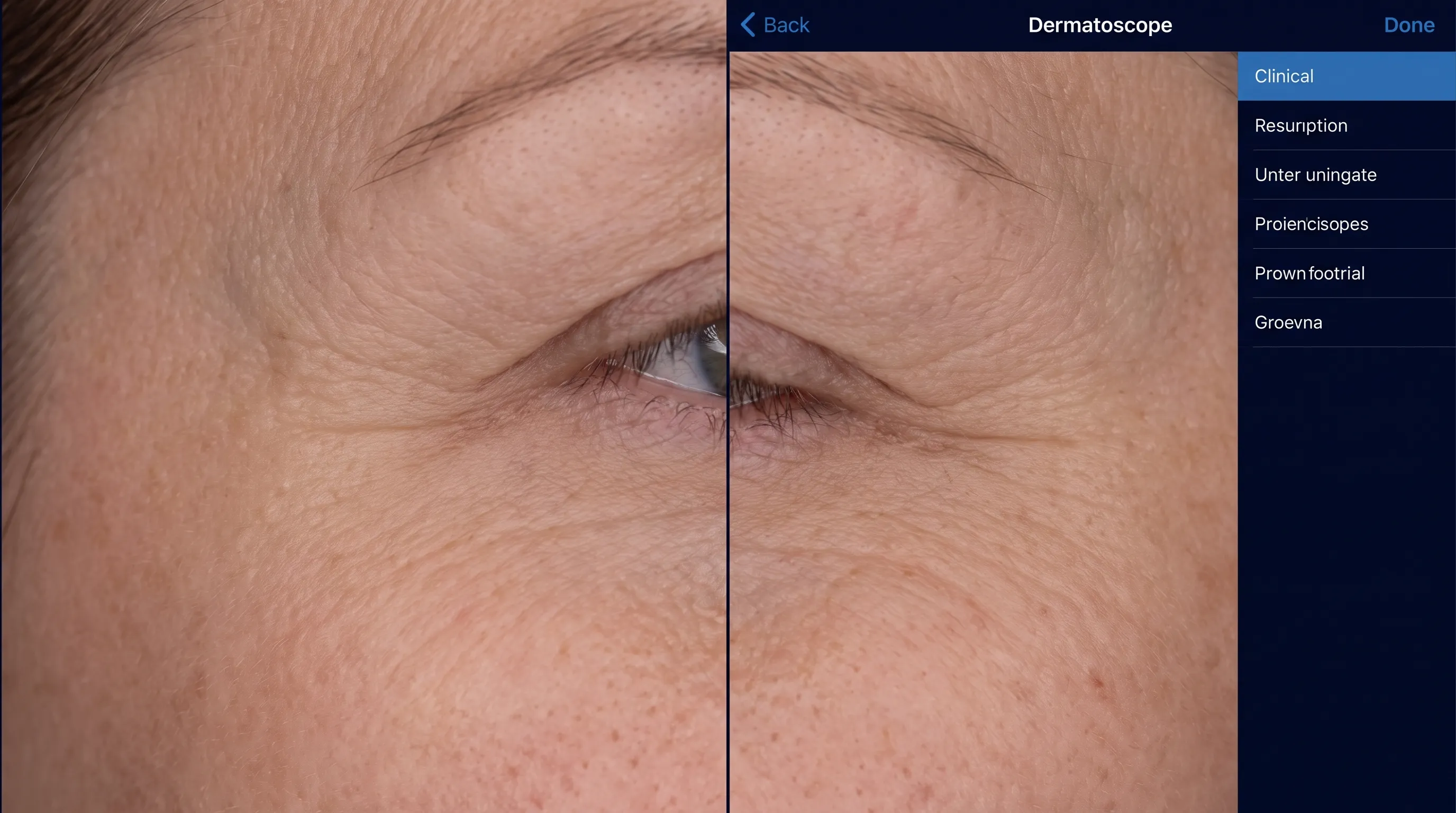
Clinically, periorbital rhytids are graded using standardized scales that assess line depth, length, and visibility at rest. Early-stage presentation involves superficial fine lines confined to the outer canthus during muscle activation. Moderate presentation shows etching that remains partially visible at rest, often accompanied by slight textural irregularity. Advanced presentation features deep, intersecting furrows that may be accompanied by periorbital volume loss, skin laxity, and pigmentary changes. When patients ask what is crows feet in a medical context, they are essentially inquiring about the intersection of muscular biomechanics, dermal matrix depletion, and environmental degradation. The clinical trajectory is well-documented, and each stage responds differently to intervention. Early-stage lines respond optimally to topical retinoids and neuromodulators, while advanced static rhytids typically require combination therapy involving laser resurfacing, dermal fillers, and targeted injectables. Recognizing your current clinical stage allows you to match the intervention to the physiological reality, avoiding unnecessary procedures or underutilized skincare that cannot address deeper structural loss.
Primary Causes & Accelerated Risk Factors
The formation of lateral canthal lines is multifactorial, meaning that no single element operates in isolation. Genetic predisposition establishes the baseline rate of collagen depletion, skin thickness, and natural aging velocity. However, modifiable risk factors overwhelmingly dictate how quickly these lines deepen and become permanent. Ultraviolet radiation remains the single most destructive environmental catalyst. UVA rays penetrate deeply into the reticular dermis, directly damaging fibroblasts and fragmenting elastin networks through MMP activation. Consistent studies confirm that daily broad-spectrum sunscreen use aligns with established CDC sun protection guidelines to reduce MMP activation by up to 60%, directly slowing periorbital wrinkle formation and preserving dermal architecture.
Repetitive facial muscle contraction acts as the mechanical driver of crease formation. Squinting in bright light, frequent screen-related eye strain, and habitual facial expressions repeatedly fold the same dermal pathways. Over years, these pathways become permanently etched as the overlying skin loses its ability to rebound. Environmental stressors such as air pollution, particulate matter, and blue light exposure generate oxidative stress that further compromises cellular repair mechanisms. Dry climates accelerate transepidermal water loss, leaving the thin periorbital skin brittle and more susceptible to permanent folding.
Lifestyle choices profoundly influence the timeline of wrinkle development. Smoking introduces thousands of toxic compounds into the bloodstream, causing nicotine-induced vasoconstriction that severely restricts oxygen and nutrient delivery to dermal fibroblasts. This hypoxic environment impairs collagen synthesis and accelerates tissue degradation. Chronic sleep deprivation disrupts growth hormone release and cellular repair cycles, while prolonged dehydration reduces skin turgor and plumpness. Poor nutrition, particularly diets deficient in antioxidants, essential fatty acids, and high-quality protein, deprives the skin of the raw materials required for structural maintenance. When evaluating what is crows feet through the lens of modern dermatology, it becomes clear that these lines are the cumulative footprint of daily habits, environmental exposure, and biological aging. Addressing each contributing factor systematically yields far superior results than targeting symptoms with isolated products.
Evidence-Based Prevention & Daily Skincare Protocols
Prevention remains the most clinically effective strategy for managing lateral canthal lines. The American Academy of Dermatology consistently emphasizes that daily broad-spectrum sunscreen application is the single most impactful anti-aging intervention available. SPF 30 or higher blocks approximately 97% of UVB radiation and, when formulated for UVA protection, shields the deep dermis from photoaging pathways. Reapplication every two hours during prolonged sun exposure, combined with wide-brimmed hats and UV-blocking sunglasses, dramatically reduces squinting and direct radiation damage to the orbital region. Studies demonstrate that daily SPF 30+ use reduces visible aging signs by up to 24% over 4.5 years.
Topical retinoids represent the second pillar of preventive and corrective periorbital care. Prescription tretinoin and over-the-counter retinol derivatives penetrate the epidermis and bind to nuclear retinoic acid receptors, directly upregulating collagen synthesis, accelerating epidermal cell turnover, and thickening the living layers of the skin. Clinical trials consistently show that topical tretinoin 0.05% improves fine wrinkles by approximately 40% after 24 weeks of consistent nightly application. For the delicate eye area, dermatologists recommend starting with encapsulated retinol or retinaldehyde eye formulations at 0.1% to 0.3% concentration, applied every other night to build tolerance before progressing to nightly use. Consistency over three to six months is required before measurable structural improvement becomes visible.
Antioxidant serums provide critical support by neutralizing free radicals before they damage structural proteins. Vitamin C (L-ascorbic acid at 10-20% concentration) stabilizes collagen synthesis and brightens pigmented areas. Niacinamide (vitamin B3) strengthens the epidermal lipid barrier, reduces inflammation, and improves skin elasticity. Vitamin E and ferulic acid synergistically enhance photoprotection when combined with vitamin C. Applying antioxidant serums each morning creates a protective biochemical shield against environmental oxidants. Moisturization completes the preventive protocol. Hyaluronic acid attracts and binds water molecules, temporarily plumping superficial fine lines, while ceramide-rich formulations restore barrier integrity and prevent transepidermal moisture loss. When combined into a disciplined routine, these actives create a comprehensive defensive strategy that directly addresses the biological mechanisms behind lateral canthal line formation.

Clinical Interventions & Treatment Modalities
When prevention is insufficient or static lines have already formed, clinical interventions offer targeted structural correction. Botulinum toxin type A formulations (Botox, Dysport, Xeomin) remain the gold standard for treating dynamic lateral canthal lines. These neuromodulators temporarily block acetylcholine release at the neuromuscular junction, relaxing the orbicularis oculi muscle and preventing the repetitive folding that etches permanent creases into the dermis. FDA-approved specifically for lateral canthal lines, clinical trials report greater than 90% patient satisfaction with results lasting three to four months. When administered by licensed professionals, these treatments maintain a greater than 95% safety profile, with minor side effects typically limited to transient bruising or localized edema.
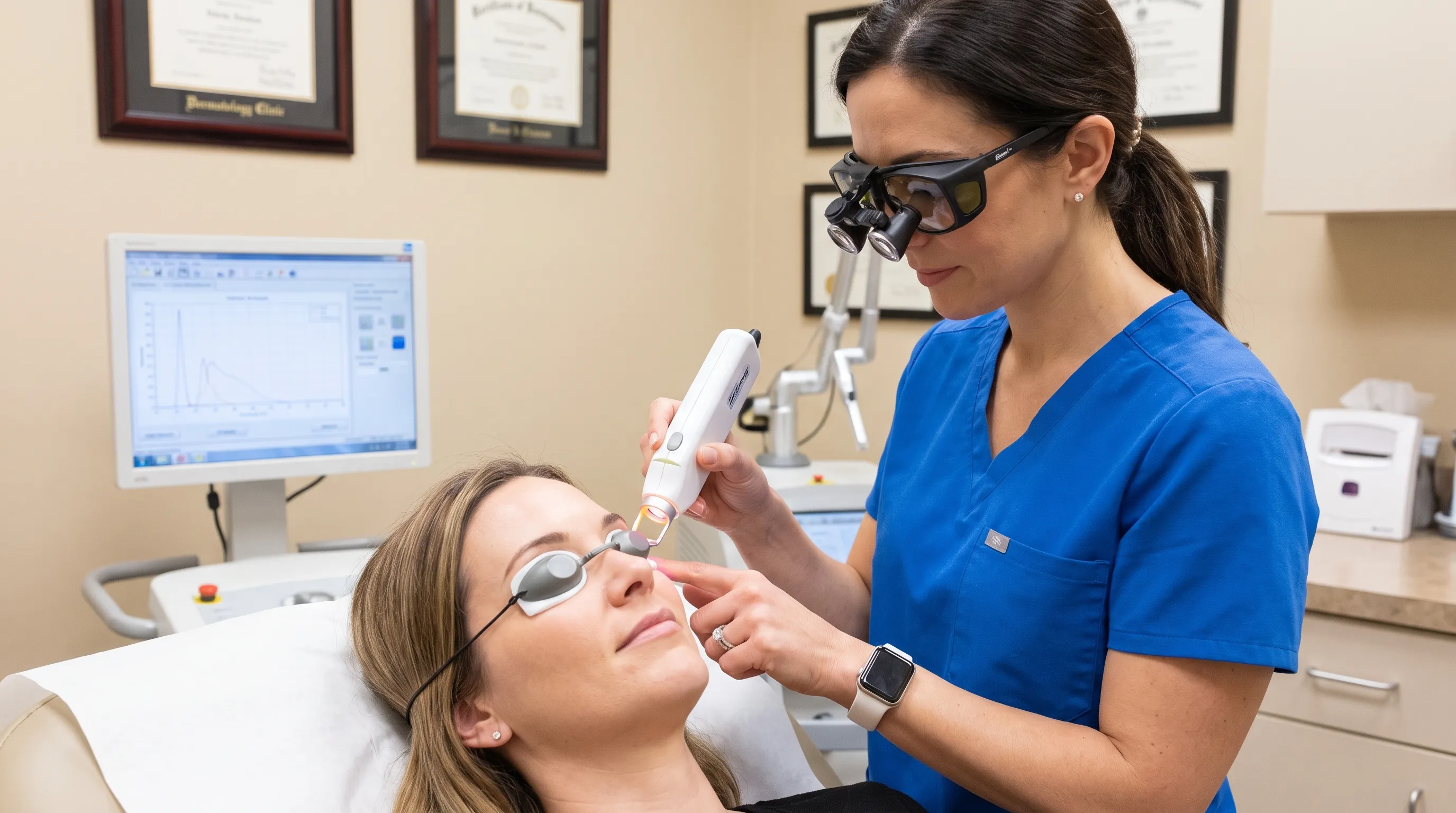
Dermal fillers composed of cross-linked hyaluronic acid address volume loss and deep static rhytids that neuromodulators cannot resolve alone. By restoring lost subdermal volume and physically lifting collapsed tissue planes, fillers smooth entrenched folds and improve overall periorbital contour. They are rarely used in isolation for crow's feet but work synergistically with neuromodulators for comprehensive rejuvenation. Energy-based devices, including fractional CO2 lasers, erbium:YAG lasers, and intense pulsed light (IPL) therapies, induce controlled micro-injuries that trigger robust wound healing responses and neocollagenesis. These procedures remodel dermal architecture, improve skin texture, and reduce pigmentary irregularities. Recovery periods vary from mild erythema lasting 24 hours to several days of crusting and peeling, depending on treatment depth.
Chemical peels and microneedling offer intermediate solutions that promote controlled epidermal exfoliation and dermal remodeling. Microneedling creates microchannels that stimulate growth factor release and enhance topical product absorption, while medium-depth chemical peels (glycolic, salicylic, or trichloroacetic acid formulations) accelerate cellular turnover and stimulate fibroblast activity. Prescription topical treatments such as tazarotene and trifarotene provide stronger retinoid receptor activation for photoaged periorbital skin, though they require careful application protocols to prevent irritation.
| Treatment Modality | Primary Mechanism | Best For | Typical Duration of Results | Downtime |
|---|---|---|---|---|
| Botulinum Toxin (Botox/Dysport) | Neuromuscular blockade | Dynamic expression lines | 3-4 months | Minimal (1 day) |
| Hyaluronic Acid Fillers | Volume restoration & tissue lifting | Deep static folds, volume loss | 12-18 months | 2-3 days (swelling) |
| Fractional CO2 Laser | Controlled thermal injury, collagen remodeling | Texture improvement, deep etching | 2-5 years | 5-10 days |
| Microneedling | Mechanical collagen induction therapy | Early static lines, product enhancement | 6-12 months | 2-4 days (redness) |
| Chemical Peels | Epidermal exfoliation & dermal stimulation | Pigmentation, fine surface lines | 3-6 months | 3-7 days (peeling) |
Combination therapy consistently yields superior outcomes compared to single-modality approaches. A typical protocol might involve neuromodulators to halt muscle-driven creasing, hyaluronic acid to restore lost volume, and fractional laser resurfacing to remodel the dermal matrix. Board-certified dermatologists customize these combinations based on skin type, wrinkle severity, and patient goals, ensuring natural-looking rejuvenation without over-treatment.
Lifestyle Modifications & Long-Term Skin Health
Beyond topical applications and clinical procedures, systemic lifestyle factors profoundly influence periorbital skin resilience. Nutrition plays a foundational role. Diets rich in omega-3 fatty acids, lean proteins, colorful vegetables, and polyphenol-rich foods provide the building blocks for collagen synthesis and neutralize oxidative stress internally. Chronic dehydration directly reduces skin turgor, making fine lines more visible and accelerating the appearance of fatigue. Maintaining adequate water intake, limiting excessive sodium and alcohol consumption, and consuming water-rich foods support optimal cellular hydration.
Sleep architecture directly impacts cutaneous repair. During deep slow-wave sleep, the body releases growth hormone, increases cellular proliferation, and repairs UV-induced DNA damage. Chronic sleep deprivation elevates cortisol levels, which breaks down collagen and impairs barrier function. Prioritizing 7-9 hours of uninterrupted sleep, using silk pillowcases to reduce mechanical friction, and sleeping on your back minimizes repetitive periorbital compression that can etch secondary sleep lines.
Screen management is increasingly relevant in modern dermatology. Prolonged digital device use causes repeated micro-squinting, dry eye symptoms, and blue light exposure that generates localized oxidative stress. Implementing the 20-20-20 rule (every 20 minutes, look 20 feet away for 20 seconds), using screen filters that reduce high-energy visible light, and managing digital eye strain reduces unnecessary muscular strain around the eyes. Smoking cessation remains one of the most impactful interventions. Within weeks of quitting, peripheral circulation improves, oxygen delivery increases, and the hypoxic degradation of dermal structures begins to reverse. When combined with daily sun protection, disciplined skincare, and professional guidance, these lifestyle modifications create a sustainable foundation for long-term periorbital health.
Frequently Asked Questions
What are the first signs of crows feet developing?
The earliest indicators are fine lines that appear temporarily during facial expressions such as smiling, laughing, or squinting in bright sunlight. These are classified as dynamic wrinkles. Over time, as dermal collagen and elastin degrade, these lines become permanently visible even when the face is completely at rest, transitioning into static wrinkles.
At what age should I start treating periorbital wrinkles?
Preventive care should ideally begin in your mid-to-late twenties. Implementing a consistent routine of broad-spectrum sunscreen, antioxidant serums, and basic moisturization establishes a protective barrier against photoaging. Active corrective treatments, such as prescription retinoids or neuromodulators, are typically introduced once dynamic lines become more pronounced, usually between ages 30 and 40.
Can crows feet be completely reversed naturally?
While early-stage dynamic wrinkles can significantly improve with consistent topical retinoids, hydration, and strict sun protection, deeply established static wrinkles cannot be fully reversed through over-the-counter products alone. Clinical interventions such as botulinum toxin injections, fractional lasers, or chemical peels are required for substantial structural remodeling and visible reduction of deep periorbital rhytids.
How often do I need Botox treatments for lateral canthal lines?
Botulinum toxin type A effects typically last three to four months as nerve terminals gradually regenerate and muscle function returns. Maintenance schedules are personalized based on individual metabolism, muscle strength, and desired outcomes. Most dermatologists recommend touch-up treatments every 12 to 16 weeks to sustain smooth, natural-looking results without muscular atrophy.
Is it safe to apply retinol directly under the eyes?
The periorbital skin is approximately 0.5mm thick and highly sensitive. While retinoids are clinically proven to stimulate collagen and reduce fine lines, standard facial formulations may cause irritation, dryness, or redness in this delicate area. Dermatologists recommend starting with low-concentration retinol eye creams specifically formulated with buffering agents like ceramides or peptides, applied sparingly every other night before gradually increasing frequency.
Conclusion
Understanding what is crows feet reveals a clear intersection of biology, environment, and behavior. These periorbital lines are not merely cosmetic concerns but visible markers of cumulative dermal remodeling, muscle mechanics, and environmental exposure. The path to managing them effectively requires early intervention, disciplined daily protection, and strategic clinical intervention when structural changes become advanced. Consistent photoprotection, evidence-based topical actives, and professional-grade treatments deliver measurable, lasting results when aligned with healthy lifestyle habits. Because every individual's skin architecture and aging trajectory differ, consulting a board-certified dermatologist ensures personalized, safe, and scientifically grounded care. Whether you are beginning preventive skincare or exploring advanced rejuvenation protocols, the principles remain consistent: protect the barrier, support collagen synthesis, and intervene strategically. With informed choices and consistent care, the periorbital region can maintain its resilience, elasticity, and natural vitality for years to come.
How we work
Researched and drafted with AI assistance, then reviewed by a human editor against the cited sources.
This article is general health information, not medical advice. Consult a qualified healthcare professional about your own situation.