Why Does an Old Scar Itch? Causes, Relief, and When to Worry
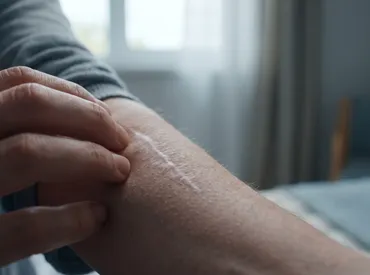
It is a peculiar and often frustrating sensation: a scar that healed perfectly well years ago suddenly begins to itch. You might be sitting at your desk, watching television, or trying to sleep, when a familiar, faint line on your skin starts to prickle, burn, or demand attention. This phenomenon leads many people to ask, "why does an old scar itch?" It feels counterintuitive. We are taught that itching is a sign of healing, a phase that occurs during the initial weeks of wound closure. Once the skin has knit itself back together and the scab has fallen away, the discomfort should presumably vanish forever. Yet, for millions of people, scar tissue remains a dynamic, living part of their anatomy that can react to internal and external stimuli long after the original injury has become a distant memory.
Understanding why an old scar itches requires a deep dive into the complex biology of skin regeneration, nerve physiology, and the unique structural properties of scar tissue. Unlike normal skin, scar tissue is not merely a patch; it is a different type of biological material with distinct characteristics. It lacks the elasticity, sweat glands, and hair follicles of surrounding skin, and its nerve network is often disorganized. This structural difference is the root cause of many long-term sensory issues, including pruritus (the medical term for itching). While often benign, persistent itching can significantly impact quality of life, causing sleep disturbances, anxiety, and even secondary skin damage from excessive scratching. According to the Mayo Clinic, scars can remain sensitive and itchy for months or even years as the tissue matures.
In this comprehensive guide, we will explore the multifaceted reasons behind this lingering sensation. We will examine the role of nerve regeneration, the impact of environmental factors, the influence of skin dryness, and the potential for underlying pathological conditions such as keloids. Furthermore, we will provide evidence-based strategies to manage and alleviate the discomfort, helping you understand not just why an old scar itches, but what you can do about it. Whether you have a surgical scar, an acne mark, or a result of trauma, this article aims to demystify the process and offer practical, actionable relief.
The Biological Basis of Scar Tissue and Sensation
To understand why an old scar itches, we must first understand what a scar actually is. A scar is the body’s natural way of repairing damaged skin. When the dermis—the thick layer of skin beneath the epidermis—is injured, the body rushes to close the wound to prevent infection and fluid loss. It does this by producing collagen, a fibrous protein that acts as a scaffold for new tissue. However, the collagen produced in scar tissue is arranged differently than in normal skin. In healthy skin, collagen fibers are woven in a random, basket-weave pattern that provides flexibility and strength. In scar tissue, collagen fibers are aligned in a single direction, parallel to the wound. This alignment makes the scar stronger but less flexible.
Free calculatorSun Protection GuideSPF guide and sun protection recommendationsOpen the calculatorThis structural difference has profound implications for sensation. Normal skin is richly innervated with various types of nerve endings that detect touch, pressure, temperature, and pain. During the healing process, these nerves are severed. As the wound heals, the nerves attempt to regenerate and reconnect. However, because the scar tissue is dense and structurally different, the regrowing nerves often become trapped or misaligned. This results in a hypersensitive area where nerve signals may be misinterpreted by the brain. Instead of sensing a light touch, the brain might interpret the signal as an itch or a burn. This phenomenon is known as neuropathic pruritus.
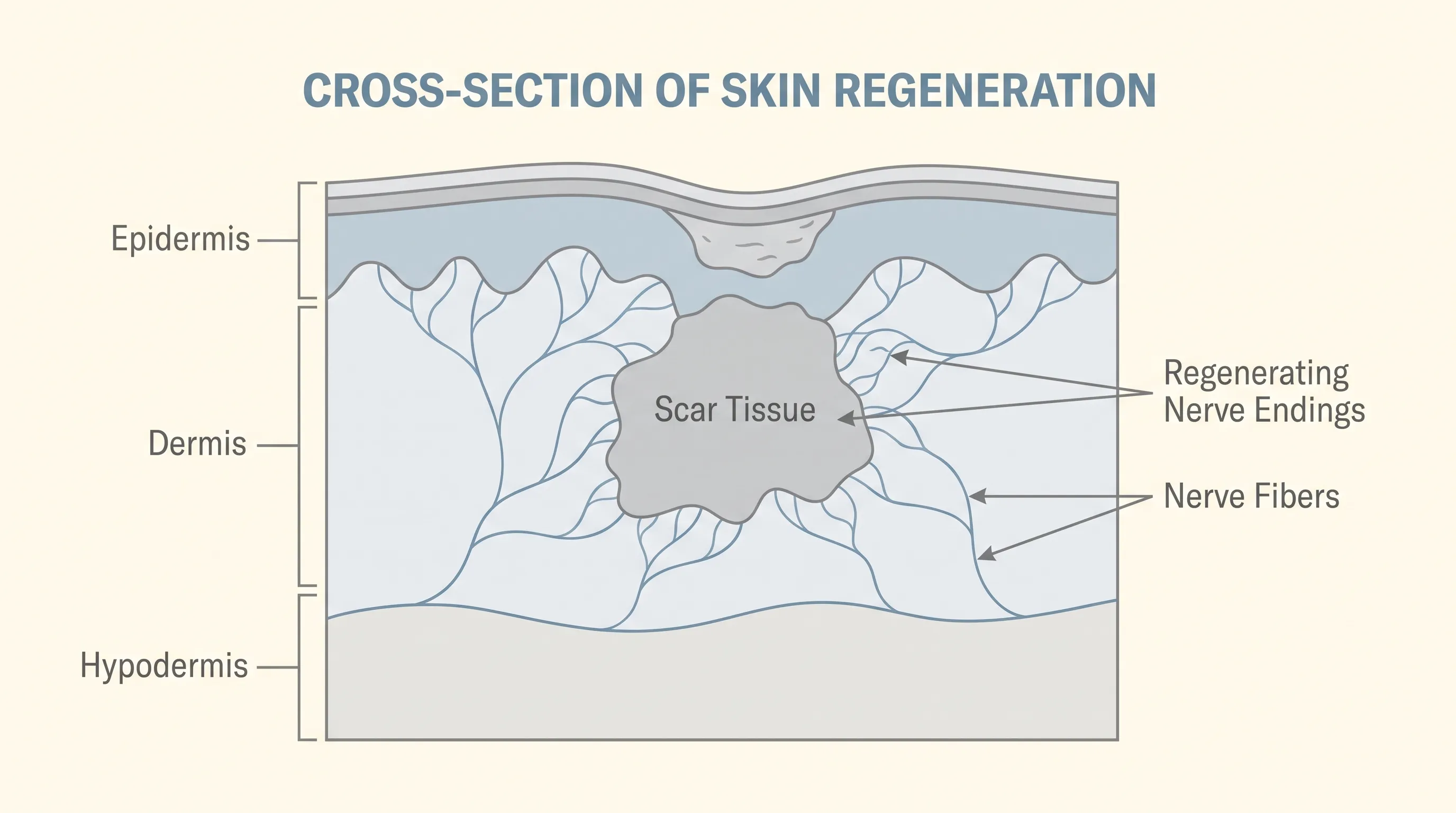
The density of nerve endings in scar tissue can also vary. Some studies suggest that while the total number of nerve fibers may decrease in mature scars, the remaining fibers can become hyperexcitable. This means they fire more easily in response to stimuli that would not normally cause a reaction. This hyperexcitability is a key factor in answering why an old scar itches. It is not necessarily that the scar is "healing" again, but rather that the neural wiring within the scar is faulty or overly sensitive. This can lead to chronic itching that persists for years, fluctuating in intensity based on various triggers.
Moreover, scar tissue lacks the appendages found in normal skin, such as sweat glands and sebaceous (oil) glands. These glands play a crucial role in maintaining the skin’s moisture barrier and pH balance. Without them, scar tissue is prone to dryness, which is a primary trigger for itching. The absence of these protective mechanisms makes the scar more vulnerable to environmental changes, further contributing to the sensation of pruritus. Understanding this biological baseline is essential for developing effective management strategies, as it highlights that the issue is not just surface-level but deeply rooted in the tissue’s architecture.
Nerve Regeneration and Neuropathic Itch
One of the most significant reasons why an old scar itches is related to the ongoing process of nerve regeneration. Nerves heal very slowly, often at a rate of about one millimeter per day. For large wounds or deep surgical incisions, this process can take months or even years. During this extended period, the nerve endings are in a state of flux. They are growing, retracting, and attempting to form new connections. This activity can generate spontaneous electrical signals that the brain interprets as itching.
Neuropathic itch is distinct from inflammatory itch, which is caused by chemicals like histamine released during an allergic reaction or insect bite. Neuropathic itch originates from damage or dysfunction within the nervous system itself. In the context of scars, this can occur due to the physical compression of nerves by dense collagen fibers, or due to the formation of abnormal connections between sensory neurons. This type of itching is often described as burning, tingling, or crawling, and it may not respond well to traditional anti-itch creams that target histamine.
Research indicates that specific neurotransmitters and neuropeptides play a role in this process. Substance P, for example, is a neuropeptide involved in pain transmission and inflammation. Elevated levels of Substance P have been found in itchy scars, suggesting that it contributes to the sensation of pruritus. Additionally, nerve growth factor (NGF) is upregulated in healing tissue, promoting nerve sprouting. While necessary for repair, excessive NGF can lead to hyperinnervation, where too many nerve fibers grow into the area, increasing sensitivity.
The concept of "phantom itch" is also relevant here. Similar to phantom limb pain, where amputees feel sensations in a missing limb, individuals with scars may feel itching in areas where the nerve supply has been altered. The brain’s map of the body (the somatosensory cortex) may still expect input from the original, uninjured skin. When the input is altered or absent due to scarring, the brain may generate false signals, resulting in the perception of itch. This neurological component explains why an old scar itches even when there is no visible irritation on the surface. It is a miscommunication between the peripheral nerves and the central nervous system.
Understanding the neuropathic nature of scar itching is crucial for treatment. Standard antihistamines, which block histamine receptors, are often ineffective for neuropathic itch. Instead, treatments that modulate nerve signaling, such as topical capsaicin, lidocaine, or certain antidepressants and anticonvulsants prescribed off-label, may be more effective. This highlights the importance of an accurate diagnosis. If you find that over-the-counter hydrocortisone or antihistamines do not relieve your scar itch, it may be neuropathic in origin, and you should consult a healthcare provider for specialized management.
Environmental Triggers and Skin Dryness
While internal biological processes play a major role, external environmental factors are frequently the immediate trigger that makes an old scar itch. Because scar tissue lacks sweat and oil glands, it cannot regulate its own moisture levels effectively. This makes it highly susceptible to dryness, or xerosis. Dry skin is one of the most common causes of itching in the general population, and scars are particularly vulnerable. When the skin becomes dry, the barrier function is compromised, allowing irritants to penetrate more easily and triggering nerve endings.
Weather changes are a significant culprit. Why does an old scar itch more in winter? The answer lies in humidity. Cold air holds less moisture, and indoor heating further dries out the air. This low-humidity environment draws moisture out of the skin, leading to tightness and itching. Scars, with their impaired barrier function, lose moisture faster than surrounding skin. Conversely, some people report increased itching in hot, humid weather. This may be due to sweating. Since scars cannot sweat effectively, the accumulation of sweat salts on the surface or the inability to cool down locally can cause irritation and itching.
Clothing friction is another common trigger. Rough fabrics, tight seams, or synthetic materials can rub against the scar, causing mechanical irritation. This is known as mechanotransduction, where physical force is converted into biochemical signals. In sensitive scar tissue, this mechanical stimulation can activate itch-specific nerve fibers. People with scars on areas prone to friction, such as the waistline, shoulders, or feet, may experience chronic itching due to constant contact with clothing.
Sun exposure is also a critical factor. Scar tissue is more sensitive to ultraviolet (UV) radiation than normal skin. UV rays can cause inflammation and damage the delicate collagen structure, leading to itching and potentially worsening the appearance of the scar. This is why dermatologists strongly recommend protecting scars from the sun with high-SPF sunscreen or clothing. The inflammatory response triggered by sunburn can reactivate nerve endings and cause intense itching.
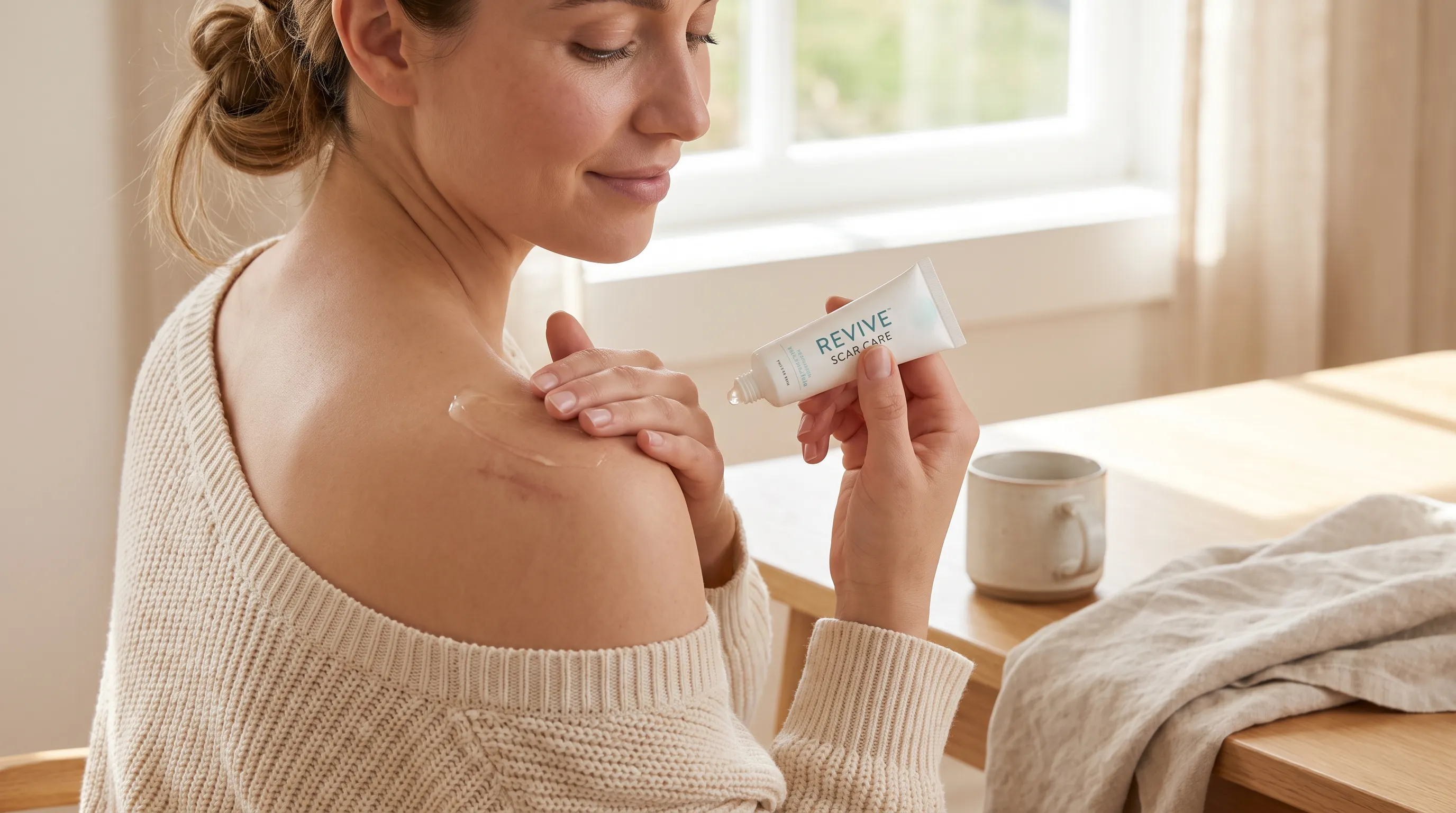
To mitigate these environmental triggers, maintaining a consistent skincare routine is essential. Using gentle, fragrance-free moisturizers can help restore the lipid barrier of the scar tissue. Humidifiers can add moisture to the air during dry months, reducing overall skin dryness. Choosing soft, breathable fabrics like cotton can minimize friction. By managing these external factors, you can significantly reduce the frequency and intensity of itching episodes, addressing a key aspect of why an old scar itches.
Pathological Causes: Keloids and Hypertrophic Scars
In some cases, the question "why does an old scar itch" points to a more serious underlying condition: abnormal scar formation. The two most common types of problematic scars are hypertrophic scars and keloids. Both are characterized by an overproduction of collagen, but they differ in their behavior and extent.
Hypertrophic scars are raised, red scars that stay within the boundaries of the original wound. They are caused by an excess of collagen during the healing process. These scars can remain active for months or years, undergoing periods of inflammation and remodeling. During these active phases, they are often itchy, painful, and tender. The itching is driven by ongoing inflammation and the tension exerted by the dense collagen fibers on the surrounding skin and nerves.
Keloids, on the other hand, are more aggressive. They extend beyond the original wound site, invading healthy surrounding tissue. Keloids are more common in individuals with darker skin tones and can develop months or even years after the initial injury. They are notoriously difficult to treat and are frequently associated with intense itching and pain. The pathophysiology of keloid-related itching involves chronic inflammation, increased blood vessel formation (angiogenesis), and heightened nerve density. Studies have shown that keloids have higher levels of inflammatory cytokines and growth factors, which continuously stimulate nerve endings.
If your old scar is growing, becoming raised, red, or increasingly itchy, it may be transitioning into a hypertrophic scar or keloid. This is a critical distinction because the treatment approach differs significantly from that of a mature, flat scar. Ignoring these signs can lead to worsening of the condition. Early intervention is key. Treatments may include corticosteroid injections, which reduce inflammation and flatten the scar, thereby relieving itching. Other options include laser therapy, cryotherapy, or surgical excision combined with radiation therapy to prevent recurrence.
It is important to note that not all itchy scars are keloids. However, persistent, severe itching in a raised scar is a hallmark symptom. If you suspect your scar is abnormal, consult a dermatologist or plastic surgeon. They can assess the scar’s characteristics and recommend appropriate interventions. Understanding the difference between normal scar maturation and pathological scarring is vital for answering why an old scar itches and ensuring proper care.
| Feature | Normal Mature Scar | Hypertrophic Scar | Keloid |
|---|---|---|---|
| Appearance | Flat, pale, flexible | Raised, red, within wound boundary | Raised, extends beyond wound boundary |
| Itching | Mild, intermittent | Moderate to severe, persistent | Severe, often painful |
| Growth | Stabilizes over time | May regress slightly over years | Continues to grow indefinitely |
| Cause | Normal healing | Excess collagen, tension | Genetic predisposition, inflammation |
| Treatment | Moisturizers, silicone | Steroids, laser, silicone | Steroids, surgery, radiation |
Effective Remedies and Management Strategies
Knowing why an old scar itches is only half the battle; the other half is finding effective relief. Fortunately, there are numerous evidence-based strategies to manage scar pruritus. These range from simple home remedies to medical interventions, depending on the severity and cause of the itching.
Moisturization and Barrier Repair
As discussed, dryness is a primary trigger. Therefore, keeping the scar well-moisturized is the first line of defense. Look for moisturizers containing ingredients like ceramides, hyaluronic acid, or glycerin, which help attract and retain moisture. Petrolatum-based ointments are also highly effective as they create an occlusive barrier that prevents water loss. Apply moisturizer at least twice daily, especially after bathing when the skin is still damp. Avoid products with fragrances, alcohol, or harsh chemicals, as these can irritate the sensitive scar tissue.
Silicone Gel and Sheets
Silicone is considered the gold standard in scar management. Numerous studies have demonstrated that silicone gel sheets or topical silicone gels can significantly reduce scar itching, redness, and thickness. Silicone works by hydrating the scar tissue, regulating collagen production, and creating a protective barrier against external irritants. It also helps to normalize the electrical charge of the skin, which may reduce nerve hyperactivity. For best results, silicone sheets should be worn for 12-24 hours a day for several months. Consistency is key.
Cold Therapy
Applying a cold compress or ice pack to the itchy scar can provide immediate relief. Cold temperatures constrict blood vessels, reducing inflammation and numbing the nerve endings. This interrupts the itch-scratch cycle. Wrap ice in a thin cloth to avoid direct contact with the skin, which could cause frostbite. Apply for 10-15 minutes at a time. This is a safe and effective method for acute itching episodes.
Anti-Itch Medications
For mild itching, over-the-counter hydrocortisone cream (1%) can reduce inflammation and relieve itching. However, long-term use should be avoided as it can thin the skin. Oral antihistamines, such as cetirizine or loratadine, may help if the itching is related to histamine release, though they are less effective for neuropathic itch. For severe neuropathic itching, a doctor may prescribe topical capsaicin, which depletes Substance P, or medications like gabapentin or pregabalin, which modulate nerve signaling.
Sun Protection
Protecting the scar from UV radiation is crucial. Use a broad-spectrum sunscreen with SPF 30 or higher on the scar whenever it is exposed to the sun. Reapply every two hours. Alternatively, cover the scar with clothing or a bandage. This prevents sun-induced inflammation and itching.
Avoid Scratching
Scratching provides temporary relief but ultimately worsens the problem. It damages the skin barrier, increases inflammation, and can lead to infection. It also stimulates the release of more itch-inducing chemicals, creating a vicious cycle. Instead of scratching, try tapping the area, applying pressure, or using a cold compress. Keeping fingernails short can also minimize damage if you accidentally scratch in your sleep.
Psychological Factors and the Itch-Scratch Cycle
The experience of itching is not purely physical; it is also deeply psychological. Stress, anxiety, and depression can exacerbate the perception of itch. This is known as psychogenic pruritus. When you are stressed, your body releases cortisol and other stress hormones that can increase inflammation and lower the threshold for itch sensation. Additionally, stress can lead to habitual scratching, which damages the skin and worsens the itching.
The "itch-scratch cycle" is a well-documented phenomenon. Itching leads to scratching, which causes skin damage and inflammation, which in turn leads to more itching. Breaking this cycle is essential for long-term relief. Cognitive-behavioral therapy (CBT) and mindfulness techniques can help manage the psychological aspects of chronic itching. Learning to recognize triggers and developing alternative coping mechanisms, such as relaxation exercises or distraction techniques, can reduce the urge to scratch.
Sleep is also affected by itching. Nighttime itching is common due to the body’s circadian rhythm, which influences skin temperature and blood flow. Poor sleep can increase stress, further worsening the itching. Establishing a calming bedtime routine, keeping the bedroom cool, and using moisturizers before bed can help improve sleep quality and reduce nighttime itching.
Understanding the psychological dimension of why an old scar itches empowers you to take a holistic approach to management. It is not just about treating the skin; it is about managing the mind-body connection. By addressing stress and breaking the itch-scratch cycle, you can achieve better long-term control over your symptoms.
Frequently Asked Questions
Why does an old scar itch suddenly after years?
Old scars can itch suddenly due to changes in weather (especially humidity), skin dryness, nerve regeneration activity, or minor inflammation triggered by friction or clothing. It is often a sign that the nerve endings are still sensitive or reacting to environmental stimuli. The lack of oil glands in scar tissue makes it prone to drying out, which is a common immediate trigger.
Is it normal for a scar to itch years later?
Yes, it is relatively common for scars to itch intermittently even years after healing. This is known as late-onset pruritus. While often benign, persistent or severe itching should be evaluated by a dermatologist to rule out conditions like keloids or nerve entrapment. The brain’s interpretation of nerve signals from the scar can remain altered long after the wound has closed.
How can I stop my old scar from itching?
To relieve itching, keep the area well-moisturized with fragrance-free emollients, apply silicone gel sheets, avoid scratching, use cold compresses, and protect the scar from sun exposure. Antihistamines may help if the itch is related to histamine release, but for nerve-related itching, topical lidocaine or capsaicin might be more effective. Consult a doctor for persistent symptoms.
Can stress make an old scar itch?
Yes, stress can exacerbate itching. Psychological stress triggers the release of neuropeptides and inflammatory markers that can heighten nerve sensitivity and worsen pruritus in scar tissue, creating a cycle of stress and itching. Managing stress through mindfulness, exercise, or therapy can help reduce the frequency and intensity of itch episodes.
When should I see a doctor for an itchy scar?
You should see a doctor if the itching is accompanied by pain, redness, swelling, discharge, or if the scar is growing in size. These could be signs of infection, keloid formation, or other underlying skin conditions requiring medical intervention. Additionally, if home remedies do not provide relief after a few weeks, professional evaluation is recommended.
Conclusion
The question "why does an old scar itch" is complex, involving an interplay of biological, environmental, and psychological factors. From the disorganized regeneration of nerve endings and the lack of moisture-retaining glands to the influence of weather and stress, multiple elements contribute to this persistent sensation. While often a benign nuisance, it can significantly impact quality of life.
Key takeaways include the importance of consistent moisturization, the use of silicone products, and protection from environmental triggers like sun and friction. Understanding that scar tissue is different from normal skin helps in setting realistic expectations and adopting appropriate care routines. If itching is severe, persistent, or accompanied by other symptoms like growth or pain, it is crucial to seek medical advice to rule out pathological conditions like keloids.
By adopting a holistic approach that addresses both the physical and psychological aspects of scar care, you can effectively manage itching and improve the comfort and appearance of your scar. Remember, patience and consistency are key, as scar maturation and nerve adaptation are long-term processes. With the right knowledge and tools, you can regain control and find relief from the lingering itch of old scars.
How we work
Researched and drafted with AI assistance, then reviewed by a human editor against the cited sources.
This article is general health information, not medical advice. Consult a qualified healthcare professional about your own situation.