How Much Is a Brazilian: Comprehensive Cost Guide, Medical Safety, and Recovery Protocols

When navigating the complex world of aesthetic grooming and cosmetic enhancement, the question of how much is a brazilian frequently arises in clinical consultations and patient discussions. The phrase itself is inherently ambiguous, often leading consumers down vastly different clinical pathways depending on their intent. In the realm of aesthetic medicine and dermatological care, it most commonly refers to one of two distinct procedures: a non-invasive Brazilian wax for comprehensive hair removal, or an invasive Brazilian Butt Lift (BBL), a sophisticated surgical fat grafting technique. Understanding the financial, physiological, and safety implications of each is absolutely critical before booking an appointment or consulting a surgeon. While the wax is a routine salon service with minimal medical oversight, the BBL represents a high-complexity surgical intervention that demands rigorous medical screening, specialized anesthesia protocols, and strict adherence to board-certified standards. This comprehensive guide dissects the costs, clinical considerations, risk profiles, and recovery timelines associated with both interpretations of the term. Whether you are evaluating routine grooming expenses or planning a significant surgical investment, evidence-based data, dermatological guidelines, and plastic surgery protocols will provide the clarity needed to make informed decisions about your aesthetic health and financial planning.
Decoding the Terminology: Clinical Context and Patient Intentions
The ambiguity surrounding the phrase stems from decades of popular culture marketing and colloquial shorthand in the beauty industry. Medically and aesthetically, these two procedures occupy entirely different spectrums of clinical practice. The Brazilian wax operates within the dermatological grooming sector, focusing on superficial hair follicle disruption and temporary hair removal. It requires no anesthesia, leaves no permanent tissue alteration, and is performed entirely within the epidermal and upper dermal layers. Conversely, the Brazilian Butt Lift falls under advanced plastic surgery, requiring general anesthesia, sterile operating room environments, and sophisticated understanding of human adipose tissue vascularization. When patients research how much is a brazilian without specifying their desired intervention, they often encounter wildly disparate pricing structures that can cause significant financial confusion. Clear communication with licensed professionals is the first step in aligning expectations with clinical reality. Understanding whether you are seeking routine maintenance or permanent structural enhancement will immediately dictate your budget, preparation timeline, and required medical clearances. The physiological demands of each procedure also differ exponentially, meaning that pre-procedure health assessments must be tailored to the specific intervention. This foundational clarity prevents medical mishaps, financial missteps, and unrealistic recovery expectations.
Free calculatorSun Protection GuideSPF guide and sun protection recommendationsOpen the calculator
Brazilian Wax: Clinical Costs, Physiological Impact, and Dermatological Safety
A Brazilian wax involves the systematic removal of all or nearly all pubic hair from the anterior, lateral, and posterior perineal regions. The procedure utilizes a heated resin or sugar-based compound applied in the direction of hair growth, then rapidly removed against the grain to extract the follicle from its root. While seemingly straightforward, the physiological impact on the skin barrier, nerve endings, and local microbiome warrants careful consideration.
Comprehensive Pricing Analysis
The financial commitment for a Brazilian wax typically ranges from $50 to $100 per session for standard service, with premium metropolitan markets charging between $80 and $120. First-time clients often encounter slightly higher pricing, ranging from $60 to $80, due to extended appointment times required for thorough consultation, skin assessment, and slower application techniques. Maintenance sessions scheduled every four to six weeks generally drop to the $50 to $70 bracket as the hair cycle synchronizes and regrowth becomes finer. Geographic location remains the primary pricing driver, with cities like New York, Los Angeles, and Chicago commanding premium rates due to higher commercial rent, advanced sanitation standards, and specialized technician certifications. Add-on services such as underarm waxing, full leg treatment, or pre-exfoliation scrubs will incrementally increase the final invoice. When calculating the long-term financial impact, patients must recognize that waxing is a recurring expense. Over twelve months, consistent maintenance totals approximately $600 to $1,000, which should be factored into personal grooming budgets alongside skincare products and aftercare treatments.
The Physiology of Hair Removal and Follicle Disruption
The procedure targets hair in the anagen phase, when the follicle is most firmly anchored. Thermal application opens pores and softens the keratin structure, while rapid removal creates mechanical stress on the papilla. Repeated treatments gradually weaken follicular regeneration, resulting in sparser, thinner regrowth over time. The epidermis undergoes transient micro-trauma, triggering a localized inflammatory response that manifests as erythema and mild edema for twenty-four to forty-eight hours. Proper technique minimizes nerve stimulation and reduces post-procedural discomfort. The perineal region contains dense vascularization and high concentrations of sensory nerve endings, making it particularly susceptible to pain signaling. Technicians trained in anatomical mapping and tension control significantly improve patient tolerance and skin integrity. Understanding this physiological cascade explains why aftercare protocols emphasize anti-inflammatory agents, gentle cleansing, and barrier restoration rather than aggressive exfoliation immediately following treatment.
Medical Contraindications and Dermatological Risks
While widely considered safe, Brazilian waxing carries documented contraindications for specific patient populations. Individuals actively using systemic isotretinoin or topical retinoids must suspend treatment for at least five to seven days, as these medications accelerate cellular turnover and compromise stratum corneum integrity, dramatically increasing the risk of epidermal stripping and dermal laceration. Patients with uncontrolled diabetes, peripheral vascular disease, or immunosuppression face elevated infection risks due to impaired wound healing and compromised cutaneous defense mechanisms. Active herpes simplex virus outbreaks represent an absolute contraindication until lesions have completely epithelialized to prevent autoinoculation. Documented risks include transient erythema, follicular hemorrhage, pseudofolliculitis, bacterial infection, and thermal injury from improperly heated wax. Implementing strict hygiene protocols, utilizing single-use applicators, and maintaining temperature-controlled heating units mitigates adverse outcomes. Patients experiencing persistent inflammation, purulent discharge, or severe hypersensitivity should discontinue treatment and consult a board-certified dermatologist.
Brazilian Butt Lift: Surgical Investment, Fat Grafting Mechanics, and FDA Guidelines
The Brazilian Butt Lift, clinically known as gluteal fat grafting, has emerged as the fastest-growing cosmetic surgical procedure in the United States. The intervention involves liposuction from donor sites, including the abdomen, flanks, posterior back, and medial thighs, followed by centrifugation or filtration to isolate viable adipocytes. The purified fat is then strategically injected into the subcutaneous tissue of the buttocks to enhance projection, correct asymmetry, and improve overall contour harmony.
Detailed Financial Breakdown and Hidden Clinical Costs
When patients investigate how much is a brazilian for a BBL, they frequently encounter base surgeon fees ranging from $8,000 to $15,000. However, this figure represents only the operator's compensation and excludes essential clinical components. The comprehensive financial package typically encompasses anesthesia fees ($1,500 to $3,000), accredited surgical facility charges ($2,000 to $4,500), pre-operative laboratory panels, medical imaging, post-operative compression garments ($150 to $300), and mandatory follow-up consultations. Consequently, the total out-of-pocket expenditure routinely falls between $10,000 and $20,000 or higher, depending on geographic market, surgical complexity, and ancillary services. Geographic stratification remains pronounced, with major metropolitan centers reflecting elevated overhead costs. Insurance carriers universally classify gluteal fat grafting as elective cosmetic surgery, rendering all associated expenses strictly patient-responsible. Medical financing options, including secured healthcare credit lines and phased payment structures, have become standard, but patients must scrutinize interest rates and penalty clauses. Budgeting for unexpected post-operative medications, specialized seating cushions, and extended recovery supplies is equally essential for comprehensive financial planning.
Surgical Technique, Fat Harvesting, and Vascular Safety
Modern BBL execution requires precise anatomical mapping to avoid catastrophic vascular injury. Liposuction proceeds using tumescent solution infusion, which minimizes blood loss and facilitates adipocyte mobilization. Harvested tissue undergoes closed-system purification to remove lysed cells, oil, and irrigation fluid, maximizing viable graft concentration. The injection phase demands real-time ultrasound guidance to ensure cannula placement remains strictly within the subcutaneous plane, deliberately avoiding the gluteal musculature and superior gluteal vessels. Deep intramuscular injection historically caused fat embolism syndrome when lipid particles entered the venous system and migrated to the pulmonary circulation. Current safety standards mandate blunt-tipped cannulas, continuous aspiration monitoring, and superficial fat deposition techniques. The surgeon must distribute aliquots methodically to prevent fat necrosis, cyst formation, or contour irregularities. Proper graft integration relies on rapid neovascularization, meaning patients with compromised microcirculation or severe nicotine dependence face significantly lower survival rates. Pre-operative cessation of smoking and optimization of cardiovascular health directly influence long-term aesthetic outcomes.
FDA Communications, Mortality Data, and Risk Mitigation
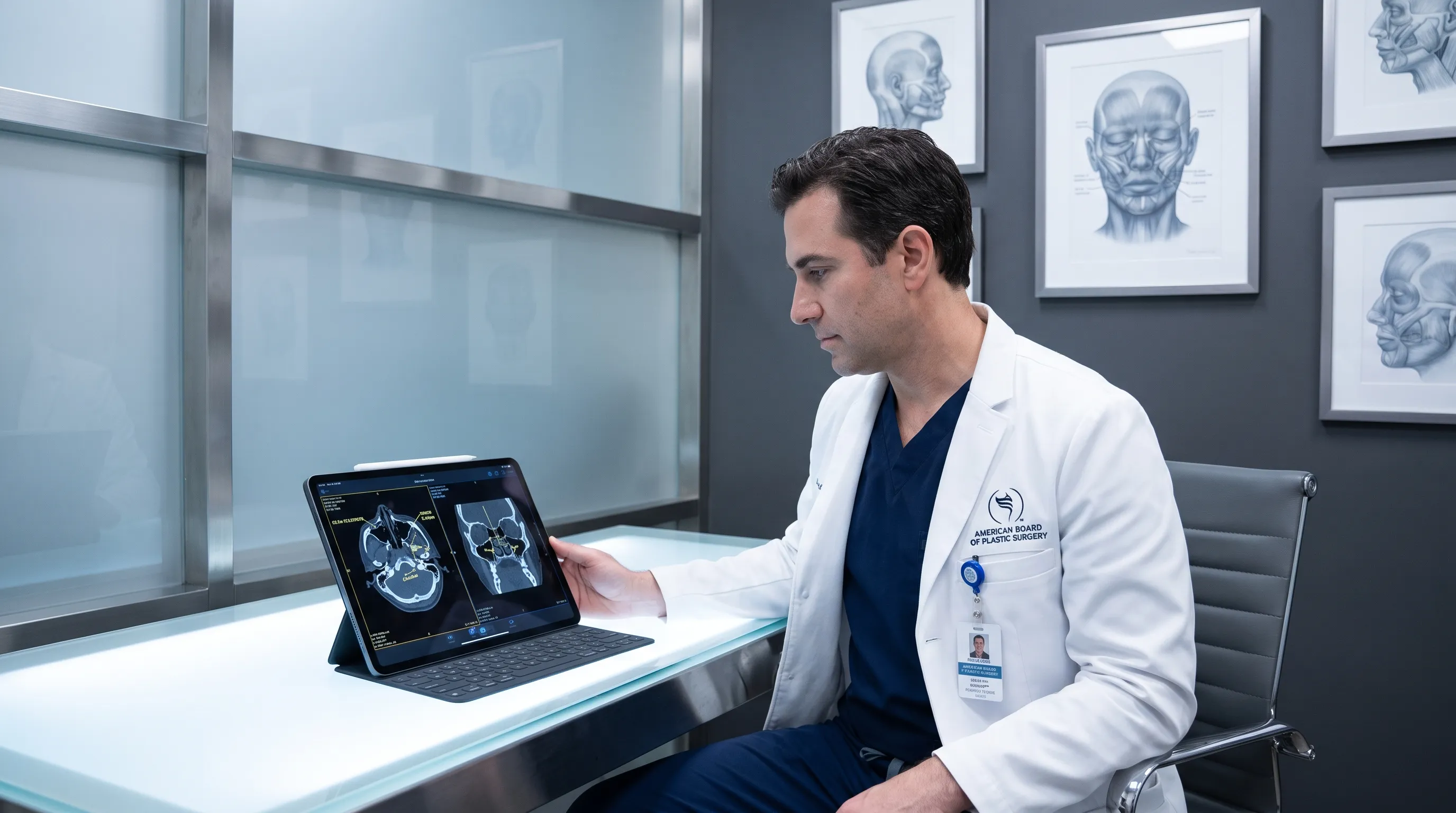
The U.S. Food and Drug Administration has issued explicit safety communications regarding BBL procedures due to historically documented mortality rates exceeding those of other cosmetic interventions. Earlier reports estimated fatality risk at approximately one in three,000 procedures, though improved surgical protocols and mandatory ultrasound utilization have substantially reduced this figure. The most severe complication remains fat embolism syndrome, characterized by sudden respiratory distress, neurological compromise, and cardiovascular collapse following intravascular fat migration. Pulmonary thromboembolism, severe infection, seroma formation, and asymmetry represent additional documented risks. The American Society of Plastic Surgeons and the International Society of Aesthetic Plastic Surgery jointly advocate for stringent facility accreditation, mandatory intraoperative imaging, comprehensive patient selection criteria, and transparent risk disclosure. Mortality reduction strategies emphasize avoiding deep gluteal muscle penetration, utilizing low-pressure injection systems, and maintaining continuous hemodynamic monitoring. Patients must verify board certification through the American Board of Plastic Surgery, confirm facility accreditation status, and request detailed complication statistics before consenting to surgery. Informed decision-making requires acknowledging both transformative potential and inherent physiological risks.
Side-by-Side Clinical Comparison
| Factor | Brazilian Wax | Brazilian Butt Lift (BBL) |
|---|---|---|
| Average Cost | $50 - $120 per session | $10,000 - $20,000+ comprehensive |
| Procedure Classification | Non-invasive dermatological service | Invasive surgical intervention |
| Anesthesia Required | None | General anesthesia or deep sedation |
| Recovery Timeline | 24-48 hours minimal downtime | 2-6 weeks restricted activity |
| Physiological Risk Profile | Low (irritation, minor infection) | High (embolism, necrosis, mortality) |
| Result Duration | 3-6 weeks per cycle | Years (fat survival dependent) |
| Regulatory Oversight | Salon/state cosmetology licensing | FDA guidelines, ASPS standards |
| Frequency of Treatment | Every 4-6 weeks for maintenance | Single procedure with optional revision |
Understanding this comparative framework clarifies why the question of how much is a brazilian yields such divergent answers. The wax represents a low-barrier, high-frequency maintenance routine, while the BBL constitutes a major physiological undertaking requiring substantial financial allocation, extended convalescence, and rigorous medical compliance. Aligning your intervention choice with realistic budget parameters, health status, and recovery capacity ensures optimal safety and satisfaction.
Pre-Procedure Medical Screening and Physiological Preparation
Adequate preparation minimizes complications and optimizes tissue response, regardless of whether you select a waxing service or surgical enhancement. Medical screening establishes baseline health parameters, identifies contraindications, and guides personalized risk management strategies. Clinicians evaluate cardiovascular stability, coagulation profiles, dermatological history, and medication interactions to construct individualized safety protocols.
Laboratory Testing and Medication Management
For surgical candidates, comprehensive pre-operative panels typically include complete blood count, comprehensive metabolic profile, coagulation studies, and infectious disease screening. Cardiac clearance may be required for patients over forty-five or those with documented arrhythmias, hypertension, or metabolic syndrome. Medication reconciliation ensures temporary discontinuation of antiplatelet agents, nonsteroidal anti-inflammatory drugs, and herbal supplements that impair hemostasis. Waxing clients must disclose retinoid usage, topical antibiotics, or recent chemical peels, as these agents alter epidermal resilience. Adjusting medication regimens under physician supervision prevents adverse reactions, excessive bruising, or delayed wound healing. Transparent communication with healthcare providers establishes a collaborative care model that prioritizes patient safety over aesthetic expediency.
Tissue Optimization and Skin Barrier Support
Optimizing cutaneous and adipose tissue health directly influences procedural outcomes. For waxing clients, mechanical exfoliation twenty-four to forty-eight hours prior prevents follicular occlusion, while adequate hydration maintains dermal elasticity. Post-procedural barrier repair with non-comedogenic ceramide formulations reduces transepidermal water loss and minimizes inflammatory signaling. For surgical patients, macronutrient optimization, protein supplementation, and strict smoking cessation at least six weeks pre-operatively enhance angiogenesis and graft integration. Pre-surgical imaging and three-dimensional contour mapping guide precise volume distribution. Patients who implement evidence-based nutritional and dermatological protocols consistently report accelerated recovery, reduced complication rates, and superior aesthetic harmony. Physiological preparation transforms elective interventions into controlled medical procedures with predictable, reproducible results.
Post-Procedure Recovery Protocols and Long-Term Monitoring
Recovery dictates the final aesthetic outcome and determines whether physiological complications develop. Adhering to structured aftercare protocols, monitoring tissue response, and maintaining open communication with clinical teams ensures optimal healing trajectories.
Wax Aftercare and Epidermal Regeneration
The immediate post-wax period requires strict avoidance of heat exposure, friction, and occlusive garments to prevent follicular inflammation and bacterial colonization. Wearing breathable cotton underwear, postponing intense exercise for forty-eight hours, and abstaining from sexual activity minimizes micro-abrasion and microbial introduction. Gentle cleansing with pH-balanced, fragrance-free formulations restores epidermal homeostasis. Daily application of lightweight, non-comedogenic moisturizers prevents hyperkeratosis and pseudofolliculitis formation. Chemical exfoliation with lactic or salicylic acid may resume after seventy-two hours to maintain follicular patency. Persistent erythema, pustule development, or severe pruritus warrants dermatological evaluation to rule out contact dermatitis or bacterial infection. Consistent maintenance scheduling synchronizes hair growth cycles, reduces procedural discomfort, and preserves skin integrity over time.
BBL Rehabilitation, Fat Survival Rates, and Compression Therapy
Surgical recovery follows a meticulously staged protocol. Initial edema management relies on continuous compression garment application for six to eight weeks to minimize seroma formation and support tissue adherence. Patients must avoid direct pressure on the gluteal region for two to six weeks, utilizing specialized memory foam seating cushions and maintaining prone or lateral positioning. Early ambulation prevents venous stasis and thromboembolic events, while hydration and protein intake accelerate neovascularization. Fat graft survival peaks between three and six months, with approximately seventy percent of transferred adipocytes successfully integrating into the host vascular network. Residual volume fluctuations stabilize after this period, revealing the final contour. Routine follow-up imaging monitors for necrosis, calcification, or asymmetric resorption. Strict compliance with activity restrictions, nutritional guidelines, and surveillance appointments directly correlates with long-term aesthetic durability and physiological safety.
Frequently Asked Questions
What factors determine whether a Brazilian wax costs fifty or one hundred twenty dollars?
Pricing variation depends primarily on technician certification level, facility sanitation standards, product quality, geographic market rates, and appointment duration. Premium establishments invest heavily in temperature-controlled heating systems, single-use disposable applicators, and advanced post-treatment calming serums, which elevate service costs. Additionally, extended consultation time, customized mapping for sensitive skin types, and comprehensive aftercare product recommendations contribute to higher pricing tiers. When evaluating how much is a brazilian at a specific location, request detailed breakdowns of included services and verify technician credentials to ensure value aligns with clinical safety standards.
How does geographic location impact the overall financial commitment for a BBL?
Metropolitan markets with elevated real estate costs, higher surgical team compensation, and stringent facility accreditation requirements naturally command premium pricing. Regional anesthesia fees, laboratory service costs, and post-operative care facility rates vary significantly across the United States and internationally. While traveling to lower-cost regions may reduce initial invoices, patients must account for extended accommodation, multiple follow-up visits, and potential emergency care logistics. Accredited facilities regardless of location maintain identical surgical standards, making cost evaluation secondary to surgeon board certification and facility safety ratings. Transparent financial counseling should include travel logistics, emergency contingency funds, and comprehensive recovery timelines.
Are there medical conditions that permanently disqualify a patient from either procedure?
Yes. Autoimmune dermatoses, severe peripheral vascular disease, uncontrolled diabetes, active malignancies, and certain hematological disorders represent absolute contraindications for both interventions due to impaired healing capacity and elevated complication risks. For surgical candidates, severe cardiopulmonary disease, uncontrolled psychiatric conditions, and unrealistic aesthetic expectations may preclude clearance. Waxing contraindications include recent Accutane therapy, active infections, severe contact allergies, and compromised immune function. Physicians conduct thorough medical history reviews and physical examinations to identify red flags before approving any intervention. Prioritizing physiological safety over aesthetic desire prevents life-threatening complications and ensures realistic treatment pathways.
Can financing or insurance cover any portion of the costs associated with these procedures?
Brazilian waxing is universally classified as elective personal grooming, rendering it ineligible for health insurance coverage or flexible spending account reimbursement in nearly all jurisdictions. Brazilian Butt Lift surgery is similarly categorized as cosmetic enhancement, meaning medical insurers do not finance the procedure unless reconstructive indications exist following trauma, significant weight loss, or congenital deformity. Patients seeking financial assistance typically utilize specialized healthcare credit programs, personal loans, or phased surgical payment plans directly through accredited clinics. These financing options require credit evaluation and may carry substantial interest rates, making thorough financial planning and budget alignment essential before proceeding.
What warning signs indicate a severe complication requiring immediate medical intervention post-procedure?
Following a Brazilian wax, expanding erythema, purulent discharge, fever, severe swelling, or intense pain beyond seventy-two hours suggests bacterial infection or severe hypersensitivity requiring dermatological assessment. After a BBL, sudden shortness of breath, chest pain, coughing blood, extreme leg swelling, or neurological deficits indicate potential pulmonary embolism, fat embolism syndrome, or deep vein thrombosis. These represent life-threatening emergencies requiring immediate transport to an accredited emergency department. Early recognition, rapid intervention, and transparent communication with surgical teams dramatically improve survival rates and minimize permanent tissue damage. Patients should maintain a detailed emergency action plan and keep all contact information for their clinical providers readily accessible during recovery.
Conclusion
Understanding how much is a brazilian requires navigating two entirely distinct clinical pathways, each with unique financial structures, physiological demands, and safety protocols. The Brazilian wax represents an accessible, recurring dermatological service focused on superficial hair removal, carrying minimal risk but requiring consistent maintenance and diligent aftercare to preserve skin integrity. The Brazilian Butt Lift constitutes a major surgical undertaking, demanding substantial financial investment, rigorous medical screening, and strict adherence to post-operative rehabilitation guidelines. Both procedures require transparent communication, verified professional credentials, and realistic expectation management to ensure patient safety and satisfaction. When evaluating costs, patients must look beyond base pricing to consider anesthesia, facility accreditation, pre-operative testing, aftercare supplies, and potential complication management. Evidence-based preparation, board-certified provider selection, and comprehensive recovery compliance remain the strongest predictors of successful aesthetic outcomes. Prioritizing physiological health over financial expediency protects against severe complications and ensures long-term well-being. Consult qualified healthcare professionals, verify facility safety ratings, and align your procedural choice with your medical history, lifestyle, and financial capacity before committing to either intervention.
For further clinical guidance and verified safety information, visit authoritative resources including https://www.fda.gov, https://www.plasticsurgery.org, https://www.mayoclinic.org, and https://pubmed.ncbi.nlm.nih.gov to review current FDA communications, surgical safety guidelines, and peer-reviewed outcome data.
How we work
Researched and drafted with AI assistance, then reviewed by a human editor against the cited sources.
This article is general health information, not medical advice. Consult a qualified healthcare professional about your own situation.