Microneedling on Stomach: Benefits, Safety, and Results for Stretch Marks and Skin Texture

The journey toward achieving smooth, resilient skin often involves navigating a complex landscape of treatments, myths, and scientific advancements. For many individuals, the abdominal area represents a particular challenge. Whether due to pregnancy, significant weight fluctuations, or natural aging, the stomach is prone to developing stretch marks, textural irregularities, and laxity. These changes can impact self-confidence and body image, leading many to seek effective, non-invasive solutions. Among the myriad of options available today, one treatment has risen to prominence for its ability to rejuvenate skin from within: microneedling. Specifically, microneedling on stomach has become a sought-after procedure for those looking to improve the appearance of striae (stretch marks) and enhance overall skin quality without undergoing surgery.
Unlike topical creams that sit on the surface, microneedling works by harnessing the body’s natural healing processes. It creates controlled micro-injuries that trigger a cascade of biological responses, primarily the production of new collagen and elastin. This article provides a comprehensive, evidence-based guide to understanding how microneedling on stomach works, what to expect during the procedure, the realistic outcomes you can anticipate, and how to ensure your safety throughout the process. By exploring the science behind collagen induction therapy and reviewing clinical insights, we aim to empower you with the knowledge needed to make an informed decision about your skincare journey.
Understanding the Science Behind Microneedling
To fully appreciate the benefits of microneedling on stomach, it is essential to understand the physiological mechanisms at play. The skin is composed of three primary layers: the epidermis (outer layer), the dermis (middle layer), and the subcutaneous tissue (inner layer). The dermis is where the structural proteins collagen and elastin reside. Collagen provides strength and structure, while elastin allows the skin to snap back after stretching. When the skin stretches rapidly—such as during pregnancy or rapid weight gain—the dermis can tear, resulting in stretch marks. These marks are essentially scars that form when the skin cannot keep up with the growth.
Free calculatorSun Protection GuideSPF guide and sun protection recommendationsOpen the calculatorMicroneedling, also known as collagen induction therapy (CIT), utilizes a device equipped with fine, sterile needles to create thousands of microscopic punctures in the top layer of the skin. These micro-channels are so small that they heal quickly, but they are deep enough to bypass the epidermal barrier and reach the dermis. This controlled injury triggers the body’s wound-healing response. The immediate result is inflammation, which signals fibroblasts—the cells responsible for producing connective tissue—to migrate to the area. These fibroblasts then begin synthesizing new collagen and elastin fibers.
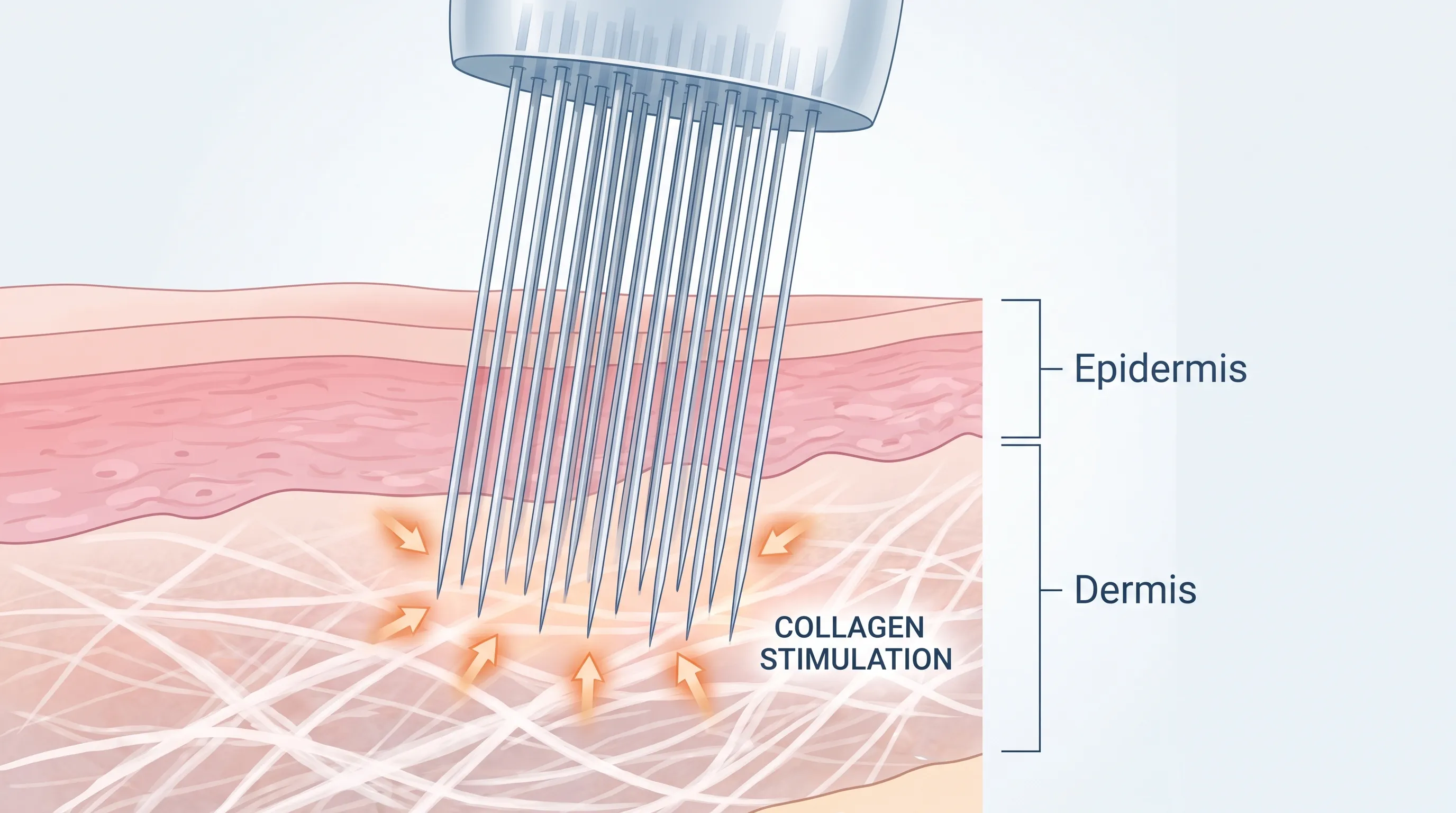
This process does not happen overnight. The remodeling of the skin’s matrix takes time. New collagen formation continues for weeks to months after the initial treatment. This is why results from microneedling on stomach are progressive and often continue to improve long after the final session. According to research published in dermatological journals, this mechanism is effective for various types of scarring, including acne scars and striae distensae (stretch marks). The depth of needle penetration can be adjusted depending on the thickness of the skin and the severity of the concern. For the abdominal area, where skin thickness varies, professionals typically use depths ranging from 0.5 mm to 2.5 mm to ensure optimal stimulation without causing excessive damage.
Furthermore, these micro-channels created during the procedure enhance the absorption of topical serums. When combined with hyaluronic acid, vitamin C, or growth factors, the efficacy of microneedling on stomach can be significantly amplified. The channels allow these active ingredients to penetrate deeper into the dermis than they would through intact skin, providing a dual benefit of mechanical stimulation and chemical nourishment.
Benefits of Microneedling for Abdominal Skin
The decision to undergo any cosmetic procedure should be weighed against its potential benefits. For the abdominal region, microneedling on stomach offers several distinct advantages over other treatments such as laser therapy or surgical excision. One of the primary benefits is its versatility. It is effective for treating both red (striae rubra) and white (striae alba) stretch marks, although results tend to be more dramatic on newer, red marks. By stimulating blood flow and collagen production, microneedling can reduce the visibility of these marks, making them blend more seamlessly with the surrounding skin.
Beyond stretch marks, microneedling improves overall skin texture and tone. Many individuals notice that their abdominal skin feels firmer and looks more radiant after a series of treatments. This is particularly beneficial for post-partum women or those who have experienced significant weight loss, where skin laxity is a common concern. While microneedling cannot remove large amounts of excess skin, it can tighten mild to moderate laxity by reinforcing the skin’s structural integrity. This tightening effect is due to the contraction of newly formed collagen fibers, which pull the skin tighter over time.
Another significant advantage is the safety profile. Unlike laser treatments, which use heat to damage tissue, microneedling is a mechanical process. This means there is no risk of thermal injury or hyperpigmentation, making it a safer option for individuals with darker skin tones. Post-inflammatory hyperpigmentation (PIH) is a common side effect of laser therapies in Fitzpatrick skin types IV-VI, but microneedling poses a much lower risk because it does not target melanin. This inclusivity makes microneedling on stomach an accessible option for a diverse range of patients.
Additionally, the procedure is minimally invasive with little to no downtime. Most patients can return to their daily routines within 24 to 48 hours. This convenience is a major factor for busy individuals who cannot afford extended recovery periods associated with surgical interventions like abdominoplasty. The cost is also generally lower than surgical options, although multiple sessions are required for optimal results. When considering the long-term benefits of improved skin confidence and reduced visibility of scarring, many find the investment worthwhile.
What to Expect During the Procedure
Knowing what to expect can alleviate anxiety and ensure a smoother experience. If you decide to pursue microneedling on stomach, the process typically begins with a consultation. During this visit, a qualified dermatologist or licensed aesthetician will assess your skin type, the severity of your stretch marks or laxity, and your medical history. They will determine if you are a suitable candidate and discuss realistic expectations. It is crucial to disclose any history of keloid scarring, active infections, or use of blood-thinning medications, as these may contraindicate the procedure.
On the day of the treatment, the preparation phase is critical for comfort and safety. The abdominal area will be thoroughly cleansed to remove any oils, lotions, or bacteria. A topical anesthetic cream, usually containing lidocaine, is then applied to the stomach. This numbing agent is left on for approximately 30 to 45 minutes to ensure the area is desensitized. While some patients report feeling little to no pain, others may experience mild discomfort, often described as a scratching or vibrating sensation. The numbing cream significantly reduces this sensation, making the procedure tolerable for most people.
Once the skin is numb, the practitioner removes the cream and cleans the area again. Using a sterile, single-use microneedling device, they will glide the tool over the stomach in specific patterns. The device may be a pen-like instrument with adjustable needle depths or a roller, though pen devices are generally preferred for their precision and ability to control depth vertically. The practitioner will focus on areas with stretch marks or loose skin, ensuring even coverage. The entire procedure for the stomach area typically takes between 30 to 60 minutes, depending on the size of the treatment area and the density of the scarring.
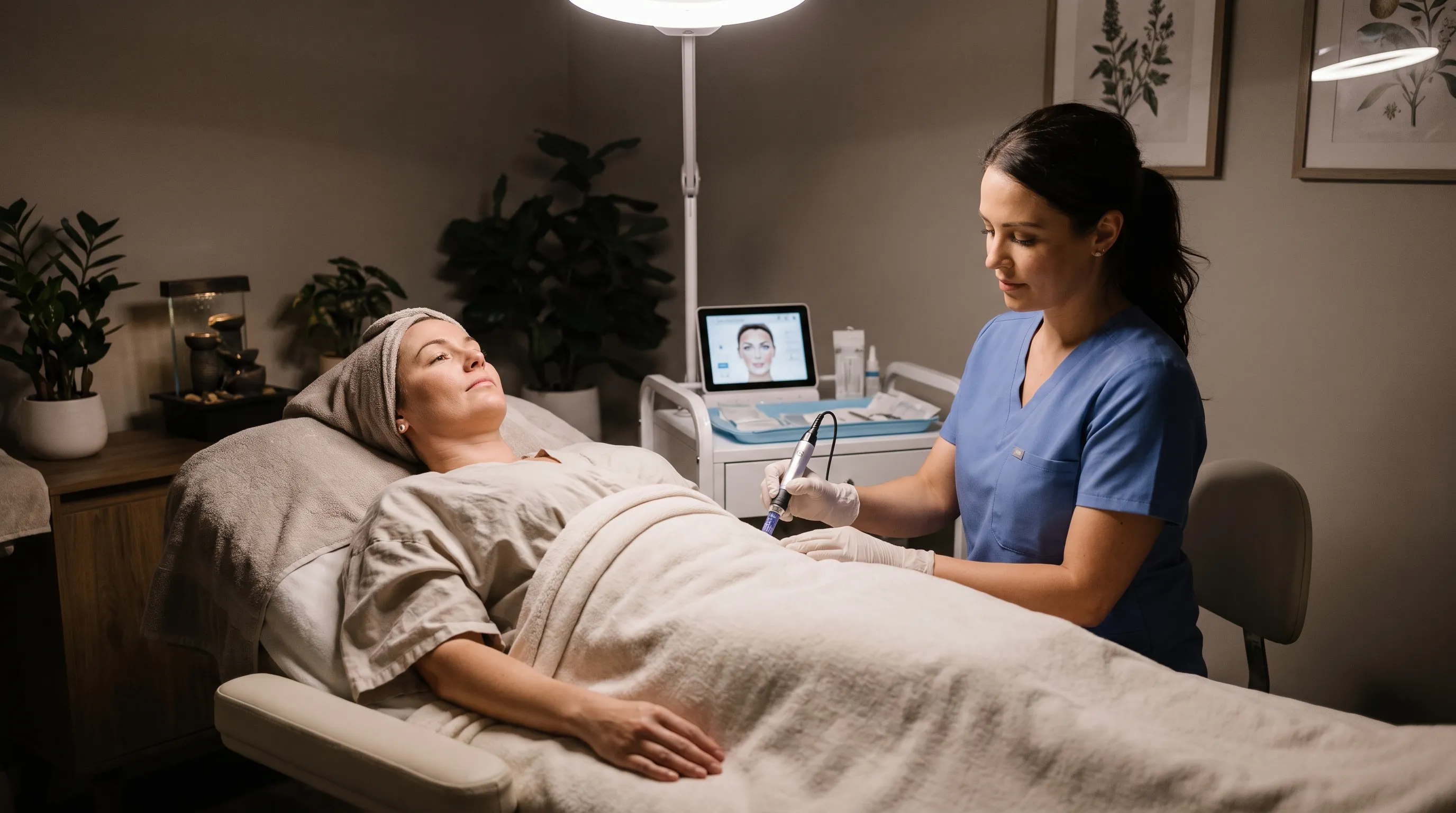
During the session, you might see minor pinpoint bleeding, which is normal and indicates that the needles have reached the appropriate depth in the dermis. The practitioner may apply a soothing serum or hyaluronic acid immediately after needling to aid in hydration and healing. After the device is removed, the area may appear red and feel warm, similar to a moderate sunburn. This is a sign that the inflammatory healing process has begun. The practitioner will provide specific aftercare instructions, which are vital for maximizing results and preventing complications.
Recovery and Aftercare Guidelines
The success of microneedling on stomach is not solely determined by the procedure itself but heavily relies on proper aftercare. The skin is in a vulnerable state immediately following treatment, with open micro-channels that need to heal. The first 24 hours are critical. You should avoid touching the treated area with unwashed hands to prevent infection. It is common to experience erythema (redness), edema (swelling), and mild tenderness. These symptoms usually subside within two to three days.
Hydration is key during the recovery phase. Drinking plenty of water helps support the body’s healing mechanisms from the inside out. Topically, you should use gentle, fragrance-free moisturizers to keep the skin hydrated. Hyaluronic acid serums are highly recommended as they attract moisture to the skin and support the healing environment. Avoid using active ingredients such as retinoids, alpha-hydroxy acids (AHAs), beta-hydroxy acids (BHAs), or vitamin C for at least five to seven days post-treatment. These ingredients can irritate the compromised skin barrier and delay healing.
Sun protection is paramount. The new skin cells forming after microneedling are highly sensitive to UV radiation. Exposure to the sun can lead to hyperpigmentation and reverse the benefits of the treatment. Therefore, you must apply a broad-spectrum sunscreen with an SPF of 30 or higher to your stomach if it is exposed to sunlight. Even if you are indoors near windows, UV rays can penetrate glass, so protection is necessary. Wearing loose, breathable clothing made from natural fibers like cotton can also help prevent irritation and allow the skin to breathe.
Physical activity should be moderated. While light walking is fine, you should avoid strenuous exercises, heavy lifting, or activities that cause excessive sweating for at least 48 hours. Sweat contains bacteria and salts that can irritate the micro-wounds and increase the risk of infection. Similarly, avoid swimming pools, hot tubs, and saunas for at least three days, as these environments harbor bacteria and chemicals that can harm the healing skin. By adhering to these aftercare guidelines, you ensure that the collagen production process proceeds without interruption, leading to better outcomes for your microneedling on stomach treatment.
Risks, Side Effects, and Contraindications
While microneedling on stomach is considered safe when performed by a trained professional, it is not without risks. Understanding potential side effects helps in managing expectations and recognizing when to seek medical advice. The most common side effects are temporary and include redness, swelling, bruising, and dryness. Some patients may experience minor peeling or flaking as the skin heals, which is a normal part of the regeneration process. These symptoms typically resolve within a week.
However, more serious complications can occur if the procedure is not performed correctly or if aftercare instructions are ignored. Infection is a primary risk, particularly if non-sterile equipment is used or if the skin is not kept clean during recovery. Signs of infection include increased redness, warmth, pus, or fever. If you notice these symptoms, contact your healthcare provider immediately. Another risk is hyperpigmentation, although less common with microneedling than lasers, it can still occur, especially in individuals with darker skin tones who do not protect their skin from the sun.
There are specific contraindications for microneedling. Individuals with active acne, eczema, psoriasis, or herpes simplex outbreaks in the treatment area should avoid the procedure until the condition is resolved. Needling over active lesions can spread bacteria or viruses and worsen the condition. People with a history of keloid or hypertrophic scarring should proceed with caution, as microneedling stimulates scar tissue formation, which could potentially lead to raised scars in predisposed individuals. Additionally, those who are pregnant, breastfeeding, or taking isotretinoin (Accutane) within the last six months are generally advised against undergoing microneedling due to altered healing responses and skin sensitivity.
It is also important to distinguish between professional treatments and at-home devices. At-home microneedling rollers often have shorter needles and are not sterile, increasing the risk of infection and reducing efficacy. For the stomach area, where deeper penetration is often needed to address stretch marks, professional-grade devices are superior. Attempting to replicate professional depth at home can lead to skin damage, tearing, and ineffective results. Therefore, investing in a professional session for microneedling on stomach is safer and more likely to yield the desired aesthetic improvements.
Comparing Microneedling to Other Treatments
When considering skin rejuvenation for the abdomen, it is helpful to compare microneedling with other popular treatments. This comparison can help you decide which option aligns best with your goals, budget, and tolerance for downtime. Below is a table comparing microneedling with laser therapy and topical treatments.
| Feature | Microneedling | Laser Therapy (e.g., Fractional CO2) | Topical Creams (Retinoids/Oils) |
|---|---|---|---|
| Mechanism | Mechanical collagen induction via micro-injuries | Thermal damage to stimulate remodeling | Chemical exfoliation or hydration |
| Pain Level | Mild to Moderate (with numbing) | Moderate to High (requires stronger anesthesia) | None |
| Downtime | 1-3 days (redness/swelling) | 7-14 days (crusting/peeling) | None |
| Risk of Hyperpigmentation | Low | Moderate to High (especially in darker skin) | Low (if used correctly) |
| Effectiveness on Stretch Marks | High (improves texture and color) | Very High (but higher risk) | Low to Moderate (mostly prevents new marks) |
| Cost per Session | $200 - $700 | $1,000 - $3,000 | $20 - $100 |
| Number of Sessions Needed | 3-6 | 1-3 | Ongoing daily use |
As illustrated, microneedling on stomach offers a balanced approach. It is more effective than topical creams, which often struggle to penetrate deep enough to affect dermal scarring. Compared to laser therapy, microneedling has a lower risk profile, particularly for individuals with darker skin tones, and requires less downtime. While lasers may offer faster results in fewer sessions, the recovery period is significantly longer and more uncomfortable. Microneedling provides a gradual, natural-looking improvement with minimal disruption to daily life.
Another alternative is radiofrequency (RF) microneedling, which combines traditional needling with heat energy. This can enhance collagen tightening effects and may be more effective for loose skin. However, it is typically more expensive and may have a slightly longer recovery time than standard microneedling. For most patients seeking improvement in stretch marks and general texture, standard microneedling on stomach remains the gold standard for non-invasive treatment due to its safety, efficacy, and accessibility.
Maximizing Results: Tips and Best Practices
To get the most out of your microneedling on stomach treatments, consider integrating a holistic skincare approach. Consistency is key. Skipping sessions or extending the time between treatments can hinder the cumulative effect of collagen building. Stick to the schedule recommended by your provider, typically every 4 to 6 weeks. This interval allows the skin to complete its healing cycle and produce new collagen before the next round of stimulation.
Nutrition plays a supportive role in skin health. Ensure your diet is rich in vitamins and minerals that support collagen synthesis, such as Vitamin C, zinc, and protein. Hydration is equally important; well-hydrated skin heals faster and looks plumper. Consider incorporating collagen supplements into your routine, although evidence on their efficacy varies, many patients report improved skin elasticity and hydration with regular use.
Combining microneedling with platelet-rich plasma (PRP) is another strategy to enhance results. PRP involves drawing a small amount of your blood, processing it to concentrate the platelets, and applying it to the skin during or after microneedling. Platelets contain growth factors that can accelerate healing and boost collagen production. Studies suggest that microneedling with PRP may yield better results for stretch marks compared to microneedling alone. Discuss this option with your provider to see if it is suitable for your specific needs.
Finally, maintain realistic expectations. Microneedling is a powerful tool, but it is not magic. It can significantly improve the appearance of stretch marks and skin texture, but it may not erase them completely. Older, white stretch marks are more challenging to treat than newer, red ones. Patience is essential, as results develop over several months. Celebrate the progress you make with each session, focusing on the improvement in skin quality and confidence rather than perfection.
Frequently Asked Questions
Is microneedling on stomach painful?
Most patients report mild discomfort rather than severe pain. A topical numbing cream is typically applied 30-45 minutes before the procedure to minimize sensation. The feeling is often described as a scratching, pricking, or vibrating sensation. Pain tolerance varies by individual, but the majority find the procedure manageable and well worth the results.
How many sessions of microneedling on stomach are needed for stretch marks?
For significant improvement in stretch marks, most dermatologists recommend a series of 3 to 6 sessions spaced 4 to 6 weeks apart. Older, silver-white stretch marks (striae alba) are more resistant to treatment and may require more sessions than newer, red stretch marks (striae rubra). Maintenance sessions may be recommended once or twice a year thereafter.
Can I do microneedling on my stomach at home?
While at-home rollers exist, they are generally not recommended for the stomach area, especially for treating stretch marks. Home devices typically have shorter needles that cannot reach the dermis effectively. They also carry a higher risk of infection due to difficulties in sterilization. Professional treatments use sterile, medical-grade devices that penetrate deeper safely and are performed by trained experts.
What is the downtime after microneedling on the stomach?
Downtime is minimal. Most people experience redness, mild swelling, and tenderness for 24 to 48 hours, similar to a moderate sunburn. You can usually return to normal daily activities within a day. However, strenuous exercise, swimming, and exposure to direct sunlight should be avoided for at least 48 hours to prevent irritation and infection.
Does microneedling on stomach work for loose skin after weight loss?
Yes, microneedling can help tighten mildly loose skin by stimulating collagen and elastin production. The new collagen fibers help to firm and lift the skin. However, it is important to note that microneedling has limits. For significant amounts of excess skin resulting from massive weight loss, surgical options like a tummy tuck (abdominoplasty) may be more effective. Microneedling is best for mild to moderate laxity and textural improvements.
Conclusion
In the quest for smoother, more confident skin, microneedling on stomach emerges as a highly effective, safe, and scientifically backed solution. By leveraging the body’s natural healing mechanisms, this procedure offers a non-surgical path to reducing the visibility of stretch marks, improving skin texture, and enhancing overall abdominal aesthetics. While it requires a commitment to multiple sessions and diligent aftercare, the results—characterized by firmer, more resilient skin—are often transformative for those who have struggled with post-pregnancy changes or weight fluctuation scars.
It is crucial to approach this treatment with realistic expectations and under the guidance of a qualified professional. Avoiding at-home shortcuts ensures safety and maximizes efficacy. Whether you are looking to fade old scars or simply rejuvenate your skin’s appearance, microneedling offers a promising avenue for renewal. As with any medical procedure, consult with a board-certified dermatologist or licensed aesthetician to tailor a treatment plan that suits your unique skin needs. With patience and proper care, you can achieve the smooth, healthy skin you desire.
For further reading on skin health and procedural safety, refer to authoritative sources such as the American Academy of Dermatology and peer-reviewed studies available on PubMed.
How we work
Researched and drafted with AI assistance, then reviewed by a human editor against the cited sources.
This article is general health information, not medical advice. Consult a qualified healthcare professional about your own situation.