Athlete's Foot vs Dry Skin: How to Tell the Difference and Treat It
Key points
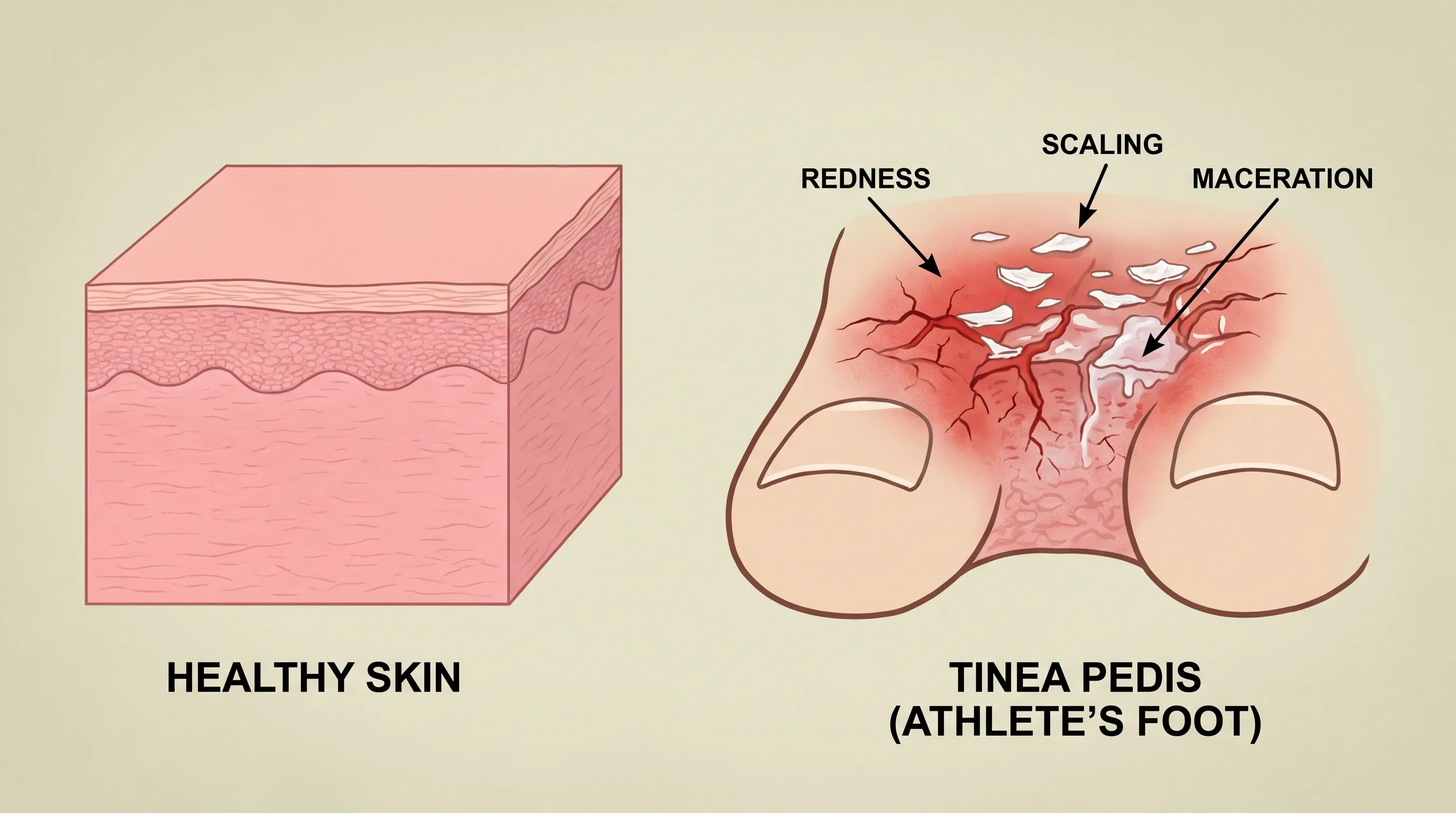
- Interdigital Spaces: The classic presentation of athlete’s foot is between the fourth and fifth toes. The skin here often appears white, soggy, and macerated due to trapped moisture. This is known as interdigital tinea pedis.
- Moccasin Distribution: Another common pattern is chronic hyperkeratotic tinea pedis, which affects the sole and sides of the foot. It presents as fine, powdery scaling that resembles the pattern of a moccasin shoe. This type is often mistaken for dry skin but is usually unilateral (affecting one foot) or asymmetrical, whereas dry skin tends to be symmetrical.
- Vesicular Type: Less common but more acute, this form involves sudden outbreaks of small, fluid-filled blisters (vesicles) on the instep or between the toes. These blisters are intensely itchy and are a hallmark of an active inflammatory response to the fungus.
It starts with a subtle itch. Perhaps a slight flakiness on the heel that you dismiss as winter dryness. Or maybe it’s a persistent irritation between your toes that you attribute to sweaty socks. For millions of people, distinguishing between common dry skin and athlete’s foot is a source of significant confusion and frustration. While both conditions affect the integumentary system of the feet and share overlapping symptoms like itching, scaling, and discomfort, their origins, treatments, and implications are vastly different. Misidentifying one for the other can lead to prolonged suffering, ineffective treatment, and in some cases, the worsening of the underlying condition.
Understanding the nuance between athlete foot vs dry skin is not merely a matter of cosmetic concern; it is a critical component of overall foot health and hygiene. Athlete’s foot, medically known as tinea pedis, is a fungal infection that requires antifungal intervention. Dry skin, or xerosis, is a barrier function issue that requires hydration and emollients. Applying a heavy moisturizer to a fungal infection can trap heat and moisture, creating a paradise for the fungus to thrive. Conversely, using harsh antifungal agents on already compromised, dry skin can strip away natural oils, leading to painful cracking and potential secondary bacterial infections. This comprehensive guide aims to demystify these two common ailments. We will delve deep into the biological mechanisms, visual markers, risk factors, and evidence-based treatment protocols for both conditions. By the end of this article, you will be equipped with the knowledge to accurately identify what is affecting your feet and take the correct steps toward relief and recovery.
Understanding the Fundamental Differences
To effectively treat any medical condition, one must first understand its etiology. The primary distinction in the debate of athlete foot vs dry skin lies in the cause: one is infectious, and the other is environmental or physiological.
Free calculatorSun Protection GuideSPF guide and sun protection recommendationsOpen the calculatorThe Nature of Athlete’s Foot (Tinea Pedis)
Athlete’s foot is a dermatophyte infection. Dermatophytes are a group of fungi that feed on keratin, the protein found in skin, hair, and nails. The most common culprits are Trichophyton rubrum, Trichophyton mentagrophytes, and Epidermophyton floccosum. These organisms thrive in warm, moist, and dark environments, which explains why the feet—enclosed in shoes and socks for much of the day—are such prime real estate for infection. According to the Centers for Disease Control and Prevention (CDC), athlete's foot is one of the most common fungal infections in humans.
The infection typically begins when the fungus comes into contact with the skin. This can happen through direct contact with an infected person or, more commonly, via indirect contact with contaminated surfaces. Locker room floors, public shower stalls, swimming pool decks, and shared towels are notorious reservoirs for these resilient spores. Once the fungus establishes itself, it invades the outer layer of the skin (the stratum corneum), triggering an immune response that manifests as inflammation, itching, and scaling.
The Mechanics of Dry Skin (Xerosis)
In contrast, dry skin on the feet, known medically as xerosis cutis, is not caused by an external pathogen. Instead, it results from a disruption in the skin’s natural barrier function. Healthy skin retains moisture through a complex matrix of lipids (fats) and natural moisturizing factors. When this barrier is compromised, water evaporates from the skin more rapidly than it can be replaced, a process known as transepidermal water loss (TEWL). The American Academy of Dermatology notes that dry skin occurs when skin loses too much water and oil.
Several factors contribute to this breakdown. Environmental conditions such as low humidity, cold weather, and excessive heat can strip moisture from the air and the skin. Behavioral factors, including long, hot showers, the use of harsh soaps, and inadequate moisturization, play a significant role. Additionally, physiological changes associated with aging reduce the skin’s ability to produce natural oils, making older adults particularly susceptible to severe dryness. Unlike athlete’s foot, dry skin is not contagious and cannot be "caught" from another person or surface.
Symptom Analysis: Visual and Sensory Clues
While both conditions can present with flaky skin, a closer examination reveals distinct patterns. Recognizing these visual and sensory clues is the first step in determining whether you are dealing with athlete foot vs dry skin.
Location of Symptoms
One of the most reliable indicators is the location of the affected area.
Athlete’s Foot:
- Interdigital Spaces: The classic presentation of athlete’s foot is between the fourth and fifth toes. The skin here often appears white, soggy, and macerated due to trapped moisture. This is known as interdigital tinea pedis.
- Moccasin Distribution: Another common pattern is chronic hyperkeratotic tinea pedis, which affects the sole and sides of the foot. It presents as fine, powdery scaling that resembles the pattern of a moccasin shoe. This type is often mistaken for dry skin but is usually unilateral (affecting one foot) or asymmetrical, whereas dry skin tends to be symmetrical.
- Vesicular Type: Less common but more acute, this form involves sudden outbreaks of small, fluid-filled blisters (vesicles) on the instep or between the toes. These blisters are intensely itchy and are a hallmark of an active inflammatory response to the fungus.
Dry Skin:
- Heels and Soles: Dry skin predominantly affects areas subject to the most pressure and friction, specifically the heels and the balls of the feet. The skin here becomes thick, rough, and yellowish.
- Symmetry: Dry skin usually affects both feet equally. If you notice that one foot is significantly worse than the other, especially if it involves scaling on the sole, suspicion for a fungal infection should increase.
- Absence of Interdigital Involvement: Pure dry skin rarely causes the white, soggy breakdown between the toes unless there is extreme neglect or concurrent eczema. If the spaces between your toes are intact and healthy, the issue is likely xerosis rather than tinea.
Texture and Appearance
Athlete’s Foot:
- Scaling: The scaling associated with fungal infections is often finer and more powdery. In the moccasin type, it may look like a dusting of flour on the foot.
- Redness and Inflammation: There is often an underlying erythema (redness) indicating inflammation. The border of the affected area may be slightly raised and more active than the center.
- Odor: A distinctive, unpleasant odor is often associated with athlete’s foot, resulting from the metabolic byproducts of the fungus and bacteria that co-inhabit the moist environment.
Dry Skin:
- Cracking and Fissures: As dryness progresses, the skin loses elasticity and cracks. These fissures can be deep and painful, particularly on the heels. Unlike fungal scaling, these cracks are linear breaks in the skin.
- Ashy Appearance: Mild dry skin often has an ashy or grayish tint, particularly in individuals with darker skin tones.
- Flaking: The flakes from dry skin tend to be larger and more plate-like compared to the fine powder of tinea pedis.
Sensation and Itch
Itching is a symptom shared by both conditions, but the quality of the itch differs.
- Athlete’s Foot: The itch is often intense, persistent, and may burn. It is frequently worse at night or after removing shoes and socks. Scratching provides temporary relief but often leads to further skin damage and potential secondary infection.
- Dry Skin: The sensation is often described as tightness or mild pruritus (itching). It may feel uncomfortable or sting, especially if cracks are present, but it rarely reaches the maddening intensity of a fungal infection unless the skin is severely compromised.
Risk Factors and Causes
Understanding who is at risk helps in both prevention and diagnosis. The risk profiles for athlete foot vs dry skin overlap in some areas but diverge in others.
Risk Factors for Athlete’s Foot
- Public Exposure: Frequent use of communal showers, swimming pools, and gyms increases exposure to dermatophytes.
- Footwear Choices: Wearing tight, non-breathable shoes creates a warm, humid environment ideal for fungal growth. Synthetic socks that do not wick moisture exacerbate this problem.
- Hyperhidrosis: Individuals who suffer from excessive sweating (hyperhidrosis) are at higher risk because constant moisture softens the skin, making it easier for fungi to penetrate.
- Minor Skin Injuries: Cuts, abrasions, or nail injuries provide an entry point for the fungus.
- Immune Status: People with weakened immune systems, such as those with HIV/AIDS or undergoing chemotherapy, are more susceptible to fungal infections.
- History of Infection: Having had athlete’s foot previously increases the likelihood of recurrence, as spores can remain dormant in shoes or skin folds.
Risk Factors for Dry Skin
- Age: As we age, our skin produces less sebum (oil), leading to natural dryness. This is particularly common in individuals over 60.
- Climate: Living in cold, dry climates or using indoor heating during winter significantly reduces ambient humidity, drawing moisture from the skin.
- Bathing Habits: Taking long, hot baths or showers strips the skin of its natural lipid barrier. Using harsh, alkaline soaps further disrupts the skin’s pH balance.
- Medical Conditions: Certain systemic diseases, such as hypothyroidism, diabetes, kidney disease, and eczema (atopic dermatitis), are strongly associated with dry skin. The Mayo Clinic highlights that conditions like diabetes and thyroid disease can alter skin hydration.
- Medications: Diuretics, retinoids, and some cholesterol-lowering drugs can cause dryness as a side effect.
- Occupational Hazards: Jobs that require standing for long periods or wearing protective boots that do not breathe can lead to both sweating and subsequent drying out when the feet are finally exposed to air.
Diagnostic Approaches: When to Seek Professional Help
While many cases of athlete foot vs dry skin can be managed at home, accurate diagnosis is crucial for persistent or severe cases. Self-diagnosis can be tricky, as other conditions like psoriasis, eczema, and contact dermatitis can mimic both.
Home Assessment Techniques
Before visiting a doctor, you can perform a simple self-assessment:
- The Mirror Test: Examine the spaces between your toes. Is there white, soggy skin? This points to athlete’s foot.
- The Symmetry Check: Are both feet affected equally? Symmetrical involvement suggests dry skin or a systemic issue. Asymmetry suggests a fungal infection or localized trauma.
- The Moisturizer Trial: Apply a high-quality moisturizer twice daily for one week. If symptoms improve significantly, it was likely dry skin. If there is no change or the condition worsens, suspect a fungal infection.
Clinical Diagnosis
If home remedies fail, a healthcare provider, such as a podiatrist or dermatologist, can confirm the diagnosis through several methods:
- Visual Examination: A trained eye can often distinguish between the fine scaling of tinea and the coarse cracking of xerosis.
- Potassium Hydroxide (KOH) Prep: This is the gold standard for quick diagnosis. The doctor scrapes a small sample of skin scales onto a slide, adds potassium hydroxide, and examines it under a microscope. KOH dissolves the skin cells but leaves fungal hyphae (filaments) visible. If hyphae are seen, it is athlete’s foot.
- Fungal Culture: In difficult cases, a sample may be sent to a lab to grow the fungus. This takes longer but identifies the specific species, which can guide treatment.
- Wood’s Lamp Examination: While most dermatophytes do not fluoresce, some associated bacteria or other fungal types might show up under ultraviolet light, aiding in differential diagnosis.
Treatment Strategies: Targeted Care for Each Condition
Treating athlete foot vs dry skin requires opposing approaches. One requires killing an organism; the other requires restoring a barrier.
Treating Athlete’s Foot
The goal is to eradicate the fungal infection and prevent recurrence.
- Topical Antifungals: Over-the-counter (OTC) creams, sprays, and powders containing clotrimazole, miconazole, terbinafine, or tolnaftate are effective for most mild to moderate cases. Terbinafine is often preferred for its shorter treatment duration (usually 1-2 weeks) compared to azoles (2-4 weeks). The Cleveland Clinic recommends continuing treatment for a period after symptoms resolve to ensure the fungus is completely eliminated.
- Application Technique: It is crucial to apply the medication not just to the visible rash but also to the surrounding healthy skin to catch spreading spores. Continue treatment for at least one week after symptoms disappear to ensure complete eradication.
- Oral Antifungals: For severe, widespread, or resistant cases, a doctor may prescribe oral medications like terbinafine, itraconazole, or fluconazole. These are more potent but carry a higher risk of side effects, including liver toxicity, so monitoring is required.
- Hygiene Measures: Keep feet clean and dry. Change socks daily, or more often if you sweat heavily. Use antifungal powder in shoes to reduce moisture and fungal load.
Treating Dry Skin
The goal is to hydrate the skin and repair the lipid barrier.
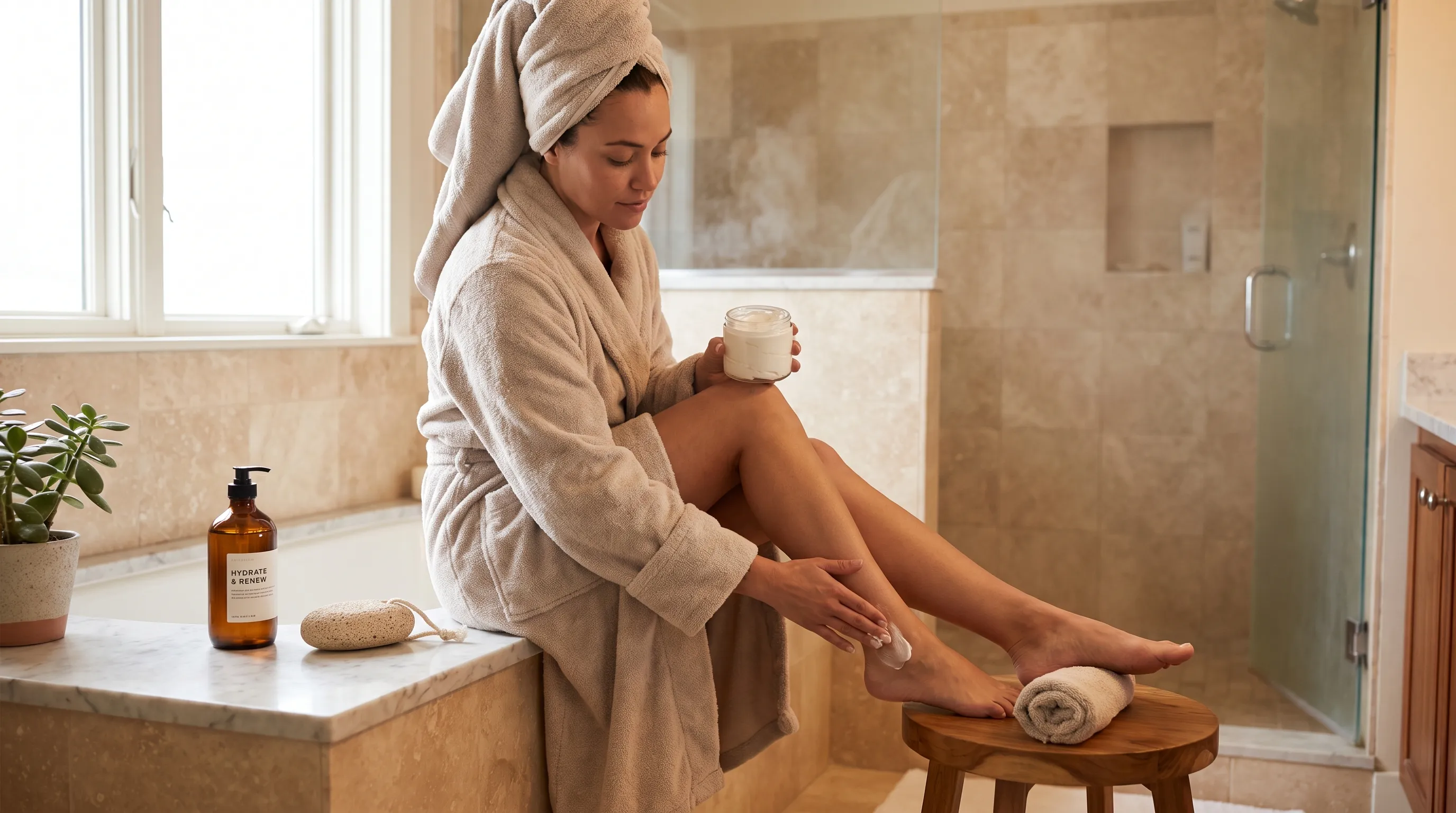
- Emollients and Humectants: Look for moisturizers containing urea, lactic acid, glycerin, or hyaluronic acid. Urea is particularly effective for feet as it not only hydrates but also helps break down thick, calloused skin.
- Occlusives: Ingredients like petrolatum (Vaseline), lanolin, or dimethicone create a physical barrier that prevents water loss. Applying an occlusive ointment at night and wearing cotton socks can enhance absorption.
- Gentle Cleansing: Avoid hot water and harsh soaps. Use lukewarm water and mild, fragrance-free cleansers. Limit shower time to 5-10 minutes.
- Exfoliation: Gently remove dead skin using a pumice stone or foot file after bathing when the skin is soft. Do not over-exfoliate, as this can damage the barrier further.
Prevention and Long-Term Foot Care
Preventing the recurrence of either condition requires consistent foot care habits. Whether you are prone to athlete foot vs dry skin, these strategies will maintain foot health.
Preventing Athlete’s Foot
- Footwear Hygiene: Rotate your shoes to allow them to dry completely between uses. Consider using a shoe dryer or inserting newspaper to absorb moisture.
- Protective Gear: Always wear flip-flops or shower shoes in public locker rooms, pools, and communal bathrooms.
- Sock Selection: Choose socks made of moisture-wicking materials like wool or synthetic blends rather than cotton, which holds moisture against the skin.
- Disinfection: Regularly clean your bathroom floor and shower with a bleach-based cleaner to kill fungal spores.
Preventing Dry Skin
- Humidification: Use a humidifier in your bedroom during dry winter months to maintain ambient moisture levels.
- Immediate Moisturizing: Apply moisturizer within three minutes of bathing to lock in water before it evaporates.
- Hydration: Drink plenty of water to support overall skin hydration from the inside out.
- Dietary Support: Ensure adequate intake of essential fatty acids (Omega-3s) found in fish, flaxseeds, and walnuts, which support skin barrier health.
Comparison Table: Athlete’s Foot vs Dry Skin
To summarize the key differences, refer to the table below:
| Feature | Athlete’s Foot (Tinea Pedis) | Dry Skin (Xerosis) |
|---|---|---|
| Cause | Fungal infection (Dermatophytes) | Loss of moisture/barrier dysfunction |
| Contagious | Yes | No |
| Primary Location | Between toes, soles, sides of feet | Heels, soles, pressure points |
| Appearance | White/macerated (between toes), fine powder, blisters | Rough, cracked, ashy, large flakes |
| Symmetry | Often asymmetrical (one foot worse) | Usually symmetrical (both feet) |
| Sensation | Intense itching, burning | Tightness, mild itching, stinging cracks |
| Odor | Often present (musty/unpleasant) | Typically absent |
| Treatment | Antifungal creams/sprays/oral meds | Moisturizers, humectants, occlusives |
| Risk Factors | Public showers, sweaty feet, tight shoes | Age, cold weather, hot showers, aging |
Frequently Asked Questions
Can dry skin turn into athlete's foot?
No, dry skin itself does not turn into athlete's foot because they have different causes. Dry skin is a condition of moisture loss, while athlete's foot is a fungal infection. However, severely cracked dry skin can create entry points for fungi, increasing the risk of contracting athlete's foot if exposed to the organism.
How can I tell if my itchy feet are due to dry skin or athlete's foot?
The location and appearance are key indicators. Athlete's foot often starts between the toes, causing maceration (white, soggy skin), intense itching, and sometimes blisters. Dry skin typically affects the heels and soles, presenting as rough, flaky, or cracked skin without the moist, white appearance between the toes. If over-the-counter moisturizers do not help, it may be fungal.
Is athlete's foot contagious?
Yes, athlete's foot is highly contagious. The fungus thrives in warm, damp environments like locker rooms, swimming pools, and communal showers. It can spread through direct contact with an infected person or by walking barefoot on contaminated surfaces. Dry skin, conversely, is not contagious.
Can I use the same cream for both athlete's foot and dry skin?
Generally, no. Antifungal creams designed for athlete's foot will not effectively treat dry skin, and heavy moisturizers for dry skin might trap moisture and worsen a fungal infection. However, some combination products exist, but it is best to diagnose the condition correctly first. Treating a fungal infection with only moisturizer can allow the fungus to spread.
When should I see a doctor for foot skin issues?
You should see a doctor if home treatments fail after two weeks, if you have diabetes or poor circulation, if there are signs of secondary bacterial infection (increased redness, warmth, swelling, pus, or fever), or if the condition spreads to your nails or other parts of your body. The National Institutes of Health (NIH) advises seeking medical attention for persistent fungal infections, especially in individuals with compromised immune systems or diabetes.
Conclusion
Navigating the complexities of athlete foot vs dry skin requires a keen eye for detail and an understanding of the underlying causes. While both conditions manifest with similar superficial symptoms like itching and scaling, their origins are distinct: one is an invasive fungal infection, and the other is a barrier defect resulting from environmental or physiological factors. Mistaking one for the other can lead to ineffective treatment and prolonged discomfort. Athlete’s foot demands antifungal intervention and strict hygiene to prevent spread, while dry skin requires consistent hydration and gentle care to restore the skin’s protective lipid layer.
By paying attention to the location of symptoms, the nature of the scaling, and the presence of other signs like odor or symmetry, you can make an informed initial assessment. However, when in doubt, or if symptoms persist despite home care, professional medical advice is invaluable. A simple KOH test can provide a definitive answer, ensuring you receive the right treatment promptly. Remember, foot health is an integral part of overall well-being. Whether you are combating a fungal invader or soothing parched skin, consistent care, proper footwear, and hygiene practices are your best defenses. Take control of your foot health today by identifying the true cause of your discomfort and applying the targeted strategies outlined in this guide. Your feet carry you through life; treat them with the knowledge and care they deserve.
How we work
Researched and drafted with AI assistance, then reviewed by a human editor against the cited sources.
This article is general health information, not medical advice. Consult a qualified healthcare professional about your own situation.