Cold Compress for Tattoo: Safe Application, Healing Science, and Expert Aftercare Guidelines
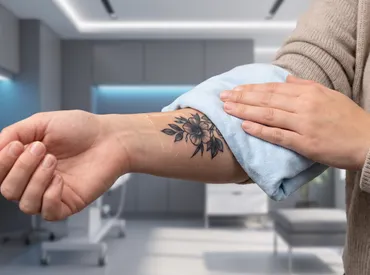
Getting a new tattoo is an exciting milestone, but the aftermath often involves significant discomfort, swelling, and a delicate healing period that demands careful attention. As thousands of microscopic needle punctures disrupt the skin barrier, your body immediately triggers a complex wound-healing response. Managing this inflammatory phase correctly can mean the difference between vibrant, long-lasting artwork and complications like ink loss, excessive scarring, or infection. Among the most widely recommended and scientifically validated self-care strategies is the strategic use of cold therapy. According to the Mayo Clinic, cold therapy safely reduces swelling and pain without interfering with the natural cascade of tissue repair. Understanding exactly when, how, and why to apply a cold compress for tattoo recovery is essential for optimizing skin regeneration, minimizing pain, and preserving the artistic integrity of your new ink.
The transition from studio chair to home recovery can feel overwhelming. You have just invested in permanent body art, yet your skin is essentially navigating controlled trauma. Swelling, heat, redness, and a dull throbbing sensation are completely normal physiological responses, but left unmanaged, they can prolong discomfort and compromise early healing. Cold therapy works by temporarily altering local vascular dynamics and neural signaling, offering rapid relief without introducing harsh chemicals or interfering with the natural cascade of tissue repair. In this comprehensive guide, we will explore the medical science behind cold application, review step-by-step protocols endorsed by dermatologists and licensed artists, compare various cooling methods, and highlight critical mistakes that could jeopardize your results. Whether you just left the studio or are preparing for future sessions, mastering this simple technique will empower you to protect your skin and support optimal recovery.
Understanding Tattoo Healing Physiology
To effectively utilize a cold compress for tattoo aftercare, it is essential to first understand what your body experiences during the initial healing window. Tattooing is fundamentally a controlled injury. Professional machines drive sterile, single-use needles into the dermis at a rate of 50 to 3,000 punctures per minute, depositing pigment particles deep enough to bypass the rapidly shedding epidermis. While this technique ensures permanence, it simultaneously triggers an acute inflammatory cascade that must be carefully regulated to prevent complications.
Free calculatorTattoo Pain ChartTattoo pain levels by body locationOpen the calculatorThe Inflammatory Phase and Your Skin's Response
Within minutes of the first needle strike, damaged keratinocytes and resident immune cells release signaling molecules called cytokines and chemokines. These biochemical messengers act as alarms, recruiting neutrophils, macrophages, and lymphocytes to the treatment site. This process causes localized vasodilation, increased capillary permeability, and fluid accumulation in the extracellular matrix, which clinically presents as edema, warmth, and redness. The inflammatory phase typically peaks between 24 and 48 hours post-application, though this timeline varies based on tattoo size, anatomical location, needle depth, and individual immune responsiveness.
During this period, macrophages begin phagocytosing ink particles, while fibroblasts initiate early collagen synthesis. The delicate balance between clearing debris and retaining pigment is crucial. Excessive or prolonged inflammation can lead to granuloma formation, ink migration, or hypertrophic scarring. Conversely, suppressing the inflammatory response too aggressively or prematurely can delay tissue remodeling. This is precisely why targeted, time-limited cold therapy becomes so valuable: it modulates the initial hyper-response without halting the necessary regenerative processes. According to peer-reviewed NIH clinical literature on wound healing phases, controlled cryoapplication stabilizes mast cell membranes and reduces prostaglandin synthesis, effectively dialing back the most uncomfortable symptoms while allowing cellular repair to continue uninterrupted.
Why Cryotherapy Helps Reduce Swelling and Pain
The therapeutic benefits of cold therapy are rooted in well-established physiological principles. When a cold compress is applied to the skin, rapid heat extraction triggers immediate arteriolar vasoconstriction. This narrowing of blood vessels decreases local blood volume, which directly reduces capillary leakage and limits further fluid accumulation in the surrounding tissues. Simultaneously, cold exposure slows down local cellular metabolism, lowering oxygen demand and minimizing secondary tissue damage from inflammatory mediators.
Neurologically, cooling significantly reduces nerve conduction velocity, particularly in thinly myelinated A-delta fibers responsible for transmitting sharp pain and in unmyelinated C-fibers associated with dull aching and itching. This temporary neurological blockade provides safe, non-pharmacological analgesia without introducing systemic side effects. Studies published in wound care and dermatology journals consistently demonstrate that brief, intermittent cold application effectively reduces perceived pain scores by 30 to 50 percent during acute tissue trauma recovery. By integrating a cold compress for tattoo care, you leverage these natural physiological mechanisms to create a more comfortable healing environment while preserving the structural integrity of the freshly deposited pigment.
When to Use a Cold Compress for Tattoo
Timing is arguably the most critical variable in cold therapy application. Using it too late diminishes its anti-inflammatory impact, while using it for too long or at the wrong healing stage can inadvertently slow down tissue regeneration. The optimal window aligns directly with the peak of the acute inflammatory phase, when vascular permeability is highest and neural hypersensitivity is most pronounced.
Immediate Post-Tattoo Application (The First 24-48 Hours)
As soon as you leave the tattoo studio, your skin is in a vulnerable, highly reactive state. Many reputable artists will apply an initial layer of specialized aftercare ointment and a breathable bandage. Once that initial protective dressing is removed per your artist’s instructions, you can begin cold therapy if significant swelling or heat is present. The goal during this window is not to freeze the tissue, but to gently moderate the inflammatory cascade. Apply the cold pack intermittently, allowing the skin to return to baseline temperature between sessions.
Dermatological consensus supports using a cold compress for tattoo recovery primarily during the first two days. If swelling is minimal, some individuals may skip it entirely, as mild redness and localized warmth are natural and indicate active healing. However, for larger pieces, areas with thinner skin, or locations prone to fluid retention (such as the ankles, wrists, or ribcage), cold therapy becomes particularly valuable. Always clean your hands thoroughly following CDC hand hygiene protocols before handling any materials that will contact the fresh wound, and ensure the tattoo itself has been gently washed with lukewarm water and a fragrance-free, antimicrobial cleanser prior to cooling.
Managing Delayed Inflammation and Itching
Some clients experience a secondary wave of swelling or intense itching between days three and five. This is typically driven by histamine release, nerve regeneration, and the beginning of the peeling phase. While cold therapy is less critical at this stage, it remains an excellent tool for symptom management if itching becomes disruptive. A brief, gentle application can safely interrupt the itch-scratch cycle without disrupting the fragile new epithelial layer forming beneath the scabs.
It is important to distinguish between normal healing discomfort and signs of infection. Increased pain, expanding redness, yellow or green discharge, foul odor, or systemic symptoms like fever require immediate medical attention, not cold therapy. When used appropriately, a cold compress for tattoo aftercare during the mid-phase serves as a bridge, keeping you comfortable while your skin transitions into the proliferative healing stage where collagen deposition and pigment stabilization take center stage.
Signs You Should Stop or Adjust Usage
Cold therapy is not a permanent solution, and recognizing when to taper off is crucial. Once the initial swelling subsides, skin temperature normalizes, and throbbing diminishes to a dull sensation, your body has shifted from inflammation to active tissue reconstruction. Continuing cold application beyond 72 hours can restrict local microcirculation, reducing the delivery of oxygen, amino acids, and immune cells necessary for epidermal regeneration and collagen cross-linking.
Additionally, pay attention to skin coloration during application. If the treated area turns pale, waxy, or develops a mottled, bluish hue, you are experiencing localized ischemia and must remove the compress immediately. Healthy skin should feel cool to the touch, not numb or stiff. Adjust the duration or insulation thickness if you notice excessive cooling or delayed warming after removal. Listening to your skin’s feedback ensures you maximize therapeutic benefits while preventing iatrogenic tissue damage.
How to Apply a Cold Compress Safely and Effectively
Proper technique transforms cold therapy from a casual home remedy into a clinical-grade aftercare intervention. The difference lies in preparation, barrier usage, timing precision, and strict hygiene protocols. Following a standardized application method guarantees consistent results while eliminating infection risks.
Preparing Your Materials: What Works Best
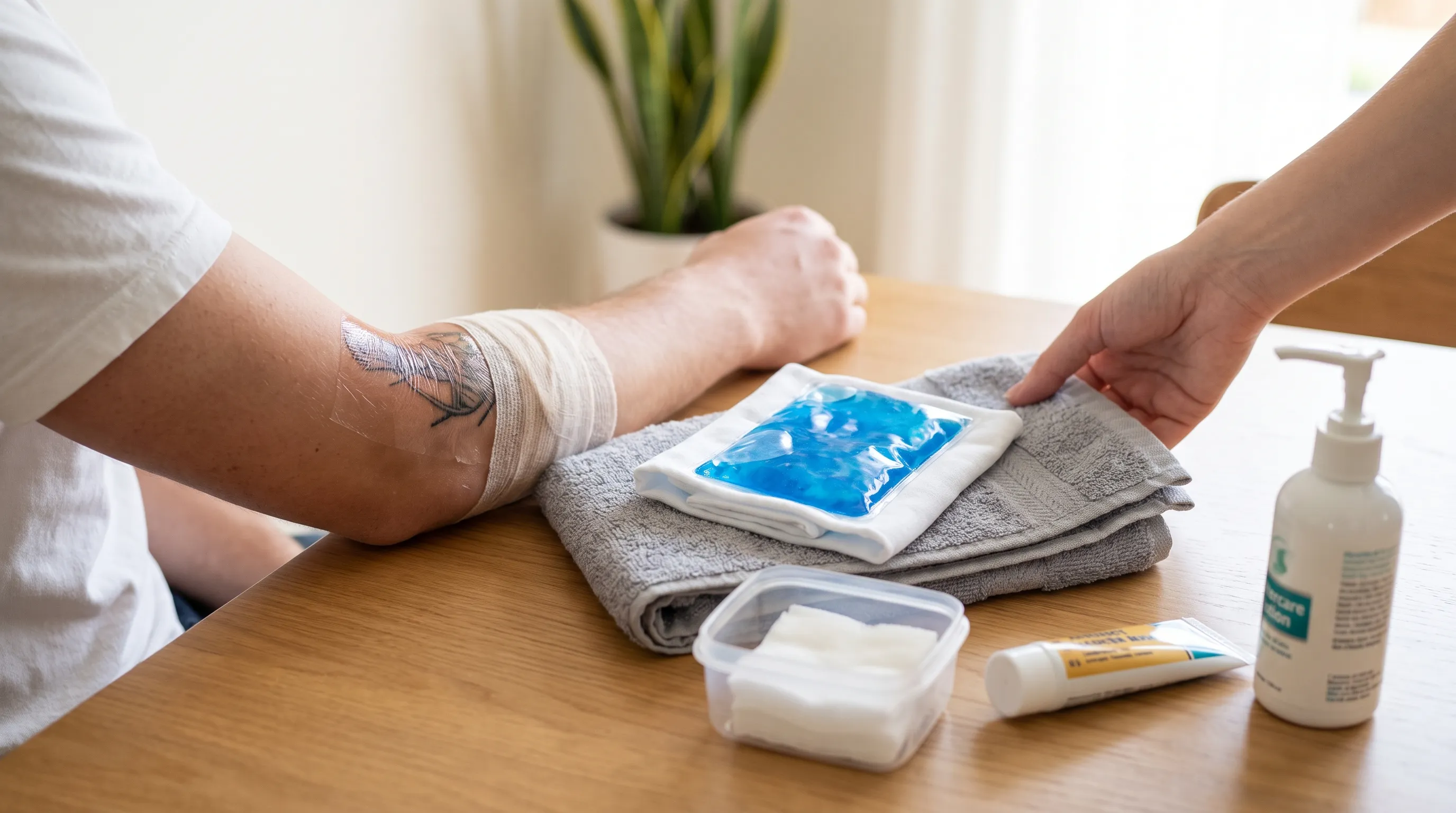
The most effective cold compress for tattoo care balances temperature consistency, flexibility, and safety. Commercial reusable ice packs wrapped in soft, breathable fabric are ideal because they maintain steady cooling without excessive condensation. Alternatively, a clean cotton towel soaked in chilled saline and wrung out thoroughly provides excellent contact cooling while remaining sterile and pliable. Avoid gel-based packs with thin plastic shells that may puncture and leak chemicals into the wound bed. If using household ice cubes, never place them directly on the skin; instead, seal them in a waterproof plastic bag, wrap the bag in a clean paper towel, and then apply.
Sanitation is non-negotiable. Fresh tattoos represent open wounds with compromised barrier function, making them highly susceptible to bacterial colonization. Wash the compress surface with isopropyl alcohol before use, or dedicate one exclusively to tattoo aftercare to prevent cross-contamination. Ensure your workspace is clean, and always apply the compress after washing your hands with antibacterial soap for at least twenty seconds.
Step-by-Step Application Protocol
- Clean the tattooed area gently with lukewarm water and a mild, pH-balanced, fragrance-free cleanser. Pat completely dry using a clean, disposable paper towel. Do not rub.
- Apply a thin, even layer of the recommended aftercare ointment or unscented moisturizer as directed by your artist or dermatologist.
- Wrap your chosen cold source in one to two layers of sterile gauze or a clean, lint-free cloth. The barrier should feel cool but not damp against the skin.
- Place the wrapped compress gently over the swollen or uncomfortable area. Do not press down firmly; light, even contact is sufficient.
- Set a timer for 10 to 15 minutes. Never exceed this duration during any single session.
- Remove the compress and allow the skin to rest at room temperature for at least 45 to 60 minutes before considering a second application.
- Repeat up to three to four times per day during the first 48 hours, adjusting frequency based on symptom severity and artist recommendations.
Hygiene and Infection Prevention
Infection remains the most serious complication associated with new tattoos. Every point of contact between an external object and healing skin introduces potential pathogens. To mitigate this risk, never reuse the same compress barrier without washing it on a hot cycle with unscented detergent. Avoid sharing cold packs with other household members, especially those who have open wounds or active skin infections.
If you notice increased redness, pus, warmth spreading beyond the tattoo borders, or red streaks moving toward lymph nodes, discontinue all home therapies immediately and consult a healthcare provider, as advised by the CDC for early wound infection detection. A cold compress for tattoo management is strictly for symptom relief and inflammation modulation, not for treating established infections. Maintaining a sterile application environment ensures that your healing process remains on track without introducing secondary complications.
Cold Compress vs Other Aftercare Methods
Navigating the abundance of tattoo aftercare products can be overwhelming. While cold therapy is highly effective for acute symptoms, it works best when integrated into a broader recovery strategy that includes gentle cleansing, appropriate moisturization, and protective dressing. Comparing different approaches helps you make informed decisions based on your specific healing stage and symptom profile.
Comparison of Common Aftercare Techniques
| Method | Primary Mechanism | Optimal Timing | Key Advantages | Limitations & Risks |
|---|---|---|---|---|
| Cold Compress | Vasoconstriction, reduced nerve conduction | First 24-48 hours, peak swelling/itch | Rapid pain relief, decreases edema, non-chemical | Prolonged use delays cellular repair, risk of frostbite |
| Healing Ointments (Petrolatum/Bacitracin) | Moisture barrier, occlusion | Days 1-5 | Prevents scabbing, maintains hydration | Overapplication traps bacteria, may clog pores |
| Fragrance-Free Lotions | Emollient hydration, epidermal repair | Days 4-14+ | Promotes flexible skin, reduces flaking | Contains preservatives, may cause sensitivity if overused |
| Warm Compress | Vasodilation, increased microcirculation | Days 7+ (post-peeling) | Enhances nutrient delivery, relaxes tight tissue | Exacerbates acute inflammation, increases infection risk early on |
| Saline Spray Cleansing | Gentle debridement, osmotic cleaning | Immediately post-ink, daily | Sterile, non-irritating, removes excess plasma | Does not reduce swelling, requires frequent re-moisturizing |
Ice Packs vs Gel Wraps vs Frozen Vegetables
While all three provide cooling, they differ significantly in safety and consistency. Reusable fabric-wrapped ice packs offer controlled, even temperature distribution and can be sanitized between uses. Flexible gel wraps conform well to curved anatomy but risk chemical leakage if punctured. Frozen vegetables (like peas or corn) adapt to contours naturally and are inexpensive, but they introduce potential allergen exposure, require single-use disposal to prevent bacterial growth, and often drip condensation that can macerate healing skin. For optimal results, medical professionals generally recommend dedicated, washable cold therapy wraps or sterile saline-cooled gauze.
Combining Cold Therapy with Topical Ointments
Synergy between modalities accelerates recovery when applied in the correct sequence. Always cleanse first, pat dry, apply your prescribed thin layer of ointment, and then place the wrapped cold pack over the area. The ointment creates a protective hydrophobic layer that prevents direct moisture transfer while the cold reduces inflammation beneath it. Never apply ice or a cold pack directly to dry, unmoisturized healing skin, as this can cause micro-cracking, delay epithelial migration, and increase discomfort. When coordinated properly, these interventions complement rather than compete with each other.
Common Mistakes to Avoid with Cold Therapy
Even well-intentioned aftercare routines can cause setbacks when fundamental principles are misunderstood or overlooked. Recognizing and preventing common errors ensures that your recovery remains efficient and complication-free.
Prolonged Exposure and Frostbite Risks
Leaving a cold pack on the skin beyond twenty minutes significantly increases the likelihood of cold-induced tissue injury. The dermis is highly sensitive to thermal extremes, and extended exposure can cause superficial frostnip, characterized by white, hardened skin, followed by painful erythema and blistering during rewarming. Always use a timer, monitor skin color closely, and never sleep with an active compress in place. If you experience persistent numbness lasting longer than ten minutes after removal, seek medical evaluation to rule out deeper thermal damage.
Direct Contact with Fresh Ink
Placing unwrapped ice, metal cold plates, or frozen packs directly onto a fresh tattoo compromises the fragile wound matrix. Direct thermal shock causes rapid cellular dehydration, disrupts the early scabbing process, and may even force pigment particles upward toward the shedding epidermis. Always maintain a minimum of two protective layers between the cooling source and your tattoo. The goal is gentle modulation, not aggressive chilling.
Ignoring Signs of Adverse Reactions
Some individuals develop cold urticaria, a condition where localized cooling triggers an allergic-like response including hives, intense burning, or systemic itching. If you experience spreading redness that extends far beyond the tattoo borders, difficulty breathing, or rapid heart rate during application, remove the compress immediately, wash the area with lukewarm water, and contact a physician. While rare, these reactions highlight the importance of starting with shorter test durations during your first session. Responsible use of a cold compress for tattoo recovery means knowing when your body’s signals indicate it is time to stop.
Recommendations for Long-Term Tattoo Care
Cold therapy is just the opening chapter of tattoo aftercare. The subsequent weeks require consistent moisturizing, sun protection, and mindful lifestyle adjustments to ensure your artwork ages gracefully and remains clinically healthy.
Transitioning from Cold to Warm Therapy
Once acute inflammation resolves, usually by day four or five, your skin enters the proliferative and remodeling phases. At this point, gentle warm compresses can be introduced to enhance local circulation. A warm, damp cloth applied for ten minutes increases microvascular blood flow, delivering more oxygen and nutrients to newly forming collagen fibers. This transition should only occur when visible swelling has completely subsided and the tattoo no longer feels hot or throbbing. Warm therapy supports pliability and reduces tightness as the skin contracts during final healing.
Moisturizing and Protecting Healed Ink
Proper hydration remains essential for the first month post-ink. Use only dermatologist-tested, fragrance-free creams containing ceramides, panthenol, or hyaluronic acid to reinforce the lipid barrier. Avoid petroleum-heavy products once peeling begins, as they can trap moisture and delay desquamation. After full healing, daily broad-spectrum SPF 30 or higher becomes non-negotiable. Ultraviolet radiation degrades tattoo pigment, causing premature fading, yellowing, and collagen breakdown. Sun protection is the single most effective long-term preservation strategy, aligning with WHO guidelines on UV skin protection.
When to Seek Professional Medical Advice
Monitor your tattoo daily during the first two weeks. Contact a dermatologist or healthcare provider if you notice escalating pain after day three, foul-smelling yellow or green discharge, expanding redness, fever, or persistent thick, raised scabs that refuse to soften. Early intervention with prescription topical or oral antibiotics can prevent permanent scarring, ink loss, or systemic spread of infection. Do not attempt to pop blisters, peel scabs prematurely, or self-treat suspected infections with over-the-counter steroid creams, which suppress necessary immune responses.
Frequently Asked Questions
How many times per day should I use a cold compress on my new tattoo?
Apply a cold compress three to four times daily during the first 48 hours, with each session lasting no more than 15 minutes. Allow at least 45 minutes of rest between applications to prevent vascular over-constriction and ensure adequate blood flow reaches healing tissues.
Can cold therapy cause my tattoo ink to fade?
No. When applied correctly with a protective barrier, cold therapy does not penetrate deeply enough to dislodge dermal pigment. Ink particles are already trapped within macrophages and fibroblasts beneath the epidermis, well beyond the superficial cooling zone. Improper application that damages the skin barrier could theoretically affect healing quality, which is why following sterile protocols is essential.
Should I refrigerate my tattoo aftercare ointment before applying it?
While chilling your ointment can provide mild soothing effects, it does not replace the need for proper cryotherapy. Refrigerating products introduces condensation and potential bacterial contamination if the container is repeatedly exposed to humid air. Store ointments at room temperature and use a separately wrapped cold compress for targeted symptom relief.
Is it safe to use a cold compress if my tattoo was applied on sensitive or thin skin areas?
Yes, but with extra caution. Areas like the ribs, ankles, collarbone, and inner arm have thinner dermal layers and less subcutaneous fat, making them more susceptible to cold injury. Use an additional layer of gauze, reduce application time to ten minutes, and monitor skin response closely after each session. Always consult your artist if you have specific concerns about placement-related sensitivity.
What alternatives exist if I experience an adverse reaction to cold therapy?
If cold therapy triggers hives, excessive burning, or delayed warming, discontinue use immediately. Switch to room-temperature sterile saline sprays, elevate the affected limb to reduce gravitational swelling, and consider over-the-counter oral antihistamines (after consulting a pharmacist or physician). Gentle, non-pressure airflow and loose, breathable clothing can also minimize discomfort without introducing thermal stress.

Conclusion
Navigating the delicate healing window after getting a tattoo requires patience, hygiene, and evidence-based self-care. Implementing a properly executed cold compress for tattoo recovery can dramatically improve your comfort, reduce acute swelling, and support optimal tissue regeneration without compromising artistic quality. By understanding the physiological mechanisms at play, adhering to strict timing and hygiene protocols, avoiding common thermal injuries, and transitioning smoothly into long-term moisturizing and sun protection, you give your body everything it needs to heal efficiently and beautifully.
Remember that every individual’s skin responds differently, and factors like hydration levels, sleep quality, nutritional intake, and pre-existing dermatological conditions all influence recovery speed. Listen closely to your skin’s signals, follow your artist’s specific aftercare instructions, and do not hesitate to consult a licensed dermatologist if symptoms deviate from the normal healing trajectory. Cold therapy is a powerful, accessible tool when used responsibly, but it is only one component of a comprehensive aftercare routine. Commit to cleanliness, protect your investment from ultraviolet damage, and respect the biological timeline of skin repair. With mindful care, your new tattoo will not only heal safely but will remain vibrant, sharp, and healthy for decades to come.
How we work
Researched and drafted with AI assistance, then reviewed by a human editor against the cited sources.
This article is general health information, not medical advice. Consult a qualified healthcare professional about your own situation.