How to Use an Ice Pack for Back Pain Safely and Effectively
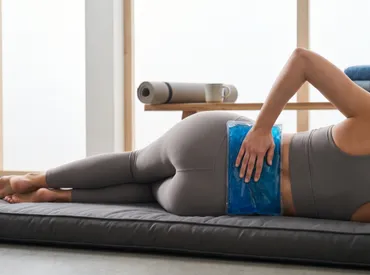
When sudden stiffness strikes or a dull ache lingers after heavy lifting, reaching for an ice pack for back pain often feels like the most logical first step. Cold therapy has been a cornerstone of musculoskeletal rehabilitation for decades, favored by athletes, physical therapists, and everyday individuals alike. But beyond the immediate numbing sensation lies a complex physiological cascade that actively supports tissue recovery and pain modulation. Understanding how and when to properly apply cryotherapy can make the difference between rapid relief and prolonged discomfort. This comprehensive guide will explore the science behind cold application, outline precise clinical protocols, and help you integrate this simple, non-invasive treatment into a broader spinal wellness strategy. Whether you are managing a recent injury, recovering from strenuous physical activity, or navigating ongoing spinal tension, mastering the correct techniques ensures you maximize therapeutic benefits while minimizing potential risks. By the time you finish reading, you will possess the evidence-based knowledge needed to confidently and safely use an ice pack for back pain, transforming a basic household item into a targeted clinical tool that supports your body's natural healing architecture.
The Science Behind Cold Therapy for Spinal Discomfort
How Cryotherapy Modulates Inflammation and Tissue Response
The foundational principle of applying cold to an injured or strained region revolves around the body's vascular and metabolic reactions. When tissue experiences trauma, whether from a sudden lift, repetitive stress, or blunt impact, microscopic capillaries and venules dilate to increase blood flow to the site. This physiological process, while initially beneficial for delivering oxygen and immune cells, often results in localized swelling, interstitial edema, and increased pressure on surrounding mechanoreceptors and nerve endings. Introducing a controlled cold stimulus triggers immediate, potent vasoconstriction. The narrowing of peripheral blood vessels reduces regional blood flow, effectively limiting the extravasation of inflammatory mediators such as prostaglandins, leukotrienes, cytokines, and histamine into the extracellular matrix.
Free calculatorBMI CalculatorCalculate Body Mass IndexOpen the calculatorBy curbing excessive fluid accumulation, an ice pack for back pain helps maintain a more controlled, manageable inflammatory response. It is clinically important to recognize that inflammation itself is not inherently pathological; it is the body's essential repair mechanism. However, unchecked or prolonged swelling can exacerbate pain signaling, restrict segmental mobility, and delay the proliferation phase of tissue healing. Peer-reviewed clinical research consistently demonstrates that strategic cold application within the initial hours of injury significantly reduces secondary tissue damage caused by localized hypoxia, cellular metabolic stress, and free radical accumulation. Furthermore, lowering the local tissue temperature decreases the basal metabolic rate of musculoskeletal cells by approximately 10% for every degree Celsius drop. This metabolic slowdown conserves cellular ATP reserves and reduces oxygen demand, creating a protective hypometabolic state that shields vulnerable tissues during the critical acute phase of injury. Mayo Clinic emphasizes that early temperature management remains a gold standard for acute musculoskeletal care.
Nerve Conduction and Pain Signal Interception
Pain perception is fundamentally an electrochemical process orchestrated by the peripheral and central nervous systems. Nociceptors, specialized free nerve endings, detect noxious mechanical, thermal, or chemical stimuli and transmit depolarizing signals along A-delta and C nerve fibers toward the dorsal horn of the spinal cord and ascending cortical pathways. The velocity at which these electrochemical signals travel is heavily temperature-dependent. Applying a cold source directly to the cutaneous and subcutaneous layers reduces nerve conduction velocity (NCV), effectively slowing the propagation of pain impulses to higher neurological processing centers.
Neurophysiological studies indicate that surface cooling can decrease NCV by as much as 50%, creating a predictable, temporary analgesic window. This physiological dampening effect proves particularly valuable for managing sharp, localized radicular pain or reflexive muscle guarding, where the nervous system overreacts to perceived tissue threat. Additionally, cold therapy preferentially stimulates cutaneous thermoreceptors that send rapid, non-noxious sensory signals to the spinal cord. According to the widely validated gate control theory of pain, these fast-conducting sensory inputs activate inhibitory interneurons in the substantia gelatinosa, effectively closing the synaptic gate to slower pain fibers and preventing nociceptive signals from reaching cortical awareness regions. The clinical result is a profound reduction in perceived discomfort, allowing individuals to rest, breathe diaphragmatically, and initiate gentle rehabilitation exercises. When applied correctly, an ice pack for back pain does not merely mask symptoms through superficial distraction; it actively interrupts the neurophysiological pain cycle at a peripheral level.
Identifying the Right Time to Apply Cold
Acute Injuries: The Critical 48-Hour Window
Timing remains arguably the most crucial variable in successful cold therapy application and clinical outcomes. The first 48 to 72 hours following an acute musculoskeletal injury represent the peak inflammatory and hemodynamic phase. During this period, microvascular structures are most permeable, and tissues remain highly susceptible to progressive edema formation and secondary cellular damage. If you experience a sudden lumbar strain while lifting heavy furniture, slip during athletic activity, or suffer a direct impact, initiating cryotherapy as soon as safely possible yields the greatest therapeutic dividends.
Clinical rehabilitation guidelines recommend applying cold consistently throughout this initial window, ideally every two to three hours while awake. This protocol ensures that regional tissue temperatures remain sufficiently low to maintain sustained vasoconstriction and metabolic suppression without risking cold-induced cellular necrosis. It is equally important to strictly avoid heat applications during this phase, as thermal vasodilation can exacerbate fluid extravasation, increase compartment pressure, and significantly prolong recovery timelines. While individual pain tolerance, injury severity, and baseline health status vary considerably, adhering rigidly to the early-application principle maximizes the physiological advantages of cryotherapy and establishes an optimal foundation for subsequent tissue remodeling phases.
Post-Workout Muscle Soreness and Microtears
Delayed onset muscle soreness (DOMS) commonly manifests 24 to 72 hours after unaccustomed or intense eccentric physical activity. Repetitive loading and forced lengthening contractions frequently trigger microscopic sarcomere disruption and localized inflammatory cascades in the erector spinae and multifidus muscle groups. While DOMS represents a normal adaptive stimulus for muscular hypertrophy and connective tissue strengthening, excessive discomfort can compromise postural alignment, restrict daily function, and hinder subsequent training sessions.
Applying cold therapy post-exercise significantly mitigates DOMS severity and perceived fatigue levels. Research published in peer-reviewed sports medicine journals consistently indicates that individuals who utilize structured post-workout cryotherapy protocols report lower subjective pain scores, reduced creatine kinase leakage, and faster return to baseline functional capacity. However, strategic timing remains essential. Waiting until the acute inflammatory cascade begins—typically within the first three to four hours after intense training—ensures optimal modulation of secondary tissue stress. For recreational athletes and chronic exercisers, integrating cold into weekly recovery protocols serves as a proactive measure against cumulative microtrauma and overuse syndromes. Consulting resources from the Cleveland Clinic can help tailor application frequencies to your specific training volume and recovery capacity.
Chronic Back Pain: When Cold Might Backfire
While an ice pack for back pain demonstrates exceptional efficacy for acute conditions, its therapeutic utility shifts considerably when addressing chronic, non-inflammatory spinal discomfort. Chronic pain syndromes often involve central nervous system sensitization, fascial cross-linking, restricted local perfusion, and protective muscle co-contraction rather than active structural tissue damage. In these clinical presentations, cryotherapy may temporarily stiffen already hypoxic musculature and further restrict regional circulation, potentially worsening functional mobility and deep tissue discomfort.
If your spinal pain has persisted for weeks or months without a clear acute traumatic trigger, thermotherapy often proves more beneficial by promoting tissue extensibility, enhancing oxygenated blood flow, and facilitating metabolic waste clearance. That said, chronic pain is rarely one-dimensional or static. Many individuals experience episodic flare-ups where acute inflammatory processes overlap with long-standing myofascial stiffness. During these transitional periods, judicious, short-duration cold application can provide targeted symptomatic relief and reduce protective guarding. Understanding your specific pain phenotype, tracking symptom patterns, and consulting a licensed healthcare professional ensures you select the most appropriate thermal modality for each distinct clinical presentation.
Step-by-Step Protocol for Optimal Results
Preparing the Perfect Application Method
Proper preparation fundamentally separates clinically effective cryotherapy from ineffective or potentially harmful attempts. Never apply frozen materials directly to intact skin without an intermediate barrier. The risk of superficial thermal injury increases exponentially without adequate protection. Begin by selecting a flexible, conforming cold source that accommodates the natural lordotic curvature of the lumbar spine. Rigid ice cubes contained in standard plastic bags frequently create uneven pressure points, poor dermal contact, and localized freezing spots that compromise therapeutic efficacy.
Instead, opt for medical-grade gel-based packs, anatomically contoured wraps, or breathable fabric pouches specifically engineered for paraspinal application. If utilizing traditional ice, slightly crush it and place it in a heavy-duty, leak-resistant resealable pouch to eliminate sharp crystalline edges. Add approximately two tablespoons of water to create an ice-water slurry mixture; this thermal matrix maintains consistent contact, adapts to spinal topography, and significantly reduces the risk of focal frostbite. Always visually and tactilely inspect the cold source for micro-tears, seal compromises, or chemical leakage before use. Prepare a clean, temperature-controlled environment where you can maintain a neutral spinal posture without compensating with adjacent kinetic chains or straining unsupported musculature.
Duration and Frequency Guidelines
Precision in timing prevents adverse tissue responses while maximizing analgesic and anti-inflammatory benefits. The standard clinical recommendation dictates applying cold for exactly 15 to 20 minutes per therapeutic session. Extending application duration beyond this window does not enhance pain relief, reduce swelling further, or accelerate recovery; instead, it significantly increases the probability of reactive vasodilation, also known as the hunting response. This paradoxical physiological phenomenon occurs when sustained cold triggers a protective neurological reflex that forces blood vessels to rapidly dilate, potentially reversing therapeutic benefits and exacerbating localized edema.
Frequency must align precisely with acute phase inflammatory requirements. Aim for sessions spaced every two to three hours, allowing complete tissue rewarming and hemodynamic normalization between applications. Always utilize a digital timer or smartphone application to maintain strict adherence to the protocol. If you experience persistent numbness beyond 30 minutes post-application, skin discoloration (pallor or mottling), paradoxical burning sensations, or increased localized stiffness, remove the cold source immediately and discontinue therapy. Documenting your application times, pain scale ratings, and mobility responses in a structured recovery journal helps establish individualized baselines, prevents accidental overuse, and provides valuable data for physical therapy consultations. NHS Guidelines on Soft Tissue Injuries emphasize structured cold protocols for optimal musculoskeletal recovery.
Proper Skin Protection and Positioning
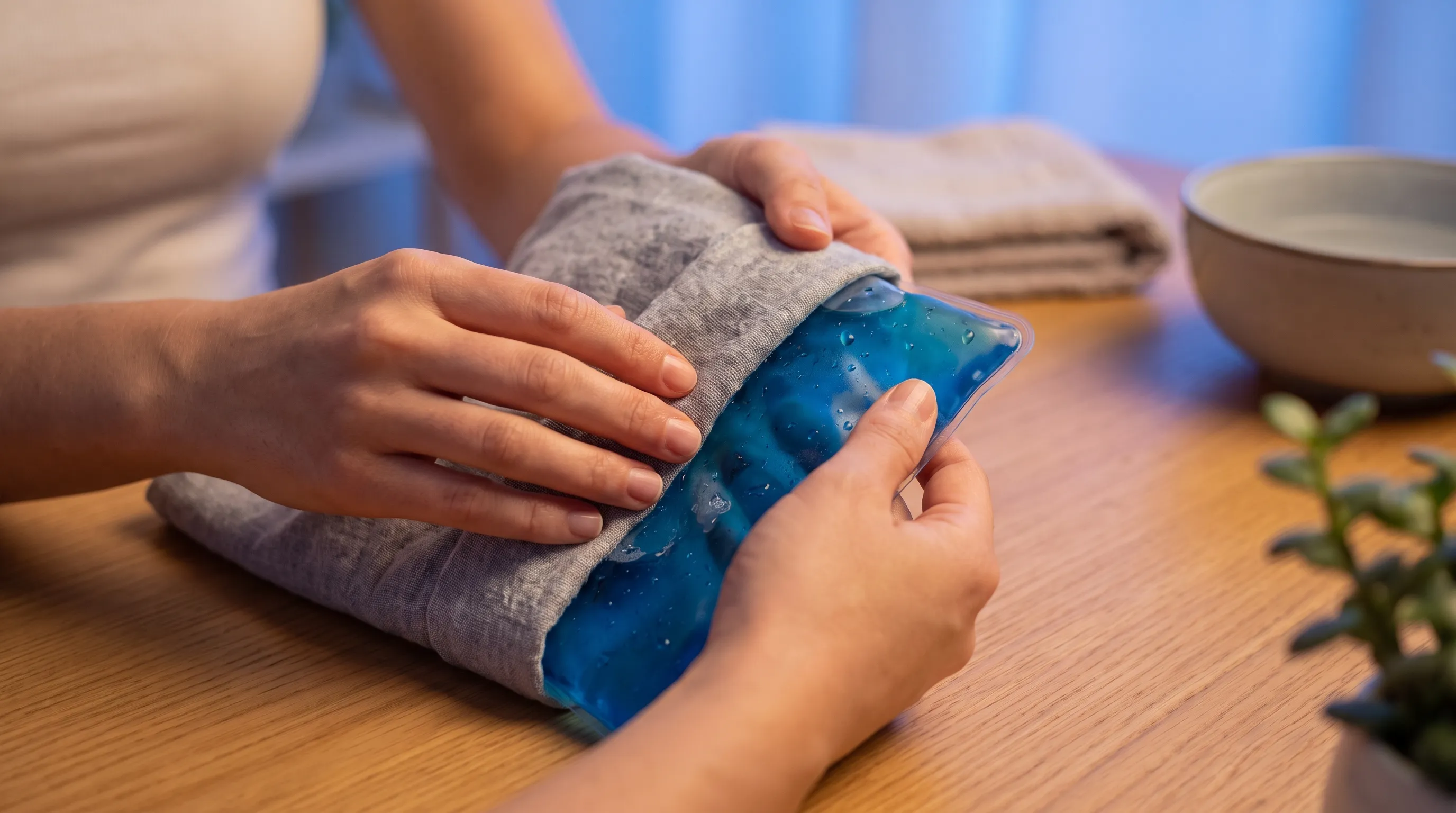
The epidermis and dermis serve as the primary anatomical defenses against thermal extremes and environmental stressors. Before applying any cold source, thoroughly cleanse and completely dry the target lumbar region. Residual moisture trapped beneath the therapeutic pack can create localized conductive bridges that accelerate cooling rates and dramatically increase superficial tissue freezing risk. Place a single, tightly woven cotton layer or a specialized therapeutic cloth between the cold pack and your skin. This slight dampness actually improves thermal conductivity while providing an essential, regulated buffer that prevents direct epidermal exposure to subzero temperatures.
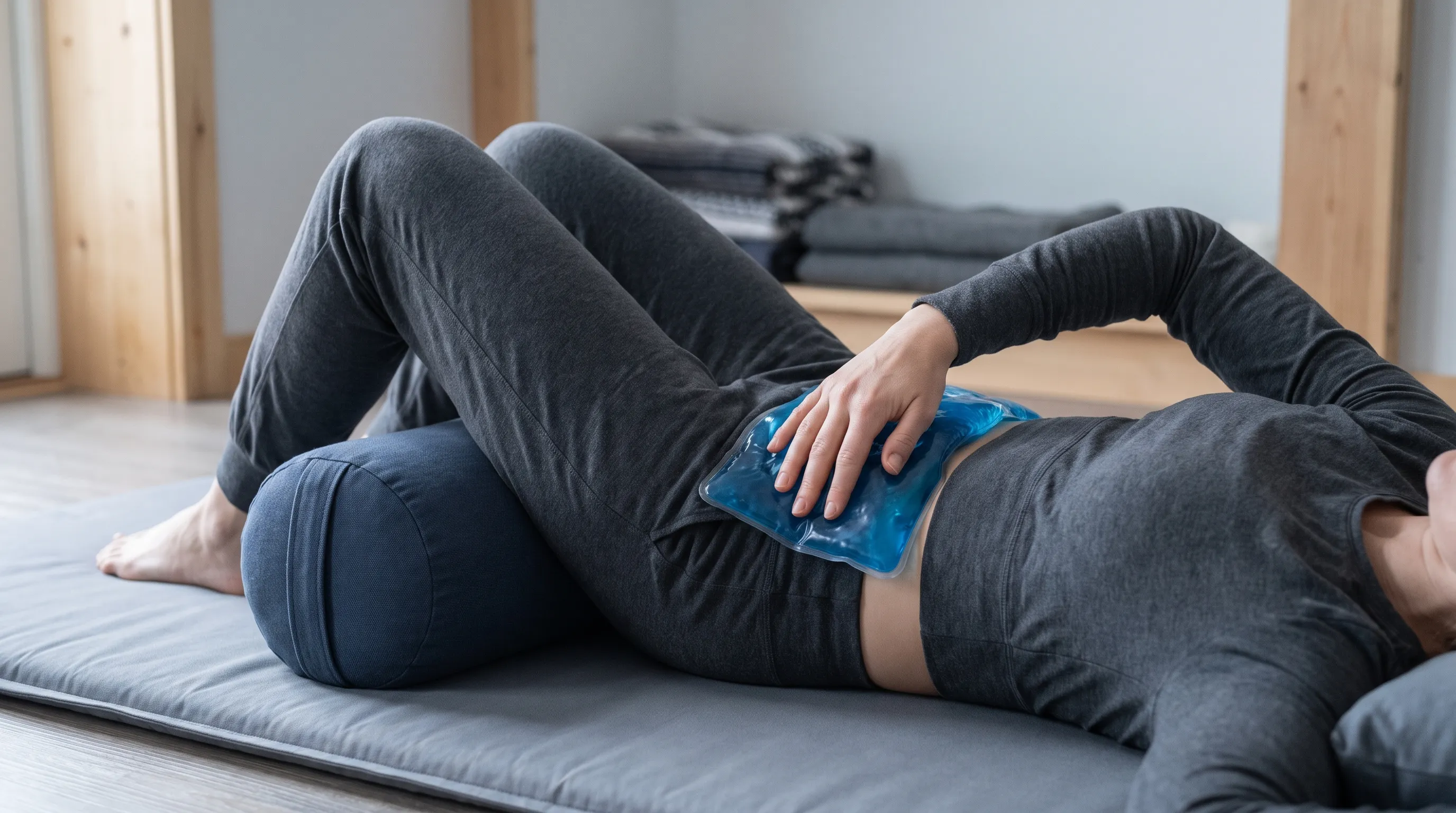
Strategic positioning remains equally critical for consistent therapeutic delivery and optimal biomechanical alignment. If treating the lower lumbar or sacroiliac region, assume a prone posture or lie supine with knees slightly flexed over a bolster or rolled towel. This supported posture temporarily reduces lumbar lordosis, bringing the cold source into uniform contact with the targeted paraspinal, quadratus lumborum, and gluteal regions. Secure the pack using a wide elastic compression wrap, breathable athletic tape, or a commercially designed therapeutic sleeve, ensuring it remains snug without compromising capillary refill or venous return. Avoid lying directly on unforgiving surfaces, as localized pressure points can concentrate cold exposure unevenly and create unpredictable tissue temperature gradients.
Ice vs. Heat Therapy for Back Pain: A Detailed Comparison
Understanding the distinct physiological mechanisms of thermal modalities enables significantly smarter, evidence-based treatment decisions. While both approaches address musculoskeletal discomfort, they operate through fundamentally different hemodynamic and neurological pathways and suit distinctly different clinical presentations.
| Feature | Cold Therapy (Cryotherapy) | Heat Therapy (Thermotherapy) |
|---|---|---|
| Primary Physiological Mechanism | Immediate vasoconstriction, reduced nerve conduction velocity, cellular metabolic suppression | Sustained vasodilation, increased collagen extensibility, enhanced local circulation and perfusion |
| Optimal Timing Window | First 48 hours post-acute injury, immediate post-exercise microtrauma, active inflammatory flare-ups | Chronic muscle stiffness, pre-activity mobility preparation, non-inflammatory myofascial tension |
| Inflammatory Response Impact | Limits edema formation, reduces cytokine release, prevents interstitial fluid expansion | Can exacerbate acute swelling; optimally delivers oxygenated blood during sub-acute remodeling phases |
| Standard Application Duration | 15-20 minutes strictly enforced per session | 20-30 minutes per session with adequate cooling intervals |
| Subjective Sensation Profile | Sharp initial coolness, progressive numbness, deep analgesic penetration | Gentle warming, myofascial relaxation, soothing circulation stimulation |
| Primary Contraindications & Risks | Superficial frostbite, peripheral nerve irritation, paradoxical vasodilation | Thermal burns, localized dehydration, exacerbation of active hemorrhage |
The Alternating Contrast Method
Certain advanced rehabilitation protocols advocate for contrast hydrotherapy or contrast therapy, which systematically alternates between heat and cold application to stimulate a physiological vascular pump mechanism. This technique typically involves applying moist heat for 3 to 4 minutes, immediately followed by cold application for 1 minute, repeating the cycle continuously for approximately 12 to 15 minutes. The rapid, deliberate alternation forces arterioles and venules to constrict and dilate repeatedly, theoretically accelerating metabolic waste clearance while delivering fresh, oxygenated blood to fatigued tissues.
However, clinical consensus indicates that contrast therapy remains generally reserved for sub-acute recovery phases, typically initiated after day 4 post-injury, and should never replace standard acute cryotherapy during the initial inflammatory window. Individuals with diagnosed peripheral vascular disease, sensory neuropathy, Raynaud's syndrome, or cardiovascular instability should strictly avoid this method. When utilized correctly under professional guidance, contrast therapy serves as an effective transitional intervention, bridging the critical gap between acute inflammatory management and long-term tissue remodeling and mobility restoration.
Integrating Cold Therapy with Complementary Approaches
Gentle Stretching and Mobility Work
Cryotherapy rarely functions effectively as an isolated, standalone intervention. Once the analgesic window opens and pain perception temporarily diminishes, incorporating carefully dosed mobility exercises maximizes functional recovery and prevents adaptive shortening. Within the 20-minute post-application window, tissues typically remain physiologically pliable and demonstrate reduced nociceptive reactivity to gentle movement. Focus intently on controlled, strictly pain-free range-of-motion activities such as supine pelvic tilts, quadruped cat-cow mobilizations, or bilateral knee-to-chest pulls.
Avoid ballistic stretching, deep spinal rotations, heavy axial loading, or end-range compression immediately after cold exposure. The temporary peripheral anesthesia can effectively mask proprioceptive feedback, substantially increasing the risk of overstretching, micro-tearing, or joint capsule strain. Instead, prioritize neuromuscular re-education, core stabilization activation, and postural awareness drills. Combining an ice pack for back pain with structured, low-intensity mobility routines significantly accelerates the physiological transition from acute protective immobilization to active, progressive rehabilitation.
Topical Analgesics and Synergistic Effects
Many individuals routinely question whether layering cryotherapy with topical pharmacological agents enhances overall clinical outcomes. While certain menthol- or camphor-based counterirritants create a subjective cooling sensation through chemical receptor activation rather than actual tissue temperature reduction, directly stacking them over physical cold packs frequently intensifies epidermal irritation and compromises barrier function. If utilizing transdermal analgesic formulations containing lidocaine, topical diclofenac, methyl salicylate, or capsaicin, always apply them at least 30 minutes after completely removing the cold source and only once the epidermis has returned fully to baseline physiological temperature.
Alternatively, integrate systemic anti-inflammatory nutritional and hydration strategies. Dietary omega-3 polyunsaturated fatty acids, standardized curcumin formulations, and consistent fluid intake actively support endogenous inflammation regulation at a cellular level. When systematically combined with localized cryotherapy, these complementary systemic approaches create a comprehensive, multi-pronged recovery framework that addresses both acute symptomatic relief and underlying metabolic contributors to chronic spinal discomfort. Reviewing evidence-based nutritional guidelines from the Arthritis Foundation can further enhance recovery synergy.
Ergonomic Adjustments and Long-Term Management
Effectively treating acute symptomatic episodes provides temporary relief but yields minimal long-term benefit without addressing the structural, mechanical, and environmental triggers that precipitate recurrent episodes. Rigorously evaluate your occupational workstation configuration, sleeping posture, footwear selection, and daily movement mechanics. Implement medically graded lumbar support cushions, elevate monitor screens to maintain neutral cervical and thoracic alignment, and consciously practice hip-hinge lifting techniques that engage gluteal and hamstring musculature rather than loading the lumbar spine.
Consistent low-impact cardiovascular conditioning, such as brisk walking, aquatic therapy, or recumbent cycling, actively maintains intervertebral disc hydration through osmotic pumping and promotes sustained regional circulation. Cold therapy serves as a highly valuable acute intervention tool, but sustainable spinal health fundamentally relies on proactive lifestyle modifications, consistent core and posterior chain strengthening, and conscious ergonomic awareness. Systematically documenting your pain episodes alongside specific lifestyle adjustments and recovery metrics helps identify individualized patterns, refine your long-term management strategy, and significantly reduce recurrence frequency.
Safety Precautions and Contraindications
Recognizing Frostbite and Superficial Tissue Damage
Despite its widespread accessibility and general safety profile, cold therapy carries documented clinical risks when applied incorrectly or excessively. Prolonged or unmonitored exposure frequently leads to superficial frostbite, clinically characterized by pale, waxy, or hardened skin that initially feels numb but may develop sharp stinging or burning sensations during passive rewarming. If you observe progressive skin mottling, erythema, blister formation, or persistent cyanotic discoloration, remove the thermal device immediately and initiate gradual, room-temperature passive rewarming. Never utilize direct high-heat sources, such as active heating pads or hot water bottles, to treat suspected cold-induced tissue injury, as impaired cutaneous sensation dramatically increases burn severity risk. Instead, employ ambient temperature compresses, elevate the affected area, and seek professional medical evaluation promptly if epidermal breakdown or tissue necrosis develops.
Circulatory and Neurological Warnings
Several specific medical conditions create absolute or relative clinical contraindications for unguided cryotherapy protocols. Individuals diagnosed with Raynaud’s phenomenon, advanced peripheral artery disease, poorly controlled diabetes mellitus, or progressive peripheral neuropathy inherently possess impaired thermoregulatory feedback loops or compromised microvascular circulation. Cold exposure in these populations can trigger severe vasospastic episodes, precipitate critical tissue ischemia, or exacerbate pre-existing ischemic nerve damage. Pregnant individuals should generally avoid applying concentrated cold sources directly over the lower lumbar or sacral regions without explicit obstetric clearance, as extreme localized temperature fluctuations can theoretically influence regional hemodynamics.
Always consult a licensed physician, physical therapist, or chiropractor before initiating regular cold therapy if you manage underlying cardiovascular pathology, autoimmune connective tissue disorders, or progressive neurological diagnoses. Individualized medical oversight ensures safe implementation and prevents adverse systemic or localized complications.
Commercial Gel Packs vs. Homemade Alternatives
Pros and Cons of Pre-Made Products
The therapeutic marketplace offers countless specialized cold therapy devices engineered specifically for targeted lumbar and paraspinal application. High-quality, medical-grade gel packs typically utilize non-toxic, phase-change compounds that remain highly pliable even at subzero temperatures, ensuring optimal conformability to complex spinal anatomy without creating rigid pressure points. Many premium products feature adjustable elastic compression systems, advanced phase-change materials that sustain therapeutic temperatures longer than traditional ice, and machine-washable, antimicrobial outer sleeves. These clinical advantages frequently justify the higher initial investment for frequent users or individuals managing chronic musculoskeletal conditions.
Conversely, many budget-friendly alternatives contain unstable chemical compounds or crystallizing agents that rapidly become uncomfortably rigid and poorly conforming when frozen, potentially creating uneven pressure distribution and localized tissue stress. Always verify independent product safety certifications, read consumer feedback focusing specifically on thermal retention longevity and material durability, and prioritize reusable designs with replaceable covers to maintain strict hygiene standards across extended recovery periods.
Budget-Friendly DIY Options
Effective, evidence-based cold therapy absolutely does not require expensive commercial equipment or specialized retail products. A standard heavy-duty resealable plastic bag filled with two parts finely crushed ice and one part room-temperature water provides exceptional thermal conductivity, maintains consistent tissue temperature, and easily conforms to anatomical curves. Simply wrap this prepared pouch in a thin, absorbent cotton towel before application. Another highly recommended, clinically validated household solution involves freezing standard bags of green peas or sweet corn kernels. These organic materials naturally contour to body topography, distribute weight evenly, maintain therapeutic cold temperatures effectively without becoming dangerously rigid, and remain highly affordable and widely accessible.
Reusable fabric pouches filled with dry long-grain rice, flaxseed, or dried beans offer sustainable, environmentally conscious alternatives for individuals concerned with single-use plastic waste. Simply freeze the sealed fabric sleeves and apply using standard protocols. Regardless of the specific method selected, strict hygiene remains absolutely paramount. Always utilize clean, laundered barrier materials, never share unwrapped thermal packs between multiple users without thorough disinfection, and inspect all containers regularly for structural wear, seam separation, or fluid leakage.
Frequently Asked Questions
Can I leave an ice pack on my back while sleeping?
Absolutely not. Leaving any cold therapy device on during sleep completely removes your conscious ability to monitor skin temperature, tissue color, and neurological feedback, drastically increasing the risk of serious thermal injury. Unconscious body positioning during rest can also inadvertently trap the cold pack in a highly concentrated focal area, preventing necessary hemodynamic normalization and accelerating localized tissue freezing. Always set a reliable timer for 15 to 20 minutes while fully awake and alert, remove the pack promptly, and carefully reassess your pain and comfort level. If you require consistent nighttime pain management, discuss safe pharmacological alternatives, positional support pillows, or specialized mattress modifications with a licensed healthcare provider.
How do I know when to switch from ice to heat?
The therapeutic transition depends entirely on your injury progression timeline, symptom presentation, and inflammatory status. If acute pain, localized swelling, sharp mechanical tenderness, or visible erythema persists beyond 72 hours, continue structured cold therapy and seek clinical evaluation to rule out structural damage. Once sharp, acute symptoms gradually subside into a generalized dull ache or mild stiffness, and visible swelling significantly decreases, heat therapy often becomes substantially more appropriate for promoting deep muscle relaxation and improving collagen extensibility. Continuously monitor your body's specific response: if cold continues providing meaningful relief without inducing stiffness, maintain it. If cold application consistently leaves your muscles feeling rigid or restrictively tight, gently introduce moist heat for 20 minutes to evaluate comparative symptomatic response.
Is an ice pack for back pain safe for herniated discs?
Cold therapy can prove highly beneficial for managing the secondary muscle spasms, radicular inflammation, and protective guarding surrounding a herniated, bulging, or prolapsed spinal disc, though it does not directly repair displaced nuclear material or alter structural disc pathology. Applying an ice pack for back pain helps significantly reduce chemical nerve root irritation by dampening localized inflammatory mediators and decreasing reflexive muscle tension. However, it must be applied with careful attention to pressure distribution to avoid compressing sensitive vertebral segments or exacerbating neurological symptoms. Never utilize heavy, rigid, or unyielding packs directly over acute vertebral segments. Always integrate cryotherapy with professional medical oversight, as disc pathologies require targeted physical rehabilitation, neurological monitoring, and occasionally advanced interventional strategies.
Can children use cold therapy for back strains?
Children absolutely can utilize cold therapy for minor sports-related strains or accidental impacts, but their physiological characteristics require strict clinical modifications. Pediatric patients possess thinner epidermal layers, smaller overall body mass, higher surface-area-to-mass ratios, and less mature thermoregulatory control mechanisms compared to adults, making them significantly more susceptible to rapid tissue cooling, peripheral nerve irritation, and potential superficial injury. Cold therapy remains safe for pediatric musculoskeletal care when application time is reduced to 10-12 minutes, thicker insulating towel barriers are consistently utilized, and skin color, temperature, and comfort are monitored continuously. Never permit children to self-administer thermal therapies without direct adult supervision. Always prioritize comprehensive pediatrician evaluation for persistent, severe, or recurrent pediatric spinal discomfort, as growth plate involvement and developmental considerations require specialized orthopedic oversight.
Does using an ice pack for back pain delay long-term healing?
Early historical research occasionally suggested that completely suppressing the inflammatory cascade might theoretically impede optimal tissue remodeling and scar formation. However, contemporary sports medicine, orthopedic rehabilitation, and tissue physiology guidelines have thoroughly clarified that strategic, short-duration cold application does not hinder long-term structural recovery. The precise clinical goal is not to eliminate inflammation entirely, but rather to prevent it from becoming excessive, destructive, or prolonged. By actively controlling secondary hypoxic damage, limiting excessive edema expansion, and reducing metabolic waste accumulation, cryotherapy actually creates highly optimal biochemical conditions for subsequent cellular proliferation, angiogenesis, and organized collagen fiber alignment. When systematically integrated into a comprehensive recovery framework that includes progressive mechanical loading, targeted nutrient intake, and structured rest periods, an ice pack for back pain actively accelerates functional return without compromising foundational structural healing or tissue resilience.
Conclusion
Mastering the correct application of an ice pack for back pain fundamentally empowers you to take proactive, informed control of your musculoskeletal health safely and effectively. Cold therapy remains one of the most accessible, clinically validated, and evidence-backed interventions available for managing acute spinal discomfort, muscle strains, postural fatigue, and post-exertion soreness. By respecting the established physiological principles of vasoconstriction and nerve modulation, maintaining strict adherence to recommended time limits, consistently protecting your epidermal barrier, and carefully aligning treatment protocols with your specific injury phase and clinical presentation, you consistently maximize therapeutic outcomes while systematically minimizing adverse risks.
Always remember that cryotherapy functions most effectively as one integrated component within a broader, holistic recovery strategy. Pair consistent cold therapy with gentle, progressive mobility work, conscious ergonomic optimization, structured strength training, and professional medical guidance when symptoms persist or escalate beyond baseline expectations. Meticulously track your pain trajectories, adjust your application protocols thoughtfully based on objective feedback, and never ignore persistent, radiating, or progressively worsening symptoms that may indicate underlying structural pathology. With disciplined application, clinical awareness, and a clear understanding of your body's remarkable self-healing mechanisms, simple cold therapy transforms into an indispensable ally in your ongoing journey toward lasting spinal wellness, enhanced functional mobility, and sustainable, pain-free daily movement.
How we work
Researched and drafted with AI assistance, then reviewed by a human editor against the cited sources.
This article is general health information, not medical advice. Consult a qualified healthcare professional about your own situation.