Neck Surgery C5-C6-C7 Recovery Time: Complete Healing Guide & Timeline

Undergoing surgery at the C5, C6, and C7 vertebral levels represents a significant but highly effective intervention for chronic cervical spine conditions. The lower cervical spine bears the greatest mechanical load of the entire neck, making it particularly susceptible to degenerative changes, disc herniations, and spinal instability. When conservative treatments fail to alleviate nerve compression or chronic pain, surgical intervention becomes necessary. Understanding the neck surgery c5-c6-c7 recovery time is essential for setting realistic expectations, planning your postoperative life, and ensuring optimal surgical outcomes. This comprehensive guide breaks down the physiological healing process, outlines evidence-based timelines, and provides actionable strategies to support your journey back to full function. By aligning your daily habits with biological healing phases, you maximize the potential for a durable fusion and sustained neurological relief.
Understanding C5-C6-C7 Anatomy and Common Surgical Procedures
The cervical spine consists of seven vertebrae, with C1 through C7 forming a delicate yet resilient column that supports the head and facilitates a wide range of neck movements. The lower three levels, C5, C6, and C7, experience the highest degree of biomechanical stress and repetitive motion. Consequently, the C5-C6 and C6-C7 intervertebral discs are the most frequently affected segments in cervical spondylosis and degenerative disc disease. These vertebrae protect the spinal cord and give rise to nerve roots that control motor function and sensation in the shoulders, arms, and hands. Compression or irritation at these levels often manifests as radiating arm pain, muscle weakness, numbness, tingling, or chronic neck stiffness that severely impacts quality of life and occupational capacity, as detailed by the National Institutes of Health (NIH).
Free calculatorSleep CalculatorCalculate sleep cyclesOpen the calculatorWhen structural damage compromises nerve function or causes intractable pain, spinal surgeons typically recommend one of two primary procedures. The most widely performed operation is Anterior Cervical Discectomy and Fusion (ACDF), a gold-standard technique extensively documented by leading institutions like the American Academy of Orthopaedic Surgeons. During an ACDF, the surgeon accesses the spine through the front of the neck, removes the damaged disc and any bone spurs, decompresses the nerve roots, and inserts a bone graft or synthetic spacer. A titanium plate and screws are then secured to stabilize the vertebrae, promoting bony fusion over time. Autografts harvested from the patient own hip, allografts from donors, and advanced synthetic cages with biologics all offer distinct advantages depending on bone quality and surgeon preference.
Alternatively, cervical disc replacement may be recommended for eligible candidates. Unlike fusion, this motion-preserving technique replaces the damaged disc with an artificial implant that maintains natural segmental mobility. According to clinical research published in peer-reviewed spine journals and reviewed by the Mayo Clinic, cervical disc replacement patients often demonstrate faster return to activity compared to ACDF patients, with the added benefit of potentially reducing adjacent segment disease risk over the long term. Both approaches are highly effective, but the chosen procedure significantly influences your postoperative trajectory and rehabilitation protocol. Planning ahead for your neck surgery c5-c6-c7 recovery time ensures you arrange necessary support, modify your workspace, and prepare your body for the physiological demands of tissue regeneration.
Surgical indications typically include symptomatic herniated discs, cervical spinal stenosis, spondylotic myelopathy, or traumatic fractures. The Cleveland Clinic notes that modern microsurgical techniques and advanced intraoperative navigation have dramatically improved safety profiles and reduced surrounding tissue trauma. Understanding which procedure you are scheduled for is the first step in predicting your individual healing curve and preparing for the rehabilitation phases ahead.
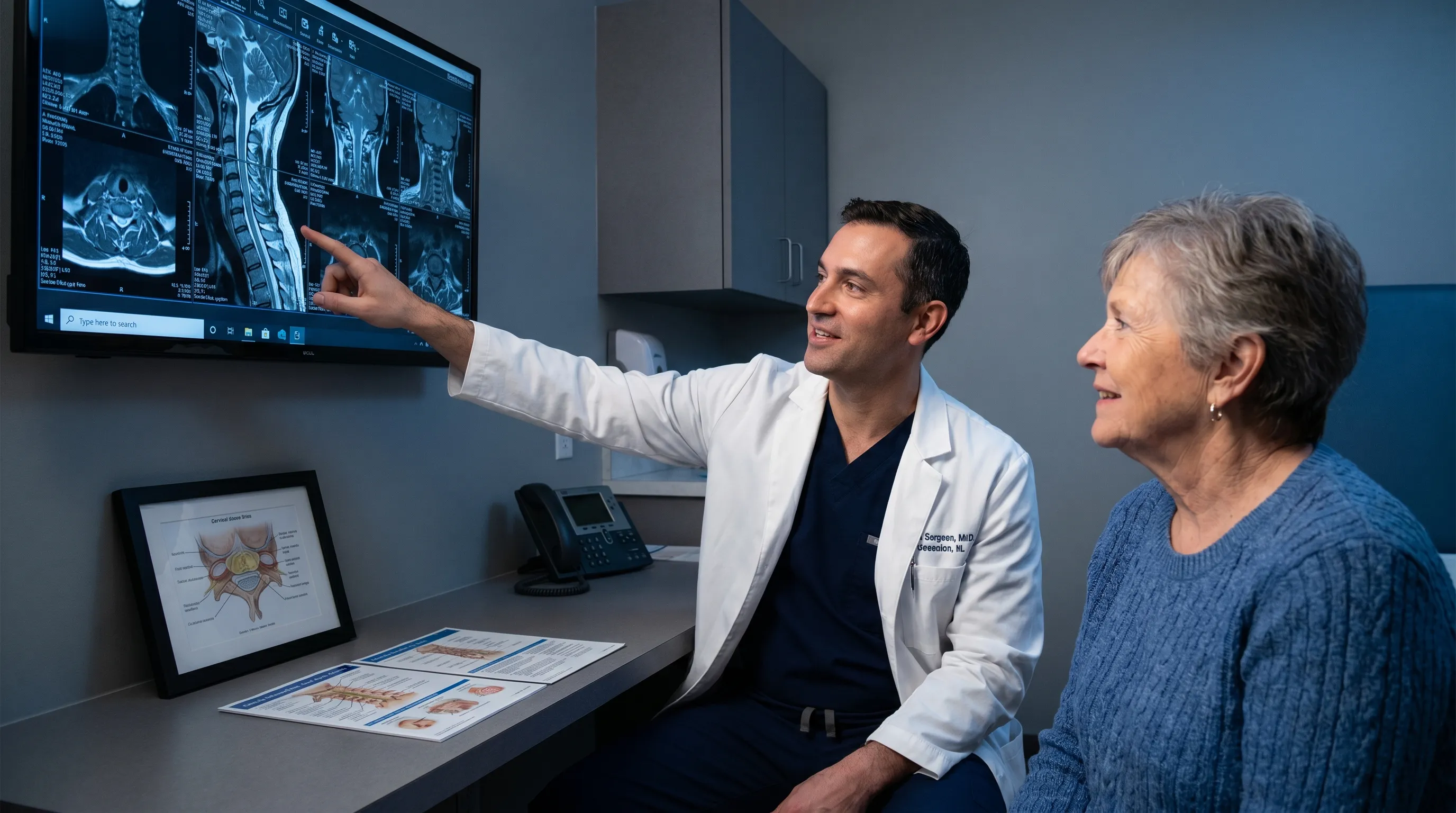
The Neck Surgery C5-C6-C7 Recovery Time: A Phase-by-Phase Guide
Recovery from lower cervical spine surgery is not a linear process; rather, it unfolds through distinct biological and functional phases. Each phase corresponds to specific tissue healing milestones, and respecting these timelines is critical for preventing setbacks and ensuring structural integrity. The neck surgery c5-c6-c7 recovery time typically spans several months, with functional improvements continuing for up to a year postoperatively. Evidence-based guidelines from the National Institutes of Health (NIH) and major academic medical centers provide a reliable framework for what to expect during each stage.
Phase 1: Hospital Discharge and the First Two Weeks
The immediate postoperative period focuses on wound healing, pain management, and safe mobilization. Most patients remain in the hospital for one to two days, depending on the complexity of the procedure and how quickly they regain normal swallowing function. Dysphagia, or difficulty swallowing, is extremely common due to anterior retraction of the esophagus during surgery. It typically resolves within the first few weeks as tissue inflammation subsides. During days one through fourteen, the primary goal is gentle ambulation. Short, frequent walks stimulate circulation, reduce the risk of blood clots, prevent pulmonary complications, and signal the body to shift from inflammatory to reparative processes, a protocol aligned with CDC recommendations for postoperative care. Patients are advised to avoid lifting anything heavier than five to ten pounds and must maintain strict neck alignment. A cervical collar may be prescribed to limit motion and protect the surgical construct during this fragile early stage. Pain management follows a multimodal strategy, transitioning quickly from intravenous analgesics to oral medications to minimize dependency risks.
Phase 2: Early Mobilization and Weeks 3 to 6
As acute inflammation decreases and surgical incisions heal, patients transition into a period of gradual functional restoration. By week three, most individuals can safely return to sedentary or desk-based work, provided they maintain proper ergonomic positioning. The neck muscles begin to adapt to their new structural alignment, though stiffness and localized soreness remain normal. Driving is typically permitted once the patient is off narcotic pain medications and can comfortably turn their head to check blind spots, which usually aligns with the four to six-week mark. According to clinical guidelines from the Mayo Clinic, initiating gentle, range-of-motion exercises during this window prevents excessive scar tissue formation and maintains joint flexibility. However, bending, twisting, and sudden neck movements remain strictly contraindicated to prevent hardware strain during early graft consolidation.
Phase 3: Bone Healing and Months 2 to 3
The physiological transition into weeks eight through twelve marks a crucial biological milestone: osteogenesis. Bone graft material begins integrating with the adjacent vertebral bodies through a complex cascade of cellular activity involving osteoblasts, vascular ingrowth, and collagen matrix deposition. While the surgical site is structurally stabilized by hardware, the fusion itself is still immature and vulnerable to shear forces. This is why the neck surgery c5-c6-c7 recovery time requires careful monitoring and strict activity progression. Physical therapy usually commences formally during this phase, focusing on cervical stabilization, scapular strengthening, and postural re-education. Patients often report significant improvements in radiating arm symptoms as neural inflammation continues to resolve and compressed nerve roots regain healthy circulation. X-ray imaging around the three-month mark typically confirms early fusion progression. Activity restrictions are gradually relaxed, but heavy lifting, high-impact sports, and overhead exertion remain prohibited.
Phase 4: Long-Term Fusion and Months 4 to 12
Maturation of the bony fusion continues well into the first year. Complete remodeling and solidification of the graft material typically occur between six and twelve months post-surgery, governed by Wolff law, which states that bone adapts to the mechanical demands placed upon it. During months four through six, patients progressively increase cardiovascular conditioning and resistance training under professional supervision. The cervical spine regains its capacity to handle daily mechanical loads, and most individuals can resume low-impact recreational activities like swimming, stationary cycling, or light jogging. By month twelve, the fusion is generally considered radiographically solid, and heavy lifting restrictions are lifted for most patients. Research indicates that while functional recovery plateaus around six months, neurological healing particularly for patients with severe preoperative nerve compression can continue for over a year due to the slow regeneration rate of peripheral nerve tissue, as outlined by NIH neurological research. Patience and adherence to rehabilitation protocols remain the strongest predictors of long-term success.
Factors That Directly Influence Healing Speed and Outcomes
The neck surgery c5-c6-c7 recovery time is highly individualized, shaped by a combination of surgical variables, patient biology, genetic predispositions, and postoperative behaviors. While baseline timelines provide a useful framework, understanding the specific factors that accelerate or delay healing allows patients to actively optimize their outcomes and communicate effectively with their care team.
Single-Level vs. Multi-Level Fusion Recovery
The number of vertebral levels surgically addressed has a direct correlation with rehabilitation duration and physiological demand. A single-level ACDF at C5-C6 or C6-C7 typically involves a shorter hospital stay, often allowing same-day or next-day discharge. Patients frequently return to light duties within two to three weeks, with complete bony consolidation achieved in three to six months. In contrast, a two-level fusion spanning both C5-C6 and C6-C7 introduces greater biomechanical alteration and surgical trauma. Hospitalization usually extends to two nights, desk work return pushes to four to six weeks, and full recovery often spans six to twelve months. When three levels are involved, the physiological demand multiplies further, with complete rehabilitation frequently exceeding twelve months. As noted in studies published in orthopaedic literature and reviewed by the NIH, multi-level patients achieve comparable long-term outcomes but require extended recovery periods due to the increased biological burden and longer lever arms acting on the surgical hardware.
Lifestyle Factors: Smoking, Nutrition, and Metabolic Health
Systemic health plays a decisive role in spinal healing and bone formation rates. Nicotine exposure is perhaps the most detrimental modifiable factor; vasoconstriction severely limits blood flow to the surgical site, depriving osteoblasts of oxygen and essential nutrients. Clinical data demonstrates that smoking reduces cervical fusion rates by up to forty percent and significantly prolongs inflammation and wound healing. Patients are strongly advised to abstain from all nicotine products, including vaping and patches, for at least six months pre- and postoperatively, per CDC smoking cessation guidelines. Similarly, uncontrolled diabetes impairs microvascular circulation and collagen synthesis, while osteoporosis compromises the structural integrity needed for screw anchoring. Optimal nutritional intake, particularly adequate protein, calcium, vitamin D3, vitamin K2, and magnesium, provides the biochemical building blocks required for rapid bone remodeling. Maintaining a healthy body mass index also reduces mechanical strain on the healing construct and lowers the risk of surgical site complications. Delaying or skipping physical therapy frequently extends the effective neck surgery c5-c6-c7 recovery time due to persistent muscular guarding and joint hypomobility.
The Critical Role of Rehabilitation and Physical Therapy
Surgical decompression and stabilization address the structural problem, but physical therapy rebuilds the functional capacity of the neck and upper body. Without guided rehabilitation, compensatory muscle imbalances can lead to chronic stiffness, altered posture, and secondary pain syndromes that mimic surgical failure. Evidence-based PT protocols begin with soft tissue mobilization and pain modulation techniques, progressing to deep neck flexor activation, scapulothoracic strengthening, and dynamic proprioceptive training. Therapists utilize manual techniques, therapeutic ultrasound, and neuromuscular re-education to restore healthy movement patterns. Patients who consistently attend therapy sessions and perform prescribed home exercises demonstrate superior functional outcomes and report higher satisfaction scores. The National Institute of Neurological Disorders and Stroke emphasizes that structured rehabilitation is non-negotiable for maximizing neural recovery and restoring full range of motion.

Managing Symptoms and Avoiding Complications During Recovery
Navigating the postoperative period requires a proactive approach to symptom management and vigilant monitoring for potential complications. While modern cervical spine surgery boasts high success rates, understanding what constitutes normal healing versus abnormal warning signs empowers patients to make informed decisions and seek timely medical intervention.
Common Post-Operative Experiences
Several transient symptoms are considered standard components of the early recovery trajectory. Anterior approach surgeries routinely cause temporary throat irritation, mild dysphagia, and occasional hoarseness due to manipulation near the recurrent laryngeal nerve. These neuropraxias typically resolve spontaneously within two to six weeks as nerve conduction restores and edema dissipates. Surgical site stiffness, localized swelling, and intermittent radiating tingling are also expected as the nervous system recalibrates following decompression. Ice application during the first forty-eight hours reduces acute inflammation, followed by moist heat therapy to relax hypertonic cervical musculature. Gradual medication weaning minimizes dependency risks while maintaining comfort for mobility and sleep. Emotional fluctuations, including temporary anxiety or postoperative depression, are normal responses to major surgery and physiological stress; establishing a strong support network and maintaining open communication with healthcare providers mitigates these effects, as supported by Mayo Clinic postoperative care guidelines.
Warning Signs That Require Immediate Medical Attention
Despite meticulous surgical technique, certain developments warrant urgent clinical evaluation. Persistent or worsening swallowing difficulties beyond several weeks may indicate esophageal irritation or, rarely, hardware prominence requiring adjustment. New-onset severe neck pain, sudden weakness in the arms or hands, or loss of bowel or bladder control are red flags requiring immediate emergency assessment to rule out spinal cord compression or epidural hematoma. Signs of surgical site infection, including spreading redness, purulent drainage, fever above 101.5°F, or escalating wound tenderness, demand prompt antibiotic intervention or possible revision, in accordance with WHO surgical safety protocols. Non-union, or pseudarthrosis, occurs when the vertebrae fail to fuse into a single solid bone. This complication is more prevalent in smokers, patients undergoing multi-level procedures, and those with metabolic bone disease. While many asymptomatic pseudoarthroses are monitored conservatively, symptomatic cases may require bone growth stimulators or revision surgery. Hardware loosening or failure is exceptionally rare but can manifest as mechanical instability or sudden functional regression.
Pain Management Strategies Beyond Medication
Pharmacological interventions address chemical pain pathways, but integrative strategies target biomechanical and neurological contributors. Diaphragmatic breathing exercises activate the parasympathetic nervous system, lowering heart rate and reducing pain perception. Cognitive behavioral techniques help patients reframe pain catastrophizing and build psychological resilience during challenging rehabilitation weeks. Proper ergonomic alignment at home using lumbar support, positioning computer monitors at eye level, and avoiding prolonged forward head posture prevents excessive strain on the healing cervical spine. Sleep hygiene optimization, including pillow selection and sleeping positions, dramatically impacts tissue recovery and hormonal regulation. Patients are encouraged to maintain open communication with their surgical team, adjusting pain protocols as healing progresses rather than masking symptoms that could indicate underlying complications.
Practical Recovery Roadmap: Actionable Tips for Success
Translating clinical guidelines into daily habits ensures steady progress and minimizes frustration. The following structured roadmap aligns with standard medical recommendations and provides clear, actionable benchmarks for each postoperative window.
Week-by-Week Activity Guidelines
Structured progression prevents overexertion while maintaining momentum. Below is a comprehensive timeline outlining safe activities and strict restrictions:
| Phase | Timeframe | Permitted Activities | Strict Avoidances | Key Milestones |
|---|---|---|---|---|
| Acute | Days 1-14 | Short walks (5-10 min), prescribed medications, elevated sleeping | Lifting >10 lbs, driving, bending/twisting, removing collar | Wound closure, safe swallowing, independent ambulation |
| Early Rehab | Weeks 3-6 | Desk work, extended walks, gentle ROM exercises (if cleared), weaning off narcotics | Heavy household chores, sudden neck movements, overhead reaching | Return to sedentary work, cleared for driving, reduced swelling |
| Mid Recovery | Weeks 6-12 | Formal PT initiation, light resistance bands, standing desks, gradual collar removal | High-impact exercise, running, contact sports, heavy lifting (>20 lbs) | Fusion visible on X-ray, significant arm symptom resolution |
| Strengthening | Months 3-6 | Low-impact cardio, swimming, cycling, progressive core/scapular strengthening | Maximal effort weightlifting, contact sports, extreme neck extension | Return to recreational activities, near-complete pain resolution |
| Full Function | Months 6-12 | All normal activities, heavy lifting (if cleared), sports participation | None (beyond individual surgeon clearance) | Solid bony fusion on imaging, full neurological recovery |
Sleep Ergonomics and Daily Habit Modifications
The cervical spine remains vulnerable during sleep when muscular support is inactive. Selecting a pillow that maintains neutral cervical alignment is non-negotiable. Memory foam or contour pillows that fill the space between the mattress and neck without forcing the head upward are ideal for promoting lymphatic drainage and tissue repair. Sleeping on the back or side is strongly preferred; stomach sleeping forces extreme cervical rotation and places dangerous torque on the fusion site. Daily habits also require temporary modification. Patients should avoid checking phones with the head flexed downward for prolonged periods, as this posture dramatically increases intradiscal pressure and muscular fatigue. Instead, bringing devices to eye level preserves surgical alignment. Hydration supports tissue pliability and cellular metabolism, while anti-inflammatory dietary choices like omega-3 rich foods, leafy greens, and turmeric aid systemic healing. Occupational demands heavily dictate the realistic neck surgery c5-c6-c7 recovery time for workforce reintegration.
Returning to Work, Driving, and Exercise
Sedentary professionals often resume duties within three to four weeks, utilizing adjustable workstations and scheduled micro-breaks every thirty minutes. Manual laborers, healthcare workers, and first responders require extended timelines, typically waiting three to six months before returning to full duty with graduated restrictions. Driving clearance depends on pain medication cessation, neck mobility, and emergency reaction capability. Most patients achieve safe driving status between four and six weeks, provided they practice controlled turning in a secure environment and can safely clear their shoulders without pain. Exercise progression must honor the biological healing curve. Walking begins immediately. Stationary biking can often commence at week six once clearance is given. Resistance training should initially focus on lower body and scapular stabilization, avoiding axial loading until solid fusion is confirmed. Listening to the body, respecting temporary setbacks, and maintaining consistent communication with healthcare providers ensure a sustainable return to peak physical performance and long-term spinal health.
Frequently Asked Questions
How long does it typically take to fully recover from C5-C6-C7 surgery?
Complete bony fusion and full functional restoration generally require six to twelve months, depending on the number of levels treated and individual biological factors. While many daily activities can be resumed within the first six to eight weeks, the internal bone graft continues remodeling for up to a year.
Why does swallowing feel difficult after anterior neck surgery?
Swallowing difficulties occur because the surgical approach requires gentle retraction of the esophagus and trachea to access the cervical spine. This temporary mechanical irritation, combined with postoperative tissue swelling, causes dysphagia that typically resolves spontaneously within two to six weeks as inflammation subsides.
Can I return to running or heavy lifting before six months?
High-impact activities and heavy axial loading are strongly discouraged before the three to six month mark. Premature exertion places excessive shear and compressive forces on the immature bone graft and surgical hardware, significantly increasing the risk of hardware loosening or non-union.
Does wearing a cervical collar slow down muscle strength recovery?
When prescribed, a cervical collar protects the surgical site during the vulnerable early phase. However, prolonged or unnecessary collar use can lead to muscular atrophy and joint stiffness. Patients should follow their surgeon exact weaning schedule and begin physical therapy promptly to restore strength once cleared.
How does smoking affect the healing timeline?
Smoking drastically impairs cervical fusion success by restricting blood flow and depriving bone-forming cells of oxygen and nutrients. Clinical evidence shows smokers face up to a forty percent higher risk of fusion failure and experience prolonged inflammation, often extending the overall recovery timeline by several months.
Conclusion
Navigating the neck surgery c5-c6-c7 recovery time requires patience, discipline, and a clear understanding of the biological healing process. While the initial weeks demand caution and protected mobilization, the subsequent months reward consistent rehabilitation with steadily returning strength and neurological relief. Success hinges not only on surgical precision but equally on patient adherence to activity guidelines, nutritional optimization, and structured physical therapy. By respecting tissue healing timelines and maintaining open communication with your medical team, you lay the strongest possible foundation for a durable fusion and a sustained return to an active, pain-managed life. Modern cervical spine interventions have transformed outcomes, and with the right preparation and commitment, you can confidently move forward through each recovery milestone toward lasting spinal wellness.
How we work
Researched and drafted with AI assistance, then reviewed by a human editor against the cited sources.
This article is general health information, not medical advice. Consult a qualified healthcare professional about your own situation.