Can Spinal Stenosis Kill You: Medical Facts, Risks, and Management
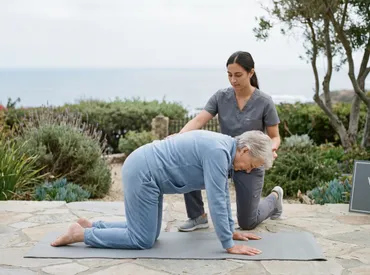
When a diagnosis of degenerative spine disease lands in your medical chart, it is completely natural to feel overwhelmed and anxious about what lies ahead. Many patients immediately search the internet, asking a deeply pressing question: can spinal stenosis kill you? The short, clinically accurate answer is that spinal stenosis itself is not a direct cause of mortality. However, understanding why this condition develops, how it impacts neurological function, and when it crosses into a medical emergency is crucial for long-term health preservation. The human spine serves as the central pillar of movement, protecting delicate nerve pathways that coordinate everything from basic locomotion to organ regulation. When those pathways become compressed, the consequences can be debilitating, though rarely fatal with appropriate care. Navigating the intersection of chronic pain, neurological compromise, and aging-related degeneration requires a clear, evidence-based roadmap. This comprehensive guide breaks down the pathophysiology of spinal narrowing, outlines the critical warning signs that demand immediate intervention, explores conservative and surgical treatment pathways, and delivers actionable strategies to protect your mobility and quality of life. Whether you have just received a diagnosis or are managing long-term symptoms, understanding the real risks and realistic expectations will empower you to take control of your spinal health journey.
What Is Spinal Stenosis?
Spinal stenosis refers to the pathological narrowing of the spinal canal or the neural foramina, the small openings through which nerve roots exit the vertebral column. This anatomical constriction places direct pressure on the spinal cord and peripheral nerves, disrupting normal signal transmission and triggering a cascade of mechanical and inflammatory responses. The condition is primarily age-related, driven by cumulative wear and tear on the intervertebral discs, facet joints, and supporting ligaments. Over decades of weight-bearing and repetitive motion, the lumbar discs dehydrate and lose height, the facet joints undergo osteoarthritic remodeling, and the ligamentum flavum thickens and loses elasticity. Each of these degenerative changes encroaches upon the limited space within the spinal canal, gradually compromising neural tissue.
Free calculatorBMI CalculatorCalculate Body Mass IndexOpen the calculatorCervical vs. Lumbar Stenosis
The clinical presentation of spinal stenosis varies significantly depending on the affected region of the spine. Cervical stenosis occurs in the neck region and involves compression of the spinal cord itself, a condition medically termed cervical myelopathy. Patients typically experience symptoms in all four extremities, including hand clumsiness, difficulty with fine motor tasks like buttoning shirts, altered gait, balance disturbances, and occasionally bowel or bladder dysfunction. Because the cervical spinal cord contains ascending sensory pathways and descending motor tracts that service the entire body, compression at this level demands particularly careful monitoring.
In contrast, lumbar stenosis is far more common, primarily affecting individuals over the age of 50. The lumbar spine lacks a continuous spinal cord at this level; instead, it contains the cauda equina, a bundle of nerve roots that resemble a horse's tail. Compression in this region typically causes neurogenic claudication, characterized by pain, heaviness, numbness, and cramping in the lower back, buttocks, and legs. Symptoms are usually exacerbated by walking or standing and are notably relieved by sitting or leaning forward on a shopping cart, a phenomenon known as flexion-biased symptom relief. This positional variation occurs because spinal flexion temporarily increases canal space, whereas extension narrows it further.
How It Develops Over Time
The progression of spinal stenosis is rarely sudden. Instead, it follows a slow, degenerative trajectory influenced by genetics, occupational stressors, previous spinal injuries, and systemic inflammatory conditions. Congenital spinal stenosis exists in a minority of patients who are born with naturally narrower canals, making them susceptible to symptoms earlier in adulthood when combined with mild degenerative changes. Acquired stenosis dominates clinical practice, heavily linked to osteoarthritis, degenerative disc disease, spondylolisthesis (vertebral slippage), and post-surgical scar tissue formation. Chronic low-grade inflammation within the facet joint capsules releases cytokines and metalloproteinases that accelerate cartilage breakdown and stimulate osteophyte formation. These bone spurs protrude into the canal, further reducing neural clearance. Understanding this gradual timeline is essential because it underscores why proactive intervention and early lifestyle modification can significantly alter the disease course before surgical options become necessary.
Can Spinal Stenosis Kill You Directly?
To address the core concern directly: no, spinal stenosis does not directly cause death. The anatomical narrowing itself does not impair vital organ function, disrupt respiratory mechanics, or trigger fatal cardiovascular events. Medical literature consistently classifies spinal stenosis as a debilitating but non-lethal condition when managed appropriately. However, the question of can spinal stenosis kill you persists because severe, untreated nerve compression can lead to profound functional decline, secondary health complications, and, in rare circumstances, emergent neurological syndromes that carry serious risks if ignored.
Understanding Direct Mortality Risks
From a strictly pathophysiological standpoint, the spinal cord and peripheral nerves do not control autonomic functions that are immediately necessary for survival, such as heart rate regulation, respiration, or hepatic metabolism. Therefore, even severe compression will not stop the heart or cause respiratory arrest. The nervous system's role here is primarily somatic and autonomic peripheral signaling. When those signals are disrupted, patients experience pain, sensory deficits, and motor weakness. While excruciating and functionally limiting, these symptoms are not inherently fatal. The misconception often stems from confusing spinal stenosis with high cervical trauma or catastrophic spinal cord injuries at the C1-C2 level, which can disrupt phrenic nerve output and cause respiratory failure. Degenerative stenosis does not present this acute, high-level risk profile.
Indirect Fatal Complications
While the condition itself is not lethal, secondary complications arising from chronic immobility and severe neurological compromise can indirectly increase mortality risk. Long-term mobility restriction leads to deconditioning, cardiovascular decline, and increased susceptibility to metabolic syndrome. Elderly patients with severe lumbar stenosis often adopt an antalgic, flexed posture to relieve pain, which significantly raises fall risk. Falls in older adults frequently result in hip or pelvic fractures, which carry a well-documented one-year mortality rate of up to 30% due to post-surgical complications, pneumonia, and venous thromboembolism. Additionally, chronic pain frequently correlates with depression, social isolation, and medication dependence, all of which compound overall health decline. Recognizing that can spinal stenosis kill you through these indirect pathways highlights the importance of comprehensive management that extends beyond pain relief to include mobility preservation, fall prevention, and cardiovascular maintenance.
The Role of Cauda Equina Syndrome
The most critical neurological emergency associated with lumbar stenosis is cauda equina syndrome (CES). Although extremely rare, occurring in less than 1% of stenosis cases, CES represents a surgical emergency that demands immediate intervention within 24 to 48 hours to prevent permanent paralysis, bowel/bladder incontinence, and severe quality-of-life deterioration. While CES itself is rarely fatal without delayed care, the associated complications of untreated urinary retention, recurrent infections, and immobility can become life-threatening in vulnerable populations. Prompt recognition and emergency decompression surgery are the definitive safeguards against irreversible damage. Understanding this distinction clarifies that while the condition is not inherently deadly, medical neglect of severe neurological red flags can lead to devastating, life-altering outcomes.
| Feature | Lumbar Spinal Stenosis | Cervical Spinal Stenosis | Emergency Indicators |
|---|---|---|---|
| Primary Symptoms | Leg pain, numbness, heaviness, neurogenic claudication | Neck pain, hand clumsiness, gait imbalance, arm/leg weakness | Bowel/bladder loss, saddle anesthesia, rapid motor decline |
| Aggravating Factors | Standing, walking downhill, spinal extension | Looking down, spinal extension, overhead lifting | Sudden onset after minor trauma, rapid progression over days |
| Relieving Factors | Sitting, forward bending, cycling | Rest, cervical traction, flexion posture | None; requires emergency medical evaluation |
| Progression Risk | Gradual functional decline, fall risk | Spinal myelopathy, permanent quadriparesis | Permanent neurological deficit, chronic incontinence |
| Primary Treatment | Physical therapy, epidural injections, decompression surgery | Cervical collar, anti-inflammatories, anterior cervical decompression/fusion | Immediate surgical decompression, corticosteroid administration |
When Symptoms Signal a Medical Emergency
Recognizing the boundary between manageable chronic discomfort and a true neurological emergency is the most critical skill patients can develop. The nervous system has a remarkable capacity for compensation until it suddenly reaches a decompensation threshold. Knowing when to bypass routine clinic appointments and proceed directly to an emergency department can preserve lifelong neurological function.
Red Flags You Must Not Ignore
Certain symptoms universally trigger an immediate red flag warning in spine care protocols. Sudden loss of voluntary control over urination or defecation indicates severe compression of the sacral nerve roots that innervate the bladder and rectal sphincters. Saddle anesthesia describes a distinct sensory loss in the perineum, inner thighs, and groin, directly corresponding to S2-S4 dermatomes. Rapidly progressive lower extremity weakness, especially when it involves foot drop or an inability to bear weight, suggests advanced motor root compromise. In cervical cases, sudden hand incoordination, frequent tripping without clear cause, and a sensation of walking on cotton or gravel warrant immediate imaging. If you experience these symptoms alongside a history of spinal stenosis, can spinal stenosis kill you becomes irrelevant compared to the immediate threat of permanent disability. Time is spinal cord tissue.
Neurological vs. Mechanical Pain
Differentiating between mechanical and neurological pain guides appropriate escalation. Mechanical pain typically arises from joint, disc, or muscle strain. It is often localized, movement-dependent, and improves with rest or targeted stretching. Neurological pain, by contrast, is characterized by burning, electric shocks, pins-and-needles paresthesias, and radiating patterns that follow specific dermatomes. Neurological deficits such as muscle atrophy, diminished reflexes, or objective sensory loss indicate axonal damage rather than mere irritation. When patients confuse these two pain types, they may delay necessary interventions or pursue inappropriate aggressive physical therapies that worsen nerve compression. A thorough neurological examination by a spine specialist, including straight leg raise tests, reflex grading, and sensory mapping, provides the clinical clarity needed to determine the correct treatment trajectory.
Long-Term Health Implications and Quality of Life
The true burden of spinal stenosis extends far beyond isolated pain episodes. It infiltrates daily routines, alters psychological well-being, and creates a cascade of secondary health challenges. Managing this condition requires a holistic perspective that addresses physical, mental, and social dimensions.
Mobility and Fall Risks in Older Adults
Chronic pain and neurogenic claudication inevitably reduce walking tolerance. Many patients gradually transition from independent ambulation to reliance on walking aids, strollers, or wheelchairs. This mobility decline directly impacts cardiovascular health, reducing VO2 max, impairing glucose metabolism, and accelerating sarcopenia (age-related muscle loss). Furthermore, altered biomechanics and proprioceptive deficits significantly increase fall frequency. Implementing fall-proofing strategies at home, removing trip hazards, installing grab bars, and wearing supportive footwear are non-negotiable steps. Balance training, tai chi, and vestibular rehabilitation can restore postural control and reduce fall incidence by up to 40%, dramatically improving long-term safety.
Psychological Toll and Chronic Pain Syndromes
Living with persistent spinal discomfort frequently triggers central sensitization, a maladaptive neuroplastic change where the nervous system amplifies pain signals. This process often intersects with chronic stress, sleep deprivation, and anxiety. The bidirectional relationship between chronic pain and depression is well-documented; untreated pain exacerbates depressive symptoms, and depression lowers pain thresholds, creating a vicious cycle. Cognitive behavioral therapy (CBT), mindfulness-based stress reduction (MBSR), and graded exposure therapy have demonstrated remarkable efficacy in breaking this cycle. Patients who address psychological health alongside physical treatment consistently report better functional outcomes, reduced opioid reliance, and improved treatment adherence.
Impact on Comorbid Conditions
Spinal stenosis rarely exists in isolation. It frequently overlaps with osteoporosis, type 2 diabetes, hypertension, and peripheral artery disease. Each comorbidity complicates treatment planning. For example, diabetic neuropathy can mask or mimic stenotic symptoms, making accurate diagnosis challenging. Osteoporotic fractures can cause acute canal compromise, requiring entirely different surgical approaches. Managing comorbidities aggressively optimizes the spine's healing capacity, reduces surgical complications, and preserves systemic resilience. Regular monitoring of HbA1c, bone density, and cardiovascular markers ensures that spinal care integrates seamlessly into broader health management.
Evidence-Based Treatment Pathways
Modern spine medicine emphasizes a stepped-care model that prioritizes conservative interventions before escalating to invasive procedures. Over 80% of patients achieve satisfactory symptom control through non-surgical methods, making lifestyle integration the cornerstone of effective management.
Conservative Management Strategies
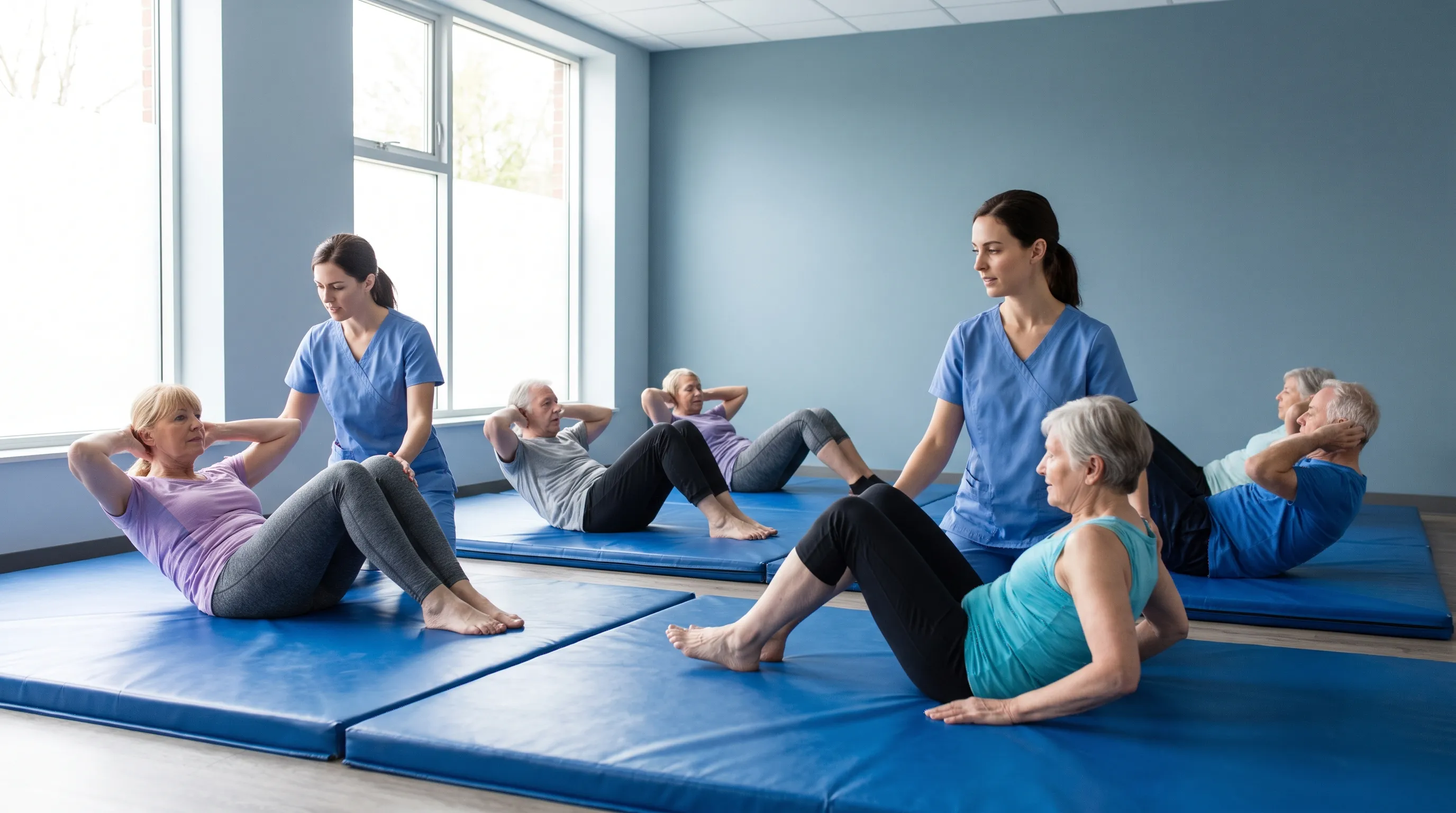
First-line therapy focuses on restoring mobility, reducing inflammation, and optimizing nerve function. Physical therapy programs emphasize flexion-biased exercises that open the spinal canal, such as pelvic tilts, knee-to-chest stretches, and stationary cycling. Core stabilization strengthens the transversus abdominis and multifidus muscles, creating a natural muscular corset that offloads the vertebrae. Epidural steroid injections (ESIs) deliver targeted corticosteroids to inflamed nerve roots, providing temporary but often profound relief that enables patients to participate effectively in rehabilitation. Oral medications, including NSAIDs, gabapentinoids, and duloxetine, address inflammatory and neuropathic pain pathways. Transcutaneous electrical nerve stimulation (TENS) and aquatic therapy further enhance circulation and reduce mechanical stress without joint impact.
When Surgery Becomes Necessary
Surgical intervention is reserved for patients who fail 3 to 6 months of optimized conservative care, experience progressive neurological deficits, or suffer from intractable pain that severely diminishes quality of life. Decompressive laminectomy remains the gold standard, removing portions of the lamina and thickened ligaments to restore canal space. Laminotomy and laminoplasty preserve more structural bone while achieving similar decompression outcomes. Spinal fusion is indicated when stenosis coexists with significant spondylolisthesis or spinal instability. Minimally invasive techniques utilize tubular retractors and endoscopic visualization, reducing muscle trauma, blood loss, and recovery time. Post-operative rehabilitation begins within days, emphasizing gentle mobilization, gait training, and gradual core reactivation. When patients wonder can spinal stenosis kill you after hearing surgical risks, it is important to note that modern perioperative protocols, including pre-habilitation, multimodal analgesia, and enhanced recovery after surgery (ERAS) pathways, have dramatically improved safety and accelerated functional restoration.
Emerging Therapies and Rehabilitation
The field of interventional pain management continues to evolve rapidly. Regenerative therapies utilizing platelet-rich plasma (PRP) and bone marrow aspirate concentrate (BMAC) show promise in modulating inflammatory responses and promoting disc hydration, though clinical consensus on long-term efficacy remains under active investigation. Spinal cord stimulation (SCS) and dorsal root ganglion (DRG) stimulation offer neuromodulation options for refractory neuropathic pain. Advanced rehabilitation protocols now integrate virtual reality-based balance training, wearable motion sensors for gait analysis, and telehealth-guided home programs that ensure consistent exercise adherence. Staying informed about these innovations helps patients make collaborative, evidence-aligned decisions with their care teams.
Practical Lifestyle Modifications and Prevention
Sustained spinal health depends heavily on daily habits that protect neural space and maintain tissue resilience. Integrating simple, consistent modifications into your routine yields compounding benefits over time.
Ergonomic Adjustments for Daily Living
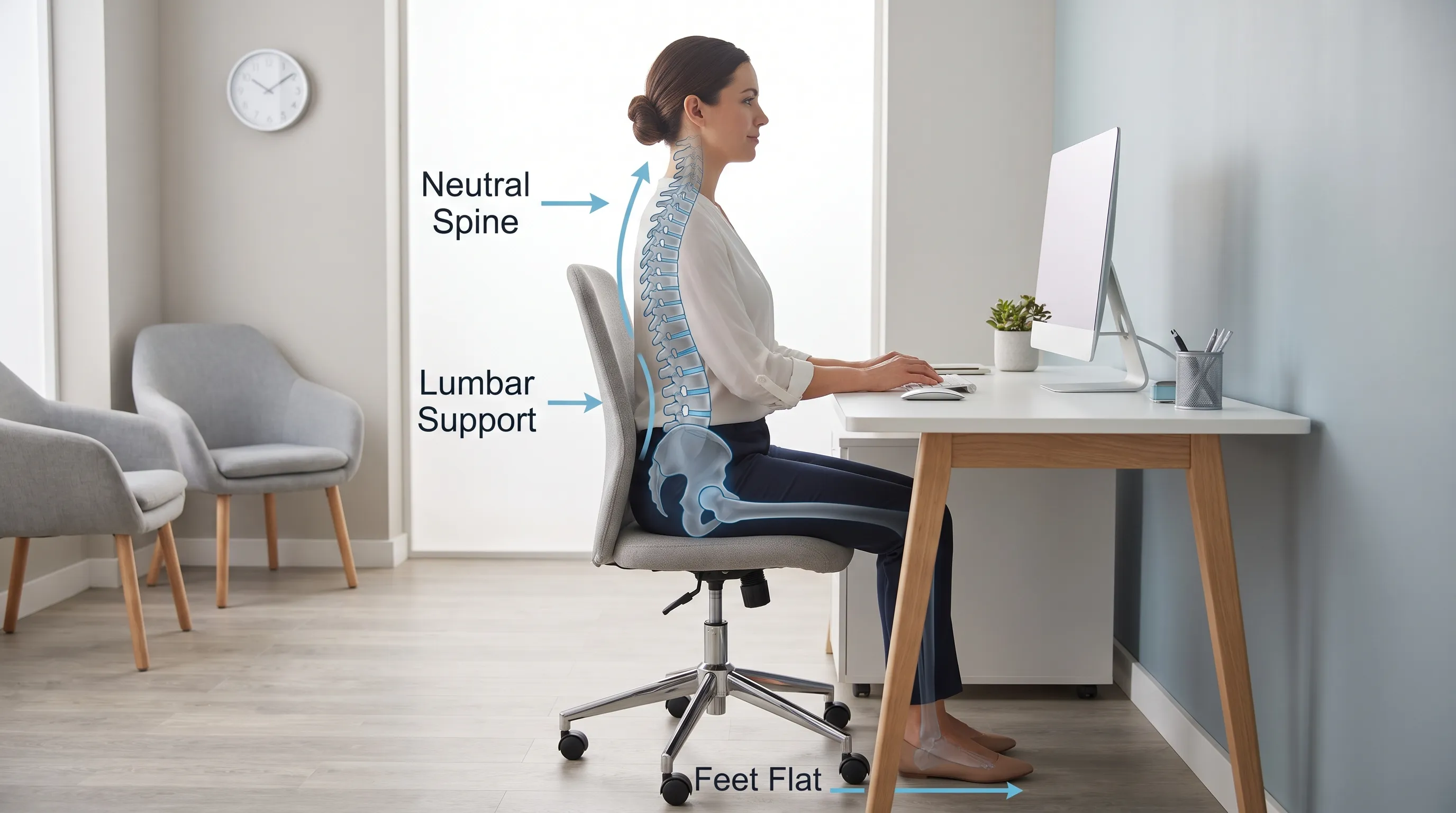
Modern sedentary lifestyles place unprecedented stress on the spine. Sitting for prolonged periods increases intradiscal pressure by up to 40% compared to standing, accelerating disc dehydration and postural kyphosis. Implementing ergonomic workstations with lumbar support, adjustable monitor height, and footrests maintains neutral spinal alignment. Micro-breaks every 30 minutes, combined with standing or walking intervals, restore nutrient diffusion to discs. For sleep, medium-firm mattresses with proper pillow support that keeps the cervical spine aligned with the thoracic spine prevent overnight nerve compression. Side sleepers benefit from knee pillows that reduce pelvic rotation and lumbar shear forces.
Targeted Exercise and Spinal Hygiene
Consistent movement is the single most protective factor against stenosis progression. Low-impact cardiovascular activities such as stationary cycling, elliptical training, and aquatic aerobics promote blood flow to paraspinal muscles without jarring the facet joints. Yoga and Pilates, when modified for spinal stenosis, improve thoracic mobility, hamstring flexibility, and deep core endurance. Patients must avoid exercises that involve heavy spinal loading, extreme lumbar extension, or repetitive high-impact jumping, as these mechanically narrow the canal and exacerbate nerve irritation. Spinal hygiene principles teach patients to hinge at the hips rather than bend at the waist, engage the glutes during lifting, and maintain a neutral spine during daily tasks. Mastering these biomechanical fundamentals transforms ordinary movements into therapeutic interventions.
Nutrition and Inflammation Management
Systemic inflammation directly fuels degenerative spinal changes. Diets rich in processed sugars, trans fats, and excessive omega-6 fatty acids promote cytokine release that accelerates cartilage degradation and nerve sensitivity. Transitioning to an anti-inflammatory nutritional pattern, such as the Mediterranean diet, introduces omega-3 fatty acids, polyphenol-rich vegetables, lean proteins, and whole grains that actively modulate inflammatory pathways. Adequate hydration maintains disc hydration and tissue elasticity, while vitamin D and calcium support bone density, reducing fracture risk that could precipitate acute stenotic crises. Supplements like curcumin, magnesium, and collagen peptides may provide adjunctive support, though they should complement, not replace, whole-food nutrition. Combining dietary optimization with targeted movement creates a synergistic environment where the spine heals, functions efficiently, and resists accelerated degeneration.
Frequently Asked Questions
Can spinal stenosis kill you directly from nerve compression?
Spinal stenosis does not directly cause mortality through nerve compression alone. The condition affects somatic and peripheral autonomic nerves rather than vital organ control centers. However, severe untreated compression can lead to cauda equina syndrome or cervical myelopathy, which require emergency surgical decompression to prevent permanent paralysis and life-altering complications. Prompt medical evaluation ensures safe, effective management without mortality risk.
What are the most effective exercises for lumbar spinal stenosis?
Flexion-biased exercises that temporarily increase spinal canal space provide the greatest symptom relief. Knee-to-chest stretches, pelvic tilts, stationary cycling, and aquatic walking reduce neural compression while improving circulation. Core stabilization targeting the transversus abdominis and multifidus muscles creates dynamic support for the vertebrae. Patients should avoid repetitive lumbar extension, heavy spinal loading, and high-impact jumping, as these mechanically narrow the canal and worsen nerve irritation.
How long does it take to recover from spinal stenosis surgery?
Initial hospitalization typically ranges from one to three days for decompression procedures. Early mobilization begins within 24 hours to prevent complications. Significant pain reduction and functional improvement occur within six to eight weeks as soft tissues heal and inflammation subsides. Full bony fusion, when applicable, requires three to six months. Structured physical therapy accelerates recovery, with most patients returning to light daily activities within two months and full occupational duties within three to four months.
Can spinal stenosis kill you through fall-related complications in elderly patients?
While the condition itself is not fatal, it significantly increases fall risk due to leg weakness, sensory deficits, and gait instability. Falls in older adults often result in hip or pelvic fractures, which carry a one-year mortality rate of up to 30% due to post-surgical complications, pneumonia, and venous thromboembolism. Preventing falls through home modification, balance training, mobility aids, and proper footwear indirectly protects against fatal secondary events.
Is it possible to reverse spinal stenosis naturally without surgery?
Anatomical canal narrowing caused by bone spurs and ligament thickening cannot be naturally reversed. However, symptoms and functional limitations can be dramatically reduced and stabilized through non-surgical management. Consistent flexion-biased exercise, targeted physical therapy, ergonomic optimization, weight management, and anti-inflammatory nutrition decrease mechanical stress on the nerves. Many patients achieve long-term symptom control and avoid surgery entirely by maintaining these evidence-based lifestyle practices.
Conclusion
Addressing the question of can spinal stenosis kill you reveals a clear medical reality: the condition is rarely life-threatening when managed with appropriate clinical guidance. The true challenge lies in recognizing the difference between manageable degenerative discomfort and urgent neurological compromise. By staying vigilant to red flags, embracing conservative rehabilitation pathways, and implementing protective lifestyle modifications, patients preserve mobility, protect neural function, and maintain high quality of life. Spinal health is not static; it responds dynamically to movement, nutrition, posture, and proactive medical care. Empowering yourself with accurate information, collaborating closely with spine specialists, and committing to consistent daily habits transforms a potentially limiting diagnosis into a manageable aspect of healthy aging.
For ongoing guidance, reputable clinical resources like the National Institute of Neurological Disorders and Stroke (NINDS) and the American Academy of Orthopaedic Surgeons (AAOS) provide continuously updated, evidence-based protocols. Remember, when you ask can spinal stenosis kill you, the answer redirects focus toward empowerment, prevention, and proactive management. Your spine supports every step you take; protecting it with informed care ensures you keep moving forward, comfortably and confidently, for years to come.
How we work
Researched and drafted with AI assistance, then reviewed by a human editor against the cited sources.
This article is general health information, not medical advice. Consult a qualified healthcare professional about your own situation.