Botox for TMJ: Clinical Benefits, Treatment Process, and Safety Guidelines
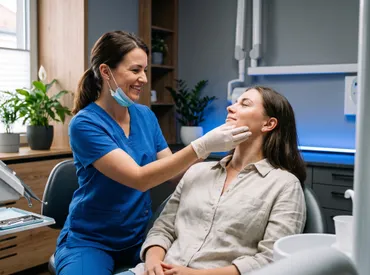
Chronic jaw discomfort, relentless teeth grinding, and the frustrating cycle of tension headaches can dramatically reduce your quality of life. For countless individuals navigating the complexities of temporomandibular joint dysfunction, conventional therapies sometimes fall short, leaving patients searching for more effective, targeted interventions. In recent years, the clinical application of neuromodulators has emerged as a highly sought-after solution for muscular orofacial pain. When administered by qualified healthcare professionals, botox for tmj disorder has demonstrated remarkable efficacy in reducing muscle hyperactivity, alleviating chronic discomfort, and restoring functional jaw mobility. Understanding the science behind this treatment, knowing what to expect during the procedure, and recognizing the appropriate candidates are essential steps toward making an informed, medically sound decision. This comprehensive guide breaks down the clinical mechanisms, safety profiles, and evidence-based protocols that define modern neuromuscular jaw therapy, empowering you with the knowledge needed to navigate your treatment journey confidently and safely.
Understanding TMJ Disorder and Chronic Jaw Pain
The temporomandibular joint is one of the most complex articulations in the human body, functioning as a sliding hinge that connects the mandible to the temporal bone of the skull. Unlike a simple ball-and-socket joint, the TMJ relies on a coordinated interplay between bone, cartilage, ligaments, and powerful masticatory muscles to facilitate speaking, chewing, and swallowing. When this delicate system becomes disrupted, patients experience a condition broadly classified as temporomandibular joint disorder, or TMD. This is not a single disease but rather an umbrella term encompassing myofascial pain, internal derangement of the joint, degenerative joint disease, and hypermobility syndromes. The most prevalent form involves myofascial pain syndrome, where sustained muscle contraction leads to localized tenderness, restricted movement, and referred pain radiating to the temples, neck, and shoulders. According to the National Institute of Dental and Craniofacial Research (NIDCR), approximately 10 million Americans suffer from some form of TMJ dysfunction, with women disproportionately affected, possibly due to hormonal influences, higher prevalence of stress-related clenching, and anatomical variations.
Free calculatorDosage CalculatorCalculate medication dosageOpen the calculator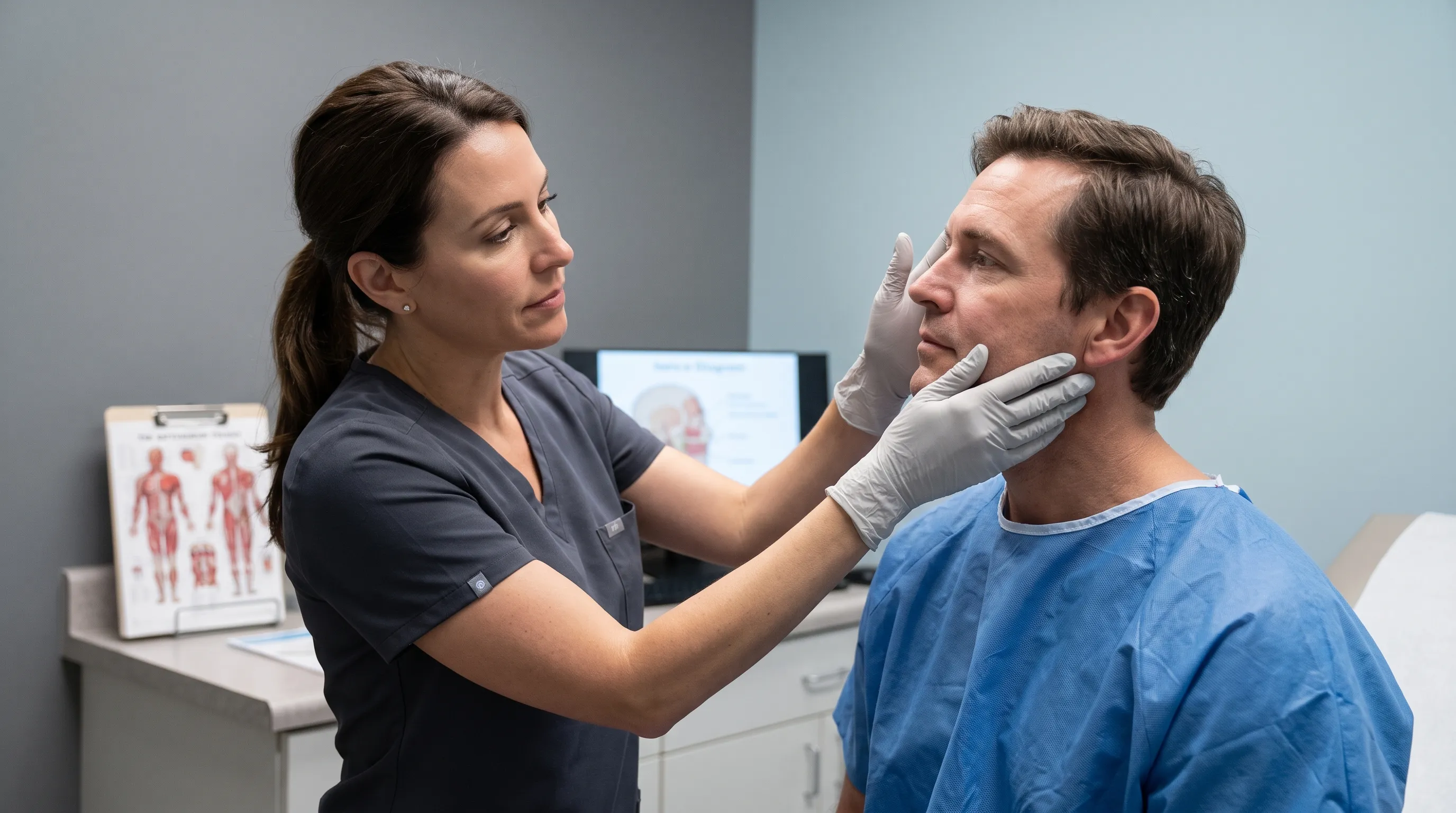
What Causes Temporomandibular Joint Dysfunction?
The etiology of TMJ dysfunction is multifactorial, often requiring a holistic assessment to identify contributing triggers. Chronic bruxism, characterized by involuntary grinding or clenching of the teeth, remains the most common muscular driver. During sleep or periods of heightened stress, the masseter and temporalis muscles generate forces up to four times greater than normal chewing, leading to microtrauma, inflammation, and eventual muscle spasm. Dental malocclusion, missing teeth, or poorly fitting restorations can alter bite mechanics, forcing the jaw into compensatory positions that strain the joint capsule. Postural imbalances, particularly forward head posture from prolonged screen time, place abnormal tension on the cervical and suboccipital musculature, which shares fascial connections with the masticatory system. Psychological stress, sleep disorders like sleep apnea, and certain medications that alter serotonin or dopamine pathways have also been linked to heightened muscle tone. Trauma from whiplash, dental procedures requiring prolonged mouth opening, or repetitive habits like chewing gum excessively can initiate a cascade of muscular dysfunction that becomes self-perpetuating without targeted intervention.
Signs and Symptoms to Watch For
Recognizing early warning signs can prevent minor discomfort from progressing into chronic pain cycles. Patients frequently report a dull, aching sensation in front of the ear, jaw stiffness upon waking, and audible clicking or popping sounds during mouth opening. In more advanced cases, the joint may lock, preventing full opening or closing. Headaches localized to the temples or radiating to the occipital region are common, as are earaches, tinnitus, and even neck pain. Tooth sensitivity or wear patterns observed by a dentist often provide the first clinical clues of nocturnal grinding. Some individuals experience a burning sensation in the mouth or unexplained ear fullness, which can mimic sinus or ear infections. Because symptoms overlap with numerous craniofacial conditions, an accurate diagnosis requires a thorough clinical examination, imaging when necessary, and differentiation from dental abscesses, trigeminal neuralgia, or giant cell arteritis. Early intervention significantly improves prognosis and reduces the likelihood of developing irreversible joint degeneration.
How Does Botulinum Toxin Work on the Jaw Muscles?
The therapeutic success of neuromodulators in managing orofacial pain stems from their highly targeted mechanism of action at the neuromuscular junction. Botulinum toxin, a purified neurotoxin protein complex, functions as a presynaptic inhibitor that temporarily blocks the release of acetylcholine, the primary neurotransmitter responsible for muscle contraction. When precisely administered into hyperactive masticatory muscles, it creates a localized, reversible chemical denervation. This reduction in muscular force allows chronically contracted fibers to relax, interrupts pain-spasm-pain feedback loops, and promotes tissue healing by decreasing ischemic compression of nerves and blood vessels. Importantly, botulinum toxin does not destroy nerves or muscles; it simply modulates signaling for a finite period, after which normal neuromuscular transmission naturally resumes.
The Science Behind Neuromuscular Blockade
At the molecular level, botulinum toxin binds irreversibly to SNAP-25, a protein essential for the docking and fusion of acetylcholine-containing synaptic vesicles with the neuronal membrane. Without SNAP-25 functionality, vesicles cannot release their neurotransmitter payload into the synaptic cleft. Muscle fibers consequently lose their stimulation, leading to gradual atrophy of the overused muscle belly and a profound decrease in resting tone. This physiological relaxation translates directly into clinical relief, as reduced tension decreases intra-articular pressure within the TMJ, minimizes compressive forces on the articular disc, and lowers the mechanical stress on adjacent fascial structures. Peer-reviewed studies published in the Journal of Oral and Maxillofacial Surgery consistently demonstrate that targeted injections reduce electromyographic activity in the masseter by 40 to 60 percent within two to three weeks post-treatment. This measurable physiological change explains why patients experience such significant reductions in clenching intensity and associated pain levels.
Target Muscles: Masseter, Temporalis, and Pterygoid
Effective treatment requires precise anatomical targeting, as different muscles contribute uniquely to TMJ pathology. The masseter, a thick rectangular muscle on each side of the face, is the primary elevator of the mandible and the most common site of injection due to its role in grinding and clenching. Overactivity here causes hypertrophy, leading to a widened, square jawline and localized tenderness. The temporalis, a broad fan-shaped muscle spanning the temple region, assists in jaw closure and retrusion; hyperactivity manifests as tension headaches and temple pain. The medial and lateral pterygoid muscles, located deep within the infratemporal fossa, govern lateral jaw movements and protrusion. While more challenging to access, the lateral pterygoid is frequently implicated in anterior disc displacement and internal joint derangement. Clinicians use surface palpation, functional testing, and sometimes ultrasound or electromyography to map injection sites. By calibrating dosage across these muscle groups, practitioners can address the full kinetic chain of masticatory dysfunction rather than treating isolated symptoms.
The Clinical Procedure: What Happens During Treatment?
Seeking botox for tmj requires consultation with a licensed and properly trained medical professional, typically an oral and maxillofacial surgeon, a board-certified dentist specializing in orofacial pain, a neurologist, or a dermatologist with extensive facial anatomy expertise. The procedure itself is minimally invasive, typically completed in a single office visit lasting 20 to 40 minutes. Before any needles are introduced, a comprehensive assessment establishes baseline muscle tension, bite alignment, and joint functionality. Clinicians document pre-treatment photographs, measure maximum interincisal opening, and evaluate tenderness on palpation to track clinical progress. This initial evaluation also ensures that red flags like infection, tumors, or severe joint degeneration are not overlooked. Once cleared, the treatment room is prepared with sterile gloves, antiseptic swabs, fine-gauge insulin syringes, and properly stored reconstituted toxin. The entire process prioritizes patient comfort, anatomical precision, and evidence-based dosing protocols.
Pre-Treatment Evaluation and Mapping
Accurate mapping begins with functional muscle testing. Patients are asked to clench their teeth tightly while the clinician palpates the masseter and temporalis to identify the most hypertonic and tender regions. This dynamic assessment prevents superficial injections that miss the motor points of the muscle belly. For patients with complex cases or previous treatments, ultrasound guidance may be employed to visualize muscle thickness and avoid vascular structures. The clinician calculates dosage based on muscle mass, severity of symptoms, and prior treatment history. Standard dosing ranges from 15 to 50 units per side for the masseter, with lower doses for the temporalis and highly cautious, micro-dose techniques for pterygoid muscles if indicated. Patients receive detailed consent documentation outlining off-label use, realistic expectations, potential side effects, and post-care instructions. Hydration and avoiding anti-inflammatory medications or alcohol 24 hours prior to treatment are typically recommended to minimize bruising.
Injection Techniques and Dosage Considerations
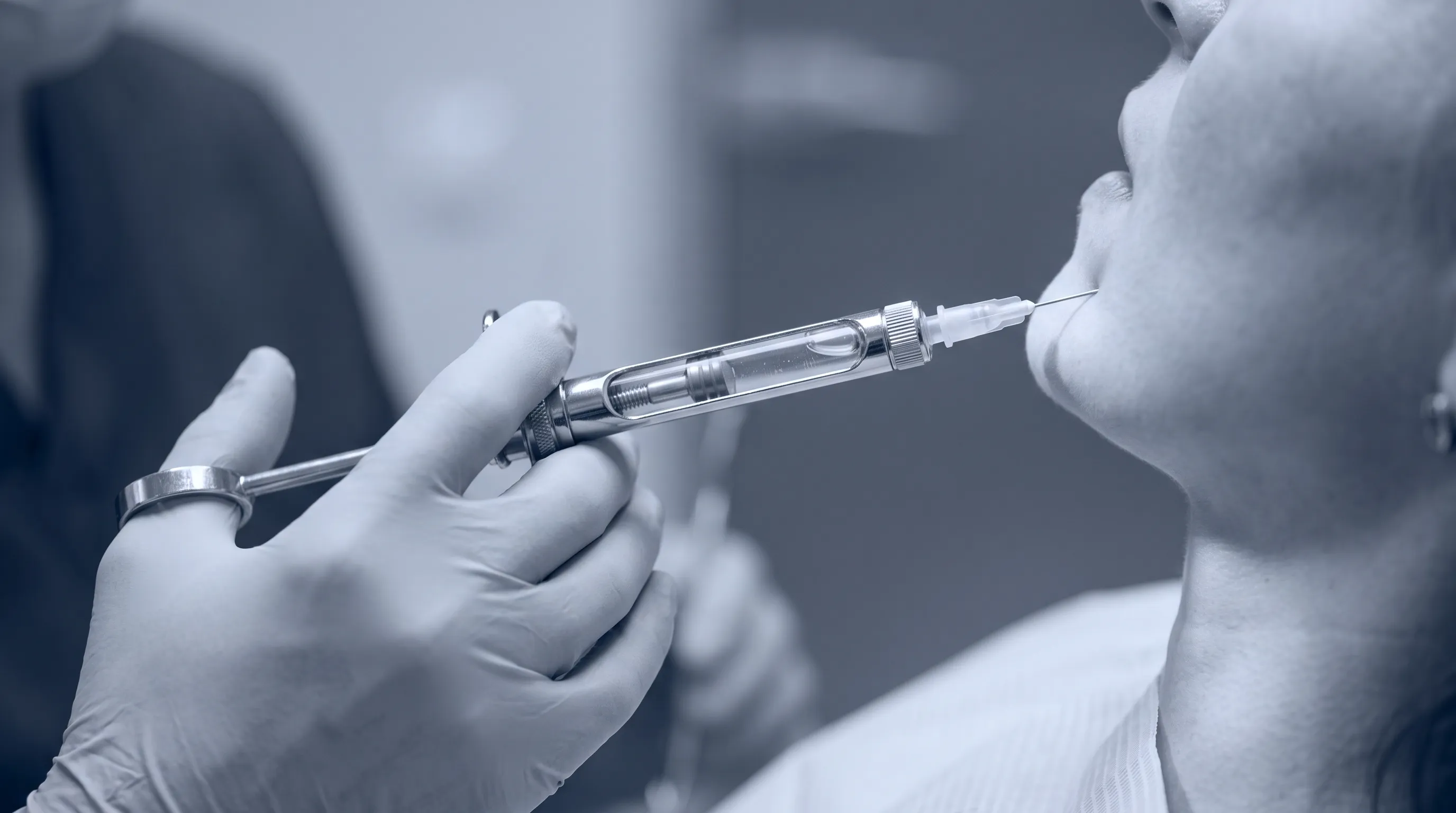
The actual injection process utilizes ultrafine 30- to 32-gauge needles inserted at a 90-degree angle into the identified motor points. The clinician aspirates to ensure no vascular entry, then administers small aliquots while slowly withdrawing the needle to achieve even distribution within the muscle belly. Patients often describe a brief pinching sensation, though most tolerate the procedure well with topical numbing cream or ice packs applied beforehand. The total volume is usually split into two to four injection sites per muscle to maximize coverage. Immediately post-injection, patients are instructed to gently activate the treated muscles by clenching and relaxing for a few minutes to promote toxin uptake. They are advised to remain upright for four hours, avoid strenuous facial movements, massage, or heat exposure for 24 hours, and refrain from dental procedures for one to two weeks to prevent toxin migration. Most individuals resume normal activities immediately, with full therapeutic effects becoming apparent between days 7 and 14.
Benefits, Efficacy, and Realistic Expectations
The primary appeal of botox for tmj lies in its dual capacity to deliver symptomatic relief while addressing underlying muscular dysfunction. Unlike oral medications that systemically alter pain perception or carry gastrointestinal and sedation risks, neuromodulators act locally at the target site, offering a favorable safety profile and rapid functional improvement. Clinical trials and retrospective analyses consistently demonstrate significant reductions in pain scales, decreased reliance on rescue analgesics, and measurable improvements in jaw mobility. Patients frequently report improved sleep quality due to the cessation of nocturnal grinding, fewer tension headaches, and a noticeable softening of facial contours as the hypertrophied masseter gradually atrophies. These aesthetic changes, while not the primary therapeutic goal, are often welcomed secondary benefits that contribute to enhanced self-confidence and psychosocial well-being.
Pain Relief and Improved Jaw Function
The most immediate and impactful outcome is the substantial decrease in myofascial pain intensity. By interrupting the cycle of sustained contraction and ischemia, the treated muscles regain elasticity and resting length. This reduction in basal tone decreases compressive forces on the articular disc and retrodiscal tissues, alleviating joint pain that was previously secondary to muscular overload. Many patients notice a progressive easing of jaw stiffness within the first two weeks, culminating in a pain-free maximum opening by week four. Functional improvements extend to eating comfort, speech articulation, and the ability to yawn or laugh without triggering spasms. Physical therapists often report easier manual therapy progression when botulinum toxin is integrated into a multidisciplinary care plan, as reduced muscle guarding allows for safer stretching, trigger point release, and mobilization techniques that were previously too painful to perform.
Impact on Bruxism and Headache Frequency
Nocturnal bruxism and daytime clenching are among the most destructive contributors to TMJ pathology, yet they are notoriously difficult to manage with behavioral modifications alone. Botox reduces the peak force of involuntary contractions without eliminating normal chewing or speaking function. This protective effect prevents further enamel attrition, reduces strain on periodontal ligaments, and minimizes microfractures in dental restorations. Consequently, the frequency and intensity of cervicogenic and tension-type headaches often decline significantly. The trigeminocervical complex shares pain pathways between the head, face, and upper neck; when masseter and temporalis hyperactivity decreases, downstream neural sensitization resolves. Patients frequently track their symptom severity using validated pain diaries, noting fewer headache days, decreased need for triptans or NSAIDs, and longer pain-free intervals. Over successive treatment cycles, some individuals experience a cumulative benefit where baseline muscle tension remains lower, potentially allowing for extended intervals between maintenance sessions.
Risks, Side Effects, and Safety Considerations
While botulinum toxin injections are widely regarded as safe when administered by trained professionals, they are medical procedures that carry inherent risks. Understanding the difference between common, transient side effects and rare complications is crucial for informed consent and optimal recovery. The vast majority of adverse events are mild, localized, and self-limiting, resolving spontaneously within days. However, improper technique, excessive dosing, or individual anatomical variations can lead to undesirable outcomes. Patients must recognize that this is an off-label use approved primarily for cosmetic indications, chronic migraines, cervical dystonia, and severe hyperhidrosis. Therefore, seeking treatment only from practitioners with advanced orofacial anatomy training, proper licensing, and adherence to sterile protocols is non-negotiable.
Temporary vs. Long-Term Complications
The most frequently reported side effects include localized bruising, mild swelling, tenderness at the injection site, and transient asymmetry during the first week as the toxin distributes unevenly. Some patients experience a sensation of heaviness or fatigue in the jaw, particularly during vigorous chewing, which typically resolves within two to three weeks. Temporary difficulty smiling or pronouncing certain words may occur if the toxin diffuses into adjacent depressor muscles or the zygomaticus group, highlighting the importance of conservative dosing and precise placement. Rare but more serious complications include dysphagia, facial droop, or unintended migration affecting eye closure. Long-term complications such as significant muscle atrophy leading to functional impairment or compensatory hyperactivity in untreated muscles are extremely uncommon when protocols are followed. Regular reassessment allows clinicians to adjust future dosing, alternate injection sites, and prevent over-treatment that could compromise oral function.
Contraindications and When to Avoid Treatment
Absolute contraindications include pregnancy, lactation, known hypersensitivity to botulinum toxin components, active facial or dental infections, and certain neuromuscular junction disorders like myasthenia gravis, Lambert-Eaton syndrome, or ALS. Patients taking aminoglycoside antibiotics, calcium channel blockers, or muscle relaxants may experience potentiated neuromuscular blockade and require dose adjustments or avoidance. Those with bleeding disorders or on anticoagulant therapy should consult their prescribing physician prior to treatment, as needle puncture carries a higher bruising risk. Individuals with unrealistic expectations, body dysmorphic disorder, or untreated severe psychiatric conditions may not be suitable candidates. A thorough medical history review and physical examination should precede every treatment cycle. Transparency regarding previous procedures, cosmetic treatments, and medication use ensures the highest standard of care and prevents dangerous drug interactions or compounded tissue trauma.
Complementary Strategies for Long-Term Relief
While neuromodulators provide powerful symptomatic control, sustainable management of temporomandibular dysfunction requires a comprehensive, multidisciplinary approach. Relying solely on periodic injections without addressing behavioral triggers, postural habits, and underlying biomechanical imbalances often leads to suboptimal long-term outcomes. Integrating physical rehabilitation, stress reduction techniques, and targeted lifestyle modifications creates a synergistic effect that prolongs treatment intervals, reduces recurrence severity, and promotes lasting tissue health. Evidence consistently shows that patients who combine botulinum therapy with active rehabilitation achieve superior functional gains and report higher satisfaction scores than those undergoing isolated pharmacologic intervention.

Physical Therapy and Jaw Exercises
Specialized physical therapy plays a pivotal role in restoring normal joint mechanics and retraining muscle coordination. Therapists employ manual techniques such as myofascial release, intraoral muscle stripping, and gentle joint mobilizations to break up adhesions and improve tissue extensibility. Home exercise programs typically include controlled jaw opening, lateral deviation drills, and cervical stabilization routines designed to correct postural contributors like forward head alignment. Proprioceptive neuromuscular facilitation techniques help patients recognize and consciously release clenching patterns during waking hours. Ultrasound therapy, TENS units, and thermal modalities may be incorporated during acute phases to modulate pain and reduce inflammation. Consistency is paramount; patients who perform prescribed exercises daily often notice improved mobility and decreased reliance on pharmacologic adjuncts within eight to twelve weeks.
Lifestyle Modifications and Stress Management
Behavioral factors heavily influence TMJ symptom severity, making daily habit modification essential. Dietary adjustments, such as consuming soft foods during flare-ups, avoiding gum chewing, and cutting tough or large bites into smaller pieces, reduce mechanical strain on healing tissues. Postural awareness, particularly during computer work and phone use, prevents sustained cervical flexion that exacerbates jaw tension. Implementing a consistent sleep routine, limiting screen time before bed, and using ergonomic supports for neck alignment can significantly decrease nocturnal clenching. Stress management remains a cornerstone of care; cognitive behavioral therapy, mindfulness meditation, diaphragmatic breathing, and progressive muscle relaxation lower sympathetic nervous system activation, directly reducing involuntary muscle contraction. Patients are encouraged to keep a symptom journal to identify personal triggers, track progress, and adjust interventions proactively. When integrated thoughtfully, these strategies transform temporary relief into enduring wellness.
Comparing Treatment Options
Navigating the landscape of TMJ interventions can feel overwhelming, especially when weighing the costs, efficacy, and recovery timelines of different modalities. Below is a comparative overview to help patients understand how neuromodulator therapy fits within the broader spectrum of care. Each approach targets different aspects of the condition, and combination protocols are increasingly recognized as the gold standard for refractory cases.
| Treatment Modality | Primary Mechanism | Typical Duration of Relief | Best Suited For | Limitations |
|---|---|---|---|---|
| Botox for TMJ | Neuromuscular blockade of hyperactive masticatory muscles | 3 to 6 months per cycle | Chronic clenching, severe myofascial pain, hypertrophy, refractory cases | Temporary, requires maintenance, does not fix structural damage |
| Oral Splints/Occlusal Guards | Mechanical barrier preventing tooth contact and redistributing bite forces | Continuous while worn | Bruxism protection, joint stabilization, acute flare-up management | Requires dental impression, compliance-dependent, may alter bite if poorly fitted |
| Physical Therapy | Manual therapy, stretching, strengthening, postural correction | Long-term with consistent practice | Postural dysfunction, restricted mobility, muscle imbalance, chronic tension | Requires active patient participation, gradual onset of benefits, needs specialist |
| NSAIDs and Muscle Relaxants | Systemic reduction of inflammation and central muscle tone suppression | Hours to days (symptomatic) | Acute pain episodes, sleep disruption, short-term relief | Gastrointestinal risks, sedation, tolerance buildup, does not address root cause |
| Cognitive Behavioral Therapy | Behavioral modification, stress reduction, pain coping strategies | Long-term psychological resilience | Stress-driven clenching, sleep disturbances, chronic pain coping, habit reversal | Requires professional guidance, indirect mechanical relief, time-intensive |
Frequently Asked Questions
How long does the effect of Botox for TMJ last?
The therapeutic effects typically last between three to four months, though some patients experience prolonged relief up to six months with successive cycles. Muscle activity gradually returns as the neurotoxin metabolizes and neuromuscular junctions regenerate. Individual metabolic rate, injection precision, baseline muscle mass, and adherence to post-care guidelines all influence duration. Maintenance sessions are scheduled proactively before full symptom return to sustain optimal comfort and function.
Is Botox for TMJ covered by health insurance?
Coverage remains highly variable and depends on your specific plan, regional guidelines, and documented medical necessity. Many insurers initially classify the procedure as cosmetic but may approve it when accompanied by comprehensive clinical notes, imaging, and proof of failed conservative therapies like oral appliances or physical therapy. Prior authorization is almost always required. Patients should contact their insurance provider directly, request detailed policy language regarding orofacial pain treatments, and be prepared to submit diagnostic codes and treatment histories from qualified specialists.
Can Botox for TMJ cause permanent facial weakness?
No, the pharmacological action of botulinum toxin is entirely reversible. Any perceived weakness, asymmetry, or functional limitation results from improper placement, excessive dosing, or individual sensitivity, and it naturally resolves as the nerve terminals regenerate and acetylcholine transmission restores. Permanent damage does not occur with standard medical dosing. Choosing a board-certified clinician with extensive anatomical training dramatically minimizes these risks and ensures conservative, function-preserving injection strategies.
Who should avoid using Botox for TMJ treatment?
This intervention is contraindicated for pregnant or nursing individuals, patients with active infections near the injection sites, and those with documented hypersensitivity to botulinum toxin or albumin. Individuals with neuromuscular disorders like myasthenia gravis, Lambert-Eaton syndrome, or amyotrophic lateral sclerosis face heightened risks of systemic weakness and respiratory compromise. Patients taking interacting medications, including certain antibiotics and calcium channel blockers, should undergo careful medical review. A thorough health history and physical examination are mandatory before proceeding.
Does Botox fix a misaligned jaw or structural TMJ damage?
Botulinum toxin exclusively targets soft tissue hyperactivity and does not alter bone position, joint architecture, or dental alignment. Structural abnormalities, severe disc displacement, or degenerative joint disease require targeted interventions such as orthodontic treatment, custom splint therapy, arthrocentesis, or surgical correction. Neuromodulator therapy serves as an adjunct to reduce secondary muscle guarding and pain, making other treatments more comfortable and effective, but it is never a standalone solution for mechanical derangement or skeletal malocclusion.
Conclusion
Managing chronic jaw dysfunction demands a nuanced understanding of both its muscular origins and its broader impact on daily life. The integration of targeted neuromodulator therapy into comprehensive care protocols has revolutionized how patients approach refractory pain, offering a highly localized, evidence-supported alternative to systemic medications and prolonged discomfort. When administered by properly trained clinicians within a multidisciplinary framework, botox for tmj disorder delivers measurable improvements in muscle relaxation, functional mobility, and overall quality of life. Success ultimately depends on realistic expectations, adherence to post-procedure guidelines, and the consistent application of complementary rehabilitation and lifestyle strategies. By partnering with qualified specialists, maintaining open communication about symptom changes, and prioritizing long-term tissue health, patients can break the cycle of chronic pain and reclaim effortless, pain-free jaw movement. Always consult a licensed healthcare provider for personalized assessment and treatment planning tailored to your unique anatomical and clinical profile.
How we work
Researched and drafted with AI assistance, then reviewed by a human editor against the cited sources.
This article is general health information, not medical advice. Consult a qualified healthcare professional about your own situation.