How to Release Jaw Tension: Science-Backed Relief Strategies

Waking up with sore teeth, experiencing unexplained tension headaches, or noticing your jaw locked tight after a long day at your desk are more common than you might realize. The jaw is a highly innervated, mechanically complex structure that bears the brunt of both physical stress and emotional anxiety. When you constantly wonder how to release jaw tension, you are addressing a neuromuscular imbalance that affects millions globally. Whether you grind your teeth at night, hold chronic stress in your face, or suffer from forward head posture from prolonged screen time, the resulting muscle fatigue and joint strain can disrupt sleep, impair digestion, and diminish overall quality of life. Understanding the physiological roots of jaw clenching is the first critical step toward sustainable relief. By integrating targeted stretching, posture awareness, nervous system regulation, and evidence-based clinical strategies, you can retrain your facial muscles and restore comfortable, natural jaw function without relying on invasive interventions or temporary masking of symptoms.
Understanding Jaw Tension: Anatomy, Triggers, and Warning Signs
To effectively manage and eventually eliminate chronic jaw discomfort, it is essential to understand the anatomical structures involved and the physiological triggers that initiate the clenching response. The temporomandibular joint (TMJ) is not a simple hinge; it functions as a sliding articulation that allows for complex mandibular movements, including elevation, depression, protrusion, retrusion, and lateral excursions. Surrounding this joint are four primary masticatory muscles: the masseter, temporalis, medial pterygoid, and lateral pterygoid. These muscles work in intricate coordination with the cervical spine, hyoid bone, and shoulder girdle through fascial connections and shared neural pathways. When any component of this chain experiences dysfunction or overload, the body compensates through increased muscle tone, leading to the familiar sensation of a locked, heavy, or fatigued jaw.
Free calculatorWater Intake CalculatorCalculate daily water needsOpen the calculatorThe Temporomandibular Joint and Surrounding Muscles
The TMJ operates under precise biomechanical demands. During chewing or speaking, the lateral pterygoid muscles guide the condyles forward and downward along the articular eminence, while the masseter and temporalis muscles generate the powerful closing force required for mastication. Under normal conditions, these muscles cycle through periods of activation and complete relaxation. Chronic tension, however, disrupts this natural rhythm. Elevated cortisol and adrenaline levels from sustained psychological stress keep the sympathetic nervous system in a dominant state, preventing the masticatory muscles from fully deactivating. Over time, this sustained contraction reduces local blood flow, leading to ischemia, accumulation of metabolic waste products like lactic acid, and the formation of painful trigger points within the muscle bellies. These myofascial nodules refer pain to the temples, behind the eyes, along the neck, and even into the shoulders, creating a complex pain pattern that often masks the true origin of the discomfort.
Why Jaw Clenching Becomes a Silent Habit
Many individuals clench or grind their teeth subconsciously, particularly during periods of intense concentration, emotional distress, or while sleeping. This phenomenon, clinically referred to as awake or sleep bruxism, is heavily influenced by lifestyle factors. Caffeine overstimulation, nicotine use, alcohol consumption before bedtime, and certain medications such as selective serotonin reuptake inhibitors (SSRIs) can lower the threshold for involuntary jaw muscle activity. Furthermore, malocclusion or missing teeth can alter bite force distribution, forcing the neuromuscular system to work harder to achieve stable contact. When you begin investigating how to release jaw tension, recognizing these silent habit loops is crucial. Without addressing the underlying behavioral and environmental triggers, temporary stretches will only provide fleeting relief. Awareness training, habit reversal techniques, and environmental modifications form the foundation of lasting neuromuscular reconditioning.

Immediate Relief: Evidence-Based Techniques You Can Try Today
When acute jaw discomfort strikes, having a structured, stepwise protocol for immediate symptom management is invaluable. Evidence consistently supports a multimodal approach that combines thermal therapy, controlled mechanical mobilization, and autonomic nervous system regulation. These techniques work synergistically to interrupt the pain-spasm cycle, restore optimal muscle length-tension relationships, and promote tissue perfusion. The goal of immediate relief is not to force the jaw into unnatural positions, but rather to encourage physiological relaxation and reestablish normal joint tracking patterns. By following these clinically validated methods, you can experience measurable reductions in pain intensity within minutes to hours.
Step-by-Step Jaw Stretches and Mobilization
Gentle, repetitive stretching is highly effective for elongating shortened muscle fibers and improving synovial fluid circulation within the TMJ capsule. Start with the Rocabado 6x6 protocol, a widely recommended exercise sequence for myofascial TMJ dysfunction. Place your tongue flat against the roof of your mouth, just behind the front teeth. This position activates the suprahyoid muscles, which naturally inhibit masseter contraction through reciprocal innervation. Slowly open your mouth just to the point of mild stretch, avoiding any clicking or sharp pain. Hold for five seconds, then slowly return to a neutral closed position. Repeat this six times, six times a day. Next, perform controlled lateral movements: slide your lower jaw gently to the left without opening your mouth, hold for three seconds, then return to center. Repeat to the right. These isometric and isotonic exercises retrain neuromuscular coordination and prevent compensatory muscle guarding.
Another highly effective technique is the chin tuck combined with jaw relaxation. Sit upright, draw your chin straight back as if creating a double chin, and gently drop your mandible to rest in a neutral, slightly open position. Place your thumbs under your chin and apply light upward pressure while gently resisting with your jaw. Hold this isometric contraction for five seconds, then completely relax. Repeat ten times. This exercise strengthens the deep cervical flexors while simultaneously downregulating the masticatory muscles. Consistency is paramount; perform these stretches twice daily, ideally morning and evening, to maintain tissue pliability and prevent stiffness accumulation.
Thermotherapy: When to Use Heat vs. Ice
Temperature modulation plays a critical role in acute and chronic jaw pain management. Moist heat therapy is generally preferred for chronic tension, muscle fatigue, and stiffness. Heat causes vasodilation, increasing blood flow to the masseter, temporalis, and pterygoid muscles. This enhanced circulation delivers oxygen and nutrients while flushing out inflammatory mediators and metabolic byproducts that contribute to pain signaling. Apply a warm, damp towel or a commercially available moist heating pad to the sides of your face and upper neck for fifteen to twenty minutes. Keep your mouth slightly relaxed and practice slow breathing during application to maximize muscle relaxation. Heat therapy should never cause burning or skin discomfort; always place a protective cloth barrier between the heating source and your skin.
Ice therapy, conversely, is more appropriate for acute inflammation, recent trauma, or sudden joint swelling following excessive chewing or dental procedures. Cold application causes vasoconstriction, reducing edema and numbing nociceptive nerve endings. Apply an ice pack wrapped in a thin towel for ten to fifteen minutes, allowing the skin temperature to return to normal before reapplying. Many patients find alternating heat and ice effective for complex presentations, but current clinical guidelines emphasize heat as the primary modality for chronic bruxism and myofascial tension. When learning how to release jaw tension, integrating thermotherapy with stretching creates a compounding therapeutic effect that significantly accelerates recovery timelines.
Diaphragmatic Breathing for Neuromuscal Downregulation
The connection between respiratory patterns and jaw muscle tone is well-documented in both physiological and psychological literature. Shallow chest breathing, often referred to as paradoxical breathing, maintains sympathetic dominance and perpetuates muscle guarding throughout the craniofacial region. Diaphragmatic breathing activates the vagus nerve, shifting the autonomic nervous system into a parasympathetic state characterized by decreased heart rate, lowered blood pressure, and profound muscle relaxation. To practice this effectively, sit or lie in a comfortable position. Place one hand on your upper chest and the other on your abdomen. Inhale slowly through your nose for a count of four, ensuring your abdominal hand rises while your chest hand remains relatively still. Exhale gently through pursed lips for a count of six to eight, allowing the abdominal hand to fall naturally. During exhalation, consciously unclench your teeth and let your jaw hang slightly open. Perform this breathing cycle for five to ten minutes daily. Over time, this conditioned response becomes automatic, intercepting clenching urges before they escalate into sustained muscle contractions.
Long-Term Management: Rewiring Stress and Posture Patterns
Sustained relief from chronic jaw tension requires addressing the root causes rather than merely managing symptoms. Long-term management strategies focus on structural alignment, psychological resilience, and lifestyle optimization. When the body operates under constant physical and emotional stress, it defaults to protective tension patterns that manifest prominently in the craniofacial region. By systematically correcting postural deviations, implementing cognitive stress-reduction techniques, and optimizing nutritional and hydration status, you create an internal environment where muscle relaxation becomes the new physiological baseline.
The Neck-Jaw-Shoulder Posture Chain
Forward head posture, commonly known as text neck, is one of the most significant yet overlooked contributors to jaw dysfunction. When the head translates forward just one inch, the effective weight on the cervical spine increases by approximately ten pounds. This postural shift forces the suboccipital muscles, upper trapezius, and levator scapulae into constant eccentric contraction to prevent the head from dropping. Through fascial continuity via the deep cervical fascia and trigeminal nerve connections, this cervical strain directly influences mandibular positioning. The jaw often compensates by shifting forward and upward, increasing joint compression and triggering protective clenching. Correcting this chain requires a multifaceted postural intervention. Begin by adjusting your workstation: position your computer screen at eye level, keep your elbows at a ninety-degree angle, and ensure your lower back is properly supported. Perform scapular retractions and thoracic extension exercises throughout the day to reverse rounded shoulder posture. Over time, restoring optimal cranio-cervical alignment reduces the neurological drive for jaw clenching and allows the TMJ to function in its intended neutral position.
Mindfulness, Biofeedback, and Cognitive Shifts
Chronic jaw tension is frequently sustained by cognitive and emotional feedback loops. Anxiety, perfectionism, and unresolved stress manifest physically as bruxism and facial muscle hypertonicity. Mindfulness-based stress reduction (MBSR) has demonstrated significant efficacy in reducing both awake and sleep bruxism by interrupting the automatic stress response. Begin by scheduling short, daily check-ins where you scan your body from head to toe, specifically noting tension in your jaw, temples, and neck. When clenching is detected, consciously drop your shoulders, separate your teeth slightly, and take three slow diaphragmatic breaths. Biofeedback devices, which measure electromyographic activity in the facial muscles, provide real-time auditory or visual cues when tension rises above baseline thresholds. This external feedback accelerates neuromuscular retraining by making unconscious clenching visible and modifiable. Cognitive restructuring techniques, such as identifying and challenging stress-inducing thought patterns, further reduce the psychological load that translates into physical tension. Learning how to release jaw tension through psychological awareness empowers you to dismantle the habit before it becomes chronic.
Nutritional and Hydration Factors in Muscle Recovery
Muscle tissue requires adequate hydration, electrolytes, and micronutrients to maintain optimal contractile function and recover from sustained tension. Chronic dehydration thickens fascial planes, reducing tissue glide and increasing friction during mandibular movements. Aim to consume at least two to three liters of water daily, adjusting for physical activity and environmental conditions. Magnesium deficiency is highly prevalent in individuals with chronic bruxism and muscle cramps. Magnesium acts as a natural calcium channel blocker, promoting muscle relaxation and reducing neuromuscular excitability. Incorporate magnesium-rich foods such as leafy greens, almonds, pumpkin seeds, avocados, and dark chocolate into your daily diet. If dietary intake is insufficient, a high-quality magnesium glycinate supplement taken in the evening may support overnight muscle recovery. Additionally, reducing inflammatory foods such as processed sugars, refined carbohydrates, and excessive omega-6 fatty acids can lower systemic inflammation that exacerbates joint pain. Anti-inflammatory compounds like turmeric, ginger, and omega-3 fatty acids from fish oil provide synergistic support for tissue healing and pain modulation.
Clinical Interventions: When Home Care Isn't Enough
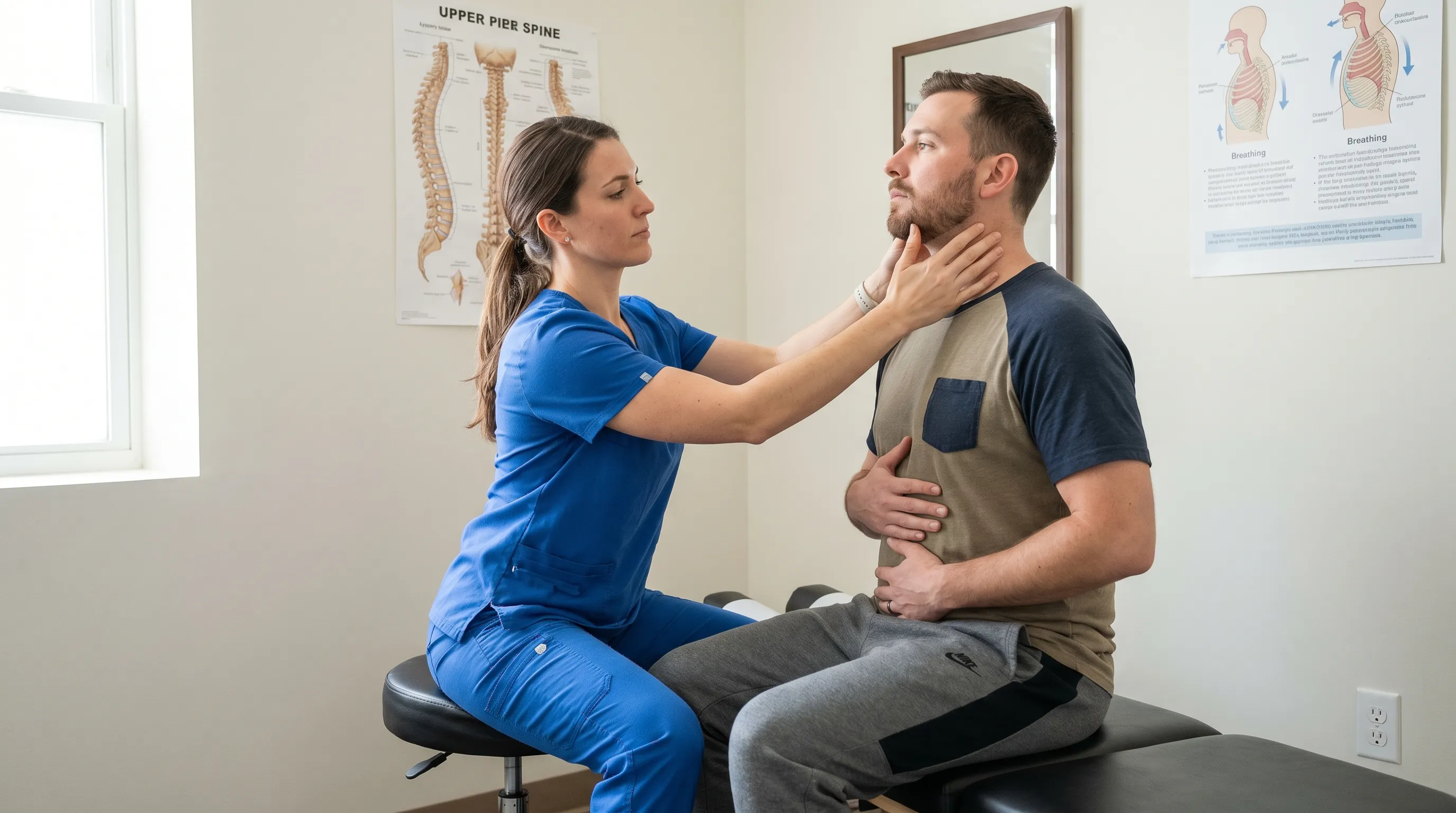
Despite diligent self-care, some individuals require professional intervention to resolve persistent jaw tension, structural joint damage, or severe myofascial dysfunction. Clinical pathways involve specialized assessment, targeted manual therapies, occlusal interventions, and in some cases, pharmacological or injectable treatments. Recognizing when to escalate from home management to professional care is essential to prevent irreversible joint degeneration and chronic pain syndromes. Consulting qualified orofacial pain specialists, physical therapists, or dentists ensures accurate diagnosis and personalized treatment planning.
Physical Therapy and Manual Therapy Options
Physical therapists specializing in temporomandibular disorders employ advanced manual techniques to address joint restrictions, muscle imbalances, and fascial adhesions. Myofascial release therapy involves sustained, gentle pressure applied to restricted fascial tissue, restoring elasticity and improving blood flow. Trigger point therapy specifically targets hyperirritable nodules within the masseter, temporalis, and sternocleidomastoid muscles, often producing referred pain relief across multiple anatomical regions. Instrument-assisted soft tissue mobilization (IASTM) uses specialized tools to break down adhesions and stimulate healing responses. Joint mobilization techniques, graded from passive accessory movements to active resistance training, restore normal arthrokinematics within the TMJ capsule. Studies consistently demonstrate that targeted physical therapy reduces pain intensity, improves mouth opening range of motion, and decreases reliance on analgesic medications. A typical treatment course spans six to twelve weeks, with progressive home exercise integration to maintain therapeutic gains.
Dental Splints, Night Guards, and Occlusal Therapy
Dental appliances are frequently prescribed for nocturnal bruxism and occlusal instability. Custom-fabricated stabilization splints are the gold standard in clinical practice. Unlike over-the-counter soft guards, which may inadvertently increase chewing muscle activity due to their pliable nature, hard acrylic splints provide even force distribution across the dental arch, preventing localized trauma and reducing abnormal joint loading. These devices do not cure bruxism but effectively interrupt the destructive cycle of clenching by providing a protected, neurologically stable resting position for the mandible. In cases of severe malocclusion or significant dental wear, comprehensive occlusal therapy may involve orthodontic correction, restorative dentistry, or equilibration procedures to establish harmonious tooth contact. Your dentist will determine the appropriate intervention based on clinical examination, imaging studies, and symptom history. Proper appliance hygiene and periodic adjustment are essential to prevent secondary complications such as bacterial accumulation or altered bite patterns.
Medical Options Including Trigger Point Therapy and Neuromodulators
For refractory cases unresponsive to conservative management, medical interventions offer targeted relief. Trigger point injections combine local anesthetics with corticosteroids or saline to deactivate stubborn myofascial nodules. The mechanical disruption of the needle, combined with chemical modulation, resets the dysfunctional motor endplate activity responsible for sustained contraction. Botulinum toxin (Botox) has emerged as a highly effective neuromodulator for severe bruxism and myofascial pain. By temporarily inhibiting acetylcholine release at the neuromuscular junction, Botox reduces the maximum contractile force of the masticatory muscles, allowing chronically inflamed tissues to heal. Treatments are typically administered every three to four months and should be performed by experienced clinicians to avoid adverse effects such as asymmetric facial movement or excessive muscle weakness. Pharmacological options including muscle relaxants, low-dose tricyclic antidepressants, or topical analgesics may be prescribed for short-term symptom control during acute flare-ups. These interventions are most effective when integrated into a comprehensive rehabilitation program addressing posture, stress, and functional movement patterns.
Daily Prevention: Building Resilient Jaw Habits
Preventing jaw tension from recurring requires the integration of mindful habits into your daily routine. Small, consistent adjustments to your environment, work habits, and self-care rituals create compounding protective effects. Prevention is significantly easier than treatment, especially when addressing the subtle behavioral patterns that drive chronic clenching. By designing a lifestyle that supports neuromuscular relaxation and postural alignment, you minimize the physiological triggers that initiate jaw tension.
Digital Ergonomics and Tech-Related Clenching
Modern digital lifestyles have inadvertently increased the prevalence of awake bruxism. Prolonged screen time, particularly on smartphones and tablets, promotes sustained forward head posture, visual fixation stress, and subconscious jaw tightening. Many individuals unconsciously clench their teeth while reading, typing, or navigating complex digital tasks. To counteract this, implement the twenty-twenty-twenty rule: every twenty minutes, look at an object twenty feet away for twenty seconds while consciously relaxing your facial muscles. Position devices at eye level to eliminate downward neck flexion. Use voice-to-text features when possible to reduce prolonged concentration-induced clenching. Establish screen-free periods before bedtime to lower cortisol levels and prepare the nervous system for restorative sleep. These ergonomic modifications reduce cumulative strain and prevent the gradual development of chronic myofascial dysfunction.
Creating a Jaw-Relaxation Routine
Establishing a consistent jaw-relaxation routine ensures long-term neuromuscular resilience. Incorporate a five-minute evening wind-down that includes gentle stretching, diaphragmatic breathing, and progressive muscle relaxation. Start at your forehead, consciously releasing tension, then move downward through your temples, cheeks, jaw, neck, and shoulders. Maintain slight separation between your upper and lower teeth, allowing the tongue to rest gently on the palate. Hydrate adequately before bed and avoid stimulating substances such as caffeine or nicotine within six hours of sleep. Morning routines should include light jaw mobilization and posture correction exercises to counteract nocturnal positioning. Consistency transforms these practices from temporary interventions into automatic physiological responses. When you commit to this daily framework, discovering how to release jaw tension becomes a natural extension of your overall wellness strategy rather than a reactive emergency measure.
| Method | Primary Benefit | Best For | Time to Relief | Risk of Complications |
|---|---|---|---|---|
| Moist Heat Therapy | Vasodilation and muscle relaxation | Chronic stiffness, fatigue | 10-20 minutes | Low (skin irritation if excessive) |
| Gentle Jaw Stretching | Improved mobility and tissue glide | Restricted opening, postural tension | 1-2 weeks consistent use | Low if performed within pain-free range |
| Diaphragmatic Breathing | Parasympathetic activation and stress reduction | Anxiety-related clenching, sleep issues | Immediate to 5 minutes | None when practiced correctly |
| Custom Night Guards | Joint protection and bite stabilization | Sleep bruxism, dental wear | 2-4 weeks (requires dental visit) | Low with proper fit and hygiene |
| Physical Therapy | Myofascial release and postural correction | Refractory pain, joint dysfunction | 4-8 weeks | Minimal with licensed practitioner |
| Botulinum Toxin Injections | Neuromuscular force reduction | Severe hypertrophy, refractory bruxism | 1-2 weeks post-treatment | Temporary asymmetry, weakness |
Frequently Asked Questions
What is the fastest way to relieve jaw tension at home?
The fastest relief typically comes from combining a warm compress with gentle manual stretching and controlled diaphragmatic breathing. Applying moist heat for fifteen minutes increases blood flow to the masseter and temporalis muscles, while slow nasal breathing activates the parasympathetic nervous system, reducing neuromuscular guarding. Avoid aggressive stretching, which can worsen muscle spasms. Consistent application yields measurable pain reduction within twenty to thirty minutes.
Can poor posture actually cause jaw clenching?
Yes, forward head posture significantly increases strain on the suboccipital, sternocleidomastoid, and cervical muscles, which share neural pathways and fascial connections with the jaw. This postural compensation often leads to subconscious clenching as the body attempts to stabilize the cranio-cervical junction. Correcting upper back and neck alignment frequently reduces bruxism and restores normal mandibular resting position.
How long should I wait before seeing a dentist or physical therapist?
If jaw tension persists beyond two to three weeks despite consistent home care, or if you experience locking, clicking, significant pain during chewing, or morning headaches, professional evaluation is recommended. Early intervention with a physical therapist or orofacial pain specialist prevents chronic myofascial adaptation and reduces the risk of permanent joint changes or dental complications.
Are night guards effective for reducing jaw tension?
Custom-fitted night guards created by dental professionals can be highly effective for sleep-related bruxism. They prevent tooth wear, reduce abnormal joint loading, and can interrupt the clenching reflex by providing a stable occlusal surface. However, over-the-counter soft boil-and-bite guards may sometimes increase chewing muscle activity, so professional guidance is essential for proper selection, fitting, and long-term management.
Is Botox a safe option for chronic jaw tension?
Botulinum toxin injections can be safe and effective when administered by qualified medical or dental professionals for severe, refractory bruxism and myofascial pain. Botox temporarily reduces the contractile force of the masseter and temporalis muscles, providing relief that typically lasts three to four months. It is considered a therapeutic adjunct rather than a standalone cure, and patients must continue posture correction and stress management for lasting results.
Conclusion
Addressing chronic jaw discomfort requires a comprehensive, multi-dimensional approach that honors the complex interplay between neuromuscular function, postural mechanics, psychological stress, and daily habits. When you learn how to release jaw tension effectively, you are not merely treating localized muscle soreness; you are recalibrating an entire biomechanical and neurological system that has become trapped in a protective feedback loop. The strategies outlined in this guide, from immediate stretching protocols and thermal therapy to long-term posture correction and professional clinical interventions, provide a robust framework for sustainable relief. Success depends on consistency, self-awareness, and a willingness to address underlying lifestyle factors rather than relying solely on temporary symptom masking. By integrating mindful movement, ergonomic optimization, nervous system regulation, and evidence-based clinical support, you can dismantle the cycle of clenching and restore comfortable, pain-free mandibular function. Your journey toward lasting jaw health begins with deliberate, daily action, and with time, the natural state of relaxation will replace chronic tension as your physiological baseline.
For additional clinical guidance and evidence-based protocols, consult authoritative medical resources such as the Mayo Clinic's TMJ Overview, the American Dental Association's Oral Health Topics, and the National Institutes of Health Research on Jaw Pain.
How we work
Researched and drafted with AI assistance, then reviewed by a human editor against the cited sources.
This article is general health information, not medical advice. Consult a qualified healthcare professional about your own situation.