Does Botox for Migraines Change Your Face? Complete Medical Guide

When you are navigating the relentless cycle of chronic migraines, the decision to try a new preventive treatment often brings more questions than answers. Many patients hear about the neurological benefits but quickly wonder about the visible side effects. The question of does botox for migraines change your face is incredibly common, and the answer requires a nuanced understanding of both neurology and cosmetic anatomy. While botulinum toxin type A is widely celebrated in dermatology for smoothing expression lines, its application in headache medicine operates on an entirely different physiological premise. Understanding how the medication interacts with cranial nerves, muscle fibers, and pain signaling pathways will help you set realistic expectations, communicate effectively with your provider, and confidently weigh the temporary aesthetic trade-offs against the profound relief that effective migraine prevention can provide. By examining the clinical evidence, injection protocols, and natural recovery timelines, you can make an informed decision that prioritizes both your neurological health and your confidence.
Understanding the Science Behind Migraine Botox
To fully grasp why facial alterations occur, it is essential to first understand the neurobiological foundation of chronic migraine and how onabotulinumtoxinA intervenes in the pain cascade. Chronic migraine is defined by the presence of fifteen or more headache days per month, with at least eight of those days featuring migraine-specific characteristics such as photophobia, phonophobia, nausea, or pulsating pain. Over time, repeated headache episodes can sensitize the trigeminal nerve system and the central pain processing centers in the brainstem. This phenomenon, known as central sensitization, transforms occasional headaches into a persistent neurological disorder that disrupts daily functioning and quality of life.
Free calculatorHeadache Location ChartIdentify headache types by locationOpen the calculatorNeuromodulation and Pain Pathway Interception
Botox does not act as a simple muscle relaxant in this therapeutic context; rather, it functions as a targeted neuromodulator. When administered precisely, the botulinum toxin molecules bind to presynaptic nerve terminals in the cranial and cervical regions. They enter the neurons and cleave specific SNARE proteins responsible for vesicle fusion, effectively halting the release of acetylcholine and various pro-inflammatory neuropeptides, including calcitonin gene-related peptide (CGRP), glutamate, and substance P. By blocking these neurotransmitters, the medication interrupts the transmission of nociceptive signals along the trigeminocervical complex. Research published by the National Institute of Neurological Disorders and Stroke (NINDS) highlights that this retrograde transport of the toxin toward the brainstem helps dampen hyperexcitable pain pathways, reducing both the frequency and severity of future migraine attacks.
FDA Approval and Clinical Validation
The United States Food and Drug Administration granted approval for onabotulinumtoxinA as a chronic migraine preventive in 2010. This landmark decision followed the rigorous Phase 3 PREEMPT clinical trial program, which demonstrated statistically significant reductions in headache frequency, disability, and acute medication use among participants receiving active treatment compared to placebo. The approval came with strict eligibility criteria to ensure the medication is reserved for patients who genuinely require prophylactic intervention rather than episodic relief. Because the therapeutic target involves broad neuromuscular modulation rather than localized cosmetic enhancement, the injection strategy and dosing parameters differ substantially from aesthetic applications. Recognizing these clinical distinctions is the first step in understanding whether does botox for migraines change your face in a way that impacts your appearance or daily life.
The 31-Site Injection Protocol Explained
The standard therapeutic regimen requires a highly structured anatomical approach that spans the entire headache-prone musculature of the head, neck, and shoulders. Unlike cosmetic treatments that might concentrate on a few isolated areas, migraine prevention utilizes a fixed-paradigm distribution of 155 units across exactly thirty-one discrete injection points. These points are strategically mapped to intercept the peripheral nociceptive fibers that converge on the trigeminocervical complex. The protocol is intentionally systematic to ensure comprehensive coverage of the neural networks most commonly implicated in chronic headache generation.
Anatomical Targets Across the Head, Neck, and Shoulders
The injection sites are divided among seven key muscle groups. The frontal region receives injections in the frontalis, procerus, and corrugator supercilii muscles. The temporal regions are targeted along the temporalis muscles on both sides of the head. The posterior neck and upper back receive injections into the occipitalis, cervical paraspinal, and trapezius muscles. Because the frontalis and brow depressor muscles are highly innervated and directly connected to the trigeminal nerve branches, they are integral to the protocol's success. However, these same muscles are also primarily responsible for dynamic facial expressions, including eyebrow elevation, forehead wrinkling, and frowning. Consequently, the intentional paralysis of these regions for neurological benefit inevitably produces visible facial effects. Patients who ask does botox for migraines change your face should understand that the frontal injections are medically necessary for pain prevention, not an afterthought.
| Feature | Cosmetic Botox Application | Migraine Prevention Botox |
|---|---|---|
| Primary Goal | Reduce visible expression lines and wrinkles | Interrupt pain signaling and prevent headache episodes |
| Typical Dosage | 10 to 30 units (varies by treatment area) | Fixed 155 units per session |
| Injection Sites | Focused on 1 to 3 localized zones (e.g., glabella, crow's feet) | 31 precise sites across 7 cranial and cervical muscle groups |
| Duration of Effect | 3 to 4 months | 3 months (requires repeat injections every 12 weeks) |
| Insurance Coverage | Typically out-of-pocket cosmetic procedure | Often covered by medical insurance for qualifying chronic migraine diagnosis |
Does Botox for Migraines Change Your Face? Expected Outcomes
The intersection of neurology and facial aesthetics inevitably raises the concern that does botox for migraines change your face. The short answer is yes, but the nature, intensity, and perception of these changes vary significantly among individuals. Most patients experience a combination of intended cosmetic side effects and occasional transient weaknesses. Understanding the difference between expected physiological responses and adverse complications empowers patients to monitor their treatment safely and adjust their expectations accordingly.
Subtle Cosmetic Shifts: The Unintended Brow Lift
Because the protocol deliberately targets the frontalis muscle (which elevates the eyebrows) and the depressor muscles of the brow region, many patients notice a subtle smoothing of horizontal forehead lines. Additionally, the differential relaxation of opposing muscle groups can create a mild, natural-looking elevation of the lateral brow. This effect is sometimes described as an unintentional brow lift. For many patients, this aesthetic byproduct is actually welcomed, as it provides a refreshed, rested appearance without additional cosmetic procedures. The changes are typically symmetrical when administered by an experienced practitioner who follows the PREEMPT mapping accurately. This predictable relaxation of the upper facial musculature demonstrates exactly why does botox for migraines change your face in ways that are often noticeable to both the patient and their social circle.
Managing Potential Adverse Facial Effects
While subtle lifting and smoothing are common, some patients experience more pronounced or asymmetrical alterations. The most frequently reported cosmetic adverse effect is eyelid ptosis, or drooping of the upper eyelid. This occurs when the toxin diffuses beyond the intended target and temporarily weakens the levator palpebrae superioris muscle. Other potential changes include eyebrow asymmetry, where one side lifts higher than the other due to uneven muscle relaxation, and a generalized heavy or frozen sensation across the forehead. Patients may also experience temporary difficulty raising their eyebrows fully, which can alter their expressive range. In rare cases, if the toxin migrates near the orbital muscles, it can cause blurred or double vision. These outcomes underscore the importance of precise needle placement, appropriate dilution techniques, and thorough anatomical knowledge. When patients inquire whether does botox for migraines change your face, it is crucial to clarify that these effects are dose-dependent, injection-technique-dependent, and fundamentally temporary.
The Physiology Behind Temporary Facial Alterations
To fully appreciate the timeline and reversibility of these changes, one must examine the microscopic interactions between the toxin and the neuromuscular junction. Botulinum toxin does not destroy muscle tissue or permanently sever nerve connections. Instead, it creates a reversible biochemical blockade that prevents motor neurons from communicating with muscle fibers. This physiological reality directly answers the persistent patient question of does botox for migraines change your face in a permanent way.
How Neuromuscular Blockade Manifests Visibly
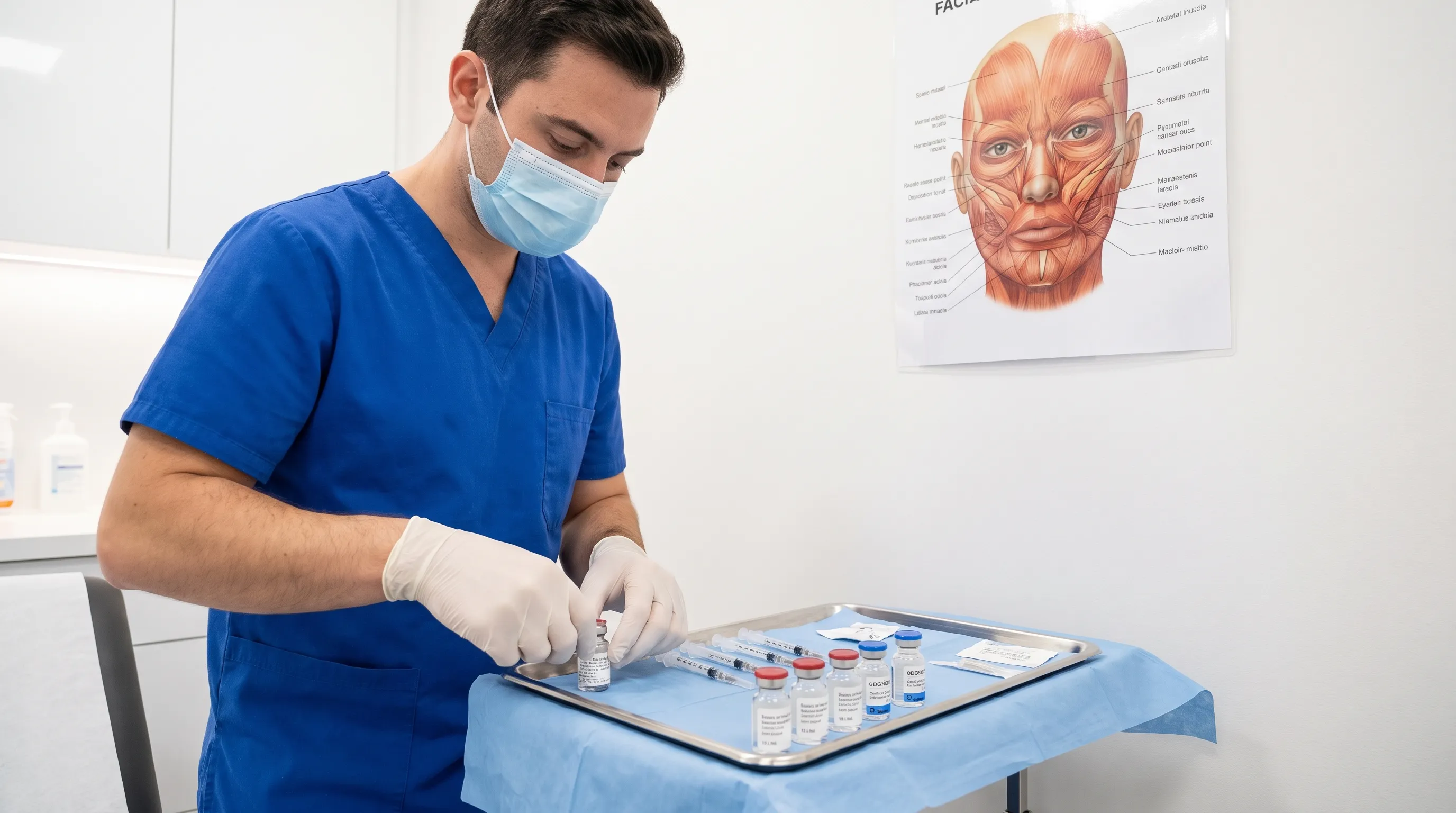
At the cellular level, the heavy chain of the botulinum toxin molecule facilitates entry into the presynaptic terminal, while the light chain enzymatically disrupts the SNARE protein complex required for synaptic vesicle docking. Without functional SNARE proteins, acetylcholine cannot be released into the synaptic cleft. Consequently, the muscle receives no electrical stimulus to contract, entering a state of temporary paralysis. In the facial region, where muscles are exceptionally thin and highly responsive to neural input, even minor reductions in acetylcholine release produce visible alterations. The forehead appears flatter, dynamic lines soften, and subtle shifts in brow positioning become apparent. This localized quiescence of the frontalis and periorbital muscles is the exact mechanism that explains why does botox for migraines change your face in predictable, patterned ways.
The Natural Timeline of Recovery and Regeneration
The duration of these facial changes is inherently tied to the biological process of nerve regeneration. Following a standard migraine treatment cycle, visible alterations typically begin within three to fourteen days as the toxin fully binds and exerts its biochemical effect. The peak of facial relaxation usually occurs around weeks two to six. Gradually, the body initiates compensatory mechanisms. Neuronal axons sprout new terminal branches, and alternative pathways develop to bypass the blocked receptors. Over approximately ten to fourteen weeks, acetylcholine transmission resumes its baseline function, and facial mobility returns to normal. This natural metabolic timeline confirms that any inquiry regarding whether does botox for migraines change your face permanently can be definitively answered in the negative. All aesthetic shifts and motor changes resolve spontaneously as the neuromuscular junctions heal and regenerate, requiring patients to maintain their treatment schedule only if they wish to preserve the migraine-preventive benefits.
Minimizing Unwanted Facial Changes Through Expert Care
While the potential for facial alteration is inherent to the mechanism of action, the risk of undesirable cosmetic outcomes can be significantly mitigated through strategic planning, provider selection, and diligent patient communication. Clinical expertise plays the most critical role in ensuring that therapeutic efficacy is maximized while aesthetic disruption is minimized.
Selecting the Right Specialist for Administration
The complexity of the 31-site protocol demands specialized training that extends beyond general cosmetic dermatology. Board-certified neurologists, headache medicine specialists, and pain management physicians with extensive experience in the PREEMPT protocol possess the anatomical precision required to deliver consistent results. These clinicians understand the exact depth, angle, and volume needed for each muscle group to prevent unnecessary diffusion. When evaluating potential providers, patients should ask specifically about their migraine injection experience, complication rates, and how they manage ptosis or asymmetry if it occurs. Expert technique directly influences whether does botox for migraines change your face in a balanced, natural manner or in an unpredictable, uneven fashion. Reputable medical institutions like the Cleveland Clinic emphasize the necessity of specialized training to achieve optimal neurological and cosmetic harmony.
Pre-Treatment Screening and Personalized Adjustments
Before receiving injections, patients must provide a comprehensive facial and medical history. Pre-existing facial asymmetry, prior reconstructive or cosmetic surgery, natural eyelid laxity, or neurological conditions affecting facial nerves should always be disclosed. These factors alter baseline muscle tension and may increase susceptibility to visible drooping or uneven lifting. An experienced injector will often adjust the placement of the needle in the frontalis region or modify the volume distributed to the corrugator muscles to accommodate individual anatomical variations. By tailoring the protocol rather than applying a rigid template, providers can preserve essential motor function while still achieving the necessary pain blockade. Open dialogue ensures that both physician and patient align on aesthetic expectations before the toxin is administered.
Practical Post-Injection Guidance for Migraine Patients
Proper aftercare is an often-overlooked component of treatment success. While the medication itself drives the physiological changes, patient behavior in the twenty-four to forty-eight hours following administration can influence how the toxin settles into targeted tissues. Adhering to evidence-based aftercare protocols reduces the risk of unwanted migration and promotes optimal therapeutic outcomes.
Immediate Aftercare and Lifestyle Modifications
Immediately following the procedure, patients are instructed to remain upright and avoid lying flat for at least four hours. This positioning leverages gravity to keep the medication localized at the injection sites rather than allowing it to diffuse downward toward the upper eyelids. Patients should also refrain from rubbing, massaging, or applying intense pressure to the forehead, temples, or neck. Strenuous exercise, high-heat environments like saunas or hot yoga, and alcohol consumption should be avoided for the first twenty-four hours to prevent vasodilation that could accelerate toxin spread. Staying hydrated and taking over-the-counter acetaminophen for injection-site tenderness (while avoiding NSAIDs to minimize bruising) supports a smooth recovery. Understanding these precautions helps clarify why does botox for migraines change your face predictably when patients follow clinical guidance.
Monitoring for Warning Signs and Safety Protocols
Although most facial changes are mild and transient, all botulinum toxin products carry an FDA boxed warning regarding the potential distant spread of toxin effects. Patients must remain vigilant for symptoms that extend beyond localized muscle relaxation. These include severe bilateral ptosis, progressive difficulty swallowing, slurred speech, unexplained shortness of breath, or significant visual disturbances. If any of these symptoms develop hours or weeks after treatment, immediate medical attention is required. The official BOTOX chronic migraine patient resource emphasizes that over one million patients have received this therapy since 2010, with the vast majority experiencing only mild, reversible effects. However, recognizing the boundary between expected facial relaxation and systemic neurotoxicity is essential for patient safety.
Weighing the Trade-Offs: Migraine Relief Versus Facial Aesthetics
When evaluating whether does botox for migraines change your face in a way that outweighs the therapeutic benefits, clinical data strongly supports the treatment's value for qualifying patients. The decision ultimately hinges on individual priorities, symptom burden, and tolerance for temporary aesthetic shifts.
Clinical Efficacy and Quality of Life Improvements
For patients suffering from fifteen or more headache days monthly, the reduction in pain frequency can be life-altering. Clinical trials and real-world patient surveys consistently demonstrate that approximately fifty percent of users experience a fifty percent or greater reduction in migraine days within the first treatment cycle. Many report decreased reliance on acute abortive medications, fewer emergency department visits, and restored capacity to engage in work, social activities, and family life. According to Migraine.com treatment data, a significant majority of current users would recommend discussing the therapy with a physician. When facial changes are mild, predictable, and fully reversible, the trade-off becomes highly favorable. The subtle lifting or smoothing is often viewed as a minor concession for substantial neurological relief.

Long-Term Treatment Sustainability
Chronic migraine management is a marathon, not a sprint. Patients who commit to the twelve-week treatment cadence often notice that subsequent sessions yield more consistent results as clinicians refine injection mapping based on individual feedback. Facial changes tend to stabilize over multiple cycles, allowing both patient and provider to anticipate exactly how the muscles will respond. Some patients even request minor adjustments to their protocol after two or three sessions to preserve specific facial movements while maintaining headache prevention. This iterative approach demonstrates that does botox for migraines change your face in a manageable, controllable way when treatment is personalized and continuously optimized. The long-term sustainability of the therapy, combined with its favorable safety profile, makes it a cornerstone of modern neurological headache management.
Frequently Asked Questions
Patients navigating migraine prevention frequently seek clarity on how treatment impacts their appearance and daily routine. Below are comprehensive answers to the most common clinical inquiries.
Will migraine Botox permanently alter my facial structure or expression?
No. Botulinum toxin type A does not cause tissue atrophy, nerve destruction, or permanent structural changes. All cosmetic and motor effects are strictly temporary. As the presynaptic terminals regenerate and form new synaptic connections over a period of ten to fourteen weeks, your facial muscles gradually resume their baseline tone and range of motion. Your natural expressions will fully return between treatment cycles unless you receive repeat injections.
Can I combine cosmetic Botox with my migraine prevention schedule?
In many cases, yes, but this must be carefully coordinated by your healthcare provider. Since migraine prevention uses a fixed 155-unit dose across thirty-one specific sites, adding cosmetic units to the same facial regions can increase the risk of excessive muscle weakness or ptosis. If you wish to receive supplementary cosmetic treatment, your specialist will typically adjust the migraine protocol, alter injection depths, or schedule the procedures separately to ensure safe cumulative dosing while maintaining therapeutic efficacy.
How quickly will I notice facial changes after my first appointment?
Visible alterations generally do not appear immediately. Most patients begin to notice subtle smoothing or a heavy sensation in the forehead within three to seven days. The effects continue to develop and peak between weeks two and six. This delayed onset is normal and reflects the time required for the toxin to bind irreversibly to presynaptic terminals and exhaust the existing acetylcholine stores at the neuromuscular junction.
What should I do if I develop a drooping eyelid or uneven eyebrows?
If mild ptosis or asymmetry occurs, remain calm and contact your provider for guidance. The changes will resolve naturally as the medication metabolizes, typically within six to twelve weeks. In some cases, your clinician may prescribe alpha-adrenergic eye drops like apraclonidine to temporarily stimulate the Muller's muscle, providing a mild mechanical lift to counteract drooping while you wait for full recovery. Never attempt to self-correct or apply excessive pressure to the affected area.
Does asking about does botox for migraines change your face mean the treatment is ineffective?
Not at all. Facial relaxation is a direct pharmacological indicator that the medication is successfully binding to motor nerves and inhibiting acetylcholine release. Because the same neural pathways responsible for facial expression also carry nociceptive signals related to migraines, mild muscle weakness often correlates with effective pain modulation. Discussing aesthetic outcomes with your provider simply helps them tailor future sessions to balance therapeutic success with your personal comfort and appearance preferences.
Conclusion
Navigating chronic migraine requires balancing neurological relief with quality-of-life considerations, and understanding does botox for migraines change your face is a vital step in that journey. The temporary facial alterations associated with onabotulinumtoxinA are a natural byproduct of its mechanism of action, stemming from targeted neuromuscular blockade and neurotransmitter inhibition. While many patients welcome the subtle smoothing and mild brow lift, others may experience transient drooping, asymmetry, or reduced forehead mobility. Fortunately, all effects are reversible, resolving completely as nerve terminals regenerate within the standard ten-to-fourteen-week treatment window. By partnering with a board-certified headache specialist, communicating your anatomical history, and adhering to evidence-based aftercare protocols, you can significantly minimize unwanted aesthetic outcomes while maximizing the profound headache reduction this therapy provides. For individuals burdened by fifteen or more migraine days per month, the clinical data consistently shows that the neurological benefits far outweigh temporary cosmetic changes. When approached with realistic expectations and guidance, Botox remains a safe, effective, and widely recommended cornerstone of chronic migraine prevention, empowering patients to reclaim their health without sacrificing their natural appearance.
For additional patient education and visual demonstrations of proper injection techniques, you can explore resources from the Cleveland Clinic and review clinical safety data from the American Migraine Foundation. Always consult a qualified neurologist before beginning or modifying any preventive treatment regimen.
How we work
Researched and drafted with AI assistance, then reviewed by a human editor against the cited sources.
This article is general health information, not medical advice. Consult a qualified healthcare professional about your own situation.