Why Are My Ears Hot? Causes, Medical Insights & Relief Strategies

Key points
- Persistent or worsening pain, significant swelling, or purulent discharge
- Fever, chills, or systemic signs of infection
- Sudden hearing loss, persistent tinnitus, or vertigo
- The distinctive earlobe-sparing pattern of redness and heat
- Recurrent, unprovoked burning attacks lasting longer than 30 minutes
- Neurological red flags such as jaw claudication, severe neck stiffness, vision changes, or unilateral weakness
Experiencing sudden or persistent warmth in your ears can be puzzling, occasionally uncomfortable, and sometimes a cause for underlying health concern. You might find yourself wondering, why are my ears hot when there is no apparent cause? The sensation of hot, burning, or reddened ears is an incredibly common physiological response, yet it can occasionally signal specific medical or neurological conditions. The external ear, or auricle, is uniquely positioned to react quickly to internal and external stimuli due to its specialized vascular network and thin skin. When blood flow increases to this region, a process known as vasodilation, the result is an immediate rise in temperature, visible redness, and sometimes a distinct burning sensation. While this phenomenon is often harmless and self-limiting, understanding the precise mechanisms behind it is crucial for distinguishing everyday triggers from conditions that require professional intervention.
This comprehensive guide explores the full spectrum of reasons behind this symptom. We will examine the intricate anatomy that makes your ears so sensitive to temperature changes, explore the physiological triggers of everyday flushing, and delve into specific medical diagnoses like Red Ear Syndrome and relapsing polychondritis. By integrating current clinical research and evidence-based management strategies, you will gain a clear understanding of when to apply simple home remedies and when to consult a healthcare provider. Let us unravel the science behind auricular thermoregulation and equip you with practical, actionable steps to restore comfort and protect your ear health.
Understanding the Physiology of Auricular Vasodilation
To fully grasp why are my ears hot, it is essential to first understand the unique biological architecture of the external ear. Unlike many other body parts, the auricle lacks significant subcutaneous fat insulation and muscle tissue. Instead, it is primarily composed of dense elastic cartilage covered by a thin layer of skin that lies directly over a highly developed vascular bed. This structural arrangement makes the ear exceptionally efficient at both heat retention and heat dissipation, functioning much like a natural radiator for the body.
Free calculatorHeadache Location ChartIdentify headache types by locationOpen the calculatorVascular Anatomy of the External Ear
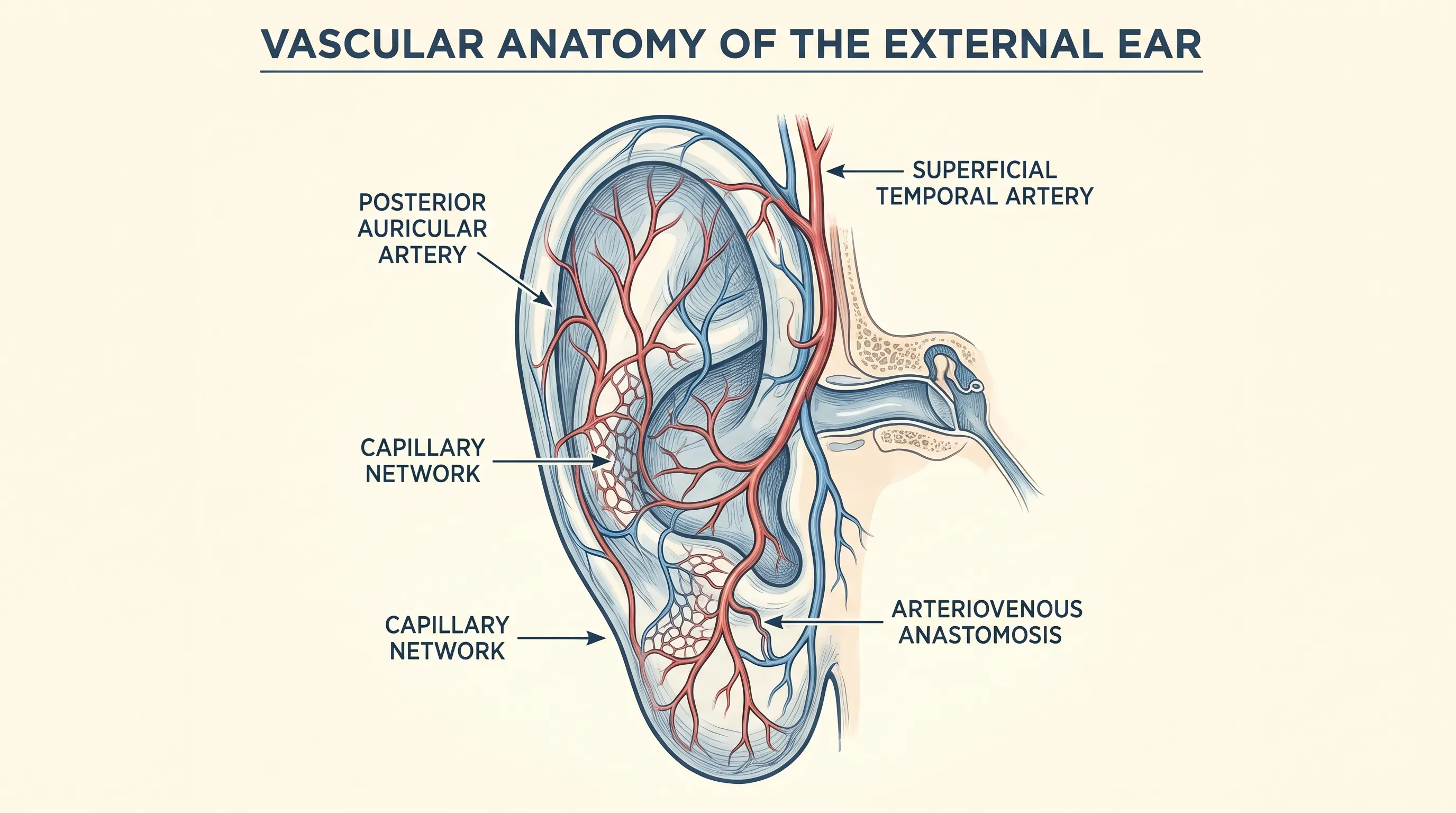
The external ear receives its blood supply from multiple arterial sources, primarily the posterior auricular artery, anterior auricular branches of the superficial temporal artery, and perforating branches from the occipital artery. These vessels form an extensive, anastomosing network across the auricular cartilage and subcutaneous tissue. Crucially, the ear contains numerous arteriovenous anastomoses (AVAs), which are direct connections between small arteries and veins. These shunts bypass the capillary beds and allow for rapid, high-volume blood flow directly to the venous system when opened.
When the sympathetic nervous system sends specific relaxation signals to the smooth muscle in these arterioles, or when local chemical mediators like nitric oxide are released, the vessels widen. This vasodilation drastically increases blood volume in the ear, raising surface temperature and causing visible erythema. The rich innervation from both the cervical plexus (great auricular nerve) and cranial nerves (trigeminal, facial, vagus) means that neural reflexes can instantly alter blood flow, explaining why your ears can turn red and hot within seconds of a trigger.
Thermoregulation and Surface-Area Dynamics
The ears possess an exceptionally high surface-area-to-volume ratio. In thermoregulatory physiology, extremities and protruding structures act as thermal exchange surfaces. When your core body temperature rises, whether from exercise, environmental heat, or metabolic processes, your hypothalamus initiates a heat-dissipation cascade. Peripheral vasodilation redirects warm blood away from vital organs toward the skin, particularly areas with abundant AVAs like the hands, feet, and ears. As blood flows closer to the cooler external air, heat is transferred out of the body via convection and radiation.
This process is entirely normal and demonstrates the ear's evolutionary role in temperature homeostasis. However, when you frequently ask yourself why are my ears hot in moderate temperatures, it may indicate an overactive autonomic response, an environmental trigger, or a localized inflammatory process. Recognizing the baseline physiology helps contextualize the various pathological and non-pathological triggers that will follow.
Common Physiological and Environmental Triggers
The vast majority of ear-heating episodes fall into the benign category, driven by normal bodily adaptations to internal and external conditions. These responses are typically symmetrical (affecting both ears), transient, and resolve once the triggering factor is removed or normalized. Understanding these everyday causes can significantly reduce unnecessary anxiety and help you implement effective preventive measures.
Ambient Temperature Fluctuations
Your body constantly works to maintain a stable internal temperature of approximately 98.6°F (37°C). When you transition from a cool, air-conditioned environment to a warm outdoor setting, or vice versa, your thermoreceptors in the skin and hypothalamus rapidly detect the change. To prevent heat stroke or hypothermia, your autonomic nervous system adjusts peripheral blood flow accordingly.
In warm environments, vasodilation occurs in the auricular vessels to maximize heat loss. The ears, being largely unshaded and highly vascular, often become noticeably warm and red before other body areas. Conversely, when exposed to cold, the body initially constricts these vessels to preserve core heat. Upon returning indoors, the sudden rewarming causes reactive hyperemia, a rush of blood into previously constricted vessels that temporarily makes the ears feel unusually hot and may cause a tingling sensation. This physiological rebound is completely normal and requires no treatment.
Emotional Flushing and Sympathetic Activation
Stress, anxiety, embarrassment, and anger are powerful modulators of the autonomic nervous system. When you experience intense emotion, the hypothalamic-pituitary-adrenal (HPA) axis activates, triggering a surge of catecholamines like epinephrine and norepinephrine. While these hormones typically cause vasoconstriction in many vascular beds to redirect blood to major muscles (the fight-or-flight response), they can paradoxically cause vasodilation in facial and auricular capillaries due to complex receptor interactions and cholinergic sympathetic pathways.
This phenomenon, often called emotional flushing, explains why your face and ears turn red during public speaking, arguments, or moments of acute stress. The burning sensation accompanies the rapid blood influx. For many individuals, this is a highly visible autonomic response. Learning stress-management techniques such as controlled breathing, cognitive behavioral strategies, and regular mindfulness practice can help modulate this sympathetic surge and reduce the frequency of stress-induced hot ears.
Physical Exertion and Cardiovascular Response
During aerobic exercise or strenuous physical labor, your metabolic rate increases dramatically. Muscular contraction generates significant thermal energy, raising core body temperature. To prevent dangerous overheating, your cardiovascular system redirects a larger percentage of cardiac output to the skin. Blood vessels in the ears dilate extensively to facilitate convective cooling, often resulting in pronounced redness and heat.
If you regularly notice your ears feeling hot after workouts, it is a sign of a healthy, functioning thermoregulatory system. However, if the sensation persists long after your heart rate and temperature have returned to baseline, or if it is accompanied by dizziness or shortness of breath, it may be worth discussing with a healthcare provider to rule out cardiovascular or autonomic dysregulation.
Medical and Neurological Pathologies
While physiological triggers account for most episodes, persistent, painful, or asymmetrical ear heating can indicate underlying medical conditions. When patients consistently search for why are my ears hot and home interventions yield no relief, clinicians consider specific neurological, inflammatory, or infectious diagnoses that require targeted treatment.
Red Ear Syndrome (RES): Clinical Presentation and Epidemiology
Red Ear Syndrome (RES) is a rare but well-documented neurological condition first described in the medical literature by Lance in 1994. It is characterized by paroxysmal (sudden, episodic) attacks of intense burning pain and conspicuous reddening of one or both external ears. According to comprehensive reviews, including a landmark analysis by Lambru, Miller, and Matharu, approximately 100 to 150 complete case descriptions exist in English-language literature, confirming its rarity but establishing clear clinical patterns.
Attacks typically last anywhere from a few seconds to several hours, with 30 to 60 minutes being the most common duration. The frequency varies dramatically among patients, ranging from multiple daily episodes to isolated occurrences once a year. Pain is often maximal on the ear lobe but frequently radiates to the cheek, mandible, or temporal region. The condition exhibits a slight female predominance in adult populations, though pediatric cases linked to migraines often show male predominance. The median age of onset is approximately 44 years, though cases have been reported in children and nonagenarians.
The pathophysiology of RES remains under active investigation. Current hypotheses point toward dysfunction in trigemino-autonomic reflex pathways, parasympathetic nervous system dysregulation, or referred pain mechanisms originating from the upper cervical spine. Many researchers classify early-onset RES as an auriculo-autonomic headache variant within the trigeminal autonomic cephalalgia (TAC) spectrum, while late-onset cases frequently correlate with cervical degenerative changes or temporomandibular joint (TMJ) disorders. Common triggers include touching or rubbing the ear, temperature extremes, chewing, brushing hair, neck movements, and physical exertion.
Migraine and Trigeminal Autonomic Cephalalgias
There is a remarkably strong comorbidity between RES and migraine disorders. Studies indicate that a significant majority of pediatric and young adult RES patients have a personal or family history of migraines. The shared mechanism involves the trigeminovascular system, where abnormal neuronal firing leads to neurogenic inflammation and vasodilation of external auricular vessels.
Trigeminal autonomic cephalalgias, a group of primary headache disorders characterized by unilateral head pain and cranial autonomic symptoms, also frequently present with hot, red ears. Conditions like cluster headaches and paroxysmal hemicrania activate the same parasympathetic outflow that innervates the ear. If you experience hot ears alongside severe unilateral headaches, light sensitivity, nasal congestion, or tearing, a neurological evaluation is highly recommended.
Cervical Spine Dysfunction and Referred Pain
Late-onset Red Ear Syndrome and idiopathic hot ear sensations are frequently linked to cervical spine pathology. The great auricular nerve originates from the C2 and C3 spinal nerve roots. Degenerative disc disease, cervical osteoarthritis, facet joint inflammation, or muscle spasms in the upper neck can irritate these nerve roots, leading to aberrant signaling that manifests as burning, warmth, and redness in the ipsilateral ear.
Physical therapy targeting cervical stabilization, posture correction, and myofascial release often yields significant improvement for patients whose ear symptoms are cervicogenic in origin. Ergonomic adjustments to workstations and sleeping positions can further reduce nerve irritation and subsequent vascular reflexes.
Infectious and Inflammatory Conditions
Localized infections are among the most common medical causes of hot, swollen ears. Otitis externa, commonly known as swimmer's ear, occurs when the external auditory canal becomes infected, usually with Pseudomonas aeruginosa or Staphylococcus aureus. The inflammation rapidly extends to the auricle, causing intense heat, redness, swelling, and severe pain, especially when the tragus is manipulated.
Cellulitis, a bacterial skin infection, and perichondritis, an infection of the tissue surrounding the ear cartilage, also present with pronounced warmth and erythema. Perichondritis is particularly concerning because it threatens the cartilage itself and can lead to permanent structural deformity if not promptly treated with appropriate antibiotics. In these cases, the hot ear sensation is persistent, progressive, and accompanied by localized tenderness, distinguishing it from benign flushing.
Autoimmune, Hormonal, and Pharmacological Factors
Beyond neurological and infectious origins, systemic autoimmune diseases, endocrine shifts, and medication side effects can profoundly impact auricular vasculature. Recognizing these patterns is vital for accurate diagnosis and long-term management.
Relapsing Polychondritis: Recognizing the Cartilage Pattern
Relapsing polychondritis (RP) is a rare systemic autoimmune disease with an estimated prevalence of 3 to 5 cases per million. It is characterized by recurrent inflammation of cartilaginous structures throughout the body, including the ears, nose, joints, and respiratory tract. The auricular manifestation is often one of the earliest and most recognizable signs.
A hallmark clinical feature of RP is the earlobe-sparing pattern. Because the earlobe lacks cartilage and is composed solely of adipose tissue and skin, the inflammatory process bypasses it entirely. Consequently, patients present with intense redness, heat, and swelling of the upper two-thirds of the ear while the earlobe remains completely normal in color and temperature. This distinct presentation helps differentiate RP from other causes of hot ears.
Without appropriate immunosuppressive treatment, chronic inflammation leads to cartilage necrosis, fibrosis, and the characteristic cauliflower ear deformity. It can also progress to the respiratory tract, threatening airway integrity. Any patient presenting with earlobe-sparing hot ears should undergo prompt rheumatological evaluation.
Hormonal Shifts and Vasomotor Instability
Hormonal fluctuations significantly influence vascular tone and autonomic regulation. During perimenopause and menopause, declining estrogen levels disrupt hypothalamic thermoregulation, leading to vasomotor symptoms like hot flashes. These flashes frequently manifest as intense facial and auricular warmth, often accompanied by profuse sweating and transient tachycardia.
Hyperthyroidism also elevates basal metabolic rate and increases peripheral blood flow, causing persistent warmth, sweating, and sometimes noticeable ear flushing. Managing underlying endocrine disorders with hormone replacement therapy, antithyroid medications, or beta-blockers typically resolves the vascular symptoms.
Medication-Induced Flushing and Allergic Dermatitis
Numerous medications list flushing as a common side effect due to their vasodilatory properties. Calcium channel blockers, vasodilators, niacin (vitamin B3), certain antidepressants (like SSRIs), and opioids can all trigger pronounced auricular redness and warmth. Niacin, in particular, induces prostaglandin-mediated vasodilation that reliably causes hot ears and facial flushing, often peaking within 20 minutes of ingestion.
Contact allergic dermatitis presents another localized cause. Nickel in earrings, chemicals in hair sprays, detergents in headphones or headbands, and even certain cosmetics can trigger a Type IV hypersensitivity reaction. The affected area becomes hot, intensely itchy, red, and sometimes scaly or weeping. Identifying and removing the offending allergen is the primary treatment, supplemented by topical corticosteroids if inflammation is severe.
| Category | Primary Cause | Key Clinical Features | Typical Duration | Recommended Action |
|---|---|---|---|---|
| Physiological | Thermoregulation & Exercise | Symmetrical, transient warmth, no pain | Minutes to 1-2 hours | Hydration, cooling, rest |
| Neurological | Red Ear Syndrome (RES) | Burning pain, paroxysmal attacks, often unilateral | 30-60 minutes typically | Neurology consult, gabapentin/tricyclics |
| Autoimmune | Relapsing Polychondritis | Earlobe-sparing, cartilage tenderness, systemic signs | Chronic/recurrent | Rheumatology referral, immunosuppressants |
| Infectious | Otitis Externa / Cellulitis | Localized swelling, severe pain, possible fever | Progressive until treated | Medical evaluation, prescription antibiotics |
| Allergic | Contact Dermatitis | Itching, rash, clear trigger exposure (jewelry/products) | Days after allergen contact | Allergen avoidance, topical steroids |
Diagnostic Evaluation and Clinical Red Flags
Navigating the diagnostic process requires a systematic approach that differentiates benign autonomic responses from pathological conditions. Clinicians begin with a thorough history, symptom diary review, and targeted physical examination to map the vascular and neurological involvement.
When to Seek Immediate Medical Attention
You should not ignore certain accompanying symptoms that elevate the risk of serious underlying pathology. Seek prompt medical evaluation if hot ears are accompanied by:
- Persistent or worsening pain, significant swelling, or purulent discharge
- Fever, chills, or systemic signs of infection
- Sudden hearing loss, persistent tinnitus, or vertigo
- The distinctive earlobe-sparing pattern of redness and heat
- Recurrent, unprovoked burning attacks lasting longer than 30 minutes
- Neurological red flags such as jaw claudication, severe neck stiffness, vision changes, or unilateral weakness
Early intervention is particularly critical for suspected relapsing polychondritis, perichondritis, or new-onset neurological deficits, as delays can result in irreversible tissue damage.
Clinical Workup and Differential Diagnosis
If you present with recurrent or severe symptoms, your healthcare provider will conduct a comprehensive evaluation. This typically includes a detailed dermatological and otological examination, cervical spine range-of-motion testing, and temporomandibular joint assessment. For suspected autoimmune conditions like RP, laboratory tests such as ESR, CRP, and autoantibody panels may be ordered. Neuroimaging (MRI of the brain and cervical spine) is considered when RES, migraine variants, or cervical radiculopathy are suspected.
A thorough medication review will help identify pharmacological triggers. In complex cases, referral to a neurologist, otolaryngologist, rheumatologist, or dermatologist ensures specialized diagnostic accuracy. Keeping a detailed symptom log tracking temperature, emotional state, physical activity, dietary intake, and product usage significantly accelerates the diagnostic timeline.
Evidence-Based Management and Prevention Strategies
Whether your hot ears stem from everyday triggers or a diagnosed medical condition, a combination of immediate symptomatic care and long-term lifestyle adjustments can dramatically improve your comfort and quality of life. The following strategies are grounded in clinical literature and practical patient care protocols.
Immediate Symptomatic Relief
When an episode of hot ears occurs, rapid cooling provides the most effective immediate relief. Apply a cool compress or a gel ice pack wrapped in a thin cloth to the affected ear for 10 to 15 minutes. Avoid placing ice directly on the skin to prevent frostbite or cold-induced urticaria. Elevating your head can also reduce venous congestion in the cranial and auricular regions.
For allergic reactions, gently washing the area with a mild, fragrance-free cleanser removes residual irritants. If symptoms include significant itching or inflammation, over-the-counter oral antihistamines or low-potency topical corticosteroids may be appropriate under the guidance of a pharmacist or physician.
Trigger Identification and Lifestyle Modifications
Prevention hinges on recognizing and mitigating personal triggers. Maintaining a comprehensive symptom diary for at least four weeks can reveal patterns that are otherwise invisible. Note the time of day, ambient temperature, emotional state, dietary intake (especially spicy foods, alcohol, or niacin-containing supplements), and physical contact with the ears (headphones, hats, pillows, hair products).
Once triggers are identified, implement targeted modifications:
- Temperature control: Use breathable headwear, avoid prolonged direct sun exposure, and utilize climate-controlled environments during peak heat.
- Friction reduction: Minimize ear rubbing, scratching, or wearing tight-fitting earbuds. Switch to hypoallergenic titanium or surgical steel jewelry if contact dermatitis is suspected.
- Stress management: Integrate daily relaxation techniques such as diaphragmatic breathing, progressive muscle relaxation, or guided meditation to dampen sympathetic nervous system overactivity.
- Dietary awareness: Reduce alcohol intake, limit excessive caffeine, and consider lowering niacin doses if you experience pronounced flushing.

Pharmacological and Therapeutic Interventions
For patients diagnosed with Red Ear Syndrome or other neurological causes, prophylactic medications often provide substantial relief. Clinical case series, including those published in the Journal of Headache and Pain, demonstrate that gabapentin significantly reduces attack frequency and severity in the majority of RES patients. Other agents with documented efficacy include tricyclic antidepressants (amitriptyline, imipramine), calcium channel blockers (verapamil, flunarizine), and beta-blockers (propranolol). NSAIDs like ibuprofen may help during acute episodes, though they do not address the underlying neurological dysregulation.
If your symptoms are cervicogenic, a structured physical therapy program focusing on cervical stabilization, posture retraining, and myofascial trigger point release often yields excellent results. For migraine-associated cases, standard migraine prophylaxis protocols are typically adapted. In cases of relapsing polychondritis, disease-modifying antirheumatic drugs (DMARDs) and systemic corticosteroids are essential to prevent cartilage destruction. Always consult a licensed healthcare provider to determine the most appropriate pharmacological regimen for your specific diagnosis, as self-medication can mask symptoms or cause adverse interactions.
Frequently Asked Questions
Why are my ears hot randomly throughout the day?
Random hot ears are typically caused by autonomic nervous system responses to temperature shifts, stress, hormonal fluctuations, or physical exertion. The ears have a high density of superficial blood vessels that dilate quickly to regulate body heat, causing sudden warmth without an obvious external trigger.
Is Red Ear Syndrome a serious medical condition?
Red Ear Syndrome (RES) is a rare neurological disorder characterized by burning pain and redness in one or both ears. While it is not life-threatening, it can significantly impact quality of life. RES is often linked to migraine disorders, cervical spine pathology, or temporomandibular joint dysfunction, and it responds well to targeted medications like gabapentin or migraine prophylaxis.
How do I know if hot ears are caused by an infection?
Infections such as otitis externa or perichondritis usually present with localized heat, noticeable swelling, tenderness to touch, discharge, and sometimes fever. Unlike physiological flushing, infectious hot ears do not resolve with cooling alone and often require prescription antibiotics or antifungal treatments.
Can stress or anxiety make my ears feel hot and burn?
Yes. Emotional stress triggers the sympathetic nervous system, releasing catecholamines like adrenaline that cause rapid vasodilation in the face and auricles. This physiological flushing response can produce intense warmth, redness, and a burning sensation that typically subsides as stress levels decrease.
What should I do if only the outer part of my ear is hot but my earlobe feels normal?
Earlobe-sparing redness and heat can be a hallmark of relapsing polychondritis, an autoimmune condition that targets cartilage. Since the earlobe lacks cartilage, it remains unaffected. This pattern warrants prompt medical evaluation, as untreated cartilage inflammation can lead to structural deformities and hearing complications.
Conclusion
The question of why are my ears hot spans a broad clinical spectrum, from entirely normal thermoregulatory responses to complex neurological and autoimmune conditions. By understanding the intricate vascular and neurological pathways that govern auricular blood flow, you can better interpret your body's signals and respond appropriately. Most episodes are fleeting and benign, easily managed through environmental control, stress reduction, and simple cooling techniques. However, recognizing the red flags of persistent pain, asymmetrical presentation, earlobe-sparing inflammation, or systemic symptoms is crucial for timely medical intervention.
Maintaining a detailed symptom diary, partnering with qualified healthcare professionals, and adhering to evidence-based treatment protocols can transform a frustrating, confusing symptom into a manageable health concern. Whether your hot ears are a harmless quirk of your autonomic system or a manifestation of a treatable underlying condition, proactive care ensures you maintain both comfort and long-term auditory and neurological health. Prioritize listening to your body, seek professional guidance when symptoms deviate from normal patterns, and apply these targeted strategies to restore balance and relief.
For further reading on the neurological mechanisms and clinical management of auricular symptoms, review the foundational research by Lambru, Miller, and Matharu: The red ear syndrome. You can also explore detailed medical animations on autonomic responses and vascular physiology by searching for "Osmosis flushing vasodilation" or "NucleusMedicalMedia" on YouTube for expert-led educational content.
How we work
Researched and drafted with AI assistance, then reviewed by a human editor against the cited sources.
This article is general health information, not medical advice. Consult a qualified healthcare professional about your own situation.