Fillings for Receding Gums: A Complete Guide to Gum Grafting and Restoration

Have you ever looked in the mirror and noticed that your teeth appear longer than they used to? Or perhaps you’ve experienced a sharp zing of pain when sipping cold water or eating something sweet? These are classic signs of gingival recession, a common dental condition where the margin of the gum tissue surrounding the teeth wears away or pulls back, exposing more of the tooth or its root. While many people initially dismiss this as a cosmetic issue, the implications for oral health can be profound. The search for "fillings for receding gums" has surged in recent years as patients seek ways to reverse this damage, restore their smiles, and alleviate sensitivity.
It is important to clarify a common misconception right away: traditional dental fillings are designed for hard tissues like enamel and dentin, not the soft tissue of the gums. Therefore, when people speak of fillings for receding gums, they are often referring to restorative procedures such as gum grafting, periodontal plastic surgery, or the application of composite resin to cover exposed roots. Understanding the distinction between these treatments is crucial for making informed decisions about your dental care. This comprehensive guide will delve into the causes of gum recession, explore the various treatment options available, discuss the costs and recovery processes, and provide actionable advice on how to prevent further deterioration. Whether you are dealing with mild sensitivity or significant tissue loss, knowing your options empowers you to take control of your oral health journey.
Understanding Gum Recession and Its Causes
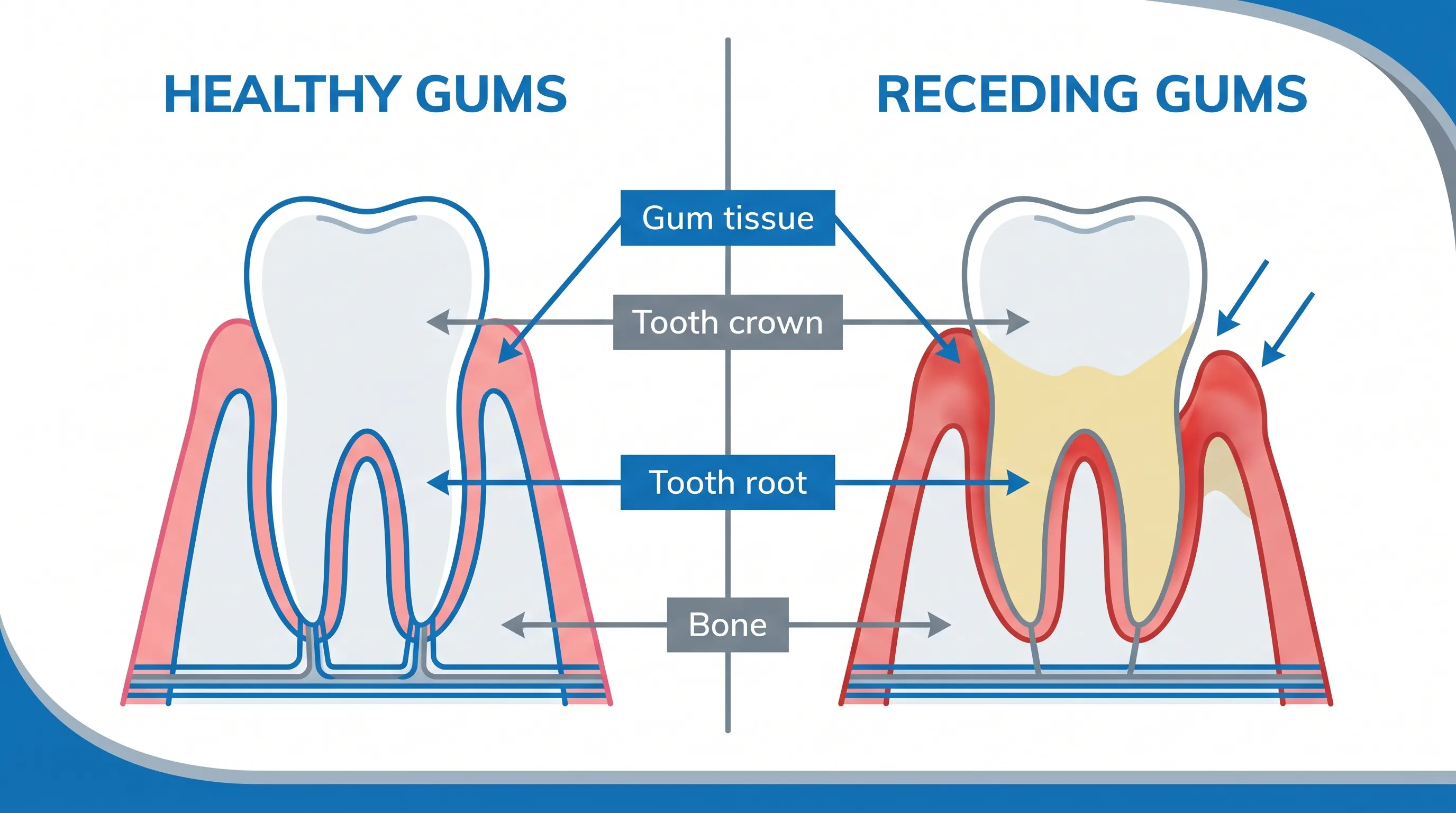
Gum recession, clinically known as gingival recession, is a progressive condition where the gum margin moves apically, or toward the root of the tooth. This exposure leaves the tooth root vulnerable to decay, sensitivity, and bacterial infection. To understand how to treat it, we must first understand why it happens. The causes are multifactorial, ranging from aggressive brushing habits to underlying systemic health issues.
Free calculatorBMI CalculatorCalculate Body Mass IndexOpen the calculatorPeriodontal Disease
The most common cause of receding gums is periodontal disease, an inflammatory condition affecting the tissues surrounding the teeth. It begins as gingivitis, characterized by red, swollen, and bleeding gums. If left untreated, gingivitis can progress to periodontitis, where the inner layer of the gum and bone pull away from the teeth, forming pockets. These pockets collect debris and become infected. As the body’s immune system fights the bacteria, the toxins and enzymes produced by the bacteria start to break down the bone and connective tissue that hold teeth in place. Eventually, the gums recede, and if not treated, the teeth may loosen and fall out. According to the Centers for Disease Control and Prevention (CDC), nearly half of adults aged 30 years or older in the United States have some form of periodontal disease.
Aggressive Brushing and Trauma
Many individuals believe that brushing harder leads to cleaner teeth, but this is a dangerous myth. Using a hard-bristled toothbrush or applying excessive pressure can wear away the enamel and cause the gums to recede over time. This mechanical trauma damages the delicate gum tissue, leading to chronic inflammation and subsequent recession. Additionally, physical trauma from lip piercings or habitual picking at the gums can contribute to localized recession.
Genetic Predisposition
Genetics play a significant role in gum health. Studies suggest that up to 30% of the population may be genetically predisposed to gum disease, regardless of how well they care for their teeth. Some people are born with thinner gum tissue or less robust jawbone structure, making them more susceptible to recession. If your parents or siblings have experienced significant gum loss, you may be at higher risk, necessitating more vigilant preventive care.
Hormonal Changes and Lifestyle Factors
Hormonal fluctuations, particularly in women during puberty, pregnancy, and menopause, can make gums more sensitive and vulnerable to recession. Smoking and tobacco use are also major contributors, as they restrict blood flow to the gum tissues, impairing healing and increasing the risk of periodontal disease. Furthermore, teeth grinding and clenching (bruxism) put excessive force on the teeth, which can cause the gums to recede as the supporting structures become overwhelmed.
Treatment Options: Beyond Traditional Fillings
When patients search for fillings for receding gums, they are usually looking for a way to cover the exposed root surface. Since gum tissue cannot be "filled" like a cavity, dentists and periodontists offer several surgical and non-surgical alternatives. Each option has its own benefits, risks, and suitability depending on the severity of the recession.
Gum Grafting Surgery
Gum grafting is the gold standard for treating significant gum recession. This surgical procedure involves taking tissue from another part of the mouth and attaching it to the area where the gums have receded. There are three main types of gum grafts:
- Connective Tissue Grafts: This is the most common method. A flap is cut into the roof of the mouth (palate), and tissue from under the skin is removed. This connective tissue is then stitched over the exposed root and covered with the original flap from the palate, which is stitched closed.
- Free Gingival Grafts: This technique is often used for patients with thin gums who need additional tissue to prevent further recession. Tissue is taken directly from the roof of the mouth and attached to the affected area. Because the tissue is taken from the surface, the donor site may heal more slowly and be more uncomfortable.
- Pedicle Grafts: In this procedure, tissue is grafted from the gum near the affected tooth. A flap of gum is partially cut and lifted, then pulled over the exposed root and stitched into place. This method is only possible if there is sufficient healthy gum tissue adjacent to the recession site.
The Pinhole Surgical Technique (PST)
For patients seeking a less invasive alternative to traditional grafting, the Pinhole Surgical Technique offers a revolutionary approach. Developed by Dr. John Chao, this minimally invasive procedure does not require sutures, scalpels, or donor tissue from the palate. Instead, the periodontist makes a tiny hole in the existing gum tissue using a special instrument. Through this pinhole, specialized tools are used to loosen the gum tissue and gently slide it down over the exposed root. Collagen strips are often inserted to help stabilize the gum in its new position. The benefits include reduced post-operative pain, faster recovery times, and immediate aesthetic improvement. However, PST is not suitable for all cases, particularly those with severe bone loss or extensive recession.
Composite Resin Restoration
In cases where the recession is mild and primarily causing aesthetic concerns or sensitivity rather than structural instability, dentists may apply tooth-colored composite resin to the exposed root surface. While this is technically a "filling," it serves to cover the yellowish root dentin, matching the color of the surrounding enamel. This procedure is quick, non-invasive, and affordable. However, it does not restore the gum tissue itself and may need to be replaced over time as the gums continue to change. It is often used in conjunction with other treatments or for patients who are not candidates for surgery.
Guided Tissue Regeneration
If the bone supporting the tooth has been destroyed due to severe periodontal disease, guided tissue regeneration may be necessary. This involves folding back the gum tissue to remove harmful bacteria. Then, a membrane, fabric mesh, or dissolvable protein is placed over the bone defect. This barrier prevents unwanted tissue from growing into the area, allowing the bone and connective tissue to regrow naturally. Once healed, the gum tissue is secured back in place.
The Procedure: What to Expect During Treatment
Understanding the step-by-step process of gum restoration can help alleviate anxiety and prepare you for the experience. Whether you opt for traditional grafting or the pinhole technique, the goal is to restore the protective barrier around your teeth.
Pre-Procedure Preparation
Before any surgical intervention, a thorough examination is conducted. This includes measuring the depth of gum pockets, assessing the amount of bone loss via X-rays, and evaluating your overall oral health. Your dentist or periodontist will review your medical history and current medications. It is crucial to disclose any blood thinners or supplements that might affect bleeding. Professional cleaning is often performed a few weeks before surgery to reduce bacterial load and ensure optimal healing conditions.
During the Surgery
On the day of the procedure, local anesthesia is administered to numb the treatment area. For extensive grafting, sedation may be offered to help you relax. If a connective tissue graft is chosen, the palate is numbed, and the tissue is harvested. The recipient site is prepared by cleaning the exposed root surface and creating a small pocket or bed for the graft. The graft is then carefully positioned and sutured into place. The entire process typically takes one to two hours, depending on the number of teeth involved. For the pinhole technique, the process is quicker, often completed in under an hour for multiple teeth, with no sutures required.
Immediate Post-Operative Care
After the anesthesia wears off, you may experience some swelling, bruising, and discomfort. Your dentist will provide specific instructions, which usually include applying ice packs to the outside of the cheek to reduce swelling, taking prescribed antibiotics to prevent infection, and using pain relievers as needed. You will likely be advised to eat a soft diet and avoid hot, spicy, or crunchy foods for the first few days. Rinsing with a prescribed antimicrobial mouthwash helps keep the area clean without disturbing the surgical site.
Recovery and Long-Term Maintenance
The success of fillings for receding gums, whether through grafting or other methods, largely depends on how well you manage the recovery phase and maintain your oral hygiene thereafter. Healing is a gradual process that requires patience and diligence.
The Healing Timeline
In the first week, the focus is on managing pain and preventing infection. Swelling usually peaks within 48 hours and then subsides. Stitches, if used, are typically removed after one to two weeks. Complete healing of the gum tissue takes about four to six weeks, during which time the tissue integrates with the surrounding areas. Full maturation of the graft and final aesthetic results may take several months. During this period, it is vital to avoid vigorous brushing or flossing near the surgical site.
Dietary Adjustments
Nutrition plays a key role in healing. Stick to cool, soft foods like yogurt, smoothies, mashed potatoes, and scrambled eggs for the first few days. Avoid using straws, as the suction can dislodge blood clots and disrupt the healing graft. Stay hydrated but avoid alcohol and caffeinated beverages, which can dehydrate the body and impede recovery. As healing progresses, you can gradually reintroduce solid foods, but continue to avoid hard or sticky items that could traumatize the gums.
Oral Hygiene Modifications
Once the initial healing phase is complete, maintaining impeccable oral hygiene is critical to prevent recurrence. Switch to a soft-bristled toothbrush and use gentle, circular motions rather than harsh scrubbing. Consider using an electric toothbrush with a pressure sensor to ensure you are not applying too much force. Flossing daily is essential, but be careful around the treated areas. Your dentist may recommend specific interdental brushes or water flossers to clean between teeth without irritating the gums. Regular professional cleanings every three to six months will help monitor the health of the graft and detect any early signs of periodontal issues.
Costs, Insurance, and Accessibility
One of the most common questions regarding fillings for receding gums is the cost. Dental procedures can be expensive, and understanding the financial implications is an important part of the decision-making process.
Breakdown of Costs
The cost of treating receding gums varies widely based on geographic location, the expertise of the provider, and the complexity of the case.
| Treatment Type | Estimated Cost Per Site | Notes |
|---|---|---|
| Composite Bonding | $100 - $400 | Non-surgical, cosmetic coverage of root |
| Connective Tissue Graft | $600 - $1,200 | Gold standard, requires palatal harvest |
| Free Gingival Graft | $500 - $1,000 | Often used for thickening thin gums |
| Pinhole Surgical Technique | $2,000 - $5,000 | Minimally invasive, covers multiple teeth |
| Guided Tissue Regeneration | $1,000 - $3,000 | Used when bone loss is present |
Note: These are average estimates and can vary significantly.
Insurance Coverage
Dental insurance coverage for gum grafting depends on the diagnosis. If the procedure is deemed medically necessary to treat periodontal disease or prevent tooth loss, many insurance plans will cover a portion of the cost, typically 50% to 80% after the deductible is met. However, if the procedure is considered purely cosmetic, such as minor root coverage for aesthetic purposes, it may not be covered. It is essential to consult with your insurance provider and obtain a pre-treatment estimate to understand your out-of-pocket expenses. Some dental discount plans may also offer reduced rates for periodontal procedures.
Financing Options
For patients without adequate insurance coverage, many dental offices offer financing plans or payment options. Third-party healthcare credit cards like CareCredit allow patients to pay for procedures over time, often with interest-free periods if paid within a specified timeframe. Discussing financial concerns openly with your dental provider can help identify the most affordable treatment path without compromising on quality of care.
Prevention Strategies: Protecting Your Gum Line
While treatments like gum grafting are effective, prevention is always the best medicine. Implementing healthy habits can stop recession in its tracks and protect your investment in dental health.
Mastering Proper Brushing Techniques
The way you brush matters immensely. Use a soft-bristled toothbrush and hold it at a 45-degree angle to the gums. Use short, gentle strokes, focusing on one or two teeth at a time. Avoid sawing back and forth, which can abrade the enamel and irritate the gums. Electric toothbrushes with pressure sensors are excellent tools for ensuring you do not brush too hard. Replace your toothbrush every three to four months or sooner if the bristles are frayed.
Daily Flossing and Interdental Cleaning
Plaque buildup between teeth is a primary driver of gum disease. Flossing once a day removes plaque and food particles that your toothbrush cannot reach. If traditional floss is difficult to use, consider waxed floss, floss picks, or water flossers. Consistency is key; skipping flossing allows bacteria to thrive in the interdental spaces, leading to inflammation and eventual recession.
Regular Dental Check-Ups
Visit your dentist at least twice a year for professional cleanings and examinations. Early detection of gum disease is crucial. Your dentist can identify early signs of recession, measure pocket depths, and provide personalized advice. Professional cleanings remove tartar (hardened plaque) that cannot be removed by brushing alone, reducing the bacterial load and inflammation in the mouth.
Lifestyle Modifications
Quit smoking or using tobacco products, as these significantly increase the risk of gum disease and impair healing. Manage stress, which can contribute to teeth grinding. If you grind your teeth at night, ask your dentist about a custom night guard to protect your teeth and gums from excessive force. Maintain a balanced diet rich in vitamins C and D, which support gum health and immune function.
Frequently Asked Questions
Can you put fillings on receding gums?
Technically, you cannot place a standard dental filling on gum tissue because it is soft tissue, not hard enamel or dentin. However, the term 'fillings for receding gums' is often used colloquially to describe gum grafting procedures or the use of tooth-colored composite resin to cover exposed root surfaces caused by recession. These treatments restore the appearance and protect the sensitive root area.
How much does it cost to fix receding gums?
The cost varies significantly based on the severity and method used. Gum grafting surgery typically ranges from $600 to $3,000 per site. Less invasive procedures like pinhole surgery may cost between $2,000 and $5,000 for multiple teeth. Dental insurance may cover part of the cost if deemed medically necessary due to periodontal disease.
Is gum grafting painful?
Gum grafting is performed under local anesthesia, so you should not feel pain during the procedure. Post-operative discomfort is common and can be managed with prescribed pain medication or over-the-counter analgesics. Most patients report mild to moderate soreness for a few days, similar to the feeling after having a tooth extracted.
Can receding gums grow back naturally?
No, once gum tissue has receded, it does not grow back on its own. The lost tissue cannot regenerate naturally. However, early stages of gum disease (gingivitis) can be reversed with improved oral hygiene. For established recession, surgical interventions like gum grafts are required to restore the gum line.
What happens if I don't treat receding gums?
Untreated receding gums can lead to increased tooth sensitivity, higher risk of root decay, and eventual tooth loss. As the gums pull away, pockets form between the teeth and gum line, allowing bacteria to accumulate and cause periodontal disease, which damages the supporting bone structure.
Conclusion
Receding gums are a serious dental concern that extends beyond aesthetics, impacting your oral health, comfort, and overall well-being. While the phrase "fillings for receding gums" is a common search term, it is essential to understand that true restoration involves specialized periodontal procedures such as gum grafting, the pinhole surgical technique, or composite bonding. These treatments offer effective solutions for covering exposed roots, reducing sensitivity, and preventing further tissue loss.
Early intervention is key. If you notice signs of gum recession, such as longer-looking teeth or increased sensitivity, consult with a dental professional immediately. They can assess the severity of the condition and recommend the most appropriate treatment plan tailored to your needs. By combining professional treatment with diligent home care—including proper brushing, flossing, and regular dental visits—you can protect your gum line and maintain a healthy, confident smile for years to come. Remember, your gums are the foundation of your oral health; treating them with care is an investment in your long-term health.
How we work
Researched and drafted with AI assistance, then reviewed by a human editor against the cited sources.
This article is general health information, not medical advice. Consult a qualified healthcare professional about your own situation.