Do Sanitary Towels Expire? A Complete Guide to Shelf Life, Safety, and Storage
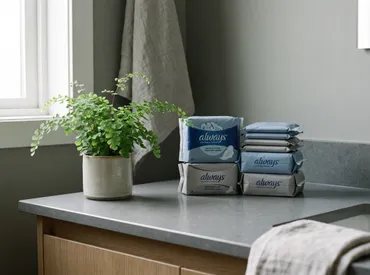
It is a question that often lingers in the back of our minds, especially when we discover an old stash of period products tucked away in the back of a cupboard or drawer. We meticulously check the expiration dates on our milk, our medications, and our cosmetics, but when it comes to menstrual hygiene products, the rules seem far less clear. You might find yourself holding a package of sanitary towels, wondering if they are still safe to use or if they have silently turned into a health hazard. The simple act of preparing for your cycle should not be fraught with anxiety about product integrity, yet the ambiguity surrounding the longevity of these essential items can cause unnecessary stress.
The reality is that while sanitary towels are not perishable in the same way food is, they are not immortal either. They are complex manufactured products composed of various materials including plastics, super-absorbent polymers, adhesives, and fragrances, all of which have their own degradation timelines. Understanding whether sanitary towels expire is crucial for maintaining optimal vaginal health and ensuring that you are protected when you need it most. This comprehensive guide will delve deep into the science behind menstrual product shelf life, the potential risks of using outdated products, and the best practices for storing your supplies. By the end of this article, you will have a clear, evidence-based understanding of how long your sanitary towels last and how to manage your menstrual inventory safely and effectively.
Understanding the Composition of Sanitary Towels
To truly understand if sanitary towels expire, we must first look at what they are made of. Modern sanitary towels are engineering marvels designed to lock away fluid, prevent leaks, and maintain comfort. However, this complexity means there are multiple components that can degrade over time. A typical disposable pad consists of several layers, each serving a specific function.
Free calculatorBMI CalculatorCalculate Body Mass IndexOpen the calculatorThe top layer, which comes into direct contact with the skin, is usually made of a soft, non-woven fabric or perforated plastic film. This layer is designed to be gentle and allow fluid to pass through quickly. Beneath this is the acquisition distribution layer, which helps spread the fluid evenly across the pad. The core of the pad contains super-absorbent polymers (SAPs), often sodium polyacrylate, mixed with fluff pulp. These SAPs are the workhorses of the pad, capable of absorbing many times their weight in liquid. Finally, there is a leak-proof back sheet made of polyethylene or similar plastic, and an adhesive strip to keep the pad in place within underwear.
Each of these materials reacts differently to environmental factors such as heat, humidity, and light. The plastics can become brittle, the adhesives can dry out or lose their tackiness, and the organic components like fluff pulp can become susceptible to microbial growth if exposed to moisture. When we ask if sanitary towels expire, we are essentially asking if these structural and chemical integrities hold up over time. While the plastic components may last for decades, the functional aspects of the pad—its ability to absorb, stick, and remain sterile—are what define its usable lifespan.
Furthermore, many modern pads include additional features such as scent beads, cooling gels, or herbal infusions. These additives are often the first to degrade. Fragrances can oxidize, changing their smell from pleasant to chemical or rancid. Herbal extracts can lose their potency or, worse, become a breeding ground for bacteria if not preserved correctly. Therefore, the more complex the pad, the more critical it is to pay attention to its age and storage conditions.
Do Sanitary Towels Expire? The Official Stance
One of the most common sources of confusion is the lack of a standardized expiration date on most sanitary towel packaging. Unlike pharmaceuticals, which are strictly regulated by agencies like the FDA in the United States or the EMA in Europe regarding expiration labeling, menstrual products fall into a different regulatory category. In many jurisdictions, manufacturers are not legally required to print an expiration date on sanitary pads.
However, this does not mean they last forever. Most major manufacturers provide a general guideline for shelf life. Typically, unopened sanitary towels are considered stable for about 3 to 5 years from the date of manufacture. Some brands may state a shorter period, such as 2 years, particularly for products with added scents or organic materials. The absence of a printed date often leads consumers to assume indefinite usability, but industry standards suggest otherwise.
When investigating if sanitary towels expire, it is important to note that the "expiration" is less about safety and more about performance and quality assurance. Manufacturers guarantee that their product will perform as advertised—absorbing the stated amount of fluid, adhering securely, and remaining free from contaminants—within that 3-5 year window. Beyond this period, they cannot guarantee these attributes. This is why you might see batch codes or manufacturing dates printed on the box or individual wrappers, even if a clear "Use By" date is absent.
| Product Type | Estimated Shelf Life | Primary Degradation Risk |
|---|---|---|
| Standard Unscented Pads | 3-5 Years | Adhesive failure, plastic brittleness |
| Scented Pads | 2-3 Years | Fragrance oxidation, chemical irritation |
| Organic/Cotton Pads | 2-3 Years | Mold growth, material breakdown |
| Pantiliners | 3-5 Years | Adhesive drying out |
| Menstrual Cups (Silicone) | 5-10 Years | Material tearing, discoloration |
This table highlights that while standard pads have a decent longevity, specialized products like organic or scented varieties have a shorter window of optimal use. The organic materials lack the synthetic preservatives found in conventional plastics, making them more vulnerable to environmental factors. Therefore, if you prefer eco-friendly options, you must be even more vigilant about rotation and storage.
The Risks of Using Expired Sanitary Towels
While using a sanitary pad that is a few months past its prime might not result in an immediate medical emergency, there are tangible risks associated with using significantly expired products. The primary concerns revolve around hygiene, effectiveness, and physical comfort. According to the Cleveland Clinic, maintaining proper vulvar hygiene is essential to prevent infections, and using compromised products can disrupt this balance.
Bacterial and Fungal Contamination
The most significant risk is microbial growth. Sanitary towels are manufactured in sterile environments and packaged to maintain that sterility. However, no packaging is completely impervious forever. Microscopic tears in the plastic wrapping, permeability of the material over time, or poor storage conditions can allow air and moisture to enter. Once moisture is present, the cellulose and organic components of the pad can support the growth of mold, bacteria, and fungi.
Introducing a contaminated pad to the vulvar area can disrupt the delicate microbiome of the vagina. This can lead to conditions such as bacterial vaginosis, yeast infections, or general dermatitis. Symptoms might include itching, redness, unusual discharge, or an unpleasant odor. While the vagina has self-cleaning mechanisms, adding a source of external bacteria via an expired pad can overwhelm these defenses. For more information on vaginal health, refer to resources from the Mayo Clinic.
Reduced Absorbency and Leakage
Over time, the super-absorbent polymers in the core of the pad can degrade. They may lose their capacity to lock in fluid, leading to reduced absorbency. This increases the risk of leakage, which is not only inconvenient but also hygienically problematic. Leaking menstrual blood can stain clothing and create a moist environment conducive to bacterial growth on the skin and outer garments. If you find that your usual flow seems heavier than expected or that leaks are happening more frequently, check the date on your pads. The issue might not be your body, but the degraded technology in the pad.
Adhesive Failure and Skin Irritation
The adhesive used to attach the pad to underwear is another component that degrades. Expired adhesives can become overly sticky, leaving residue on underwear, or they can lose their tackiness entirely, causing the pad to shift or bunch up. A shifting pad can cause chafing and discomfort. Moreover, the chemicals in the adhesive can break down into irritants. For individuals with sensitive skin, using an old pad can trigger contact dermatitis, characterized by red, itchy, or blistered skin in the genital area.
Chemical Changes in Scented Products
For those who use scented pads, the risk of chemical irritation increases with age. The fragrance compounds can oxidize, creating new chemical byproducts that may be irritating to the sensitive mucous membranes of the vulva. What once smelled fresh may now smell chemical or sour, indicating that the product has degraded. Using such products can cause allergic reactions or exacerbate existing sensitivities.
How to Identify If Your Sanitary Towels Have Gone Bad
Since many packages do not have a clear expiration date, you need to rely on sensory inspection to determine if your sanitary towels are still good to use. Here is a step-by-step guide to evaluating your stock.
Check the Packaging
Start with the exterior. Is the box damaged? Are the individual wrappers intact? Look for any signs of moisture damage, such as warping or soft spots on the box. If the individual plastic wrappers are torn, punctured, or appear loose, air and contaminants have likely entered. Discard any pad with compromised packaging immediately, regardless of how recently it was bought.
Inspect the Color
Open a pad and look at the material. New pads are typically bright white or off-white. If you notice yellowing, brown spots, or any discoloration, this is a sign of aging or potential mold growth. Yellowing can occur due to oxidation of the materials over time. While slight yellowing might not always indicate contamination, it is a sign that the materials are breaking down. Any visible black or green spots are definitive signs of mold, and the entire package should be discarded.
Smell Test
Give the pad a sniff. It should have little to no scent, or a mild, neutral fragrance if it is a scented variety. If you detect a musty, mildew-like, or strong chemical odor, the pad has gone bad. A musty smell indicates moisture exposure and potential microbial growth. A sharp chemical smell suggests that the plastics or adhesives are degrading. Trust your nose; if it smells off, do not use it.
Texture and Integrity
Feel the pad. It should be soft and uniform. If the material feels crunchy, brittle, or if the fibers are crumbling, the structural integrity is compromised. Try peeling the backing off the adhesive strip. If the adhesive does not come off cleanly, leaves excessive residue, or fails to stick to a test surface, the pad is no longer functional. A pad that cannot stay in place is a hygiene risk.
Best Practices for Storing Sanitary Towels
Proper storage is the single most effective way to extend the shelf life of your sanitary towels and ensure they remain safe to use. Understanding the enemies of these products—heat, humidity, and light—will help you create the ideal storage environment.
Cool and Dry Environment
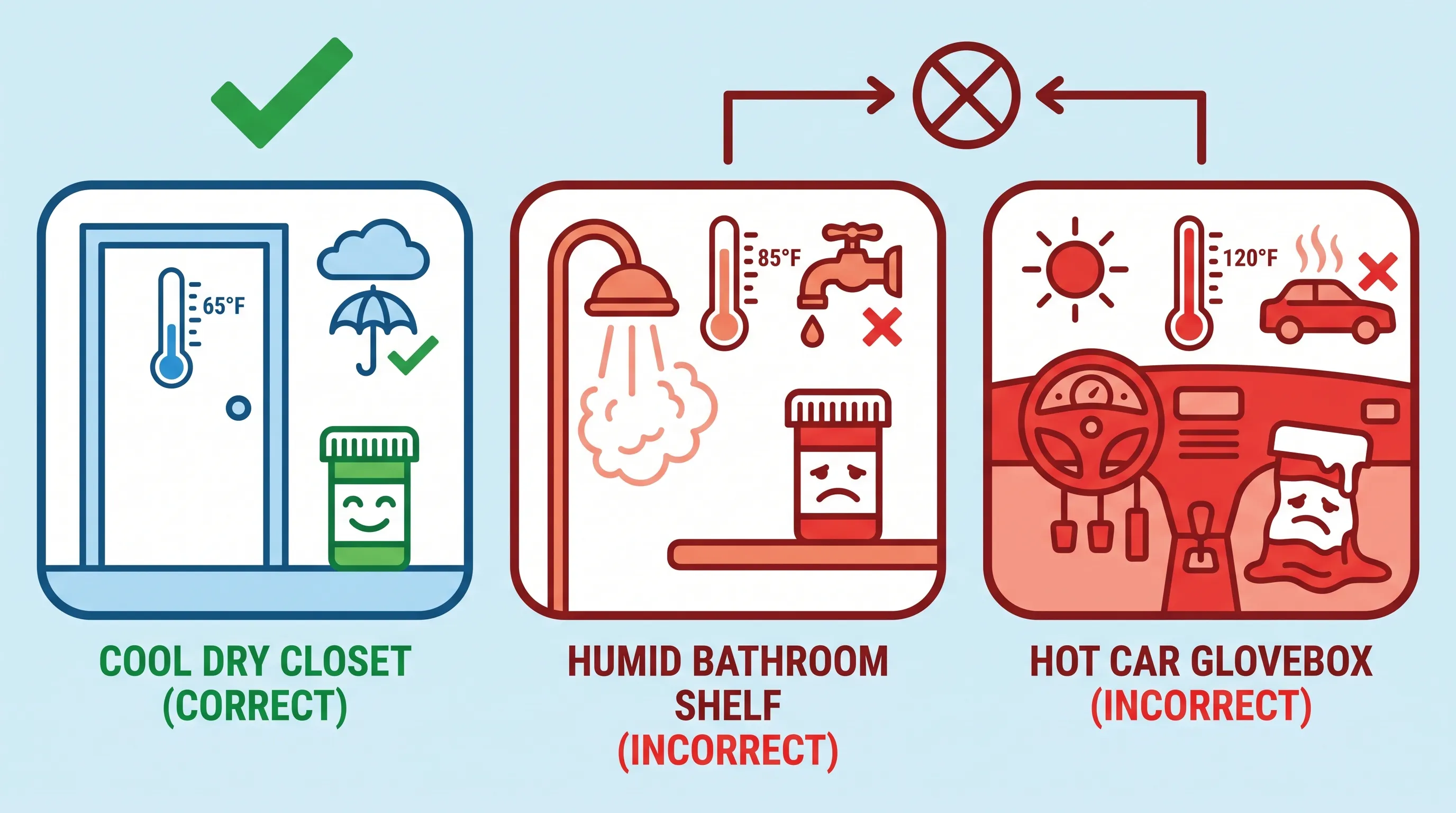
The golden rule for storing sanitary products is to keep them in a cool, dry place. Bathrooms, while convenient, are often the worst place to store them due to fluctuating humidity levels from showers and baths. High humidity can penetrate packaging and promote mold growth. Instead, consider storing your supply in a bedroom closet, a linen cupboard in a hallway, or a dedicated drawer in your dresser. These areas tend to have more stable temperature and humidity levels.
Avoid Direct Sunlight
Ultraviolet (UV) light can degrade plastics and bleach materials, causing them to become brittle and discolored. Store your boxes or packages in opaque containers or inside cabinets where they are shielded from direct sunlight. If you buy in bulk, keep the main stock in a dark closet and only keep a small supply in your daily-use area.
Keep Packaging Sealed
If you buy bulk packs, try to keep the outer box closed when not in use. If you remove pads from the box, ensure the remaining pads are kept in a clean, sealed container or bag to protect them from dust, pests, and air exposure. Do not store loose pads in open baskets or jars where they are exposed to the ambient environment.
Rotate Your Stock
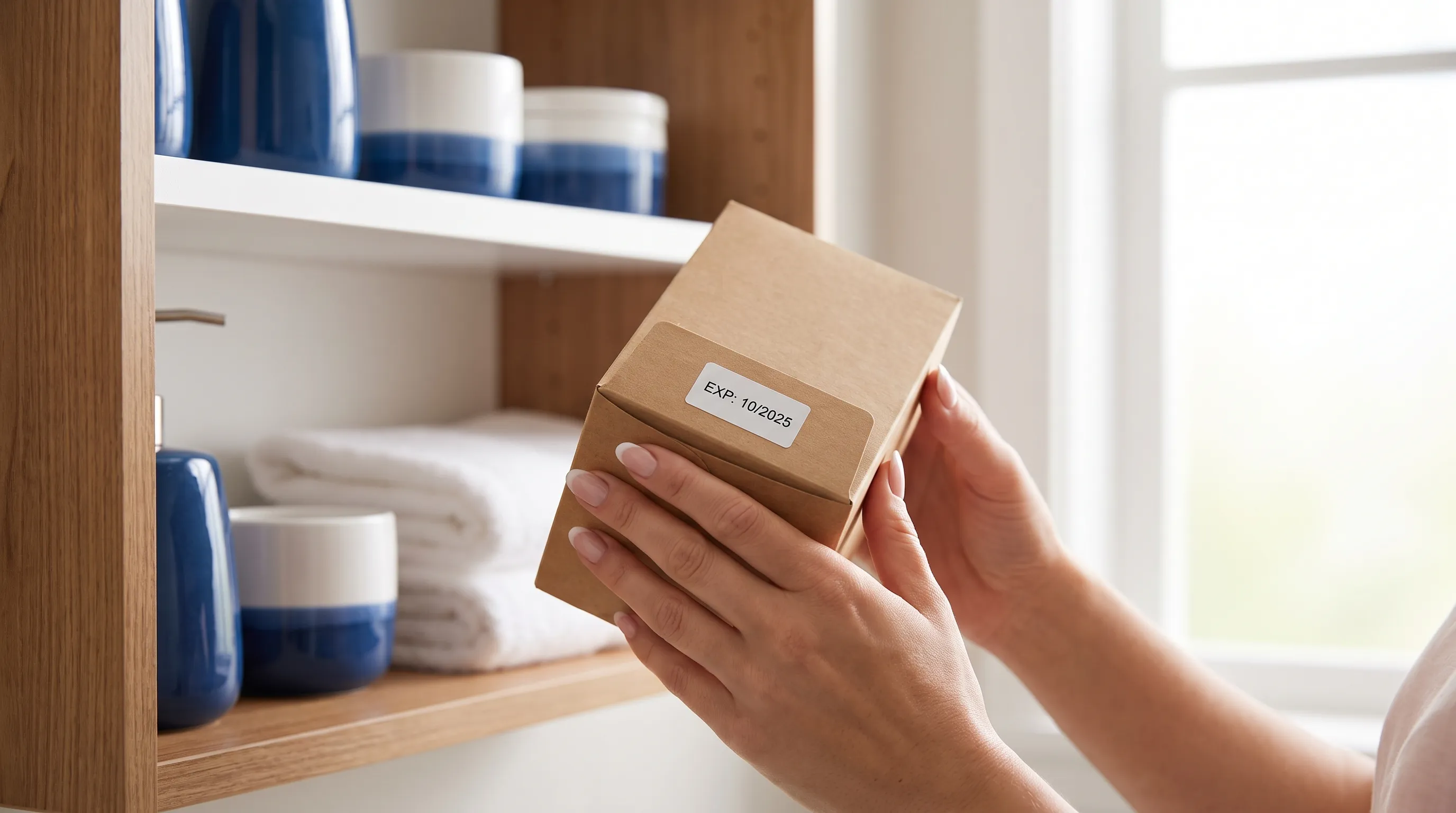
Practice the "first in, first out" method. When you buy new pads, place them behind the older ones in your storage space. This ensures that you use the oldest products first, preventing them from sitting unused for years. Marking the purchase date on the box with a marker can help you track how long they have been in your possession.
Alternatives and Sustainability Considerations
The question of whether sanitary towels expire also intersects with the growing movement towards sustainable menstrual care. Many women are switching to reusable alternatives to reduce waste and avoid the uncertainty of disposable product shelf life.
Menstrual Cups
Menstrual cups are made from medical-grade silicone, latex, or thermoplastic elastomer. They have a much longer lifespan, typically lasting 5 to 10 years with proper care. While they do not "expire" in the traditional sense, the material can degrade over time. Signs that a cup needs replacing include stickiness, cloudiness, cracks, or a persistent odor that does not wash out. Because they are reusable, the issue of expiration is replaced by the need for regular inspection and hygiene maintenance.
Period Underwear
Period underwear incorporates absorbent layers into washable fabric. Like regular clothing, they have a lifespan determined by wear and tear. The absorbency may decrease after numerous washes, typically lasting 2 to 5 years depending on the brand and care instructions. They do not have an expiration date, but their effectiveness diminishes over time. Proper washing according to manufacturer guidelines is crucial to maintain their integrity and prevent bacterial buildup.
Reusable Cloth Pads
Cloth pads are made from fabrics like cotton, bamboo, or hemp. They can last for several years but require diligent washing and drying. Like period underwear, they do not expire, but they can wear out. Mold can be an issue if they are not dried thoroughly after washing. Storing them in a dry, breathable bag between uses is essential.
Switching to these alternatives can alleviate the anxiety of expiration dates, but they require a different type of maintenance. For those who prefer disposables, buying smaller quantities more frequently can ensure freshness and reduce the likelihood of having expired products on hand.
Frequently Asked Questions
Do sanitary towels have an official expiration date?
Most sanitary towels do not have a strict FDA-mandated expiration date like food or medication. However, manufacturers typically recommend using them within 3 to 5 years of production. Over time, the materials can degrade, affecting absorbency and sterility. Always check the packaging for any batch codes or manufacturer recommendations.
Is it safe to use expired sanitary pads?
Using slightly expired pads is generally not dangerous, but it carries risks. The adhesive may fail, the absorbency may be reduced, and there is a higher chance of bacterial or fungal contamination if the packaging was compromised. It is best to avoid using pads that are significantly past their recommended shelf life, especially if you have sensitive skin or a history of infections.
How should I store sanitary towels to maximize their shelf life?
Store sanitary towels in a cool, dry place away from direct sunlight and humidity. Avoid keeping them in bathrooms where moisture levels fluctuate. Keep the packaging sealed until ready to use to prevent exposure to air and pests. A bedroom closet or linen cupboard is ideal.
Can expired sanitary pads cause infections?
While rare, expired pads can harbor bacteria or mold if stored improperly. Using contaminated pads can disrupt the vaginal pH balance and potentially lead to yeast infections, bacterial vaginosis, or skin irritation. Always inspect pads for unusual odors or discoloration before use to minimize this risk. For more details on vaginal infections, visit the CDC.
What are the signs that a sanitary pad has gone bad?
Signs include a musty or chemical odor, yellowing or discoloration of the pad material, crumbling or disintegrating fibers, and adhesive that no longer sticks properly. If the individual wrapper is torn or damp, discard the pad immediately. Trust your senses; if it looks or smells wrong, do not use it.
Can I return expired sanitary towels to the store?
Policies vary by retailer. If the product was sold with an expiration date and it was already expired at the time of purchase, you are usually entitled to a refund or exchange. If the product does not have an expiration date and you have stored it for several years, returns are unlikely to be accepted. Always check your receipt and the store's return policy.
Conclusion
The question of whether sanitary towels expire is not merely a matter of curiosity but a significant aspect of personal health and hygiene management. While these products do not spoil in the traditional sense, their functional integrity and safety profile diminish over time. The general consensus among manufacturers and health experts is that sanitary towels have a shelf life of approximately 3 to 5 years. Beyond this period, the risks of reduced absorbency, adhesive failure, and potential microbial contamination increase.
Understanding the composition of these products helps us appreciate why they degrade. The plastics, polymers, and adhesives are subject to environmental stresses that can compromise their performance. Proper storage is the key to maximizing their lifespan. By keeping your supplies in a cool, dry, and dark place, you can ensure that they remain effective and safe for use throughout their intended shelf life.
It is also vital to develop a habit of inspecting your products before use. A quick check for discoloration, odor, and packaging integrity can prevent potential health issues. For those concerned about expiration or environmental impact, exploring reusable alternatives like menstrual cups or period underwear offers a sustainable and long-lasting solution.
Ultimately, being informed empowers you to make the best choices for your body. Do not let old, questionable products compromise your comfort or health. Regularly audit your menstrual supply, practice good storage habits, and when in doubt, throw it out. Your vaginal health is too important to gamble with expired hygiene products. By following the guidelines outlined in this article, you can ensure that your period care routine is both safe and effective, giving you peace of mind during every cycle.
How we work
Researched and drafted with AI assistance, then reviewed by a human editor against the cited sources.
This article is general health information, not medical advice. Consult a qualified healthcare professional about your own situation.