Cryotherapy Before After: Visualizing the Benefits, Risks, and Real Results
Key points
- Raynaud’s Disease: A condition causing excessive sensitivity to cold.
- Severe Anemia: Reduced oxygen-carrying capacity can be exacerbated by cold stress.
- Open Wounds or Infections: Cold can impair healing and spread infection.
- Claustrophobia: The enclosed space of some chambers may trigger anxiety.
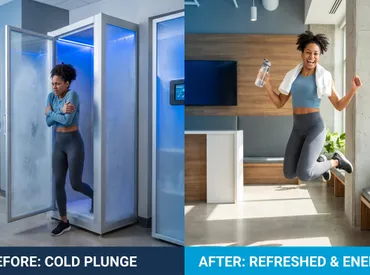
In the rapidly evolving landscape of modern wellness, few trends have captured the imagination of athletes, celebrities, and health enthusiasts quite like cold exposure. Among these, whole-body cryotherapy stands out as a potent, scientifically backed intervention promising rapid recovery, pain relief, and aesthetic enhancements. But what exactly happens to the human body when it is subjected to sub-zero temperatures for just a few minutes? More importantly, what does the transformation look like? The concept of "cryotherapy before after" is not merely about marketing images; it represents a physiological shift that occurs at the cellular level, influencing everything from blood flow to neurotransmitter production.
As we delve into the science and practical applications of this treatment, it becomes clear that understanding the baseline state of your health is crucial to appreciating the post-treatment benefits. Whether you are a marathon runner seeking to reduce muscle soreness, a skincare enthusiast aiming for tighter pores, or an individual managing chronic inflammatory conditions, the journey from "before" to "after" involves complex biological mechanisms. This comprehensive guide explores the evidence-based realities of cryotherapy, separating hype from fact. We will examine how extreme cold triggers vasoconstriction and subsequent vasodilation, flushes out metabolic waste, and stimulates the production of collagen. By analyzing clinical data and expert opinions from authoritative sources like the Cleveland Clinic, we aim to provide a clear picture of what you can realistically expect.
The allure of instant gratification often drives interest in wellness trends, but cryotherapy requires a nuanced understanding of timing, frequency, and individual health status. The "before" state might involve high levels of cortisol, localized inflammation, or sluggish circulation. The "after" state, ideally, reflects a body in homeostasis, rejuvenated and resilient. However, achieving this state is not universal; it depends on proper protocol adherence and realistic expectations. In this article, we will break down the physiological responses, compare cryotherapy to other cold therapies, and provide actionable advice on how to integrate this powerful tool into your health regimen safely and effectively. Let us explore the cold truth behind the warmth of recovery.
The Science Behind the Chill: Physiological Responses to Extreme Cold
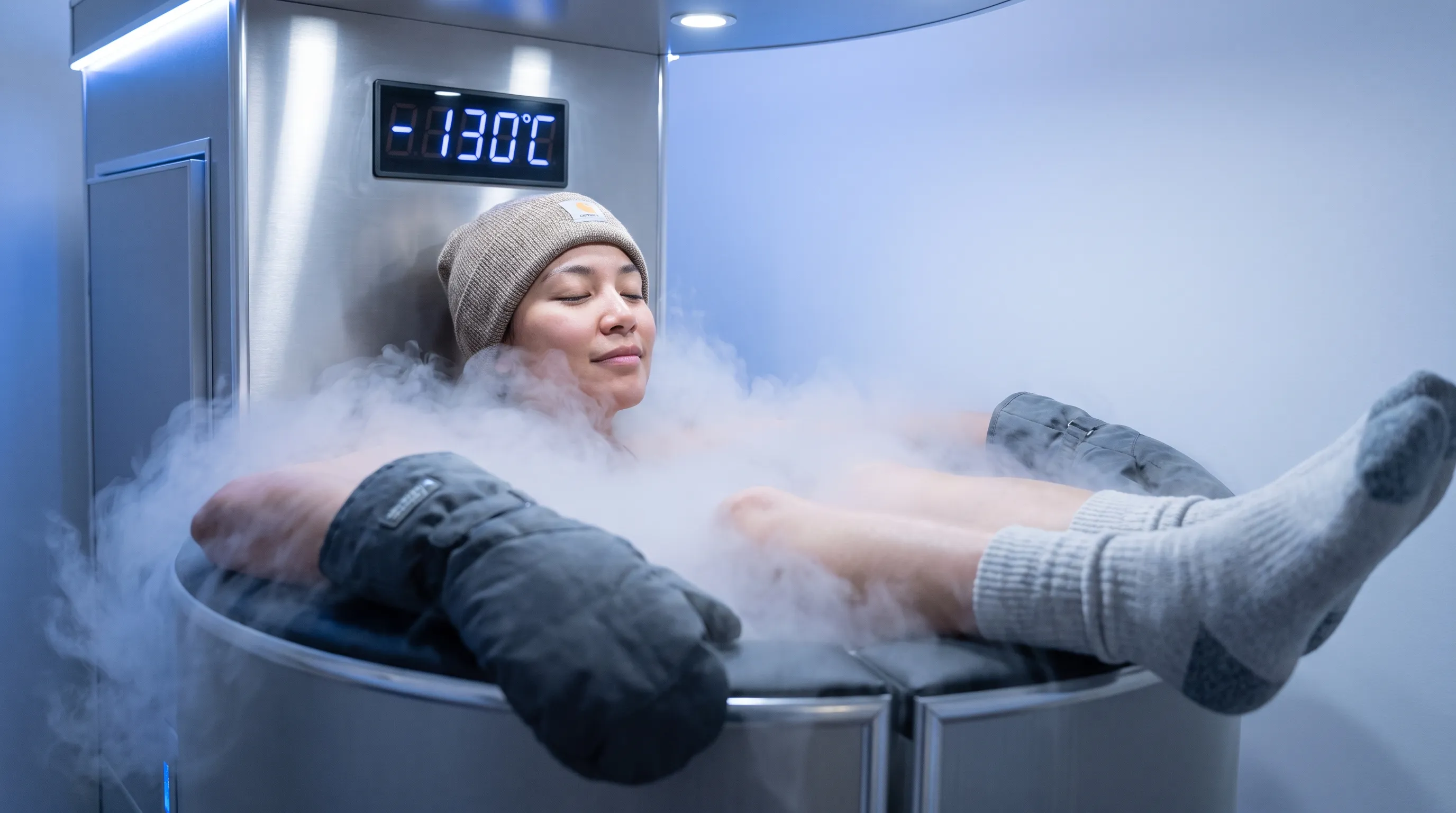
To truly understand the "cryotherapy before after" dynamic, one must first grasp the biological cascade triggered by exposure to extreme cold. Whole-body cryotherapy (WBC) typically involves standing in a specialized chamber where nitrogen gas cools the air to temperatures ranging from -200°F to -300°F (-130°C to -184°C) for two to three minutes. This is significantly colder than traditional ice baths, which usually hover around 50°F to 59°F (10°C to 15°C). The stark difference in temperature and the medium of delivery (dry air vs. water) creates a unique physiological response.
Free calculatorSleep CalculatorCalculate sleep cyclesOpen the calculatorVasoconstriction and Vasodilation
The primary mechanism at play is the body's thermoregulatory response. Upon entering the chamber, the skin's thermoreceptors detect the drastic drop in temperature. In response, the body initiates vasoconstriction, narrowing the blood vessels in the extremities and skin surface. This process redirects blood flow toward the core organs to preserve vital heat and maintain core body temperature. This "before" state of peripheral cooling is essential for the subsequent "after" effect.
When the session ends and the individual exits the chamber, the body rapidly warms up. This triggers vasodilation, where the blood vessels expand, allowing oxygen-rich, nutrient-dense blood to rush back into the tissues. This rebound effect is believed to flush out metabolic waste products, such as lactic acid, which accumulate during intense physical activity. The surge of fresh blood also delivers anti-inflammatory cytokines and healing factors to damaged tissues, accelerating the repair process. This cycle of constriction and dilation acts as a pump for the circulatory system, enhancing overall vascular health.
Neurological and Hormonal Shifts
Beyond circulation, cryotherapy profoundly impacts the nervous system. The extreme cold stimulates the vagus nerve, which plays a key role in the parasympathetic nervous system—the branch responsible for "rest and digest" functions. Activation of the vagus nerve can lower heart rate and reduce stress levels. Simultaneously, the shock of the cold triggers the release of norepinephrine and endorphins. Norepinephrine is a neurotransmitter associated with focus, attention, and mood regulation, while endorphins are the body's natural painkillers and mood elevators.
This hormonal shift explains why many users report an immediate sense of well-being and mental clarity post-session. The "before" state of mental fog or stress is replaced by an "after" state of alertness and calm. Research suggests that regular exposure to cold can increase the baseline levels of these neurotransmitters, potentially offering long-term benefits for mood disorders such as depression and anxiety. However, it is important to note that while these effects are promising, cryotherapy should not replace professional mental health treatment but rather serve as a complementary therapy.
Cellular and Metabolic Impact
At the cellular level, cold exposure induces a mild stress response known as hormesis. This adaptive response strengthens the cells' defense mechanisms, making them more resilient to future stressors. One notable effect is the activation of brown adipose tissue (BAT), or "brown fat." Unlike white fat, which stores energy, brown fat burns energy to generate heat. Activating BAT through cold exposure can increase metabolic rate, leading to higher calorie expenditure. While this is not a magic bullet for weight loss, it contributes to a more efficient metabolism over time.
Furthermore, cryotherapy has been shown to reduce oxidative stress and inflammation markers in the body. Chronic inflammation is a root cause of many diseases, including arthritis, diabetes, and cardiovascular issues. By lowering systemic inflammation, cryotherapy may help mitigate the risk of these conditions. The "cryotherapy before after" comparison in terms of inflammatory markers often shows a significant decrease in C-reactive protein (CRP) and other pro-inflammatory cytokines after a series of sessions.
Cryotherapy for Muscle Recovery and Athletic Performance
For athletes, the quest for faster recovery is endless. Muscle soreness, fatigue, and injury are inevitable parts of rigorous training. Cryotherapy has become a staple in professional sports teams' recovery protocols, from the NFL to Olympic squads. But does the science support the hype? Let us examine the evidence regarding muscle recovery and performance enhancement.
Reducing Delayed Onset Muscle Soreness (DOMS)
Delayed Onset Muscle Soreness (DOMS) typically peaks 24 to 72 hours after intense exercise. It is caused by micro-tears in muscle fibers and the subsequent inflammatory response. Cryotherapy helps alleviate DOMS by reducing the swelling and inflammation associated with these micro-tears. The vasoconstriction during the session limits the accumulation of fluid in the tissues, while the post-session vasodilation helps clear out debris and bring in nutrients for repair.
Studies have shown that athletes who undergo whole-body cryotherapy within an hour after exercise report lower pain scores and faster return to baseline performance levels compared to those who use passive recovery methods. The "before" state of stiff, painful muscles transitions to an "after" state of improved mobility and reduced tenderness. This allows athletes to train harder and more frequently without the debilitating effects of soreness.
Enhancing Sleep Quality
Recovery is not just about physical repair; it also involves restorative sleep. Intense training can disrupt sleep patterns due to elevated cortisol levels and body temperature. Cryotherapy can help regulate these factors. The drop in core body temperature followed by the rebound warming can signal the body that it is time to rest. Additionally, the release of endorphins and the activation of the parasympathetic nervous system promote relaxation, making it easier to fall asleep and stay asleep.
Better sleep quality translates to better recovery. During deep sleep, the body releases growth hormone, which is crucial for muscle repair and tissue regeneration. By improving sleep architecture, cryotherapy indirectly supports muscle growth and performance. Athletes often report feeling more rested and energized the morning after a cryotherapy session, highlighting the holistic nature of the recovery process.
Injury Prevention and Management
While cryotherapy is not a cure for injuries, it can play a supportive role in injury prevention and management. By keeping inflammation in check and maintaining tissue elasticity, regular sessions may reduce the risk of overuse injuries. For existing minor injuries, such as tendonitis or sprains, cryotherapy can help manage pain and swelling, allowing for earlier mobilization and rehabilitation.
However, it is crucial to distinguish between acute injuries and chronic conditions. For acute injuries, such as a fresh ankle sprain, traditional RICE (Rest, Ice, Compression, Elevation) protocols are still the gold standard. Cryotherapy is more effective for systemic recovery and chronic pain management. Consulting with a sports medicine physician is essential to determine the appropriate timing and type of cold therapy for specific injuries.
Dermatological Benefits: Skin Health and Anti-Aging
Beyond muscle recovery, cryotherapy has gained traction in the beauty and dermatology sectors. The promise of tighter, brighter, and younger-looking skin draws many non-athletes to cryo-chambers. But how does freezing air translate to aesthetic improvements?
Collagen Production and Skin Elasticity
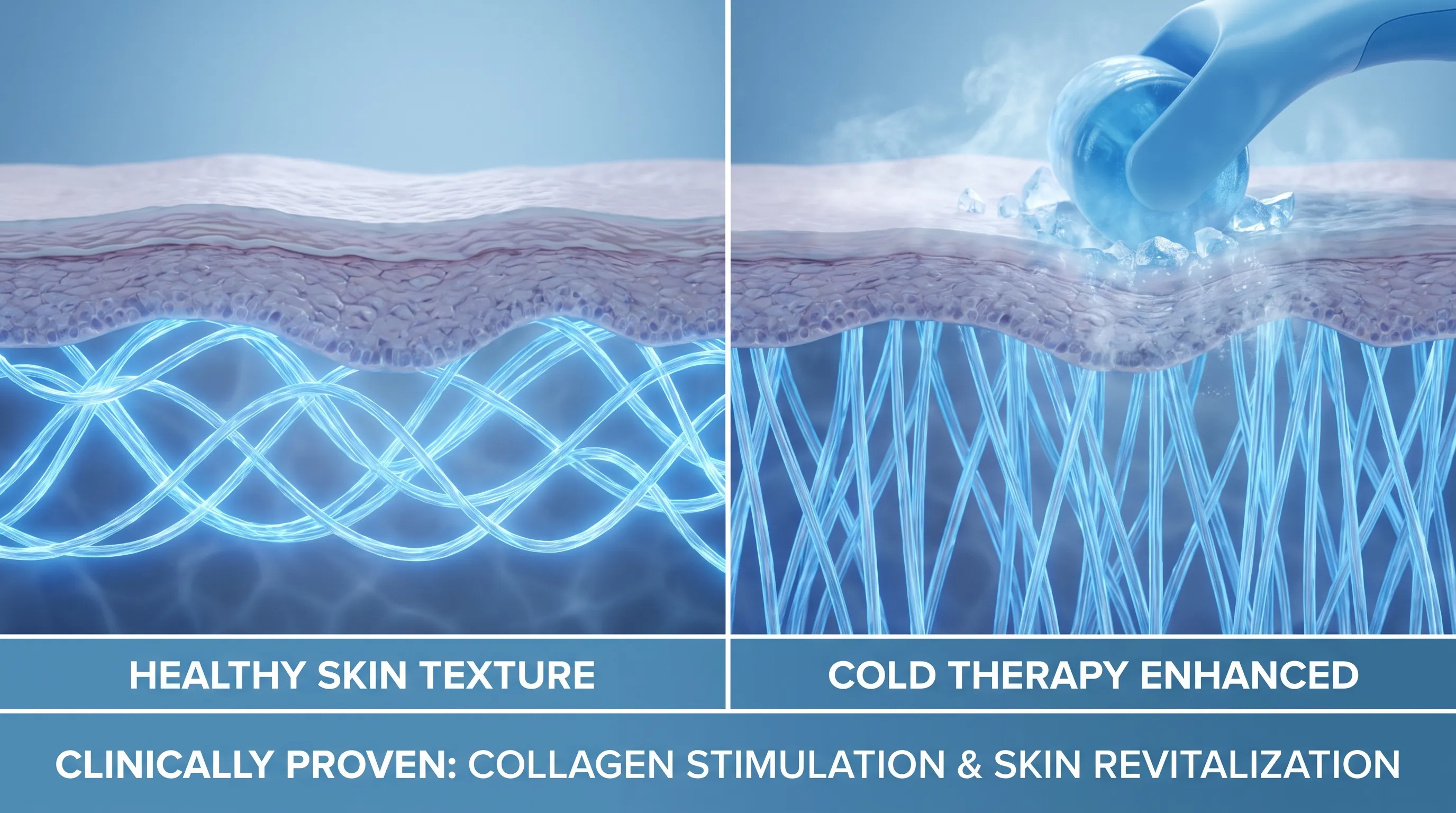
Collagen is the structural protein that gives skin its firmness and elasticity. As we age, collagen production declines, leading to wrinkles and sagging skin. Cryotherapy stimulates fibroblasts, the cells responsible for producing collagen. The thermal shock triggers a repair response, prompting the body to generate new collagen fibers. Over time, this can lead to thicker, more resilient skin.
The "cryotherapy before after" visual for skin often highlights a reduction in fine lines and an improvement in skin texture. Regular sessions can enhance skin tone and reduce the appearance of pores. The increased blood flow also delivers more oxygen and nutrients to skin cells, promoting a healthy glow. This natural facelift effect is a major draw for those seeking non-invasive anti-aging solutions.
Treating Acne and Inflammatory Skin Conditions
Inflammation is a key driver of acne and other skin conditions like psoriasis and eczema. By reducing systemic inflammation, cryotherapy can help calm flare-ups. The cold temperature also has a soothing effect on irritated skin, reducing redness and swelling. Some studies suggest that cryotherapy can reduce the severity of acne lesions by decreasing sebum production and killing acne-causing bacteria.
Moreover, the exfoliating effect of the cold air can help remove dead skin cells, unclogging pores and preventing breakouts. While cryotherapy is not a standalone cure for severe acne, it can be a valuable adjunct to topical treatments and skincare routines. Patients often report clearer, smoother skin after a series of sessions, demonstrating the tangible benefits of cold therapy for dermatological health.
Improving Circulation for a Healthy Glow
Poor circulation can lead to dull, pale skin. The vasodilation effect of cryotherapy boosts blood flow to the skin's surface, delivering essential nutrients and removing toxins. This enhanced circulation imparts a natural rosiness and vitality to the complexion. The immediate "after" effect is often a visible glow, which can last for several hours. With consistent treatment, this glow can become more sustained, reflecting improved overall vascular health.
Mental Health and Mood Enhancement
The mind-body connection is profound, and cryotherapy leverages this link to support mental well-being. The intense cold exposure acts as a form of hormetic stress, forcing the brain to adapt and strengthen its resilience. This section explores how cryotherapy influences mood, stress, and cognitive function.
Combating Depression and Anxiety
Emerging research indicates that whole-body cryotherapy may have antidepressant effects. The massive release of endorphins and norepinephrine during and after a session can lift mood and reduce feelings of anxiety. A study published in the journal Medical Hypotheses found that participants with depression reported significant improvements in mood after regular cryotherapy sessions. The physiological shock resets the nervous system, providing a break from chronic stress patterns.
While not a replacement for therapy or medication, cryotherapy offers a natural, drug-free option for managing mild to moderate mood disorders. The "before" state of lethargy and sadness can shift to an "after" state of energy and optimism. Many users describe the experience as meditative, allowing them to focus on their breath and presence, which further enhances mental clarity.
Boosting Energy and Focus
The surge of norepinephrine not only improves mood but also sharpens focus and alertness. This makes cryotherapy an excellent morning routine for those looking to kickstart their day. The cold exposure wakes up the brain, enhancing cognitive performance and productivity. Users often report feeling more awake and ready to tackle challenges after a session, contrasting sharply with the grogginess of a typical morning.
This boost in energy is sustainable and does not come with the crash associated with caffeine or sugar. By regulating the body's stress response, cryotherapy helps maintain steady energy levels throughout the day. This makes it a valuable tool for professionals, students, and anyone seeking to optimize their mental performance.
Safety Protocols and Contraindications
While cryotherapy offers numerous benefits, it is not without risks. Understanding safety protocols and contraindications is essential to ensure a positive experience. The extreme temperatures involved require strict adherence to guidelines to prevent injury.
Who Should Avoid Cryotherapy?
Certain medical conditions make cryotherapy unsafe. Individuals with uncontrolled hypertension, heart disease, or history of stroke should avoid whole-body cryotherapy due to the strain it places on the cardiovascular system. Pregnant women are also advised against it, as the effects on fetal development are unknown. Other contraindications include:
- Raynaud’s Disease: A condition causing excessive sensitivity to cold.
- Severe Anemia: Reduced oxygen-carrying capacity can be exacerbated by cold stress.
- Open Wounds or Infections: Cold can impair healing and spread infection.
- Claustrophobia: The enclosed space of some chambers may trigger anxiety.
Always consult with a healthcare provider before starting cryotherapy, especially if you have any pre-existing health conditions. A thorough medical screening is standard practice at reputable clinics. For more information on safety considerations, refer to guidelines from the Mayo Clinic.
Best Practices for a Safe Session
To maximize safety and comfort, follow these guidelines:
- Keep Dry: Moisture conducts cold faster than air, increasing the risk of frostbite. Ensure skin is completely dry before entering the chamber.
- Wear Protective Gear: Use provided gloves, socks, and ear muffs to protect extremities. Underwear is optional but recommended for comfort.
- Limit Exposure Time: Stick to the recommended duration, typically 2-3 minutes. Do not exceed this limit.
- Stay Moving: Keep your body moving gently to promote circulation and prevent cold spots.
- Listen to Your Body: If you feel numbness, pain, or discomfort, exit the chamber immediately.
Reputable facilities will have trained staff monitoring the session and emergency protocols in place. Never attempt whole-body cryotherapy at home without professional-grade equipment and supervision.
Comparing Cryotherapy to Other Cold Therapies
With various cold therapy options available, how does whole-body cryotherapy stack up against alternatives? Understanding the differences helps in choosing the right method for your needs.
| Feature | Whole-Body Cryotherapy | Ice Baths | Cold Showers | Localized Cryotherapy |
|---|---|---|---|---|
| Temperature | -200°F to -300°F (-130°C to -184°C) | 50°F to 59°F (10°C to 15°C) | Variable (typically 50°F-70°F) | -20°F to -40°F (-29°C to -40°C) |
| Duration | 2-3 minutes | 10-20 minutes | 1-5 minutes | 5-10 minutes per area |
| Medium | Dry Nitrogen Gas | Water | Water | Cold Air/Gas |
| Comfort Level | High (Dry cold feels less biting) | Low (Wet cold is intense) | Moderate | High |
| Primary Benefit | Systemic inflammation reduction, mood boost | Muscle recovery, endurance | Convenience, alertness | Targeted pain relief |
| Cost | High ($40-$100 per session) | Low (Home setup) | Free | Moderate |
Whole-body cryotherapy offers the advantage of shorter duration and greater comfort due to the dry cold. It provides a systemic effect that localized treatments cannot match. However, ice baths remain a cost-effective and accessible option for muscle recovery. Cold showers are the most convenient but lack the intensity and controlled environment of a cryo-chamber. The choice depends on individual goals, budget, and tolerance.
Frequently Asked Questions
How long does it take to see results from cryotherapy?
Results vary depending on the goal. For pain relief and mood enhancement, many users report immediate benefits after a single session due to endorphin release. For skin improvements or chronic inflammation, consistent sessions over 2-4 weeks are typically required to observe significant changes. The "cryotherapy before after" transformation is often gradual for aesthetic goals but immediate for subjective feelings of well-being.
Is whole-body cryotherapy safe for everyone?
No. While generally safe for healthy adults, it is contraindicated for individuals with uncontrolled hypertension, heart conditions, pregnancy, severe anemia, or Raynaud's disease. Always consult a healthcare provider before starting treatment to ensure it is safe for your specific health profile.
What is the difference between ice baths and cryotherapy?
Ice baths use wet cold (water) at around 50-59°F (10-15°C), while whole-body cryotherapy uses dry cold (nitrogen gas) at temperatures between -200°F and -300°F (-130°C to -184°C). Cryotherapy sessions are shorter (2-3 minutes) and often perceived as more tolerable due to the dry air, whereas ice baths require longer immersion times and can be more uncomfortable due to the conductive nature of water.
Can cryotherapy help with weight loss?
Cryotherapy may support weight loss efforts by increasing metabolic rate as the body works to generate heat, potentially burning extra calories. Activation of brown fat also contributes to energy expenditure. However, it is not a standalone solution and should be combined with a balanced diet and regular exercise for effective and sustainable weight management.
How often should I do cryotherapy for best results?
For general wellness, 1-2 sessions per week may suffice. For athletes or those treating chronic pain, 3-5 sessions per week are often recommended initially, tapering off as symptoms improve. Consistency is key to maintaining benefits. Listen to your body and adjust frequency based on your response and goals.
Conclusion
The journey through the world of cryotherapy reveals a multifaceted therapy with significant potential for enhancing physical and mental well-being. From the immediate rush of endorphins to the long-term benefits of reduced inflammation and improved skin health, the "cryotherapy before after" narrative is supported by growing scientific evidence. While it is not a panacea, it serves as a powerful tool in the arsenal of modern wellness strategies.
Understanding the physiological mechanisms—vasoconstriction, vasodilation, hormonal shifts, and cellular adaptation—allows users to approach cryotherapy with informed expectations. It is crucial to prioritize safety, adhere to protocols, and consult healthcare professionals when necessary. Whether you are an athlete seeking faster recovery, a skincare enthusiast looking for a natural glow, or someone managing chronic pain, cryotherapy offers a unique pathway to optimization.
As with any health intervention, consistency and context matter. Integrating cryotherapy into a holistic lifestyle that includes proper nutrition, exercise, and sleep will yield the best results. The cold may be extreme, but the warmth of its benefits—from revitalized muscles to a clearer mind—makes it a compelling choice for those dedicated to their health. Embrace the chill, respect the science, and discover the transformative power of cryotherapy for yourself.
How we work
Researched and drafted with AI assistance, then reviewed by a human editor against the cited sources.
This article is general health information, not medical advice. Consult a qualified healthcare professional about your own situation.