Does Manuka Honey Go Bad? Shelf Life, Storage, and Safety Guide
Key points
- Sour or Yeasty Odor: Fresh Manuka smells earthy and herbal. Spoiled honey smells like vinegar, wine, or rising bread dough.
- Bubbles and Foam: While tiny air bubbles from pouring are normal, persistent froth or large gas bubbles indicate active fermentation releasing CO2.
- Visible Mold: Although rare, mold can grow on the surface if condensation has formed inside the lid or if contaminants were introduced via a dirty spoon.
- Drastic Texture Changes: Separation where a layer of watery liquid sits atop solid crystals can indicate excess moisture migration, creating a fermentation risk zone in the liquid layer.
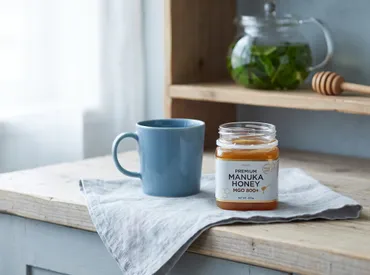
When you invest in a jar of premium Manuka honey, often costing significantly more than standard table honey, a common and valid concern arises: does Manuka honey go bad? Unlike perishable dairy products or fresh produce, honey occupies a unique space in the culinary and medicinal world. Archaeologists have famously discovered pots of honey in ancient Egyptian tombs that are over 3,000 years old and still perfectly edible. This legendary longevity leads many consumers to believe that their jar of liquid gold is immortal. However, when dealing with a functional food prized for its specific bioactive compounds like methylglyoxal (MGO), the answer becomes more nuanced than a simple yes or no.
The reality is that while pure honey is inherently resistant to microbial spoilage, its quality, potency, and texture are subject to change over time. When asking "does Manuka honey go bad," we must distinguish between food safety and therapeutic efficacy. A jar of Manuka honey might remain safe to eat for decades, but its UMF (Unique Manuka Factor) rating could degrade if stored improperly, rendering it little more than expensive sugar syrup. Understanding the science behind honey preservation, the specific vulnerabilities of Manuka’s active ingredients, and the difference between crystallization and spoilage is essential for any consumer looking to maximize their investment. In this comprehensive guide, we will explore the shelf life mechanics, storage best practices, and safety indicators to ensure your Manuka honey remains both safe and potent.
The Science of Honey Preservation and Longevity
To understand why the question "does Manuka honey go bad" is so complex, we must first examine the chemical properties that make honey such an effective preservative. Honey is a biological marvel, engineered by bees to serve as a long-term energy store for the hive. Its resistance to spoilage is not accidental; it is the result of three primary defense mechanisms that work synergistically to inhibit bacterial and fungal growth. According to the National Center for Biotechnology Information (NCBI), these physicochemical properties create an environment hostile to pathogens.
Free calculatorA1C CalculatorA1C to average blood glucoseOpen the calculatorLow Water Activity and Hygroscopic Nature
The most critical factor in honey's longevity is its water activity (aw). While honey may feel liquid, it typically contains less than 18% water. Most bacteria, yeasts, and molds require a minimum water activity level to reproduce and metabolize nutrients. Honey falls well below this threshold. Furthermore, honey is hygroscopic, meaning it actively attracts and absorbs moisture from its surroundings. If a bacterium lands in a jar of honey, the honey essentially dehydrates the microorganism, drawing out its internal moisture through osmosis and killing it. This desiccation effect is why properly harvested and sealed honey is virtually immune to standard microbial spoilage.
Acidity and pH Levels
Honey is naturally acidic, with a pH ranging between 3.2 and 4.5. This acidity is primarily derived from gluconic acid, produced when the enzyme glucose oxidase reacts with glucose. As noted by the National Institutes of Health (NIH), most pathogenic bacteria, including E. coli and Salmonella, thrive in neutral pH environments and cannot survive in such acidic conditions. This low pH acts as a secondary barrier against spoilage, reinforcing the protection provided by low water activity. When considering whether Manuka honey goes bad, it is important to remember that this acidity remains stable over time, provided the honey is not diluted.
Enzymatic Production of Hydrogen Peroxide
Bees add the enzyme glucose oxidase to nectar during the honey-making process. When honey comes into contact with small amounts of water (such as bodily fluids or moist surfaces), this enzyme slowly releases hydrogen peroxide, a potent antiseptic. This provides a continuous, slow-release antibacterial action. However, this enzyme is sensitive to heat and light. This brings us back to the core query: does Manuka honey go bad? While the honey itself may not rot, the degradation of these enzymes can reduce its non-peroxide antibacterial activity, which is particularly relevant for Manuka honey where MGO stability is also a concern.
Understanding MGO Stability and Expiration Dates
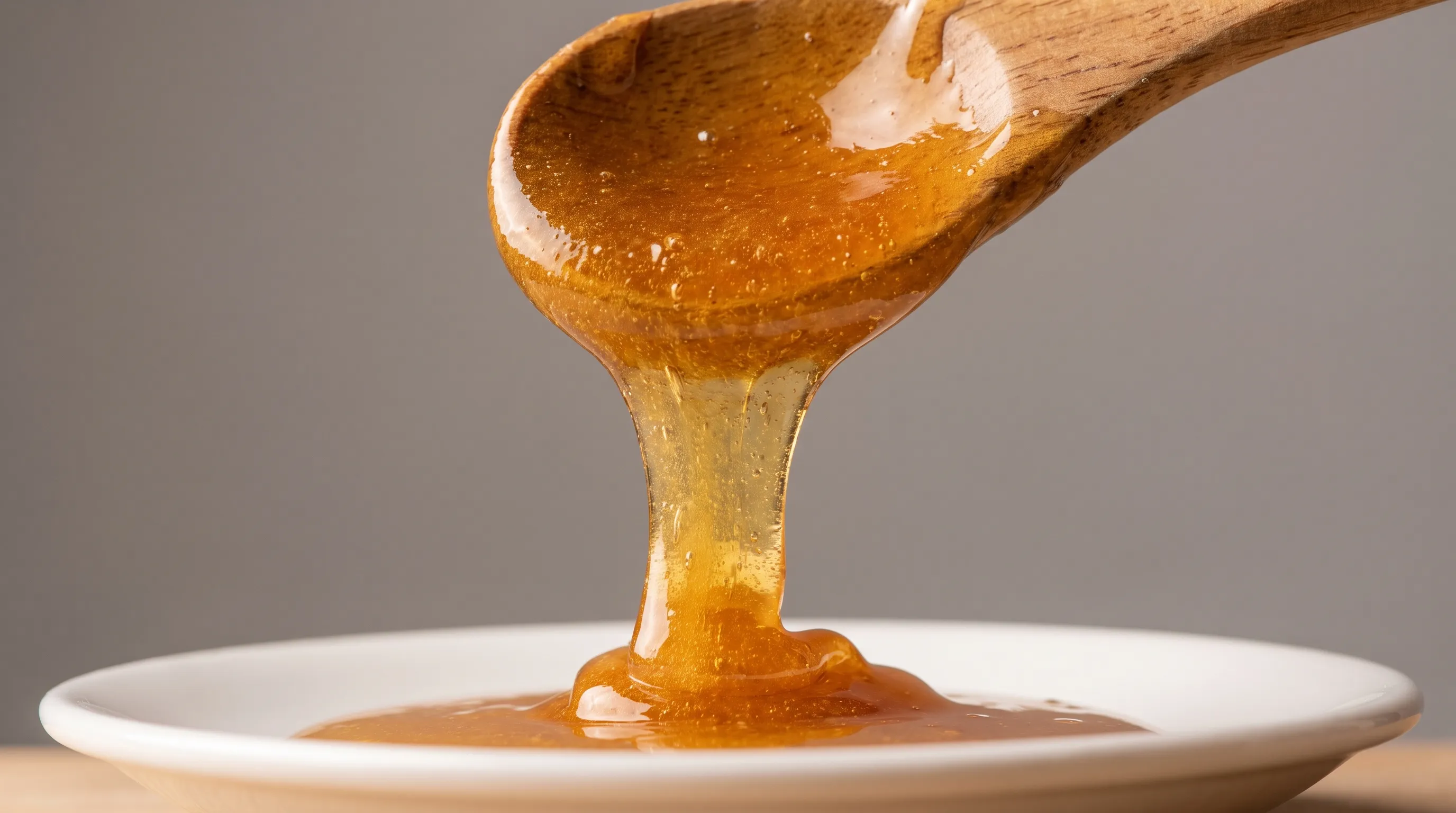
Manuka honey differs from regular honey due to its high concentration of methylglyoxal (MGO), the compound responsible for its unique non-peroxide antibacterial activity. When consumers ask, "does Manuka honey go bad," they are often implicitly asking, "does my Manuka honey lose its medicinal value?" The answer lies in understanding MGO stability.
The Degradation of Bioactive Compounds
Research published in journals indexed by the U.S. National Library of Medicine indicates that MGO is relatively stable compared to other bioactive compounds, but it is not invincible. Over extended periods, especially when exposed to elevated temperatures, MGO levels can fluctuate. Some studies suggest that MGO can actually increase slightly during the first few months of maturation after harvest, as dihydroxyacetone (DHA) in the nectar converts to MGO. However, over years, particularly in poor storage conditions, degradation can occur. The "Best Before" date printed on Manuka honey jars—typically set at 3 to 5 years—is largely a regulatory requirement and a guarantee of potency rather than a safety warning. Manufacturers test batches to ensure that within this window, the UMF or MGO rating matches the label claim. Beyond this date, the honey is likely safe, but the manufacturer can no longer guarantee the specific therapeutic strength.
Interpreting Label Dates Correctly
It is vital to differentiate between "Use By" and "Best Before." Honey almost exclusively carries a "Best Before" date. This signifies quality, not safety. If you find a jar of Manuka honey past its date in your pantry, do not automatically discard it. Assess it based on sensory cues and storage history. If it has been kept cool, dark, and sealed, it likely retains significant benefits. However, if you are using Manuka honey specifically for clinical wound care or targeted therapeutic protocols, adhering to the expiration window is advisable to ensure predictable dosing of active compounds.
Comparison: Fresh vs. Aged Manuka Honey
| Feature | Fresh / Within Date | Aged / Past Best Before | Spoiled / Compromised |
|---|---|---|---|
| Safety | Safe for consumption | Generally safe for adults | Unsafe (Risk of fermentation/toxins) |
| MGO Potency | Guaranteed by manufacturer | Variable; likely reduced | Negligible or altered |
| Texture | Smooth or naturally granulated | May be harder or separated | Slimy, bubbly, or excessively runny |
| Smell | Floral, earthy, caramel-like | Similar to fresh but flatter | Sour, yeasty, alcoholic, or rotten |
| Taste | Rich, slightly bitter/sweet | Less complex sweetness | Acidic, fermented, unpleasant |
| Appearance | Uniform amber to dark brown | Darker color possible | Mold growth or cloudiness |
Signs of Spoilage Versus Natural Crystallization
One of the most frequent reasons people search "does Manuka honey go bad" is that they open their jar to find it has turned solid, opaque, and grainy. Panic sets in, and perfectly good honey is thrown away. It is crucial to distinguish between crystallization (a sign of quality) and fermentation (a sign of spoilage).
Why Manuka Honey Crystallizes
Crystallization is a natural physical change, not a chemical spoilage. Honey is a supersaturated sugar solution containing more glucose than can remain dissolved at room temperature. Glucose precipitates out of the solution, forming crystals. Manuka honey, in particular, can crystallize faster than some floral honeys due to its specific glucose-to-fructose ratio and the presence of pollen particles that act as nucleation sites for crystal formation. Raw, unfiltered Manuka honey is more likely to crystallize because it retains the microscopic pollen and propolis fragments that trigger this process. Highly processed, filtered honey may stay liquid longer but lacks these beneficial components. Therefore, a solid jar of Manuka is often evidence of its purity.
Identifying True Spoilage
True spoilage in honey is rare and almost always results from improper handling that introduces moisture. Because honey is hygroscopic, leaving the lid off in a humid kitchen can raise the water content above 18-20%. Once water activity rises, osmophilic yeasts can activate, leading to fermentation. Signs of true spoilage include:
- Sour or Yeasty Odor: Fresh Manuka smells earthy and herbal. Spoiled honey smells like vinegar, wine, or rising bread dough.
- Bubbles and Foam: While tiny air bubbles from pouring are normal, persistent froth or large gas bubbles indicate active fermentation releasing CO2.
- Visible Mold: Although rare, mold can grow on the surface if condensation has formed inside the lid or if contaminants were introduced via a dirty spoon.
- Drastic Texture Changes: Separation where a layer of watery liquid sits atop solid crystals can indicate excess moisture migration, creating a fermentation risk zone in the liquid layer.
If your honey exhibits these signs, the answer to "does Manuka honey go bad" is unfortunately yes, and it should be discarded.
Optimal Storage Practices to Maximize Shelf Life
Preventing spoilage and preserving MGO potency requires proactive storage strategies. Since we know that environmental factors drive degradation, controlling these variables is key to ensuring your Manuka honey does not go bad prematurely.
Temperature Control
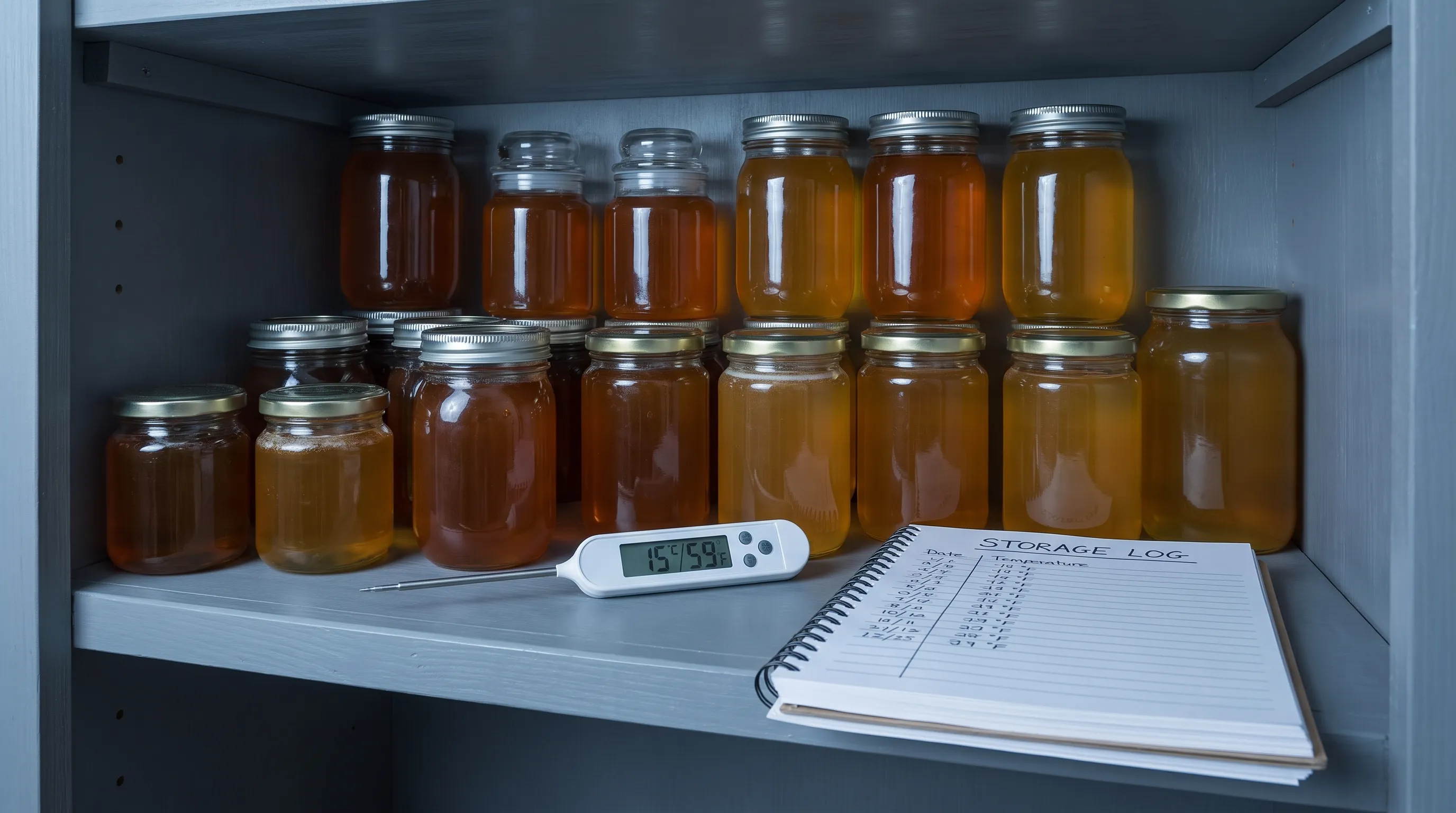
Heat is the enemy of honey quality. Prolonged exposure to temperatures above 70°F (20°C) accelerates the breakdown of enzymes and MGO. Ideally, store Manuka honey in a cool cupboard or pantry between 50°F and 70°F (10°C–20°C). Avoid storing it near stoves, ovens, dishwashers, or on windowsills where solar gain can create localized heating. Consistency is just as important as the absolute temperature; frequent fluctuations can promote crystallization cycles and textural separation.
Light Protection
Ultraviolet light degrades bioactive compounds in honey. This is why authentic Manuka honey is almost always sold in dark amber glass or UV-protected plastic jars. Maintain this protection by storing the jar inside a cabinet rather than on an open shelf. If you transfer honey to a different container, ensure it is opaque or stored in total darkness.
Moisture Prevention and Utensil Hygiene
Never introduce water into the jar. Always use a clean, dry spoon. Even a single drop of water from a washed-but-not-dried utensil can create a localized pocket of high moisture where yeast can begin to ferment. This is the most common way users inadvertently cause their Manuka honey to go bad. Keep the lid tightly sealed immediately after use to prevent ambient humidity absorption. In extremely humid climates, consider storing the jar in an airtight secondary container or even refrigerating it, though refrigeration will accelerate crystallization.
How to Safely Decrystallize Honey Without Damaging Nutrients
Since crystallization is inevitable for raw Manuka, knowing how to reverse it safely is part of the ownership experience. Many people ruin their honey by microwaving it, which destroys the very MGO they paid for. When addressing the concern of whether Manuka honey goes bad during reheating, the method matters immensely.
The Warm Water Bath Method
This is the gold standard for restoring liquid consistency:
- Fill a bowl or pot with warm tap water. The target temperature is 95°F to 100°F (35°C–37°C)—roughly body temperature. Use a thermometer if possible; water that feels hot to the touch is likely too hot for Manuka.
- Place the sealed glass jar into the water. Ensure the water level is below the lid to prevent contamination.
- Let it sit for 15–30 minutes, stirring the honey occasionally with a clean, dry utensil to distribute heat evenly.
- Replace the water if it cools down. Patience is key; this process may take an hour for fully solidified jars.
Methods to Avoid
- Microwaving: Microwaves heat unevenly, creating hot spots that can exceed 140°F instantly, denaturing enzymes and degrading MGO.
- Boiling Water: Submerging honey in boiling water cooks it, transforming a therapeutic product into generic sweetener.
- Direct Stovetop Heating: Placing the jar directly on a burner risks glass breakage and thermal shock to the honey.
By using gentle heat, you answer the question "does Manuka honey go bad when solidified" with a definitive no, restoring it to its original glory without compromise.
Health Safety Considerations and Special Populations
While shelf life addresses quality, safety addresses health risks. There are specific contexts where the question "does Manuka honey go bad" intersects with medical safety.
Infant Botulism Risk
Regardless of freshness, age, or brand, Manuka honey should never be given to infants under 12 months. According to the Centers for Disease Control and Prevention (CDC) and the Mayo Clinic, honey can contain spores of Clostridium botulinum. These spores are harmless to adults and older children whose mature digestive systems prevent germination. However, in infants with immature gut flora, these spores can colonize and produce botulinum toxin, causing infant botulism, a rare but potentially fatal condition. No amount of processing, aging, or testing guarantees the absence of these spores in raw honey. This is a permanent contraindication unrelated to whether the honey has spoiled.
Diabetic Considerations
Although Manuka honey has a lower glycemic index than refined sugar, it still impacts blood glucose. The Cleveland Clinic notes that while honey may offer some metabolic advantages over table sugar, it must still be counted as a carbohydrate source. Aging does not significantly alter the carbohydrate profile in a way that makes it safer for diabetics. Users managing diabetes should treat aged Manuka honey with the same dietary caution as fresh honey.
Immunocompromised Individuals
For individuals undergoing chemotherapy, organ transplant recipients, or those with severe immunodeficiency, the standard advice regarding raw foods applies. While Manuka’s antibacterial properties are well-documented, raw agricultural products carry inherent risks. Consult a healthcare provider before consuming raw Manuka honey if you fall into this category, regardless of the product's expiration date.
Frequently Asked Questions
Does Manuka honey expire if unopened?
Technically, pure Manuka honey does not expire if it remains unopened and properly sealed. Due to its low water content, high acidity, and natural hydrogen peroxide production, it creates an environment where bacteria cannot survive. However, manufacturers print "best before" dates (usually 3-5 years) to indicate peak quality and guaranteed MGO potency rather than safety expiration.
Is crystallized Manuka honey safe to eat?
Yes, crystallization is a completely natural process and indicates that your Manuka honey is raw and unpasteurized. It does not mean the honey has gone bad. You can consume it as is for a crunchy texture or gently decrystallize it by placing the jar in warm water (not exceeding 95°F/35°C) to preserve its bioactive compounds.
Can old Manuka honey make you sick?
Properly stored Manuka honey rarely causes illness in healthy adults due to its antimicrobial properties. The primary risk is infant botulism; therefore, honey should never be given to children under one year old, as emphasized by the World Health Organization (WHO). For adults, spoilage is only likely if moisture was introduced into the jar, leading to fermentation, which produces a sour smell and taste.
How do I restore hardened Manuka honey without damaging MGO?
To restore hardened honey while protecting the heat-sensitive methylglyoxal (MGO), avoid microwaves and boiling water. Instead, use the warm bath method: submerge the sealed jar in water heated to no more than 95°F-100°F (35°C-37°C) and stir occasionally until crystals dissolve. This gentle approach maintains the therapeutic grade of the honey.
Does freezing Manuka honey extend its shelf life?
Freezing Manuka honey effectively pauses its aging process and preserves MGO levels indefinitely. While freezing will cause the honey to solidify and potentially crystallize upon thawing, it prevents chemical degradation. This is an excellent long-term storage solution for bulk purchases, provided the container allows for expansion.
Key Takeaways
So, does Manuka honey go bad? The comprehensive answer is that while it possesses remarkable natural preservative qualities that render it safe for consumption far beyond typical food timelines, its status as a therapeutic superfood requires careful stewardship. Spoilage is rare and usually user-induced through moisture contamination, but quality degradation is a natural inevitability accelerated by heat, light, and time. To protect your investment and your health:
- Trust Your Senses: Fermentation smells sour; crystallization looks cloudy but smells fine. Learn the difference.
- Respect the Date: Treat "Best Before" as a potency guarantee, not a safety cliff, but prioritize fresh stock for clinical uses.
- Store Smart: Cool, dark, and dry storage is non-negotiable for maintaining MGO levels.
- Handle Gently: Never microwave, always use dry utensils, and decrystallize with patience.
- Prioritize Safety: Adhere strictly to infant safety guidelines regardless of the honey’s age or purity.
By following these evidence-based guidelines, you can enjoy the full spectrum of Manuka honey’s benefits, confident that your jar remains as potent and safe as the day it was harvested. Whether used for daily wellness, skincare, or digestive support, properly maintained Manuka honey is a resilient ally in your health journey that truly stands the test of time.
How we work
Researched and drafted with AI assistance, then reviewed by a human editor against the cited sources.
This article is general health information, not medical advice. Consult a qualified healthcare professional about your own situation.