Fly Eggs on Food: Health Risks, Identification, and Prevention Strategies

Discovering tiny, pale specks scattered across your freshly prepared meal can instantly transform a routine dining experience into a deeply unsettling health concern. Whether you are meal prepping for the week, serving dinner to your family, or simply storing leftovers in the refrigerator, the unexpected appearance of fly eggs on food represents more than just a nuisance. It signals a breach in food safety protocols, potential microbial contamination, and an active pest presence in your living environment. Understanding the biology behind these insects, recognizing the subtle indicators of contamination, and implementing scientifically backed prevention strategies are essential steps for safeguarding your household. In this comprehensive guide, we will explore the life cycle of common household flies, evaluate the medical implications of accidental ingestion, outline immediate response procedures, and provide actionable, evidence-based recommendations for long-term prevention. By equipping yourself with accurate knowledge and practical tools, you can maintain a hygienic kitchen environment and protect your digestive health from vector-borne pathogens.
The Biology and Life Cycle of Common Household Flies
Understanding why flies target your pantry and kitchen surfaces begins with examining their reproductive behavior and environmental preferences. Flies do not randomly deposit eggs; they actively seek out locations that provide optimal conditions for larval survival and rapid development. The common housefly (Musca domestica) and several closely related species are among the most prolific and adaptable insects in residential and commercial settings. Their ability to thrive alongside humans has made them a persistent challenge for food safety professionals worldwide.
Free calculatorBMI CalculatorCalculate Body Mass IndexOpen the calculatorReproductive Mechanisms and Egg Deposition Patterns
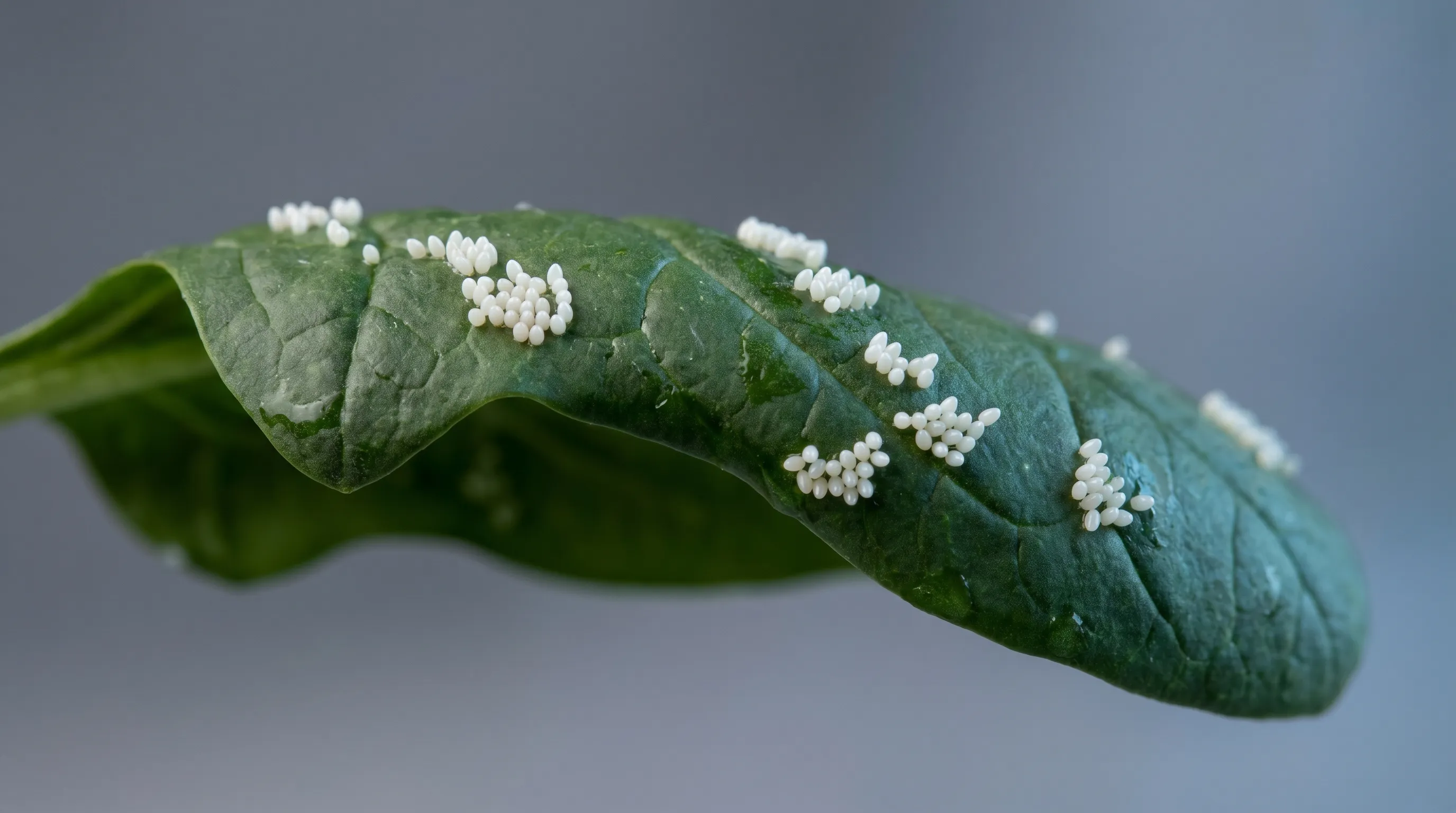
Female houseflies possess a highly specialized reproductive system designed for rapid population expansion. A single female can lay between five to six batches of eggs during her lifespan, with each cluster containing approximately 75 to 150 eggs. This reproductive output explains how a minor indoor infestation can escalate into a major hygiene crisis within weeks. The eggs themselves are remarkably small, typically measuring about 1.2 millimeters in length, and feature a smooth, elongated, pearly-white appearance. They are usually deposited in clusters or small aggregations, making them difficult to detect on light-colored or textured food surfaces.
When evaluating fly eggs on food, it is important to recognize that the insects rely on chemosensory receptors located on their legs and antennae to identify suitable oviposition sites. They are particularly attracted to volatile organic compounds released by decomposing organic matter, fermenting carbohydrates, and moisture-rich proteins. Once a suitable substrate is identified, the female uses her ovipositor to deposit eggs directly into the material, often burying them slightly beneath the surface to protect them from desiccation and predation. This behavior means that eggs may be embedded within soft fruits, meat crevices, or even trapped inside the seams of produce packaging, making visual inspection alone insufficient for complete safety verification.
Environmental Triggers and Optimal Hatching Conditions
The incubation period for fly eggs is highly dependent on ambient temperature, humidity, and substrate moisture content. Research published by the Centers for Disease Control and Prevention (CDC) indicates that housefly eggs can hatch in as little as eight hours when temperatures range between 80 and 90 degrees Fahrenheit. Cooler environments extend the incubation window to approximately 24 to 48 hours, while extreme heat or arid conditions can halt development entirely or cause egg mortality. Humidity levels above 60 percent significantly accelerate embryonic development by preventing the desiccation of the delicate chorion layer that surrounds each egg.
The newly hatched larvae, commonly known as maggots, immediately begin feeding on the surrounding organic material. Their mouthparts secrete digestive enzymes that liquefy solid matter, allowing them to consume nutrients rapidly. This accelerated growth phase is precisely why prompt identification and disposal are critical. Even if you do not see visible larvae initially, the presence of fly eggs on food guarantees that an active colonization process has already begun. Interrupting this life cycle through immediate sanitation and proper waste management is the most effective way to prevent population establishment.
Health Risks Associated with Fly Eggs on Food
While the psychological discomfort of discovering insect eggs on food is immediate, the underlying health risks warrant careful consideration from a clinical perspective. Flies are not sterile creatures; they are mechanical vectors that physically transport pathogens from decaying organic waste to clean food surfaces. Their hairy legs, sticky footpads, and sponging mouthparts create ideal structures for pathogen adhesion and transfer.
Pathogen Transmission and Bacterial Contamination
The primary health concern stems from the wide array of bacteria that flies can carry. Scientific studies have identified over 100 different pathogenic bacteria associated with houseflies, including Salmonella enterica, Escherichia coli O157:H7, Shigella species, Campylobacter jejuni, and Listeria monocytogenes (National Institutes of Health (NIH)). When a fly lands on raw meat, sewage, animal feces, or garbage, these microorganisms adhere to its body hairs and tarsi. The insect then regurgitates digestive fluids and fecal matter onto subsequent food surfaces while feeding, effectively inoculating the substrate with live pathogens.
The presence of fly eggs on food is a strong indicator that an adult fly has already engaged in prolonged contact with the item, increasing the likelihood of substantial microbial load. Consuming contaminated food can trigger acute gastrointestinal illnesses characterized by severe abdominal cramping, profuse diarrhea, vomiting, and fever. In vulnerable populations such as young children, elderly individuals, pregnant women, and immunocompromised patients, these infections can rapidly progress to systemic complications, requiring hospitalization and intravenous antibiotic therapy. Maintaining rigorous food handling standards is the only reliable method to minimize exposure to these vector-borne pathogens.
Understanding Intestinal Myiasis and Parasitic Transmission
Beyond bacterial contamination, accidental ingestion of fly eggs or larvae can occasionally lead to a condition known as intestinal myiasis. This rare but clinically significant parasitic condition occurs when fly larvae survive the acidic environment of the human stomach and temporarily colonize the gastrointestinal tract (Cleveland Clinic). While most eggs are destroyed by gastric juices, certain species like Fannia canicularis and Musca domestica have demonstrated resilience in acidic conditions, particularly when embedded in fatty or buffered food matrices that slow acid penetration.
Symptoms of intestinal myiasis include persistent nausea, unexplained abdominal pain, irregular bowel movements, and the passage of live larvae in stool. Diagnosis typically requires microscopic stool examination and a thorough dietary history. Treatment is generally straightforward, involving supportive hydration and, in some cases, antiparasitic medications or anthelmintic agents prescribed by a physician. Although intestinal myiasis is uncommon in regions with modern sanitation infrastructure, it remains a documented public health concern in areas with inadequate waste management or compromised food storage practices. Recognizing the clinical signs early and seeking prompt medical evaluation ensures safe resolution without long-term complications.
How to Identify Fly Eggs and Assess Contamination Risk
Early detection is the cornerstone of effective food safety management. Because fly eggs are incredibly small and often blend seamlessly with food textures, identifying them requires careful observation, environmental awareness, and familiarity with high-risk contamination scenarios.
Visual Characteristics and Olfactory Warning Signs
Fly eggs typically appear as tiny, cylindrical, cream-colored or translucent specks measuring approximately 1 to 1.5 millimeters in length. They are rarely found in isolation; instead, they cluster in groups ranging from a dozen to over a hundred. On smooth surfaces like cheese rinds, sliced deli meats, or peeled fruits, they resemble fine grains of sand or rice dust. On darker or irregular surfaces, their reflective quality becomes more apparent when illuminated with a flashlight or natural daylight.
In addition to visual cues, olfactory indicators often precede egg discovery. Flies are attracted to fermentation and putrefaction processes that produce distinct ammonia-like or sour odors. If your kitchen, pantry, or refrigerator emits an unexplained musty smell, it may indicate hidden organic decay or trapped moisture that serves as an ideal breeding ground. Regular sensory checks of your food storage areas can provide early warnings before visible egg clusters appear.
High-Risk Foods and Environmental Vulnerabilities
Certain food categories are disproportionately vulnerable to fly infestation. Moist, protein-rich foods such as raw or cooked meats, poultry, and fish provide ideal substrates for egg deposition. Soft, bruised fruits like bananas, peaches, and berries are equally attractive due to their high sugar content and permeable skins. Open containers of yogurt, sour cream, mayonnaise-based salads, and unpasteurized dairy products also rank among the highest-risk items because their consistency allows eggs to settle and embed easily.
| Food Category | Risk Level | Primary Attraction Factor | Recommended Storage Method |
|---|---|---|---|
| Raw and Cooked Meats | High | Moisture, protein, fat content | Airtight containers, refrigeration below 40°F |
| Bruised or Cut Fruits | High | Fermenting sugars, exposed pulp | Covered bowls, immediate refrigeration |
| Dairy and Egg-Based Salads | High | Creamy texture, neutral odor retention | Sealed plastic wrap, shallow cooling trays |
| Dry Grains and Flour | Low to Moderate | Residual moisture, pantry pests | Glass jars with silicone seals, cool dry areas |
| Canned Goods | Very Low | Hermetic seal integrity | Inspect lids for bulging or damage before storage |
Understanding which items require the highest vigilance allows you to prioritize inspection routines and implement targeted storage protocols. Always inspect produce immediately after purchase and transfer perishables to secure containers before leaving them exposed on countertops or dining tables.
Immediate Actions When Discovering Fly Eggs on Food
Reacting appropriately when you discover contamination is crucial for preventing illness and stopping secondary infestation in your kitchen environment. Panic-driven disposal or inadequate cleaning can inadvertently spread pathogens across countertops, cutting boards, and adjacent food items.
Safe Disposal and Cross-Contamination Prevention
If you spot fly eggs on food, the immediate step is to isolate the contaminated item without touching the affected area with bare hands. Use disposable paper towels or utensils to carefully transfer the food into a sealed plastic bag. Avoid shaking or agitating the container, as this can aerosolize microscopic pathogens or dislodge eggs onto nearby surfaces. Once sealed, place the bag directly into an outdoor trash receptacle with a secure, tight-fitting lid. Indoor garbage bins should never be used for disposing of contaminated items, as residual odors can attract additional flies and trigger secondary egg-laying cycles.
After disposal, thoroughly wash your hands with warm water and antibacterial soap for at least 20 seconds. Pay special attention to fingernails, wrists, and palm crevices where microorganisms can accumulate. If you used reusable utensils or cutting boards, wash them immediately in hot, soapy water before sanitizing with a diluted bleach solution or commercial food-safe disinfectant. Cross-contamination is the leading cause of secondary gastrointestinal illnesses following insect exposure, so strict hygiene protocols are non-negotiable.
Surface Sanitization and Environmental Control
Once the contaminated food is removed, you must address the surrounding environment. Flies often lay eggs near rather than directly on food if the immediate surface is dry or inaccessible. Inspect nearby counters, sink edges, drain openings, and pantry shelves for additional egg clusters. Clean these areas using an EPA-registered household disinfectant effective against bacteria and viruses. Allow the disinfectant to remain on the surface for the contact time specified on the manufacturer label, typically five to ten minutes, before wiping it away with a clean cloth.
For persistent odors or hidden residues, a mixture of white vinegar and warm water can neutralize fermentation compounds that attract flies. Empty and sanitize trash cans weekly using hot water and baking soda. Ensure all floor drains are flushed with hot water to eliminate biofilm buildup where insects frequently breed. Maintaining a consistently dry and sanitized environment disrupts the life cycle at every stage, making it significantly harder for flies to establish footholds in your home.
Medical Considerations and Human Health Implications
Accidental ingestion of fly eggs or larvae, while unsettling, does not automatically result in clinical illness. However, understanding the physiological response and recognizing warning signs ensures timely medical intervention when necessary.
Gastrointestinal Response and Immune Defense
The human digestive system is remarkably well-equipped to handle minor biological contaminants. Gastric hydrochloric acid maintains a pH between 1.5 and 3.5, which effectively denatures most bacterial proteins and destroys fragile insect eggs upon ingestion. Additionally, the mucus lining of the gastrointestinal tract acts as a physical barrier that traps microorganisms and facilitates their elimination through normal peristaltic movement. For healthy adults, consuming food contaminated with fly eggs typically results in no noticeable symptoms, provided the bacterial load remains low and the immune system functions optimally.
However, individuals with reduced stomach acidity due to medication use, age-related changes, or gastrointestinal conditions may experience prolonged exposure to viable pathogens. This demographic should exercise heightened vigilance when handling prepared foods and adhere strictly to storage temperature guidelines. Consuming food that has been left at room temperature for more than two hours exponentially increases pathogen replication rates, transforming a manageable contamination event into a high-risk scenario.
When to Seek Medical Attention
If you develop persistent vomiting, bloody diarrhea, high fever, or signs of dehydration following the consumption of potentially contaminated food, consult a healthcare provider immediately (Mayo Clinic). Physicians will typically recommend stool cultures, complete blood count evaluations, and hydration therapy to manage symptoms and identify the specific pathogen involved. In cases of suspected intestinal myiasis, endoscopic evaluation or imaging may be necessary to confirm larval presence and rule out other parasitic infections.
Maintaining accurate dietary records and noting the exact timeline of symptom onset helps clinicians differentiate between bacterial food poisoning, viral gastroenteritis, and parasitic infestations. Avoid self-medicating with over-the-counter anti-diarrheal agents without medical consultation, as these can sometimes trap pathogens within the digestive tract and prolong infection duration.
Proven Food Safety and Pest Management Strategies
Preventing fly eggs on food requires a multi-layered approach that combines rigorous kitchen hygiene, structural barriers, and proactive pest monitoring. Reactive measures alone cannot sustain a safe food environment over the long term.
Kitchen Hygiene Protocols and Storage Best Practices
Establishing consistent cleaning routines is the foundation of insect prevention. Wipe down all food preparation surfaces immediately after cooking. Do not leave dirty dishes soaking overnight, as standing water and food residues create ideal breeding zones. Clean refrigerator shelves monthly using a mild detergent solution, and discard expired items promptly. Organize your pantry to ensure proper air circulation around stored goods, reducing moisture accumulation that attracts insects.
Always store perishable items in airtight containers made of glass or food-grade plastic. Silicone lids and vacuum-sealing systems provide superior protection compared to standard plastic wrap, which can tear or detach. When dining outdoors or in areas with high insect activity, use mesh food covers or keep all dishes sealed until the moment of consumption. These simple habits drastically reduce exposure opportunities.
Natural Repellents and Integrated Pest Management
For households seeking chemical-free alternatives, several botanical compounds have demonstrated proven efficacy in repelling flies. Essential oils such as eucalyptus, lavender, peppermint, and lemongrass contain volatile terpenes that disrupt insect chemoreceptors. Diffusing these oils or applying diluted sprays to door frames, window sills, and pantry corners creates a deterrent barrier without introducing toxic residues. Additionally, maintaining outdoor trash bins at least 20 feet from entry points and using tight-sealing liners prevents flies from migrating indoors.
Strategic placement of sticky fly traps and pheromone lures in non-food preparation areas helps monitor population levels and identify entry points before infestations escalate. Repair torn window screens, seal cracks around utility pipes, and install door sweeps to eliminate physical access routes. When combined with consistent sanitation practices, integrated pest management provides long-term protection without reliance on synthetic insecticides.
Regulatory Standards and Food Safety Guidelines
Public health agencies and food safety organizations have established stringent guidelines to minimize vector contamination in both residential and commercial environments. The United States Food and Drug Administration (FDA) emphasizes temperature control, cross-contamination prevention, and proper waste disposal as critical pillars of food safety. Their Hazard Analysis and Critical Control Points (HACCP) framework, while primarily designed for commercial food production, offers valuable principles that homeowners can adapt for daily kitchen management.
Health inspectors routinely cite improper food coverage, inadequate garbage management, and failure to maintain dry storage conditions as primary contributors to fly infestations in restaurants. Implementing similar protocols at home, including covering food immediately after preparation and sanitizing surfaces between tasks, aligns your household with professional food safety standards. Regularly reviewing guidelines from authoritative sources like the Centers for Disease Control and Prevention (CDC) and the World Health Organization (WHO) ensures your practices remain current and scientifically validated.
Frequently Asked Questions
Can you safely cook food after finding fly eggs on it?
While thorough cooking at temperatures above 165 degrees Fahrenheit will destroy eggs, larvae, and most bacteria, health experts strongly advise discarding contaminated food. The risk of residual toxins and cross-contamination during handling outweighs the benefits of consumption. Always prioritize food safety over salvage attempts.
What are the immediate health symptoms after accidentally consuming fly eggs?
Most accidental ingestions result in no immediate symptoms because stomach acid destroys the eggs. However, if contaminated with pathogens, you may experience nausea, vomiting, abdominal cramping, diarrhea, or fever within 24 to 72 hours. Severe cases of intestinal myiasis can cause persistent gastrointestinal distress and require medical evaluation.
How quickly do fly eggs hatch after being laid on food?
Under optimal conditions of 80 to 90 degrees Fahrenheit and adequate moisture, housefly eggs can hatch within 8 to 24 hours. Cooler environments may delay hatching to several days. The rapid life cycle is why immediate disposal and sanitation are critical when contamination is suspected.
What type of surfaces do flies prefer for laying eggs?
Female flies seek out warm, moist, and nutrient-dense environments. They strongly prefer decaying organic matter, fermenting foods, exposed meats, soft fruits, and food residues trapped in garbage disposals, drains, or trash can liners. Keeping these areas dry and clean significantly reduces breeding opportunities.
Do all flies transmit diseases when they lay eggs on human food?
Not all fly species are significant disease vectors, but common household flies like Musca domestica are well-documented carriers of pathogenic bacteria, parasites, and viruses. Their sponging mouthparts and adhesive feet allow them to mechanically transfer pathogens from waste to food, making all indoor fly infestations a legitimate health concern.
Conclusion
Discovering fly eggs on food is an unwelcome reminder that our kitchens share space with a complex ecosystem of insects and microorganisms. However, with accurate biological knowledge, vigilant inspection routines, and disciplined sanitation practices, you can effectively eliminate the risk of contamination and protect your household from vector-borne illnesses. The key to long-term success lies in consistency: covering food promptly, maintaining dry and clean surfaces, managing waste responsibly, and sealing entry points that allow pests indoors. By treating food safety as a continuous practice rather than a reactive measure, you create an environment that supports digestive health, peace of mind, and culinary enjoyment. Remember that when in doubt about the safety of exposed items, err on the side of caution and discard them immediately. Your health is worth far more than any single meal, and proactive prevention will always serve you better than emergency remediation.

How we work
Researched and drafted with AI assistance, then reviewed by a human editor against the cited sources.
This article is general health information, not medical advice. Consult a qualified healthcare professional about your own situation.