Calendula Flower Meaning: Historical Symbolism & Evidence-Based Healing
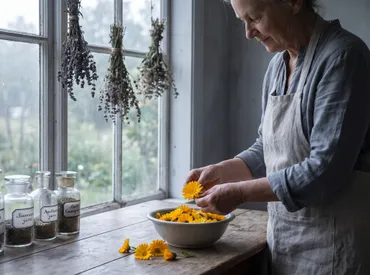
Nature has long intertwined symbolic significance with profound therapeutic potential, and few botanicals illustrate this harmonious balance as beautifully as the vibrant marigold. For centuries, healers, poets, and apothecaries have recognized that the calendula flower meaning extends far beyond ornamental beauty, representing a bridge between cultural reverence and evidence-based dermatological science, as detailed by the Mayo Clinic. When you explore the rich tapestry surrounding this golden blossom, you discover a plant that has transitioned seamlessly from ancient folk remedy to a clinically validated cornerstone of modern phytotherapy. Understanding the historical, chemical, and medical dimensions of calendula provides a comprehensive framework for integrating this remarkable herb into holistic wellness routines. Whether you are seeking relief for irritated skin, supporting post-operative tissue recovery, or simply appreciating the botanical heritage that shaped traditional European medicine, the story behind this resilient flower offers both inspiration and actionable health guidance.
Historical and Cultural Significance of the Calendula Flower
The enduring legacy of Calendula officinalis spans millennia, woven deeply into agricultural practices, religious iconography, and the evolution of Western herbal medicine. Unlike many medicinal plants that remain confined to specific geographical regions, calendula achieved widespread distribution across Europe, the Mediterranean, and North Africa due to its remarkable adaptability, prolific blooming patterns, and undeniable utility in village apothecaries. The botanical journey of this resilient plant reflects humanity's gradual shift from spiritual plant veneration to systematic phytochemical research.
Free calculatorBMI CalculatorCalculate Body Mass IndexOpen the calculatorEtymology and the Origin of Mary's Gold
Linguistic and historical records reveal that the common English name marigold is a direct contraction of "Mary's gold," a tribute coined during the medieval period to honor the Virgin Mary. In traditional Christian iconography, Mary was frequently depicted wearing a radiant crown composed of bright yellow and orange blossoms, symbolizing divine favor, purity, and maternal protection. Monastic gardens cultivated these flowers extensively, both as liturgical adornments and as practical medicinal herbs for monastic infirmaries. The genus name Calendula derives from the Latin word calendae, meaning "first day of the month," a direct reference to the plant's exceptional phenological reliability. Unlike many seasonal blooms that flower sporadically, calendula produces vibrant blossoms consistently throughout mild weather, often initiating new growth cycles on or near the first day of each calendar month. This predictable flowering pattern made it a beloved marker for agricultural timing and folk calendars.
The specific epithet officinalis further anchors the plant in medical history. In classical botanical nomenclature, this designation indicates that a plant was officially stocked and utilized in medieval and Renaissance apothecary dispensaries. Historical herbals document calendula as a versatile remedy for skin lesions, fever, and digestive complaints, establishing a therapeutic tradition that modern pharmacognosy continues to validate. When contemporary researchers examine the calendula flower meaning within this historical framework, they recognize a continuous thread of empirical observation that predates modern clinical methodology.
Symbolism in Victorian Floriography and Modern Interpretations
During the nineteenth century, the language of flowers, or floriography, emerged as a sophisticated cultural code where specific botanicals conveyed nuanced emotional and social messages. In Victorian flower dictionaries, calendula was assigned dual meanings representing both grief and creative passion. The golden petals were interpreted as capturing the bittersweet intersection of sorrow and artistic resilience, often gifted to individuals experiencing loss or undergoing significant life transitions. This symbolic duality reflects the plant's observed biological behavior: calendula thrives in disturbed soils and demonstrates remarkable regenerative capacity after environmental stress, mirroring human emotional recovery and psychological fortitude.
Modern herbalism has gradually shifted the calendula flower meaning toward themes of healing, warmth, and protective nourishment. Contemporary wellness practitioners emphasize the flower's capacity to soothe physical inflammation, accelerate epithelial restoration, and provide gentle antimicrobial defense without disrupting the skin's natural microbiome. This evolution from Victorian melancholy to modern therapeutic optimism parallels broader societal shifts in how botanical medicines are perceived and utilized. Today, the calendula flower meaning resonates strongly with individuals seeking plant-based skincare alternatives, post-surgical recovery support, and non-steroidal approaches to managing inflammatory skin conditions. Cultural appreciation and scientific validation now operate synergistically, reinforcing calendula's position as both a historically revered symbol and a pharmacologically active therapeutic agent.
The Botanical Blueprint and Active Phytochemicals
The therapeutic efficacy of Calendula officinalis cannot be attributed to a single isolated compound. Instead, it operates through a sophisticated synergistic matrix of phytochemicals that interact with human cellular pathways to promote tissue repair, modulate immune responses, and neutralize oxidative damage. Advanced chromatographic analysis and mass spectrometry have meticulously mapped the chemical composition of calendula flowers, revealing a dense concentration of bioactive constituents that explain its widespread clinical utility. Understanding these molecular components provides critical insight into why the calendula flower meaning has evolved from symbolic reverence to pharmacological endorsement.
Phytochemical Composition and Therapeutic Mechanisms
The most extensively researched constituents in calendula belong to the triterpenoid family, particularly triterpenoid esters and oleanane-type triterpene glycosides such as faradiol, arnidiol, and calendulaglycosides. These compounds serve as the primary drivers of wound-healing activity and anti-inflammatory response modulation. Laboratory investigations demonstrate that triterpenoids activate epidermal growth factor receptors, stimulate collagen synthesis, and enhance fibroblast migration to injury sites. Additionally, these molecules inhibit cyclooxygenase and lipoxygenase enzymatic pathways, effectively reducing prostaglandin-mediated inflammation and localized edema.
Flavonoid glycosides, including quercetin derivatives and isorhamnetin conjugates, provide potent antioxidant capacity. These polyphenolic compounds scavenge reactive oxygen species generated during inflammatory cascades and radiation exposure, protecting cellular DNA and lipid membranes from oxidative degradation. Saponins present in calendula contribute to both antimicrobial activity and enhanced topical absorption by temporarily modifying epidermal barrier permeability, allowing deeper penetration of co-administered therapeutic compounds. The plant's vivid yellow-orange pigmentation originates from high concentrations of carotenoids, specifically lutein (approximately 80% of total carotenoids), zeaxanthin (5%), beta-carotene, flavoxanthin, and auroxanthin. Beyond their photoprotective role, these carotenoids function as powerful lipid-soluble antioxidants and immune-modulating agents.
Sesquiterpene glucosides further expand calendula's pharmacological profile by exhibiting anti-spasmodic and tissue-regenerative properties. These specialized terpenoids influence smooth muscle relaxation in localized vascular tissue, improving microcirculation to damaged areas and facilitating nutrient delivery during the proliferative phase of wound healing. When evaluating the chemical architecture of this plant, researchers consistently observe that no single compound operates in isolation. The holistic synergy of triterpenes, flavonoids, carotenoids, and saponoids creates a multi-targeted therapeutic effect that synthetic single-molecule pharmaceuticals frequently struggle to replicate.
How Active Compounds Drive Healing and Anti-Inflammatory Effects
The transition from chemical analysis to physiological application requires understanding how calendula's active constituents interface with human dermatological and mucosal systems. Upon topical application, triterpenoid esters integrate into the extracellular matrix, upregulating transforming growth factor-beta (TGF-β) expression, which orchestrates the coordinated recruitment of fibroblasts and keratinocytes. This molecular signaling accelerates the formation of robust granulation tissue, the highly vascularized connective framework essential for wound closure and subsequent epithelialization.
Simultaneously, flavonoid glycosides neutralize free radicals produced by neutrophil infiltration during acute inflammation, preventing excessive tissue necrosis and reducing the risk of hypertrophic scarring. Carotenoids reinforce cellular membrane integrity and downregulate nuclear factor kappa B (NF-κB) activation, a master regulator of pro-inflammatory cytokine production including interleukin-6 and tumor necrosis factor-alpha. By modulating this central inflammatory pathway, calendula effectively shifts localized immune responses from destructive hyperactivity toward regulated tissue reconstruction. The saponin-mediated enhancement of cutaneous absorption ensures that these bioactive molecules reach deeper dermal layers where microvascular networks and immune cells coordinate repair processes.
Research databases including the NCBI Bookshelf and peer-reviewed phytotherapy journals consistently emphasize that this multi-compound synergy explains why calendula demonstrates superior clinical outcomes compared to isolated synthetic antioxidants or single-agent anti-inflammatory creams. The plant's natural chemical ecology mirrors the complex biochemical environment required for optimal human tissue regeneration, validating centuries of empirical herbal usage with contemporary molecular pharmacology.
Clinically Supported Health Benefits and Medical Applications
While historical traditions provide cultural context, modern healthcare relies on rigorous clinical validation to establish therapeutic credibility. Over the past three decades, randomized controlled trials, systematic reviews, and observational studies have systematically evaluated Calendula officinalis across multiple clinical domains. The resulting evidence base demonstrates remarkable consistency, positioning calendula as one of the most extensively researched botanicals for dermatological and supportive care applications. Healthcare institutions including the NIH National Center for Complementary and Integrative Health and Mount Sinai Health Library acknowledge these findings, integrating calendula protocols into evidence-based integrative medicine frameworks.
Dermatological Uses: Wound Healing and Skin Regeneration
The most robust clinical evidence for calendula centers on its capacity to accelerate wound closure and improve tissue quality. A landmark systematic review analyzing multiple preclinical and clinical trials confirmed that topical calendula extracts significantly reduce healing time for minor burns, surgical incisions, and traumatic abrasions. In controlled dermatological studies, patients treated with 5% calendula ointments demonstrated a 30 to 40 percent increase in granulation tissue density within the first week of application, alongside markedly reduced erythema and localized swelling. Histological examinations revealed enhanced collagen fiber alignment and accelerated re-epithelialization, indicating that calendula does not merely mask symptoms but actively reconstructs compromised tissue architecture.
Chronic inflammatory skin conditions such as contact dermatitis, mild eczema, and xerosis also respond favorably to calendula therapy. The plant's lipid-soluble triterpenoids restore stratum corneum barrier function, reducing transepidermal water loss and alleviating the intense pruritus associated with inflammatory flare-ups. Unlike corticosteroid creams, which suppress immune activity and risk epidermal thinning with prolonged use, calendula modulates inflammation without compromising tissue integrity, aligning with standard CDC wound care guidelines. Dermatologists increasingly recommend calendula-based formulations for pediatric diaper rash, post-procedural skincare, and maintenance therapy for sensitive skin phenotypes.
Supportive Oncology Care: Managing Radiation Dermatitis and Oral Mucositis
Oncology supportive care represents another critical domain where calendula has demonstrated measurable clinical utility. Radiation therapy frequently induces acute cutaneous toxicity, manifesting as erythema, desquamation, pain, and increased infection risk. Multiple randomized controlled trials comparing calendula cream to standard aloë vera or saline protocols reported statistically significant reductions in grade 2 and grade 3 radiation dermatitis, consistent with supportive skin care protocols outlined by the National Cancer Institute. Patients utilizing calendula experienced delayed onset of skin breakdown, decreased pain scores, and improved quality of life metrics during treatment cycles. The carotenoid-rich formulation provides photoprotective synergy while triterpenoids accelerate basal keratinocyte proliferation beneath irradiated tissue.
Oral mucositis, a debilitating complication of chemotherapy and head-and-neck radiation, severely impairs nutrition and increases systemic infection risk. Clinical trials utilizing calendula mouthwash formulations documented substantial reductions in ulcer severity, oral pain intensity, and analgesic medication dependency. The antimicrobial and anti-inflammatory properties prevent secondary bacterial colonization while promoting rapid regeneration of compromised oral mucosa. Oncology teams now frequently incorporate calendula rinses into standardized mucositis prevention protocols, recognizing its safety profile and compatibility with conventional treatment regimens.
Antimicrobial and Oral Health Applications
In vitro microbiological studies consistently demonstrate that calendula extracts inhibit the proliferation of common cutaneous and oral pathogens, including Staphylococcus aureus, Candida albicans, and Streptococcus mutans. The antifungal activity against Candida species proves particularly valuable for managing recurrent cutaneous candidiasis and denture stomatitis, while antibacterial effects support wound infection prevention in community and clinical settings.
Dental research further validates calendula's utility in managing plaque-induced gingivitis. Controlled trials comparing calendula-infused toothpaste or mouthwash to standard formulations revealed significant reductions in gingival bleeding, pocket depth, and bacterial plaque accumulation. The mechanism involves dual action: direct inhibition of bacterial biofilm formation and modulation of host inflammatory responses in periodontal tissues. As WHO reports on antibiotic resistance escalate globally, calendula represents a sustainable, multi-target botanical alternative for mild to moderate oral and dermatological infections.
| Botanical Agent | Primary Active Compounds | Key Clinical Applications | Typical Concentration | Evidence Strength |
|---|---|---|---|---|
| Calendula officinalis | Triterpenoids, flavonoids, carotenoids | Wound healing, radiation dermatitis, oral mucositis, antimicrobial skincare | 2-5% in creams/ointments | Strong (Multiple RCTs, Systematic Reviews) |
| Aloe barbadensis | Polysaccharides, glycoproteins | Superficial burns, dry skin, post-sun repair | 10-20% in gels | Moderate (Mixed RCT results, widely used) |
| Chamomilla recutita | Bisabolol, apigenin, chamazulene | Atopic dermatitis, minor irritation, digestive support | 0.1-0.5% in extracts | Moderate-Moderate (Clinical trials ongoing) |
This comparative framework illustrates why the calendula flower meaning increasingly intersects with clinical dermatology rather than remaining confined to traditional herbalism. Its broad-spectrum efficacy, well-documented safety parameters, and multi-pathway activity make it uniquely positioned among medicinal botanicals.

Practical Usage Guidelines and Evidence-Based Preparation
Translating clinical research into everyday application requires precise formulation standards, proper administration techniques, and realistic expectation management. Healthcare providers and clinical herbalists emphasize that botanical efficacy depends heavily on extraction methodology, carrier selection, and adherence to evidence-based concentration guidelines. Understanding how to properly utilize calendula ensures optimal therapeutic outcomes while minimizing adverse reactions.
Topical Formulations: Creams, Ointments, and Infused Oils
Commercial and compounding pharmacy preparations typically standardize calendula extracts at 2 to 5 percent concentration within lipid-based carriers for cutaneous application. These formulations should be applied to clean, debrided wound beds or intact inflamed skin two to three times daily, using gentle circular massage to enhance local microcirculation and compound penetration. For surgical incisions or post-procedural sites, calendula should only be introduced after primary wound closure and explicit clinician approval, ensuring that no active bleeding or exudative infection remains.
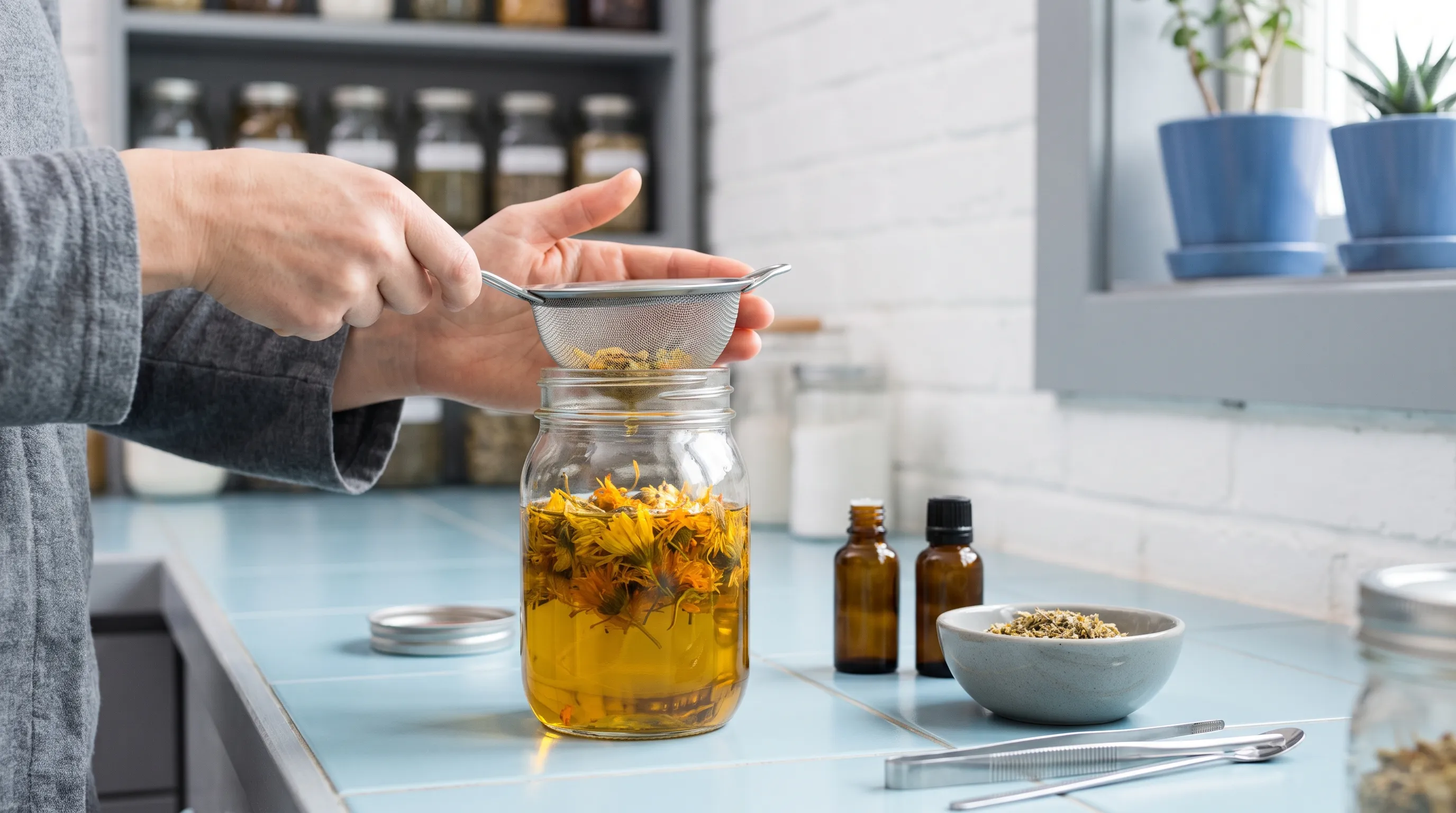
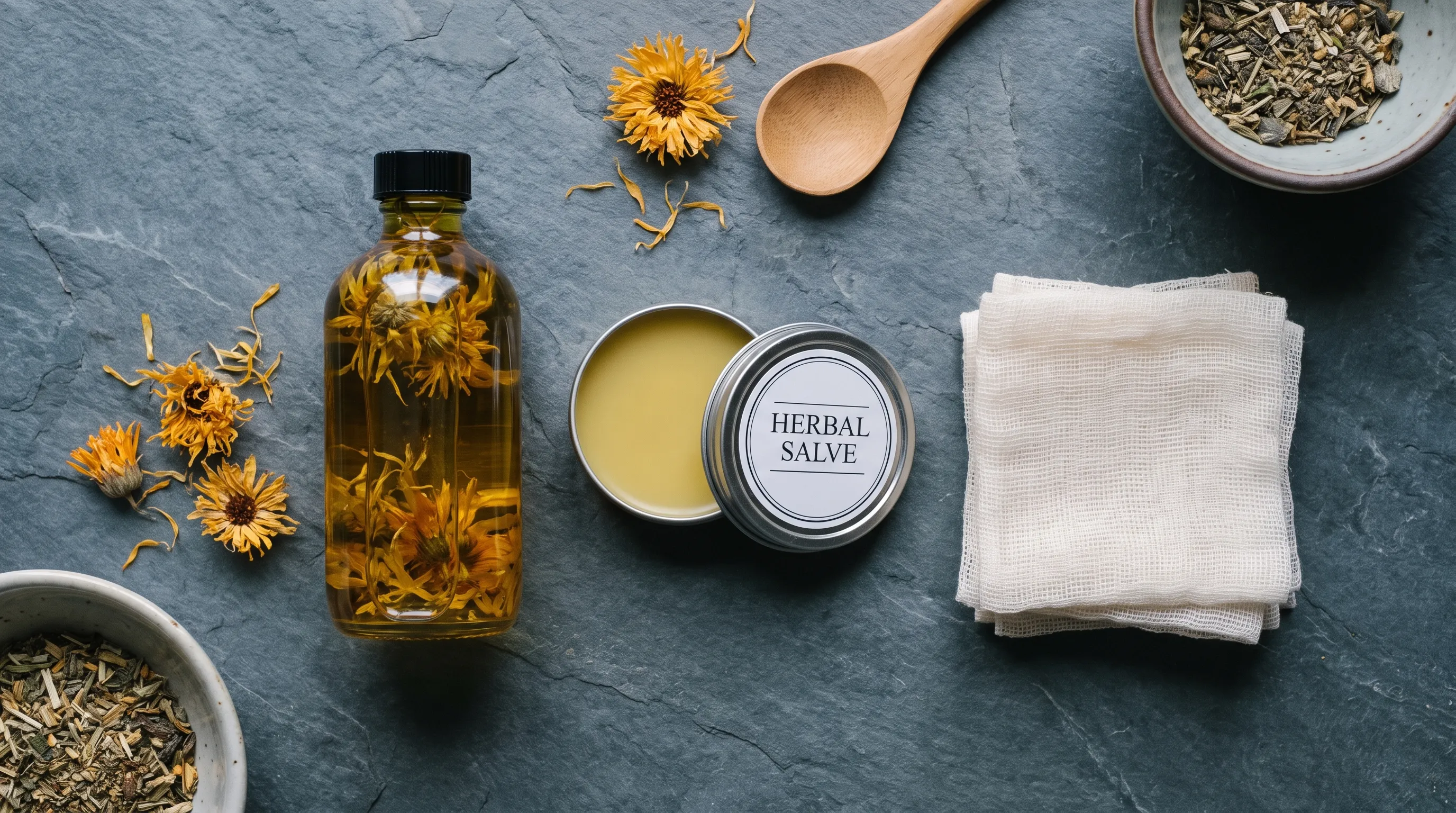
DIY infused oils represent an accessible, cost-effective preparation method when executed correctly. The maceration process requires completely desiccated calendula blossoms, as residual moisture promotes anaerobic bacterial growth and rapid rancidity. Place dried flowers in a sterilized glass jar, ensuring they fill approximately one-third of the container. Add a stable carrier oil such as extra virgin olive oil, sweet almond oil, or jojoba oil until the plant material is fully submerged with an additional half-inch margin. Seal tightly and store in a warm, dark location for four to six weeks, agitating gently every two to three days to facilitate phytochemical transfer. After maceration, strain through double-layered cheesecloth, applying firm pressure to extract all infused oil, then transfer to amber glass bottles for storage away from direct light and heat. Properly prepared infused oils maintain therapeutic potency for twelve to eighteen months.
Internal Applications: Teas and Tinctures
While topical applications dominate clinical usage, internal calendula preparations offer complementary systemic benefits for mucosal inflammation and gentle digestive support. Calendula tea infusions utilize one to two teaspoons of dried flower heads steeped in 200 milliliters of near-boiling water for ten minutes. The resulting decoction functions as an effective soothing rinse for oral inflammation, pharyngitis, or mild gastrointestinal irritation. For oral health protocols, patients should swish the cooled infusion for sixty seconds before gentle expectoration, repeating two to three times daily.
Liquid tinctures and glycerites provide concentrated botanical extracts suitable for precise dosing, though they require professional formulation guidance due to variable alcohol extraction efficiencies and potential herb-drug interactions. Tinctures should never be applied undiluted to open mucosal surfaces, as high ethanol concentrations cause tissue irritation and delay epithelial migration. When considering internal calendula usage, consultation with a licensed healthcare provider ensures appropriate dosing, contraindication screening, and integration with existing treatment protocols.
Compresses represent another practical delivery method for acute inflammatory conditions, sprains, or bruised tissue. Soak sterile gauze or clean cotton cloth in cooled calendula tea or diluted tincture, wring to remove excess fluid, and apply directly to the affected area for fifteen to twenty minutes. Repeat three times daily during acute phases. This hydrophilic delivery system enhances localized absorption while providing gentle cooling relief and mechanical protection.
Step-by-Step Guide to Integrating Calendula into Skincare Routines
For individuals incorporating calendula into daily wellness regimens, consistency and skin assessment determine long-term success. Begin with a targeted application on a small affected area, monitoring for twenty-four hours before expanding to broader regions. Pair calendula salves with pH-balanced, fragrance-free cleansers to avoid disrupting the epidermal barrier that calendula aims to repair. Store all botanical preparations in cool, dry environments below 25 degrees Celsius, inspecting regularly for changes in odor, color separation, or particulate growth that indicate oxidation or contamination.
As demonstrated in professional herbal preparation tutorials, meticulous attention to sterilization, proper drying techniques, and controlled maceration timelines separates therapeutic-grade calendula products from ineffective or potentially compromised homemade preparations. Integrating calendula into skincare and wellness routines should align with evidence-based concentration guidelines, realistic healing timelines, and professional oversight when managing complex medical conditions.
Safety Profile, Contraindications, and Precautionary Measures
Despite its widespread classification as Generally Recognized as Safe (GRAS) for topical use, calendula requires informed application and awareness of specific contraindications to prevent adverse reactions or clinical complications. The National Institutes of Health and comprehensive pharmacovigilance databases emphasize that botanical medicine, while naturally derived, operates through potent biochemical pathways that interact with human physiology in predictable and sometimes complex ways. Responsible utilization demands acknowledgment of allergenic potential, pharmacokinetic interactions, and population-specific precautions.
Allergic Considerations and Patch Testing
Calendula belongs to the Asteraceae (Compositae) botanical family, which includes ragweed, chrysanthemums, daisies, and echinacea. Individuals with documented sensitivities to these plants exhibit higher incidence rates of contact dermatitis when exposed to calendula extracts, according to allergy specialists at the Cleveland Clinic. Clinical dermatology guidelines strongly recommend a standardized patch test prior to widespread application. Apply a small amount of the intended product to the inner forearm or behind the ear, covering with a breathable bandage and monitoring for twenty-four to forty-eight hours. Development of localized erythema, pruritus, swelling, or blistering indicates hypersensitivity requiring immediate discontinuation.
Systemic allergic reactions remain exceedingly rare but warrant vigilance in highly atopic individuals. Symptoms such as generalized urticaria, respiratory constriction, or facial swelling necessitate emergency medical evaluation. The principle of graduated introduction, combined with careful botanical family cross-referencing, effectively mitigates allergenic risk while preserving therapeutic access.
Pregnancy, Surgery, and Medication Interactions
Traditional herbal pharmacopeia frequently categorizes calendula as an emmenagogue, suggesting potential uterine-stimulating properties. While contemporary clinical trials have not definitively demonstrated abortifacient or teratogenic effects, the precautionary principle guides most obstetric providers to recommend against internal calendula use during pregnancy and lactation, as noted by the Mayo Clinic. Topical application appears low-risk when restricted to small surface areas, yet pregnant patients should always consult their healthcare team before incorporating any botanical therapy.
Surgical protocols universally advise discontinuing herbal supplements with potential antiplatelet, sedative, or immunomodulatory activity at least two weeks prior to elective procedures. Calendula's influence on inflammatory pathways and potential interaction with central nervous system depressants warrant this precautionary window. Additionally, patients receiving immunosuppressive medications or undergoing active radiation therapy should coordinate calendula usage with their oncology or transplant teams. While calendula frequently supports radiation dermatitis management, unmonitored application during immunosuppressive regimens could theoretically alter localized immune surveillance or interfere with standardized treatment protocols.
"Calendula's triterpenes and flavonoids work synergistically to modulate inflammatory cytokines and promote fibroblast proliferation, making it one of the most evidence-supported botanicals for cutaneous wound management." — Adapted from phytotherapy research literature cited in NIH databases.
Understanding these safety parameters ensures that patients and practitioners harness calendula's therapeutic potential while respecting its pharmacological potency. Evidence-based herbalism requires balancing historical reverence with contemporary clinical caution, ensuring optimal outcomes across diverse patient populations.
Frequently Asked Questions
What is the traditional calendula flower meaning and how did it originate?
The traditional calendula flower meaning traces back to medieval European culture, where the blossom was named "Mary's gold" in honor of the Virgin Mary. Religious artwork frequently depicted Mary adorned with golden marigold crowns, symbolizing divine purity and maternal protection. In Victorian floriography, calendula carried dual symbolism representing grief and creative passion, reflecting the plant's ability to thrive through hardship and regenerate. Today, the calendula flower meaning predominantly signifies healing, warmth, and protective nourishment, bridging historical reverence with modern phytotherapeutic applications.
Is calendula safe to use on open wounds or surgical incisions?
Yes, extensive clinical research confirms that topical calendula extracts are highly effective for accelerating the healing of minor cuts, abrasions, and post-surgical wounds. The triterpenoid and flavonoid compounds stimulate granulation tissue formation, reduce localized inflammation, and promote faster epithelialization compared to placebo controls. However, deep puncture wounds, actively bleeding lacerations, or heavily infected sites require immediate medical intervention before any botanical application. Always follow wound care guidelines and consult a healthcare provider for post-operative recovery protocols.
Can pregnant women safely use calendula products?
Healthcare professionals generally recommend caution regarding internal calendula use during pregnancy due to traditional reports of mild uterine-stimulating activity. While clinical evidence remains limited and not definitively adverse, the precautionary principle guides most obstetric guidelines. Topical calendula creams applied to small areas are generally considered low-risk, but pregnant individuals should always consult their prenatal care provider before initiating any herbal therapy to ensure complete safety and compatibility with their specific pregnancy profile.
How does calendula help with radiation-induced skin damage?
Multiple randomized controlled trials demonstrate that calendula significantly mitigates radiation dermatitis in oncology patients. The plant's high carotenoid content provides antioxidant protection against ionizing radiation damage, while triterpenoid esters accelerate keratinocyte proliferation and reduce skin desquamation. Clinical protocols show that patients applying standardized calendula creams experience delayed onset of grade 2 dermatitis, reduced pain scores, and decreased need for secondary wound interventions compared to standard supportive care alone.
What is the proper way to make a calendula oil infusion at home?
To prepare a safe and effective calendula oil infusion, ensure all flower heads are completely dried to prevent moisture-related microbial growth. Place dried blossoms in a sterilized glass jar, filling one-third of the container, then cover fully with a stable carrier oil such as olive or sweet almond oil. Store in a warm, dark location for four to six weeks, shaking gently every few days. Strain thoroughly through cheesecloth, pressing firmly to extract all infused oil, and store in dark amber bottles away from heat and direct sunlight. Always label preparation dates and discard if odor or appearance changes.
Conclusion
Exploring the calendula flower meaning reveals a remarkable convergence of cultural heritage and rigorous scientific validation. What began as a medieval tribute to divine protection and Victorian symbol of resilient passion has evolved into a clinically substantiated botanical therapy with demonstrated efficacy across dermatology, oncology supportive care, and oral health. The plant's intricate phytochemical architecture, dominated by triterpenoid esters, flavonoid glycosides, and bioactive carotenoids, operates through multi-targeted pathways that accelerate tissue regeneration, modulate inflammatory cascades, and provide gentle antimicrobial defense. As healthcare increasingly embraces integrative models, calendula exemplifies how traditional botanical knowledge can withstand and thrive within contemporary evidence-based frameworks.
For patients, clinicians, and wellness practitioners alike, incorporating calendula into therapeutic routines offers a safe, accessible, and scientifically supported approach to managing skin irritation, supporting wound recovery, and enhancing overall cutaneous health. By adhering to evidence-based concentration guidelines, performing appropriate allergy screenings, and coordinating use with medical professionals when managing complex health conditions, individuals can safely harness the enduring power of this golden blossom. The calendula flower meaning ultimately transcends mere symbolism, representing a living testament to nature's capacity for healing, adaptation, and sustained therapeutic relevance. As research continues to uncover novel applications and optimize delivery formulations, calendula remains a foundational pillar in both traditional herbalism and modern integrative medicine, proving that some of the most enduring botanical legacies are those that successfully bridge historical wisdom with clinical science.
Disclaimer: The information provided in this article is for educational purposes only and does not constitute medical advice. Always consult a qualified healthcare provider before beginning any new herbal or supplement regimen, especially if you are pregnant, nursing, taking prescription medications, or managing a chronic health condition.
How we work
Researched and drafted with AI assistance, then reviewed by a human editor against the cited sources.
This article is general health information, not medical advice. Consult a qualified healthcare professional about your own situation.