Thigh Lift Surgery Costs: Comprehensive Pricing, Financing & Safety Guide

Embarking on a body contouring journey is a deeply personal decision that requires careful financial planning, realistic expectations, and a clear understanding of medical safety protocols. Whether you are navigating significant post-weight-loss skin laxity or addressing age-related tissue changes, evaluating the financial landscape is just as critical as selecting a qualified surgeon. Many prospective patients enter consultations unprepared for the comprehensive pricing structure, leading to unexpected financial strain or, worse, compromising safety for affordability. Understanding thigh lift surgery costs means looking far beyond the advertised base price and recognizing the full spectrum of clinical, logistical, and recovery-related expenses. This comprehensive guide breaks down every financial layer, explores legitimate financing pathways, clarifies insurance realities, and provides actionable strategies to help you invest in your health safely and transparently. By prioritizing board-certified expertise, accredited facilities, and realistic budgeting, you can achieve sustainable results without compromising your financial well-being or surgical safety.
Understanding the True Financial Commitment of a Thigh Lift
When evaluating cosmetic procedure pricing, transparency is essential for informed decision-making. The American Society of Plastic Surgeons reports an average surgeon's fee of approximately $7,641 for a thigh lift. However, this baseline figure represents only the surgical expertise and technical execution of the procedure. It deliberately excludes a wide array of necessary ancillary expenses that collectively determine your actual out-of-pocket financial commitment. Recognizing the distinction between advertised surgical fees and real-world pricing is the first step toward responsible financial planning.
Free calculatorBMI CalculatorCalculate Body Mass IndexOpen the calculatorBreaking Down the Surgeon's Fee Versus Total Expenses
The surgeon's fee compensates for the physician's training, board certification, operative time, and technical skill. However, a safe and compliant surgical environment requires additional licensed professionals and infrastructure. Anesthesia fees, typically administered by a certified registered nurse anesthetist (CRNA) or board-certified anesthesiologist, can range from $800 to $2,000 depending on procedure duration and medication protocols. Operating room or surgical facility fees cover sterile supplies, nursing staff, monitoring equipment, and facility accreditation standards, often adding $1,500 to $3,000. Pre-operative laboratory work, electrocardiograms (when indicated), and mandatory medical clearances typically cost $200 to $500. Post-surgical necessities such as custom-fitted compression garments, prescription antibiotics, pain management medications, and wound care supplies add another $300 to $800. When all variables are combined, the total estimated out-of-pocket cost consistently falls between $9,000 and $15,000 or higher, depending on individual clinical needs and geographic market rates.
Geographic Location and Facility Type Variations
Pricing for medical and aesthetic procedures varies significantly across regions due to differences in local economic conditions, malpractice insurance premiums, and facility overhead. Major metropolitan areas and coastal regions often command higher pricing tiers, while practices in midwestern or southern markets may offer more competitive rates without compromising clinical standards. Additionally, facility type influences cost structure. Hospital-affiliated surgical centers typically carry higher facility fees due to stringent regulatory requirements, whereas accredited ambulatory surgery centers (ASCs) and private operating suites may offer streamlined pricing. It is crucial to verify that any facility you choose holds accreditation from recognized organizations such as the American Association for Accreditation of Ambulatory Surgery Facilities (AAAASF), The Joint Commission, or the Accreditation Association for Ambulatory Health Care (AAAHC). Lower facility fees should never compromise accreditation status or emergency response protocols.
Hidden Fees and Transparent Pricing Practices
Ethical practices provide detailed, line-item cost estimates during consultations. Be cautious of clinics offering vague bundled pricing or unusually low flat rates that fail to specify inclusion criteria. Transparent pricing documents should clearly state what is included: surgeon fees, anesthesia type, facility charges, number of follow-up visits, and post-operative garment provisions. Some practices charge separately for additional follow-up appointments, suture removal, or scar management treatments such as laser therapy or silicone sheeting. Request a comprehensive written estimate before scheduling, and verify whether the practice offers price-lock guarantees if surgery is delayed. Understanding exactly where your money is allocated ensures you avoid unexpected invoices and maintain complete financial control throughout your surgical journey.
Types of Thigh Lift Procedures and How They Impact Pricing
The specific surgical approach required to address your anatomical concerns directly influences procedural complexity, operative time, and final pricing. A skilled surgeon will evaluate skin laxity distribution, fat volume, underlying muscle tone, and overall body proportions to recommend the most appropriate technique. Understanding these variations helps you anticipate realistic financial expectations and align them with your aesthetic goals.
Medial (Inner) Thigh Lift
The medial thigh lift is the most frequently performed variant, specifically targeting inner thigh skin laxity and excess tissue. The incision typically begins in the groin crease and extends downward along the inner thigh, sometimes reaching toward the knee or posterior aspect depending on tissue excess. This comprehensive approach requires meticulous tissue resection, strategic tension distribution, and layered closure techniques to minimize visible scarring while optimizing contour. Due to the extended incision length and longer operative time, medial lifts generally command higher pricing within the thigh lift category. The procedure is particularly effective for patients with significant vertical skin redundancy who require substantial tissue removal and deep structural support.
Mini Thigh Lift
A mini thigh lift is designed for patients with mild to moderate upper-inner thigh laxity. The incision is confined strictly to the groin fold, eliminating the need for a downward extension. This limited approach reduces operative time, decreases anesthesia exposure, and typically results in a shorter recovery window. Consequently, mini procedures often fall on the lower end of the pricing spectrum. However, candidacy is restrictive: individuals with substantial lower thigh laxity, significant weight fluctuations, or poor skin elasticity will not achieve optimal results and may require a full medial approach instead. Selecting the appropriate technique requires honest clinical assessment rather than aesthetic preference alone.
Bilateral (Outer) Thigh Lift
The bilateral or outer thigh lift addresses lateral thigh laxity and often integrates with hip or buttock contouring. The incision pattern typically originates in the groin and may curve around the lateral hip region to allow comprehensive skin redraping and fat redistribution. This technique is frequently combined with lower body lifts or extended abdominoplasty for comprehensive post-weight-loss reconstruction. The increased surgical scope, extended operative duration, and higher technical demand result in elevated pricing compared to isolated medial or mini procedures. Patients should anticipate longer facility times, specialized drainage placement, and more intensive post-operative monitoring, all of which are factored into comprehensive pricing structures.
Procedural Complexity and Combined Surgeries
Many patients opt to combine a thigh lift with complementary procedures such as liposuction, abdominoplasty, or brachioplasty to achieve harmonious body proportioning. While combining procedures may reduce cumulative anesthesia and facility fees compared to scheduling separate surgeries, it increases overall surgical time, resource utilization, and immediate post-operative care demands. Combined approaches require advanced surgical expertise and higher-level facility capabilities, which naturally elevate pricing. Your surgical team will provide a customized financial quote reflecting the exact combination of techniques, expected operative duration, and comprehensive recovery requirements.
| Procedure Type | Primary Target Area | Incision Location | Typical Operative Time | Relative Cost Tier |
|---|---|---|---|---|
| Mini Thigh Lift | Upper-inner thigh | Groin crease only | 1.5–2.5 hours | Lower |
| Medial (Inner) Thigh Lift | Full inner thigh | Groin extending downward | 2–4 hours | Mid-to-High |
| Bilateral (Outer) Thigh Lift | Lateral thigh/hip | Groin curving around hip | 3–5 hours | High |
| Combined Lower Body Lift | Inner/outer thighs, hips, abdomen | Circumferential lower torso | 5–7+ hours | Highest |
Navigating Insurance Coverage and Medical Necessity
The financial reality of body contouring surgery intersects heavily with health insurance classification standards. Understanding how insurers evaluate surgical necessity, documentation requirements, and policy exclusions is essential for realistic financial planning.
When Insurance May Cover the Procedure
Standard health insurance policies overwhelmingly classify thigh lifts as elective cosmetic enhancements designed solely to improve appearance. As such, baseline coverage is routinely denied. However, clinical exceptions exist when severe skin redundancy causes documented functional or medical impairments. Chronic intertrigo (skin fold inflammation), recurrent cellulitis, severe contact dermatitis, ulceration, or documented mobility limitations that impair daily function may qualify as medically necessary indications. Some patients experience neurological symptoms such as nerve compression or gait instability due to excessive thigh tissue weight. When functional impairment directly correlates with tissue excess, surgical removal transitions from cosmetic enhancement to medically indicated intervention.
Documentation and Prior Authorization Protocols
Securing insurance coverage requires extensive, longitudinal medical documentation. Primary care physicians and dermatologists must document recurring infections, treatment failures, and functional limitations over an extended period. Conservative management attempts, including prescription topical medications, oral antibiotics, compression therapy, and physical therapy, must be thoroughly recorded to demonstrate that non-surgical interventions have been exhausted. The plastic surgeon submits a comprehensive letter of medical necessity detailing anatomical measurements, photographic evidence, symptom history, and projected functional improvement post-procedure. Prior authorization requests undergo rigorous review by insurer medical directors, and approval timelines can span several weeks to months. Even with approval, patients remain responsible for deductibles, co-pays, and any non-covered ancillary expenses. Independent verification of policy language and benefits coordination through the insurer's medical case management department is strongly recommended before proceeding.
Strategic Financing Options and Payment Planning
Since most patients pay out-of-pocket for body contouring procedures, developing a structured financial strategy ensures you proceed without compromising household stability or resorting to high-interest consumer debt. Accredited practices typically partner with reputable financial institutions to offer flexible, transparent payment structures.
Medical Credit Cards and Promotional Financing
Medical credit programs such as CareCredit and Alphaeon Credit are widely accepted across board-certified practices. These specialized credit lines often feature promotional zero-interest periods ranging from six to twenty-four months, provided the balance is paid in full before the promotional window expires. This structure allows patients to manage predictable monthly payments while avoiding immediate financial strain. It is critical to understand that if the balance remains unpaid at the end of the promotional period, deferred interest policies typically retroactively apply high annual percentage rates (APRs) to the original purchase amount. Setting up automatic payments, tracking promotional expiration dates, and maintaining a payoff schedule prevents unexpected financial penalties. Always review the full terms, late fee structures, and grace periods before activating any medical credit account.
Personal Medical Loans and In-House Payment Plans
Third-party medical loan providers offer fixed-interest financing with predictable monthly installments over twelve, twenty-four, or thirty-six-month terms. Unlike revolving credit cards, these loans provide a structured repayment timeline that aligns with household budgeting. Interest rates vary based on creditworthiness, but fixed APRs prevent future payment fluctuations. Many accredited practices also offer direct in-house financing, allowing patients to pay deposits upfront and distribute the remaining balance across scheduled monthly installments without third-party interest. While convenient, in-house plans require strict adherence to payment schedules, as missed payments may delay surgery dates or result in contractual penalties. Request a complete written agreement outlining payment amounts, due dates, late fees, and refund policies before signing.
Savings Accounts and Health-Related Financial Strategies
Patients with extended planning horizons can utilize dedicated savings accounts, high-yield savings vehicles, or health savings accounts (HSAs) to accumulate funds systematically. While HSAs and flexible spending accounts (FSAs) typically exclude purely elective cosmetic procedures, they may cover specific medically indicated components such as prescribed medications, compression garments, or diagnostic testing when properly documented. Establishing a separate high-yield savings account dedicated to surgical planning allows funds to grow tax-advantaged while maintaining liquidity. Automating monthly transfers, reducing discretionary spending, and exploring side income streams can accelerate savings accumulation. Financial discipline during the planning phase reduces reliance on high-interest debt and preserves long-term wealth stability.
Prioritizing Safety and Value Over Discount Pricing
In cosmetic surgery, the lowest financial quote rarely equates to the best clinical value. Complications arising from substandard surgical environments, inexperienced practitioners, or compromised safety protocols often result in exponentially higher financial and physical costs. Understanding the relationship between pricing, safety standards, and long-term outcomes is essential for responsible decision-making.
The Hidden Dangers of Discount Surgical Packages
Deeply discounted pricing often signals cost-cutting measures in critical areas: anesthesia providers without specialized training, unaccredited surgical facilities lacking emergency equipment, or surgeons performing outside their core competency. Discount clinics may utilize high-volume scheduling models that compromise surgical precision, limit consultation time, and reduce post-operative monitoring. Inferior implant materials, inadequate sterile processing, or non-compliant surgical assistants increase infection risk, poor wound healing, and contour irregularities. Revision surgery to correct complications typically costs double or triple the original procedure price and carries higher anatomical risks. Investing in accredited care initially prevents devastating financial and medical consequences downstream.
Essential Credentials and Facility Verification
Always verify that your surgeon holds active certification from the American Board of Plastic Surgery (ABPS). Board certification in plastic surgery requires rigorous training, comprehensive written and oral examinations, and ongoing continuing education. Do not confuse ABPS certification with other cosmetic boards that lack equivalent accreditation standards. Additionally, confirm that the surgical facility maintains current accreditation from AAAASF, The Joint Commission, or equivalent recognized bodies. Accredited facilities undergo unannounced inspections verifying anesthesia safety protocols, emergency equipment availability, infection control standards, and staff credential verification. You can independently verify surgeon credentials through the ABPS website and facility status through state medical board registries. Transparency in credentials should never require extensive searching; reputable practices prominently display verification badges on their websites and in-office materials.
Essential Consultation Questions for Financial and Clinical Transparency
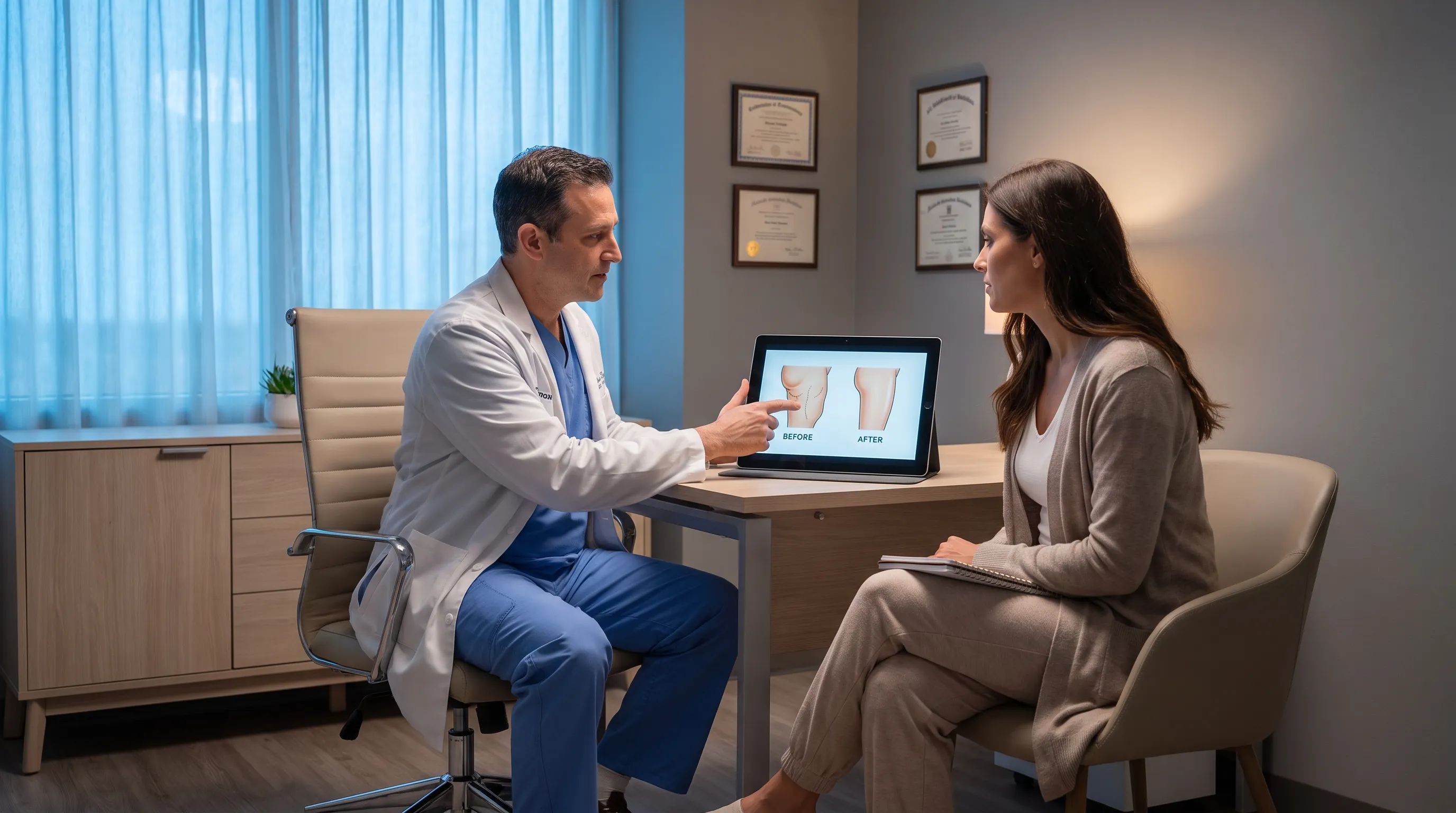
A comprehensive consultation should address both clinical execution and financial structure. Ask explicitly about the surgeon's annual procedure volume, board certification status, and facility accreditation. Request detailed before-and-after galleries specifically from patients with similar anatomical profiles and skin types. Inquire about anesthesia provider credentials, emergency protocols, and hospital transfer agreements. Financially, request a written, line-item estimate including all fees, follow-up visit inclusions, garment provisions, and medication costs. Clarify the revision policy, complication management fees, and payment schedule requirements. Document all verbal assurances in writing before depositing funds. A transparent, patient-centered practice welcomes detailed questions and provides comprehensive, unambiguous answers.
Post-Operative Expenses and Long-Term Financial Planning
The financial commitment extends well beyond the day of surgery. Proper recovery requires dedicated time off work, specialized supplies, medication management, and long-term lifestyle maintenance. Anticipating these variables ensures uninterrupted healing and sustainable results.
Compression Garments, Medications, and Recovery Supplies
Medical-grade compression garments are non-negotiable for optimal tissue adherence, swelling reduction, and scar minimization. High-quality garments typically cost $80 to $200 each, and most patients require multiple pairs to accommodate washing cycles and sizing adjustments as swelling subsides. Prescription medications, including antibiotics, pain management, and anti-nausea agents, typically range from $50 to $150 depending on insurance formulary tiers or pharmacy pricing. Additional supplies such as sterile gauze, adhesive strips, topical scar treatments, and hygiene aids add approximately $50 to $100 to initial recovery expenses. Budgeting for these essentials before surgery prevents delayed recovery due to supply shortages or compromised garment quality.
Managing Complications and Revision Costs
Even with meticulous surgical technique, individual healing responses vary. Potential complications include seroma fluid accumulation, delayed wound healing, minor incision separation, hematoma formation, or asymmetry requiring minor revision. While reputable surgeons prioritize optimal outcomes and cover specific follow-up adjustments within designated windows, major revisions or complication management outside standard care agreements incur additional costs. Emergency room visits, specialized wound care, or unplanned imaging studies are typically billed separately. Establishing a contingency fund equivalent to ten to fifteen percent of your initial surgical budget provides financial protection if unexpected medical needs arise. Always clarify exactly which post-operative services are included in your surgical agreement and which require additional billing.
Maintaining Results Through Weight Stability and Lifestyle Investment
Significant weight fluctuations after surgery dramatically compromise surgical outcomes, stretch remaining tissue, and may necessitate costly revision procedures. Medical consensus strongly advises achieving and maintaining a stable goal weight for at least six months prior to surgery, with ongoing weight management afterward. Investing in post-operative nutrition counseling, supervised physical therapy, and sustainable fitness programming protects your financial investment and optimizes long-term contour stability. Scar maturation requires consistent sun protection, silicone therapy, and massage techniques, which entail ongoing product costs. Viewing recovery as a long-term health investment rather than a short-term cosmetic expense aligns financial planning with sustainable physiological outcomes. Maintaining stable weight, adhering to compression protocols, and prioritizing tissue health ensures that your financial commitment yields lasting, proportionate results.

Frequently Asked Questions
What is the total average cost of a thigh lift in the United States?
The average surgeon's fee is approximately $7,641 according to the American Society of Plastic Surgeons. However, when factoring in anesthesia, surgical facility fees, medical tests, compression garments, and post-operative care, most patients should budget between $9,000 and $15,000 or more depending on geographic location and procedural complexity.
Does health insurance ever cover a thigh lift procedure?
Most standard health insurance plans classify thigh lifts as elective cosmetic procedures and deny coverage. However, exceptions exist if severe skin folds cause documented medical complications such as chronic intertrigo, recurrent cellulitis, or significant mobility impairment. Extensive physician documentation and prior authorization are strictly required.
Which is more expensive: a mini thigh lift or a full medial thigh lift?
A full medial thigh lift is typically more expensive than a mini lift due to increased surgical time, longer incisions, more extensive tissue removal, and longer anesthesia duration. A mini thigh lift focuses only on the upper inner thigh and requires a smaller incision, resulting in lower facility and surgeon fees.
What financing options are available if I cannot pay upfront for surgery?
Many accredited practices offer structured payment plans, medical credit cards like CareCredit with promotional zero-interest periods, or partnerships with third-party medical loan providers. It is essential to review interest rates, late payment penalties, and contract terms carefully before committing to any financing agreement.
Are revision surgeries included in the initial thigh lift surgery costs?
No. Standard pricing typically covers the primary procedure and routine follow-up visits within a specific window. Revision surgeries to address contour irregularities, wound complications, or asymmetry are billed separately and often incur additional surgeon, facility, and anesthesia fees. Always clarify revision policies before scheduling.
How long does full recovery take after a thigh lift?
Initial recovery generally spans two to three weeks, during which mobility is limited and compression garments must be worn continuously. Most patients return to light desk work within ten to fourteen days. Strenuous exercise and heavy lifting should be avoided for six to eight weeks. Scar maturation and final contour settling typically take six to twelve months.
Conclusion
Evaluating thigh lift surgery costs requires a comprehensive, transparent approach that extends far beyond initial price quotes. The true financial commitment encompasses surgeon expertise, accredited facility standards, anesthesia safety, post-operative supplies, and long-term maintenance. By prioritizing board-certified credentials, verifying facility accreditation, and utilizing structured financing strategies, you protect both your physical safety and financial stability. Avoid the temptation of discounted pricing, as compromising on surgical standards frequently results in exponentially higher medical and financial consequences. Thoroughly document your financial plan, maintain a contingency reserve for unexpected expenses, and commit to sustained weight stability and proper recovery protocols. Investing in qualified expertise, realistic budgeting, and disciplined post-operative care ensures your surgical journey yields safe, proportionate, and lasting results. Always consult directly with an ABPS-certified plastic surgeon to receive a personalized cost assessment, clinical evaluation, and customized treatment plan aligned with your anatomical needs and financial parameters.
For additional clinical guidance and procedural transparency, refer to the official resources: American Society of Plastic Surgeons and Healthline Medical Review. You may also explore verified educational content through the ASPS Official Channel for comprehensive safety and candidacy information.
How we work
Researched and drafted with AI assistance, then reviewed by a human editor against the cited sources.
This article is general health information, not medical advice. Consult a qualified healthcare professional about your own situation.