What Is Bat Wing in Men: Causes, Science, and Evidence-Based Solutions
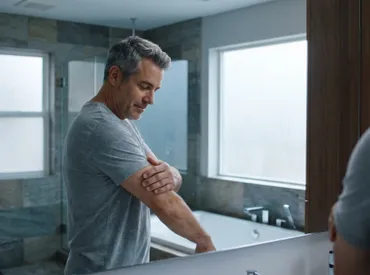
Many men begin to notice subtle changes in their physique as they age or experience significant weight fluctuations. One of the most commonly mentioned concerns is the appearance of excess tissue on the back of the upper arms. When researching what is bat wing in men, you will find that it is not a formal medical diagnosis, but rather a widely recognized fitness and aesthetic term describing loose skin, excess subcutaneous fat, and diminished muscle tone in the triceps region. While often dismissed as purely cosmetic, this physical presentation can actually serve as a clinical marker for broader physiological shifts, including hormonal changes, muscle atrophy, and metabolic health. Understanding the underlying mechanisms, separating fact from fitness mythology, and implementing evidence-based interventions are essential for men who want to restore upper arm strength, improve body composition, and maintain long-term musculoskeletal health.
The conversation around what is bat wing in men frequently intersects with discussions about aging, sedentary lifestyles, and the challenges of sustainable weight management. Unlike visceral fat, which accumulates around the organs and carries well-documented cardiovascular risks, subcutaneous upper arm adiposity develops gradually and is often compounded by a loss of structural muscle mass. Addressing it effectively requires a multifaceted approach that blends progressive resistance training, strategic nutritional planning, and, when necessary, medically supervised interventions. This comprehensive guide explores the anatomy, physiology, and proven management strategies behind this common concern, ensuring you have the scientific clarity and actionable steps needed to achieve lasting results.
Understanding the Anatomy and Physiology
To fully grasp what is bat wing in men, it is essential to examine the anatomical structures involved. The posterior aspect of the upper arm is primarily composed of the triceps brachii muscle, a three-headed muscle responsible for elbow extension, shoulder stability, and pushing mechanics. Overlying this muscle are layers of subcutaneous fat, connective tissue, fascia, and skin. In younger men with higher baseline muscle mass and lower body fat percentages, the triceps appear taut and well-defined. However, when the muscle undergoes atrophy while subcutaneous fat increases or remains unchanged, the supportive structure collapses, creating a draped, pendulous appearance commonly referred to as bat wings.
Free calculatorBMI CalculatorCalculate Body Mass IndexOpen the calculatorClinical Definitions vs. Colloquial Terminology
While "bat wings" is a popular colloquialism, clinical literature uses more precise terminology to describe this condition. Healthcare providers may refer to it as posterior upper arm adiposity, triceps fat accumulation, brachial skin laxity, or upper arm ptosis. In aging populations, clinicians often evaluate it within the context of sarcopenic adiposity, a condition characterized by concurrent muscle loss and increased fat deposition. This distinction matters because it shifts the focus from superficial aesthetics to underlying metabolic and musculoskeletal health. Research from the NIH National Institute on Aging emphasizes that progressive resistance training is one of the most effective interventions to combat age-related muscle loss, directly addressing the structural foundation that prevents this upper arm laxity.
The Role of Triceps Mass and Skin Elasticity
The triceps brachii contributes significantly to overall upper arm girth and functional pushing strength. When muscle fibers decrease in cross-sectional area, the overlying skin loses its underlying tension. Skin elasticity is largely determined by collagen and elastin production, which naturally decline with age, prolonged sun exposure, and rapid weight fluctuations. In men who lose substantial body mass without concurrent strength training, the skin may not contract sufficiently, resulting in persistent looseness. This physiological reality explains why simply dieting without exercising rarely resolves the concern; structural support must be rebuilt from the inside out.

Why Do Men Develop Bat Wings?
The development of upper arm laxity and fat accumulation in men is rarely caused by a single factor. Instead, it emerges from a complex interplay of hormonal shifts, lifestyle habits, genetic predispositions, and natural aging processes. Understanding these root causes is the first step toward designing an effective, personalized intervention strategy. When evaluating what is bat wing in men, clinicians typically assess body composition trends, training history, dietary patterns, and endocrine function to identify the primary drivers.
Hormonal Shifts and Testosterone Decline
Testosterone plays a pivotal role in regulating lean muscle mass, fat distribution, and metabolic rate. Beginning in a man’s late twenties to early thirties, serum testosterone levels gradually decline at a rate of approximately 1-2% annually. This natural aging process, often termed andropause or late-onset hypogonadism, correlates with a measurable reduction in protein synthesis, decreased neuromuscular efficiency, and a shift toward peripheral fat storage. Studies published in the Journal of Clinical Endocrinology & Metabolism and clinical overviews from the Mayo Clinic have demonstrated that lower testosterone levels are associated with increased subcutaneous fat deposition in non-traditional male depots, including the upper arms and thighs. When combined with a sedentary routine, this hormonal environment accelerates triceps atrophy while simultaneously promoting fat accumulation.
Sarcopenia and Age-Related Muscle Disuse
Sarcopenia refers to the progressive and involuntary loss of skeletal muscle mass and function. After age thirty, men typically lose one to two percent of their muscle mass per decade if they do not engage in regular resistance training. The triceps are frequently undertrained in conventional male workout routines, which often prioritize chest, biceps, and anterior shoulder development. This muscular imbalance creates a scenario where the posterior arm becomes progressively weaker and smaller, making any existing subcutaneous tissue more prominent. Neuromuscular recruitment patterns also change with age, leading to fewer active motor units during compound movements and further accelerating regional atrophy. According to the World Health Organization, maintaining muscle mass through targeted exercise is critical for metabolic health and functional independence as men age.
Weight Fluctuations and Fat Redistribution
Cyclical weight loss and regain, often seen in men who yo-yo diet or experience prolonged sedentary periods, significantly impact upper arm composition. During rapid weight loss phases, the body catabolizes both fat and muscle tissue. Without the stimulus of progressive overload, the triceps shrink, leaving excess skin and connective tissue without adequate structural support. Conversely, during periods of caloric surplus and minimal physical activity, men tend to accumulate visceral fat around the abdomen first. As storage capacity increases and metabolic efficiency declines, fat begins to redistribute subcutaneously, frequently depositing in the arms, hips, and lower back. The CDC's weight management guidelines emphasize that cyclical weight changes often lead to disproportionate fat regain and altered body composition. This pattern becomes especially pronounced when insulin sensitivity decreases and cortisol levels remain chronically elevated.
Genetic Predispositions and Lifestyle Factors
Genetics heavily influence where the body stores fat and how skin maintains elasticity. Some men are genetically predisposed to carry more subcutaneous tissue in the extremities, regardless of overall leanness. Additionally, sedentary occupations, chronic stress, poor sleep quality, and excessive alcohol consumption compound hormonal imbalances and impair recovery. The lack of mechanical tension through the triceps, combined with systemic metabolic stress, creates the perfect physiological environment for what is bat wing in men to manifest. Addressing these modifiable lifestyle factors is just as critical as optimizing training variables.
Health Implications Beyond Aesthetics
While the visual appearance of upper arm laxity often prompts men to seek solutions, it is important to recognize the broader clinical significance of this presentation. The arms serve as a readily observable window into overall metabolic and musculoskeletal health. Evaluating what is bat wing in men from a clinical perspective reveals valuable insights into systemic body composition, functional capacity, and long-term disease risk.
Sarcopenic Obesity and Metabolic Risk
Sarcopenic obesity occurs when an individual maintains a relatively normal or elevated body weight but possesses disproportionately low muscle mass and high adipose tissue. This condition is clinically significant because muscle tissue acts as a primary metabolic sink for glucose. Reduced muscle volume impairs insulin sensitivity, increases resting inflammatory markers, and elevates the risk of metabolic syndrome, type 2 diabetes, and cardiovascular disease. The accumulation of fat in the posterior upper arm often coincides with similar fat deposition in visceral and ectopic regions, making it a potential external marker of internal metabolic strain. Screening tools that combine grip strength measurements, gait speed assessments, and body composition analysis help clinicians identify men at risk before more severe complications develop.
Functional Strength and Daily Mobility
The triceps are essential for pushing, lifting, bracing, and stabilizing the shoulder girdle during overhead activities. Diminished triceps mass directly correlates with reduced functional upper body strength, making everyday tasks such as lifting groceries, rising from a seated position, or carrying children more challenging. The American College of Sports Medicine consistently emphasizes that localized muscle atrophy contributes to broader movement inefficiencies, increasing the likelihood of compensatory strain in the shoulders, elbows, and cervical spine. By addressing upper arm weakness proactively, men can preserve joint health, maintain independence as they age, and improve overall biomechanical resilience.

Evidence-Based Management Strategies
Successfully addressing what is bat wing in men requires dismantling common fitness myths and implementing scientifically supported interventions. The most effective approach combines systemic fat loss, targeted muscle hypertrophy, and sustainable lifestyle modifications. There is no shortcut, but there is a highly reliable, research-backed pathway that consistently delivers structural and aesthetic improvements.
Progressive Resistance Training Protocols
Resistance training is the cornerstone of reversing upper arm atrophy and improving tissue density. According to NIH and ACSM guidelines, men should engage in full-body resistance training two to three times weekly, performing two to three sets of eight to twelve repetitions per exercise to optimize hypertrophy and strength. Key triceps-focused movements include cable pushdowns, overhead dumbbell extensions, close-grip push-ups, bench dips, and skull crushers. These exercises target the long, lateral, and medial heads of the triceps through varying angles and resistance curves.
Progressive overload is non-negotiable. This principle involves systematically increasing training volume, intensity, or frequency over time to force muscular adaptation. Men should track their workouts, aiming to add weight, complete additional repetitions, or improve time under tension every one to two weeks. Proper form ensures the triceps, rather than the chest or anterior deltoids, bear the primary mechanical load. Eccentric control, mind-muscle connection, and adequate rest intervals of sixty to ninety seconds between sets maximize muscle fiber recruitment and protein synthesis pathways.
Nutritional Optimization for Fat Loss and Muscle Preservation
Exercise alone cannot overcome a poor diet. Sustainable fat loss requires a moderate caloric deficit of three hundred to five hundred kilocalories per day, which promotes steady weight reduction while minimizing muscle catabolism. Protein intake should remain elevated, targeting one point six to two point two grams per kilogram of body weight daily. Distributing protein evenly across three to four meals containing twenty to forty grams of high-quality protein each time optimally stimulates muscle protein synthesis.
Diet quality matters just as much as macronutrient ratios. Aligning nutrition with Mediterranean or DASH dietary patterns—emphasizing lean proteins, whole grains, healthy fats, fiber-rich vegetables, and low-glycemic fruits—supports hormonal balance, reduces systemic inflammation, and improves insulin sensitivity. The CDC recommends focusing on whole-food, minimally processed options and limiting added sugars, refined carbohydrates, and excessive alcohol, all of which contribute to subcutaneous fat storage. Hydration, micronutrient adequacy, and consistent meal timing further enhance recovery and metabolic efficiency.
The Myth of Spot Reduction
One of the most pervasive misconceptions in fitness marketing is the idea that performing endless arm exercises will melt localized fat. Harvard Health, the American College of Sports Medicine, and guidance from the Mayo Clinic have consistently debunked this claim. Fat mobilization occurs systemically, governed by genetic, hormonal, and enzymatic factors that cannot be overridden by isolated contractions. The American College of Sports Medicine explicitly states that there is no scientific evidence supporting spot reduction. Fat loss occurs systemically, and targeted resistance training improves muscle hypertrophy and functional strength, not localized fat loss. Understanding this physiological reality prevents frustration and redirects energy toward comprehensive body recomposition strategies that actually work.
Medical and Surgical Interventions
While lifestyle modification remains the first-line treatment, some men present with severe skin laxity or disproportionate fat distribution that does not fully resolve with diet and exercise. In these cases, medically supervised procedures may be considered after thorough clinical evaluation and conservative management have been attempted.
Brachioplasty: When Is It Indicated?
Brachioplasty, commonly referred to as an upper arm lift, involves the surgical removal of excess skin and sometimes localized fat from the posterior arm. The Cleveland Clinic notes that this procedure typically leaves a scar along the inner arm, which fades over time but remains permanent. Candidates usually include men who have undergone massive weight loss, experienced significant aging-related skin retraction failure, or possess extreme tissue ptosis that impairs comfort or function. Potential complications include wound dehiscence, nerve injury, infection, seroma formation, and contour irregularities. Recovery generally requires two to four weeks of restricted arm movement, followed by months of compression therapy and scar management.
Non-Invasive Body Contouring Options
Non-surgical technologies such as radiofrequency skin tightening, cryolipolysis, and high-intensity focused ultrasound have gained popularity as alternatives to surgery. While these modalities offer minimal downtime, peer-reviewed literature, including studies published in Plastic & Reconstructive Surgery and clinical guidelines from the Mayo Clinic, indicates that their efficacy for upper arm improvement remains modest. Radiofrequency may stimulate mild collagen remodeling, and cryolipolysis can reduce localized fat cells, but neither reliably addresses significant muscle atrophy or substantial skin redundancy. Conservative management combining diet and progressive resistance training remains the gold standard, with surgical or non-invasive interventions reserved for highly selected, refractory cases.
| Approach | Primary Mechanism | Best Candidates | Typical Recovery | Long-Term Efficacy |
|---|---|---|---|---|
| Resistance Training + Diet | Systemic fat loss, muscle hypertrophy, improved insulin sensitivity | All men seeking sustainable body recomposition | Ongoing maintenance required | High, when consistently applied |
| Brachioplasty | Surgical excision of skin/fat, tissue tightening | Severe ptosis post-massive weight loss, extreme laxity | 2-4 weeks restricted movement, 3-6 months full healing | High structural improvement, permanent scarring |
| Non-Invasive Contouring | Thermal or cold-induced fat cell apoptosis, collagen stimulation | Mild-to-moderate fat with minimal skin looseness | 1-3 days minimal downtime | Moderate, requires multiple sessions |
Practical Daily Habits and Long-Term Maintenance
Achieving noticeable improvements in upper arm composition is only half the journey; maintaining those results requires embedding sustainable habits into daily life. Consistency trumps intensity, and physiological adaptation is a continuous process. Men who successfully reverse what is bat wing in men long-term focus on foundational routines that support recovery, hormonal health, and progressive overload without leading to burnout.
Consistency Over Intensity
Training three times weekly with focused, well-executed sessions yields superior results compared to sporadic high-volume workouts followed by weeks of inactivity. Tracking workouts, setting micro-goals, and adjusting variables based on feedback prevents plateaus. Incorporating unilateral exercises, tempo variations, and isometric holds can provide novel stimuli that promote continued adaptation. Periodization—cycling through phases of accumulation, intensification, and deload—ensures the central nervous system and musculoskeletal structures recover adequately, reducing injury risk and optimizing long-term gains.
Recovery, Sleep, and Hormonal Balance
Muscle remodeling occurs during rest, not during the workout itself. Prioritizing seven to nine hours of quality sleep nightly regulates cortisol, optimizes growth hormone release, and enhances tissue repair. Chronic sleep deprivation impairs glucose metabolism, increases hunger signaling, and accelerates muscle breakdown. Research from the NIH highlights that adequate rest is fundamental to hormonal regulation and metabolic recovery. Stress management techniques such as breathwork, meditation, nature exposure, and deliberate digital boundaries help maintain autonomic nervous system balance. When the body remains in a parasympathetic-dominant state, nutrient partitioning improves, fat oxidation increases, and the hormonal environment supports lean tissue preservation.
Frequently Asked Questions
Can you eliminate bat wings through targeted exercises alone?
No. Spot reduction is a physiological myth. While triceps-focused resistance training builds muscle volume and improves arm shape, visible reduction requires a systemic caloric deficit to lower overall body fat. Combining progressive strength training with proper nutrition yields the most sustainable results.
Is bat wing appearance a sign of hormonal imbalance in men?
It can be an indicator of age-related hormonal shifts. Declining testosterone levels and elevated cortisol are clinically linked to reduced lean mass and increased peripheral fat deposition, including the upper arms. Comprehensive blood panels can help identify underlying endocrine factors.
How long does it take to see noticeable improvement?
With consistent resistance training two to three times weekly and a sustained caloric deficit, most men observe measurable changes in triceps definition and reduced subcutaneous fat within eight to twelve weeks. Significant skin tightening may take six to twelve months, depending on age and genetic elasticity.
Are surgical options safe for treating severe upper arm sagging?
Brachioplasty and liposuction are generally safe when performed by board-certified plastic surgeons, but they carry risks like scarring, nerve injury, infection, and prolonged recovery. Surgery is typically reserved for post-massive weight loss cases or severe skin laxity after conservative management has been exhausted.
What daily habits accelerate upper arm toning and fat loss?
Prioritize one point six to two point two grams per kilogram of daily protein, maintain a moderate three hundred to five hundred kilocalorie deficit, perform full-body resistance training with progressive overload, sleep seven to nine hours nightly, manage stress to regulate cortisol, and stay consistently hydrated. These foundational habits optimize muscle preservation and metabolic rate.
Conclusion
When examining what is bat wing in men, it becomes clear that this condition is far more than a superficial aesthetic concern. It represents a visible intersection of hormonal dynamics, muscle physiology, metabolic health, and lifestyle choices. By replacing spot-reduction myths with evidence-based training protocols, prioritizing sustainable nutrition, and maintaining consistency in recovery practices, men can effectively restore triceps volume, reduce subcutaneous adiposity, and improve functional strength. Medical and surgical interventions exist for severe cases, but conservative management remains the safest, most effective first-line approach. Embracing a comprehensive, science-backed strategy ensures not only improved upper arm appearance but also enhanced metabolic resilience, joint longevity, and overall vitality for years to come.
How we work
Researched and drafted with AI assistance, then reviewed by a human editor against the cited sources.
This article is general health information, not medical advice. Consult a qualified healthcare professional about your own situation.