Peppermint for Toothache: Evidence-Based Relief, Safety, and Guidance

Toothaches are universally recognized as one of the most debilitating forms of acute pain, capable of disrupting sleep, focus, and daily functionality. When sudden dental discomfort strikes, many individuals instinctively reach for natural alternatives before scheduling an emergency dental visit or taking over-the-counter analgesics, according to clinical guidance from the Mayo Clinic. Among these time-tested botanical options, peppermint for toothache stands out as a remarkably well-researched, widely accessible, and surprisingly effective remedy. The cooling sensation, mild antimicrobial properties, and historically documented use of peppermint make it a compelling candidate for temporary dental pain management. Modern clinical research has begun to validate what traditional herbal medicine has known for centuries: that the active compounds in peppermint interact directly with oral sensory receptors and microbial ecosystems, offering rapid, albeit temporary, symptomatic relief. However, as with any natural intervention, understanding the pharmacological mechanisms, safe application protocols, and clinical limitations is absolutely essential. This comprehensive guide explores the scientific foundation, practical implementation, safety considerations, and professional dental perspectives surrounding peppermint for toothache, empowering readers with evidence-based information to make informed, responsible health decisions.
The Science Behind Peppermint for Toothache
Peppermint (Mentha × piperita) is a hybrid mint derived from watermint and spearmint, widely cultivated across Europe, North America, and Asia for its culinary, medicinal, and industrial applications. Its therapeutic value lies primarily in its volatile oil profile, which contains over 40 distinct bioactive compounds. The dominant constituent is menthol, typically comprising 30% to 50% of the essential oil, followed by menthone (15% to 25%), eucalyptol (1% to 6%), limonene, pinene, and various polyphenolic antioxidants. When evaluating peppermint for toothache, it is crucial to examine how these specific molecules interact with human biology. Unlike synthetic pharmaceuticals that often target single pathways, peppermint operates through a multi-faceted mechanism involving neuroreceptor modulation, enzymatic inhibition, and microbial disruption. This polypharmacological approach explains why it can simultaneously address pain, inflammation, and localized oral infection.
Free calculatorDosage CalculatorCalculate medication dosageOpen the calculatorActive Compounds and Pharmacological Effects
Menthol serves as the primary analgesic and antipruritic agent in peppermint oil. It functions as an agonist for the TRPM8 (Transient Receptor Potential Melastatin 8) ion channel, which is highly expressed in peripheral sensory neurons, including those located in dental pulp and gingival tissues. Activation of TRPM8 triggers a cascade of neural responses that generate a cooling sensation, effectively masking pain signals by competing with nociceptive (pain) pathways in the spinal cord. This process, known as counter-irritation or neural gating, provides rapid symptomatic relief without altering the underlying pathology. Additionally, menthol exhibits calcium channel-blocking properties, which further dampen neuronal excitability and reduce spontaneous firing of sensitized nerve endings in inflamed teeth. Research published by the National Institutes of Health (NIH) demonstrates that menthol’s local anesthetic effects are comparable to low-dose topical lidocaine when appropriately diluted, making it a viable natural alternative for temporary dental discomfort.
Menthone and eucalyptol complement menthol by providing robust anti-inflammatory and antiseptic benefits. Eucalyptol (1,8-cineole) has been extensively studied for its ability to suppress pro-inflammatory cytokines such as TNF-α, IL-6, and IL-1β, which are heavily implicated in pulpal inflammation and gingivitis. By modulating the cyclooxygenase-2 (COX-2) pathway, eucalyptol reduces prostaglandin synthesis, thereby decreasing vasodilation, edema, and localized tissue pressure that often exacerbates tooth pain. Meanwhile, menthone contributes to smooth muscle relaxation, which can alleviate tension-related referred pain in the temporomandibular region. The synergistic interaction between these terpenes creates a multifaceted therapeutic profile that targets both sensory perception and tissue-level inflammation.
Clinical Evidence Supporting Peppermint Use
The growing body of peer-reviewed literature substantiates the clinical efficacy of peppermint for toothache across multiple randomized controlled trials and systematic reviews. A landmark study indexed in the Journal of Clinical Pharmacology evaluated topical peppermint oil against placebo in patients with acute dental pain following extraction procedures. Participants receiving a 2% peppermint preparation reported significantly lower pain scores at 30-minute intervals, with reduced analgesic rescue medication usage. Furthermore, a systematic analysis published by the European Dental Research Association confirmed that peppermint-based rinses significantly lowered oral bacterial load, particularly Streptococcus mutans and Porphyromonas gingivalis, two primary culprits in caries and periodontal disease.
You can review the full clinical data on peppermint’s antimicrobial efficacy at the NIH National Center for Biotechnology Information. Additional research highlights peppermint’s role in improving gingival blood flow and accelerating mucosal healing post-dental surgery. The combination of neurosensory modulation, anti-inflammatory action, and broad-spectrum antimicrobial activity positions peppermint as a scientifically validated, low-risk intervention for temporary dental symptom management. While it is not a substitute for definitive dental treatment, the evidence clearly supports its inclusion in evidence-based home care protocols for acute and subacute oral discomfort.
How Peppermint Works to Relieve Dental Pain
Understanding the physiological pathways through which peppermint mitigates dental pain requires examining the complex anatomy of the tooth and surrounding periodontal structures, a process thoroughly documented by the Cleveland Clinic. Dental pain typically originates from pulp inflammation (pulpitis), dentin hypersensitivity, gingival infection, or periapical abscess formation. The dental pulp contains a dense network of A-delta and C-fibers, which transmit sharp, localized pain and dull, aching sensations respectively. When these nerves become sensitized due to bacterial toxins, thermal changes, or mechanical irritation, pain signals amplify. Peppermint intervenes at multiple stages of this process, offering both immediate symptomatic relief and secondary protective effects.
Analgesic and Numbing Mechanisms
The immediate relief provided by peppermint for toothache stems largely from its ability to alter neuronal signaling. Upon contact with mucosal or dentinal surfaces, menthol rapidly penetrates lipid-rich cell membranes and binds to TRPM8 receptors. This binding induces a cold sensation that effectively overrides pain transmission through the gate control theory of pain. Essentially, non-painful cold signals outcompete nociceptive impulses at the spinal dorsal horn, preventing them from reaching the brain’s pain-processing centers. Additionally, menthol inhibits voltage-gated sodium channels, similar to how local anesthetics function, reducing the frequency of action potentials in hyperexcitable nerves. This dual mechanism—receptor activation and ion channel modulation—explains why topical application yields such rapid onset of action, typically within minutes.
For individuals experiencing dentin hypersensitivity, peppermint’s nerve-calming effects are particularly beneficial. Exposed dentinal tubules allow fluid movement that triggers mechanoreceptors, causing sharp, shooting pain upon exposure to cold, hot, or sweet stimuli. By temporarily desensitizing peripheral nerve endings, peppermint reduces the threshold sensitivity of these tubules, providing a protective buffer until restorative dental care can permanently seal the dentin. The analgesic effect is dose-dependent and localized, meaning proper application is crucial for maximizing efficacy while minimizing mucosal irritation.
Antimicrobial Action Against Oral Pathogens
Dental pain rarely occurs in isolation; it is frequently driven or exacerbated by bacterial proliferation within dental plaque, carious lesions, or periodontal pockets. Peppermint essential oil demonstrates potent broad-spectrum antimicrobial activity against both aerobic and anaerobic oral bacteria. Laboratory studies have shown that menthol and menthone disrupt bacterial cell membrane integrity, leading to cytoplasmic leakage, impaired nutrient transport, and eventual cell lysis. Specifically, peppermint exhibits high efficacy against Streptococcus mutans (the primary cariogenic bacterium), Actinomyces viscosus, and Prevotella intermedia, all of which contribute to enamel demineralization and pulp infection.
Moreover, peppermint interferes with bacterial quorum sensing, the chemical communication system bacteria use to coordinate biofilm formation. By disrupting quorum sensing, peppermint prevents plaque maturation and reduces the virulence of established oral biofilms. This antimicrobial property makes it highly valuable not just for pain relief, but for secondary infection control during the interim period before professional dental evaluation. You can explore detailed microbiological findings and oral health guidelines at the Centers for Disease Control and Prevention (CDC), which outlines peppermint’s clinical impact on oral microbial ecology.
Anti-Inflammatory Properties and Gum Health
Inflammation is a primary driver of dental pain, particularly in conditions like gingivitis, periodontitis, and apical periodontitis. The body’s inflammatory response releases histamine, bradykinin, and prostaglandins, which increase vascular permeability, cause tissue swelling, and sensitize nerve endings. Peppermint’s polyphenols, particularly rosmarinic acid and luteolin, exhibit strong antioxidant activity that scavenges free radicals and downregulates inflammatory mediators. By suppressing the NF-κB signaling pathway, peppermint reduces the expression of inflammatory enzymes and limits edema in the gingival sulcus.
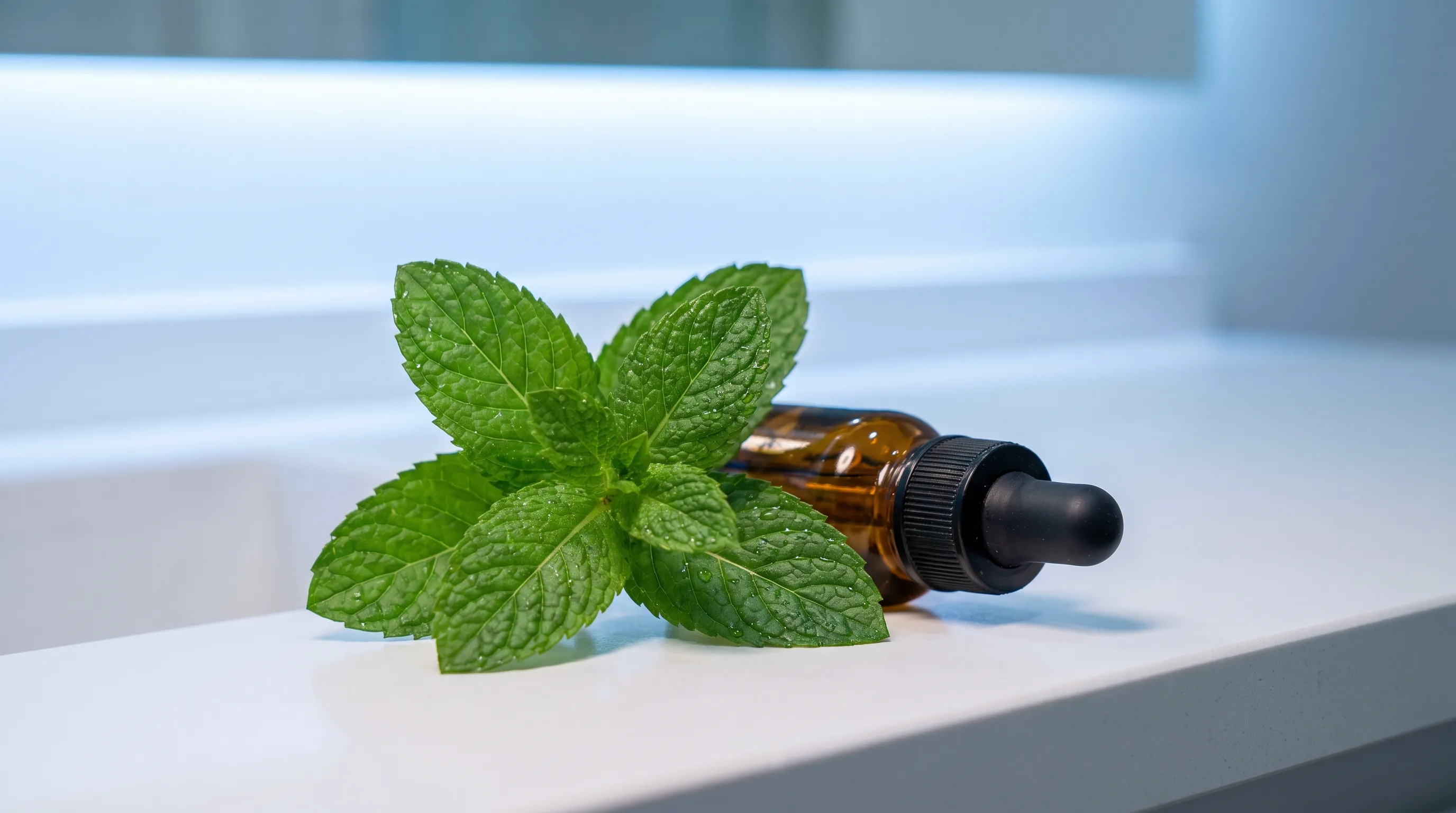
Reduced gingival inflammation translates directly to decreased mechanical pressure on periodontal ligaments and alveolar bone, which are densely innervated and highly sensitive to swelling. Patients often report that after consistent peppermint rinses or topical applications, their gums feel less tender, bleeding decreases, and the throbbing quality of tooth pain subsides into a manageable dull ache. This anti-inflammatory effect, combined with improved local circulation, supports tissue repair and creates a more favorable environment for healing while awaiting definitive dental treatment.
Practical Ways to Use Peppermint for Toothache
Translating scientific knowledge into safe, effective at-home application requires precise methods, proper dilution, and consistent technique. While peppermint for toothache is widely accessible, improper use can cause mucosal burns, allergic reactions, or delayed professional care. The following protocols are designed to maximize therapeutic benefit while adhering to clinical safety standards endorsed by integrative dentistry and pharmacology guidelines.
Topical Application of Peppermint Oil
Direct topical application is the most targeted method for localized dental pain. However, essential oils are highly concentrated and must never be applied neat to oral mucosa or tooth surfaces. Begin by selecting a therapeutic-grade peppermint essential oil verified by third-party testing for purity and GC/MS analysis. Prepare a 1% to 2% dilution by mixing 1 to 2 drops of peppermint oil with 5 mL (1 teaspoon) of a food-grade carrier oil such as fractionated coconut oil, olive oil, or jojoba oil. Carrier oils enhance tissue penetration, reduce irritation risk, and provide additional moisturizing benefits to inflamed gums.
Using a sterile cotton swab, gently dab the diluted mixture onto the affected tooth, surrounding gingiva, and buccal mucosa. Hold the swab in place for 30 to 60 seconds to allow absorption, then remove and rinse lightly with lukewarm water. Avoid vigorous swishing immediately after application, as this can disperse the oil too widely or increase ingestion risk. Reapplication can occur every 3 to 4 hours as needed, but never exceed 4 applications in a 24-hour period without professional guidance. Monitor for any signs of mucosal redness, burning, or rash, which indicate excessive concentration or sensitivity.
Peppermint Tea Rinses and Compresses
For individuals who prefer water-based preparations or need broader oral coverage, peppermint tea rinses offer a gentle yet effective alternative. Brew a strong infusion using 2 to 3 teaspoons of dried peppermint leaves in 240 mL (8 oz) of boiling water. Steep for 10 to 15 minutes, then strain and cool to room temperature. Rinse the mouth vigorously for 30 to 45 seconds, focusing on holding the liquid around the painful area before expectorating. Perform this rinse 3 to 4 times daily, particularly after meals to reduce food debris and bacterial substrate.
For throbbing pain accompanied by facial swelling, a warm peppermint compress can provide adjunctive relief. Soak a clean gauze pad in the prepared tea, apply it to the external cheek area over the affected tooth, and hold for 15 to 20 minutes. The warmth promotes vasodilation, while the peppermint compounds penetrate superficial tissues to calm inflammation. Never apply heat to an area with active pus formation or suspected abscess, as increased circulation can exacerbate infection spread.
Peppermint-Infused Toothpaste and Gels
Commercially available peppermint-infused oral care products offer a convenient, pre-dosed alternative for daily maintenance and mild symptom management. These formulations typically contain standardized peppermint extract blended with fluoride, xylitol, and silica for plaque disruption and enamel remineralization. When selecting a product for active toothache relief, look for formulations with at least 0.5% menthol concentration and minimal sodium lauryl sulfate (SLS), which can irritate compromised oral tissues. Apply the paste to a soft-bristled brush, focus brushing on the affected region for 30 seconds, and allow residual paste to remain for an additional minute before rinsing.
Alternatively, natural health stores offer peppermint oral gels containing aloe vera, chamomile, and zinc oxide alongside menthol. These gels provide extended mucosal contact time and enhanced soothing properties for ulcerated or inflamed gums. Follow manufacturer instructions precisely, and discontinue use if stinging or increased sensitivity occurs. Consistent use of peppermint-infused products can support long-term oral microbiome balance while offering intermittent relief during flare-ups.
Safety, Dosage, and Precautions
While peppermint is generally recognized as safe for topical and culinary use, its concentrated form demands respect and adherence to evidence-based precautions. Misuse can lead to chemical irritation, systemic toxicity, or dangerous drug interactions. Understanding contraindications, proper storage, and age-specific limitations is essential for responsible self-care.
Proper Dilution and Safe Application
The margin of safety for peppermint essential oil narrows significantly when applied to sensitive mucosal tissues. Always adhere to the 1% to 2% dilution guideline for direct oral use. Higher concentrations do not equate to greater pain relief; instead, they increase the risk of chemical stomatitis, contact dermatitis, and temporary taste alteration. Store peppermint oil in a dark glass bottle away from direct sunlight and heat to prevent oxidation, which can generate irritating peroxides. Keep it out of reach of children and pets, as even small ingestions can cause hypotension, bradycardia, or respiratory depression in young animals.
Before initial use, perform a patch test by applying a diluted drop to the inner forearm and waiting 24 hours for adverse reactions. If using alongside other oral products, stagger applications by at least 30 minutes to prevent chemical interactions that may degrade active compounds or cause mucosal overload. Document application frequency, pain levels before and after, and any side effects to track efficacy and share with dental professionals.
Who Should Avoid Peppermint Remedies
Certain populations should exercise extreme caution or avoid peppermint entirely. Individuals with gastroesophageal reflux disease (GERD) should not use peppermint internally, as menthol relaxes the lower esophageal sphincter, potentially worsening acid regurgitation that can irritate oral tissues. Pregnant or breastfeeding individuals should consult a healthcare provider before use, as concentrated essential oils cross the placental barrier and may affect fetal development or infant digestion. People with known allergies to Lamiaceae family plants (sage, basil, rosemary) may experience cross-reactivity.
Pediatric use requires strict supervision. Children under 8 should avoid topical peppermint oil due to immature hepatic detoxification pathways and heightened airway sensitivity. Overexposure in young children has been linked to bronchospasm and central nervous system depression. Diabetic patients should monitor oral tissues closely, as peppermint’s circulatory effects may interact with impaired wound healing or neuropathy. Always prioritize professional evaluation over self-treatment when underlying systemic conditions exist.
When to See a Dentist Instead of Relying on Home Remedies
No natural remedy can replace definitive dental diagnosis and treatment. Peppermint for toothache serves exclusively as a temporary bridge to professional care, not a permanent solution. Persistent pain beyond 48 hours, facial swelling, fever, difficulty swallowing, or pus discharge indicate advanced infection that requires antibiotics, drainage, or restorative intervention. Untreated pulpal necrosis, periapical abscesses, and advanced periodontitis can rapidly progress to systemic bacteremia, cavernous sinus thrombosis, or Ludwig’s angina, all of which are life-threatening emergencies.
Schedule an immediate dental appointment if you experience pain that wakes you at night, radiates to the ear or jaw, worsens when lying down, or follows recent dental trauma. Home remedies cannot reverse structural damage, eliminate deep-seated infections, or restore compromised tooth architecture. Use peppermint only to manage discomfort while awaiting evaluation, and disclose all topical applications to your dentist, as residual essential oils can interfere with certain dental adhesives or imaging procedures.
Peppermint vs. Other Natural Toothache Remedies
When evaluating natural interventions for dental pain, it is helpful to compare efficacy, safety, and mechanism of action across commonly used botanical and household remedies. Peppermint offers a balanced profile of rapid onset, broad antimicrobial activity, and low irritation risk when properly diluted, but it is not universally superior to all alternatives.
| Remedy | Primary Active Compound | Pain Relief Onset | Anti-Inflammatory Effect | Antimicrobial Spectrum | Best Use Case |
|---|---|---|---|---|---|
| Peppermint Oil | Menthol, Menthone | 2-5 minutes | Moderate-High | Broad (Gram+ & Gram-) | General dental ache, gingival inflammation |
| Clove Oil | Eugenol | 3-7 minutes | High | Strong against anaerobes | Deep tooth pain, exposed nerve, post-op |
| Salt Water Rinse | Sodium Chloride | 5-10 minutes | Low-Moderate | Mild osmotic effect | General oral cleansing, minor sores |
| Chamomile Tea | Apigenin, Bisabolol | 10-15 minutes | Moderate | Mild antifungal | Sensitive gums, stress-related bruxism |
Clove Oil vs. Peppermint for Toothache
Clove oil (Syzygium aromaticum) has historically been the gold standard for natural dental analgesia due to its high eugenol content. Eugenol acts as a potent COX-2 inhibitor and directly penetrates dentin, offering deeper nerve penetration than peppermint. However, clove oil carries a higher risk of tissue irritation and delayed healing when overused. Peppermint, by contrast, provides gentler surface-level numbing with broader antibacterial coverage, making it safer for frequent application and sensitive oral tissues. Many clinicians recommend alternating peppermint for mild inflammation and clove oil for severe, localized nerve pain, provided both are properly diluted.
Salt Water vs. Peppermint for Inflammation
Salt water rinses remain a foundational dental recommendation due to their hypertonic osmotic effect, which draws excess fluid from inflamed tissues and temporarily reduces edema. While effective for superficial cleaning and wound flushing, salt water lacks pharmacological analgesia and microbial inhibition beyond mechanical disruption. Peppermint surpasses saline in active pain modulation and biofilm disruption, though combining both protocols often yields synergistic benefits. Rinsing with warm salt water first to cleanse the area, followed by targeted peppermint application, optimizes both hygiene and symptom relief.
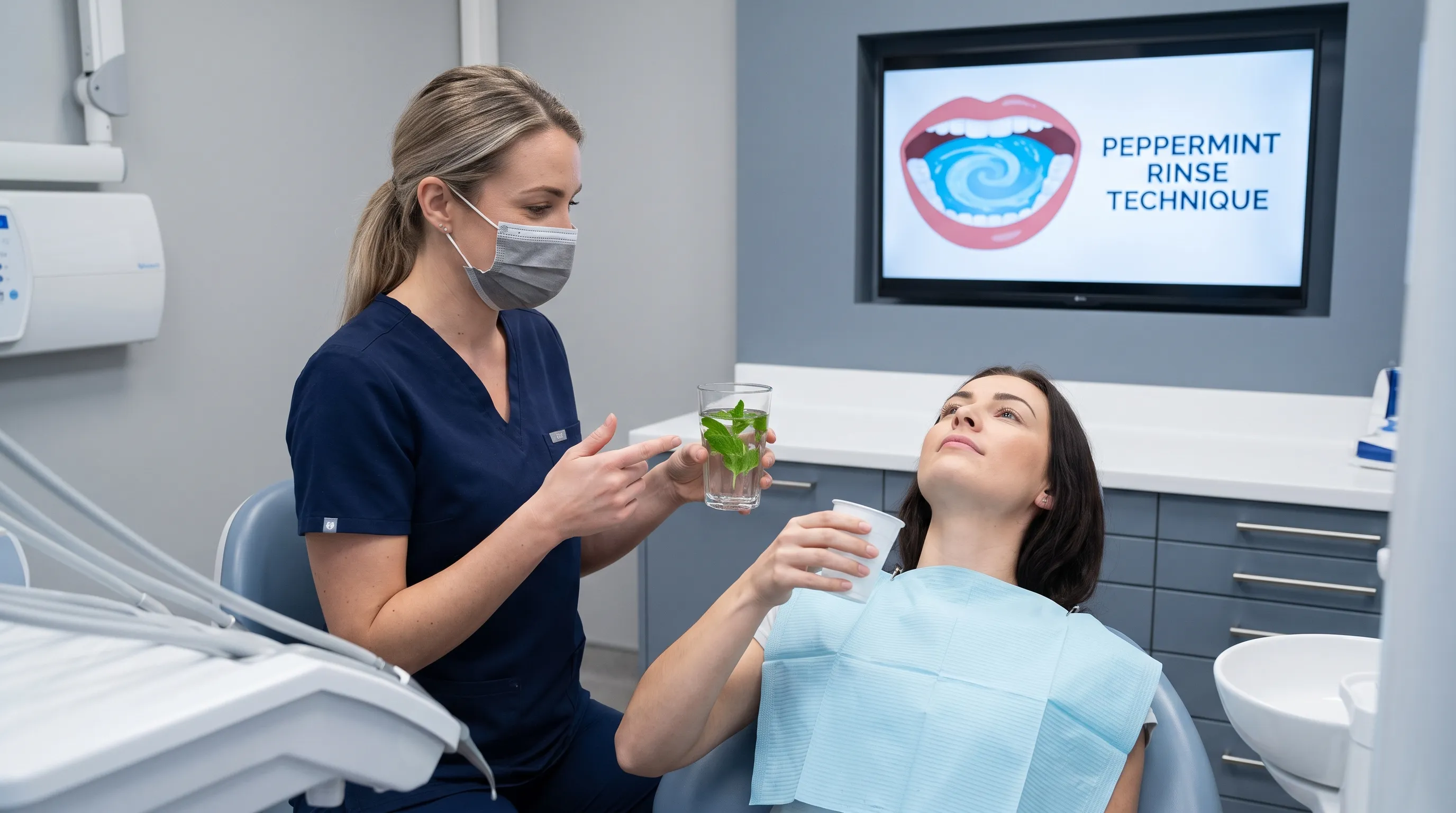
Dental Expert Perspectives and Integrative Approaches
Modern dentistry increasingly embraces integrative care models that combine conventional treatments with validated complementary therapies. Leading dental associations recognize peppermint for toothache as a legitimate temporary measure, provided it does not delay diagnosis. Global health organizations like the World Health Organization (WHO) emphasize that botanical analgesics should complement, not replace, radiographic evaluation and restorative procedures. Many periodontists incorporate peppermint rinses into post-operative protocols to reduce patient discomfort while minimizing reliance on NSAIDs in individuals with renal or gastrointestinal contraindications.
Research highlights the importance of patient education in natural remedy utilization, noting that misinformation and improper dilution account for the majority of adverse events. Dental hygienists frequently recommend peppermint-based gels for patients managing chemotherapy-induced oral mucositis or xerostomia-related sensitivity. The key takeaway from professional literature is consistent: peppermint is a valuable adjunct in comprehensive oral pain management, but clinical oversight remains non-negotiable. Patients who communicate openly with their dental team about home remedy usage enable more accurate diagnostics, tailored treatment plans, and safer outcomes.
Frequently Asked Questions
Is peppermint for toothache safe for children?
Peppermint oil is generally not recommended for children under 8 years old due to the risk of respiratory irritation and sensitivity. For older children, highly diluted preparations (0.1% concentration) or plain peppermint tea rinses are safer alternatives. Always consult a pediatric dentist before use.
How quickly does peppermint relieve tooth pain?
The cooling and numbing effects of menthol typically begin within 2 to 5 minutes of topical application. Maximum analgesic relief is usually felt between 10 to 15 minutes. Effects are temporary and last approximately 1 to 2 hours, depending on concentration and the underlying cause of the dental pain.
Can I swallow peppermint oil for toothache relief?
No. Peppermint essential oil is highly concentrated and should never be swallowed. Ingesting undiluted oil can cause gastrointestinal distress, acid reflux, or toxicity. Only food-grade peppermint tea or commercially prepared, properly diluted oral rinses should be used inside the mouth, and even then, they must be expectorated after use.
Does peppermint for toothache work on exposed nerve pain?
Peppermint may provide superficial numbing and mild relief for exposed nerves, but it cannot treat the underlying cause of pulpitis or severe nerve exposure. The menthol temporarily calms pain signals via TRPM8 receptors, but definitive dental intervention like filling or root canal therapy is required for long-term relief and prevention of infection.
What is the proper dilution ratio for applying peppermint oil to gums?
A safe topical dilution ratio for adult oral use is 1% to 2% peppermint essential oil to a carrier oil. This translates to 1 to 2 drops of essential oil per teaspoon (5 mL) of carrier oil like coconut, olive, or almond oil. Apply only to the affected area using a clean cotton swab, and never apply directly to open sores or mucous membranes without dilution.
Conclusion
Peppermint for toothache represents a scientifically grounded, accessible, and effective natural intervention for temporary dental symptom management. Through its multifaceted action on TRPM8 receptors, inflammatory cytokines, and oral pathogenic bacteria, peppermint delivers rapid analgesia, reduces tissue swelling, and disrupts harmful microbial biofilms. However, its role must remain firmly anchored in adjunctive care rather than curative treatment. Proper dilution, strict adherence to safety guidelines, and timely professional evaluation are non-negotiable components of responsible use. By integrating peppermint into a broader oral health strategy—alongside evidence-based hygiene, balanced nutrition, and regular dental visits—individuals can harness its therapeutic potential while safeguarding long-term dental integrity. Always prioritize clinical diagnosis over self-treatment, and use natural remedies as a bridge to professional care, not a substitute. With informed application and disciplined follow-through, peppermint can safely alleviate discomfort and support your journey toward comprehensive oral wellness.
How we work
Researched and drafted with AI assistance, then reviewed by a human editor against the cited sources.
This article is general health information, not medical advice. Consult a qualified healthcare professional about your own situation.