Is Invisalign Noticeable? A Complete Guide to Clear Aligner Visibility

If you have ever considered orthodontic treatment but hesitated at the thought of metal brackets, visible wires, or dietary restrictions, you are far from alone. Modern patients increasingly prioritize discreet, lifestyle-friendly solutions that deliver clinical excellence without compromising their professional image or social confidence. The question of whether is invisalign noticeable is one of the most frequently asked in orthodontic consultations, and understanding the real-world visibility of clear aligners requires a deep dive into materials science, clinical protocols, and patient adaptation. Clear aligner therapy has evolved significantly over the past two decades, transitioning from a niche aesthetic alternative to a gold-standard treatment backed by robust clinical research, advanced 3D imaging, and highly refined manufacturing processes. Today, millions of individuals successfully complete alignment therapy using removable, transparent trays that are engineered to blend seamlessly with natural tooth enamel. Yet, the degree of invisibility depends on several interacting factors, including treatment complexity, attachment design, daily hygiene habits, and individual physiological responses. This comprehensive guide explores exactly what influences aligner visibility, how dental professionals minimize detection, and actionable strategies you can implement to ensure your orthodontic journey remains as discreet as possible. By examining peer-reviewed data, clinical best practices, and real-world patient outcomes, we will clarify when clear aligners truly live up to their name and how to optimize your experience for maximum aesthetic confidence.
The Science of Clear Aligner Transparency
Understanding why clear aligners appear nearly invisible requires examining the materials engineering and optical physics behind modern orthodontic appliances. The foundational component of Invisalign treatment is a proprietary thermoplastic polyurethane (TPU) material, specifically formulated for biomedical compatibility, mechanical resilience, and optical clarity. This medical-grade polymer is manufactured using high-pressure thermoforming techniques that produce aligners with precise thickness variations, typically ranging from 0.75 millimeters to 0.85 millimeters. The optical properties of this material are carefully calibrated to match the light refractive index of natural tooth enamel, which sits at approximately 1.47 to 1.50. When light passes through the aligner, it bends and scatters in a manner that closely mimics healthy dental tissue, effectively masking the underlying plastic.
Free calculatorWater Intake CalculatorCalculate daily water needsOpen the calculatorThe digital treatment planning process plays a critical role in maintaining discretion. Using advanced intraoral scanners and proprietary algorithms, orthodontists generate a highly accurate 3D model of your dentition. This model is then used to simulate incremental tooth movements, ensuring that each successive aligner applies precisely calibrated forces to guide teeth along predetermined pathways. The edge of each aligner is laser-trimmed to follow the natural gingival contour, eliminating bulky margins that could otherwise catch light or appear opaque. Research published in the Journal of Clinical Orthodontics confirms that precision edge trimming significantly reduces the visual footprint of clear aligners, particularly along the anterior teeth where visibility is highest.
Furthermore, the molecular structure of TPU allows for uniform light transmission without internal clouding, provided proper care is maintained. Unlike older plastic retainers that yellowed quickly due to UV exposure and chemical degradation, modern aligners incorporate stabilizers that resist discoloration and maintain clarity throughout the typical two-week wear cycle. The combination of material science, digital fabrication, and biomechanical precision creates a product that answers the common question of whether is invisalign noticeable with a highly favorable clinical reality. When seated correctly and maintained according to professional guidelines, the aligner shell effectively becomes an optical extension of your natural dentition, remaining virtually undetectable in everyday interactions.
How Manufacturing Precision Impacts Visibility
The thermoforming process used to create Invisalign aligners is not a simple heating and pressing procedure. It involves multi-axis robotic arms, temperature-controlled molding chambers, and automated trimming systems that remove excess material with sub-millimeter accuracy. This level of precision ensures that no unnecessary plastic overlaps the gingival margin or creates visible bulges between teeth. The aligners are designed to hug each tooth individually rather than sitting loosely like a generic mouthguard, which prevents the light-scattering air gaps that make older clear retainers conspicuous. Additionally, the surface finish is polished during production to minimize microscopic imperfections that could catch ambient light or appear cloudy under bright conditions.
Patients often wonder why their aligners look completely clear when fresh but may develop a faint haze after several days of wear. This phenomenon is directly tied to the interaction between saliva proteins, bacterial biofilms, and the polymer surface. Without consistent cleaning, microscopic deposits scatter light differently than clean plastic, creating a milky appearance. Orthodontic guidelines emphasize that aligner clarity is maintained through disciplined hygiene rather than material failure, reinforcing the importance of daily maintenance routines.
The Role of Thickness and Material Flexibility
Aligner thickness is optimized to balance force delivery with aesthetic discretion. Thicker trays generate stronger orthodontic forces but may appear slightly more opaque, especially on teeth with natural translucency or white spots. Thinner trays offer superior clarity but may lack the mechanical strength required for certain movements. Align Technology’s SmartTrack material solves this dilemma by providing consistent force delivery across a range of thicknesses while maintaining high optical clarity. The material’s viscoelastic properties allow it to adapt gradually to tooth morphology, reducing the visible pressure points that older generation aligners exhibited. This innovation ensures that even during active movement phases, the aligner remains flush against the teeth without protruding edges or visible distortions.
Factors That Influence How Visible Your Aligners Will Be
While Invisalign aligners are engineered for maximum discretion, several variables can influence whether they remain undetectable in daily life. Understanding these factors empowers patients to make informed decisions and implement strategies that preserve their treatment’s aesthetic benefits. The visibility of clear aligners is rarely absolute; instead, it exists on a spectrum influenced by biological, environmental, and behavioral elements.
Tooth Color and Natural Enamel Transparency
The baseline visibility of any clear aligner depends heavily on the underlying tooth structure. Patients with naturally bright, opaque enamel will find that aligners blend seamlessly because the material sits flush against a solid, uniform background. Conversely, individuals with translucent incisal edges, white spot lesions, or dental restorations may notice a subtle difference in light reflection where the plastic meets the natural tooth. This does not mean the aligner is highly visible to others, but rather that self-awareness may be heightened when examining the smile closely in a mirror. Professional dental cleaning, desensitizing treatments, and careful attachment shade-matching can significantly minimize this effect.
Lighting Conditions and Social Distance
Human visual perception is highly context-dependent. Invisalign aligners are virtually invisible in normal indoor lighting, overcast daylight, and at conversational distances exceeding two feet. Under intense, direct sunlight or harsh overhead fluorescent lighting, the material may exhibit a faint glimmer similar to a lightly moisturized lip. This optical effect is normal and does not indicate poor fit or degradation. In fact, many patients report that the slight moisture-like sheen disappears entirely once saliva naturally coats the aligner during speaking or swallowing. The brain’s visual processing also adapts quickly; while you may fixate on your own aligners during the adjustment period, observers typically do not notice them at all.
Saliva Flow and Hydration Levels
Adequate saliva production plays an unexpected but crucial role in aligner discretion. A well-lubricated aligner refracts light uniformly, while a dry surface can appear slightly matte or frosted. Patients who experience dry mouth due to medications, dehydration, or mouth breathing may notice reduced clarity during certain times of day. Maintaining hydration, using xylitol-based mouth sprays if recommended by your provider, and following a consistent rinsing protocol after reinsertion help preserve the aligner’s natural translucency. This is a practical, easily manageable factor that directly impacts whether is invisalign noticeable in real-world scenarios.
Invisalign vs. Traditional Braces: Visibility and Lifestyle Impact
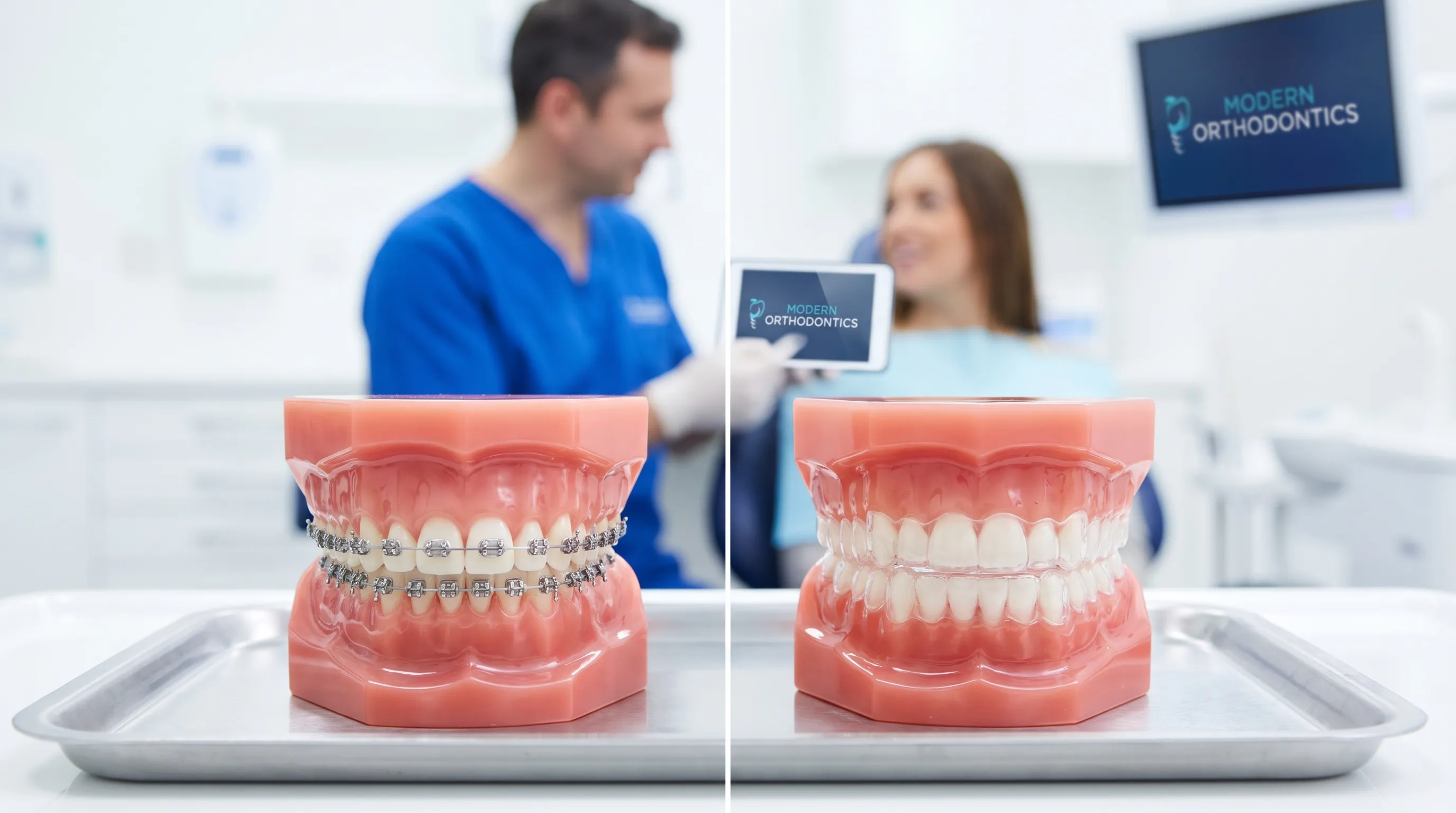
When evaluating orthodontic options, patients often weigh aesthetic discretion alongside clinical effectiveness. Traditional fixed appliances have long been associated with visible metal brackets, colored elastic ties, and potential dietary restrictions. Clear aligners, by contrast, offer a fundamentally different user experience. While both modalities achieve comparable results for most malocclusions, their visibility profiles differ dramatically.
Visual Differences in Daily Life
Metal braces reflect ambient light, creating noticeable glare in photographs, video calls, and face-to-face interactions. Ceramic brackets reduce glare but still require metal archwires that span the dental arch. Clear aligners eliminate both components entirely. When worn properly, they present a smooth, uninterrupted surface that follows the natural contours of your teeth. This difference becomes particularly pronounced in professional settings, public speaking engagements, and social gatherings where patients prefer to maintain a polished appearance without drawing attention to orthodontic treatment.
Impact on Confidence and Social Interactions
Numerous patient surveys indicate that clear aligner therapy significantly reduces treatment-related self-consciousness. Adults and adolescents alike report higher adherence rates when aesthetic concerns are minimized, which directly correlates with better clinical outcomes. The psychological benefit of wearing a discreet appliance cannot be overstated, particularly in fields where appearance influences career progression or client interactions. Knowing that your treatment remains virtually undetectable removes the barrier that traditionally kept many individuals from seeking orthodontic care.
Comparative Analysis of Treatment Modalities
| Feature | Invisalign Clear Aligners | Traditional Metal Braces | Ceramic Braces |
|---|---|---|---|
| Visibility | Nearly undetectable at conversational distance | Highly visible brackets and wires | Less visible but wires still apparent |
| Removability | Fully removable for meals and cleaning | Fixed throughout treatment | Fixed throughout treatment |
| Dietary Restrictions | None when removed | Hard/sticky foods prohibited | Hard/sticky foods prohibited |
| Hygiene Accessibility | Brush and floss normally with aligners out | Requires special brushes and floss threaders | Similar cleaning challenges as metal |
| Initial Speech Adjustment | 2-3 days per new tray | 1-2 weeks overall | 1-2 weeks overall |
The table above illustrates why so many individuals ask whether is invisalign noticeable as a primary decision factor. The clear aligner system consistently outperforms fixed alternatives in aesthetic discretion while maintaining comparable efficacy for mild to moderate malocclusions.
Clinical Features That May Increase Visibility
While Invisalign aligners are designed for discretion, certain clinical features are intentionally incorporated to enable specific tooth movements. These components are essential for treatment success and are carefully optimized to minimize visual impact.
The Role of Composite Attachments
Attachments are small, tooth-shaped bumps bonded to select teeth using light-cured composite resin. They act as handles for the aligner to grip, enabling rotations, extrusions, and precise bodily movements that clear plastic alone cannot achieve. The orthodontist shades each attachment to match your natural enamel, and the digital planning software dictates exact placement to avoid high-visibility zones whenever possible. While attachments do add minimal thickness to the aligner in targeted areas, the material still conforms tightly, preventing obvious bulges. Most patients adapt quickly and find that the attachments become practically unnoticeable after the first week of wear.
Precision Cuts and Auxiliary Components
Some treatment plans require precision cuts along the aligner margin to accommodate interproximal reduction (IPR) or to engage auxiliary elastics. These cuts are strategically placed on the buccal or palatal surfaces, rarely intersecting with the visible facial plane. When elastics are necessary, they are typically worn only during specific hours and placed in discreet locations. Your provider will explain each component’s purpose and timeline, ensuring you understand how it integrates into your overall treatment while preserving aesthetic continuity.
Gum Line Adaptation and Soft Tissue Considerations
The gingival margin is a critical area for aligner visibility. Poorly trimmed aligners can extend slightly onto the gum tissue, creating a visible line that catches light and traps plaque. Modern Invisalign aligners are laser-trimmed precisely at the gingival crest, following the scalloped contour of healthy gum tissue. If inflammation or gingival recession is present, the appearance may change slightly, but maintaining excellent periodontal health ensures the aligner remains flush and discreet. Regular dental cleanings and proper flossing around aligner edges are non-negotiable for both clinical success and aesthetic optimization.
Evidence-Based Tips to Keep Your Aligners Discreet
Maximizing the discretion of your clear aligner treatment requires consistent adherence to professional guidelines. The following strategies are backed by orthodontic literature and clinical best practices, designed to preserve clarity, optimize fit, and minimize visual detection.
Perfecting the Seating and Tracking Routine
Proper seating is the foundation of invisible wear. After inserting a new set, bite down firmly on a silicone chewie for two to three minutes per arch. This ensures uniform pressure distribution and eliminates micro-gaps that can create visible lines or trap debris. Always check the fit against a mirror; if you notice a white halo at the incisal edge, continue biting until the aligner fully seats. Consistent tracking prevents the aligner from lifting away from the tooth surface, which is a primary cause of increased visibility.
Preventing Stains and Maintaining Optical Clarity
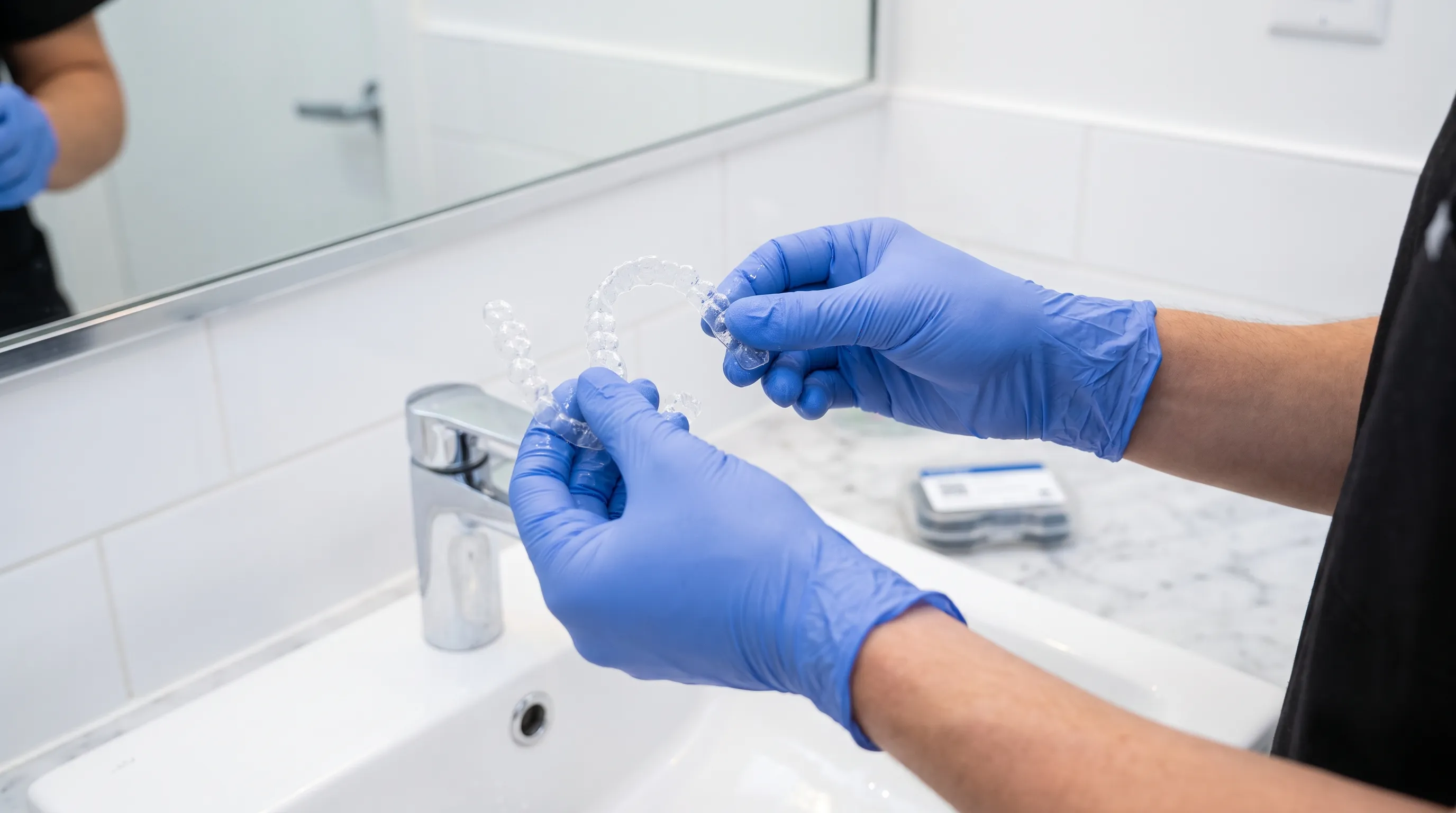
The single greatest threat to aligner transparency is improper cleaning. Never brush aligners with standard toothpaste, as abrasive agents scratch the polymer surface and accelerate clouding. Instead, use a soft-bristled brush with clear antibacterial soap or a dentist-approved aligner cleaning foam. Soak trays daily in a proprietary effervescent solution to break down biofilm without degrading the material. Store aligners in their ventilated case when not in use; exposure to open air dries the surface and increases static attraction of dust and pigments.
Professional Maintenance and Replacement Protocols
Attend all scheduled orthodontic visits to monitor progress and receive fresh aligner sets on schedule. Delaying progression causes the plastic to lose its elastic memory, increasing thickness perception and reducing clarity. If an aligner becomes excessively cloudy, warped, or cracked, request a replacement immediately. Continuing to wear compromised trays not only reduces aesthetic discretion but can also disrupt the planned tooth movement sequence, extending treatment duration.
Psychological Considerations and Managing Expectations
Orthodontic treatment is as much a psychological journey as a physiological one. Patient perception of aligner visibility often fluctuates during the adjustment phase, and understanding these cognitive patterns helps maintain motivation and adherence.
Mirror Fatigue and Hyper-Focus
It is common for new aligner wearers to become hyper-aware of their teeth during the first few weeks. This heightened self-scrutiny, often called mirror fatigue, amplifies perceived visibility far beyond what others actually observe. Cognitive behavioral strategies, such as setting timed check-ins instead of constant monitoring, help recalibrate perception. Remember that human attention naturally filters out minor dental appliances in social contexts, especially when engaged in meaningful conversation.
Building Realistic Expectations
Clear aligners are highly discreet, but they are not entirely invisible under all conditions. Accepting that a faint outline may occasionally catch light prevents unnecessary anxiety. Focus instead on the progressive improvement of your bite and smile, which becomes increasingly apparent with each tray change. Trust the digital treatment plan and maintain open communication with your provider to address concerns promptly. When patients align expectations with clinical reality, treatment satisfaction scores consistently rise.
Professional Communication Strategies
If you work in client-facing roles or frequently appear on camera, consider scheduling tray changes for weekends to accommodate the initial adjustment period. Inform trusted colleagues if needed, but recognize that most will not notice your aligners without explicit prompting. Practice confident posture and natural speech patterns; self-consciousness often manifests as altered facial expressions, which draw more attention than the appliance itself. Orthodontic confidence translates to visible results.
Frequently Asked Questions
Can people actually see clear aligners during conversation?
When worn correctly, Invisalign aligners are highly discreet. The proprietary medical-grade polyurethane material is engineered to refract light similarly to tooth enamel, making it virtually undetectable beyond arm’s length. Most individuals will not notice them during casual conversation, presentations, or social interactions, especially when paired with proper seating techniques and regular hygiene routines.
Do Invisalign attachments make the aligners more noticeable?
Attachments are tooth-colored composite resin bumps bonded to specific teeth to provide grip for complex movements. Because they are shade-matched to your natural enamel and strategically placed, they blend seamlessly into your smile. While they may add slight thickness to the aligner material, clinical studies and patient reports consistently confirm they remain minimally visible to the untrained eye.
How can I prevent my clear aligners from becoming cloudy or yellow?
Clouding typically results from plaque buildup, improper cleaning, or frequent exposure to dark beverages. Rinse your aligners with cool water after each meal, brush them gently with a soft-bristled toothbrush, and soak them in a dentist-approved cleaning solution daily. Avoid hot water, abrasive toothpastes, and mouthwashes with strong dyes, as these degrade the polymer matrix and reduce optical clarity.
Is Invisalign noticeable for patients with severe alignment issues?
Complex cases often require more attachments, precision cuts, or auxiliary components like elastics, which can slightly increase visibility. However, modern digital treatment planning optimizes attachment placement and thickness to maintain discretion. If extreme tooth movement is required, your orthodontist may recommend ceramic braces or lingual appliances as an alternative for optimal aesthetic control.
Will Invisalign affect my speech initially?
A temporary mild lisp or altered pronunciation is common during the first few days of each new aligner set as your tongue adapts to the added thickness. This typically resolves within 48 to 72 hours. Speaking aloud, reading passages aloud, and practicing clear articulation accelerate neuromuscular adaptation. Most patients resume normal speech patterns quickly, and the temporary adjustment period is far less pronounced than with traditional fixed braces.
Can I drink coffee or tea while wearing Invisalign?
Dental professionals strongly recommend removing aligners before consuming anything other than cool or room-temperature water. Hot liquids can warp the thermoplastic material, while pigmented beverages like coffee, tea, and red wine can cause staining that compromises transparency. If you must sip a dark beverage occasionally, do so through a straw, rinse your mouth thoroughly before reinserting, and clean the aligners promptly to preserve clarity.
Conclusion
The question of whether is invisalign noticeable is ultimately answered by a combination of material innovation, clinical precision, and patient compliance. Clear aligners represent a paradigm shift in orthodontic care, offering adults and adolescents an effective, aesthetically pleasing pathway to improved dental alignment. When manufactured to exacting standards, seated correctly, and maintained with disciplined hygiene protocols, these trays remain virtually undetectable in everyday life. Factors like lighting, enamel transparency, and attachment placement play minor roles in visibility, but none compromise the overall discretion of the system when managed properly. The evidence consistently demonstrates that patients who follow professional guidance, avoid staining habits, and attend scheduled progress evaluations experience the highest levels of aesthetic satisfaction. As orthodontic technology continues to advance, clear aligner therapy will only become more refined, offering increasingly seamless integration with natural dentition. If you are considering treatment, consult a certified orthodontic provider who can evaluate your specific anatomical needs, design a customized digital plan, and guide you toward a discreet, clinically sound outcome. With the right preparation and mindset, achieving a straighter smile does not require sacrificing your daily confidence or professional presence.
For authoritative guidelines on clear aligner care, visit the American Association of Orthodontists or review clinical studies available through the National Institutes of Health. Maintaining open communication with your provider ensures your treatment remains effective, comfortable, and as discreet as modern orthodontic science allows.
How we work
Researched and drafted with AI assistance, then reviewed by a human editor against the cited sources.
This article is general health information, not medical advice. Consult a qualified healthcare professional about your own situation.