Can Gums Grow Back: Evidence-Based Insights on Recession, Treatment, and Prevention

When you first notice your teeth appearing longer than usual or feel unusual sensitivity around your gumline, it is natural to feel concerned about the structural changes happening in your mouth. Many people immediately search for answers, wondering if they can restore their periodontal health and whether damaged tissue will naturally return to its original position. Understanding the biological reality of gingival recession requires a careful examination of dental anatomy, the progression of periodontal conditions, and the evidence-based interventions currently available to modern patients. The journey toward optimal oral health begins with clarity, realistic expectations, and a commitment to scientifically backed practices that protect your smile for decades to come. By exploring the underlying mechanisms of tissue loss, evaluating professional treatment options, and implementing proactive daily routines, you can effectively manage your condition and maintain a healthy, functional oral environment.
Understanding Gum Tissue and Periodontal Anatomy
The foundation of oral health rests upon a complex network of specialized tissues that work together to anchor teeth, protect underlying bone, and defend against bacterial invasion. The gingiva, commonly referred to as the gums, consists of both free and attached tissue that forms a tight biological seal around each tooth. This epithelial barrier serves as the first line of defense against microbial colonization, preventing pathogenic bacteria from penetrating the connective tissue and alveolar bone beneath. The junction between the gingival epithelium and the tooth surface is maintained by a delicate balance of cellular adhesion molecules and a continuous turnover of keratinized cells.
Free calculatorBMI CalculatorCalculate Body Mass IndexOpen the calculatorWhen this balance is disrupted, the structural integrity of the periodontal attachment begins to degrade. The gingiva itself contains a rich network of blood vessels, collagen fibers, and immune cells that constantly adapt to local environmental conditions. Healthy gingiva typically appears pink, firm, and stippled, with a sharp contour that follows the natural curvature of each tooth. Any deviation from this appearance usually signals an underlying physiological stressor that requires immediate attention.
The Role of Gingiva in Oral Health
The primary function of gingival tissue extends far beyond aesthetic considerations. It acts as a physical barrier that isolates the sterile periodontal structures from the highly colonized oral cavity. The gingival sulcus, a shallow crevice between the tooth and the gum margin, contains crevicular fluid rich in antibodies, antimicrobial peptides, and immune cells that continuously monitor microbial activity. This dynamic microenvironment relies on consistent stimulation and mechanical cleansing to maintain optimal cellular function and vascular perfusion.
When plaque biofilm accumulates along the gingival margin, it triggers an inflammatory cascade that recruits neutrophils, macrophages, and lymphocytes to the affected area. While acute inflammation is a protective response, chronic exposure to bacterial endotoxins and metabolic byproducts leads to the release of matrix metalloproteinases and pro-inflammatory cytokines. These enzymes gradually degrade collagen fibers and disrupt the attachment apparatus, initiating the slow but relentless process of tissue recession. Recognizing these early biological shifts is critical for intercepting the disease process before irreversible damage occurs, as detailed by the CDC.
Why Gums Recede in the First Place
Gum recession rarely occurs in isolation. It is typically the end result of cumulative stressors that overwhelm the regenerative capacity of periodontal tissues. Mechanical trauma from overly aggressive brushing or the use of hard-bristled toothbrushes physically wears away delicate epithelial tissue and compromises the underlying connective attachment. Malocclusion and improper bite alignment can create excessive focal forces on specific teeth, leading to bone resorption and subsequent gingival migration.
Periodontal disease remains the most prevalent driver of tissue loss, with chronic inflammation gradually eroding the supporting structures that hold the gingiva in place. Systemic conditions such as uncontrolled diabetes, autoimmune disorders, and severe nutritional deficiencies further impair wound healing and increase susceptibility to tissue breakdown. Genetic predisposition also plays a significant role, as some individuals naturally possess thinner gingival biotypes that are more vulnerable to environmental insults and inflammatory destruction. Understanding these multifactorial pathways is essential for developing targeted prevention strategies.
The Biological Reality of Gum Regeneration
One of the most persistent misconceptions in modern dentistry involves the regenerative capacity of gingival tissue. Many patients ask whether lost tissue will spontaneously return if they simply improve their daily habits. While the human body demonstrates remarkable healing abilities in many tissues, the specialized epithelium of the gingiva does not possess the stem cell reservoirs or signaling pathways necessary to fully reconstruct lost anatomical structures once the attachment has been severed. When you research the question of whether can gums grow back after advanced recession, clinical evidence consistently shows that natural regrowth is biologically impossible once the collagenous attachment and underlying alveolar bone have been compromised.
However, this limitation does not mean that all hope is lost. Early-stage gingivitis, characterized by reversible inflammation and minor swelling, can be completely resolved through professional prophylaxis and disciplined home care. The body's immune response and epithelial migration can stabilize the tissue margin, preventing further deterioration. The key distinction lies in understanding the difference between inflammation reduction and true anatomical regrowth. Managing expectations and pursuing evidence-based interventions ensures that patients make informed decisions about their periodontal care.
The Scientific Answer to Gingival Recovery
Periodontal researchers have extensively studied the cellular mechanisms involved in tissue healing and regeneration. The gingival epithelium undergoes continuous turnover, but this process only maintains existing tissue rather than rebuilding lost architecture. Once the periodontal ligament fibers detach and the alveolar crest resorbs, the biological scaffolding required for gum tissue attachment disappears. Without this foundation, epithelial cells simply migrate apically along the tooth surface, resulting in visible recession rather than coronal regrowth.
Current regenerative therapies focus on reconstructing this lost foundation rather than expecting spontaneous tissue proliferation. Bone grafting, guided tissue regeneration, and growth factor application attempt to recreate the anatomical environment necessary for gingival stabilization. While these techniques have shown remarkable success rates, they require professional intervention and cannot be replicated through at-home remedies. Recognizing this biological reality empowers patients to seek timely treatment before recession progresses beyond the point of non-invasive management.
Distinguishing Between Natural Healing and True Regrowth
Patients often confuse reduced inflammation with actual tissue regeneration. When bleeding stops and swelling subsides after improving oral hygiene, the gingiva appears healthier and may look slightly fuller. This clinical improvement reflects reduced edema and improved vascular tone rather than new tissue formation. True anatomical restoration requires surgical intervention to reposition or replace the lost gingival margin.
Marketing claims promoting natural gum regrowth supplements or topical gels frequently blur this critical distinction. While certain compounds support periodontal health and accelerate healing post-procedure, none have been scientifically validated to physically rebuild lost gingival tissue. Maintaining transparency about these biological limits ensures that patients invest in clinically proven therapies rather than unverified products that delay essential care. Understanding the precise boundaries between inflammation management and tissue reconstruction remains fundamental to effective periodontal therapy.
Primary Causes of Gum Recession
Gum tissue loss rarely stems from a single factor. Instead, it emerges from a complex interplay of local irritants, systemic conditions, anatomical variations, and behavioral patterns that collectively compromise periodontal stability. Identifying and addressing these root causes is the first step toward halting progression and preserving remaining tissue.
Periodontal Disease and Bacterial Plaque
Chronic periodontal disease remains the leading cause of gingival recession worldwide. When oral hygiene practices fail to adequately disrupt bacterial biofilm, mineralized plaque hardens into calculus that extends beneath the gingival margin. This subgingival reservoir continuously releases inflammatory mediators and proteolytic enzymes that degrade periodontal ligaments and stimulate osteoclastic activity. The resulting bone loss removes the physical support necessary for gingival tissue maintenance, causing the margin to migrate apically. Early detection through routine periodontal probing and radiographic evaluation is essential for intercepting this process before extensive tissue destruction occurs.
Aggressive Brushing and Oral Hygiene Practices
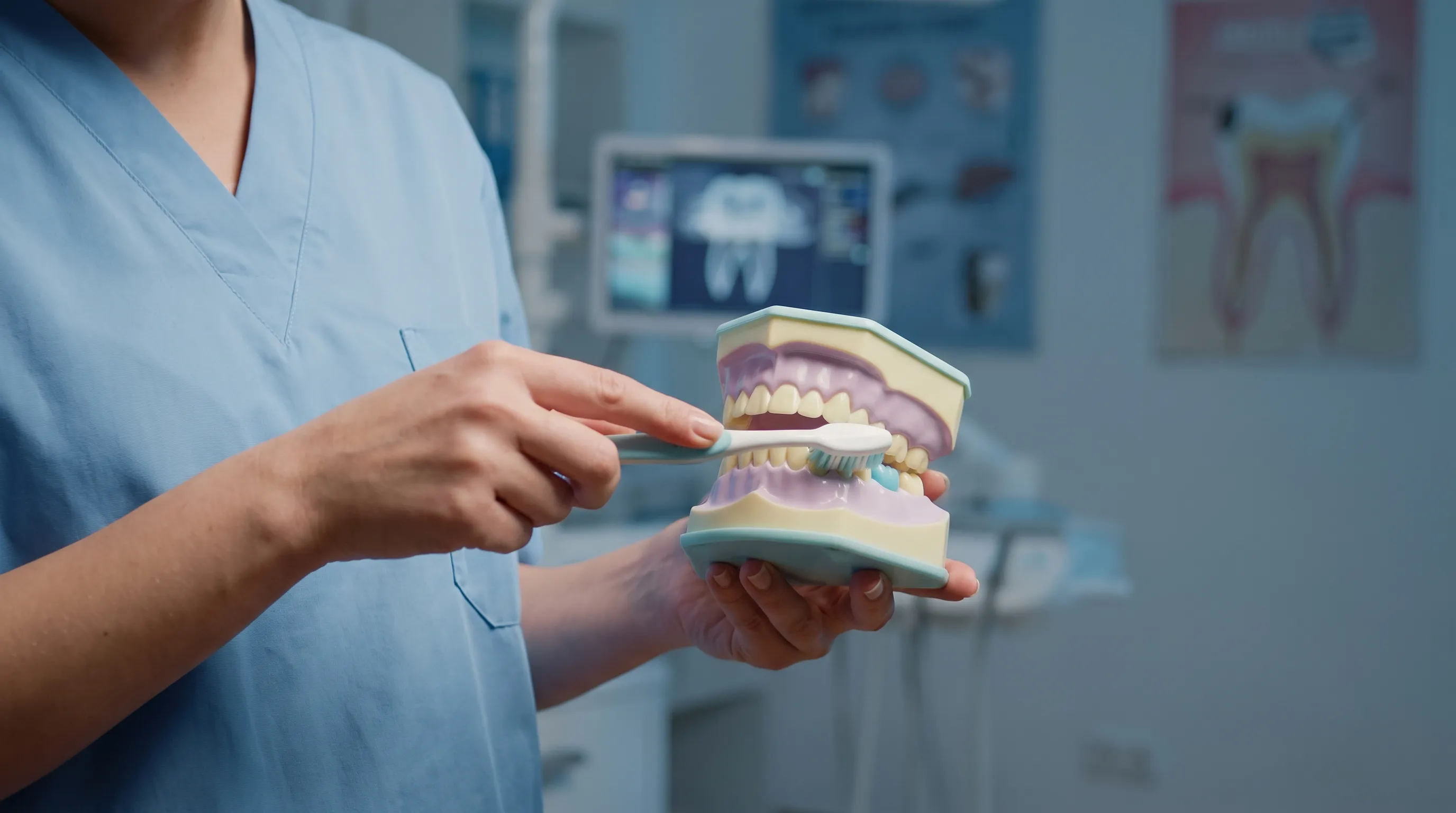
Paradoxically, the pursuit of optimal cleanliness can accelerate tissue loss when implemented incorrectly. Excessive brushing pressure, horizontal scrubbing motions, and the use of stiff-bristled instruments mechanically abrade the gingival margin over time. This trauma disrupts epithelial integrity, exposes root surfaces, and creates a cycle of inflammation and further recession. Switching to soft-bristled brushes, adopting gentle circular techniques, and utilizing pressure-sensing technology effectively eliminates this preventable cause of tissue breakdown.
Genetic Predisposition and Anatomical Factors
Individuals inherit variations in gingival biotype, bone architecture, and tooth positioning that significantly influence susceptibility to recession. Thin, scalloped gingival phenotypes contain less connective tissue mass and demonstrate reduced resilience to inflammatory and mechanical stress. Similarly, teeth positioned outside the alveolar housing lack adequate bony coverage, leaving the overlying gingiva vulnerable to rapid breakdown. Orthodontic evaluation and strategic tissue augmentation often become necessary for patients with these anatomical risk factors.
Lifestyle, Nutrition, and Hormonal Influences
Systemic health profoundly impacts periodontal tissue resilience. Tobacco use severely compromises microvascular circulation and impairs neutrophil function, dramatically increasing the rate of tissue destruction. Chronic stress elevates cortisol levels, which suppress immune responses and exacerbate inflammatory pathways. Nutritional deficiencies, particularly in vitamins C and D, zinc, and omega-3 fatty acids, weaken connective tissue synthesis and delay wound healing, a relationship further emphasized by WHO oral health guidelines. Hormonal fluctuations during pregnancy, menstruation, and menopause also increase gingival vascularity and inflammatory sensitivity, requiring modified hygiene protocols during transitional phases.
Evidence-Based Treatments for Receding Gums
When natural tissue regeneration is no longer biologically feasible, modern periodontics offers a comprehensive arsenal of surgical and minimally invasive procedures designed to restore function, reduce sensitivity, and improve aesthetic outcomes. Selecting the appropriate intervention depends on recession classification, remaining attachment levels, aesthetic demands, and patient health status.
Non-Surgical Interventions and Early-Stage Management
For patients presenting with mild to moderate recession without significant attachment loss, non-surgical approaches often provide excellent stabilization outcomes. Scaling and root planing effectively removes subgingival calculus and bacterial toxins, creating a clean surface for tissue reattachment. Adjunctive antimicrobial rinses and localized antibiotic delivery systems target residual pathogens while minimizing systemic exposure. Desensitizing agents, including fluoride varnishes and dentin bonding resins, provide immediate relief from root sensitivity while the periodontal tissues stabilize. Regular maintenance visits every three to four months ensure that inflammation remains controlled and progression is effectively halted.
Surgical Options for Advanced Tissue Restoration
When recession exceeds three millimeters or threatens tooth viability, surgical intervention becomes necessary. The connective tissue graft remains the gold standard for root coverage, utilizing harvested palatal tissue to thicken the gingival biotype and cover exposed root surfaces. Free gingival grafts serve a similar purpose when additional tissue width is required. The tunneling technique minimizes tissue disruption by inserting grafts through small access incisions, while the coronally advanced flap repositions existing tissue to cover defects. These procedures achieve root coverage rates exceeding 85% when performed by experienced clinicians, with long-term stability confirmed through decades of clinical research.
Emerging Technologies and Regenerative Medicine
Recent advancements have introduced minimally invasive alternatives to traditional grafting procedures. The pinhole surgical technique allows practitioners to mobilize gingival tissue through tiny perforations, using specialized instruments to reposition the margin coronally without scalpels or sutures. Enamel matrix derivatives and platelet-rich fibrin membranes stimulate natural healing pathways, accelerating tissue maturation and improving clinical attachment levels. Laser therapy further enhances outcomes by sterilizing surgical sites, reducing postoperative discomfort, and promoting faster epithelialization. While these innovations continue to evolve, they consistently demonstrate superior aesthetic results and reduced recovery periods compared to conventional methods.
Daily Habits to Protect and Preserve Your Gums
Professional interventions achieve their greatest success when supported by consistent, evidence-based home care routines. The transition from passive observation to active management requires deliberate habit modification, environmental control, and continuous monitoring. By integrating scientifically validated practices into your daily schedule, you create a protective ecosystem that defends against further tissue breakdown and optimizes periodontal resilience.
Proper Brushing Techniques and Tool Selection
The foundation of effective gingival preservation lies in gentle, methodical mechanical cleansing. Utilize a soft-bristled toothbrush with a compact head that comfortably navigates posterior regions. Position the brush at a 45-degree angle to the gingival margin, applying minimal pressure that allows bristles to sweep beneath the tissue line without causing trauma. Employ small, circular motions along each tooth surface, avoiding aggressive horizontal scrubbing that gradually erodes the epithelium. Replace brushes every three months or sooner if bristle fraying becomes visible. Consider electric toothbrushes equipped with pressure sensors that automatically alert users when excessive force is applied, effectively preventing self-inflicted tissue damage.
Nutritional Support for Periodontal Health
Systemic nutrition directly influences gingival tissue integrity and inflammatory regulation. Consume antioxidant-rich foods such as citrus fruits, leafy greens, and berries to neutralize oxidative stress and support collagen synthesis. Incorporate omega-3 fatty acids from fatty fish, flaxseeds, and walnuts to downregulate pro-inflammatory prostaglandins. Maintain adequate vitamin D levels through sensible sun exposure, fortified foods, or targeted supplementation to enhance immune modulation and bone density. Limit refined carbohydrates and sugary beverages that rapidly ferment into acidic compounds, accelerating bacterial proliferation and tissue degradation. Staying properly hydrated stimulates salivary flow, which naturally buffers acids, washes away food debris, and delivers antimicrobial proteins to vulnerable tissue margins.
Stress Management and Systemic Health Links
Chronic psychological stress exerts profound effects on oral health through neuroendocrine pathways that suppress cellular immunity and amplify inflammatory responses. Implement evidence-based stress reduction strategies including mindfulness meditation, deep breathing exercises, and regular physical activity to lower cortisol concentrations and stabilize inflammatory markers. Address sleep apnea and nocturnal bruxism through custom occlusal appliances, which distribute masticatory forces evenly and prevent traumatic grinding that compromises periodontal attachments. Maintain consistent medical oversight of systemic conditions, particularly diabetes and cardiovascular disease, which share bidirectional inflammatory pathways with periodontal pathology. Coordinated care between medical and dental professionals ensures comprehensive risk factor management and optimized tissue preservation.

When to Seek Professional Dental Evaluation
Early recognition of periodontal changes dramatically improves treatment outcomes and preserves tooth viability. Many patients delay clinical assessment until recession becomes visibly severe or root sensitivity interferes with daily comfort. Establishing a proactive monitoring protocol and understanding clinical warning signs ensures timely intervention before irreversible damage occurs. Regular professional evaluation remains the cornerstone of effective periodontal management, providing objective measurements, radiographic documentation, and customized care planning that home observation simply cannot replicate.
Warning Signs You Shouldn’t Ignore
Monitor your oral environment for subtle shifts that signal tissue compromise. Visible elongation of teeth, particularly along the lower front or upper molar regions, indicates progressive apical migration of the gingival margin. Increased temperature sensitivity, especially when consuming cold beverages or sweet foods, suggests exposed dentin tubules requiring professional desensitization. Unexplained bleeding during routine brushing, persistent halitosis, or a metallic taste often reflect active inflammation and bacterial colonization demanding immediate attention. Gum tissue that appears red, swollen, or detached from the tooth surface requires prompt evaluation, as delayed intervention accelerates bone loss and attachment destruction.
What to Expect During a Periodontal Assessment
A comprehensive periodontal evaluation extends far beyond visual inspection. Clinicians utilize calibrated periodontal probes to measure pocket depths, clinical attachment levels, and recession measurements at six points per tooth. These objective metrics establish a baseline for tracking progression and determining appropriate intervention thresholds. Full-mouth radiographs or cone-beam computed tomography provide detailed visualization of alveolar bone levels, furcation involvement, and hidden pathology beneath the gingival surface. Microbial testing and genetic susceptibility screening may be recommended for aggressive or refractory cases, guiding targeted antimicrobial therapy and personalized maintenance intervals. Treatment planning integrates clinical findings, aesthetic considerations, and patient preferences to develop a phased approach that addresses immediate concerns while establishing long-term stability protocols.
Comparison of Treatment Approaches for Gum Recession
| Treatment Modality | Ideal Indication | Invasiveness Level | Recovery Period | Expected Root Coverage | Long-Term Stability |
|---|---|---|---|---|---|
| Scaling & Root Planing | Early-stage inflammation, shallow pockets | Minimal | 3-7 days | None (stabilization only) | High with maintenance |
| Desensitizing Agents | Exposed roots, mild sensitivity | Non-invasive | Immediate | None | Moderate (symptomatic relief) |
| Connective Tissue Graft | Moderate to severe recession, aesthetic zones | Surgical | 10-14 days | 80-95% | Excellent |
| Pinhole Surgical Technique | Multiple recession sites, minimal graft donor need | Minimally invasive | 2-3 days | 70-85% | Good to Excellent |
| Laser-Assisted Therapy | Adjunct to surgical/non-surgical care, decontamination | Low to moderate | 5-7 days | Varies (adjunct only) | Dependent on underlying protocol |
Frequently Asked Questions
Can gums grow back naturally without surgery?
Once gum tissue is lost due to recession or advanced periodontal disease, it cannot regenerate on its own. However, early-stage inflammation can be reversed, and minor tissue stability can be improved through professional deep cleanings and strict home care. For significant recession, surgical intervention is required.
How quickly does gum recession progress?
Progression varies based on underlying causes. Aggressive brushing or trauma can cause rapid changes within months, while chronic periodontal disease typically progresses gradually over years. Genetics, systemic inflammation, and oral hygiene habits heavily influence the speed of tissue loss.
Do gum regrowth supplements actually work?
While no supplement can physically regrow lost gum tissue, targeted nutrients like vitamin C, vitamin D, CoQ10, and omega-3 fatty acids support periodontal health, reduce inflammation, and improve the body's healing capacity after dental procedures.
Is gum recession always painful?
Gum recession is often asymptomatic in early stages, which makes it particularly dangerous. Pain, sensitivity, or bleeding typically appear only after significant tissue loss exposes the tooth root or advances periodontal infection occurs.
Can I stop gum recession from getting worse at home?
Yes, adopting a gentle brushing technique, using interdental cleaners, addressing teeth grinding, and maintaining consistent professional cleanings can halt progression. While you cannot reverse severe tissue loss at home, proactive care effectively stabilizes the condition.
How often should I visit the periodontist if I have recession?
Patients experiencing active recession typically require maintenance visits every three to four months. These accelerated intervals allow clinicians to monitor attachment levels, remove recurrent subgingival deposits, and adjust care protocols before inflammation triggers further tissue breakdown.
Key Takeaways
Understanding the biological reality of gingival recession empowers you to make informed decisions about your oral health and pursue clinically validated treatments rather than unproven alternatives. While natural tissue regeneration remains impossible once attachment is lost, early intervention, professional management, and disciplined home care can effectively halt progression and preserve remaining structures. The question of whether can gums grow back ultimately depends on the timing of intervention and the severity of existing damage, with early-stage cases responding best to conservative stabilization strategies. Prioritizing gentle mechanical cleansing, optimizing systemic nutrition, managing inflammatory risk factors, and maintaining consistent professional oversight creates a resilient oral environment that protects your teeth and gingival health for decades. By embracing evidence-based practices and partnering with qualified dental professionals, you can confidently navigate periodontal challenges and maintain a functional, aesthetically pleasing smile throughout your lifetime.

How we work
Researched and drafted with AI assistance, then reviewed by a human editor against the cited sources.
This article is general health information, not medical advice. Consult a qualified healthcare professional about your own situation.