What Causes Receding Gums: A Comprehensive Guide to Prevention and Treatment

Standing in front of the mirror one morning, you might notice something unsettling: your teeth appear longer than usual, or perhaps you feel a sharp zing of sensitivity when sipping your coffee. These are classic signs of gingival recession, a condition where the margin of the gum tissue surrounding the teeth wears away or pulls back, exposing more of the tooth or its root. While often dismissed as a cosmetic issue or a natural part of aging, understanding what causes receding gums is critical for preserving your oral health and preventing tooth loss.
Gum recession is not merely an aesthetic concern; it is a significant indicator of underlying oral health issues that can have systemic implications. The gums serve as a protective barrier for the delicate structures beneath, including the tooth roots and the jawbone. When this barrier is compromised, bacteria can invade deeper tissues, leading to inflammation, bone loss, and eventually, tooth mobility. For millions of people worldwide, the question of what causes receding gums is not just academic—it is an urgent health inquiry that demands accurate, evidence-based answers.
In this comprehensive guide, we will delve deep into the multifactorial nature of gum recession. We will explore the primary biological mechanisms, behavioral habits, and genetic predispositions that contribute to this condition. By understanding the root causes, you can take proactive steps to halt progression, seek appropriate treatment, and maintain a healthy, functional smile for life. Whether you are noticing early signs or have been diagnosed with periodontal disease, this article provides the knowledge necessary to navigate your oral health journey with confidence.
The Biology of Gum Recession: Understanding the Mechanism
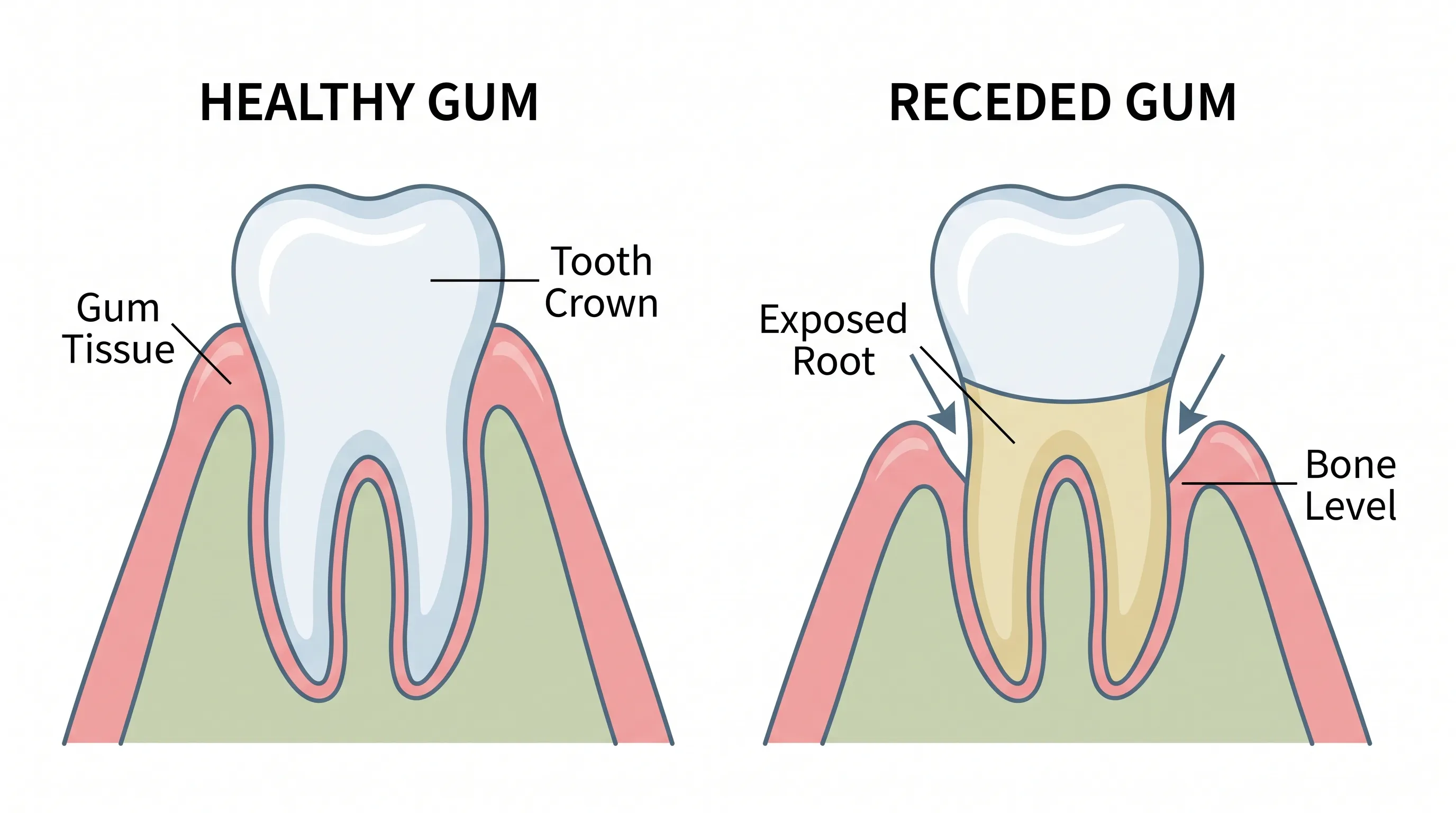
To fully grasp what causes receding gums, one must first understand the anatomy of the periodontium—the specialized tissues that surround and support the teeth. This complex system includes the gingiva (gums), periodontal ligament, cementum, and alveolar bone. Healthy gums are typically pink, firm, and fit snugly around the neck of each tooth, forming a tight seal that prevents food particles and bacteria from entering the space between the tooth and the gum.
Free calculatorBMI CalculatorCalculate Body Mass IndexOpen the calculatorWhen recession occurs, this seal is broken. The gum tissue migrates apically (toward the root tip), exposing the cementum-covered root surface. Unlike the crown of the tooth, which is protected by hard enamel, the root is covered by cementum, a much softer material that is highly susceptible to abrasion and decay. Furthermore, the exposure of the root often leads to dentinal hypersensitivity, as the microscopic tubules in the dentin become exposed to external stimuli.
The process of recession is rarely sudden. It is usually a cumulative result of chronic inflammation or mechanical trauma. Inflammatory responses trigger the release of enzymes and cytokines that break down collagen fibers and bone, while mechanical forces physically wear away the soft tissue. Understanding this dual pathway of destruction is key to identifying what causes receding gums in individual cases, as patients often suffer from a combination of both inflammatory and traumatic factors.
Periodontal Disease: The Primary Culprit
When dental professionals investigate what causes receding gums, the first suspect is almost always periodontal disease. Also known as gum disease, this is a bacterial infection that affects the tissues supporting the teeth. According to the Centers for Disease Control and Prevention (CDC), periodontal disease is the leading cause of tooth loss in adults and the most prevalent cause of gum recession globally.
The Role of Plaque and Tartar
Periodontal disease begins with the accumulation of dental plaque, a sticky, colorless film of bacteria that constantly forms on our teeth. If plaque is not removed through daily brushing and flossing, it hardens into tartar (calculus). Tartar builds up above and below the gum line and serves as a reservoir for harmful bacteria. These bacteria produce toxins that irritate the gum tissue, triggering an immune response.
The body’s immune system fights the bacterial infection, but in doing so, it releases substances that can break down the bone and connective tissue that hold teeth in place. This destructive process leads to the formation of periodontal pockets—spaces between the teeth and gums that become infected. As the disease progresses, these pockets deepen, and the gum tissue detaches further from the tooth, resulting in visible recession.
Gingivitis vs. Periodontitis
It is important to distinguish between gingivitis and periodontitis. Gingivitis is the early stage of gum disease, characterized by red, swollen, and bleeding gums. At this stage, the damage is reversible with professional cleaning and improved home care. However, if left untreated, gingivitis can advance to periodontitis. Periodontitis involves irreversible damage to the bone and connective tissue. Once periodontitis sets in, gum recession becomes a likely outcome as the supporting structures are destroyed. Therefore, recognizing the early signs of gingivitis is crucial in preventing the progression to conditions that cause severe recession.
Mechanical Trauma and Oral Hygiene Habits
While bacterial infection is a major driver, mechanical trauma is another significant factor in determining what causes receding gums. Ironically, some of the habits intended to keep teeth clean can actually damage the gums if performed incorrectly.
Aggressive Brushing Techniques
One of the most common causes of non-inflammatory gum recession is aggressive tooth brushing. Many people believe that scrubbing harder results in cleaner teeth, but this is a dangerous misconception. Using a hard-bristled toothbrush or applying excessive pressure can erode the gum tissue and wear away the enamel at the neck of the tooth (a condition known as abrasion).
Over time, this mechanical wear causes the gums to retreat. This type of recession is often localized to specific areas where the brushing force is concentrated, such as the prominent canine or premolar teeth. Switching to a soft-bristled toothbrush and adopting a gentle, circular brushing motion can significantly reduce the risk of trauma-induced recession.
Improper Flossing and Dental Tools
Similarly, improper flossing techniques can contribute to gum damage. Snapping floss into the gums rather than gently sliding it down the side of the tooth can cause acute trauma and lacerations. Over time, repeated injury can lead to localized recession. Additionally, the misuse of oral picks or water flossers at high pressures can also irritate and damage delicate gum tissue. Education on proper interdental cleaning is essential for anyone concerned about what causes receding gums.
Genetic Predisposition and Biological Factors
Not everyone who brushes aggressively or has some plaque buildup develops severe gum recession. This variability points to the role of genetics and biological factors. Research suggests that up to 30% of the population may be genetically predisposed to gum disease, regardless of how well they care for their teeth, according to studies cited by the National Institute of Dental and Craniofacial Research (NIDCR).
Thin Gum Tissue Phenotype
Individuals inherit different types of gum tissue. Some people have thick, fibrous gum tissue that is resilient and resistant to recession. Others have thin, fragile gum tissue that is more susceptible to inflammation and mechanical trauma. For those with thin biotypes, even minor irritation from brushing or mild gingivitis can lead to significant recession. Identifying your gum phenotype is important, as it may require more meticulous care and more frequent professional monitoring.
Systemic Health Conditions
Systemic health plays a crucial role in oral health. Conditions such as diabetes can impair the body’s ability to fight infection, making individuals more susceptible to periodontal disease and subsequent gum recession. The Mayo Clinic notes that hormonal changes, particularly in women during puberty, pregnancy, and menopause, can also make gums more sensitive and prone to inflammation. Understanding these biological vulnerabilities helps explain what causes receding gums in patients who otherwise maintain good oral hygiene.
Lifestyle Choices: Tobacco and Nutrition
Lifestyle choices have a profound impact on gum health. Two of the most significant modifiable risk factors for gum recession are tobacco use and poor nutrition.
The Impact of Smoking and Vaping
Tobacco use is one of the most significant risk factors for the development and progression of periodontal disease. Smoking compromises the immune system, making it harder for the body to fight off infections, including gum infections. Smokers are twice as likely to develop gum disease as non-smokers. Furthermore, smoking restricts blood flow to the gums, which can mask the early warning signs of gum disease, such as bleeding. This means that smokers may not realize they have a problem until significant recession and bone loss have occurred. Vaping, while often marketed as a safer alternative, also exposes gum tissue to chemicals that can cause inflammation and dryness, contributing to recession.
Nutritional Deficiencies
A balanced diet is essential for maintaining healthy gum tissue. Vitamin C is crucial for the production of collagen, a major component of gum tissue. Severe vitamin C deficiency, known as scurvy, leads to bleeding gums and tooth loss, but even mild deficiencies can impair gum healing and increase susceptibility to inflammation. Similarly, adequate intake of calcium and vitamin D is vital for maintaining the alveolar bone that supports the teeth. Poor nutrition weakens the body’s defenses, making it easier for the factors that cause recession to take hold.
Anatomical Factors and Orthodontics
Sometimes, the structure of the mouth itself contributes to gum recession. Misaligned teeth, a misaligned bite, or anatomical anomalies can create conditions that favor tissue loss.
Tooth Position and Bone Structure
If a tooth is positioned outside the arch of the dental bone, the root may be covered by only a thin layer of bone and gum tissue. This lack of bony support makes the area highly vulnerable to recession. Similarly, a high frenum attachment (the muscle connecting the lip to the gum) can pull on the gum margin, causing it to recede over time. These anatomical issues are often inherent and may require surgical intervention to correct.
Orthodontic Treatment Risks
Orthodontic treatment, such as braces or clear aligners, moves teeth through the bone. If teeth are moved too quickly or beyond the limits of the alveolar bone, it can result in gum recession. This is particularly true for lower front teeth, which often have thin bone coverage. However, modern orthodontic practices emphasize controlled movement and monitoring to minimize this risk. In some cases, orthodontic treatment can actually improve gum health by aligning teeth into a more favorable position within the bone. Understanding the interplay between tooth movement and gum health is vital when considering what causes receding gums in patients undergoing orthodontic care.
| Cause Category | Specific Factor | Mechanism of Action | Preventability |
|---|---|---|---|
| Biological | Periodontal Disease | Bacterial infection destroys bone and tissue | High (with hygiene) |
| Behavioral | Aggressive Brushing | Mechanical abrasion of soft tissue | High (technique change) |
| Genetic | Thin Gum Tissue | Low resilience to inflammation/trauma | Low (manageable) |
| Lifestyle | Smoking | Impaired immune response and blood flow | High (cessation) |
| Anatomical | Malocclusion/Misalignment | Uneven force distribution on gums | Moderate (orthodontics) |
Diagnosis and Professional Assessment
If you suspect you have receding gums, the first step is a professional dental examination. Dentists and periodontists use specific tools to measure the depth of gum pockets and the extent of recession. They will look for signs of inflammation, plaque accumulation, and bone loss via X-rays. Determining what causes receding gums in your specific case requires a thorough evaluation of your medical history, oral hygiene habits, and clinical findings. This assessment is crucial for developing a tailored treatment plan.
Treatment Options for Receding Gums
While gum tissue does not grow back naturally, various treatments can address the issue, prevent further progression, and restore aesthetics.
Non-Surgical Treatments
For mild recession caused by periodontal disease, deep cleaning procedures such as scaling and root planing are the first line of defense. These procedures remove plaque and tartar from below the gum line and smooth the root surfaces to discourage further bacterial attachment. Antibiotic gels or mouth rinses may also be prescribed to control infection. For recession caused by aggressive brushing, education on proper technique and the use of desensitizing agents can manage symptoms and prevent worsening.
Surgical Interventions
In cases of severe recession, surgical options may be necessary. Gum grafting is the most common procedure, where tissue is taken from another part of the mouth (usually the palate) and attached to the affected area to cover the exposed root. Newer, minimally invasive techniques like the Pinhole Surgical Technique (PST) allow doctors to loosen existing gum tissue and slide it over the exposed root without cutting or suturing. These procedures not only improve aesthetics but also reduce sensitivity and protect the root from decay.

Prevention Strategies: Protecting Your Gum Line
Prevention is always better than cure. To minimize the risk of gum recession, adopt the following evidence-based strategies recommended by the American Dental Association (ADA):
- Maintain Excellent Oral Hygiene: Brush twice a day with a soft-bristled toothbrush and fluoride toothpaste. Floss daily to remove plaque between teeth. Consider using an antimicrobial mouthwash if recommended by your dentist.
- Practice Gentle Brushing: Use a gentle, circular motion rather than harsh scrubbing. Let the bristles do the work, not your muscle power.
- Quit Tobacco: If you smoke or use other tobacco products, seek help to quit. This is one of the most impactful steps you can take for your gum health.
- Regular Dental Visits: See your dentist every six months for checkups and cleanings. Early detection of gum disease can prevent progression to recession.
- Address Bruxism: If you grind your teeth, ask your dentist about a night guard. This appliance protects your teeth and gums from excessive force.
- Eat a Balanced Diet: Consume plenty of fruits, vegetables, and dairy products to ensure adequate intake of vitamins and minerals essential for gum health.
Understanding what causes receding gums empowers you to take control of your oral health. By addressing the root causes—whether they are bacterial, mechanical, or genetic—you can preserve your gum tissue and maintain a healthy smile for years to come.
Frequently Asked Questions
Can receding gums grow back naturally?
No, once gum tissue has receded, it does not grow back on its own. The lost tissue cannot regenerate naturally. However, treatments such as gum grafting surgery or minimally invasive procedures like pinhole surgical technique can restore the gum line and protect exposed roots.
Is receding gums painful?
Receding gums themselves are not always painful in the early stages, but they often lead to tooth sensitivity to hot, cold, or sweet stimuli because the protective enamel is missing from the root surface. If the recession is caused by periodontal disease, you may also experience inflammation, bleeding, and discomfort.
How can I stop my gums from receding further?
To prevent further recession, switch to a soft-bristled toothbrush, use gentle circular brushing motions, floss daily, quit smoking, and maintain regular dental checkups. Treating underlying conditions like bruxism (teeth grinding) with a night guard is also crucial.
What is the main cause of receding gums?
The most common cause of receding gums is periodontal disease (gum disease), which is an infection of the tissues that hold your teeth in place. This is typically caused by plaque buildup due to poor oral hygiene. Other significant causes include aggressive brushing, genetics, and tobacco use.
Does vitamin deficiency cause receding gums?
While vitamin deficiency alone is rarely the sole cause, severe deficiencies in Vitamin C (scurvy) and other nutrients can weaken gum tissue and make it more susceptible to inflammation and infection, accelerating recession in the presence of plaque.
Conclusion
Gum recession is a complex condition influenced by a myriad of factors, from bacterial infections and genetic predispositions to lifestyle choices and mechanical trauma. Understanding what causes receding gums is the first step toward effective prevention and treatment. While the loss of gum tissue is irreversible without surgical intervention, the progression of recession can be halted and managed through diligent oral hygiene, regular professional care, and healthy lifestyle choices.
By recognizing the signs early and addressing the underlying causes, you can protect your teeth and gums from further damage. Whether it involves adjusting your brushing technique, quitting smoking, or seeking periodontal treatment, taking action now can save your smile and your overall health. Remember, your gums are the foundation of your oral health—treat them with care, and they will support you for a lifetime.
How we work
Researched and drafted with AI assistance, then reviewed by a human editor against the cited sources.
This article is general health information, not medical advice. Consult a qualified healthcare professional about your own situation.