Neck Hurts After Cracking: Causes, Risks, and Safe Relief Strategies
Key points
- Localized tenderness in the muscles around the neck.
- Stiffness that improves with gentle movement or heat.
- Pain that peaks within 24 hours and gradually subsides.
- No radiation of pain to the arms or hands.
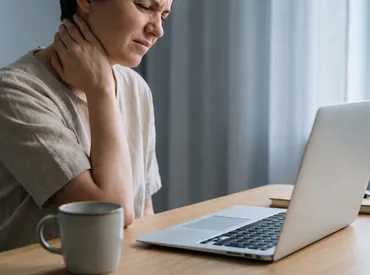
That familiar, satisfying pop when you twist your head to the side can feel like an instant relief valve for built-up tension. For many people, cracking their neck is a habitual response to stress, long hours at a computer, or general stiffness. However, the momentary satisfaction is sometimes followed by an unwelcome consequence: pain. If you have ever found that your neck hurts after cracking, you are not alone, and understanding why this happens is crucial for your long-term spinal health.
While the sound itself is often harmless cavitation—the release of gas bubbles from the synovial fluid in your joints—the act of forcing your neck into unnatural positions to achieve that pop can strain muscles, irritate ligaments, and in rare cases, cause serious vascular damage. This article delves deep into the mechanics of neck cracking, explores the reasons behind post-cracking pain, and provides evidence-based strategies for managing discomfort safely. We will examine when self-manipulation crosses the line from harmless habit to harmful behavior, and offer practical, actionable advice to alleviate tension without risking your cervical spine's integrity. Whether you are a chronic neck cracker or someone experiencing this pain for the first time, this guide will help you navigate the complexities of cervical health with confidence and care.
The Mechanics of Neck Cracking: What Actually Happens?
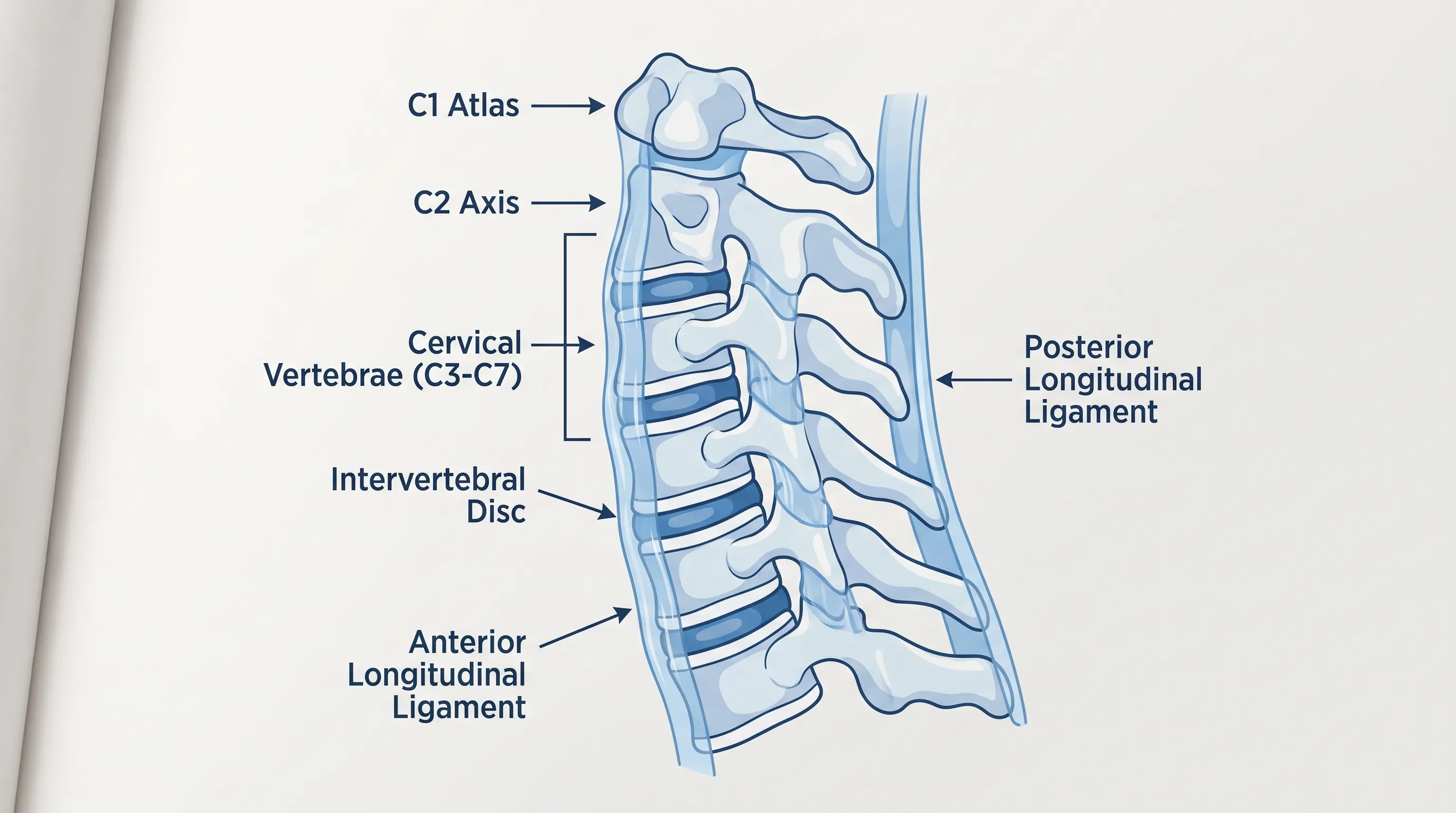
To understand why your neck hurts after cracking, we must first understand what occurs physiologically during the act. The cervical spine, composed of seven vertebrae (C1-C7), is a complex structure designed to support the weight of the head while allowing for a wide range of motion. Between these vertebrae are facet joints, which are synovial joints encapsulated by a membrane filled with synovial fluid. This fluid lubricates the joints and nourishes the cartilage.
Free calculatorBMI CalculatorCalculate Body Mass IndexOpen the calculatorThe Science of Cavitation
The distinct "pop" or "crack" sound is primarily attributed to a phenomenon called tribonucleation or cavitation. When you stretch or twist your neck, you increase the volume within the joint capsule. This increase in volume causes a drop in pressure, leading to the rapid formation of gas bubbles (mostly nitrogen, oxygen, and carbon dioxide) from the dissolved gases in the synovial fluid. When these bubbles collapse or burst, they create the audible popping sound.
It is important to note that once a joint has been cracked, it typically cannot be cracked again immediately. This is known as the refractory period, which lasts about 20 minutes. During this time, the gases must re-dissolve into the synovial fluid before another pop can occur. This biological limitation suggests that the urge to crack your neck repeatedly in a short span is often psychological or driven by a sensation of incomplete relief rather than a mechanical necessity.
Muscle Guarding and Reflexive Tension
While the joint itself may not be damaged by the pop, the surrounding musculature often reacts defensively. The neck is surrounded by a complex network of muscles, including the sternocleidomastoid, trapezius, and levator scapulae. When you forcefully twist your head to induce a crack, these muscles may undergo a reflexive contraction known as "guarding." This is the body's natural protection mechanism against perceived threats to joint stability.
If the manipulation is aggressive or outside the normal range of motion, the muscles may remain in a state of semi-contraction even after the pop. This sustained tension reduces blood flow to the area, leading to the accumulation of metabolic waste products like lactic acid. Consequently, you may experience soreness, stiffness, or a dull ache hours after the initial crack. This muscular response is a common reason why people report that their neck hurts after cracking it, especially if they use excessive force.
Why Does Your Neck Hurt After Cracking?
Experiencing pain after self-manipulation is a signal from your body that something is amiss. While some mild tenderness might be expected if you pushed a stiff joint, significant or lingering pain indicates potential tissue irritation or injury. Here are the primary reasons why discomfort arises post-cracking.
Ligament Strain and Joint Irritation
Ligaments are tough bands of fibrous tissue that connect bones to other bones, providing stability to the joints. In the neck, ligaments such as the ligamentum nuchae play a critical role in limiting excessive movement. When you crack your neck, particularly if you do so frequently or with high velocity, you may be stretching these ligaments beyond their elastic limit.
Overstretching ligaments can lead to micro-tears or laxity. Unlike muscles, ligaments have a poor blood supply, which means they heal slowly. When ligaments become loose, the joint loses stability, causing the surrounding muscles to work harder to keep the head aligned. This compensatory effort leads to chronic muscle fatigue and pain. If you find that your neck hurts after cracking and feels unstable or "loose," you may be dealing with ligamentous strain.
Inflammatory Response
Any trauma to the joint, even minor micro-trauma from aggressive manipulation, can trigger an inflammatory response. The body sends immune cells to the area to repair any potential damage, resulting in swelling and increased sensitivity of the nerve endings. This inflammation can manifest as throbbing pain, warmth, or reduced range of motion.
For individuals with pre-existing conditions like osteoarthritis or cervical spondylosis, the inflammatory response can be more pronounced. The rough surfaces of arthritic joints may irritate the synovial lining further when forced together or pulled apart abruptly, exacerbating pain levels significantly.
Nerve Impingement
The cervical spine houses the spinal cord and numerous nerve roots that exit between the vertebrae to supply sensation and motor function to the arms and hands. Forceful neck cracking can momentarily narrow the space where these nerves exit (the neural foramen). If a disc bulge or bone spur is already present, the sudden movement can pinch or irritate a nerve root.
Nerve pain is distinct from muscular pain; it often feels like shooting electricity, burning, or tingling that radiates down the shoulder or arm. If you experience these symptoms along with the feeling that your neck hurts after cracking, it is a red flag indicating possible nerve involvement. This requires immediate cessation of self-manipulation and professional evaluation.
The Hidden Dangers: Risks of Self-Manipulation
While many people crack their necks without immediate consequence, the practice carries inherent risks that are often underestimated. The cervical spine is home to vital structures, including the vertebral arteries, which supply blood to the brainstem and cerebellum. Understanding these risks is essential for making informed decisions about your health.
Vertebral Artery Dissection
One of the most serious, albeit rare, complications of neck manipulation is vertebral artery dissection (VAD). This occurs when the inner lining of the vertebral artery tears, allowing blood to enter the wall of the artery. This can block blood flow or lead to the formation of a clot, which may travel to the brain and cause a stroke.
Studies have shown an association between cervical manipulation and VAD, particularly in younger adults who may not have traditional stroke risk factors. The risk is higher with high-velocity, low-amplitude thrusts, which are difficult to control when performing self-manipulation. Symptoms of VAD include severe headache, dizziness, double vision, and difficulty speaking. If you experience these symptoms after cracking your neck, seek emergency medical care immediately. For more information on stroke symptoms, refer to the CDC’s Stroke Warning Signs.
Hypermobility and Chronic Instability
Frequent neck cracking can lead to hypermobility, a condition where the joints move beyond the normal range. While flexibility is generally good, hypermobility in the spine can be detrimental. It leads to joint instability, forcing the muscles to constantly tighten to protect the spine. This creates a vicious cycle: the muscles become tight and painful, prompting the individual to crack their neck for relief, which further stretches the ligaments and increases instability.
Over time, this cycle can lead to chronic neck pain, headaches, and even degenerative changes in the spine. Breaking this cycle requires stopping the habit of self-cracking and focusing on strengthening the supportive musculature instead.
Differentiating Between Harmless Soreness and Serious Injury
Not all pain is created equal. Knowing the difference between normal post-manipulation soreness and signs of a serious injury can help you decide whether to rest at home or see a doctor.
Signs of Mild Strain
Mild strain is characterized by:
- Localized tenderness in the muscles around the neck.
- Stiffness that improves with gentle movement or heat.
- Pain that peaks within 24 hours and gradually subsides.
- No radiation of pain to the arms or hands.
In these cases, the neck hurts after cracking due to minor muscle irritation. Rest, ice, and over-the-counter anti-inflammatories are usually sufficient for recovery.
Red Flags Requiring Medical Attention
Seek immediate medical attention if you experience:
- Severe, unrelenting headache.
- Dizziness, vertigo, or loss of balance.
- Numbness, tingling, or weakness in the arms or legs.
- Difficulty swallowing or speaking.
- Visual disturbances such as blurred or double vision.
- Pain that worsens significantly over time or does not improve after 48 hours.
These symptoms could indicate nerve compression, vascular injury, or other serious conditions that require professional intervention. Ignoring these signs can lead to permanent damage. According to the Mayo Clinic, persistent neck pain accompanied by these symptoms warrants immediate evaluation.
Safe Relief Strategies: What to Do When Your Neck Hurts
If you are currently experiencing pain because your neck hurts after cracking, there are several safe, evidence-based steps you can take to alleviate discomfort and promote healing. Avoid the temptation to crack your neck again to "fix" the pain, as this will likely exacerbate the issue.
Immediate Care: The RICE Method
While the RICE method (Rest, Ice, Compression, Elevation) is commonly associated with limb injuries, modified versions apply to the neck.
- Rest: Avoid activities that strain the neck, such as looking down at your phone or heavy lifting. Give your cervical spine a break from extreme ranges of motion.
- Ice: Apply an ice pack wrapped in a towel to the painful area for 15-20 minutes every few hours during the first 48 hours. Ice helps reduce inflammation and numbs the pain receptors.
- Heat: After the initial 48 hours, switch to moist heat. A warm shower or heating pad can help relax tight muscles and improve blood flow, promoting healing.
- Support: Use a supportive pillow that keeps your neck aligned with your spine while sleeping. Avoid sleeping on your stomach, which twists the neck.
Gentle Stretching and Mobility Exercises
Once the acute pain subsides, gentle stretching can help restore range of motion. Perform these movements slowly and stop if you feel pain.
- Chin Tucks: Sit up straight and gently pull your chin back as if making a double chin. Hold for 5 seconds and repeat 10 times. This strengthens the deep neck flexors.
- Side Tilts: Gently tilt your head towards one shoulder until you feel a mild stretch. Hold for 15-30 seconds and switch sides. Do not force the stretch.
- Rotation: Slowly turn your head to look over one shoulder, hold for a few seconds, and return to center. Repeat on the other side.

Over-the-Counter Medications
Non-steroidal anti-inflammatory drugs (NSAIDs) like ibuprofen or naproxen can help reduce inflammation and pain. Acetaminophen can also be effective for pain relief but does not reduce inflammation. Always follow the dosage instructions on the label and consult a pharmacist if you have other health conditions or are taking other medications. The Cleveland Clinic provides detailed guidance on the safe use of NSAIDs.
Long-Term Prevention: Breaking the Habit
Preventing future episodes of pain involves addressing the root causes of neck tension and breaking the habit of self-manipulation. Here are comprehensive strategies for long-term cervical health.
Ergonomic Adjustments
Poor posture is a leading cause of neck tension. Ensure your workspace is ergonomically optimized:
- Monitor Height: The top of your screen should be at eye level to prevent looking down.
- Chair Support: Use a chair with good lumbar support to maintain the natural curve of your spine.
- Keyboard Position: Keep your keyboard and mouse close enough so you don't have to reach forward, which strains the shoulders and neck.
Stress Management
Stress often manifests as physical tension in the neck and shoulders. Incorporating stress-reduction techniques such as mindfulness meditation, deep breathing exercises, or progressive muscle relaxation can help reduce the urge to crack your neck.
Professional Care
If you feel the need to crack your neck frequently, it may be a sign of an underlying issue such as misalignment, muscle imbalance, or joint dysfunction. Consulting a physical therapist, chiropractor, or osteopath can provide targeted treatment.
Professional chiropractors use controlled, specific adjustments that are safer than self-manipulation. Physical therapists can teach you exercises to strengthen the neck and upper back, improving stability and reducing the need for cracking. Regular massage therapy can also help release muscle tension and improve circulation.
Comparison: Self-Cracking vs. Professional Adjustment
| Feature | Self-Cracking | Professional Adjustment |
|---|---|---|
| Control | Low; difficult to gauge force and angle | High; precise and calculated |
| Safety | Higher risk of injury and over-stretching | Lower risk; performed by trained experts |
| Targeting | General, often misses the specific joint | Specific to the restricted joint |
| Frequency | Often habitual and excessive | As needed based on clinical assessment |
| Outcome | Temporary relief, potential for pain | Long-term improvement, reduced recurrence |
As illustrated in the table, professional care offers a safer and more effective alternative to self-manipulation. If you find that your neck hurts after cracking regularly, it is a strong indicator that you should transition to professional care.
Frequently Asked Questions
Is it dangerous if my neck hurts after cracking it?
While occasional mild soreness can be normal due to muscle strain, persistent or severe pain after cracking your neck may indicate ligament damage, joint irritation, or even vascular injury. If pain persists beyond 24 hours or is accompanied by dizziness, seek medical attention immediately.
Why does my neck feel stiff after I crack it?
Stiffness often results from the inflammatory response triggered by aggressive manipulation. When you force a joint beyond its normal range of motion, the surrounding tissues may swell slightly as a protective mechanism, leading to a sensation of tightness or stiffness.
Can cracking your neck cause a stroke?
Although rare, there is a documented risk of vertebral artery dissection associated with high-velocity neck manipulation. This can lead to a stroke. It is crucial to avoid forceful, self-administered twisting and consult a professional for any neck adjustments. Read more about this risk on Healthline.
How long should neck pain last after cracking?
Minor discomfort or soreness should typically resolve within 24 to 48 hours. If the pain intensifies, radiates to the arms, or persists longer than two days, it is advisable to consult a healthcare provider to rule out serious underlying issues.
What are safer alternatives to cracking my neck?
Safer alternatives include gentle range-of-motion exercises, heat therapy to relax muscles, ergonomic adjustments to your workspace, and professional physical therapy. These methods address the root cause of tension without the risks associated with forceful manipulation.
Conclusion
Experiencing pain because your neck hurts after cracking is a clear message from your body that the current approach to managing tension is counterproductive. While the urge to pop your neck for relief is strong, the potential risks—including ligament strain, nerve irritation, and rare but serious vascular events—far outweigh the temporary satisfaction of the sound.
Understanding the mechanics of cavitation and the physiological response of your muscles and ligaments empowers you to make healthier choices. By shifting focus from forceful manipulation to gentle stretching, ergonomic improvements, and professional care, you can achieve lasting relief and improved cervical health. Remember, your neck supports your head and protects your spinal cord; treat it with the care and respect it deserves. If you are struggling with chronic neck pain or the habit of cracking, do not hesitate to seek guidance from a healthcare professional. Your long-term mobility and comfort depend on it.
For more information on managing neck pain safely, visit authoritative sources like the Mayo Clinic, NIH MedlinePlus, and Healthline.
How we work
Researched and drafted with AI assistance, then reviewed by a human editor against the cited sources.
This article is general health information, not medical advice. Consult a qualified healthcare professional about your own situation.