Turmeric and Moringa Tea: Benefits, Recipe, and Science-Backed Health Effects

Key points
- 1 teaspoon of turmeric powder (or 1-inch fresh turmeric root, grated)
- 1 teaspoon of dried moringa leaf powder (or 1 tablespoon of fresh moringa leaves)
- 1 cup of water (filterered is best)
- 1 pinch of black pepper (essential for curcumin absorption)
- 1 teaspoon of coconut oil or ghee (fat helps absorb curcumin)
- Optional: Lemon juice, honey, or ginger for flavor
In the quest for optimal health and vitality, modern wellness enthusiasts are increasingly turning away from synthetic supplements and returning to the earth’s pharmacy. Among the myriad of natural remedies gaining traction, few combinations offer as potent a synergy as turmeric and moringa tea. This golden-green elixir is not just a trendy beverage; it is a powerhouse of antioxidants, anti-inflammatory compounds, and essential nutrients that have been revered in traditional medicine systems like Ayurveda for centuries.
Imagine starting your day with a warm cup that not only soothes the soul but also actively works to reduce systemic inflammation, boost immune function, and stabilize blood sugar levels. The vibrant orange hue of turmeric, derived from its active compound curcumin, meets the nutrient-dense, earthy green profile of moringa oleifera, often called the "miracle tree." Together, they create a holistic health tonic that addresses multiple aspects of well-being simultaneously. Whether you are looking to manage chronic pain, improve digestive health, or simply enhance your daily nutrient intake, understanding the science behind turmeric and moringa tea can transform your approach to preventive health. This article delves deep into the evidence-based benefits, proper preparation methods, and safety considerations of this remarkable herbal infusion.
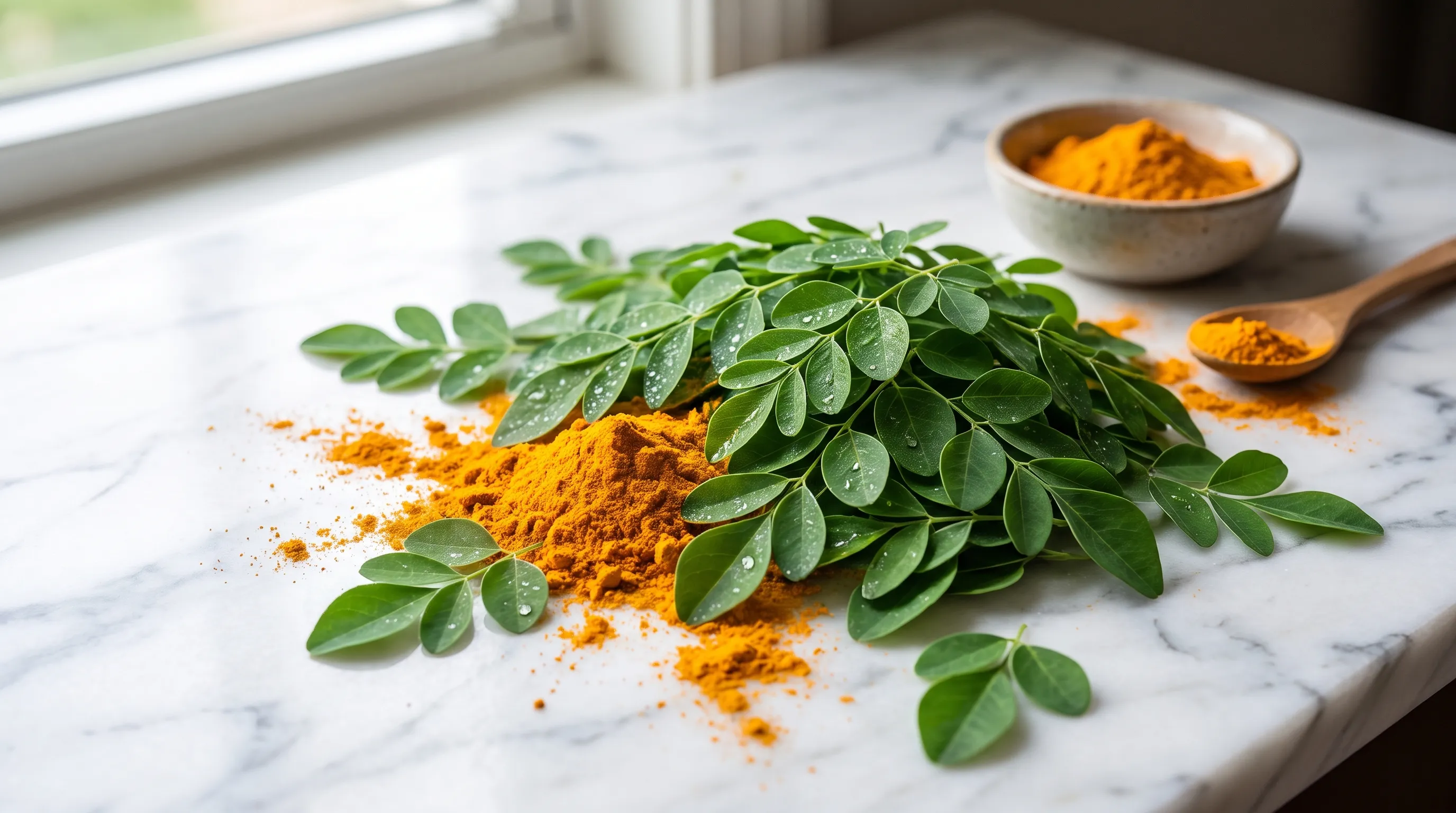
The Nutritional Powerhouses: Understanding Turmeric and Moringa
To fully appreciate the benefits of turmeric and moringa tea, it is essential to understand the individual profiles of these two botanical giants. They are not merely flavorings; they are dense sources of bioactive compounds that interact with the human body in profound ways.
Free calculatorA1C CalculatorA1C to average blood glucoseOpen the calculatorTurmeric: The Golden Spice of Life
Turmeric (Curcuma longa) is a rhizomatous herbaceous perennial plant of the ginger family. Its primary active ingredient is curcumin, a polyphenol responsible for its bright yellow color and most of its medicinal properties. According to the National Center for Complementary and Integrative Health (NCCIH), curcumin has been studied extensively for its anti-inflammatory and antioxidant effects. Read more about turmeric on NCCIH.
Curcumin is unique because it modulates multiple molecular targets involved in inflammation. It inhibits the activity of NF-kB, a molecule that travels into the nuclei of cells and turns on genes related to inflammation. By blocking NF-kB, curcumin effectively fights inflammation at the molecular level. However, curcumin is poorly absorbed into the bloodstream. It needs the help of piperine, a substance found in black pepper, to enhance its absorption by up to 2000%. This is why high-quality turmeric and moringa tea recipes often include a pinch of black pepper.
Moringa: The Miracle Tree
Moringa oleifera, native to parts of Africa and Asia, is arguably one of the most nutritious plants on the planet. Every part of the moringa tree—leaves, pods, seeds, and flowers—is edible and packed with vitamins and minerals. The leaves, which are commonly used for tea, are particularly rich in Vitamin C, Vitamin A, calcium, potassium, and protein.
Research indicates that moringa leaves contain high levels of antioxidants, including quercetin and chlorogenic acid. Quercetin helps lower blood pressure, while chlorogenic acid helps moderate blood sugar levels after meals. A study published in the Journal of Food Science and Technology highlights the potential of moringa leaf powder as a functional food ingredient due to its high nutritional value and therapeutic properties. Explore moringa research.
When you combine these two, you get a beverage that covers a broad spectrum of health needs. The turmeric and moringa tea combination leverages the anti-inflammatory prowess of curcumin and the nutrient-density of moringa, creating a synergistic effect that is greater than the sum of its parts.
Top Health Benefits of Drinking Turmeric and Moringa Tea
The convergence of turmeric and moringa creates a therapeutic beverage that supports various bodily systems. Here are the primary evidence-based benefits of incorporating this tea into your routine.
1. Potent Anti-Inflammatory and Antioxidant Effects
Chronic inflammation is at the root of many Western diseases, including heart disease, cancer, metabolic syndrome, and Alzheimer’s. Both turmeric and moringa are heavy hitters in the fight against oxidative stress and inflammation.
Curcumin boosts the body's own antioxidant enzymes, such as superoxide dismutase, while also neutralizing free radicals directly. Moringa complements this by providing a wide array of plant compounds like isothiocyanates, which have been shown to reduce inflammation in cells. Regular consumption of turmeric and moringa tea can help lower markers of inflammation in the body, potentially reducing the risk of chronic disease and alleviating symptoms of inflammatory conditions like arthritis.
2. Blood Sugar Regulation and Metabolic Health
Maintaining stable blood sugar levels is crucial for energy management and long-term health. Moringa has been traditionally used to treat diabetes, and modern studies support this use. Compounds in moringa leaves, such as isothiocyanates, help reduce insulin resistance and lower blood sugar levels.
Turmeric also plays a role here. Curcumin has been shown to improve the function of beta cells, which produce insulin in the pancreas. For individuals with pre-diabetes or type 2 diabetes, turmeric and moringa tea may serve as a supportive dietary intervention to help maintain healthy glucose levels, though it should never replace prescribed medication without medical supervision.
3. Digestive Health and Gut Integrity
A healthy gut is foundational to overall wellness. Turmeric stimulates the gallbladder to produce bile, which improves digestion and reduces symptoms of bloating and gas. It also has prebiotic properties, promoting the growth of beneficial gut bacteria.
Moringa is rich in fiber, which aids in regular bowel movements and prevents constipation. Furthermore, the antibacterial properties of both herbs can help combat harmful pathogens in the gut, such as H. pylori, which is associated with ulcers. Drinking turmeric and moringa tea after meals can soothe the digestive tract and enhance nutrient absorption.
4. Immune System Support
Both ingredients are loaded with immune-boosting nutrients. Moringa is exceptionally high in Vitamin C, containing seven times more than oranges. Vitamin C is vital for the production of white blood cells, which help protect the body against infections. Turmeric’s antiviral, antibacterial, and antifungal properties further strengthen the body’s defense mechanisms.
During flu season or times of high stress, a daily cup of turmeric and moringa tea can provide an extra layer of protection, helping the body respond more effectively to pathogens.
5. Liver Detoxification and Protection
The liver is the body’s primary detoxification organ. Turmeric increases the production of vital detoxification enzymes, such as glutathione S-transferase, which help flush out toxins. Moringa supports liver health by reducing oxidative damage and restoring liver enzyme levels to normal. Together, they offer a gentle yet effective way to support liver function and promote natural detoxification processes.
| Nutrient/Compound | Turmeric Contribution | Moringa Contribution | Synergistic Benefit |
|---|---|---|---|
| Antioxidants | Curcumin, Turmerones | Vitamin C, Quercetin, Chlorogenic Acid | Comprehensive free radical neutralization |
| Anti-Inflammatory | Blocks NF-kB pathway | Isothiocyanates | Reduced systemic inflammation |
| Blood Sugar | Improves insulin sensitivity | Lowers post-meal glucose spikes | Better metabolic control |
| Digestion | Stimulates bile production | High fiber content | Improved gut motility and health |
| Immunity | Antimicrobial properties | High Vitamin C content | Enhanced pathogen defense |
How to Prepare the Perfect Turmeric and Moringa Tea
Making turmeric and moringa tea at home is simple, but technique matters to maximize bioavailability and flavor. Here is a step-by-step guide to brewing the perfect cup.
Ingredients You Will Need
- 1 teaspoon of turmeric powder (or 1-inch fresh turmeric root, grated)
- 1 teaspoon of dried moringa leaf powder (or 1 tablespoon of fresh moringa leaves)
- 1 cup of water (filterered is best)
- 1 pinch of black pepper (essential for curcumin absorption)
- 1 teaspoon of coconut oil or ghee (fat helps absorb curcumin)
- Optional: Lemon juice, honey, or ginger for flavor
Step-by-Step Brewing Instructions
- Boil the Water: Bring one cup of water to a boil in a small saucepan.
- Add Turmeric and Pepper: Add the turmeric powder (or fresh root) and the pinch of black pepper to the boiling water. Reduce heat and let it simmer for 5-7 minutes. Simmering activates the curcumin and allows the pepper to integrate.
- Add Moringa: Turn off the heat. Add the moringa leaf powder or fresh leaves. Note: Do not boil moringa for extended periods as high heat can degrade some of its delicate vitamins, particularly Vitamin C. Let it steep for 3-5 minutes.
- Strain and Serve: Strain the tea into your favorite mug. If using fresh roots and leaves, straining is necessary. If using powders, you may choose to drink it as is, though straining provides a smoother texture.
- Add Fat and Flavor: Stir in the coconut oil or ghee. This step is crucial for making the curcumin bioavailable. Add lemon juice and honey to taste.
Tips for Enhancing Flavor
The earthy, slightly bitter taste of turmeric and the grassy flavor of moringa can be an acquired taste. To make your turmeric and moringa tea more enjoyable:
- Add Ginger: Fresh ginger adds a spicy kick that complements turmeric perfectly and aids digestion.
- Use Citrus: Lemon or lime juice cuts through the earthiness and brightens the flavor profile.
- Sweeten Naturally: Raw honey, maple syrup, or stevia can balance the bitterness without spiking blood sugar excessively.
- Make it Creamy: For a latte-style drink, add almond milk or oat milk. The fats in the milk further assist in nutrient absorption.
Dosage Guidelines and Safety Considerations
While turmeric and moringa tea is generally safe for most people, it is potent. Understanding the appropriate dosage and potential interactions is critical for safe consumption.
Recommended Dosage
For general wellness, one cup of turmeric and moringa tea per day is sufficient. If you are using it for specific therapeutic purposes, such as managing inflammation, you might increase this to two cups, spaced apart.
- Turmeric: The World Health Organization suggests an acceptable daily intake of 1.4 mg per pound (3 mg per kg) of body weight. For a 150-pound person, this is roughly 450 mg of curcumin. One teaspoon of turmeric powder contains approximately 200 mg of curcumin, so one to two teaspoons per day is a safe range.
- Moringa: Studies have used doses of up to 6 grams of moringa leaf powder per day safely. One teaspoon of powder is roughly 2-3 grams. Starting with one teaspoon and gradually increasing allows your body to adjust.
Potential Side Effects and Interactions
Despite their benefits, both herbs have contraindications:
- Blood Thinning: Turmeric has mild anticoagulant properties. If you are taking blood thinners like warfarin or aspirin, consult your doctor before consuming large amounts of turmeric, as it may increase the risk of bleeding.
- Low Blood Pressure and Sugar: Moringa can lower blood pressure and blood sugar. If you are already on medication for hypertension or diabetes, monitoring your levels closely is essential to avoid hypotension or hypoglycemia.
- Pregnancy and Breastfeeding: While moringa leaves are likely safe in food amounts, the root and bark of the moringa tree contain chemicals that can cause uterine contractions. Pregnant women should avoid moringa supplements and consult a healthcare provider before drinking concentrated teas. Turmeric in culinary amounts is safe, but high-dose supplements are generally discouraged during pregnancy.
- Kidney Stones: Turmeric is high in oxalates, which can bind with calcium to form kidney stones. Individuals prone to calcium-oxalate stones should limit their intake of turmeric.
Who Should Avoid This Tea?
- Individuals scheduled for surgery (stop use two weeks prior due to bleeding risk).
- People with gallbladder disease (turmeric stimulates bile, which may cause pain).
- Those with iron deficiency anemia (moringa may interfere with iron absorption if consumed in excess).

Comparing Turmeric and Moringa Tea to Other Herbal Infusions
With so many herbal teas available, why choose turmeric and moringa tea? Let’s compare it to other popular wellness blends.
Vs. Green Tea
Green tea is renowned for its catechins, particularly EGCG, which are powerful antioxidants. However, green tea contains caffeine, which may not be suitable for everyone, especially in the evening. Turmeric and moringa tea is naturally caffeine-free (unless moringa leaves are processed in a way that retains trace amounts, but it is generally considered non-stimulating compared to coffee). While green tea is excellent for metabolic boost, turmeric and moringa offer superior anti-inflammatory benefits due to curcumin.
Vs. Ginger Tea
Ginger tea is fantastic for nausea and acute digestive issues. However, it lacks the broad-spectrum nutrient profile of moringa. Combining ginger with turmeric and moringa creates a "super-tea," but on its own, ginger does not provide the same level of vitamins and minerals as moringa. Turmeric and moringa tea offers a more comprehensive nutritional supplement alongside its anti-inflammatory effects.
Vs. Chamomile Tea
Chamomile is the go-to for relaxation and sleep. It has mild anti-inflammatory properties but is primarily valued for its calming effect. Turmeric and moringa tea is more energizing in terms of cellular health and nutrient delivery. It is better suited for morning or mid-day consumption to support active bodily functions, whereas chamomile is ideal for winding down.
Practical Tips for Incorporating Turmeric and Moringa Tea into Your Lifestyle
Consistency is key to reaping the benefits of herbal remedies. Here are some practical strategies to make turmeric and moringa tea a seamless part of your daily routine.
Morning Ritual
Replace your second cup of coffee with turmeric and moringa tea. The anti-inflammatory effects can help reduce morning stiffness, and the nutrients provide a steady release of energy without the jittery crash of caffeine. Prepare a larger batch in the morning and keep it in a thermos for later consumption.
Post-Workout Recovery
Exercise induces temporary inflammation and oxidative stress. Drinking a cup of turmeric and moringa tea within an hour after your workout can help accelerate recovery, reduce muscle soreness, and replenish electrolytes provided by the moringa.
Meal Companion
Drink this tea with your largest meal of the day. The fat-soluble nature of curcumin means it absorbs best when eaten with dietary fats. If your meal contains healthy fats like avocado, olive oil, or nuts, the tea will be more effective. Additionally, the fiber in moringa can help slow down the absorption of sugars from your meal, preventing insulin spikes.
Travel Essential
Pack small ziplock bags with pre-measured turmeric, moringa, and black pepper mix. When traveling, you can easily ask for hot water at hotels or airports and mix your own turmeric and moringa tea. This ensures you stay consistent with your wellness routine even when away from home, and it helps boost immunity during travel.
Frequently Asked Questions
Can I drink turmeric and moringa tea every day?
Yes, most healthy adults can safely consume turmeric and moringa tea daily. However, moderation is key. Start with one cup per day to assess tolerance. Due to the potency of both herbs, excessive consumption may lead to digestive discomfort or interact with certain medications. Always consult a healthcare provider if you have underlying health conditions or are pregnant.
Does turmeric and moringa tea help with weight loss?
While not a magic solution, turmeric and moringa tea may support weight management efforts. Curcumin in turmeric helps reduce inflammation associated with obesity, while moringa may help regulate blood sugar levels and improve metabolism. Combined with a balanced diet and exercise, this tea can be a beneficial addition to a weight loss plan.
What is the best time to drink turmeric and moringa tea?
The best time depends on your goals. Drinking it in the morning can boost energy and kickstart metabolism. Consuming it before meals may aid digestion and blood sugar regulation. Some people prefer it in the evening for its anti-inflammatory properties to aid recovery, but avoid it too late if the mild caffeine content in moringa affects your sleep.
Are there any side effects of drinking turmeric and moringa tea?
Generally safe, but side effects can occur. Turmeric may cause stomach upset or acid reflux in high doses and acts as a blood thinner. Moringa can have a laxative effect and may lower blood pressure or blood sugar too much if combined with medication. Pregnant women should avoid moringa root and bark, and those on blood thinners should consult a doctor before consuming large amounts of turmeric.
Can I add honey or lemon to turmeric and moringa tea?
Absolutely. Adding lemon enhances the absorption of curcumin due to its vitamin C content and improves flavor. Honey adds natural sweetness and additional antimicrobial benefits. Just ensure the water has cooled slightly before adding honey to preserve its enzymatic properties. These additions make the earthy taste of turmeric and moringa more palatable.
Conclusion
The fusion of turmeric and moringa into a single tea represents a powerful intersection of traditional wisdom and modern nutritional science. Turmeric and moringa tea is more than just a beverage; it is a functional tool for enhancing health, reducing inflammation, and supporting vital bodily systems. From its ability to modulate immune responses and regulate blood sugar to its role in digestive health and liver detoxification, this golden-green elixir offers a holistic approach to wellness.
By understanding the unique properties of curcumin and the nutrient density of moringa, you can harness their synergistic potential. Remember to prepare your tea correctly—adding black pepper and healthy fats—to ensure maximum absorption. While it is generally safe, always listen to your body and consult with healthcare professionals if you have specific medical conditions or are taking medications.
Incorporating turmeric and moringa tea into your daily routine is a simple yet profound step toward taking charge of your health. Whether you sip it in the quiet of the morning or use it to recover after a vigorous workout, this tea serves as a reminder that nature provides potent solutions for our most pressing health challenges. Embrace the power of these ancient herbs and enjoy the journey toward a healthier, more vibrant life.
How we work
Researched and drafted with AI assistance, then reviewed by a human editor against the cited sources.
This article is general health information, not medical advice. Consult a qualified healthcare professional about your own situation.