Cupping During Pregnancy: Safety, Benefits, and Expert Guidelines

Key points
- High-Risk Pregnancies: Women with a history of preterm labor, placenta previa, or preeclampsia should avoid cupping unless explicitly cleared by their obstetrician.
- Skin Conditions: Any area with open wounds, rashes, sunburns, or varicose veins should not be treated. Varicose veins are common in pregnancy due to increased pressure on the venous system, and suction over these vessels can cause damage or clotting issues.
- Bleeding Disorders: Since cupping affects blood flow and capillaries, women with clotting disorders or those taking blood-thinning medications should avoid the therapy.
- First Trimester Caution: Many practitioners refuse to perform cupping during the first 12 weeks of pregnancy. This period is critical for fetal organogenesis, and the risk of miscarriage is naturally higher. While there is no direct evidence linking cupping to miscarriage, the precautionary principle is widely applied.
Pregnancy is a transformative journey marked by profound physical, emotional, and hormonal changes. As the body adapts to nurture growing life, many expectant mothers experience a range of discomforts, from persistent lower back pain and sciatica to swelling in the extremities and heightened stress levels. In the quest for relief, many women turn to complementary and alternative therapies that offer non-pharmacological solutions. Among these, Traditional Chinese Medicine (TCM) has gained significant traction, with cupping during pregnancy emerging as a popular topic of discussion in prenatal wellness circles.
While the idea of placing suction cups on the skin might seem unconventional or even intimidating to some, the practice has been used for thousands of years to promote healing, reduce pain, and improve circulation. However, when it comes to cupping during pregnancy, the stakes are higher. The safety of both the mother and the developing fetus is paramount, leading to valid questions about efficacy, risks, and proper protocols. Can this ancient therapy safely alleviate the burdens of modern pregnancy? What does the scientific community say? And how can expectant mothers navigate this treatment option without compromising their health?
This comprehensive guide delves deep into the world of prenatal cupping. We will explore the mechanisms behind the therapy, examine the current medical consensus on its safety, and provide actionable advice for those considering this modality. By understanding the nuances of cupping during pregnancy, you can make an informed decision that aligns with your health goals and medical advice. Whether you are struggling with chronic pain or simply seeking a holistic approach to prenatal care, this article serves as your evidence-based roadmap to navigating cupping therapy safely and effectively.
Understanding Cupping Therapy and Its Mechanisms
To understand the implications of cupping during pregnancy, one must first grasp the fundamentals of cupping therapy itself. Rooted in Traditional Chinese Medicine, Egyptian Ebers Papyrus records, and Middle Eastern Hijama practices, cupping is a form of myofascial decompression. Unlike massage, which applies pressure to compress tissue, cupping uses negative pressure to lift and separate layers of connective tissue.
Free calculatorWater Intake CalculatorCalculate daily water needsOpen the calculatorThe Science Behind Suction
The primary mechanism of cupping involves creating a vacuum inside a cup placed on the skin. This suction pulls the skin and superficial muscle layer upward into the cup. This action triggers several physiological responses:
- Increased Blood Flow: The suction draws fresh, oxygenated blood to the area, promoting healing and reducing inflammation.
- Lymphatic Drainage: It stimulates the lymphatic system, helping to remove metabolic waste and toxins from the tissues.
- Myofascial Release: By lifting the fascia (the connective tissue surrounding muscles), cupping can release tension and adhesions that restrict movement and cause pain.
- Neuromodulation: The stimulation of sensory nerves can trigger the release of endorphins, the body's natural painkillers, providing a sense of relaxation and pain relief.
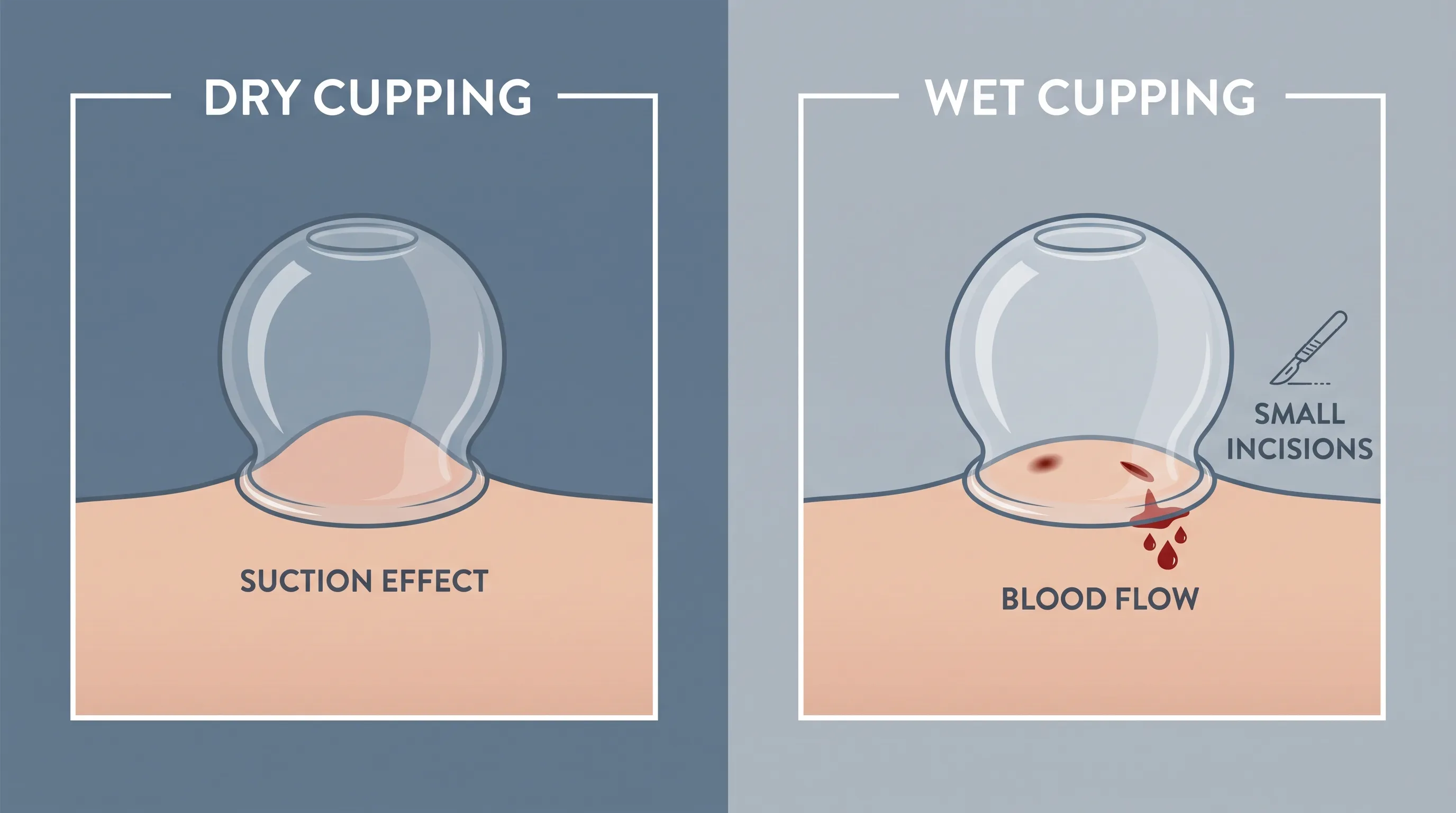
There are two main types of cupping relevant to general wellness: dry cupping and wet cupping. Dry cupping relies solely on suction. Wet cupping, also known as Hijama, involves making tiny incisions on the skin before applying suction to draw out a small amount of blood. For the purposes of cupping during pregnancy, dry cupping is the standard and safest approach, as wet cupping carries higher risks of infection and bleeding, which are particularly concerning during gestation.
Modern Adaptations: Silicone vs. Glass
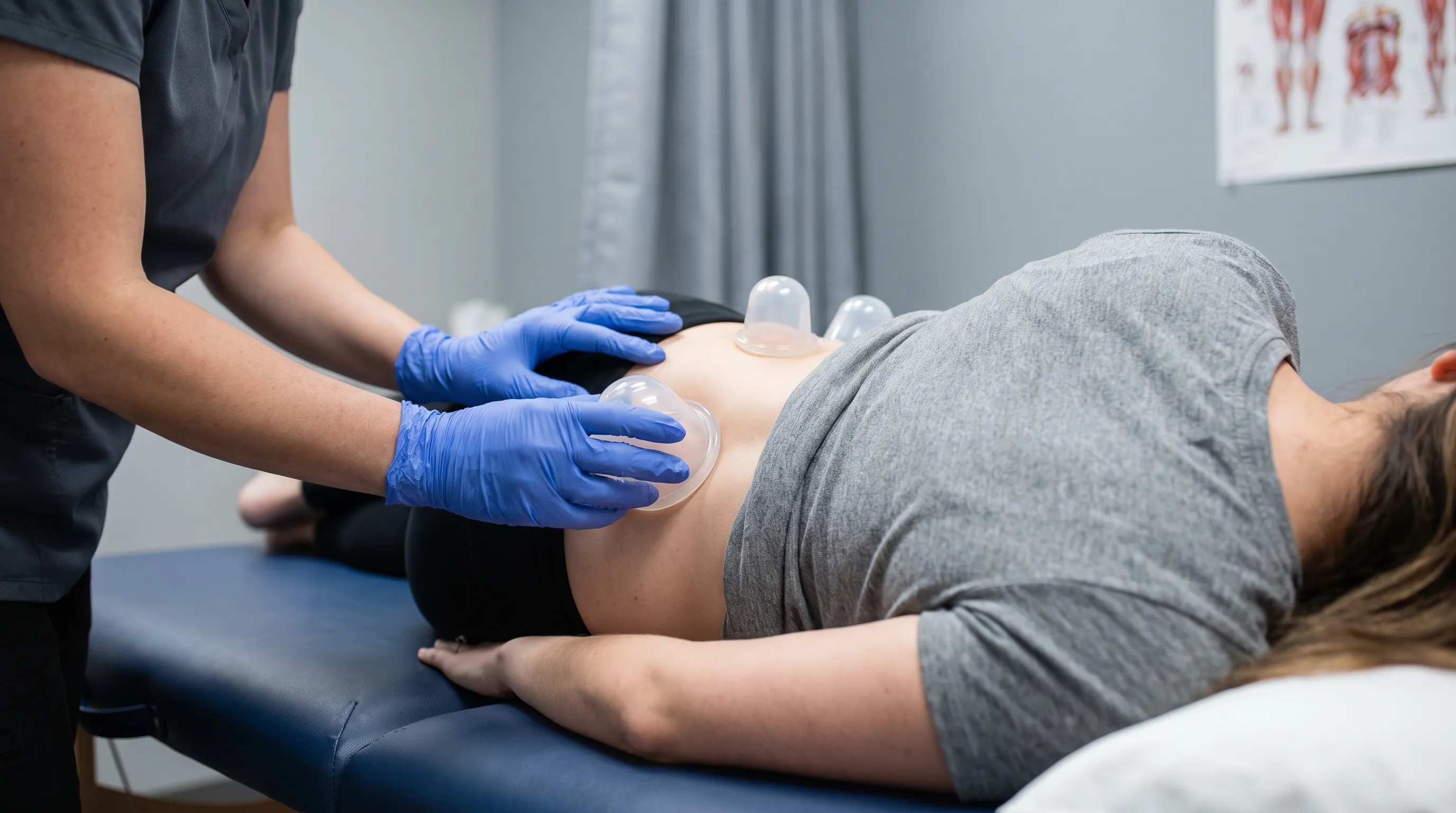
Traditionally, glass cups were heated with fire to create suction (fire cupping). Today, modern practitioners often use silicone cups or plastic cups with hand pumps. For pregnant women, silicone cups are often preferred because they allow for "gliding cupping," where oil is applied to the skin, and the cups are moved across the muscles. This technique mimics a deep tissue massage but with the added benefit of suction, offering a gentler and more controlled experience that can be easily adjusted if the pressure becomes uncomfortable.
Safety Considerations for Cupping During Pregnancy
The question of safety is the most critical aspect of cupping during pregnancy. While generally considered low-risk when performed by a trained professional, it is not without contraindications. The physiological changes of pregnancy, including increased blood volume, altered center of gravity, and hormonal shifts affecting ligament laxity, require a modified approach to therapy.
General Consensus on Safety
Most integrative medicine specialists and obstetricians agree that cupping during pregnancy can be safe, provided specific guidelines are followed. The American Pregnancy Association notes that while acupuncture and acupressure have more extensive research backing their safety, cupping is increasingly recognized as a viable adjunct therapy for pain management. However, it is rarely studied in isolation for pregnant populations, meaning much of the guidance is extrapolated from general TCM principles and clinical experience.
The key to safety lies in the expertise of the practitioner. A therapist specializing in prenatal care will understand which areas to avoid and how to adjust the intensity of the suction. Self-administered cupping or visiting a general spa without prenatal certification is strongly discouraged. The risk of improper placement or excessive suction could theoretically stimulate uterine activity or cause undue stress to the mother’s body.
Contraindications and Red Flags
There are specific conditions where cupping during pregnancy should be strictly avoided. These include:
- High-Risk Pregnancies: Women with a history of preterm labor, placenta previa, or preeclampsia should avoid cupping unless explicitly cleared by their obstetrician.
- Skin Conditions: Any area with open wounds, rashes, sunburns, or varicose veins should not be treated. Varicose veins are common in pregnancy due to increased pressure on the venous system, and suction over these vessels can cause damage or clotting issues.
- Bleeding Disorders: Since cupping affects blood flow and capillaries, women with clotting disorders or those taking blood-thinning medications should avoid the therapy.
- First Trimester Caution: Many practitioners refuse to perform cupping during the first 12 weeks of pregnancy. This period is critical for fetal organogenesis, and the risk of miscarriage is naturally higher. While there is no direct evidence linking cupping to miscarriage, the precautionary principle is widely applied.
| Feature | Dry Cupping | Wet Cupping (Hijama) | Massage Therapy |
|---|---|---|---|
| Method | Suction only | Suction + minor incisions | Manual pressure |
| Safety in Pregnancy | Generally Safe (with precautions) | Generally Contraindicated | Generally Safe |
| Primary Benefit | Pain relief, circulation | Detoxification (debated) | Relaxation, muscle relief |
| Side Effects | Bruising, mild soreness | Risk of infection, scarring | Temporary soreness |
| Professional Required | Yes (Specialized) | Yes (Medical/TCM) | Yes (Licensed) |
Potential Benefits of Cupping for Expectant Mothers
Why do women seek out cupping during pregnancy? The answer lies in the specific ailments that pregnancy exacerbates. As the uterus expands, the center of gravity shifts, placing immense strain on the lower back, hips, and pelvis. Hormones like relaxin loosen joints, leading to instability and pain. Cupping offers a unique set of benefits that address these mechanical and physiological challenges.
Relief from Back and Pelvic Pain
Lower back pain is one of the most common complaints during pregnancy, affecting up to 50% of expectant mothers. Sciatica, characterized by shooting pain down the leg, is also prevalent. Cupping during pregnancy targets the myofascial tissues of the lower back and glutes. By releasing tension in the piriformis and lumbar muscles, cupping can alleviate pressure on the sciatic nerve. Studies suggest that myofascial decompression can provide immediate pain relief and improve range of motion, allowing pregnant women to move more comfortably.
Reduction of Swelling and Edema
Edema, or swelling in the feet and ankles, occurs due to fluid retention and reduced venous return. While cupping is not a cure for edema, it can support the lymphatic system. Gentle gliding cupping on the legs (avoiding varicose veins) can encourage lymphatic drainage, helping to move excess fluid out of the tissues. This can result in a feeling of lightness and reduced heaviness in the limbs. However, this must be done with extreme caution and upward strokes toward the heart to assist venous return.
Stress and Anxiety Management
Pregnancy is a time of emotional volatility. The physical sensation of cupping, combined with the quiet, therapeutic environment, can activate the parasympathetic nervous system—the "rest and digest" mode. This helps lower cortisol levels and promotes deep relaxation. Many women report better sleep quality and reduced anxiety after sessions. The release of endorphins further contributes to a sense of well-being, combating the mood swings associated with hormonal fluctuations.
Improving Posture
As the belly grows, many women develop an exaggerated lumbar curve (lordosis), leading to postural strain. Cupping on the upper back and shoulders can help release the tight chest muscles and strengthen the engagement of the upper back muscles indirectly by relieving tension. This can help realign the posture, reducing strain on the neck and upper spine.
Guidelines for Safe Cupping During Pregnancy
If you decide to pursue cupping during pregnancy, adhering to strict guidelines is essential to ensure a safe and beneficial experience. These guidelines are designed to mitigate risks and maximize therapeutic outcomes.
Choosing the Right Practitioner
Not all cupping therapists are created equal. When searching for a provider, look for the following credentials:
- Specialization in Prenatal Care: The therapist should have specific training in treating pregnant clients. General massage or cupping certification is not enough.
- Licensure: Ensure they are licensed in their respective field, whether as an Acupuncturist (L.Ac.), Massage Therapist (LMT), or Physical Therapist (PT).
- Experience: Ask how many pregnant clients they have treated. Experience matters in knowing how to position the client comfortably and safely.
Timing and Frequency
As mentioned, the first trimester is generally off-limits. The ideal window for cupping during pregnancy is the second and third trimesters. Sessions should be spaced out appropriately—typically once every two to four weeks, depending on the severity of symptoms and the body's response. Over-treating can lead to excessive bruising or fatigue.
Positioning Matters
After the first trimester, pregnant women should not lie flat on their backs for extended periods due to the risk of supine hypotensive syndrome, where the weight of the uterus compresses the vena cava, reducing blood flow to the heart and baby. Therefore, cupping sessions should be performed with the client in a side-lying position, supported by pillows, or in a seated position. Some specialized tables with cutouts for the belly exist, but side-lying is often more comfortable and safer for cupping applications.
Communication is Key
During the session, maintain open communication with your therapist. If the suction feels too intense, speak up immediately. Pregnancy increases skin sensitivity, and what felt normal before pregnancy might feel painful now. The goal is therapeutic relief, not pain tolerance.
Areas to Avoid and Specific Precautions
One of the most important aspects of cupping during pregnancy is knowing where NOT to place the cups. In Traditional Chinese Medicine, certain points are believed to stimulate labor or induce contractions. While Western medicine may view this skeptically, prudent practitioners adhere to these traditional contraindications to err on the side of caution.
The Abdomen
The abdominal area should never be cupped during pregnancy. The skin is stretched thin, and the underlying organs are displaced. Suction here could cause discomfort, skin damage, or unnecessary pressure on the uterus.
The Lower Back and Sacrum
While the upper lower back might be treated gently, the sacrum (the triangular bone at the base of the spine) and the direct midline of the lower spine are often avoided or treated with extreme caution. Strong stimulation in this area is traditionally thought to influence uterine activity.
Forbidden Acupoints
Practitioners of TCM avoid specific acupressure points that are known to move Qi and Blood strongly downward, potentially inducing labor. These include:
- Large Intestine 4 (LI4): Located on the hand between the thumb and index finger.
- Spleen 6 (SP6): Located on the inner leg, above the ankle.
- Bladder 60 (BL60) and 67 (BL67): Located on the foot and heel.
When receiving cupping during pregnancy, ensure your therapist avoids placing cups directly over these points or using strong stimulation techniques near them.
Leg Precautions
Due to the increased risk of Deep Vein Thrombosis (DVT) in pregnancy, deep pressure or strong suction on the calves should be approached with caution. If you have any signs of DVT (redness, warmth, swelling in one leg), cupping is strictly prohibited. Gentle gliding on the thighs and upper legs is generally safer than working on the lower legs.
Integrating Cupping into a Holistic Prenatal Care Plan
Cupping during pregnancy should not be viewed as a standalone miracle cure but rather as part of a holistic wellness strategy. Integrating it with other safe practices can enhance its benefits and support overall maternal health.
Combining with Prenatal Yoga
Prenatal yoga helps maintain flexibility and strength. Cupping can complement yoga by releasing tight muscles that may hinder proper alignment in poses. For example, if tight hamstrings limit your ability to squat comfortably, cupping the posterior chain can improve flexibility, making yoga practice more effective and enjoyable.
Hydration and Nutrition
Cupping mobilizes fluids and metabolic waste. To help the body process and eliminate these byproducts, hydration is crucial. Drink plenty of water before and after your session. A nutrient-rich diet supports tissue repair and reduces inflammation, synergizing with the anti-inflammatory effects of cupping.
Rest and Recovery
After a cupping session, you may feel tired or relaxed. This is normal. Allow yourself time to rest. Avoid strenuous exercise immediately after treatment. Listen to your body; if you feel lightheaded, sit down and drink water. This recovery period is an opportunity to connect with your baby and practice mindfulness.
Frequently Asked Questions
Is cupping therapy safe during all trimesters of pregnancy?
Cupping is generally considered safest during the second and third trimesters. Most healthcare providers advise avoiding cupping during the first trimester due to the critical nature of fetal development and the higher risk of miscarriage. Always consult your obstetrician before starting any new therapy.
Can cupping help with pregnancy-related back pain?
Yes, many women report significant relief from lower back pain, sciatica, and pelvic girdle pain through cupping therapy. It helps by improving blood circulation, reducing muscle tension, and releasing fascia restrictions that contribute to discomfort during pregnancy.
What areas of the body should be avoided during prenatal cupping?
Therapists must avoid the abdominal area, the lower back directly over the spine, and specific acupressure points known to stimulate uterine contractions, such as those found on the ankles, wrists, and shoulders. Treatment is usually focused on the upper back, neck, and legs.
Does cupping leave marks on the skin, and are they harmful?
Cupping often leaves circular bruises or discoloration known as 'ecchymosis.' These are not harmful and typically fade within a few days to two weeks. They are caused by broken capillaries under the skin due to suction and are a normal part of the therapy process.
Should I choose dry cupping or wet cupping while pregnant?
Dry cupping is the recommended method for pregnant women. Wet cupping involves making small incisions in the skin to draw out blood, which increases the risk of infection and bleeding. Due to physiological changes in pregnancy, wet cupping is generally contraindicated.
How do I find a qualified practitioner for cupping during pregnancy?
Look for a licensed acupuncturist, massage therapist, or physical therapist who has specific certification or extensive experience in prenatal care. Ask for referrals from your obstetrician or check reviews from other expectant mothers. Ensure they use sterile equipment and follow safety protocols.
Can cupping induce labor?
There is no scientific evidence that dry cupping induces labor when performed correctly by a trained professional who avoids contraindicated points. However, because certain points are traditionally associated with labor induction, it is crucial to see a specialist who knows which areas to avoid.
Conclusion
Navigating the physical demands of pregnancy requires a multifaceted approach to health and wellness. Cupping during pregnancy offers a promising, non-invasive option for managing common discomforts such as back pain, swelling, and stress. While the therapy is rooted in ancient traditions, its application in modern prenatal care is guided by an increasing understanding of physiology and safety.
The key to a positive experience lies in informed decision-making. By choosing a qualified practitioner, adhering to safety guidelines, and communicating openly with your healthcare team, you can harness the benefits of cupping during pregnancy without compromising safety. Remember, every pregnancy is unique. What works for one woman may not be suitable for another. Always prioritize professional medical advice and listen to your body’s signals.
As you consider integrating cupping during pregnancy into your wellness routine, view it as a tool for empowerment—a way to take an active role in your comfort and health. With the right support and knowledge, this ancient therapy can be a gentle, effective companion on your journey to motherhood, helping you feel more balanced, relaxed, and prepared for the arrival of your new baby.
For further reading on integrative prenatal care, consider exploring resources from the American Pregnancy Association or consulting with a certified Traditional Chinese Medicine practitioner in your area. Your health and your baby's well-being are worth the extra care and attention.
How we work
Researched and drafted with AI assistance, then reviewed by a human editor against the cited sources.
This article is general health information, not medical advice. Consult a qualified healthcare professional about your own situation.