Invisalign Shaving Teeth: What Is IPR and Is It Safe?
Key points
- Use Desensitizing Toothpaste: Brands containing potassium nitrate can help block pain signals from the tooth surface to the nerve.
- Avoid Extreme Temperatures: For the first 24-48 hours, try to avoid ice-cold water or piping hot coffee.
- Fluoride Rinses: Using an alcohol-free fluoride mouthwash can help remineralize the enamel and soothe sensitivity.
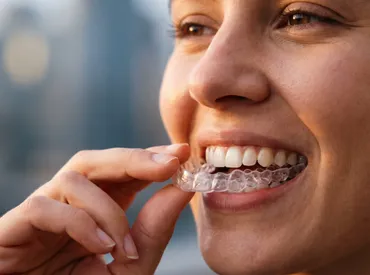
Starting a journey toward a straighter smile with clear aligners is an exciting step, but often comes with a myriad of questions and concerns. One of the most common anxieties patients express when consulting with their orthodontist is the prospect of "Invisalign shaving teeth." The phrase itself can sound alarming, conjuring images of drastic dental work or irreversible damage. However, in the world of modern orthodontics, this procedure is known as Interproximal Reduction (IPR), and it is a routine, safe, and highly effective technique used to create the necessary space for teeth to move into their ideal positions.
Understanding what actually happens during this process is crucial for alleviating fear and making informed decisions about your treatment plan. Unlike traditional braces that might rely heavily on extractions for severe crowding, Invisalign and other clear aligner systems often utilize IPR as a conservative alternative. It involves the precise removal of microscopic amounts of enamel from the sides of the teeth. This article will delve deep into the mechanics, safety, sensations, and long-term implications of Invisalign shaving teeth, providing you with a comprehensive guide backed by dental science and expert consensus. By the end of this read, you will have a clear understanding of why your orthodontist might recommend this step and how it contributes to achieving the perfect, healthy smile you desire.
Understanding Interproximal Reduction (IPR)
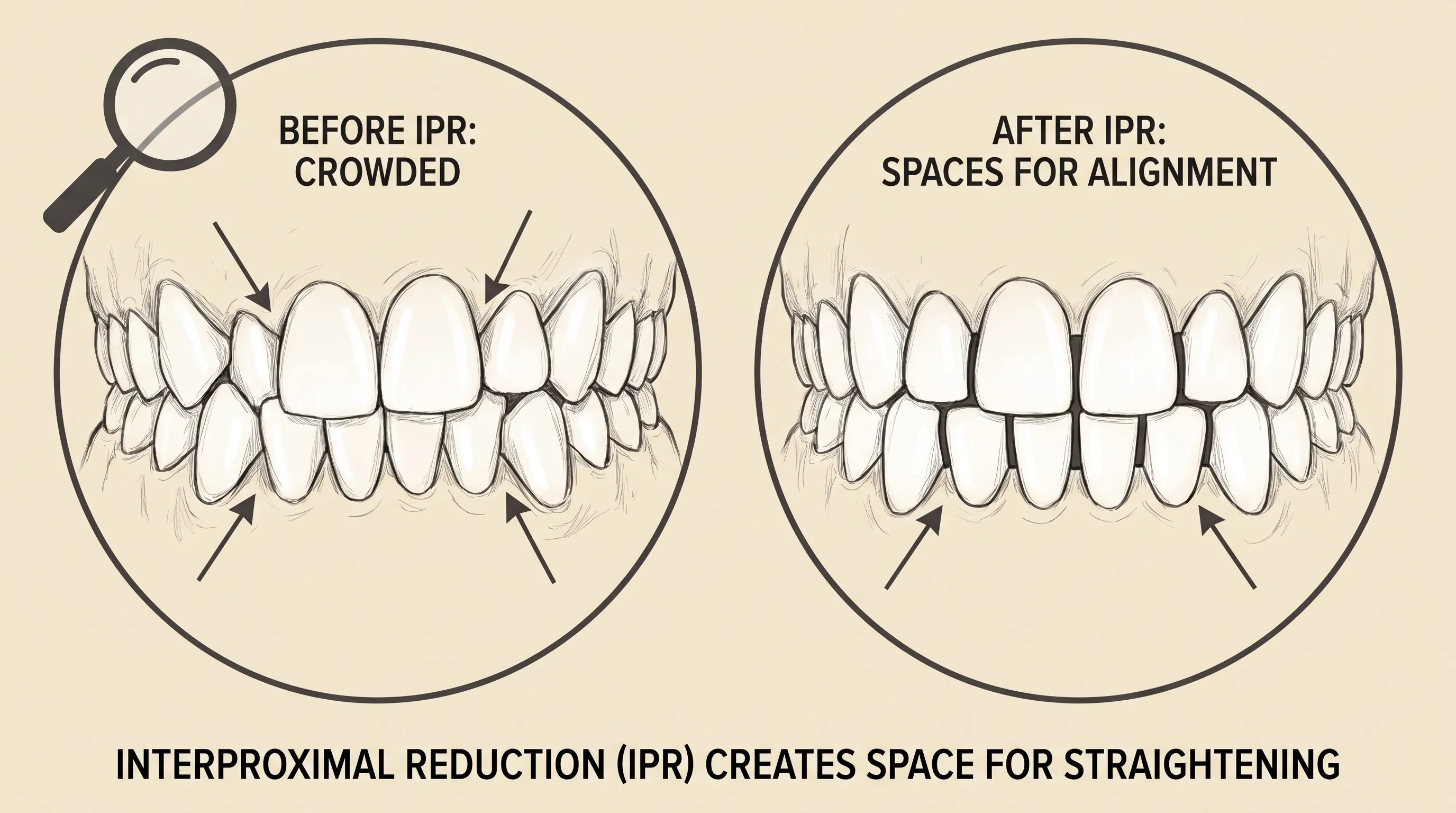
To fully grasp the concept of Invisalign shaving teeth, one must first understand the biological and mechanical constraints of tooth movement. Teeth are not floating entities; they are anchored in the jawbone by periodontal ligaments. When teeth are crowded, they overlap or sit out of alignment because there is simply not enough room in the dental arch for all of them to sit side-by-side perfectly. To correct this, space must be created. There are three primary ways to create space: expanding the arch, extracting teeth, or reducing the width of the teeth slightly. This last option is Interproximal Reduction.
Free calculatorBMI CalculatorCalculate Body Mass IndexOpen the calculatorThe Science Behind Enamel Removal
Enamel is the hardest substance in the human body, composed primarily of hydroxyapatite crystals. It serves as the protective shield for the sensitive inner layers of the tooth, namely the dentin and the pulp. According to the National Institute of Dental and Craniofacial Research, enamel is critical for protecting teeth from decay. The average thickness of enamel on the sides of the teeth (the interproximal surfaces) ranges from 0.75mm to 1.25mm. During Invisalign shaving teeth, orthodontists remove only a fraction of this thickness—typically between 0.2mm and 0.5mm per contact point.
This conservative approach ensures that the structural integrity of the tooth is never compromised. The remaining enamel is more than sufficient to protect the tooth from decay and sensitivity. Furthermore, the surfaces where IPR is performed are smoothed and polished immediately after the reduction, leaving a surface that is often smoother and less prone to plaque accumulation than the natural, uneven contours of crowded teeth. This scientific basis underscores why Invisalign shaving teeth is not only safe but can potentially improve long-term dental hygiene in specific cases of crowding.
Why Is IPR Necessary for Invisalign?
Clear aligners work by applying controlled force to teeth to move them incrementally. For a tooth to move into a new position, there must be physical space for it to occupy. If a patient has moderate to severe crowding, the aligners cannot simply push teeth into a space that does not exist. Without creating space, the teeth would either fail to move, or the aligners would not fit properly, leading to tracking errors where the teeth do not match the digital treatment plan.
Invisalign shaving teeth provides this necessary clearance. By subtly narrowing the teeth, the orthodontist creates "micro-spaces" that allow the crowded teeth to unravel and align properly. This is particularly important for maintaining the aesthetic proportions of the smile. Extracting teeth, while effective for creating large amounts of space, can sometimes lead to a flattened facial profile or larger gaps between teeth. IPR allows for the correction of crowding while preserving all natural teeth, resulting in a fuller, more natural-looking smile.
The Procedure: What Happens During Your Appointment
Many patients dread the unknown, so knowing exactly what to expect during the Invisalign shaving teeth procedure can significantly reduce anxiety. The process is straightforward, quick, and performed directly in the orthodontist's chair. It does not require surgery, injections, or extensive recovery time.
Step-by-Step Breakdown of the IPR Process
- Assessment and Planning: Before any shaving occurs, your orthodontist will have already planned the exact amount of reduction needed for each tooth using specialized software. This digital blueprint ensures that the procedure is precise and limited to the predetermined amounts.
- Separation: If the teeth are tightly crowded, the orthodontist may place small elastic spacers or separation rings between the teeth a few days prior to the appointment. This creates a tiny gap, allowing easier access for the reduction instruments. In many cases, however, this step is skipped, and the procedure is done directly.
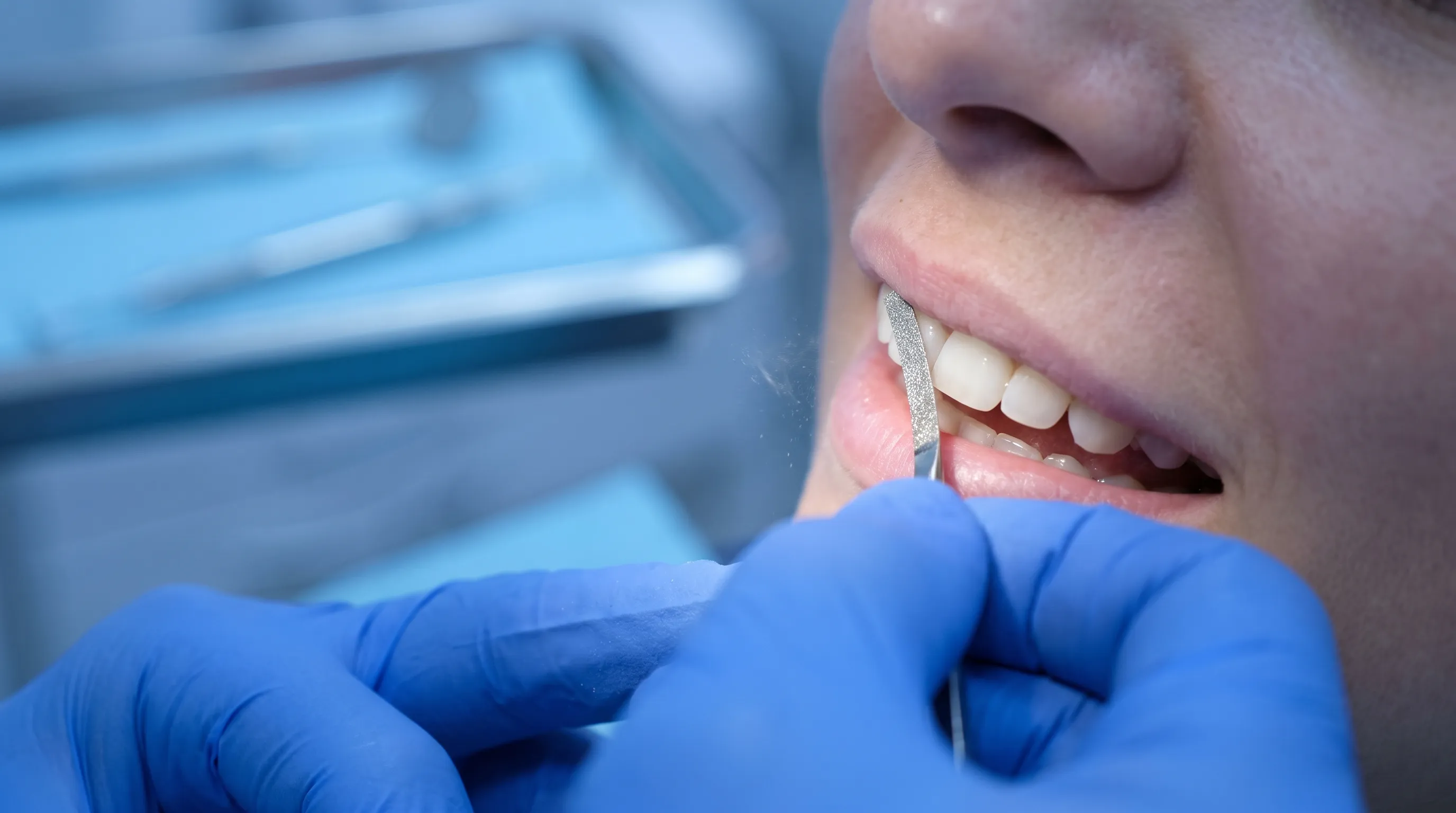
- The Reduction: Using either a high-speed diamond bur, a manual abrasive strip, or a specialized disc, the orthodontist gently removes the specified amount of enamel from the sides of the teeth. You will hear a buzzing sound similar to a standard dental cleaning or filling preparation, but the sensation is much milder.
- Polishing: This is a critical step. After the enamel is reduced, the rough surfaces are smoothed down using polishing strips and paste. This ensures that the teeth feel smooth to the tongue and reduces the likelihood of plaque buildup.
- Fluoride Treatment: Often, a fluoride varnish or gel is applied to the treated areas to strengthen the enamel and reduce any potential post-procedure sensitivity. The CDC recommends fluoride as a safe and effective way to prevent tooth decay.
Tools Used for Precision
The tools used for Invisalign shaving teeth have evolved significantly. Modern orthodontists prefer diamond-coated strips or discs because they offer superior control compared to older metal burs. These strips act like fine sandpaper, allowing the dentist to "floss" away the enamel gradually. This method minimizes heat generation and vibration, enhancing patient comfort. The precision of these tools ensures that only the intended amount of enamel is removed, preventing over-reduction.
Pain and Sensitivity: Addressing Common Fears
The question "Does Invisalign shaving teeth hurt?" is perhaps the most frequent inquiry in orthodontic consultations. The short answer is: for the vast majority of patients, it is painless. However, individual experiences can vary, and understanding the nuances of discomfort versus pain is helpful.
Why IPR Is Generally Painless
Pain receptors, or nociceptors, are located in the dentin and the pulp of the tooth, not in the enamel. Since Invisalign shaving teeth strictly removes enamel, there are no nerves being stimulated during the actual cutting process. Most patients describe the sensation as weird or unusual due to the vibration and the smell of burning enamel (which is harmless), but not painful. Anesthesia is rarely required. If a patient is particularly anxious or has extremely tight contacts, the orthodontist might apply a topical numbing gel, but this is the exception rather than the rule.
Managing Post-Procedure Sensitivity
While the procedure itself is painless, some patients experience temporary sensitivity afterward. This is because the enamel layer has been thinned slightly, bringing the nerve closer to the external environment, although still well-protected. This sensitivity usually manifests as a brief zing when consuming very cold or very hot foods and drinks. The Mayo Clinic notes that sensitive teeth are a common condition that can often be managed with proper care.
To manage this:
- Use Desensitizing Toothpaste: Brands containing potassium nitrate can help block pain signals from the tooth surface to the nerve.
- Avoid Extreme Temperatures: For the first 24-48 hours, try to avoid ice-cold water or piping hot coffee.
- Fluoride Rinses: Using an alcohol-free fluoride mouthwash can help remineralize the enamel and soothe sensitivity.
This sensitivity is typically transient and resolves within a few days to a week. If it persists, it is important to contact your orthodontist, as it may indicate that the polishing was not thorough or that there is an underlying issue unrelated to the IPR.
Safety and Long-Term Health Implications
A major concern regarding Invisalign shaving teeth is the long-term health of the teeth. Critics often argue that removing enamel weakens the teeth and makes them susceptible to decay. However, extensive clinical research and decades of orthodontic practice have proven otherwise when the procedure is performed correctly.
Risk of Decay and Gum Disease
One might assume that roughing up the side of a tooth would invite bacteria. On the contrary, studies have shown that IPR, when followed by proper polishing, does not increase the risk of dental caries (cavities) or periodontal disease. In fact, in cases of severe crowding, the overlapping surfaces of teeth are often impossible to clean effectively with floss. By aligning the teeth through IPR, the contact points become accessible, allowing for better flossing and hygiene.
A landmark study published in the American Journal of Orthodontics and Dentofacial Orthopedics found no significant difference in the incidence of decay or gum disease between patients who underwent IPR and those who did not, provided that both groups maintained good oral hygiene. The key factor is the quality of the polishing. A smooth, glazed surface resists plaque accumulation better than a rough, natural surface.
Structural Integrity of the Tooth
As mentioned earlier, the amount of enamel removed is minuscule relative to the total thickness of the enamel cap. The remaining enamel is robust and fully capable of protecting the tooth for a lifetime. There is no evidence to suggest that teeth subjected to IPR are more prone to cracking, chipping, or fracturing under normal chewing forces. The procedure is considered conservative because it preserves the tooth structure far better than extraction or full-coverage crowns.
Comparison: IPR vs. Extractions
To further illustrate the safety and benefits of Invisalign shaving teeth, it is helpful to compare it with tooth extraction, the traditional alternative for creating space.
| Feature | Interproximal Reduction (IPR) | Tooth Extraction |
|---|---|---|
| Invasiveness | Minimally invasive, no surgery | Surgical procedure, requires healing |
| Tooth Preservation | Preserves all natural teeth | Permanent loss of tooth structure |
| Facial Profile | Maintains fullness of lips and face | May cause flattening of profile |
| Treatment Time | Often shorter, no healing wait | Longer, requires socket healing |
| Risk Profile | Low risk, temporary sensitivity | Higher risk (infection, dry socket) |
| Reversibility | Irreversible (enamel doesn't grow back) | Irreversible (tooth is gone) |
This table highlights why orthodontists increasingly prefer Invisalign shaving teeth over extractions for mild to moderate crowding. It is a less traumatic option that yields excellent aesthetic results without the physiological cost of losing a tooth.
Alternatives to Shaving Teeth
While Invisalign shaving teeth is a powerful tool, it is not the only method for creating space. Depending on the severity of the malocclusion and the patient's specific anatomical features, other techniques may be employed. Understanding these alternatives helps contextualize when IPR is the right choice.
Dental Expansion
Expansion involves widening the dental arch to create more room for the teeth. This can be achieved through the aligners themselves, which push the teeth outward, or through auxiliary appliances like expanders. Expansion is ideal for patients with a narrow arch but sufficient bone support. However, there are limits to how much teeth can be moved outward before they become unstable or protrude too far, affecting the bite and aesthetics. In such cases, IPR may be used in conjunction with minor expansion.
Distalization
Distalization is the process of moving the molars backward to create space in the front of the mouth. This is often used in Class II malocclusions (overbites). While effective, distalization can be a slow process and may require additional appliances like temporary anchorage devices (TADs) or headgear. IPR is often faster and more predictable for creating localized space in the anterior region.
Extractions
For severe crowding where more than 6-8mm of space is needed per quadrant, extractions may be unavoidable. Removing premolars provides significant space but alters the facial profile and bite dynamics. Orthodontists generally reserve extractions for cases where IPR and expansion are insufficient to achieve a stable and aesthetic result. The goal of modern orthodontics is to avoid extractions whenever possible, making Invisalign shaving teeth a preferred first-line strategy for moderate cases.
Practical Advice for Patients Undergoing IPR
If your treatment plan includes Invisalign shaving teeth, there are several steps you can take to ensure the best possible outcome and minimize any discomfort.
Before the Procedure
- Communicate Your Anxiety: Let your orthodontist know if you are nervous. They can explain each step as they go, which can be very reassuring.
- Eat a Good Meal: Since you might experience some sensitivity afterward, eating a substantial meal before the appointment ensures you won't need to chew immediately if your teeth feel tender.
- Take Pain Relief (Optional): If you are concerned about sensitivity, taking an over-the-counter anti-inflammatory like ibuprofen 30 minutes before the appointment can help, though it is usually not necessary.
After the Procedure
- Maintain Rigorous Hygiene: Keep the treated areas clean. Floss daily to prevent plaque from accumulating in the newly created spaces. Use a water flosser if traditional flossing is difficult.
- Monitor Sensitivity: Pay attention to how your teeth react to temperature. If sensitivity persists beyond a week, consult your orthodontist. They may apply a desensitizing agent or check for any rough spots that need further polishing.
- Wear Your Aligners: Continue wearing your Invisalign trays as prescribed. The aligners help hold the teeth in their new positions and protect the treated surfaces. If a tray feels tight or causes pain, do not force it; contact your provider.
Long-Term Maintenance
Once your treatment is complete, retention is key. Wear your retainers as directed to prevent teeth from shifting back. Because IPR changes the shape of your teeth slightly, custom retainers are essential to maintain the new contact points. Regular dental check-ups every six months will allow your dentist to monitor the health of the interproximal surfaces and ensure no decay is developing.
Frequently Asked Questions
Does Invisalign shaving teeth hurt?
Most patients report little to no pain during Invisalign shaving teeth (IPR). Because the procedure only removes enamel, which has no nerve endings, it is generally painless. You may feel slight pressure or vibration, but anesthesia is rarely required. Some temporary sensitivity to cold or heat may occur afterward, but this typically subsides within a few days.
Is removing enamel for Invisalign safe?
Yes, when performed by a qualified orthodontist, Invisalign shaving teeth is considered safe. The amount of enamel removed is minimal (typically 0.2mm to 0.5mm per contact point) and stays well within the protective limits of the tooth structure. Studies show no increased risk of decay or periodontal disease when proper oral hygiene is maintained.
How much tooth structure is removed during IPR?
During Invisalign shaving teeth, typically between 0.2 millimeters and 0.5 millimeters of enamel is removed from each side of the tooth. This is a microscopic amount, roughly equivalent to the thickness of a few sheets of paper, and is carefully calculated to ensure the structural integrity of the tooth remains intact.
Can teeth grow back after IPR?
No, tooth enamel does not regenerate or grow back once it is removed. This is why Invisalign shaving teeth is a permanent alteration. However, because only the outermost layer is touched and the amount is minimal, it does not compromise the long-term health of the tooth if done correctly.
What are the alternatives to shaving teeth for Invisalign?
Alternatives to Invisalign shaving teeth include dental expansion (widening the arch), extraction of premolars (for severe crowding), or distalization (moving molars backward). Your orthodontist will determine the best method based on the severity of your crowding and your facial profile.
Will IPR change the shape of my teeth?
IPR does not change the visible front shape of your teeth. It only narrows them slightly from the sides. Once the teeth are aligned, the contact points are re-established, and the teeth will look natural and proportional. In many cases, it improves the appearance by eliminating black triangles (gaps between teeth near the gums) caused by crowding.
Conclusion
Invisalign shaving teeth, clinically known as Interproximal Reduction (IPR), is a cornerstone of modern orthodontic treatment for correcting crowding and achieving optimal alignment. While the idea of removing enamel may initially cause apprehension, the procedure is rooted in solid scientific principles and has a long track record of safety and efficacy. By removing microscopic amounts of enamel, orthodontists can create the necessary space for teeth to move without resorting to extractions or compromising the facial profile.
The procedure is quick, largely painless, and offers significant benefits for long-term dental health by improving access for cleaning and reducing the risk of gum disease associated with crowded teeth. Temporary sensitivity is a minor trade-off for the lasting benefit of a straight, healthy smile. As with any medical procedure, the skill of the practitioner is paramount. Choosing an experienced orthodontist who adheres to strict protocols for assessment, execution, and polishing ensures that the risks are minimized and the results are maximized.
For patients considering Invisalign, understanding the role of IPR empowers them to have open, informed discussions with their providers. It transforms a source of fear into a recognized tool for aesthetic enhancement. Ultimately, Invisalign shaving teeth is not about damaging teeth, but about refining them to function and look their best. With proper care and maintenance, the results of this procedure contribute to a confident, radiant smile that lasts a lifetime.
How we work
Researched and drafted with AI assistance, then reviewed by a human editor against the cited sources.
This article is general health information, not medical advice. Consult a qualified healthcare professional about your own situation.