Is Gum Recession Genetic? Understanding Hereditary Risks and Prevention

Key points
- Gingival Transparency: Visibility of the underlying root surface or blood vessels through the marginal gingiva indicates a thin biotype.
- Frenal Attachments: High frenum attachments pulling directly on the marginal tissue are often developmental and genetically linked, creating tension that predisposes to recession.
- Tooth Position: Labially positioned teeth (teeth pushed forward in the bone) often have naturally thinner bone and gum plates on the facial aspect, a skeletal pattern with genetic underpinnings.
- Response to Previous Therapy: Poor response to conventional scaling and root planing despite good compliance may signal a resistant genetic profile requiring adjunctive therapies.
Have you ever looked in the mirror, noticed your teeth appearing longer than they used to, and wondered if this change was inevitable because your parents experienced the same issue? This question strikes at the heart of a complex intersection between biology and behavior that defines modern periodontology. When patients ask, "is gum recession genetic," they are often seeking to understand whether their oral health trajectory is predetermined or modifiable. The anxiety surrounding hereditary conditions is valid; knowing that a parent lost teeth to periodontal disease can create a sense of fatalism regarding one's own smile. However, the scientific reality is far more nuanced and ultimately empowering. While your DNA provides the blueprint for your gingival architecture and immune responsiveness, it does not dictate the final outcome without the influence of environmental triggers.
Understanding the answer to "is gum recession genetic" requires us to move beyond simple yes-or-no binaries and explore the concept of gene-environment interaction. Current research suggests that genetics act as a loaded gun, while lifestyle factors pull the trigger. Your genetic makeup determines the thickness of your gum tissue, the strength of your connective fibers, and the intensity of your inflammatory response to bacterial plaque. Yet, even individuals with the highest genetic risk can maintain stable periodontal health through precise preventive strategies, while those with robust genetics can still suffer severe recession through neglect or mechanical trauma. This comprehensive guide delves deep into the biological mechanisms linking heredity to gingival health, providing you with the knowledge to assess your personal risk profile and the actionable steps necessary to preserve your smile against both nature and nurture.
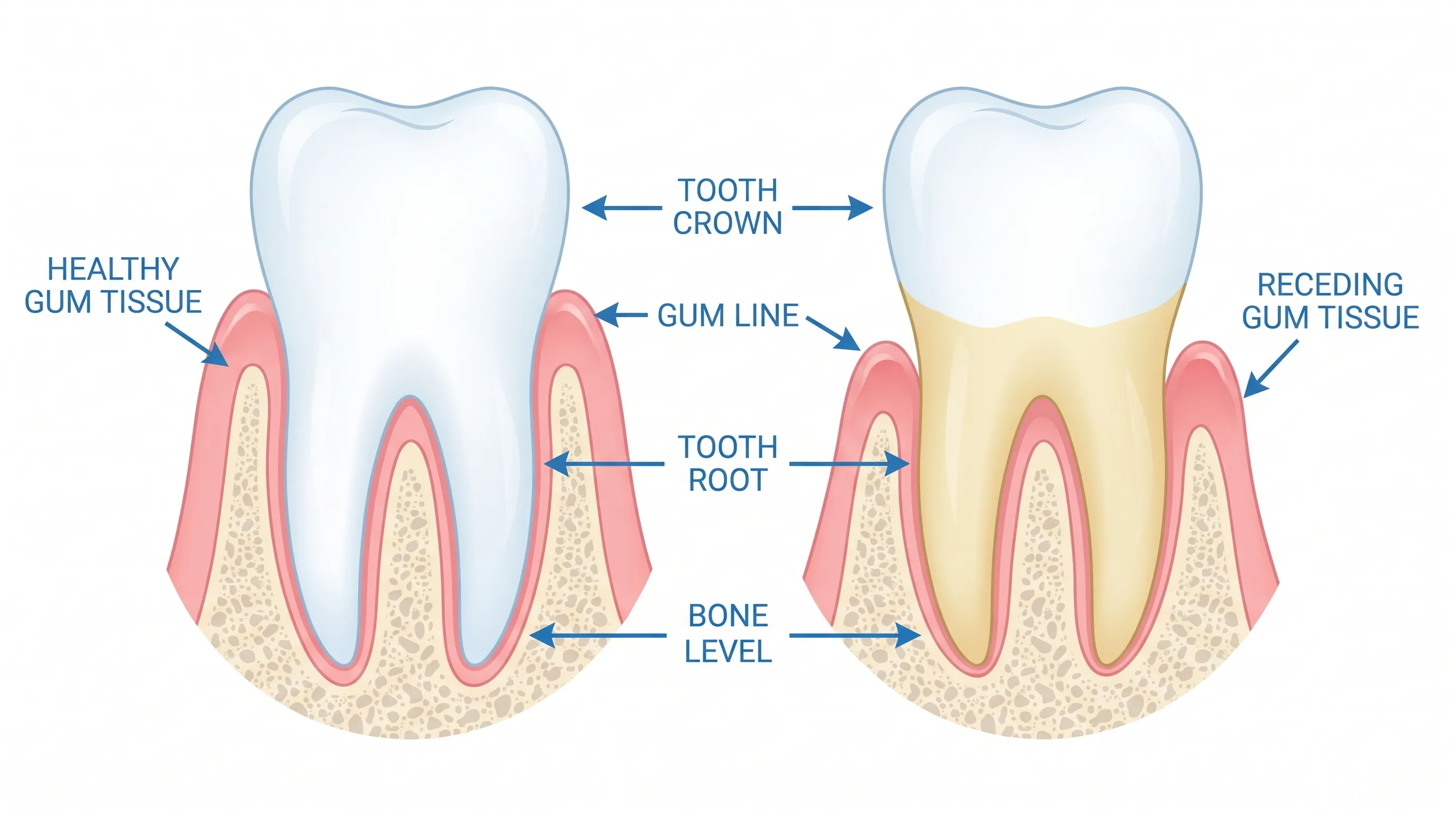
The Biological Basis of Hereditary Periodontal Susceptibility
To fully grasp why the question "is gum recession genetic" yields such significant clinical implications, we must first examine the biological substrates that are inherited. Gum recession is rarely an isolated event; it is typically the visible manifestation of underlying physiological processes governed by your genome. These processes dictate how your body builds, maintains, and defends the soft tissues surrounding your teeth.
Free calculatorTDEE CalculatorCalculate Total Daily Energy ExpenditureOpen the calculatorGingival Biotype and Tissue Architecture
One of the most direct answers to "is gum recession genetic" lies in the concept of gingival biotype. Clinicians categorize gum tissue generally into thick or thin biotypes, a classification that is largely heritable. Individuals with a thin gingival biotype possess delicate, translucent tissue with minimal keratinization and a reduced volume of underlying connective tissue. This anatomical characteristic is strongly correlated with genetic markers regulating epithelial differentiation and collagen synthesis.
Thin biotypes are inherently less resilient to physical insults. They offer less vascular supply to support healing and provide a thinner barrier against bacterial invasion. Consequently, minor traumatic events—such as vigorous brushing or orthodontic movement—that would be innocuous to a person with a thick biotype can precipitate significant recession in someone with genetically thin tissue. Studies published in authoritative journals have consistently demonstrated that gingival thickness is a familial trait, meaning if your parents have transparent, fragile gums, you likely share this structural vulnerability. This anatomical predisposition explains why some families exhibit recession patterns that seem disproportionate to their oral hygiene standards.
Collagen Metabolism and Connective Integrity
Beyond mere thickness, the quality of the connective tissue matrix is genetically determined. Type I collagen constitutes the primary structural protein of the periodontium, providing tensile strength and attachment stability. Variations in genes encoding for collagen (such as COL1A1) or enzymes involved in collagen turnover (like matrix metalloproteinases, or MMPs) can compromise tissue integrity. When investigating "is gum recession genetic," researchers have identified specific polymorphisms that lead to either overproduction of destructive MMPs or underproduction of protective tissue inhibitors.
In individuals with these genetic variants, the balance between tissue breakdown and repair is skewed toward degradation. Even low levels of bacterial challenge can trigger an exaggerated catabolic response, leading to the rapid dissolution of collagen fibers that anchor the gum to the tooth. This molecular fragility means that the threshold for initiating recession is significantly lower. Furthermore, systemic connective tissue disorders with genetic origins, such as Ehlers-Danlos syndrome, frequently present with severe, early-onset periodontal recession as a primary oral manifestation, underscoring the profound role of collagen genetics in gingival stability.
Immune-Inflammatory Response Modulation
Perhaps the most critical factor determining whether plaque accumulation leads to stable gingivitis or progressive destruction is the host immune response. This response is highly individualized and genetically regulated. The seminal research identifying Interleukin-1 (IL-1) genotype as a marker for severe periodontitis revolutionized our understanding of the query "is gum recession genetic." IL-1 is a pro-inflammatory cytokine that orchestrates bone resorption and connective tissue degradation.
Individuals possessing specific alleles of the IL-1 gene cluster produce excessive amounts of this cytokine in response to bacterial lipopolysaccharides. This hyper-inflammatory phenotype results in collateral damage to host tissues during the defense process. Essentially, the body attacks its own gum and bone structures more aggressively than necessary to clear the infection. This genetic dysregulation explains why two people with identical plaque levels can have vastly different periodontal outcomes. One may have red but intact gums, while the other experiences deep pocket formation and recession. Recognizing this immune-genetic component is vital because it shifts the therapeutic focus from solely removing bacteria to also modulating the host response.
Distinguishing Genetic Factors from Environmental Triggers
While affirming that "is gum recession genetic" is scientifically accurate, it is equally important to delineate where heredity ends and environment begins. Misattributing all recession to genetics can lead to therapeutic nihilism, while ignoring genetics can lead to frustration when standard therapies fail. A differential diagnosis approach is essential.
Mechanical Trauma vs. Biological Fragility
Mechanical recession is typically localized and associated with specific habits. Aggressive horizontal brushing, use of hard-bristled toothbrushes, nail-biting, or pencil-chewing creates physical abrasion. In contrast, genetically influenced recession often presents with a more generalized pattern or affects teeth that are prominent in the arch (canines and premolars) due to developmental positioning combined with thin biotype. However, the distinction is frequently blurred. A person with a genetically thin biotype may develop recession from brushing forces that are considered normal for the general population. In this scenario, the "is gum recession genetic" answer is yes, but only because the genetic factor lowered the resistance threshold to mechanical stress.
Bacterial Etiology and Hygiene Efficacy
Periodontal disease remains an infectious process initiated by biofilm. No amount of genetic predisposition will cause recession in a completely sterile environment. Therefore, oral hygiene efficacy remains the dominant variable. However, genetic factors influence the rate of progression once the disease is established. If you maintain impeccable hygiene but still experience attachment loss, genetic susceptibility is a likely contributor. Conversely, poor hygiene will accelerate recession regardless of genetic protection. Authoritative sources like MedlinePlus emphasize that while risk factors vary, plaque control is the universal foundation of prevention.
Systemic Health and Epigenetic Modifications
Genetics is not static; gene expression can be modified by systemic health and lifestyle through epigenetic mechanisms. Smoking, uncontrolled diabetes, and chronic stress can methylate DNA or modify histones, effectively "switching on" detrimental genes related to inflammation and tissue destruction. Thus, when asking "is gum recession genetic," one must consider that your current health behaviors are actively rewriting how your genetic blueprint is expressed. A smoker with a moderate genetic risk may phenotypically express severe disease, whereas a non-smoker with the same genotype might remain stable. This dynamic interplay highlights the importance of holistic health management in mitigating genetic risks.
Clinical Assessment and Identifying Your Risk Profile
Determining your personal answer to "is gum recession genetic" involves a combination of historical analysis and clinical evaluation. Dentists and periodontists utilize several diagnostic indicators to assess hereditary susceptibility.
Family History Analysis
The simplest yet most powerful screening tool is a detailed family history. Early-onset tooth loss in parents or siblings, especially before age 50, is a strong predictor of genetic susceptibility. Patterns of recession across multiple generations suggest a heritable biotype or immune trait. Patients should be encouraged to gather this information, as it guides the frequency of recall visits and the aggressiveness of preventive interventions.
Phenotypic Markers in the Oral Cavity
Clinical examination reveals phenotypic expressions of genetic risk. Key indicators include:
- Gingival Transparency: Visibility of the underlying root surface or blood vessels through the marginal gingiva indicates a thin biotype.
- Frenal Attachments: High frenum attachments pulling directly on the marginal tissue are often developmental and genetically linked, creating tension that predisposes to recession.
- Tooth Position: Labially positioned teeth (teeth pushed forward in the bone) often have naturally thinner bone and gum plates on the facial aspect, a skeletal pattern with genetic underpinnings.
- Response to Previous Therapy: Poor response to conventional scaling and root planing despite good compliance may signal a resistant genetic profile requiring adjunctive therapies.
Advanced Diagnostic Testing
For complex cases, salivary or buccal swab genetic tests can identify specific polymorphisms associated with periodontal disease severity. While not routinely indicated for every patient, these tests provide objective data to answer "is gum recession genetic" for individuals with unexplained disease activity. Results can inform personalized treatment plans, including the selection of anti-inflammatory medications or more intensive maintenance schedules. Resources available through PubMed continue to validate the utility of these biomarkers in stratifying patient risk.
Evidence-Based Management Strategies for Genetically Susceptible Gums
Accepting that "is gum recession genetic" applies to your situation should not induce resignation; rather, it should catalyze a proactive, tailored management strategy. Because your margin for error is smaller, your preventive and therapeutic protocols must be more precise.
Modified Oral Hygiene Protocols
Standard advice may be insufficient or even harmful for genetically susceptible individuals. Those with thin biotypes must adopt ultra-gentle techniques:
- Brush Selection: Use only extra-soft bristles. Electric toothbrushes with pressure sensors are highly recommended to prevent inadvertent force application.
- Technique Modification: The Bass method (vibrating at the gumline) should be performed with minimal pressure. Avoid scrubbing motions entirely.
- Interdental Cleaning: Floss should be inserted gently against the tooth surface, never snapped down. Water flossers or interdental brushes sized appropriately for embrasure spaces can reduce mechanical trauma while maintaining cleanliness.
- Chemical Adjuncts: Since mechanical cleaning carries higher risk, chemical plaque control becomes more valuable. Prescription chlorhexidine rinses (short-term) or essential oil mouthrinses can reduce bacterial load without physical abrasion.
Professional Maintenance Intervals
The standard six-month recall is based on population averages, not genetic outliers. Individuals with confirmed genetic susceptibility often benefit from three-to-four-month maintenance intervals. This increased frequency allows for early detection of inflammation before it translates to attachment loss. It also enables professionals to perform subgingival debridement before calculus becomes tenacious, reducing the need for aggressive instrumentation that could traumatize fragile tissues.
Host Modulation Therapy
For patients whose answer to "is gum recession genetic" involves hyper-inflammatory genotypes, host modulation therapy (HMT) represents a paradigm shift. Medications like sub-antimicrobial dose doxycycline inhibit MMP activity without acting as antibiotics. By dampening the destructive enzymatic response, HMT addresses the genetic root cause of tissue breakdown. This pharmacological approach complements mechanical therapy, protecting the collagen matrix from the patient's own immune system.
Lifestyle Optimization as Gene Regulation
Because epigenetics links lifestyle to gene expression, optimizing systemic health is a direct treatment for genetic risk. Smoking cessation is non-negotiable; tobacco use synergizes with genetic risk factors to exponentially increase recession severity. Dietary modifications rich in antioxidants (Vitamin C, CoQ10) support collagen synthesis and combat oxidative stress. Stress management reduces cortisol-mediated immunosuppression. These interventions effectively "turn down the volume" on detrimental genetic expression.
Surgical and Regenerative Options for Hereditary Defects
When preventive measures stabilize the disease but fail to restore aesthetics or function, surgical intervention becomes necessary. The success of these procedures is also influenced by the very genetic factors that caused the recession.
Grafting Techniques and Biotype Considerations
Connective tissue grafts (CTG) remain the gold standard for treating recession. However, in genetically thin biotypes, the recipient bed may be less receptive. Surgeons may opt for thicker grafts or combine CTG with enamel matrix derivatives to enhance regeneration. Understanding "is gum recession genetic" helps surgeons set realistic expectations; complete root coverage is less predictable in genetically compromised sites compared to sites with adequate native tissue.
Minimally Invasive Approaches
To respect fragile genetics, minimally invasive techniques like the Pinhole Surgical Technique or tunneling approaches avoid large incisions and preserve blood supply. These methods reduce post-operative morbidity and scarring, which is particularly beneficial for patients with poor healing genotypes. The reduced trauma aligns with the biological limitations imposed by heredity.
Long-Term Stability and Monitoring
Surgical correction is not a cure for genetic susceptibility. Recurrence is possible if the underlying drivers persist. Post-surgical patients require lifelong monitoring and strict adherence to modified hygiene protocols. Regular photographic documentation allows for objective tracking of tissue stability over decades. This vigilance ensures that the investment in regenerative surgery yields lasting dividends despite genetic headwinds.
Comparative Analysis: Genetic vs. Acquired Recession
Understanding the distinctions between etiologies aids in diagnosis and patient education. The following table summarizes key differences to clarify when "is gum recession genetic" is the primary driver versus secondary factors.
| Feature | Primarily Genetic/Etiology | Primarily Acquired/Mechanical Etiology |
|---|---|---|
| Onset Age | Often earlier (teens/20s) or correlates with hormonal changes | Typically later, cumulative over decades |
| Distribution | Generalized or symmetrical; affects prominent roots | Localized to specific teeth/sites of trauma |
| Tissue Biotype | Frequently thin, translucent, fragile | Can occur in any biotype; often thick with abrasion |
| Plaque Correlation | Disproportionate destruction relative to plaque | Destruction correlates directly with local irritants |
| Family History | Strong positive history in multiple generations | Negative or inconsistent family history |
| Response to Hygiene | Continued loss possible despite good hygiene | Stabilization usually achieved with habit modification |
| Treatment Focus | Host modulation, gentle maintenance, grafting | Habit cessation, occlusal adjustment, restoration |
This comparison illustrates that while acquired factors are modifiable through behavioral change, genetic factors require adaptation and management. The overlap zone—where genetics sensitizes tissue to acquisition—is where most clinical challenges arise.

Frequently Asked Questions
If my parents had gum recession, will I definitely get it too?
Not necessarily. While genetics play a significant role in your susceptibility to periodontal disease and tissue fragility, they are not a destiny. Research indicates that genetic factors account for approximately 50% of the variability in periodontal health. The remaining risk is determined by environmental factors such as oral hygiene habits, smoking status, diet, and stress levels. Even with a high genetic predisposition, meticulous oral care and regular professional maintenance can significantly delay or prevent the onset of clinical gum recession.
Can genetic testing predict my risk for gum recession?
Genetic testing for periodontal disease exists and can identify specific markers, such as variations in Interleukin-1 (IL-1) genes, which are associated with increased inflammatory responses. However, these tests are typically adjunctive diagnostic tools rather than definitive predictors. They are most useful for patients with aggressive periodontitis or those who do not respond to standard therapy despite good hygiene. For the general population, clinical assessment of family history and current periodontal status remains the gold standard for risk evaluation.
Is gum recession caused by genetics reversible?
Gum tissue that has physically receded due to genetic thinness or disease does not grow back naturally, regardless of the cause. Once the attachment apparatus is lost, regeneration requires surgical intervention such as gum grafting or guided tissue regeneration. However, if the recession is actively progressing due to genetically influenced inflammation, stabilizing the condition through targeted therapy can halt further loss. The goal shifts from reversal to stabilization and restoration.
How does genetics influence the effectiveness of gum recession treatments?
Genetic profiles can influence wound healing capacity and immune modulation, which directly impacts surgical outcomes. Patients with certain genetic polymorphisms may experience slower healing or higher rates of graft failure. Additionally, individuals with genetically driven hyper-inflammatory responses may require more frequent maintenance visits and adjunctive pharmacotherapy to maintain treatment results. Understanding your genetic baseline helps periodontists tailor post-operative care and long-term maintenance protocols to maximize success rates.
What is the difference between genetic gum recession and mechanical recession?
Mechanical recession is primarily caused by external physical trauma, such as aggressive toothbrushing, abrasive toothpaste, or ill-fitting dental appliances, often occurring in localized areas. Genetic gum recession, conversely, stems from intrinsic biological factors like thin gingival biotype, altered collagen metabolism, or immune dysregulation, and typically presents with a more generalized pattern or disproportionate severity relative to local irritants. Many cases are multifactorial, where a genetically thin biotype makes the gums more susceptible to mechanical damage.
Conclusion
The inquiry "is gum recession genetic" unlocks a deeper understanding of periodontal health that transcends simplistic causality. The evidence is unequivocal: genetics significantly influence gingival biotype, collagen integrity, and immune responsiveness, thereby establishing a baseline susceptibility for millions of individuals. However, this genetic blueprint is merely a starting point, not a fixed endpoint. The expression of these hereditary traits is contingent upon a lifetime of interactions with oral hygiene practices, systemic health, and environmental exposures. Recognizing your genetic risk is not a sentence to inevitable tooth loss; it is actionable intelligence that empowers you to customize your preventive care.
By adopting ultra-gentle hygiene techniques, adhering to intensified maintenance schedules, considering host modulation therapies, and optimizing overall health, you can effectively mitigate genetic vulnerabilities. Modern dentistry offers sophisticated diagnostic and regenerative tools specifically designed to manage hereditary periodontal conditions. The synergy between patient awareness and professional expertise transforms genetic risk from a passive threat into a manageable clinical parameter. Ultimately, while you cannot change your DNA, you possess profound agency over your oral health destiny. Embrace this knowledge, partner closely with your dental team, and commit to the personalized strategies that will preserve your smile for decades to come. The answer to "is gum recession genetic" is yes, but the answer to "is gum recession preventable" is also a resounding yes for those willing to adapt their care to their unique biological reality.
How we work
Researched and drafted with AI assistance, then reviewed by a human editor against the cited sources.
This article is general health information, not medical advice. Consult a qualified healthcare professional about your own situation.