The Most Highly Caffeinated Tea: A Complete Scientific Guide to Energy, Safety, and Brewing
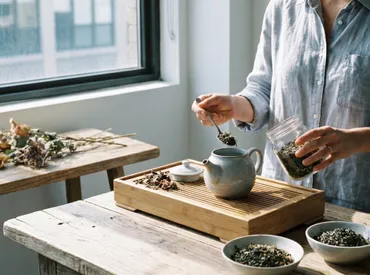
Every morning ritual begins with a choice: reach for a quick synthetic boost or cultivate sustained, natural vitality. For millions seeking an energizing alternative to traditional coffee, identifying the most highly caffeinated tea has become a cornerstone of modern wellness routines. Unlike energy drinks or synthetic supplements, premium tea leaves deliver caffeine alongside a complex matrix of antioxidants, amino acids, and polyphenols that support neurological health, cardiovascular function, and metabolic efficiency. The National Institutes of Health notes that these bioactive compounds work synergistically to promote long-term cellular health. Understanding which varieties truly deliver the highest caffeine concentration requires moving past marketing claims and examining botanical science, agricultural processing, and extraction kinetics. This comprehensive guide explores the physiological impact of high-caffeine teas, evaluates the top botanical contenders, explains precise brewing methodologies, and provides evidence-based safety frameworks. Whether you are an endurance athlete, a knowledge worker navigating long focus blocks, or simply someone optimizing daily vitality, mastering the science behind the most highly caffeinated tea ensures you harness its full potential without compromising long-term wellness.
Understanding Tea Caffeine Content and Extraction Science
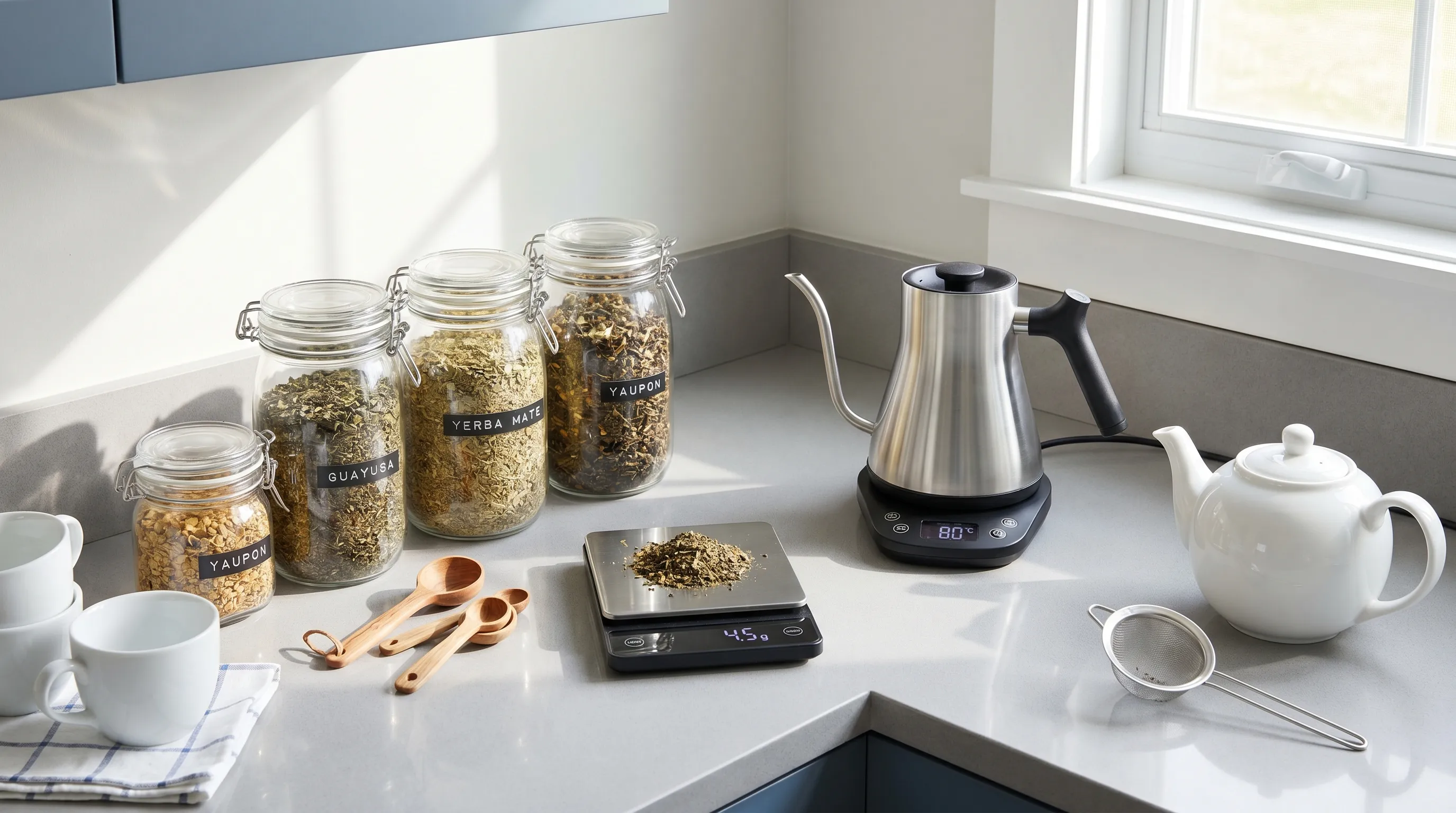
Caffeine, chemically known as 1,3,7-trimethylxanthine, functions as a central nervous system stimulant by competitively antagonizing adenosine receptors in the brain. When adenosine binds to its receptors, it promotes drowsiness and slows neural firing. Caffeine occupies these binding sites without activating them, effectively delaying fatigue and enhancing alertness. The Mayo Clinic outlines how this receptor blockade translates to sustained cognitive and physical performance. In the tea world, caffeine concentration is not a fixed value; it is a dynamic variable shaped by plant genetics, growing conditions, harvest timing, and post-harvest processing. The most highly caffeinated tea is never determined by a single leaf specimen but rather by how that leaf is cultivated and transformed into a consumable beverage.
Tea plants naturally produce caffeine as a defense mechanism against herbivorous insects and as a competitive growth advantage in dense forest canopies. Younger leaves and apical buds contain higher concentrations of this alkaloid than mature, older foliage. This biological reality explains why plucking standards significantly impact final caffeine levels. First-flush harvests, which prioritize the tender top two leaves and a bud, inherently deliver more caffeine than bulkier, lower-canopy leaves collected during second or third flushes. Understanding this botanical hierarchy is essential when evaluating commercial blends and selecting authentic, high-potency products.
How Processing Alters Caffeine Availability
The transformation of fresh tea leaves into a stable beverage involves multiple biochemical pathways. Withering reduces moisture content and initiates mild enzymatic oxidation. Rolling or crushing disrupts cell walls, allowing intracellular enzymes to interact with atmospheric oxygen. The oxidation level then determines the tea classification: white (minimal oxidation), green (prevented oxidation), oolong (partial oxidation), black (full oxidation), and dark (post-fermentation like pu-erh). Contrary to popular belief, oxidation itself does not create or destroy caffeine; it modifies the chemical environment in which caffeine is extracted during brewing. Fully oxidized black teas often yield faster, more robust caffeine extraction due to structural cell wall degradation, making them ideal candidates when searching for the most highly caffeinated tea in commercial markets.
Orthodox processing preserves whole leaves, resulting in slower, more gradual caffeine release. Conversely, CTC (Crush, Tear, Curl) manufacturing fractures leaves into uniform granules, dramatically increasing surface area and accelerating extraction kinetics. This industrial technique explains why many breakfast blends deliver intense, immediate stimulation despite identical raw leaf origins. When evaluating potency, the particle size and structural integrity of the dried material matter just as much as the botanical classification.
The Role of Brewing Parameters and Temperature
Caffeine is highly soluble in hot water, but extraction follows a predictable saturation curve. Water temperature acts as the primary driver of kinetic energy. Brewing at 95 to 100 degrees Celsius maximizes solubility and breaks down cellular matrices rapidly, while lower temperatures (70 to 80 degrees Celsius) preserve delicate amino acids and polyphenols but yield slower caffeine release. The steeping duration, leaf-to-water ratio, and even water mineral content influence final concentration. Hard water with high calcium and magnesium levels can bind to caffeine and polyphenols, slightly reducing bioavailability. Using filtered, soft water ensures consistent extraction and optimal taste.
Practical advice: To maximize caffeine extraction without introducing excessive bitterness, use precisely measured water temperatures between 90 and 96 degrees Celsius, steep whole-leaf varieties for 3 to 5 minutes, and agitate the leaves gently after 2 minutes to encourage uniform infusion. Avoid squeezing tea bags or over-extracting, as this releases high levels of tannins that interfere with caffeine absorption and may cause gastric discomfort.
The Top Contenders for the Most Highly Caffeinated Tea
When consumers research energy-boosting botanicals, they quickly discover that not all energizing infusions originate from Camellia sinensis. Several South American holly family species have gained global recognition for their potent alkaloid profiles. Simultaneously, traditional Japanese and Indian processing techniques produce Camellia-based varieties that naturally concentrate caffeine through specialized cultivation. Identifying the most highly caffeinated tea requires distinguishing botanical families, examining preparation formats, and acknowledging regional agricultural traditions.
Guayusa and Yerba Mate: South American Energy Traditions
Guayusa (Ilex guayusa) and yerba mate (Ilex paraguariensis) belong to the Aquifoliaceae family rather than the tea plant family, yet they are universally categorized within the caffeinated tea market due to their traditional brewing methods and cultural usage. Guayusa leaves contain approximately 40 to 60 milligrams of caffeine per eight-ounce serving, alongside notable concentrations of chlorogenic acids, quercetin, and theophylline. Indigenous Kichwa communities in the Ecuadorian Amazon have consumed guayusa for millennia as a pre-dawn clarity enhancer, valuing its smooth energy curve and lack of digestive irritation.
Yerba mate, cultivated extensively across Argentina, Uruguay, Paraguay, and Southern Brazil, typically delivers 65 to 80 milligrams per serving. Its caffeine matrix includes saponins, chlorophyll, and over nineteen distinct amino acids. Traditional preparation involves steeping dried, chopped leaves in a gourd with a metal straw, though modern tea bags and loose-leaf formats dominate global markets. Both species provide sustained stimulation due to the combined action of caffeine, theobromine, and trace theophylline, creating a balanced neurological response that outlasts synthetic energy beverages.
Matcha and Gyokuro: Concentrated Japanese Ceremonial Blends
Matcha represents a fundamentally different approach to caffeine delivery. Instead of steeping whole leaves and discarding them, consumers ingest the entire finely ground leaf suspended in hot water. Shade-grown for approximately three to four weeks before harvest, the tea plants respond to reduced sunlight by increasing chlorophyll and L-theanine production while preserving caffeine concentration in the apical buds. A single two-gram serving of ceremonial-grade matcha contains roughly 70 to 80 milligrams of caffeine, but because the entire leaf is consumed, the actual bioavailable dose aligns closer to high-potency loose-leaf extracts.
Gyokuro employs a similar shading technique but is steeped traditionally at lower temperatures (60 degrees Celsius) for two to three minutes. While the infusion method yields less caffeine per cup than matcha, the concentrated leaf chemistry still ranks gyokuro among the most highly caffeinated tea varieties available in orthodox formats. Both Japanese teas demonstrate how agricultural manipulation and processing tradition can elevate natural alkaloid concentrations without artificial additives.
Pu-Erh and Robust Black Tea Varieties: Fermentation and Strength
Black teas from Assam, Ceylon, and Kenya consistently rank high in caffeine extraction due to their cultivar genetics and climate conditions. Assamica varietals naturally contain higher baseline caffeine than Sinensis cultivars. When processed using orthodox methods and steeped at boiling temperatures, Assam breakfast blends routinely yield 50 to 75 milligrams per eight-ounce serving. Pu-erh, a post-fermented dark tea from Yunnan, undergoes microbial aging that transforms polyphenol structures but preserves caffeine content. Raw sheng pu-erh delivers faster caffeine release, while aged ripe shou pu-erh provides slower, more sustained stimulation alongside probiotic-derived metabolites.
Practical advice: When selecting high-potency commercial blends, verify the cultivar origin, processing style, and harvest season. First-flush black teas and ceremonial-grade matcha consistently deliver the highest reliable caffeine concentrations without resorting to synthetic fortification. Always check for transparent sourcing and third-party laboratory testing to ensure purity and accurate labeling.
Health Benefits and Physiological Impacts of High-Caffeine Teas
Consuming caffeine in isolation triggers predictable neurological responses, but tea delivers a polyphenol-rich delivery system that modulates absorption and extends systemic benefits. Research consistently demonstrates that regular tea drinkers experience improved endothelial function, enhanced insulin sensitivity, and reduced oxidative stress markers. Understanding how caffeine interacts with other phytochemicals clarifies why the most highly caffeinated tea often outperforms concentrated supplements in long-term health outcomes.
Antioxidant Synergy and Cellular Protection
Theaflavins in oxidized black teas and catechins in unoxidized green teas neutralize reactive oxygen species, protecting cellular membranes and mitochondrial DNA from oxidative damage. Caffeine itself exhibits antioxidant properties, enhancing the overall radical-scavenging capacity of tea infusions. When combined with vitamin C from citrus additions or flavonoids from herbs, the antioxidant network becomes even more robust. Studies indicate that consistent tea consumption correlates with reduced inflammatory biomarkers like C-reactive protein, particularly when consumed without refined sugars or heavy dairy additions.
Cognitive Enhancement and Mental Clarity
The combination of caffeine and L-theanine creates a unique neurochemical environment that supports sustained attention without excessive sympathetic nervous system activation. Functional MRI studies reveal increased alpha brain wave coherence when subjects consume matcha or high-theanine green teas. This state correlates with improved working memory, faster reaction times, and enhanced visual-spatial processing. Clinical reviews highlight how this amino acid-stimulant synergy promotes calm, focused alertness. For professionals managing long cognitive loads, integrating tea-based stimulation during mid-morning and early afternoon windows prevents the late-afternoon energy collapse commonly associated with coffee-only protocols.
Cardiovascular Effects and Blood Pressure Regulation
Moderate caffeine intake supports transient blood flow enhancement and endothelial nitric oxide release. Regular consumption of black and oolong teas has been associated with favorable lipid profile modulation, including modest reductions in LDL cholesterol oxidation susceptibility. According to the Cleveland Clinic, moderate caffeine intake is generally safe and may support vascular health when consumed responsibly. However, individuals with uncontrolled hypertension or arrhythmias should monitor intake closely, as acute caffeine exposure temporarily increases heart rate and vascular resistance. The vasodilatory properties of tea polyphenors gradually offset these acute effects, creating a net neutral or positive cardiovascular impact when consumed responsibly.
Practical advice: Pair high-caffeine teas with antioxidant-rich foods like berries, nuts, or dark leafy greens to amplify cellular protection. Maintain consistent hydration alongside tea consumption, as caffeine has mild diuretic properties that require fluid replacement to sustain optimal cognitive and cardiovascular function.
Potential Risks and Caffeine Sensitivity Management
While tea delivers unparalleled phytochemical complexity, caffeine remains a pharmacologically active compound that demands respect and moderation. Individual tolerance varies dramatically based on genetics, age, body composition, and lifestyle factors. Recognizing early warning signs and implementing structured intake protocols prevents negative side effects while preserving the energizing benefits of high-potency teas.
Identifying Overconsumption and Adverse Symptoms
Exceeding personal caffeine thresholds typically manifests as tremors, gastrointestinal distress, heart palpitations, or disrupted sleep architecture. Sleep fragmentation is the most common consequence of late-day consumption, particularly in individuals with slower CYP1A2 metabolic pathways. The half-life of caffeine ranges from three to seven hours in healthy adults, meaning a four-ounce serving consumed at 4:00 PM may retain significant neurological activity by 10:00 PM. The CDC emphasizes that caffeine timing directly impacts sleep architecture and circadian alignment. Tracking intake using digital journals or wearable device correlation helps establish personal baseline tolerances.
Managing Intolerance and Gradual Adaptation
Individuals experiencing sensitivity should not abandon high-quality tea entirely. Instead, they should adopt progressive loading strategies. Begin with one-quarter servings during early morning hours, gradually increasing volume over two to three weeks while monitoring sleep quality and resting heart rate. Incorporating decaffeinated or low-caffeine alternatives during late afternoon transitions supports natural cortisol decline. Additionally, pairing tea with complex carbohydrates slows absorption curves, reducing peak plasma concentrations and minimizing nervous system overload.
Medication Interactions and Underlying Conditions
Caffeine competes for hepatic metabolism alongside numerous pharmaceuticals, including certain antibiotics, antidepressants, and cardiovascular medications. NIH clinical resources detail how caffeine can alter drug metabolism pathways, necessitating professional consultation. Pregnancy guidelines recommend limiting intake to 200 milligrams daily due to placental transfer and fetal metabolic immaturity. Individuals with gastroesophageal reflux disease may experience increased acid production from high-caffeine beverages, necessitating lower-steep times or blended herbal alternatives. Always consult a healthcare provider when integrating concentrated botanical stimulants into a medically managed treatment plan.
Practical advice: Implement a caffeine cutoff time of 2:00 PM to protect circadian rhythm integrity. If experiencing anxiety or insomnia, reduce leaf quantity by 30 percent before eliminating consumption entirely. Use alkaline water filters to reduce acidity, and avoid consuming tea on an empty stomach to protect gastric mucosa integrity.
How to Choose and Prepare High-Caffeine Teas for Optimal Results
Sourcing quality tea requires navigating fragmented supply chains and understanding agricultural standards. The global tea market contains numerous blends that misrepresent origin, processing methods, and actual caffeine content. Developing a reliable procurement strategy ensures you receive authentic, high-potency products free from heavy metals, pesticide residues, and filler materials.
Sourcing Quality and Organic Certifications
Prioritize single-origin teas with transparent harvest dates and verified organic certifications. Look for third-party laboratory testing confirming heavy metal and mycotoxin compliance, particularly for pu-erh and aged dark teas that undergo extended fermentation. Fair-trade certifications indicate ethical labor practices, though they do not guarantee caffeine potency. Contact specialty vendors directly to request cultivation details, flush season information, and storage protocols. Properly stored tea retains volatile compounds and alkaloid stability far longer than improperly packaged alternatives exposed to humidity and direct sunlight.
Optimal Steeping Times and Water Ratios
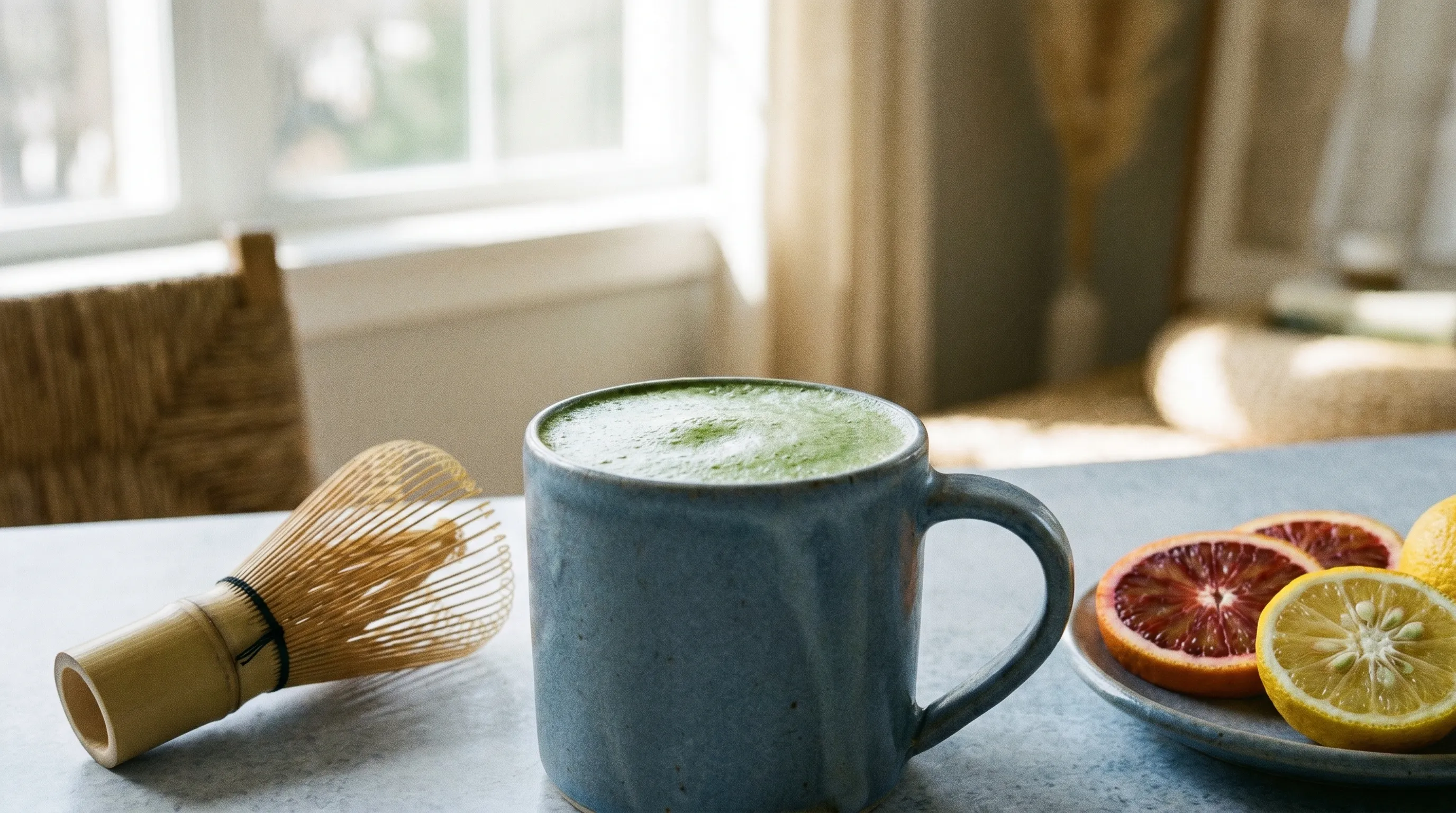
Achieving consistent caffeine extraction requires precision tools rather than guesswork. A digital kitchen scale, gooseneck kettle with temperature control, and timer transform preparation from ritual to science. Standard ratios recommend two to three grams of tea per eight ounces of water. Boiling water suits black teas, guayusa, and robust yerba mate. Green teas and matcha perform optimally at 70 to 85 degrees Celsius to preserve L-theanine and prevent catechin degradation. Steeping beyond five minutes increases tannin concentration without significantly boosting caffeine levels, so timing discipline remains essential.
Daily Dosage Guidelines for Safe Consumption
Structuring daily intake around circadian biology maximizes benefits and minimizes tolerance buildup. Consume primary servings between 7:00 and 10:00 AM when cortisol naturally rises, creating synergistic alertness. Avoid stacking tea with additional stimulants like guarana or yerba mate extracts unless carefully calculated. Cycling intake by taking one to two days off per week prevents receptor desensitization and maintains consistent response patterns. Individuals engaging in endurance training can utilize pre-ride tea consumption for improved fatty acid oxidation, while sedentary workers should monitor posture and hydration to counteract prolonged sitting stress.
Practical advice: Maintain a brewing log documenting leaf weight, water temperature, steep duration, and subjective energy response. Adjust ratios incrementally until optimal stimulation without adverse symptoms is achieved. Store dried leaves in airtight, opaque containers away from heat sources to preserve alkaloid stability and prevent oxidative degradation.
Caffeine Comparison Across Popular Tea Varieties
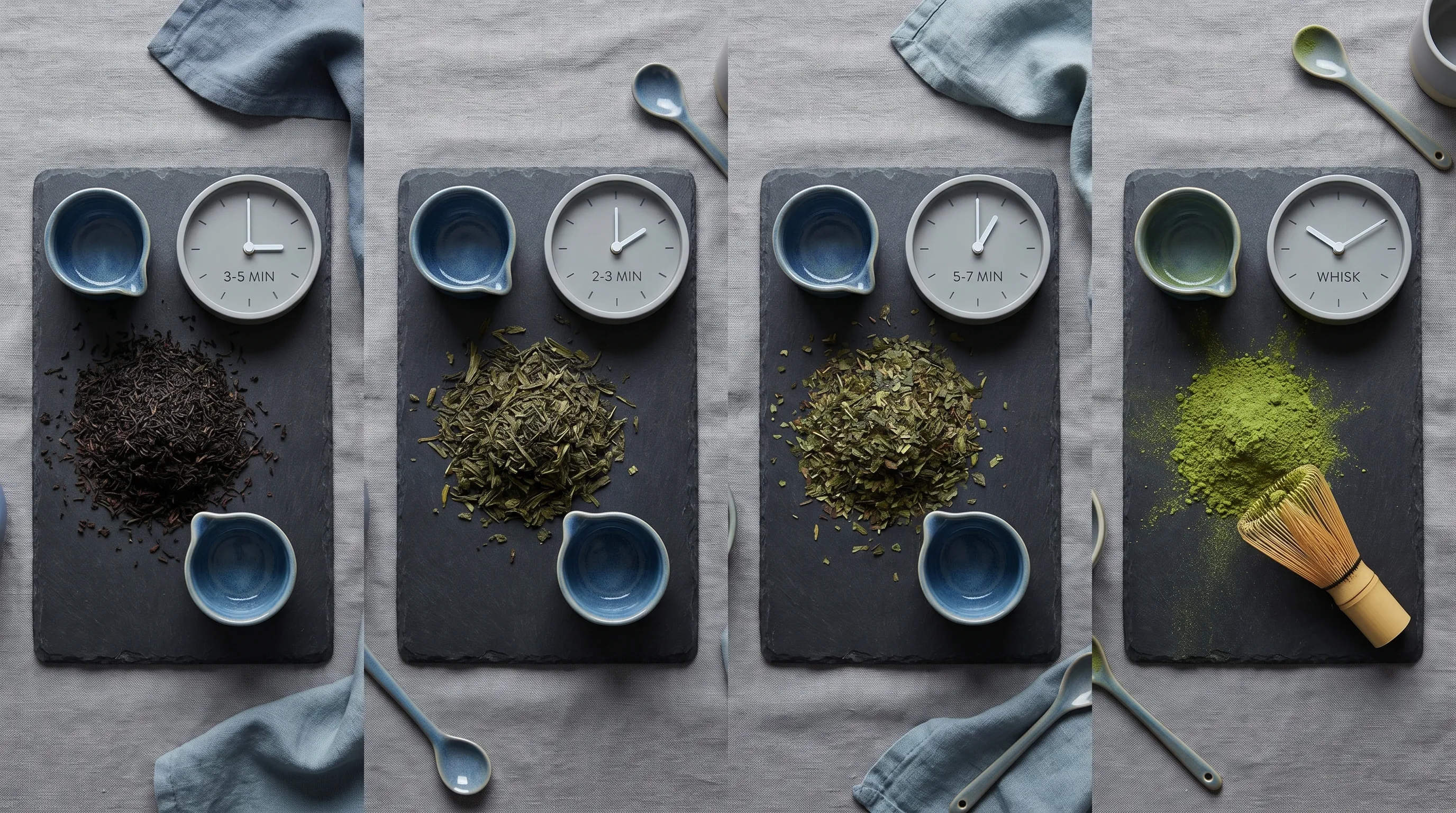
Evaluating caffeine concentration requires standardized measurement parameters. The following table compares common varieties using an eight-ounce serving size, standard steeping conditions, and average alkaloid yields based on published phytochemical analyses:
| Tea Variety | Average Caffeine (mg/8oz) | Primary Processing Style | Optimal Brew Temp | Notable Compounds |
|---|---|---|---|---|
| Guayusa | 40–60 | Dried leaf infusion | 95–100°C | Chlorogenic acids, saponins |
| Yerba Mate | 65–80 | Cut leaf & stem | 90–95°C | Theobromine, polyphenols |
| Matcha | 70–80 (entire leaf) | Stone-ground powder | 75–85°C | L-theanine, EGCG, catechins |
| Assam Black Tea | 50–75 | Fully oxidized CTC/orthodox | 95–100°C | Theaflavins, quercetin |
| Sencha Green Tea | 20–45 | Steamed, unoxidized | 75–80°C | Gallic acid, vitamin C |
| Oolong Tea | 30–50 | Partial oxidation | 85–90°C | Catechins, theasinensins |
These values represent standard laboratory extractions and may fluctuate based on agricultural variables, harvest timing, and individual preparation techniques. When evaluating the most highly caffeinated tea for personal use, prioritize consistent sourcing over absolute milligram claims, as natural agricultural variation ensures batch-to-batch differences.
Frequently Asked Questions
Is the most highly caffeinated tea safe to drink daily?
Yes, when consumed within established safety guidelines. Health experts, including those at the Mayo Clinic, recommend capping daily caffeine intake at 400 milligrams for most healthy adults. Teas like guayusa, yerba mate, and matcha fall well within safe limits when prepared according to standard serving sizes. Individual tolerance, genetics, and health conditions should be considered.
How does L-theanine affect the caffeine experience in tea?
L-theanine is an amino acid naturally present in Camellia sinensis that promotes alpha brain wave activity. It modulates caffeine absorption by preventing rapid spikes, resulting in calm, sustained focus rather than the jittery energy associated with isolated synthetic caffeine. This synergy is especially prominent in shade-grown teas like matcha and gyokuro.
Does steeping time increase caffeine extraction?
Yes, longer steeping times extract more caffeine, though the curve diminishes after the first few minutes. Approximately 70-80 percent of available caffeine is released within the first 3 to 5 minutes in hot water. However, over-steeping also increases tannin extraction, which can lead to bitterness and potential gastrointestinal discomfort.
Can caffeine from tea interfere with medication absorption?
Caffeine can interact with certain medications, including some antibiotics, thyroid replacements, and blood thinners. It may also alter the metabolism of drugs processed by the cytochrome P450 enzyme system. Always consult a healthcare provider before combining high-caffeine teas with prescription medications or supplements.
Are there teas with zero caffeine that still provide energy?
True caffeine-free options like rooibos, peppermint, and ginger do not stimulate the central nervous system like caffeine does, but they can support natural energy through hydration, improved circulation, and blood sugar stabilization. Herbal adaptogens like holy basil or ashwagandha may also support stress resilience without caffeine dependency.
Conclusion
Selecting the most highly caffeinated tea involves navigating botanical science, agricultural tradition, and personalized physiology rather than chasing isolated milligram claims. Premium guayusa, yerba mate, matcha, and robust black tea varieties consistently deliver concentrated alkaloid profiles while preserving a complex network of polyphenols, amino acids, and protective antioxidants. By understanding how cultivar genetics, processing techniques, and precise brewing parameters influence caffeine bioavailability, consumers can optimize their daily intake for sustained mental clarity, metabolic efficiency, and long-term wellness. Implementing structured consumption schedules, monitoring individual tolerance thresholds, and prioritizing transparent sourcing ensures that high-caffeine teas serve as reliable, health-supporting tools rather than sources of unnecessary stress. Whether you are transitioning from synthetic energy supplements or refining an existing ritual, evidence-based preparation and mindful moderation remain the foundation of safe, effective tea integration. Start with verified single-origin products, measure your brewing variables carefully, and adjust gradually to discover the precise formulation that aligns with your circadian biology and performance goals.
How we work
Researched and drafted with AI assistance, then reviewed by a human editor against the cited sources.
This article is general health information, not medical advice. Consult a qualified healthcare professional about your own situation.