Does Vape Stain Your Teeth? The Truth About Vaping and Dental Health

Key points
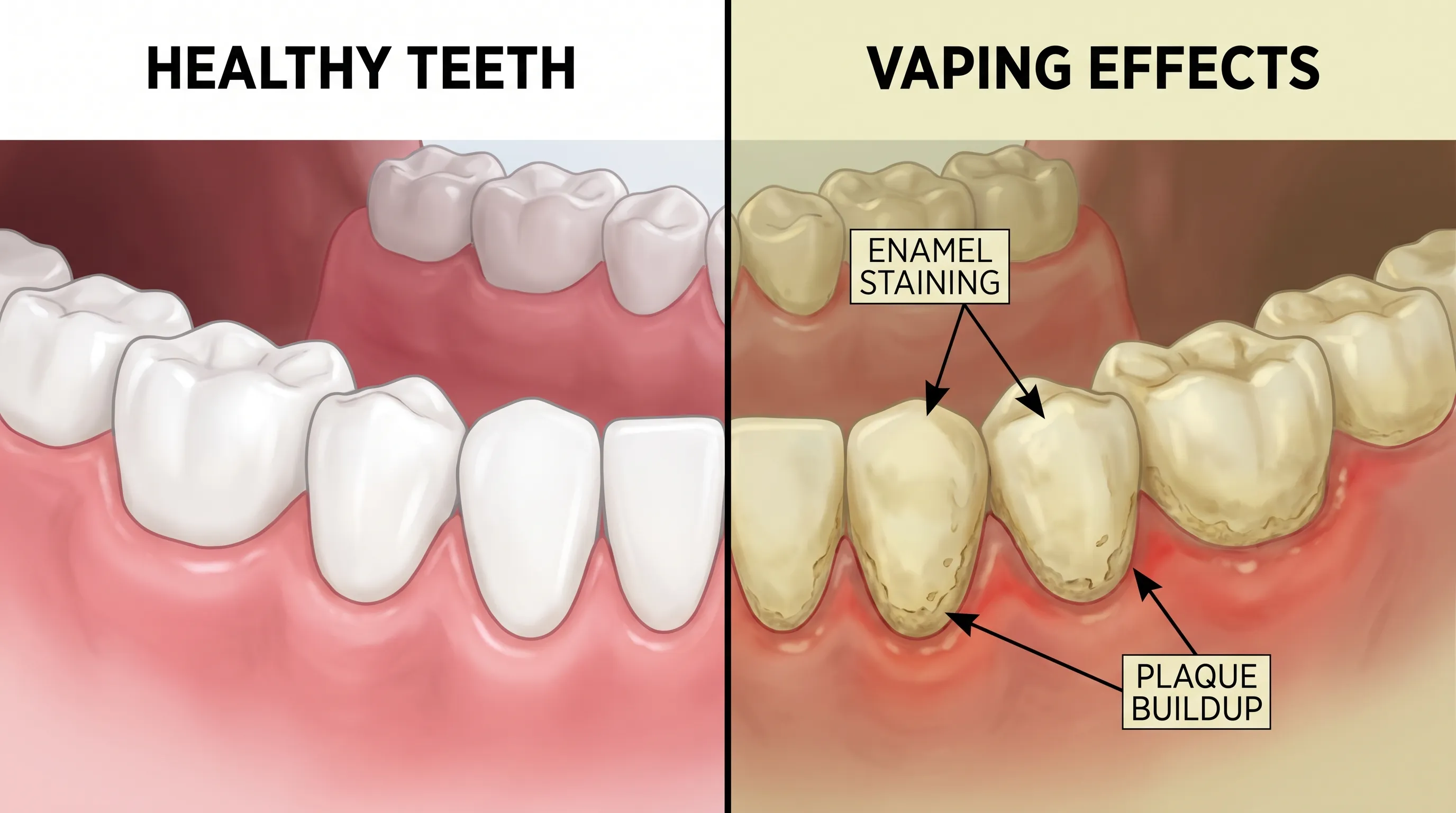
- Yellowing: A gradual shift from white to yellow, particularly near the gum line or between teeth.
- Plaque Buildup: Increased visibility of fuzzy, white or yellow film on teeth, especially after waking up.
- Gum Changes: Gums that appear pale, purple, or swollen rather than a healthy coral pink. Receding gums that make teeth look longer.
- White Spots: Early signs of demineralization or enamel erosion, appearing as chalky white patches on the tooth surface.
The rise of electronic cigarettes has transformed the landscape of nicotine consumption, offering many users a perceived safer alternative to traditional combustible tobacco. As millions of people make the switch, a common question arises among both new and experienced users: does vape stain your teeth? The allure of vaping often lies in its cleanliness—no ash, no lingering smoke smell on clothes, and seemingly clearer lungs. However, the impact on oral aesthetics is a nuanced topic that requires a deeper dive into dental science.
Many individuals assume that because vaping does not involve tar—the primary culprit behind the stubborn brown stains associated with smoking—it is completely harmless to tooth color. This assumption, while partially grounded in truth, overlooks the complex chemical interactions occurring within the mouth during vaping. The reality is that while the staining mechanism differs from that of cigarettes, the potential for discoloration, enamel erosion, and broader oral health issues remains significant. Understanding these risks is crucial for anyone concerned about maintaining a bright, healthy smile while using e-cigarettes.
This comprehensive guide explores the scientific evidence behind vaping and dental health. We will examine the specific ingredients in e-liquids that contribute to staining, the role of nicotine in oral discoloration, and the secondary effects such as dry mouth and gum disease that exacerbate aesthetic issues. By the end of this article, you will have a clear understanding of whether vape stains your teeth, how it compares to smoking, and actionable strategies to mitigate any negative effects on your oral hygiene.
The Chemistry of Vaping: What’s in the Cloud?
To understand if vaping causes stains, we must first dissect what is actually being inhaled and deposited in the oral cavity. Unlike traditional cigarettes, which burn tobacco to produce smoke containing thousands of chemicals including tar and carbon monoxide, e-cigarettes heat a liquid solution to create an aerosol. This fundamental difference changes the nature of the residue left on teeth, but it does not eliminate residue entirely. According to the Centers for Disease Control and Prevention (CDC), e-cigarette aerosol is not harmless "water vapor" and contains potentially harmful substances.
Free calculatorBMI CalculatorCalculate Body Mass IndexOpen the calculatorPrimary Ingredients and Their Effects
Most e-liquids consist of four main components: propylene glycol (PG), vegetable glycerin (VG), flavorings, and nicotine. Each of these plays a role in oral health.
Propylene Glycol (PG): This is a thin, odorless liquid used to carry flavor and produce a "throat hit." PG is hygroscopic, meaning it absorbs water. In the mouth, this can lead to xerostomia, or dry mouth. Saliva is the mouth's natural defense system; it washes away food particles, neutralizes acids, and remineralizes enamel. When saliva production is reduced due to the drying effect of PG, teeth become more vulnerable to staining agents and bacterial growth.
Vegetable Glycerin (VG): VG is thicker and sweeter than PG, responsible for producing dense vapor clouds. Like PG, it is also hygroscopic. Recent studies suggest that VG may be more detrimental to enamel than PG. The sticky nature of VG can allow bacteria to adhere more easily to tooth surfaces. Furthermore, when VG breaks down, it can create an environment that promotes the attachment of harmful microbes, potentially leading to increased plaque formation, which attracts stains.
Flavorings: The vast array of flavors—from mint to fruit to dessert—is a major draw for vapers. However, many of these flavorings contain acidic compounds or added sugars. Acidic flavors can directly erode enamel, making the underlying dentin (which is naturally yellow) more visible. Sweetened e-liquids provide fuel for oral bacteria, which produce acid as a byproduct, further weakening enamel and creating rough surfaces where stains can latch on.
The Role of Nicotine in Discoloration
Nicotine is the addictive substance found in both tobacco and most e-liquids (though nicotine-free options exist). A common misconception is that nicotine itself is yellow. In its pure form, nicotine is actually colorless. However, when nicotine is exposed to oxygen, it undergoes oxidation and turns yellow. This oxidized nicotine can then adhere to the porous surface of tooth enamel.
When you vape, you are introducing nicotine directly into the oral cavity. Over time, this repeated exposure allows oxidized nicotine to build up on the teeth, particularly in areas where plaque has accumulated. While this staining is generally less intense and easier to remove than the tar-based stains from smoking, it is nonetheless a real phenomenon. For heavy vapers who use high-nicotine salts, the risk of noticeable yellowing increases significantly.
Moreover, nicotine is a vasoconstrictor, meaning it narrows blood vessels. This reduces blood flow to the gums, depriving them of essential nutrients and oxygen. Healthy gums are pink and firm; compromised gums can become inflamed, recede, and change color, affecting the overall aesthetic of your smile. Gum recession exposes the tooth roots, which are covered in cementum rather than enamel. Cementum is softer and yellower, making stains more apparent and harder to clean. The Mayo Clinic notes that nicotine use significantly impacts gum health and healing.
Does Vape Stain Your Teeth Compared to Smoking?
One of the most frequent questions in dental offices is whether switching to vaping will reverse or prevent staining. To answer this, we must compare the two habits directly. The short answer is that vaping is likely less damaging to tooth color than smoking, but it is not harmless.
Tar vs. Aerosol Residue
The primary reason cigarette smoke causes severe, deep brown staining is tar. Tar is a sticky, black residue produced by the combustion of tobacco. It penetrates the microscopic pores of enamel and is extremely difficult to remove without professional intervention. Vaping does not involve combustion, so there is no tar. Therefore, the deep, entrenched brown stains typical of long-term smokers are rare among vapers.
However, the absence of tar does not mean the absence of residue. The aerosol from vaping leaves a film of PG, VG, and flavorings on the teeth. This film can attract and trap other particles from food and drink. If a vaper consumes coffee, tea, or red wine, the sticky residue from vaping can make it easier for these chromogens (color-producing molecules) to bind to the teeth. Thus, while vaping alone may cause mild yellowing, it can act as a catalyst for staining from other dietary sources.
Comparative Severity
Dentists generally observe that the staining from vaping is superficial compared to smoking. It tends to be a lighter yellow hue rather than dark brown. Because it sits on the surface, it is often removable with regular brushing and professional polishing. Smoking stains, by contrast, often require more aggressive whitening treatments or even restorative work like bonding or veneers to correct.
It is important to note that dual users—those who both smoke and vape—may experience compounded effects. The combination of tar from cigarettes and the drying, sticky effects of vaping can create a particularly challenging environment for oral hygiene, leading to faster and more severe discoloration.
| Feature | Traditional Smoking | Vaping (E-Cigarettes) |
|---|---|---|
| Primary Staining Agent | Tar and Combustion Byproducts | Oxidized Nicotine, PG/VG Residue |
| Stain Color | Dark Brown/Black | Light Yellow |
| Penetration Depth | Deep (into enamel pores) | Superficial (surface film) |
| Removability | Difficult, requires professional whitening | Easier, often removed with polishing |
| Impact on Enamel | High acidity, thermal damage | Chemical erosion, dryness |
| Gum Health Impact | Severe vasoconstriction, high disease risk | Moderate vasoconstriction, dryness risk |
Beyond Color: The Broader Impact on Oral Health
Focusing solely on color misses the bigger picture. When asking "does vape stain your teeth," we should also consider the structural integrity of the teeth and the health of the supporting tissues. Staining is often a visible symptom of underlying issues such as enamel erosion and gum disease. Research published by the National Institutes of Health (NIH) indicates that e-cigarette usage can alter the oral microbiome and promote periodontal disease.
Enamel Erosion and Sensitivity
Enamel is the hardest substance in the human body, but it is not impervious to acid. The pH level in the mouth drops when vaping, primarily due to the breakdown of flavorings and the inherent acidity of some e-liquid components. Chronic exposure to low pH environments leads to enamel erosion. As enamel thins, the dentin underneath becomes more visible. Dentin is naturally yellow, so erosion can make teeth appear darker or more yellow, even without external staining agents.
Thinned enamel also leads to tooth sensitivity. Vapers may notice increased pain when consuming hot, cold, or sweet items. This sensitivity is a warning sign that the protective layer of the tooth is compromised. Once enamel is lost, it cannot regenerate, making prevention critical.
Gum Disease and Periodontal Health
Nicotine's vasoconstrictive effects are perhaps the most dangerous aspect of vaping for oral health. By reducing blood flow to the gums, nicotine masks the early signs of gum disease, such as bleeding. A smoker or vaper might have advanced periodontitis but not see blood when brushing because the capillaries are constricted. This "masking" effect delays diagnosis and treatment.
Gum disease leads to inflammation, pocket formation, and eventually bone loss. As gums recede, more of the tooth structure is exposed. This not only affects the aesthetics of the smile but also creates niches where bacteria and stains can accumulate. Poor gum health is strongly linked to systemic health issues, including heart disease and diabetes, highlighting that oral care is whole-body care. The World Health Organization (WHO) highlights concerns regarding the long-term health effects of e-cigarettes, including impacts on oral tissues.
Identifying the Signs: Is Vaping Affecting Your Smile?
Recognizing the early signs of vaping-related dental issues can help you take corrective action before permanent damage occurs. While staining is the most obvious visual cue, other symptoms may indicate that your oral health is suffering.
Visual Indicators
- Yellowing: A gradual shift from white to yellow, particularly near the gum line or between teeth.
- Plaque Buildup: Increased visibility of fuzzy, white or yellow film on teeth, especially after waking up.
- Gum Changes: Gums that appear pale, purple, or swollen rather than a healthy coral pink. Receding gums that make teeth look longer.
- White Spots: Early signs of demineralization or enamel erosion, appearing as chalky white patches on the tooth surface.
Sensory Indicators
- Dry Mouth: A persistent feeling of thirst or stickiness in the mouth, even after drinking water.
- Bad Breath: Halitosis that doesn't resolve with brushing, often caused by bacterial overgrowth due to dry mouth.
- Sensitivity: Sharp pains when eating or drinking something hot, cold, or sweet.
- Taste Changes: Known as "vaper's tongue," a reduction in the ability to taste flavors, which can indicate oral dehydration and bacterial imbalance.
If you notice any of these signs, it is advisable to consult with a dental professional. They can assess whether the changes are due to vaping, diet, or other factors and recommend appropriate treatment.
Practical Strategies to Prevent Staining and Damage
If you choose to continue vaping, there are several evidence-based strategies you can employ to minimize the risk of staining and protect your oral health. These tips focus on counteracting the drying effects of vaping, maintaining enamel integrity, and removing surface residues. The Cleveland Clinic provides extensive resources on maintaining oral hygiene and understanding the risks associated with nicotine products.
Optimize Your Oral Hygiene Routine
Brushing twice a day is non-negotiable, but technique matters. Use a soft-bristled toothbrush to avoid abrading softened enamel. Electric toothbrushes can be more effective at removing plaque and surface stains than manual brushes. Always use a fluoride toothpaste, as fluoride helps remineralize enamel and makes it more resistant to acid attacks.
Flossing daily is equally important. Vaping residue can accumulate between teeth, where brushes cannot reach. Flossing removes this debris and prevents interproximal staining and decay. Consider using a water flosser if traditional floss is difficult to use, as the water jet can help dislodge sticky VG residue.

Combat Dry Mouth
Hydration is your best defense against the hygroscopic effects of PG and VG. Drink plenty of water throughout the day, especially after vaping sessions. Chewing sugar-free gum containing xylitol can also stimulate saliva production. Xylitol has the added benefit of inhibiting the growth of cavity-causing bacteria.
Avoid alcohol-based mouthwashes, as alcohol is drying and can exacerbate the problem. Instead, opt for alcohol-free, moisturizing mouthwashes designed for dry mouth. These products often contain enzymes or electrolytes that help mimic the protective properties of natural saliva.
Make Smarter Vaping Choices
- Lower Nicotine Strength: Reducing nicotine intake can decrease the amount of oxidized nicotine available to stain teeth.
- Choose Less Sweet Flavors: Avoid e-liquids with high sugar content or heavily sweetened profiles. Fruit and menthol flavors may be less cariogenic than dessert flavors like custard or candy.
- Nicotine-Free Options: If possible, transition to nicotine-free e-liquids to eliminate the vasoconstrictive and staining effects of nicotine entirely.
Regular Dental Visits
Schedule dental check-ups every six months, or more frequently if recommended by your dentist. Professional cleanings remove tartar and surface stains that home care cannot address. Your dentist can also apply fluoride varnishes or sealants to strengthen enamel and provide personalized advice based on your specific oral health status.
Be honest with your dentist about your vaping habits. This information helps them tailor their examination and treatment plan. For instance, they may pay closer attention to gum health and enamel erosion if they know you are a vaper.
Frequently Asked Questions
Does vape stain your teeth compared to smoking?
While vaping generally causes less severe staining than traditional cigarette smoking because it lacks tar, it can still lead to discoloration. Nicotine in e-liquids oxidizes when exposed to air, turning yellow and adhering to enamel. Additionally, vaping contributes to dry mouth, which reduces saliva's natural cleaning ability, allowing stains to set more easily.
How does nicotine affect tooth color?
Nicotine itself is colorless, but when it mixes with oxygen, it turns into a yellowish substance. This oxidized nicotine can bind to the porous surface of tooth enamel, leading to gradual yellowing or brownish stains over time. Furthermore, nicotine restricts blood flow to the gums, which can compromise overall oral health and exacerbate the appearance of discoloration.
Can vaping cause cavities and tooth decay?
Yes, vaping can increase the risk of cavities. The base ingredients in e-liquids, propylene glycol and vegetable glycerin, can break down into acidic compounds that erode enamel. Sweetened flavors add sugar or artificial sweeteners that feed oral bacteria, producing acid that further damages teeth. Dry mouth caused by vaping also reduces the protective effects of saliva, accelerating decay.
What is 'vaper's tongue' and how does it relate to oral health?
'Vaper's tongue' is a condition where vapers temporarily lose their sense of taste. It is often caused by dehydration and dry mouth resulting from the hygroscopic nature of propylene glycol and vegetable glycerin, which absorb moisture. While not directly a staining issue, it indicates an imbalance in oral hydration and bacterial health, which can contribute to bad breath and increased susceptibility to staining and decay.
How can I prevent teeth staining from vaping?
To prevent staining, maintain rigorous oral hygiene by brushing twice daily with fluoride toothpaste and flossing daily. Stay hydrated to combat dry mouth, and consider using an alcohol-free mouthwash. Choose e-liquids with lower nicotine concentrations or nicotine-free options, and avoid overly sweet flavors. Regular dental check-ups and professional cleanings are essential to remove early stains and monitor enamel health.
Does vaping whiten teeth?
No, vaping does not whiten teeth. In fact, it has the opposite effect. While it may not stain as badly as smoking, the chemicals in vape juice can lead to yellowing over time. There is no ingredient in standard e-liquids that has a bleaching or whitening effect on enamel.
Can I get professional teeth whitening if I vape?
Yes, you can get professional teeth whitening, but you should inform your dentist that you vape. Vaping can cause sensitivity, and whitening treatments may exacerbate this. Additionally, if you continue to vape after whitening, the stains may return more quickly due to the sticky residue left by e-liquids. Your dentist may recommend touch-up treatments or specific home care routines to maintain results.
Conclusion
The question "does vape stain your teeth" has a clear answer: yes, it can, although the mechanism and severity differ from traditional smoking. While vaping eliminates the tar that causes deep, dark stains, it introduces other challenges such as oxidized nicotine residue, enamel erosion from acidity, and dry mouth from propylene glycol and vegetable glycerin. These factors combine to create an environment where teeth can become yellowed, sensitive, and more prone to decay and gum disease.
Maintaining a bright, healthy smile while vaping requires proactive effort. It involves more than just brushing; it requires hydration, smart product choices, and regular professional care. By understanding the risks and adopting the preventive strategies outlined in this article, you can mitigate the negative effects of vaping on your oral health. However, the most effective way to protect your teeth and overall health is to reduce and eventually eliminate nicotine use altogether. If you are concerned about the impact of vaping on your smile, consult with your dentist for a personalized assessment and treatment plan. Your oral health is a window to your overall well-being, and preserving it is an investment in your future quality of life.
How we work
Researched and drafted with AI assistance, then reviewed by a human editor against the cited sources.
This article is general health information, not medical advice. Consult a qualified healthcare professional about your own situation.