Home Remedies for Swollen Gums: Evidence-Based Relief & Care Guide

Dealing with swollen gums can quickly turn everyday activities like eating, drinking, or even speaking into a source of significant discomfort. When your gum tissue becomes inflamed, puffy, or tender, it is rarely a random occurrence; rather, it is your body’s natural inflammatory response signaling that something in your oral environment requires immediate attention. While the prospect of visiting the dentist might be the first thought, many individuals seek fast, accessible relief through natural approaches before or alongside professional care. Exploring safe, scientifically supported home remedies for swollen gums can provide noticeable comfort while addressing the underlying triggers of inflammation. In this comprehensive guide, we will dive deep into the physiological mechanisms behind gum swelling, evaluate evidence-based natural treatments, and outline actionable daily habits that promote lasting periodontal health. By understanding both the clinical science and the practical application of these therapies, you can confidently manage mild to moderate gum irritation and know precisely when to transition from self-care to professional dental intervention.
Understanding Swollen Gums and Their Common Causes
Swollen gums, medically referred to as gingival edema or erythema, occur when the soft tissue surrounding your teeth accumulates excess fluid and inflammatory mediators. The oral cavity hosts a complex ecosystem of beneficial and pathogenic microorganisms that normally coexist in balance. When this equilibrium shifts due to poor hygiene, dietary habits, or systemic factors, pathogenic bacteria proliferate along the gumline, triggering an immune cascade. Understanding the root causes is essential before implementing home remedies for swollen gums, as treating symptoms without addressing triggers often leads to recurring episodes.
The Role of Plaque and Gingivitis
Dental plaque is a sticky, colorless biofilm composed of bacteria, salivary proteins, and food debris. When plaque remains undisturbed for more than 48 hours, it mineralizes into calculus or tartar, which cannot be removed by brushing alone. The bacterial toxins within plaque penetrate the gingival sulcus, activating mast cells and releasing histamine, prostaglandins, and cytokines. This immune response increases blood vessel permeability, resulting in the classic signs of gingivitis: redness, swelling, bleeding during brushing, and tenderness. According to the Mayo Clinic, early-stage gingival inflammation is highly reversible when proper oral hygiene and targeted home remedies for swollen gums are implemented promptly. The American Dental Association emphasizes that consistent mechanical disruption of plaque biofilm is the cornerstone of preventing chronic periodontal breakdown.
Lifestyle Factors and Systemic Conditions
Beyond bacterial accumulation, numerous extrinsic and intrinsic factors can compromise gum tissue resilience. Chronic tobacco use severely constricts peripheral blood vessels, impairing oxygen delivery to gingival tissue and masking early bleeding signs, which delays intervention. The CDC highlights that smoking significantly increases the risk of gum disease by compromising blood flow and immune response in the oral cavity. Psychological stress elevates cortisol levels, which can suppress localized immune function and increase susceptibility to oral infections. Additionally, systemic conditions such as uncontrolled diabetes as detailed by the National Institutes of Health (NIH), vitamin C or B deficiencies, hormonal fluctuations during menstruation or pregnancy, and certain medications like calcium channel blockers or anticonvulsants can induce gingival hyperplasia or exacerbate inflammation. Recognizing these contributors helps tailor your approach to home remedies for swollen gums, ensuring you address not just the local irritation but also broader health patterns that influence tissue recovery.
Evidence-Based Home Remedies for Swollen Gums
When gum inflammation strikes, immediate relief is often desired. Fortunately, several clinically validated natural interventions can safely reduce swelling, combat pathogenic bacteria, and soothe irritated mucosa. The following approaches are widely recommended by dental professionals and backed by peer-reviewed research.
Warm Salt Water Rinses
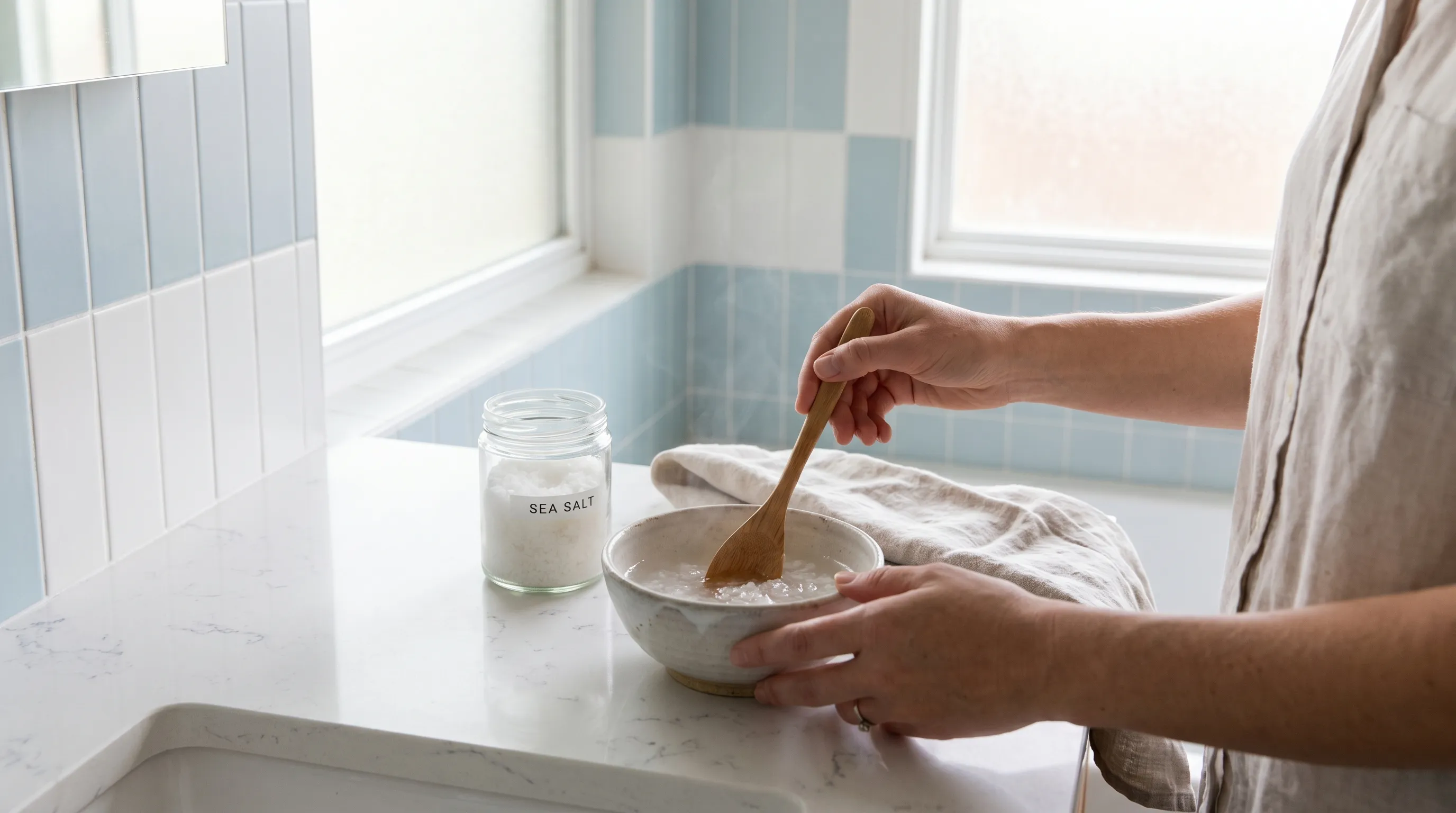
One of the oldest and most reliable oral therapies, warm saline rinses work through simple yet profound physiological mechanisms. A hypertonic solution creates an osmotic gradient that draws excess fluid out of edematous gum tissue, rapidly reducing puffiness. Additionally, sodium chloride temporarily elevates the pH of the oral cavity, creating a less hospitable environment for acid-loving pathogenic bacteria. To prepare, dissolve one-half to one teaspoon of sea salt or table salt in eight ounces of warm water (not hot, to avoid tissue burns). Swish gently for 30 to 60 seconds, ensuring the solution reaches the posterior gumline, then spit out without swallowing. Repeat this process two to three times daily, especially after meals. The Cleveland Clinic supports this practice for its ability to soothe irritated mucosa and reduce inflammatory markers when paired with proper brushing.
Cold Compress Application
Localized vasoconstriction is a powerful tool for managing acute gum swelling and pain. Applying a cold compress to the external facial area overlying the inflamed gums restricts blood vessel diameter, limiting the influx of inflammatory cells and reducing nerve conduction velocity, which provides analgesic effects. Wrap a few ice cubes in a clean, thin cloth or use a commercial gel ice pack wrapped in a barrier towel to prevent frostbite. Hold the compress against your cheek for 10 to 15 minutes, then remove it for at least 20 minutes to allow tissue reperfusion. This intermittent approach prevents tissue damage while maintaining therapeutic efficacy. Cold therapy is particularly effective for post-procedural swelling or trauma-related gum irritation.
Turmeric Paste and Gel
Curcumin, the primary bioactive polyphenol in turmeric (Curcuma longa), exhibits potent anti-inflammatory, antioxidant, and antimicrobial properties that rival certain conventional mouthwashes in controlled studies. Curcumin inhibits cyclooxygenase-2 (COX-2) and nuclear factor-kappa B (NF-κB) pathways, directly interrupting the molecular signaling responsible for gum swelling. To use turmeric safely, mix a quarter teaspoon of high-quality, organic turmeric powder with a few drops of water or coconut oil to form a smooth paste. Gently apply it directly to affected gums using a clean fingertip or soft cotton swab. Leave it in place for 3 to 5 minutes before rinsing thoroughly with lukewarm water. Note that turmeric may temporarily stain enamel, so rinse immediately after use and avoid excessive frequency. Studies published in the Journal of Clinical and Diagnostic Dentistry confirm that curcumin gel significantly reduces plaque index and gingival inflammation scores over two-week intervention periods, with broader anti-inflammatory benefits extensively documented by the NIH.
Herbal and Natural Oral Care Solutions
Traditional botanical remedies have been utilized for centuries to maintain oral equilibrium. Modern phytotherapy research continues to validate many of these practices, revealing synergistic compounds that target oral pathogens while preserving beneficial microbiota. Integrating these approaches can enhance your overall strategy when selecting home remedies for swollen gums.
Clove Oil for Temporary Relief
Syzygium aromaticum, commonly known as clove, contains eugenol, a naturally occurring phenolic compound recognized by dental authorities as a potent local anesthetic and antiseptic. Mayo Clinic notes that eugenol effectively blocks voltage-gated sodium channels in peripheral nerves, providing rapid numbing relief for inflamed or painful gums. It also demonstrates strong bactericidal activity against Porphyromonas gingivalis and Aggregatibacter actinomycetemcomitans, two key pathogens implicated in periodontal disease. To apply, dilute two drops of food-grade clove oil in one teaspoon of a neutral carrier oil like olive or almond oil. Soak a small cotton ball in the mixture and press it gently against the swollen area for no longer than 5 to 10 minutes. Never swallow clove oil, as eugenol can be hepatotoxic in concentrated doses, and discontinue use if mucosal irritation occurs. The European Medicines Agency and several dental pharmacology reviews endorse diluted eugenol preparations as effective adjuncts for managing acute gingival discomfort.
Aloe Vera and Coconut Oil Pulling
Aloe vera gel contains acemannan, glucomannan, and various vitamins that promote tissue regeneration and modulate local immune responses. Pure, pharmaceutical-grade aloe vera gel applied topically can soothe ulcerations, reduce erythema, and accelerate mucosal healing. Coconut oil, rich in lauric acid, exhibits broad-spectrum antimicrobial activity. Oil pulling, an ancient Ayurvedic practice involving swishing edible oil in the mouth for 15 to 20 minutes, mechanically reduces plaque adherence while lauric acid disrupts bacterial lipid membranes. Use one tablespoon of virgin, cold-pressed coconut oil on an empty stomach, swish slowly to avoid jaw fatigue, and spit into a trash can (never a sink, to prevent plumbing issues). The Cleveland Clinic outlines that consistent practice, followed by thorough rinsing with warm water and brushing, can significantly decrease Streptococcus mutans counts and improve gingival indices over three weeks.
Green Tea and Antioxidant Support
Green tea (Camellia sinensis) is densely packed with catechins, particularly epigallocatechin gallate (EGCG), which neutralize reactive oxygen species and downregulate inflammatory cytokine production. Chronic gum swelling is often exacerbated by oxidative stress, and systemic antioxidant intake supports periodontal tissue resilience. Drinking two to three cups of unsweetened green tea daily, or using cooled tea as a therapeutic mouthwash, delivers localized polyphenols directly to the gingival sulcus. Research from the Journal of Periodontology demonstrates that individuals with higher green tea consumption exhibit shallower periodontal pockets and lower clinical attachment loss. Combining dietary antioxidants with targeted home remedies for swollen gums creates a multi-pronged defense against chronic inflammation.
Daily Habits to Reduce Gum Inflammation
Topical treatments provide symptomatic relief, but sustainable gum health requires foundational lifestyle modifications. Establishing consistent, gentle oral care routines and optimizing nutritional intake are non-negotiable components of long-term periodontal wellness.
Optimizing Your Brushing and Flossing Technique
Aggressive brushing is a leading cause of traumatic gingival recession and persistent swelling. Switch to a soft or extra-soft bristle brush with a rounded, compact head. Position the brush at a 45-degree angle to the gumline, using gentle, circular or vibratory motions rather than harsh horizontal scrubbing. Brush for a full two minutes, twice daily, ensuring you reach posterior molars and inner surfaces. Flossing daily is equally critical, as it removes interproximal biofilm that brushes cannot reach. Use a continuous C-shape wrapping technique around each tooth, sliding the floss just beneath the gumline without snapping. Water flossers are excellent alternatives for individuals with dexterity challenges or dental work, as controlled pulsation effectively dislodges debris while massaging gingival tissue. The ADA recommends pairing mechanical plaque removal with targeted antimicrobial agents to maximize clinical outcomes, a standard closely aligned with CDC oral hygiene guidelines.
Dietary Adjustments for Gum Health
Nutrition directly influences tissue repair capacity and inflammatory thresholds. Prioritize vitamin C-rich foods like bell peppers, broccoli, citrus, and strawberries, as collagen synthesis is essential for maintaining intact connective tissue attachments around teeth. Omega-3 fatty acids from fatty fish, flaxseeds, and walnuts produce specialized pro-resolving lipid mediators that actively terminate inflammatory pathways rather than merely suppressing them. Conversely, limit refined carbohydrates, sugary beverages, and acidic snacks that rapidly fuel acidogenic bacteria and lower oral pH. Incorporating crunchy, fiber-rich vegetables like carrots and celery stimulates salivary flow, which naturally buffers acids and washes away food particles. Hydration status also plays a crucial role; adequate water intake maintains saliva volume and viscosity, both of which are vital for neutralizing plaque acids and delivering protective minerals to enamel and gums.
Staying Hydrated and Managing Dry Mouth
Xerostomia, or chronic dry mouth, drastically increases the risk of gum disease due to diminished salivary antimicrobial proteins like lactoferrin, lysozyme, and immunoglobulin A. If you experience persistent oral dryness from medications, mouth breathing, or aging, implement proactive hydration strategies. Mayo Clinic explains that sipping water frequently, chewing sugar-free xylitol gum, and avoiding alcohol-based mouthwashes are critical steps to restore mucosal hydration. Humidifiers can be particularly beneficial during sleep in dry climates. Managing dry mouth effectively creates an oral environment where home remedies for swollen gums can function optimally, rather than fighting against a chronically compromised microbiological landscape.

When Home Remedies Aren't Enough
While natural interventions excel at managing early-stage or mild gingival irritation, they are not substitutes for professional dental care when pathology advances. Recognizing the boundaries of self-management is critical to preventing irreversible tissue destruction and tooth loss.
Warning Signs That Require a Dental Visit
Certain clinical indicators suggest that inflammation has progressed beyond the scope of conservative care. Persistent bleeding that continues despite proper brushing and flossing, gum recession exposing tooth roots, pus discharge or foul taste indicating abscess formation, loose teeth, and unexplained chronic bad breath are all red flags. Additionally, if swelling is accompanied by systemic symptoms like fever, swollen lymph nodes, or difficulty swallowing, it may indicate a spreading odontogenic infection requiring urgent antibiotic therapy or surgical drainage. Delaying evaluation in these scenarios allows periodontal pathogens to degrade alveolar bone, shifting manageable gingivitis into chronic periodontitis. The Cleveland Clinic advises seeking immediate professional evaluation when these warning signs appear.
Professional Treatments and When to Seek Care
Dental professionals offer advanced interventions that complement self-care routines. Scaling and root planing mechanically removes subgingival calculus and bacterial toxins from exposed root surfaces, creating a smooth environment conducive to tissue reattachment. For severe cases, periodontists may utilize localized antimicrobial delivery systems, laser-assisted periodontal therapy, or regenerative procedures to restore lost supportive structures. Routine prophylactic cleanings every six months, or more frequently if you have a history of gum disease, disrupt biofilm formation before it matures into pathogenic colonies. Always consult your dentist before initiating aggressive herbal regimens, especially if you take anticoagulants, immunosuppressants, or manage chronic conditions like diabetes, as some botanical compounds can interact with medications or alter healing trajectories.
Frequently Asked Questions
How long does it take for home remedies to work on swollen gums?
Mild inflammation triggered by temporary irritation or initial plaque accumulation typically shows noticeable improvement within three to five days of consistent care. Complete resolution may take seven to ten days, depending on individual healing capacity, underlying health status, and adherence to oral hygiene protocols. If swelling, redness, or discomfort persists beyond ten days despite diligent home management, it strongly suggests deeper periodontal involvement or a non-oral etiology requiring clinical assessment. Early intervention prevents minor issues from progressing into chronic conditions.
Can I use essential oils directly on my gums?
No, applying undiluted essential oils directly to gingival tissue is strongly discouraged. Concentrated volatile compounds like eugenol, tea tree oil, and peppermint oil possess high lipophilicity that allows rapid penetration, which can cause chemical burns, contact dermatitis, or mucosal sloughing. Always dilute essential oils at a ratio of one to two drops per teaspoon of food-grade carrier oil. Perform a patch test on the inner wrist before oral application, and limit contact time to five to ten minutes. If burning or increased irritation occurs, rinse thoroughly with milk or water to neutralize residual compounds.
Are home remedies for swollen gums safe during pregnancy?
Many conservative approaches remain safe and beneficial during pregnancy, particularly warm saline rinses, gentle brushing with soft-bristled tools, and maintaining adequate hydration. However, hormonal fluctuations increase gingival vascular permeability and bacterial colonization rates, raising the risk of pregnancy gingivitis. Avoid unverified herbal pastes, high-dose turmeric supplements, or essential oil applications without explicit clearance from both your obstetric provider and dentist. Research published by the American College of Obstetricians and Gynecologists highlights that maintaining periodontal health during pregnancy may correlate with improved maternal and fetal outcomes, making supervised, gentle care essential, as strongly recommended by the CDC.
What toothpaste is best for reducing gum inflammation?
Stannous fluoride is widely recognized as the most clinically effective active ingredient for managing gingival inflammation. Formulations containing 0.454% stabilized stannous fluoride or stannous chloride have been proven in randomized trials to inhibit bacterial adhesion, reduce plaque biofilm, and improve gingival health metrics within four to six weeks. Look for products bearing the American Dental Association Seal of Acceptance for Gingivitis. Avoid whitening pastes with high relative dentin abrasivity (RDA) values, as they may compromise enamel and expose sensitive root surfaces, counteracting therapeutic goals.
Does sugar consumption make swollen gums worse?
Absolutely. Dietary sucrose, fructose, and refined carbohydrates serve as rapid fermentation substrates for cariogenic and periodontopathogenic bacteria. As these microbes metabolize sugars, they produce organic acids that lower plaque pH and release endotoxins that trigger localized inflammatory cascades. Frequent snacking or sipping sugary drinks creates a continuous acid attack that prevents saliva from naturally remineralizing tissues and allows biofilm to mature. Reducing added sugar intake to less than ten percent of total daily calories, as recommended by the World Health Organization (WHO), significantly lowers bacterial load and creates an environment where home remedies for swollen gums can function effectively rather than combating relentless microbial proliferation.
| Treatment Method | Primary Mechanism | Recommended Frequency | Best Used For | Precautions |
|---|---|---|---|---|
| Warm Salt Water Rinse | Osmotic fluid reduction, pH elevation | 2-3x daily after meals | Early gingivitis, minor irritation, post-extraction care | Avoid swallowing; use lukewarm water to prevent tissue burns |
| Cold Compress | Vasoconstriction, nerve conduction delay | 10-15 min on, 20 min off (up to 3x/day) | Acute swelling, trauma, dental procedure recovery | Wrap in cloth barrier; never apply ice directly to skin or gums |
| Turmeric Gel/Curcumin | COX-2 & NF-κB pathway inhibition | 1x daily for 5-10 min contact time | Chronic low-grade inflammation, plaque reduction | Rinse thoroughly to prevent temporary enamel staining; patch test first |
| Diluted Clove Oil | Sodium channel blockade, antimicrobial action | As needed, max 2x/day for 5-10 min | Localized pain relief, temporary soothing | Always dilute in carrier oil; discontinue if burning occurs |
| Coconut Oil Pulling | Mechanical biofilm disruption, lauric acid activity | 15-20 min daily, preferably morning | General oral microbiome balancing, halitosis reduction | Spit in trash, not sink; ensure thorough rinsing afterward |
Conclusion
Managing gum inflammation requires a balanced approach that combines immediate symptomatic relief with sustainable preventive habits. The most effective home remedies for swollen gums are those grounded in physiological science: saline rinses that draw out excess fluid, targeted botanicals that modulate inflammatory pathways, and consistent mechanical hygiene practices that prevent pathogenic biofilm maturation. While natural interventions offer safe, accessible relief for mild to moderate cases, they function best when integrated into a broader framework of nutritional support, hydration management, and professional oversight. Gum tissue is highly vascular and responsive, meaning early attention yields rapid recovery, whereas neglect allows inflammation to become self-perpetuating and destructive. By applying the evidence-based strategies outlined in this guide, monitoring your body’s signals, and maintaining open communication with dental professionals, you can preserve periodontal integrity and enjoy lasting oral comfort. Remember that consistent, gentle care always outperforms aggressive, short-term fixes. Prioritize daily hygiene, respect tissue limits, and intervene promptly when symptoms escalate to ensure your gums remain resilient and healthy for years to come.

About the author
Benjamin Carter, MD, is a board-certified otolaryngologist specializing in head and neck surgery, with an expertise in treating throat cancer. He is an associate professor and the residency program director at a medical school in North Carolina.