Skin Gel Aloe Vera: Evidence-Based Benefits, Clinical Applications & Safety Guide

Key points
- Anticoagulants/Antiplatelets: May potentiate bleeding risk by affecting platelet aggregation
- Digoxin (Lanoxin): Aloe latex induces hypokalemia, drastically increasing digoxin toxicity and cardiac arrhythmia risk
- Diabetes Medications: Potential additive hypoglycemic effects, requiring strict blood glucose monitoring
- Warfarin (Jantoven): Enhanced anticoagulation increases hemorrhage risk
- Diuretics (Water Pills): Compounded potassium depletion can lead to dangerous electrolyte imbalances and cardiac complications
For centuries, the ancient civilizations of Greece, Rome, Babylonia, and China have turned to a single, unassuming succulent to heal wounds, soothe inflammation, and restore radiance to compromised tissue. Today, modern dermatological science has thoroughly validated this botanical wisdom, confirming that the clear, viscous substance harvested from the inner leaves of Aloe barbadensis Miller is far more than a simple soothing lotion. The skin gel aloe vera has become a cornerstone in both clinical wound care and evidence-based daily skincare regimens, offering a unique convergence of hydration, antimicrobial defense, and cellular repair. As peer-reviewed research continues to unveil its complex biochemical profile, patients and dermatologists alike recognize its potential as a versatile therapeutic agent. Whether addressing acute thermal injuries, managing chronic inflammatory dermatoses, or fortifying the epidermal barrier against environmental stressors, understanding the precise mechanisms, clinical applications, and safety parameters of this plant-derived remedy is essential for optimizing long-term skin health.
Understanding the Science Behind Skin Gel Aloe Vera
To fully appreciate why this botanical extract has transitioned from traditional herbal remedy to clinically recommended topical treatment, it is necessary to examine its botanical architecture, extraction methodology, and pharmacological composition. The plant itself is a xerophytic succulent adapted to arid environments, which directly influences the concentration of bioactive compounds within its leaf structure. Each triangular leaf consists of three distinct layers: an outer rind that provides structural protection, an intermediate latex layer containing anthraquinones (which can be irritating), and an innermost parenchymatous tissue that yields the clear, water-rich gel. This inner layer is exclusively harvested for dermatological applications to avoid the gastrointestinal and dermal irritants found in the yellow latex.
Botanical Composition and Extraction Methods
The extraction process plays a critical role in determining the therapeutic efficacy of the final product. Commercial and clinical formulations typically utilize cold-pressing techniques to isolate the inner leaf gel without exposing the delicate phytochemicals to excessive heat. Thermal degradation can destroy polysaccharides, enzymes, and volatile antioxidants, significantly diminishing the product's anti-inflammatory and tissue-regenerative capabilities. Once extracted, high-grade formulations undergo stabilization processes such as pasteurization, filtration, or the addition of approved preservatives like sodium benzoate or potassium sorbate to prevent microbial growth and oxidation. However, over-processing can strip away the very compounds that make the gel effective. Therefore, dermatologists consistently recommend seeking decolorized, cold-extracted, and minimally processed skin gel aloe vera products to ensure maximum bioavailability of active constituents.
The resulting matrix is approximately 99% water, yet the remaining 1% contains a remarkably dense concentration of roughly 75 potentially active compounds. This includes vitamins (A, C, E, B-complex), essential minerals (zinc, magnesium, calcium, selenium), amino acids that form structural proteins, and complex carbohydrates that modulate immune response and tissue regeneration. The precise ratio and synergy of these elements create a bioactive environment that supports the skin's natural repair mechanisms rather than merely masking symptoms.
Key Active Compounds and How They Work
The therapeutic efficacy of topical aloe vera stems from a highly orchestrated interaction between multiple bioactive fractions. Polysaccharides, particularly glucomannan and its derivative acemannan, represent the most extensively studied compounds. These long-chain carbohydrates bind to growth factor receptors on fibroblasts, accelerating collagen synthesis, enhancing angiogenesis, and promoting the migration of keratinocytes across wound beds. Dr. Kenneth Mark, MD, a board-certified dermatologist and Mohs surgeon based in New York City, explains the cellular mechanics clearly: "Aloe vera gel contains compounds called polysaccharides that encourage skin repair and new skin cells to set up shop. The gel also contains a pain reliever called carboxypeptidase, which may be why aloe vera is so soothing."
Beyond cellular regeneration, the gel exhibits potent anti-inflammatory and antimicrobial properties. Carboxypeptidase acts as a localized analgesic enzyme, reducing bradykinin-mediated pain signals at injury sites. Acemannan and other sterols actively suppress cyclooxygenase and lipoxygenase pathways, downregulating prostaglandin and leukotriene production. This biochemical modulation explains why skin gel aloe vera is highly effective for inflammatory dermatoses. Additionally, the plant synthesizes six distinct antiseptic agents, including salicylic acid, phenols, sulfur, and various alkaloids, which disrupt bacterial cell walls, inhibit fungal replication, and interfere with viral envelope attachment. Dr. David Lortscher, MD, CEO of Curology and board-certified dermatologist, notes: "Aloe vera is an antiseptic, containing six agents known to help inhibit fungi, bacteria, and viruses, including salicylic acid, phenols, and sulfur."
| Compound Class | Primary Active Molecules | Dermatological Mechanism | Clinical Application |
|---|---|---|---|
| Polysaccharides | Acemannan, Glucomannan | Stimulates fibroblast proliferation & collagen synthesis | Burn healing, wound closure, scar minimization |
| Enzymes | Carboxypeptidase, Catalase | Bradykinin inhibition, antioxidant scavenging | Pain relief, oxidative stress reduction |
| Organic Acids | Salicylic Acid, Salicin | Keratolysis, pore decongestion, anti-inflammatory | Acne management, mild exfoliation |
| Sterols & Anthrones | Lupeol, Campesterol | Inhibits COX/LOX pathways, reduces cytokine release | Psoriasis relief, eczema symptom control |
| Antimicrobial Agents | Phenols, Sulfur, Ureolamine | Disrupts microbial cell membranes, viral envelope interference | Cold sore treatment, secondary infection prevention |
Evidence-Based Medical Benefits for Skin Health
The transition of aloe vera from folk medicine to clinically validated topical therapy rests upon a substantial body of peer-reviewed research, systematic reviews, and dermatological consensus guidelines. Multiple authoritative institutions have evaluated its efficacy across diverse dermatological conditions, establishing clear therapeutic indications while identifying appropriate clinical boundaries.
Accelerated Healing for Burns and Wounds
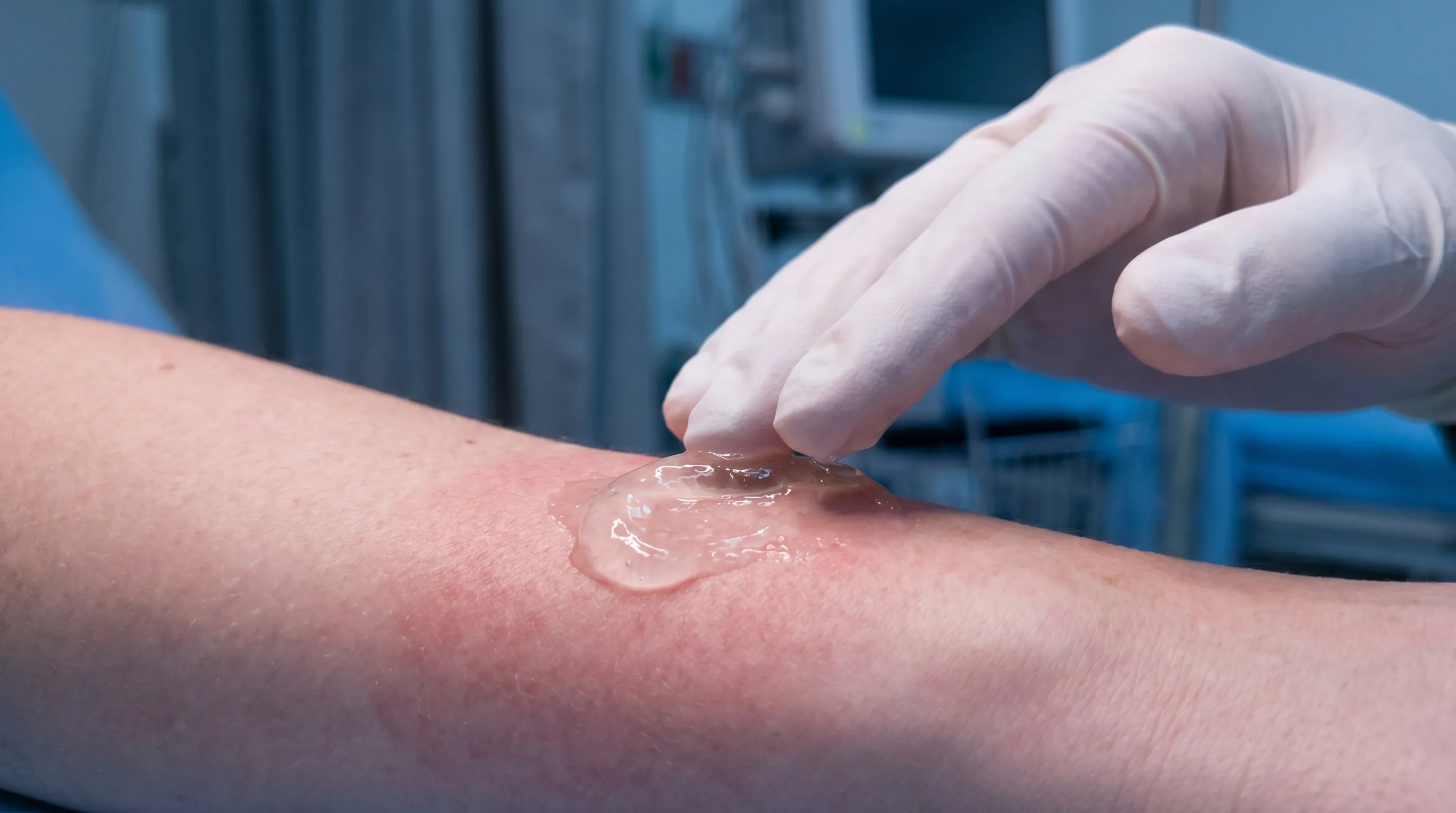
Perhaps the most extensively documented application of aloe vera is in the management of thermal injuries. The National Institutes of Health's National Center for Complementary and Integrative Health (NCCIH) notes that clinical research strongly suggests topical application of aloe gel may speed burn healing and significantly reduce burn-related pain. This effect is attributed to the synergistic action of cooling hydration, analgesic enzymes, and accelerated fibroblast migration.
A comprehensive 2023 systematic review compared topical aloe vera gel directly against silver sulfadiazine, the longstanding clinical standard for second-degree burn management. Multiple randomized controlled trials included in the analysis demonstrated that aloe vera achieved faster epithelialization, reduced inflammatory markers, and required fewer dressing changes. The Mayo Clinic explicitly states that applying aloe gel to first- and second-degree burns and wounds may speed healing. Importantly, the gel maintains a moist wound environment, which aligns with CDC guidelines for optimal keratinocyte migration while preventing the formation of rigid scabs that can delay recovery.
For practical wound care, clinicians recommend cleaning the affected area gently with saline or mild soap, patting dry, and applying a thin, even layer of pure skin gel aloe vera. A sterile non-adherent dressing should cover the treated area to prevent contamination and maintain hydration. Dressing changes every 12 to 24 hours typically yield optimal results without disrupting the fragile regenerating tissue.
Comprehensive Acne Management
Acne vulgaris involves a complex interplay of follicular hyperkeratinization, excess sebum production, Cutibacterium acnes proliferation, and localized inflammation. The multifaceted composition of aloe vera addresses each of these pathophysiological drivers. Salicylic acid, naturally present in the gel, acts as a beta-hydroxy acid that penetrates sebaceous follicles, dissolves comedonal debris, and promotes cellular turnover. Simultaneously, anti-inflammatory polysaccharides reduce erythema and swelling associated with papules and pustules.
Research published by the NCCIH highlights that two independent clinical studies suggest topical application of aloe gel, when combined with conventional therapies, significantly improves acne outcomes. Furthermore, the Mayo Clinic notes that pairing aloe gel with prescription tretinoin (Retin-A) enhances efficacy while mitigating the common side effects of retinoid therapy, such as peeling, stinging, and excessive dryness. This makes skin gel aloe vera an invaluable adjunct in acne treatment protocols.
Dermatologists recommend applying a thin layer after cleansing and before heavier moisturizers. When using alongside active pharmaceutical ingredients, a strategic layering approach minimizes irritation while maximizing penetration. Always allow the gel to absorb completely (approximately 3 to 5 minutes) before applying subsequent products to prevent pilling or formulation incompatibility.
Relief for Psoriasis and Inflammatory Skin Conditions
Psoriasis is a chronic immune-mediated disorder characterized by rapid keratinocyte proliferation, leading to thick, scaly plaques and persistent discomfort. While aloe vera cannot cure autoimmune dysregulation, it provides substantial symptomatic relief and barrier support. Dr. Jennifer Gordon, MD, a board-certified dermatologist at Westlake Dermatology, explains the mechanism concisely: "Aloe vera gel contains compounds, such as acemannan, that suppress inflammation by showing the enzymes that trigger it who's boss."
Clinical observations indicate that aloe extract cream might ease symptoms of mild to moderate psoriasis. Patients typically need to apply the preparation multiple times daily for four to eight weeks to observe measurable plaque reduction, decreased scaling, and improved skin flexibility. The high water content and mucopolysaccharide fraction help soften hyperkeratotic layers, making mechanical debridement less traumatic. Additionally, the cooling sensation provides immediate relief from the intense pruritus often associated with psoriatic flares.
For eczema and contact dermatitis, the gel's barrier-restoring properties are equally valuable. It acts as a biological humectant, drawing moisture into the stratum corneum while forming a protective occlusive-like layer that reduces transepidermal water loss (TEWL). This approach to barrier repair is consistently endorsed by specialists at the Cleveland Clinic for managing chronic inflammatory dermatoses. Consistent application, ideally immediately after bathing, locks in hydration and calms histamine-mediated itching.
Antiviral Support for Cold Sores and Oral Lichen Planus
Beyond bacterial and inflammatory applications, skin gel aloe vera demonstrates meaningful antiviral activity. Herpes simplex virus (HSV-1) infections manifest as painful, recurrent cold sores that benefit from early intervention. Mayo Clinic guidelines suggest that applying a cream containing aloe extract may help sores heal sooner. The mechanism involves direct virucidal action from phenolic compounds and immune modulation through enhanced local antibody production. Prevention magazine notes that the antiseptic properties may accelerate healing by supporting the body's localized immune response against the cold sore virus.
Oral lichen planus, an immune-mediated mucocutaneous disorder causing painful ulcerations in the mouth, responds favorably to aloe gel application. Research cited by NCCIH and the Mayo Clinic indicates that applying aloe gel to oral sores for eight weeks can significantly reduce pain scores and lesion size. Patients with lichen planus should use pharmaceutical-grade, preservative-free gels to avoid exacerbating sensitive mucosal tissue.
Anti-Aging and Photoprotection: Beyond Basic Moisturization
Chronic ultraviolet (UV) radiation exposure generates reactive oxygen species (ROS) that degrade collagen, fragment elastin, and induce DNA mutations in dermal fibroblasts. This process, known as photoaging, accounts for up to 80% of visible facial aging. Recent advancements in nanomedicine have revealed sophisticated anti-photoaging capabilities of aloe-derived extracts that extend far beyond superficial hydration.
The Role of Nrf2/ARE Pathway in Skin Defense
A landmark 2025 study published in the International Journal of Nanomedicine investigated nanoparticles extracted from aloe vera gel and rind. Researchers demonstrated that these nanoparticles significantly mitigate skin photoaging through activation of the Nrf2/ARE (Nuclear factor erythroid 2-related factor 2/Antioxidant Response Element) pathway. This molecular mechanism orchestrates the cellular defense system against oxidative stress. When UV radiation penetrates the epidermis, it generates free radicals that attack structural proteins and cellular membranes. Aloe-derived nanoparticles stimulate Nrf2 translocation to the nucleus, where it binds to ARE sequences and upregulates endogenous antioxidant enzymes, including superoxide dismutase (SOD), catalase, and heme oxygenase-1.
The study provides substantial evidence supporting aloe vera's role in protecting skin from UV-induced aging. Regular topical application of high-concentration aloe preparations has been shown to reduce matrix metalloproteinase (MMP-1) activity, an enzyme responsible for collagen degradation. Over time, this translates to improved skin elasticity, reduced wrinkle depth, and enhanced overall dermal density. Integrating skin gel aloe vera into a daily photoprotection routine creates a synergistic defense system alongside broad-spectrum sunscreens.
Deep Hydration and Barrier Function Restoration
Hydration remains the foundational element of youthful, resilient skin. Because aloe vera is composed of approximately 99% water and rich in hygroscopic polysaccharides, it delivers intense moisture without leaving a greasy residue that can clog pores or disrupt the lipid matrix. Dermatological experts describe the gel as acting like a biological "glue" that encourages corneocytes in the stratum corneum to adhere more tightly, resulting in a smoother, softer surface texture.
This cohesive effect directly improves transepidermal water retention and reinforces the physical barrier against environmental pollutants, allergens, and pathogens. For individuals with compromised barriers due to over-exfoliation, retinoid therapy, or climatic stressors, aloe vera provides a non-comedogenic recovery medium. Applying the gel immediately after cleansing, while the skin is slightly damp, maximizes absorption and locks in aqueous content. This practice supports natural ceramide synthesis and reduces visible signs of dehydration, such as fine lines and dullness.
How to Choose and Apply High-Quality Skin Gel Aloe Vera
The commercial aloe vera market is highly saturated with diluted gels, synthetic thickeners, and improperly stabilized formulations. Selecting a clinically effective product requires careful label analysis, understanding concentration metrics, and recognizing stabilization techniques.
Identifying Pure, Decolorized Products
When evaluating products, prioritize transparency in sourcing and processing. The International Aloe Science Council (IASC) certifies products that meet strict purity and potency standards, making their seal a reliable indicator of quality. Look for labels stating "inner leaf only," "cold-extracted," or "decolorized whole leaf." Decolorization removes potentially irritating anthraquinones like aloin while preserving therapeutic polysaccharides.
Avoid formulations containing excessive synthetic thickeners like carbomer if your skin is highly sensitive, though small percentages are necessary for commercial stability. Pure aloe vera should appear near the top of the ingredient list, ideally as the first or second component. Be wary of products listing "aloe vera extract" at concentrations below 90%, as they often contain minimal active plant material. High-quality skin gel aloe vera should feel lightweight, absorb rapidly, and leave a subtle tightening sensation rather than a sticky film.
Step-by-Step Application Routine for Maximum Efficacy
Maximizing the therapeutic benefits requires proper application technique and consistent scheduling. Follow this dermatologist-recommended protocol for daily use and targeted treatment:
- Cleanse Thoroughly: Use a gentle, pH-balanced cleanser to remove surface debris, sebum, and pollutants. Avoid hot water, which strips natural lipids.
- Maintain Damp Surface: Pat skin lightly with a clean towel, leaving it slightly moist. This enhances polysaccharide absorption.
- Apply Generous Thin Layer: Dispense a pea- to quarter-sized amount (depending on facial/body area) onto clean fingertips. Gently press and massage into the skin using upward strokes.
- Allow Complete Absorption: Wait 5 to 10 minutes before layering serums, retinoids, or heavier moisturizers. This prevents ingredient interference and maximizes barrier penetration.
- Seal if Necessary: For extremely dry environments or nighttime repair routines, apply a ceramide-rich moisturizer or occlusive balm over the absorbed gel to prevent transepidermal water loss.
- Targeted Treatment Protocol: For burns, wounds, or inflamed acne, apply a thicker localized layer three times daily. Cover open wounds with sterile dressings to maintain a moist healing environment.
DIY vs. Commercial Formulations
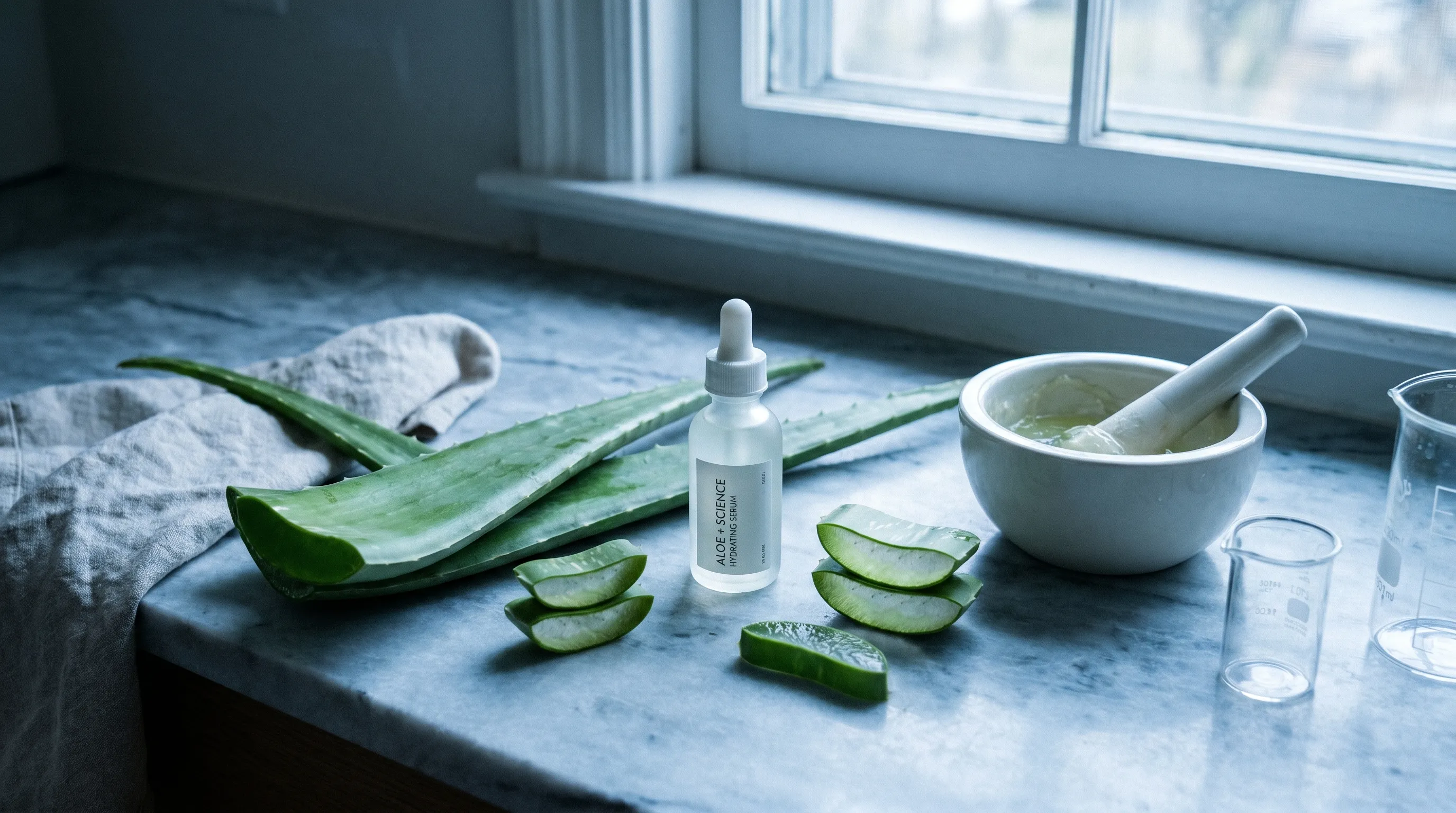
Harvesting fresh aloe directly from homegrown plants offers theoretical purity but introduces significant safety risks. The yellow latex layer contains high concentrations of aloin, a potent laxative and dermal irritant. Improper separation techniques frequently contaminate the inner gel, leading to contact dermatitis, allergic reactions, or delayed healing. Additionally, freshly harvested gel oxidizes within hours, losing enzymatic activity and becoming a breeding ground for bacteria and fungi.
Commercial formulations undergo rigorous stabilization, microbial testing, and decolorization processes that ensure consistent potency and safety. Unless you have specialized botanical training and sterile extraction equipment, dermatologists strongly recommend using professionally manufactured, shelf-stable skin gel aloe vera products. The cost difference is minimal compared to the risks of contamination, inconsistent dosing, and allergic sensitization associated with DIY preparations.
Safety Profile, Side Effects, and Critical Precautions
While topical aloe vera enjoys an excellent safety profile in the vast majority of users, responsible application requires awareness of potential adverse reactions, contraindications, and drug interactions. Understanding these parameters ensures safe integration into personal healthcare routines.
Topical Tolerability and Allergy Risks
The NCCIH confirms that topical use of aloe gel is generally well tolerated. However, a small subset of individuals may experience localized hypersensitivity reactions, particularly those with pre-existing contact dermatitis, rosacea, or sensitivities to plants in the Liliaceae family (which includes garlic, onions, and tulips). Occasional adverse effects include transient burning, pruritus, mild erythema, or contact eczema.
To mitigate allergic responses, always perform a patch test before initial use or when switching brands. Apply a small amount to the inner forearm, leave uncovered for 24 hours, and monitor for delayed hypersensitivity. If irritation develops, discontinue use immediately and rinse the area with cool water. In cases of severe reaction, topical corticosteroids or oral antihistamines may be necessary under medical supervision.
Oral Use Warnings and Drug Interactions
Topical and oral aloe vera differ significantly in safety parameters. While NCCIH notes that short-term oral consumption of decolorized aloe gel (up to 42 days) is generally safe, the latex layer presents severe health risks. The Mayo Clinic issues a strong warning: "Taking 1 gram a day of aloe latex for a few days can cause kidney damage and might be fatal." The FDA mandated the removal of aloe latex from over-the-counter laxative products in 2002 due to insufficient safety data and documented renal toxicity.
Furthermore, the International Agency for Research on Cancer, operating under the World Health Organization (WHO), has classified non-decolorized whole leaf aloe vera extract as a possible human carcinogen (Group 2B). This classification specifically applies to the latex-containing fraction due to anthraquinone exposure, not the inner gel used in dermatology.
Systemic drug interactions remain a critical consideration, particularly for individuals with chronic conditions. Mayo Clinic documentation highlights several high-risk combinations:
- Anticoagulants/Antiplatelets: May potentiate bleeding risk by affecting platelet aggregation
- Digoxin (Lanoxin): Aloe latex induces hypokalemia, drastically increasing digoxin toxicity and cardiac arrhythmia risk
- Diabetes Medications: Potential additive hypoglycemic effects, requiring strict blood glucose monitoring
- Warfarin (Jantoven): Enhanced anticoagulation increases hemorrhage risk
- Diuretics (Water Pills): Compounded potassium depletion can lead to dangerous electrolyte imbalances and cardiac complications
Special Populations: Pregnancy and Breastfeeding
Current clinical guidelines advise extreme caution regarding aloe vera consumption during pregnancy and lactation. Due to documented emmenagogue properties and potential uterine stimulation, internal use is strictly contraindicated. Topical application of purified inner leaf gel is generally considered low-risk, but pregnant or breastfeeding individuals should consult their obstetrician or primary care provider before initiating regular use. The precautionary principle applies when systemic absorption data remains incomplete.
Frequently Asked Questions
How long does it take for skin gel aloe vera to heal minor burns?
Clinical research indicates that applying skin gel aloe vera to first- and second-degree burns can significantly accelerate healing. Most patients notice reduced redness and pain within 48 hours, with visible wound closure typically occurring within 7 to 14 days, often outperforming conventional silver sulfadiazine dressings in controlled studies. Consistent application twice daily under sterile dressing yields optimal results.
Can I leave skin gel aloe vera on my face overnight for acne?
Yes, a high-quality, pure skin gel aloe vera can safely remain on the skin overnight. Its lightweight, non-comedogenic texture absorbs quickly without clogging pores. The salicylic acid and anti-inflammatory polysaccharides work continuously to calm sebum production, reduce bacterial proliferation, and accelerate epidermal repair while you sleep. Ensure your product is free from added fragrances or alcohols that could disrupt nocturnal barrier recovery.
Is skin gel aloe vera effective for anti-aging and sun damage?
Recent 2025 peer-reviewed research demonstrates that nanoparticles derived from aloe vera gel activate the Nrf2/ARE pathway, which neutralizes UV-induced free radicals and stimulates collagen synthesis. Regular topical application helps mitigate photoaging, improves skin elasticity, and reduces fine lines caused by chronic sun exposure. It should complement, not replace, daily broad-spectrum sunscreen application.
How do I perform a patch test before using aloe vera gel?
Apply a dime-sized amount of skin gel aloe vera to a discreet area like the inner forearm or behind the ear. Leave it uncovered for 24 hours. If you experience burning, intense itching, localized swelling, or persistent redness, discontinue use. Mild tingling may occur but should resolve quickly. Always patch test new botanical products, especially if you have sensitive skin or a history of contact dermatitis.
Are there any drug interactions with topical aloe vera?
Topical application generally presents minimal systemic absorption, but extensive application over large surface areas or compromised skin barriers may theoretically interact with anticoagulants, antiplatelet medications, or topical prescription steroids. If you are using prescription topical acne treatments, diabetes medications, or digoxin, consult a dermatologist or pharmacist to ensure safe integration into your regimen and monitor for unexpected side effects.
Conclusion
The clinical trajectory of aloe vera from ancient botanical remedy to modern dermatological staple reflects decades of rigorous scientific validation. The skin gel aloe vera delivers a sophisticated matrix of hydration, anti-inflammatory modulation, antimicrobial defense, and cellular regeneration that addresses a broad spectrum of dermatological conditions. From accelerating burn wound closure and managing inflammatory acne to mitigating photoaging through Nrf2/ARE pathway activation, its multifaceted mechanisms offer tangible, evidence-backed benefits. However, optimal outcomes depend on selecting high-quality, decolorized, inner-leaf formulations and adhering to proper application protocols. Understanding safety parameters, recognizing potential contraindications, and respecting individual skin variability ensures that this versatile botanical remains a reliable component of comprehensive skin health strategies. As dermatological research continues to advance, aloe vera gel stands firmly as a bridge between traditional healing wisdom and cutting-edge clinical dermatology, offering patients a natural, accessible, and scientifically supported pathway to healthier, more resilient skin.
For further reading on clinical applications, visit the NCCIH/NIH guide on aloe vera safety and efficacy, or explore the Mayo Clinic's comprehensive dermatological overview. Additional peer-reviewed insights on cosmetology applications are available through ScienceDirect, while the groundbreaking 2025 nanoparticle study can be accessed via the National Center for Biotechnology Information.
About the author
Elena Vance, MD, is a double board-certified dermatologist and pediatric dermatologist. She is an assistant professor of dermatology at a leading medical university in California and is renowned for her research in autoimmune skin disorders.