Why My Teeth Won't Whiten: 7 Hidden Causes and Expert Solutions

It is a frustrating scenario that plays out in bathrooms across the world: you diligently brush, floss, and invest in the latest over-the-counter whitening kits, yet when you smile in the mirror, your teeth remain stubbornly dull or yellow. You find yourself searching online, typing the query "why my teeth won't whiten" into the search bar, hoping for a simple answer. However, the reality of tooth discoloration is complex, multifaceted, and deeply rooted in both biology and lifestyle habits. Understanding the underlying mechanisms of tooth structure and stain formation is the first step toward achieving the bright smile you desire.
Many individuals assume that all discoloration is created equal, believing that a stronger bleaching agent or a longer treatment time will inevitably yield results. This misconception often leads to wasted money, increased tooth sensitivity, and even damage to the enamel. The truth is that not all stains respond to bleaching agents like hydrogen peroxide or carbamide peroxide. Some discoloration is external, sitting on the surface of the enamel, while other types are internal, embedded within the tooth's structure or resulting from the natural aging process.
In this comprehensive guide, we will explore the scientific reasons behind resistant tooth discoloration. We will delve into the anatomy of the tooth, the difference between intrinsic and extrinsic stains, the impact of medications and genetics, and why certain dental restorations refuse to lighten. By the end of this article, you will have a clear understanding of why my teeth won't whiten with standard methods and what actionable steps you can take to address the issue safely and effectively. Whether you are dealing with age-related yellowing, medication-induced graying, or enamel erosion, there is a path forward to a brighter smile.
Understanding Tooth Anatomy and Discoloration Types
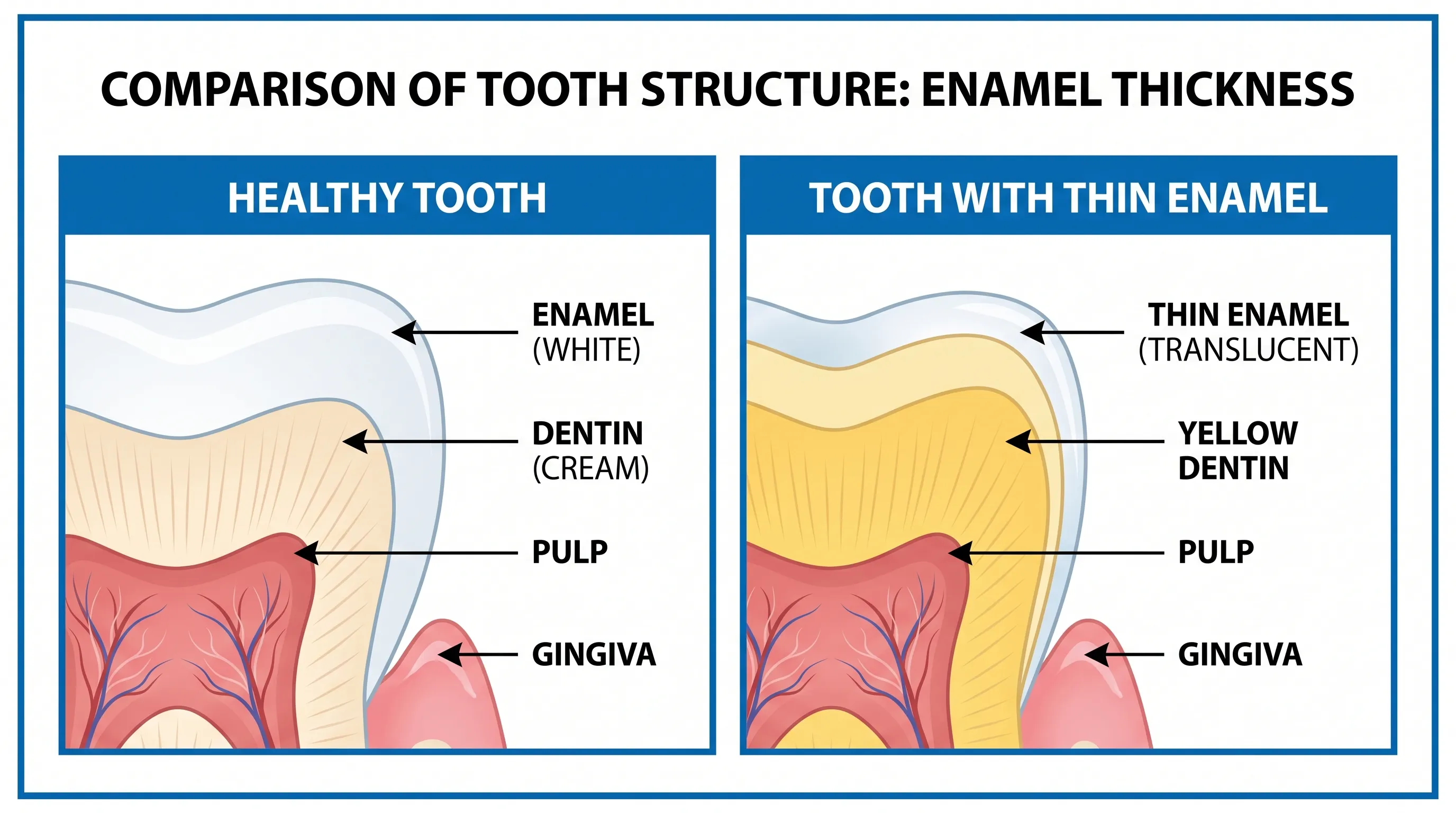
To understand why my teeth won't whiten, one must first understand the structure of the tooth itself. A tooth is not a solid block of white marble; it is a complex biological structure composed of several layers, each with distinct properties and colors. The outermost layer is the enamel, which is the hardest substance in the human body. Enamel is semi-translucent and ranges in color from bluish-white to light gray. Beneath the enamel lies the dentin, a hard, bone-like tissue that is naturally yellow. The innermost layer is the pulp, which contains nerves and blood vessels.
Free calculatorHeadache Location ChartIdentify headache types by locationOpen the calculatorThe color of your teeth is primarily determined by the thickness and translucency of the enamel and the color of the underlying dentin. When enamel is thick and opaque, it masks the yellow dentin, resulting in a whiter appearance. However, as enamel thins or becomes more translucent, the yellow hue of the dentin becomes more visible. This is a crucial distinction because bleaching agents work by penetrating the enamel to oxidize stain molecules in both the enamel and the dentin. If the yellow color you see is purely the natural dentin showing through thin enamel, bleaching may have limited effectiveness.
Extrinsic vs. Intrinsic Stains
Dental professionals categorize discoloration into two main types: extrinsic and intrinsic. Understanding which type you have is essential in answering the question of why my teeth won't whiten.
Extrinsic stains are located on the outer surface of the enamel. These are caused by external factors such as food, drinks, and tobacco use. Common culprits include coffee, tea, red wine, cola, and berries. These substances contain chromogens, which are intensely pigmented molecules that attach to the enamel. Tobacco tar and nicotine also create stubborn yellow-brown stains. The good news is that extrinsic stains are generally responsive to whitening treatments. Professional cleanings, whitening toothpastes, and bleaching agents can effectively break down these surface stains.
Intrinsic stains, on the other hand, occur within the inner structure of the tooth (the dentin). These stains are incorporated into the tooth structure during its development or later in life due to trauma or excessive fluoride exposure. Intrinsic stains can appear yellow, brown, gray, or even blue. Because these stains are deep within the tooth, they are much more difficult to remove. Standard over-the-counter whitening products often fail to penetrate deeply enough to affect intrinsic stains significantly. This is a primary reason why my teeth won't whiten despite consistent use of whitening strips. Conditions such as tetracycline staining, fluorosis, and dental trauma result in intrinsic discoloration that requires specialized professional treatment or cosmetic masking.
The Role of Enamel Thickness
Enamel thickness varies from person to person and is influenced by genetics, age, and oral hygiene habits. Thinner enamel allows more of the yellow dentin to show through, creating a perception of yellow teeth even if there are no external stains. This is particularly common in older adults, as enamel naturally wears down over time due to chewing, grinding, and acid erosion.
Acidic foods and beverages, such as citrus fruits, soda, and sports drinks, can erode enamel, making it thinner and more translucent. Once enamel is lost, it does not regenerate. Therefore, if your enamel is significantly thinned, whitening agents may not produce the desired result because there is less enamel to whiten, and the underlying yellow dentin is more prominent. In such cases, aggressive whitening can actually worsen the appearance by increasing translucency and causing sensitivity. Instead, treatments that add bulk to the tooth, such as bonding or veneers, may be more appropriate.
The Impact of Aging on Tooth Color
One of the most common reasons people ask why my teeth won't whiten is the natural aging process. As we age, our teeth undergo several structural changes that affect their color and response to whitening treatments. While many believe that yellowing is solely due to poor hygiene or diet, biology plays a significant role.
Over time, the outer layer of enamel wears away due to years of chewing and exposure to acidic environments. Simultaneously, the dentin layer beneath the enamel continues to grow and darken. This dual process results in teeth that appear darker and more yellow. Furthermore, the enamel becomes more translucent with age, allowing the darkened dentin to show through more clearly. This natural progression means that older teeth have a different baseline color than younger teeth, and achieving a "paper-white" shade may be biologically impossible without cosmetic restoration.
Why Older Teeth Respond Differently to Bleach
Whitening agents work by releasing oxygen radicals that break down large, colored stain molecules into smaller, colorless ones. In younger teeth, the enamel is thicker and less porous, but the dentin is lighter. In older teeth, the enamel is thinner and more porous, but the dentin is darker. While the porous nature of aged enamel might allow bleaching agents to penetrate more easily, the darkness of the underlying dentin limits the overall whitening effect.
Additionally, older teeth may have accumulated decades of intrinsic staining from medications, trauma, or environmental factors. These deep-seated stains are resistant to oxidation. Consequently, older individuals often require longer treatment times and higher concentrations of bleaching agents to see noticeable results. Even then, the final shade may not be as bright as that of a younger person. It is important to have realistic expectations and consult with a dentist to determine a safe and effective whitening protocol for mature teeth.
Genetic Factors in Tooth Color
Genetics play a pivotal role in determining the natural color, thickness, and shape of your teeth. Some people are genetically predisposed to have thicker, whiter enamel, while others have thinner, more translucent enamel that reveals the yellow dentin. If your parents have naturally yellow or grayish teeth, it is likely that you share this trait.
Genetic conditions such as dentinogenesis imperfecta or amelogenesis imperfecta affect the development of dentin and enamel, leading to significant discoloration that is resistant to standard whitening. In these cases, the structural integrity of the tooth is compromised, and whitening agents may cause further damage without improving aesthetics. Understanding your genetic baseline helps in setting realistic goals. If you have naturally darker teeth, asking why my teeth won't whiten to a Hollywood white shade may be answered by your DNA. Cosmetic options like veneers or bonding are often the only way to drastically alter genetically determined tooth color.
Lifestyle Habits That Hinder Whitening
While biology sets the stage, lifestyle habits often dictate the outcome of whitening efforts. Certain daily habits can counteract the benefits of whitening treatments, leading to the frustration of wondering why my teeth won't whiten. Identifying and modifying these habits is crucial for maintaining a bright smile.
Dietary Culprits
The foods and drinks we consume have a direct impact on tooth color. Darkly colored beverages like coffee, tea, and red wine are notorious for causing extrinsic stains. These liquids contain tannins and chromogens that adhere to the enamel. Even if you whiten your teeth, continued consumption of these beverages without proper oral hygiene can quickly reintroduce stains.
Acidic foods and drinks, such as citrus fruits, vinegar, and sodas, erode enamel, making it more susceptible to staining and revealing the yellow dentin. Sugary foods promote the growth of bacteria that produce acid, further contributing to enamel erosion and decay. To maximize whitening results, it is advisable to limit the intake of staining and acidic substances. If you do consume them, rinse your mouth with water afterward to neutralize acids and wash away pigments. Using a straw for cold beverages can also help minimize contact with the front teeth.
Tobacco Use
Smoking and chewing tobacco are among the most significant barriers to effective teeth whitening. Tobacco contains tar and nicotine, which create stubborn, deep yellow and brown stains on the enamel. These stains are difficult to remove with standard whitening products and often require professional cleaning and bleaching. Moreover, smoking reduces blood flow to the gums, contributing to gum disease and recession, which can expose the yellow roots of the teeth.
For smokers, the question of why my teeth won't whiten is often answered by the continuous deposition of tobacco residues. Quitting tobacco use is the most effective step toward improving tooth color and overall oral health. Without cessation, whitening treatments will provide only temporary results, as new stains will form rapidly.
Oral Hygiene Practices
Poor oral hygiene allows plaque and tartar to build up on the teeth. Plaque is a sticky film of bacteria that attracts stains, while tartar is hardened plaque that can only be removed by a dental professional. Tartar is typically yellow or brown and covers the enamel, preventing whitening agents from reaching the tooth surface.
Brushing twice a day with a fluoride toothpaste and flossing daily are essential for removing plaque and preventing tartar buildup. However, aggressive brushing with abrasive toothpastes can wear down enamel, exacerbating the problem. It is important to use a soft-bristled toothbrush and non-abrasive toothpaste to protect enamel while keeping teeth clean. Regular dental cleanings every six months are also crucial for removing tartar and maintaining a clean surface for whitening treatments. For more information on proper oral hygiene, visit the CDC’s Oral Health page.
Medications and Medical Conditions
Certain medications and medical conditions can cause intrinsic staining that is resistant to whitening. If you are taking specific drugs or have underlying health issues, this may be the reason why my teeth won't whiten despite your best efforts.
Tetracycline Antibiotics
Tetracycline is an antibiotic that, when taken during tooth development (in childhood or by pregnant mothers), can bind to the calcium in the teeth, causing gray or brown banding. These stains are intrinsic and deeply embedded in the dentin. Standard whitening treatments are often ineffective against tetracycline stains. In some cases, prolonged professional bleaching under dental supervision may lighten the stains, but complete removal is rare. Cosmetic restorations such as veneers or bonding are usually required to mask the discoloration effectively.
Fluorosis
Dental fluorosis occurs when children ingest too much fluoride while their teeth are developing. This can result in white spots, streaks, or brown discoloration on the enamel. Mild fluorosis may respond to microabrasion or whitening, but severe cases with brown staining may require cosmetic treatment. It is important to monitor fluoride intake in children to prevent fluorosis, using only a pea-sized amount of toothpaste and supervising brushing. Learn more about fluoride safety from the CDC.
Trauma and Root Canal Treatment
A tooth that has undergone trauma or root canal treatment may darken over time. This is due to the death of the nerve and blood supply, leading to internal bleeding and the breakdown of blood products within the tooth. This internal staining is intrinsic and cannot be removed by external whitening. Internal bleaching, a procedure performed by a dentist where bleach is placed inside the tooth, may be effective. Alternatively, a veneer or crown may be needed to restore the tooth's appearance.
Limitations of Over-the-Counter Products
Many people turn to over-the-counter (OTC) whitening products as a first line of defense. While these products can be effective for mild extrinsic staining, they have significant limitations that explain why my teeth won't whiten for many users.
Concentration of Active Ingredients
OTC whitening products, such as strips, gels, and trays, contain lower concentrations of hydrogen peroxide or carbamide peroxide compared to professional treatments. Typically, OTC products contain 3-10% hydrogen peroxide, while professional treatments can use up to 40%. The lower concentration means that OTC products work more slowly and may not be strong enough to tackle deep intrinsic stains or heavy extrinsic buildup.
Furthermore, OTC trays are one-size-fits-all, which can lead to uneven application of the gel. Gaps between the tray and the teeth can result in patchy whitening, while excess gel can irritate the gums. Custom-fitted trays provided by dentists ensure even coverage and maximize the effectiveness of the bleaching agent.
Misuse and Unrealistic Expectations
Improper use of OTC products can also hinder results. Leaving strips on for longer than recommended does not necessarily increase whitening and can cause gum irritation and tooth sensitivity. Inconsistent use or stopping treatment prematurely can also lead to suboptimal results. Additionally, many users expect immediate, dramatic results, but whitening is a gradual process. It can take several weeks of consistent use to see noticeable changes. If results are not seen after the recommended period, it is likely that the stains are intrinsic or that the product is not strong enough, prompting the question of why my teeth won't whiten further. According to the Mayo Clinic, it is crucial to follow product instructions carefully to avoid damage.
Professional Whitening and Alternative Solutions
When OTC methods fail, professional dental treatments offer more powerful and targeted solutions. Dentists can diagnose the specific type of discoloration and recommend the most appropriate treatment plan.
In-Office Bleaching
In-office bleaching involves the application of a high-concentration hydrogen peroxide gel to the teeth, often activated by a special light or laser. This procedure can lighten teeth by several shades in a single visit. The dentist protects the gums and soft tissues with a barrier, ensuring safety and comfort. In-office bleaching is highly effective for extrinsic and mild intrinsic stains. However, it may not be suitable for tetracycline stains or severely damaged enamel.
Take-Home Professional Trays
Dentists can provide custom-fitted trays and professional-strength bleaching gel for home use. These trays fit precisely over the teeth, ensuring even distribution of the gel and minimizing gum irritation. The higher concentration of bleach allows for faster and more effective results compared to OTC products. Patients typically wear the trays for a few hours a day or overnight for a specified period. This method offers a balance between convenience and efficacy.
Cosmetic Restorations
For teeth that do not respond to bleaching, cosmetic restorations such as veneers, bonding, or crowns may be the best option. Veneers are thin shells of porcelain or composite resin that are bonded to the front of the teeth, masking discoloration and improving shape and alignment. Bonding involves applying a tooth-colored resin to the tooth surface to cover stains. Crowns cap the entire tooth, providing a complete aesthetic overhaul. These options are more invasive and expensive but offer predictable and long-lasting results for resistant discoloration. More details on cosmetic procedures can be found at the American Dental Association.
| Treatment Type | Best For | Pros | Cons | Estimated Cost |
|---|---|---|---|---|
| OTC Strips | Mild extrinsic stains | Affordable, accessible | Low concentration, uneven fit | $20 - $50 |
| In-Office Bleaching | Moderate extrinsic/intrinsic | Fast results, professional supervision | Higher cost, potential sensitivity | $500 - $1,000 |
| Custom Take-Home Trays | Moderate stains, maintenance | Custom fit, professional strength | Takes time, requires discipline | $300 - $600 |
| Porcelain Veneers | Severe intrinsic stains, tetracycline | Dramatic transformation, durable | Invasive, irreversible, expensive | $1,000 - $2,500 per tooth |
| Dental Bonding | Localized stains, chips | Less invasive than veneers, cheaper | Can stain over time, less durable | $300 - $600 per tooth |
Frequently Asked Questions
Why are my teeth still yellow after using whitening strips?
If your teeth remain yellow despite using whitening strips, it may be due to intrinsic staining within the dentin layer rather than surface stains. Whitening strips primarily target extrinsic stains. Additionally, if your enamel is thin, the natural yellow color of the underlying dentin shows through, which bleach cannot change. Consult a dentist to determine if professional treatments or veneers are better suited for your specific type of discoloration.
Can tetracycline stains be removed with whitening?
Tetracycline stains are intrinsic and occur deep within the tooth structure during development. Standard whitening treatments are often ineffective or require prolonged, supervised professional bleaching to show minor improvement. In many cases, cosmetic solutions like dental bonding or porcelain veneers are recommended to mask these stubborn gray or brown bands effectively.
Does age affect how well teeth whiten?
Yes, age significantly impacts whitening results. As we age, enamel naturally thins due to wear and tear, revealing more of the yellowish dentin underneath. Since whitening agents work by oxidizing stains in the enamel and dentin, thinner enamel means less material to whiten and more inherent yellow color showing through. Older teeth generally respond slower to bleaching agents compared to younger teeth.
Why do only some of my teeth whiten?
Uneven whitening often occurs because different teeth have varying levels of porosity and enamel thickness. Canines, for example, are denser and may react differently than incisors. Additionally, previous dental work such as fillings, crowns, or bonding materials do not respond to bleaching agents, leading to a mismatched appearance. It is crucial to discuss existing dental restorations with your dentist before starting any whitening regimen.
Is it safe to whiten teeth every week?
No, whitening teeth every week is not recommended and can lead to severe enamel erosion and tooth sensitivity. Overuse of whitening products can damage the tooth structure and irritate the gums. Most dentists recommend whitening treatments once or twice a year, followed by maintenance with non-abrasive toothpaste. Always follow the manufacturer's instructions or your dentist's specific protocol to avoid permanent damage.
Conclusion
Determining why my teeth won't whiten requires a nuanced understanding of dental anatomy, the type of staining present, and individual biological factors. While extrinsic stains from food and drink are generally responsive to whitening agents, intrinsic stains, thin enamel, and age-related changes pose significant challenges. Over-the-counter products offer a convenient entry point but often lack the potency and precision needed for deeper discoloration.
For those struggling with resistant stains, professional consultation is invaluable. Dentists can provide accurate diagnoses and tailor treatments ranging from high-concentration in-office bleaching to cosmetic restorations like veneers. It is essential to approach teeth whitening with realistic expectations and a commitment to oral hygiene. By addressing the root causes of discoloration and choosing the right treatment path, you can achieve a healthier, brighter smile that boosts your confidence and enhances your overall well-being. Remember, a bright smile is not just about color; it is about health, harmony, and self-care.
How we work
Researched and drafted with AI assistance, then reviewed by a human editor against the cited sources.
This article is general health information, not medical advice. Consult a qualified healthcare professional about your own situation.