Teeth Rotting at Gum Line: Causes, Symptoms, and Proven Treatments

Noticing a dark spot, increased sensitivity, or a rough texture near the base of your teeth can be alarming. When you observe signs of teeth rotting at gum line, it is not merely a cosmetic concern; it is a significant indicator of underlying oral health issues that require immediate attention. This specific type of decay, often referred to as cervical caries or root caries, targets the vulnerable junction where the tooth crown meets the root. Unlike decay on the chewing surfaces, gum line decay can progress rapidly because the root surface is covered by cementum, a material much softer and less resistant to acid than the enamel protecting the rest of the tooth.
Understanding why this happens is the first step toward effective treatment and prevention. Many individuals assume that brushing harder will solve the problem, but aggressive brushing can actually exacerbate gum recession, exposing more of the vulnerable root surface to bacterial attack. Furthermore, dietary habits, dry mouth, and systemic health conditions play pivotal roles in the development of these lesions. If left untreated, teeth rotting at gum line can lead to severe pain, infection, tooth loss, and even impact your overall systemic health. This comprehensive guide explores the causes, symptoms, advanced treatments, and preventive strategies to help you safeguard your smile and maintain optimal oral health.
Understanding the Anatomy of Gum Line Decay
To fully grasp why teeth rotting at gum line occurs, one must first understand the unique anatomical structure of the tooth. A tooth is not made of a single uniform material. The visible part of the tooth, known as the crown, is covered by enamel, the hardest substance in the human body. Enamel is highly mineralized and provides robust protection against the acids produced by oral bacteria. However, below the gum line lies the root, which is covered by cementum. Cementum is significantly softer and more porous than enamel, making it far less resistant to acidic erosion and bacterial invasion.
Free calculatorHeadache Location ChartIdentify headache types by locationOpen the calculatorThe gum line, or gingival margin, is the critical interface where the gum tissue attaches to the tooth. In a healthy mouth, the gums fit snugly around the tooth, protecting the cementum and the underlying dentin. When gum disease or aggressive brushing causes the gums to recede, the cementum becomes exposed. This exposure creates a weak point in the tooth's defense system. Bacteria in dental plaque thrive in this area, feeding on sugars and producing acids that demineralize the cementum and dentin at an accelerated rate compared to enamel.
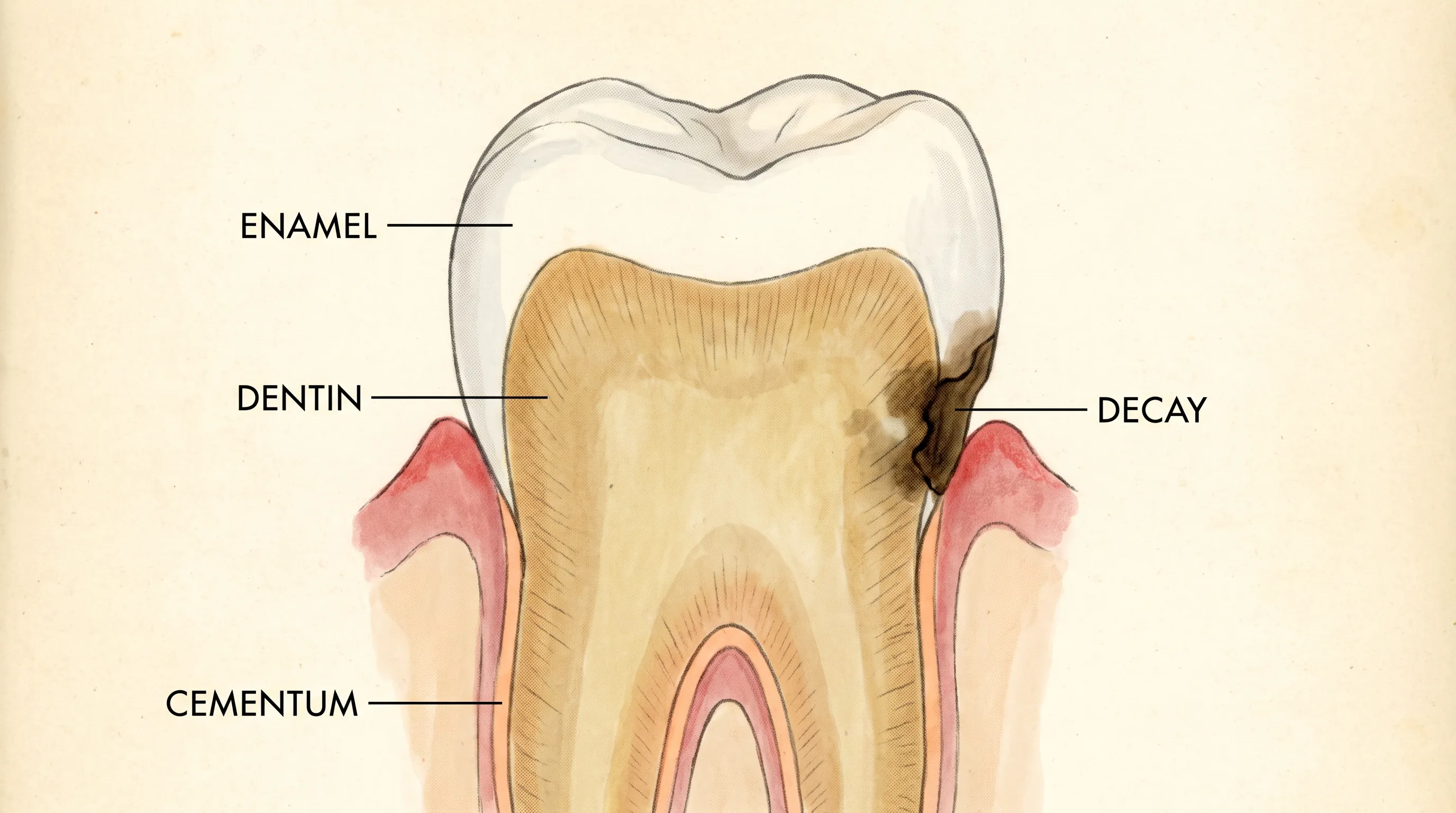
This process is often insidious. Because the decay starts at the neck of the tooth, it can undermine the structural integrity of the crown from below. Patients may not notice visible black spots until the decay has penetrated deeply. Instead, they might experience heightened sensitivity or notice a notch forming at the base of the tooth. Recognizing these early signs is crucial for interrupting the cycle of teeth rotting at gum line before extensive damage occurs.
The Role of Plaque and Bacteria
Dental plaque is a sticky, colorless film of bacteria that constantly forms on our teeth. When we consume foods and drinks containing carbohydrates, especially sugars and starches, the bacteria in plaque produce acids. These acids attack the tooth enamel and, in the case of exposed roots, the cementum. Over time, these acid attacks cause the minerals in the tooth to break down, a process known as demineralization. If demineralization continues without interruption from saliva or fluoride, a cavity forms.
At the gum line, plaque accumulation is particularly problematic because this area is difficult to clean thoroughly. Food particles and debris can easily get trapped between the tooth and the gum tissue, creating an ideal environment for bacterial growth. If plaque is not removed regularly through brushing and flossing, it hardens into tartar (calculus), which cannot be removed by brushing alone. Tartar provides a rough surface for more plaque to accumulate, further accelerating the decay process and contributing to gum inflammation.
Primary Causes of Teeth Rotting at Gum Line
Identifying the root causes of teeth rotting at gum line is essential for developing an effective prevention strategy. While poor oral hygiene is a common culprit, several other factors contribute to this specific type of decay. Understanding these triggers allows individuals to make targeted lifestyle changes and seek appropriate professional care.
Gum Recession and Exposure of Root Surfaces
Gum recession is perhaps the most significant risk factor for root caries. When gums pull away from the tooth, they expose the root surface, which lacks the protective enamel layer. This exposure can result from periodontal disease, aggressive brushing, genetic predisposition, or hormonal changes. Once the root is exposed, it is highly susceptible to decay. The transition zone between the enamel and the cementum, known as the cementoenamel junction (CEJ), is also a weak point where plaque tends to accumulate and decay often begins.
Periodontal disease, or gum disease, is a chronic inflammatory condition caused by bacterial infection. As the disease progresses, the supporting structures of the teeth, including the gums and bone, are destroyed. This destruction leads to deeper pockets between the teeth and gums, where bacteria can thrive and cause both gum tissue damage and tooth decay. Managing gum health is therefore intrinsically linked to preventing teeth rotting at gum line.
Dry Mouth (Xerostomia)
Saliva plays a critical role in maintaining oral health. It helps wash away food particles and neutralizes acids produced by bacteria. It also contains minerals like calcium and phosphate that help remineralize tooth enamel. When saliva production is reduced, a condition known as dry mouth or xerostomia, the mouth loses its natural defense mechanism against decay. Individuals with dry mouth are at a significantly higher risk of developing cavities, particularly at the gum line.
Dry mouth can be caused by various factors, including certain medications (such as antihistamines, antidepressants, and diuretics), medical conditions (such as Sjogren's syndrome or diabetes), radiation therapy to the head and neck, and dehydration. Aging is also a factor, as salivary gland function often decreases with age. For those suffering from dry mouth, managing this condition is vital to prevent rapid progression of teeth rotting at gum line. Learn more about dry mouth causes and treatments.
Dietary Habits and Acid Erosion
Frequent consumption of sugary and acidic foods and beverages contributes significantly to tooth decay. Sugars provide fuel for bacteria, leading to increased acid production. Acidic foods and drinks, such as citrus fruits, soda, and sports drinks, can directly erode tooth enamel and cementum, weakening the tooth structure and making it more prone to decay. Additionally, conditions like gastroesophageal reflux disease (GERD) can expose teeth to stomach acid, which is highly corrosive and can cause significant erosion at the gum line.
Snacking frequently throughout the day keeps the mouth in a constant state of acidity, preventing saliva from neutralizing the environment. This continuous acid attack accelerates the demineralization process, particularly in vulnerable areas like the gum line. Reducing the frequency of sugar and acid intake is a key strategy in preventing teeth rotting at gum line.
Aggressive Brushing and Abrasive Toothpaste
While maintaining good oral hygiene is crucial, brushing too hard or using a toothbrush with hard bristles can damage the gums and wear away the tooth structure at the neck. This mechanical wear, known as abrasion, can create notches at the gum line that trap plaque and accelerate decay. Similarly, using highly abrasive toothpastes can contribute to enamel and cementum loss over time. It is important to use a soft-bristled toothbrush and gentle brushing techniques to protect the gum line.
Symptoms and Warning Signs
Recognizing the early symptoms of teeth rotting at gum line can save you from extensive dental work and discomfort. In the initial stages, decay may be asymptomatic, which is why regular dental check-ups are essential. However, as the decay progresses, several warning signs may emerge.
Sensitivity to Temperature and Sweetness
One of the earliest and most common symptoms is tooth sensitivity. You may experience sharp, transient pain when consuming hot, cold, or sweet foods and beverages. This sensitivity occurs because the decay has exposed the dentin, which contains microscopic tubes leading to the nerve of the tooth. When these tubes are exposed to stimuli, they transmit pain signals. If you notice increasing sensitivity, especially localized to the base of the tooth, it is a strong indicator of gum line decay.
Visible Discoloration or Notching
As decay advances, you may notice visible changes in the appearance of your teeth. Dark brown or black spots may appear at the gum line. In some cases, the decay may present as a white, chalky area, indicating demineralization. You might also feel a rough or sticky sensation when running your tongue over the area. In advanced cases, a visible notch or cavity may form at the base of the tooth. These visual and tactile changes are clear signs that professional intervention is needed to address teeth rotting at gum line.
Pain and Discomfort
If left untreated, the decay can penetrate deeper into the tooth, reaching the pulp where the nerves and blood vessels are located. This can lead to persistent, throbbing pain that may worsen at night or when lying down. The pain may radiate to the jaw, ear, or other teeth. In some cases, an abscess may form, causing swelling, fever, and a bad taste in the mouth. Severe pain is a medical emergency and requires immediate dental attention to prevent the spread of infection.
Bad Breath and Unpleasant Taste
Decay at the gum line can harbor bacteria that produce volatile sulfur compounds, leading to chronic bad breath (halitosis). You may also notice an unpleasant taste in your mouth, particularly if there is an active infection or abscess. These symptoms are not only socially uncomfortable but also indicate an ongoing pathological process that needs to be addressed.
Professional Diagnosis and Treatment Options
If you suspect you have teeth rotting at gum line, it is crucial to see a dentist for a proper diagnosis and treatment plan. Dentists use a combination of visual examination, tactile exploration with dental instruments, and X-rays to assess the extent of the decay. Early detection allows for less invasive and more cost-effective treatments.
Dental Fillings
For small to moderate cavities at the gum line, dental fillings are the most common treatment. The dentist removes the decayed portion of the tooth and fills the space with a restorative material. Composite resin is often preferred for gum line fillings because it bonds well to tooth structure and can be matched to the color of your natural teeth. Glass ionomer cements are another option, particularly for root caries, as they release fluoride and bond chemically to the tooth, providing additional protection against future decay.
Root Canal Therapy
If the decay has reached the pulp of the tooth, causing infection or severe pain, root canal therapy may be necessary. During this procedure, the dentist removes the infected pulp, cleans and disinfects the inside of the tooth, and seals it with a filling material. A root canal saves the tooth from extraction and alleviates pain. After a root canal, a crown is usually placed to restore the strength and function of the tooth.
Dental Crowns
When a significant portion of the tooth structure has been lost due to decay, a dental crown may be required. A crown is a custom-made cap that covers the entire visible portion of the tooth, restoring its shape, size, and strength. Crowns are typically made from porcelain, ceramic, metal, or a combination of materials. They provide long-term protection and improve the aesthetic appearance of the tooth.
Gum Grafting
In cases where gum recession is severe and contributing to teeth rotting at gum line, gum grafting surgery may be recommended. This procedure involves taking tissue from another part of the mouth or using donor tissue to cover the exposed root surfaces. Gum grafting protects the roots from further decay, reduces sensitivity, and improves the aesthetic appearance of the smile. It is often performed in conjunction with restorative treatments to ensure long-term success.
Scaling and Root Planing
If gum disease is a contributing factor, scaling and root planing (deep cleaning) may be necessary. This non-surgical procedure involves removing plaque and tartar from above and below the gum line and smoothing the root surfaces to encourage gum reattachment. By eliminating the bacterial load and creating a clean surface, scaling and root planing help halt the progression of gum disease and reduce the risk of further decay.
Preventive Strategies and Home Care
Preventing teeth rotting at gum line requires a multifaceted approach that combines professional care with diligent home hygiene. By adopting healthy habits and making informed choices, you can significantly reduce your risk of developing this condition.
Proper Brushing and Flossing Techniques
Brushing twice a day with a fluoride toothpaste is fundamental. Use a soft-bristled toothbrush and gentle, circular motions to clean the teeth and gums. Avoid scrubbing horizontally, as this can damage the gum tissue and wear away the tooth structure. Pay special attention to the gum line, ensuring that you clean along the margin where the tooth meets the gum. Flossing daily is equally important to remove plaque and food particles from between the teeth and under the gum line, areas that a toothbrush cannot reach.

Fluoride and Remineralization Agents
Fluoride is a powerful tool in preventing tooth decay. It helps remineralize weakened enamel and cementum, making them more resistant to acid attacks. Use a fluoride toothpaste and consider using a fluoride mouthwash daily. For individuals at high risk of decay, dentists may prescribe high-concentration fluoride gels or varnishes. Other remineralization agents, such as those containing calcium phosphate or hydroxyapatite, can also help strengthen tooth structure and reverse early signs of decay. The CDC recommends community water fluoridation as a safe and effective way to prevent cavities.
Dietary Modifications
Limiting the intake of sugary and acidic foods and beverages is crucial for preventing teeth rotting at gum line. Try to consume these items with meals rather than snacking on them throughout the day. Rinse your mouth with water after consuming acidic foods or drinks to help neutralize the pH. Chewing sugar-free gum containing xylitol can also stimulate saliva flow and help neutralize acids.
Managing Dry Mouth
If you suffer from dry mouth, take steps to increase saliva production. Stay hydrated by drinking plenty of water throughout the day. Avoid alcohol and caffeine, which can dehydrate the body. Use saliva substitutes or moisturizing mouth sprays if recommended by your dentist. Discuss your medications with your doctor to see if alternatives with fewer side effects are available.
Regular Dental Check-ups
Regular dental visits are essential for early detection and prevention. Your dentist can identify early signs of decay, gum recession, and other issues before they become serious problems. Professional cleanings remove tartar that cannot be removed by brushing and flossing, reducing the bacterial load in the mouth. Aim to visit your dentist every six months, or more frequently if you are at high risk for decay.
Comparison of Treatment Options
Choosing the right treatment for teeth rotting at gum line depends on the severity of the decay, the extent of gum recession, and individual patient factors. The following table compares common treatment options to help you understand what might be recommended for your specific situation.
| Treatment Option | Best For | Procedure Complexity | Cost Estimate | Longevity | Pros | Cons |
|---|---|---|---|---|---|---|
| Fluoride Varnish | Early demineralization, prevention | Low (Non-invasive) | $20 - $50 | 3-6 months | Reverses early decay, painless | Does not repair cavities |
| Composite Filling | Small to moderate cavities | Moderate | $150 - $300 | 5-7 years | Cosmetic match, conservative | May wear down over time |
| Glass Ionomer | Root caries, high-risk patients | Moderate | $150 - $300 | 3-5 years | Releases fluoride, bonds to root | Less durable than composite |
| Root Canal | Infected pulp, severe pain | High | $800 - $1,500 | Lifetime (with crown) | Saves the tooth, relieves pain | Complex, requires crown |
| Dental Crown | Extensive structural loss | High | $1,000 - $2,500 | 10-15 years | Restores strength and aesthetics | Expensive, requires tooth reduction |
| Gum Graft | Severe recession, root exposure | Surgical | $600 - $1,200 per site | Long-term | Protects roots, reduces sensitivity | Surgical recovery, cost |
Note: Costs are approximate and vary by location and insurance coverage.
Frequently Asked Questions
Can teeth rotting at the gum line be reversed?
In the very early stages, known as demineralization, the process can sometimes be halted or reversed through rigorous oral hygiene, fluoride treatments, and dietary changes. Fluoride helps remineralize the weakened tooth structure. However, once a physical cavity (hole) has formed in the cementum or dentin, the damage is irreversible. At this point, professional dental restoration, such as a filling, is required to remove the decay and restore the tooth. Ignoring a cavity will only allow it to grow larger and deeper, potentially leading to more complex and expensive treatments like root canals or extractions.
Why does decay specifically target the gum line?
The gum line is a unique vulnerability in the tooth's armor. It is the junction where the hard, protective enamel of the crown meets the softer cementum of the root. Cementum is much less resistant to acid than enamel. Furthermore, this area is a prime spot for plaque accumulation because it is difficult to clean effectively. If gums recede due to periodontal disease or aggressive brushing, the root surface becomes exposed. Without the protection of enamel, this exposed root is highly susceptible to the acids produced by bacteria, leading to rapid decay known as teeth rotting at gum line.
Is teeth rotting at the gum line painful?
Pain levels vary depending on the depth of the decay. In the initial stages, you may feel no pain at all, or only mild sensitivity to cold, hot, or sweet stimuli. As the decay penetrates deeper into the dentin, sensitivity increases. If the decay reaches the pulp (the innermost part of the tooth containing nerves and blood vessels), it can cause severe, persistent, and throbbing pain. An infection or abscess may also develop, leading to significant discomfort and swelling. Therefore, do not wait for pain to seek treatment; early intervention is key to avoiding pain and saving the tooth.
How much does it cost to fix decay at the gum line?
The cost varies significantly based on the severity of the decay and the type of treatment required. A simple composite filling might cost between $150 and $300 per tooth. If the decay is extensive and requires a root canal and crown, the cost can range from $1,000 to $2,500 or more. Gum grafting, if needed to cover exposed roots, can add another $600 to $1,200 per site. Dental insurance typically covers a portion of restorative procedures, but it is essential to check with your provider for specific coverage details. Preventive care is always more cost-effective than restorative treatment.
What is the best toothpaste for preventing gum line decay?
Look for toothpastes that contain fluoride, specifically stannous fluoride, which has been shown to be effective in protecting exposed root surfaces and reducing sensitivity. Toothpastes with hydroxyapatite are also gaining popularity for their ability to remineralize tooth structure. Additionally, consider toothpastes formulated for sensitive teeth, as they often contain ingredients like potassium nitrate that help block pain signals. Avoid highly abrasive whitening toothpastes if you have exposed roots, as they can wear away the softer cementum. Always consult your dentist for personalized recommendations based on your specific oral health needs.
Conclusion
Dealing with teeth rotting at gum line is a serious but manageable challenge. By understanding the anatomical vulnerabilities of the gum line, recognizing the early signs of decay, and addressing the underlying causes such as gum recession, dry mouth, and dietary habits, you can take proactive steps to protect your oral health. Regular dental check-ups, proper brushing and flossing techniques, and the use of fluoride products are foundational to prevention. If decay has already set in, modern dentistry offers a range of effective treatments, from simple fillings to complex restorations, that can save your teeth and restore your smile.
Remember, oral health is integral to overall well-being. Neglecting teeth rotting at gum line can lead to pain, infection, and tooth loss, impacting your quality of life. Do not hesitate to seek professional advice if you notice any changes in your teeth or gums. With early intervention and consistent care, you can maintain a healthy, functional, and beautiful smile for years to come. Take control of your oral health today by scheduling a dental appointment and implementing the preventive strategies outlined in this guide.
How we work
Researched and drafted with AI assistance, then reviewed by a human editor against the cited sources.
This article is general health information, not medical advice. Consult a qualified healthcare professional about your own situation.