Sinus Jaw Pain Treatment: Effective Relief for Facial Pressure and Discomfort

Waking up with a throbbing ache in your face can be one of the most disorienting and uncomfortable experiences. You might reach for your toothbrush, suspecting a cavity, or rub your temples, thinking it’s just a tension headache. However, when the pain seems to radiate from your cheeks down into your jawline, accompanied by a stuffy nose and a sense of heavy pressure behind your eyes, the culprit is likely not your teeth or your stress levels, but your sinuses. This specific type of discomfort, known as sinus jaw pain, is a common yet often misunderstood symptom of sinusitis. It occurs when the air-filled cavities in your skull become inflamed and filled with fluid, creating pressure that pushes against the sensitive nerves in the upper jaw and face.
Understanding the root cause of this pain is the first step toward finding effective relief. Many individuals suffer unnecessarily because they mistake sinus pressure for dental problems, leading to unnecessary visits to the dentist or ineffective treatments. The connection between the sinuses and the jaw is anatomical; the maxillary sinuses, which are the largest of the paranasal sinuses, sit directly above the roots of the upper teeth. When these sinuses become infected or inflamed, the resulting pressure can easily be felt in the jaw, teeth, and even the ears. Navigating the landscape of sinus jaw pain treatment requires a multifaceted approach that addresses both the immediate symptoms and the underlying infection or inflammation. From simple home remedies like steam inhalation and saline rinses to medical interventions such as antibiotics or corticosteroids, there are numerous ways to alleviate this distressing condition. In this comprehensive guide, we will explore the mechanisms behind sinus-induced jaw pain, differentiate it from other conditions like temporomandibular joint (TMJ) disorders, and provide a detailed roadmap for effective management and prevention.
Understanding the Anatomy: Why Sinuses Affect the Jaw
To effectively tackle sinus jaw pain treatment, it is essential to first understand the intricate relationship between your sinus cavities and your jaw structure. The human skull contains four pairs of paranasal sinuses: the frontal sinuses in the forehead, the ethmoid sinuses between the eyes, the sphenoid sinuses behind the nose, and the maxillary sinuses in the cheekbones. Among these, the maxillary sinuses play the most significant role in jaw pain. These large, pyramid-shaped cavities are located within the maxilla bone, which forms the upper jaw. Because of their proximity to the roots of the upper molars and premolars, any expansion or inflammation within the maxillary sinuses can directly impact the nerves that supply sensation to the teeth and jaw.
Free calculatorHeadache Location ChartIdentify headache types by locationOpen the calculator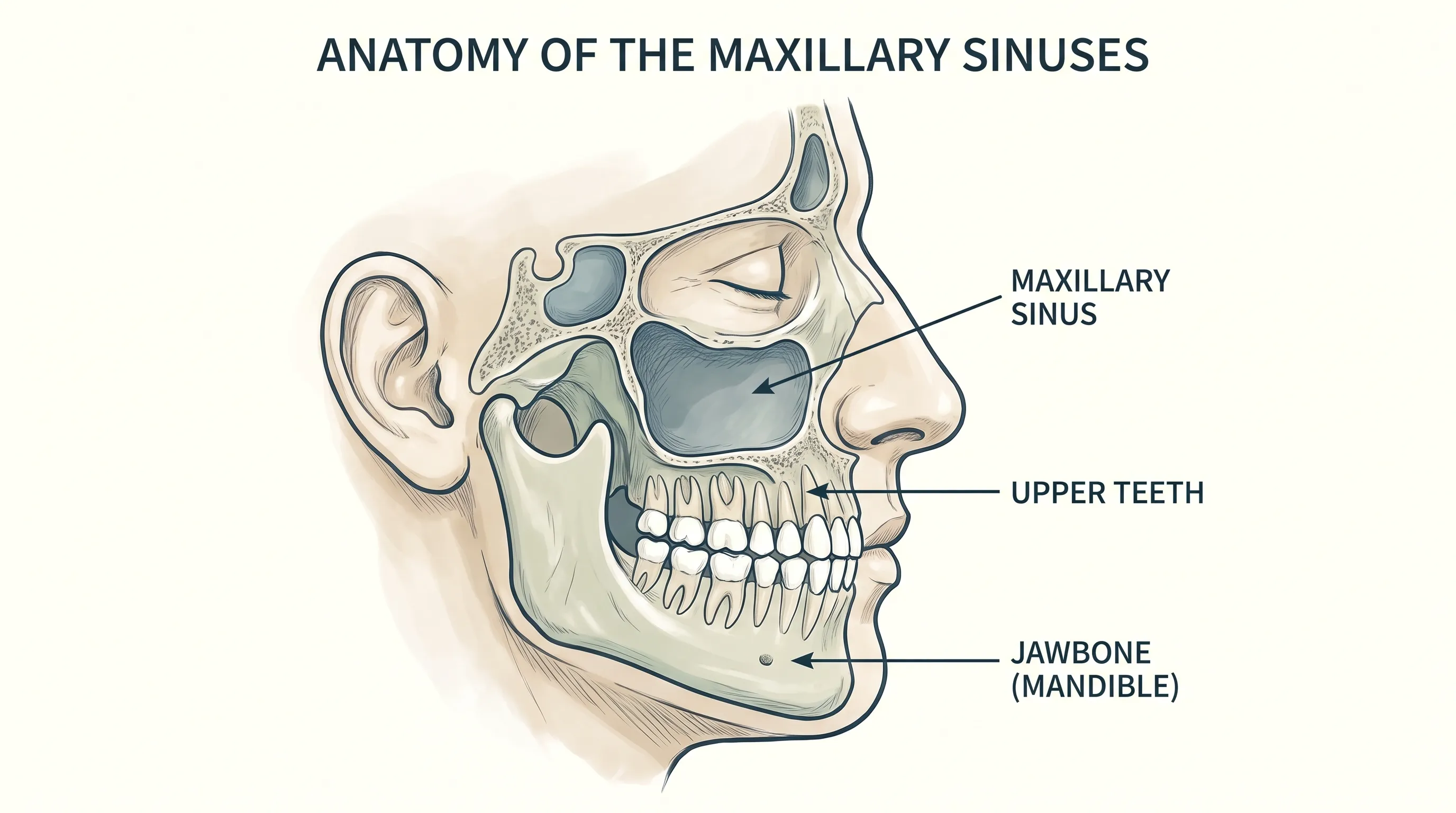
The trigeminal nerve, one of the largest nerves in the head, is responsible for sensation in the face and motor functions such as biting and chewing. This nerve has three branches, one of which—the maxillary branch—passes close to the maxillary sinuses. When sinusitis occurs, the lining of the sinuses becomes swollen and produces excess mucus. This buildup creates increased pressure within the confined space of the sinus cavity. As the pressure mounts, it can compress the nearby branches of the trigeminal nerve, leading to referred pain. Referred pain is a phenomenon where pain is perceived in a location other than the site of the painful stimulus. In this case, although the source of the problem is the sinus, the brain interprets the signals as coming from the jaw and teeth. This is why many people with sinus infections report toothaches or jaw soreness even though their teeth are perfectly healthy.
Furthermore, the drainage pathways of the maxillary sinuses are located high up in the cavity walls, making them prone to blockage. When these drainage ostia are blocked due to inflammation from a cold, allergies, or infection, mucus cannot escape. The trapped mucus becomes a breeding ground for bacteria, viruses, or fungi, leading to infection. The resulting inflammatory response causes further swelling, creating a vicious cycle of pressure and pain. Understanding this anatomical vulnerability helps explain why certain positions, such as bending forward, can exacerbate the pain. When you lean over, gravity shifts the fluid within the sinuses, increasing the pressure on the already sensitized nerve endings in the jaw area. This positional change is a classic hallmark of sinus-related pain and can help distinguish it from other types of facial pain. For more detailed anatomical information, you can refer to resources provided by the Cleveland Clinic.
Distinguishing Sinus Pain from TMJ and Dental Issues
One of the biggest challenges in seeking appropriate sinus jaw pain treatment is accurately diagnosing the source of the pain. The symptoms of sinusitis, temporomandibular joint (TMJ) disorders, and dental issues overlap significantly, leading to frequent misdiagnosis. Differentiating between these conditions is crucial because the treatment protocols vary drastically. Treating a sinus infection with dental procedures will not resolve the issue, just as treating TMJ with antibiotics will be ineffective. Therefore, recognizing the distinct characteristics of each condition is vital for patients and healthcare providers alike.
Sinus pain is typically characterized by a dull, constant ache or pressure that affects multiple teeth on one or both sides of the upper jaw. It is often accompanied by systemic symptoms of infection or inflammation, such as nasal congestion, postnasal drip, reduced sense of smell, and fatigue. The pain may worsen with sudden head movements or bending forward. In contrast, TMJ disorders involve the joints that connect the jawbone to the skull. Pain from TMJ is usually localized to the joint itself, located just in front of the ear, and may radiate to the jaw, neck, and shoulders. Key indicators of TMJ include clicking, popping, or grating sounds when opening or closing the mouth, difficulty chewing, and locking of the jaw. Unlike sinus pain, TMJ pain is mechanically triggered and does not typically improve with decongestants or nasal sprays. More information on distinguishing these conditions can be found at the Mayo Clinic.
Dental issues, such as cavities, abscesses, or gum disease, usually present with sharp, localized pain in a specific tooth. This pain is often triggered by hot, cold, or sweet stimuli and may persist even after the stimulus is removed. Dental pain is generally not associated with nasal symptoms or facial pressure. However, an abscessed upper tooth can sometimes infect the sinus cavity, leading to a condition known as odontogenic sinusitis. In such cases, the dental issue is the primary cause, and the sinus symptoms are secondary. To help clarify these differences, consider the following comparison:
| Feature | Sinusitis | TMJ Disorder | Dental Issue |
|---|---|---|---|
| Pain Location | Upper jaw, cheeks, forehead | Jaw joint, ears, neck | Specific tooth or gum area |
| Pain Type | Dull, throbbing, pressure | Sharp, clicking, grinding | Sharp, sensitive to temperature |
| Nasal Symptoms | Congestion, discharge, loss of smell | None | None |
| Triggers | Bending forward, lying down | Chewing, talking, yawning | Hot/cold food, biting down |
| Other Signs | Fever, fatigue, bad breath | Jaw locking, headaches | Swelling, visible decay |
If you are unsure about the source of your pain, a thorough evaluation by a healthcare professional is necessary. An ENT specialist can use endoscopy to visualize the sinuses, while a dentist can use X-rays to check for dental abnormalities. In some cases, a CT scan may be required to get a detailed view of both the sinuses and the jaw structure. Accurate diagnosis ensures that you receive the correct sinus jaw pain treatment, avoiding unnecessary procedures and speeding up recovery.
Immediate Home Remedies for Relief
For many individuals, mild to moderate sinus jaw pain can be effectively managed at home using simple, non-invasive remedies. These strategies aim to reduce inflammation, promote drainage, and alleviate pressure, providing much-needed relief while the body fights off the underlying infection or irritation. Incorporating these methods into your daily routine can significantly improve comfort and accelerate healing.
Steam inhalation is one of the most effective and immediate ways to relieve sinus pressure. Breathing in warm, moist air helps to loosen thick mucus, making it easier to drain from the sinuses. This reduction in volume directly decreases the pressure on the maxillary sinuses and the surrounding jaw nerves. You can achieve this by taking a hot shower, using a humidifier in your bedroom, or leaning over a bowl of hot water with a towel draped over your head to trap the steam. Adding a few drops of eucalyptus or peppermint oil to the water can provide additional decongestant benefits, as these essential oils have natural anti-inflammatory and antimicrobial properties. However, it is important to keep your eyes closed and maintain a safe distance from the hot water to avoid burns.

Saline nasal irrigation, commonly known as a neti pot rinse, is another powerful tool for sinus jaw pain treatment. By flushing the nasal passages with a saltwater solution, you can physically remove mucus, allergens, and irritants from the sinuses. This process helps to reduce swelling and restore normal sinus function. It is crucial to use distilled, sterile, or previously boiled and cooled water to prepare the saline solution to prevent the risk of infection. Regular use of saline rinses, especially during allergy season or when you have a cold, can prevent the buildup of pressure that leads to jaw pain. The CDC provides guidelines on safe water usage for nasal irrigation to prevent rare but serious infections.
Warm compresses applied to the face can also provide significant relief. Placing a warm, damp washcloth over the cheeks and nose for 10-15 minutes several times a day helps to increase blood flow to the area, reducing pain and promoting drainage. The heat soothes the inflamed tissues and can help to relax the muscles in the jaw, which may have tensed up in response to the pain. Additionally, staying well-hydrated is fundamental. Drinking plenty of water helps to thin the mucus, making it less viscous and easier to expel. Avoiding dehydrating substances like caffeine and alcohol can further support this process.
Over-the-counter (OTC) medications can also play a role in home management. Decongestants, such as pseudoephedrine or phenylephrine, work by shrinking the swollen blood vessels in the nasal passages, thereby opening up the airways and reducing pressure. However, these should be used with caution and not for more than three consecutive days, as prolonged use can lead to rebound congestion. Pain relievers like ibuprofen or acetaminophen can help manage the pain and reduce inflammation. Always follow the recommended dosage instructions and consult with a pharmacist or doctor if you have any underlying health conditions or are taking other medications.
Medical Treatments and Professional Interventions
While home remedies are effective for mild cases, persistent or severe sinus jaw pain often requires medical intervention. If symptoms last longer than ten days, worsen after initial improvement, or are accompanied by high fever, it is important to seek professional care. A healthcare provider can prescribe treatments that target the underlying cause of the sinusitis, whether it is bacterial, fungal, or related to chronic inflammation.
Antibiotics are the standard treatment for acute bacterial sinusitis. If a doctor determines that bacteria are causing the infection, they will prescribe a course of antibiotics, typically amoxicillin or doxycycline, for 7 to 14 days. It is crucial to complete the entire course of antibiotics, even if symptoms improve, to ensure that the infection is fully eradicated and to prevent antibiotic resistance. However, it is important to note that antibiotics are ineffective against viral sinus infections, which are more common. In such cases, supportive care and time are the best remedies. Guidelines on antibiotic use can be reviewed via the NIH National Library of Medicine.
For chronic sinusitis or cases involving significant inflammation, corticosteroids may be prescribed. Nasal corticosteroid sprays, such as fluticasone or mometasone, help to reduce swelling and inflammation in the nasal passages and sinuses. These sprays are safe for long-term use and can be highly effective in preventing recurrence. In more severe cases, oral corticosteroids may be prescribed for a short period to rapidly reduce inflammation. These powerful medications can provide quick relief from pressure and pain but come with potential side effects, so they are used judiciously.
In cases where structural issues contribute to chronic sinus problems, surgical intervention may be considered. Endoscopic sinus surgery is a minimally invasive procedure that allows surgeons to remove blockages, enlarge sinus openings, and improve drainage. This can be particularly helpful for individuals with deviated septums, nasal polyps, or enlarged turbinates that obstruct sinus flow. By restoring normal anatomy and function, surgery can provide long-term relief from sinus jaw pain. Another option is balloon sinuplasty, where a small balloon is inserted into the sinus passage and inflated to widen the opening. This procedure is less invasive than traditional surgery and has a shorter recovery time.
It is also worth considering allergy testing and immunotherapy if allergies are the primary trigger for your sinus issues. Identifying specific allergens and undergoing desensitization therapy can reduce the frequency and severity of sinus infections, thereby preventing jaw pain. Working with an allergist or immunologist can provide a personalized plan for managing allergic rhinitis and its complications.
Lifestyle Changes and Prevention Strategies
Preventing sinus jaw pain is often more effective than treating it after it occurs. Making certain lifestyle adjustments can strengthen your immune system, reduce exposure to irritants, and maintain healthy sinus function. These proactive measures can significantly reduce the frequency of sinus infections and the associated jaw pain.
Maintaining good indoor air quality is paramount. Use a humidifier during dry winter months to keep the air moist, which prevents the nasal passages from drying out and becoming irritated. Conversely, in humid climates, use a dehumidifier to prevent mold growth, a common allergen that can trigger sinusitis. Regularly clean and replace HVAC filters to reduce the circulation of dust, pollen, and pet dander. Avoiding exposure to tobacco smoke and other environmental pollutants is also crucial, as these irritants can inflame the sinus lining and impair ciliary function, the tiny hair-like structures that move mucus out of the sinuses.
Dietary choices can also influence sinus health. Some studies suggest that dairy products may thicken mucus in certain individuals, although this is not universally true. If you notice that dairy worsens your symptoms, consider reducing your intake. Eating a diet rich in antioxidants, such as fruits and vegetables, can boost your immune system and help fight off infections. Foods containing omega-3 fatty acids, like salmon and walnuts, have anti-inflammatory properties that may benefit sinus health. Staying hydrated remains a key preventive measure, as it keeps mucus thin and flowing.
Practicing good hygiene is essential for preventing viral and bacterial infections. Wash your hands frequently, especially during cold and flu season, to avoid picking up pathogens that can lead to sinusitis. Avoid close contact with people who are sick, and do not share personal items like towels or utensils. If you suffer from allergies, manage them proactively with antihistamines or nasal sprays as recommended by your doctor. Keeping your allergies under control reduces the likelihood of developing secondary sinus infections.
Regular exercise can also improve sinus health by boosting circulation and immune function. However, be mindful of exercising in environments with high pollen counts or pollution, as this can trigger symptoms. Swimming in chlorinated pools may irritate the nasal passages for some people, so consider wearing a nose clip or rinsing your nose with saline after swimming. Finally, manage stress effectively, as chronic stress can weaken the immune system and make you more susceptible to infections. Techniques such as meditation, yoga, and deep breathing exercises can help keep stress levels in check.
Frequently Asked Questions
Can sinus infections cause jaw pain?
Yes, sinus infections, particularly those affecting the maxillary sinuses located above the upper teeth, can cause significant jaw pain. The inflammation and pressure buildup in these sinuses can radiate to the upper jaw, teeth, and surrounding facial structures, mimicking dental issues or temporomandibular joint disorders.
How do I know if my jaw pain is from sinuses or TMJ?
Sinus-related jaw pain is typically accompanied by other symptoms such as nasal congestion, thick discolored mucus, fever, and a feeling of fullness in the face that worsens when bending forward. TMJ pain, on the other hand, is often linked to jaw movement, clicking or popping sounds, and may not present with nasal symptoms. A healthcare provider can help differentiate between the two through physical examination and imaging.
What is the fastest way to relieve sinus jaw pain?
The fastest relief often comes from a combination of steam inhalation to loosen mucus, over-the-counter decongestants to reduce swelling, and warm compresses applied to the face. Staying hydrated and using saline nasal sprays can also provide immediate comfort by flushing out irritants and reducing pressure on the sinus walls and adjacent jaw nerves.
When should I see a doctor for sinus jaw pain?
You should see a doctor if your symptoms last more than 10 days without improvement, if you have a high fever, severe headache, or vision changes, or if the pain is so severe it interferes with daily activities. Additionally, if you experience swelling around the eyes or forehead, seek medical attention immediately as this could indicate a spreading infection.
Can antibiotics treat sinus jaw pain?
Antibiotics are only effective if the sinus jaw pain is caused by a bacterial sinus infection. Most sinus infections are viral and will resolve on their own with supportive care. Antibiotics will not help with viral infections or non-infectious causes like allergies or TMJ disorders. A doctor must determine the underlying cause before prescribing antibiotics.
Conclusion
Sinus jaw pain is a complex and often debilitating symptom that arises from the intricate connection between the maxillary sinuses and the upper jaw. While it can be easily mistaken for dental problems or TMJ disorders, understanding the distinct characteristics of sinus-related pain is key to finding effective relief. From the dull, pressure-like ache that worsens with movement to the accompanying nasal symptoms, recognizing the signs of sinusitis allows for timely and appropriate intervention. Whether through simple home remedies like steam inhalation and saline rinses or medical treatments such as antibiotics and corticosteroids, there are numerous pathways to alleviate this discomfort. Preventive measures, including maintaining good indoor air quality, managing allergies, and practicing good hygiene, play a crucial role in reducing the frequency of episodes. By adopting a holistic approach to sinus health, you can minimize the impact of sinus jaw pain and improve your overall quality of life. Remember, if symptoms persist or worsen, consulting a healthcare professional is essential to rule out serious complications and ensure you receive the correct sinus jaw pain treatment tailored to your specific needs.
How we work
Researched and drafted with AI assistance, then reviewed by a human editor against the cited sources.
This article is general health information, not medical advice. Consult a qualified healthcare professional about your own situation.