How to Whiten Crowns DIY: Safe Methods, Risks, and Professional Alternatives
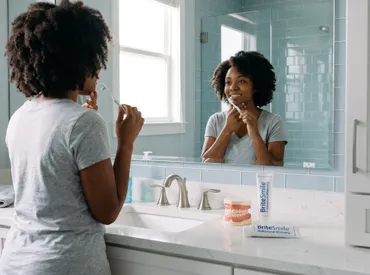
Staring into the bathroom mirror, you notice a subtle but frustrating shift in your smile. The dental crown that once blended seamlessly with your natural teeth now seems to stand out, appearing dull, discolored, or noticeably mismatched against the surrounding enamel. In an era where radiant smiles are synonymous with confidence and health, this aesthetic discrepancy can feel like a significant setback. Naturally, your first instinct is to reach for the same over-the-counter whitening strips or DIY remedies that successfully brightened your natural teeth. You search online for "how to whiten crowns diy," hoping for a quick, affordable fix to restore the uniformity of your smile. However, the path to restoring a bright smile involving dental restorations is fundamentally different from treating natural enamel, and navigating this landscape requires distinguishing between internet myths and clinical reality.
The quest to understand how to whiten crowns diy is one of the most common inquiries in cosmetic dentistry, yet it is fraught with misinformation that can lead to irreversible damage. Unlike natural teeth, which are porous and responsive to chemical bleaching agents, dental crowns are fabricated from inert, non-porous materials such as porcelain, ceramic, zirconia, or composite resin. These materials are engineered to be stain-resistant and color-stable, meaning they do not possess the biological structure necessary for traditional whitening chemistry to work. Attempting to force a chemical reaction on a material designed to resist it is not only futile but potentially harmful. This comprehensive guide explores the science behind why crowns do not whiten, identifies safe maintenance protocols to maximize their brightness, exposes dangerous DIY trends to avoid, and outlines professional solutions for achieving the harmonious smile you desire. Understanding these distinctions is the first step toward protecting your dental investment while pursuing aesthetic excellence.
The Science of Crown Materials and Whitening Chemistry
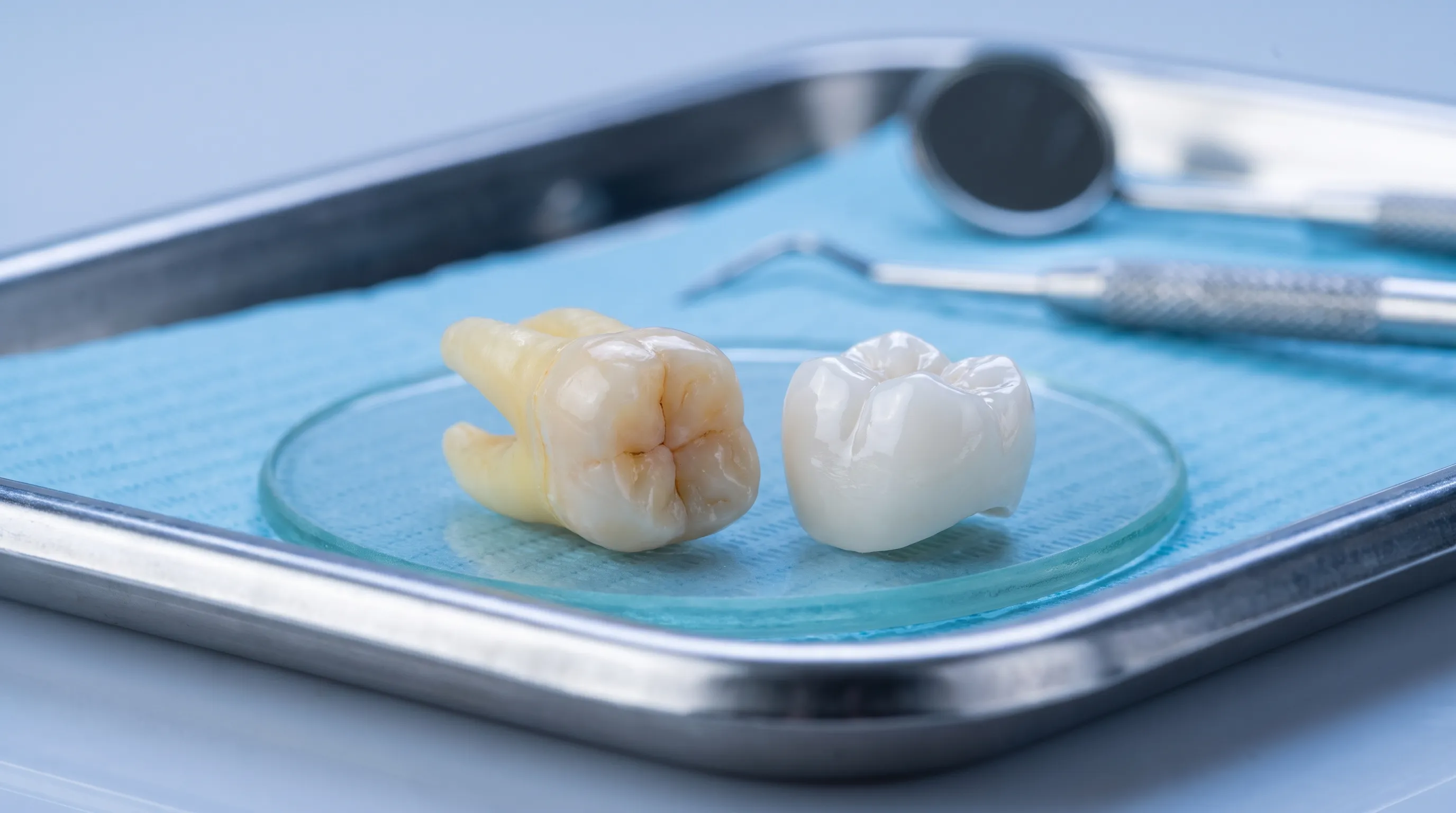
To truly grasp why searching for how to whiten crowns diy often leads to dead ends, one must understand the fundamental material science differences between biological tooth structure and synthetic dental restorations. Natural teeth are composed of enamel, a semi-translucent, crystalline structure that covers the underlying dentin. Enamel is permeable; it contains microscopic tubules and pores that allow bleaching agents like hydrogen peroxide or carbamide peroxide to penetrate deep into the tooth structure. Once inside, these oxidizing agents break down long-chain chromophores (stain molecules) into shorter, lighter-colored chains, effectively changing the intrinsic color of the tooth from the inside out. This process relies entirely on the organic, porous nature of biological tissue.
Free calculatorHeadache Location ChartIdentify headache types by locationOpen the calculatorIn stark contrast, dental crowns are manufactured from high-density ceramics, glass-matrix composites, or metal alloys. Porcelain and zirconia, the most common materials for anterior crowns, are vitrified during a high-temperature firing process that creates a dense, glass-like surface. This surface is intentionally non-porous to prevent staining and bacterial adhesion. Because there are no tubules or organic matrices for peroxide to penetrate, the bleaching agent simply sits on the surface of the crown and washes away without effecting any color change. The shade of a dental crown is determined at the moment of fabrication through the layering of ceramic powders and opaque modifiers. Once glazed and sintered, that color is permanent. No amount of topical application of whitening gel can alter the light-absorption properties of fired ceramic.
Furthermore, the interaction between whitening agents and crown materials extends beyond mere ineffectiveness; it involves potential chemical incompatibility. While high-quality dental ceramics are chemically inert, the luting cements used to bond crowns to teeth and the composite resins used for marginal repairs can be affected by prolonged exposure to acidic or highly concentrated bleaching agents. Research published in peer-reviewed dental journals indicates that while porcelain itself is resistant to erosion, the surface roughness of some restorative materials can increase after extended exposure to carbamide peroxide, potentially altering the way light reflects off the crown and making it appear duller rather than brighter. Additionally, if a crown has been repaired or touched up with composite bonding, that composite material may degrade or discolor differently than the ceramic, leading to a patchy appearance. Understanding this material limitation is crucial because it reframes the conversation from "how to bleach" to "how to clean and maintain," shifting the focus from chemical alteration to mechanical preservation.
Why Common DIY Whitening Trends Fail and Cause Harm
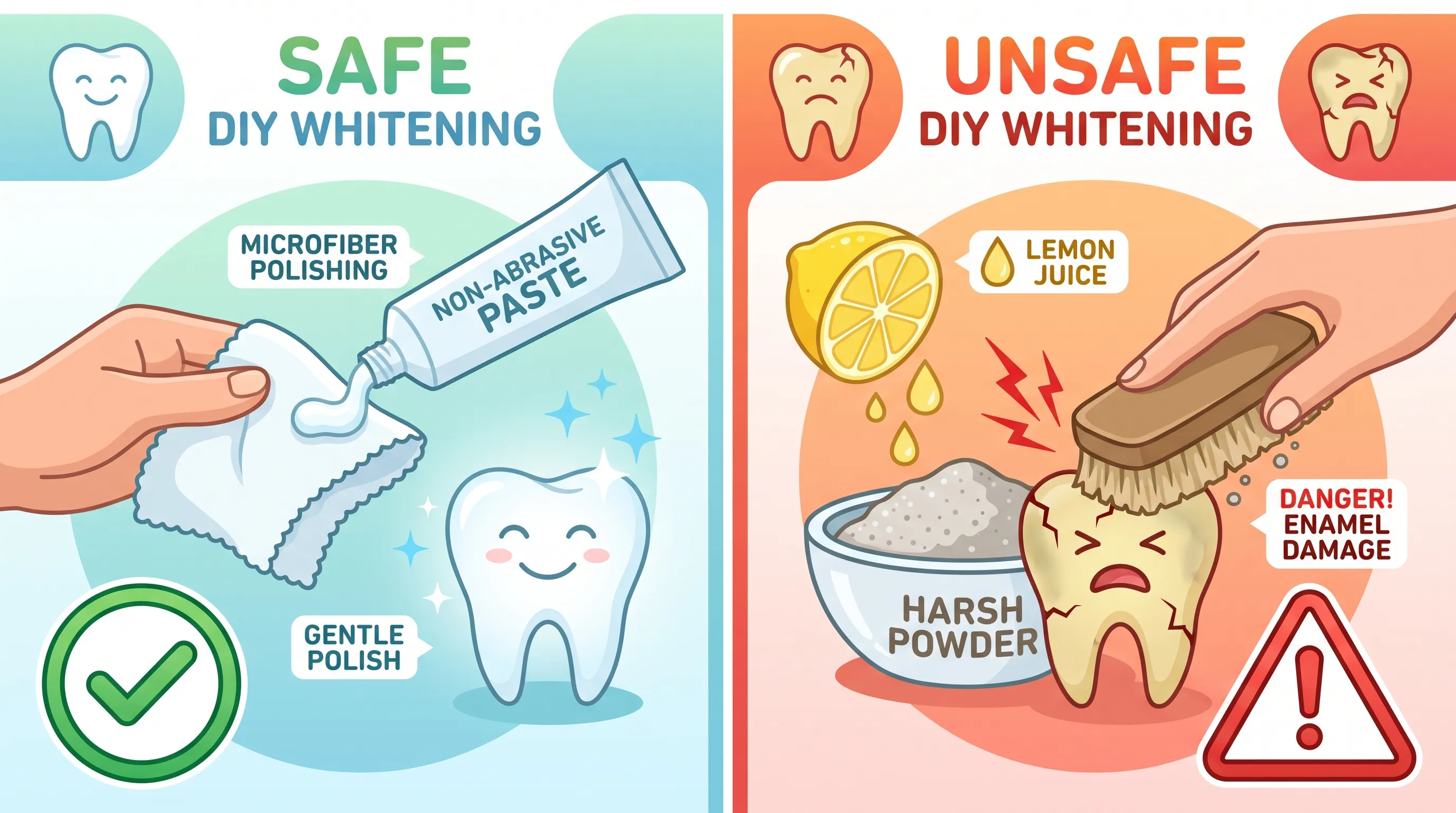
The internet is saturated with viral hacks promising miraculous results for those wondering how to whiten crowns diy. Unfortunately, many of these trends range from completely ineffective to actively destructive. Recognizing these hazards is essential for preserving both the integrity of your restoration and your oral health. One of the most pervasive myths involves the use of activated charcoal. Marketed as a natural detoxifier and whitener, charcoal is highly abrasive. On the Mohs scale of hardness, charcoal particles can be harder than the glaze on dental porcelain. Scrubbing a crown with charcoal does not lift stains; it mechanically erodes the glossy finish. Once the glaze is scratched, the crown loses its protective barrier, becoming a magnet for plaque, coffee, tea, and tobacco stains. Ironically, using charcoal to whiten a crown often results in a permanently dingy, gray-looking restoration that requires full replacement.
Another dangerous trend involves the use of acidic fruits like lemons, strawberries, or apple cider vinegar. Proponents claim the acid dissolves stains, but in reality, acid attacks the dental cement seal and can etch the surface of certain glass-based ceramics. While zirconia is relatively acid-resistant, porcelain-fused-to-metal and feldspathic porcelain can suffer surface degradation from low pH substances. More critically, acid exposure weakens the bond between the crown and the tooth, creating micro-gaps where bacteria can infiltrate, leading to recurrent decay underneath the restoration. This type of damage is insidious because it is often painless until significant structural compromise has occurred. Similarly, turmeric, another popular natural remedy, poses a unique risk. Turmeric is a potent dye that can adhere tenaciously to the margins of crowns and any exposed composite resin. Instead of whitening, it frequently leaves a stubborn yellow-orange residue that is difficult to remove professionally, exacerbating the very problem users are trying to solve.
Even seemingly benign products like whitening toothpastes require scrutiny. Many commercial whitening toothpastes rely on abrasive silica particles to polish away extrinsic stains from natural enamel. While safe for occasional use on teeth, daily aggressive brushing with high-RDA (Relative Dentin Abrasivity) toothpastes can wear down the polished surface of composite and acrylic temporary crowns, and over years, can dull high-gloss porcelain. For individuals researching how to whiten crowns diy, the safest approach is to abandon the idea of "whitening" altogether and adopt a mindset of "stain prevention and gentle polishing." Products containing blue covarine or optical brighteners may offer a temporary visual illusion of whiteness by depositing a thin blue film that counteracts yellow tones, but they do not change the crown's color. Distinguishing between optical illusions and actual color change helps manage expectations and prevents the adoption of harmful practices. Always consult authoritative sources such as the NHS guidance on dental crowns before attempting unverified home remedies.
Safe Cleaning Protocols to Maximize Crown Brightness
While you cannot chemically bleach a crown, you can significantly improve its appearance by meticulously removing extrinsic surface deposits. Over time, pellicle layers, tannins from food and drink, and calculus buildup can make even the whitest crown appear yellow or gray. Establishing a rigorous, safe cleaning protocol is the most effective answer to how to whiten crowns diy in a practical sense. Start with your toothpaste selection. Opt for low-abrasive formulas specifically labeled as safe for restorations or sensitive teeth. Gel-based toothpastes often have lower abrasivity than paste formulations. Avoid products marketed as "smokers' toothpaste" or "extra whitening," as these typically contain harsh abrasives. Ingredients like xylitol and fluoride are beneficial for preventing decay at the crown margin without risking surface damage.
Mechanical cleaning tools also play a vital role. Electric toothbrushes with sonic technology are generally superior to manual brushes for cleaning around restorations because they create fluid dynamics that disrupt biofilm in areas bristles cannot reach. However, pressure sensing is critical; pressing too hard with any brush can abrade the crown margin and cause gingival recession. Use a soft or extra-soft brush head and let the device do the work. Interdental cleaning is equally important. Stains often accumulate at the interproximal contacts where the crown meets adjacent teeth. Flossing daily removes this hidden debris. Water flossers can be particularly effective for flushing out pigment-laden plaque from under the gumline around crown margins without the friction of string floss. For those with visible surface staining, professional-grade polishing pastes available for home use (often containing fine alumina or diamond dust) can safely restore luster without scratching. These are distinct from abrasive whitening pastes and are formulated specifically for ceramic surfaces.
Dietary modifications serve as the frontline defense against crown discoloration. Since crowns cannot be bleached, prevention is paramount. Limit consumption of deeply pigmented beverages like red wine, black tea, coffee, and cola. When you do consume them, use a straw to minimize contact with anterior restorations and rinse with water immediately afterward. Tobacco cessation is perhaps the single most impactful lifestyle change for maintaining crown aesthetics; nicotine and tar create tenacious brown stains that are notoriously difficult to remove from restoration margins. Regular professional cleanings every three to six months are non-negotiable. Dental hygienists use specialized polishing cups and prophy pastes designed for ceramics that can safely remove accumulated stain that home care cannot address. They can also assess the integrity of the crown glaze and identify early signs of wear or marginal leakage. By combining gentle home care with professional maintenance, you can keep your existing crowns looking their absolute brightest, even if that brightness has a biological ceiling.
Strategic Whitening: Treating Natural Teeth to Match Crowns
For many patients, the perceived problem isn't that the crown is too dark, but that the natural teeth have become lighter or darker than the fixed restoration. Since you cannot change the crown's color via DIY methods, the most effective strategy for achieving a uniform smile is often to adjust the shade of the natural teeth to match the crown. This inverse approach transforms the question of how to whiten crowns diy into "how to harmonize my smile around my crown." If your natural teeth have darkened over time, making the crown look artificially bright or gray, professional whitening of the natural dentition can bridge the gap. Dentists can provide custom trays that isolate the crown during treatment or monitor the process closely to ensure the natural teeth approach the crown's shade without overshooting it.
Conversely, if you have recently whitened your natural teeth and now your older crown looks yellow in comparison, the solution may involve waiting. Post-whitening sensitivity and color stabilization can take two to four weeks. During this period, the true final shade of your natural teeth settles. Rushing to replace a crown immediately after whitening often results in a mismatch once the natural teeth dehydrate and stabilize. Patience is a critical component of aesthetic planning. In cases where the crown is significantly darker than newly whitened teeth, replacement is inevitable. However, understanding the timeline prevents premature expenditure. It is also worth noting that some patients opt for veneers on adjacent teeth to create a gradient transition that masks minor shade discrepancies between a single crown and natural enamel. This comprehensive treatment planning requires professional oversight but yields far superior results to futile DIY attempts.
Communication with your dentist is key in this process. Bring photos of your desired smile outcome and discuss the limitations of your existing restorations. Your dentist can perform a shade analysis using standardized guides to quantify the exact delta between your crown and natural teeth. They may recommend internal bleaching for endodontically treated natural teeth or microabrasion for superficial enamel stains before considering crown replacement. Sometimes, simply re-polishing the crown professionally and whitening the adjacent teeth by one or two shades creates sufficient harmony to satisfy the patient without invasive procedures. This nuanced approach respects the permanence of dental work while leveraging modern cosmetic techniques to achieve balance. Remember, the goal is facial esthetics, not just isolated tooth color. Resources like MedlinePlus information on dental crowns provide foundational knowledge to facilitate informed discussions with your provider.
Professional Solutions When Home Care Is Insufficient
When safe cleaning and strategic whitening fail to achieve acceptable aesthetics, professional intervention becomes necessary. Acknowledging the limits of how to whiten crowns diy is a sign of dental literacy, not failure. Replacement remains the definitive solution for intrinsically discolored or aged restorations. Modern materials have advanced significantly; newer generations of lithium disilicate and multilayered zirconia offer translucency and vitality that mimic natural enamel far better than older opaque porcelains. When replacing a crown for aesthetic reasons, request a try-in appointment. Many dentists now use provisional restorations or digital mockups to preview the final shade and shape before permanent cementation. This eliminates guesswork and ensures the new crown integrates seamlessly with your current smile, accounting for any previous whitening.
For minor surface imperfections or slight shade mismatches, dental bonding or veneering over the existing crown is occasionally possible, though technique-sensitive. Composite resin can be layered onto a properly prepared porcelain surface to mask localized stains or adjust contour. However, this is a temporary measure compared to full replacement and requires meticulous isolation and bonding protocols. Air abrasion or laser surface treatment may be employed to enhance adhesion. Another emerging option is external staining characterization, where a ceramist applies superficial stains to a new crown to match neighboring teeth that have unique characterizations, rather than forcing the entire smile to match a sterile white crown. This artistic approach values naturalism over artificial brightness.
Financial considerations often drive the search for DIY alternatives. Crown replacement is costly, and insurance rarely covers purely cosmetic updates. Discuss payment plans, dental discount networks, or dental school clinics with your provider. Dental schools often offer high-quality cosmetic work at reduced rates under faculty supervision. Investing in proper replacement protects oral health; ill-fitting or degraded crowns harbor bacteria regardless of color. Ultimately, accepting that crowns are permanent fixtures with finite lifespans helps reframe expectations. They are medical devices first and cosmetic accessories second. When they no longer serve either function adequately, professional renewal is the only evidence-based path forward. Avoid compromising your oral health for the sake of a temporary aesthetic fix found in unverified online tutorials.
Comparison of DIY Methods Versus Professional Treatments
Navigating the options for improving crown aesthetics requires clear differentiation between what is safe, what is effective, and what is mythical. The following table summarizes key approaches for those researching how to whiten crowns diy, contrasting them with professional standards to aid decision-making.
| Method | Safety for Crowns | Efficacy for Color Change | Risk Level | Recommended Action |
|---|---|---|---|---|
| Hydrogen Peroxide Strips | Moderate | None (Intrinsic) | Low-Moderate (Gum irritation) | Safe for natural teeth only; avoid prolonged crown contact |
| Baking Soda Paste | Low (Abrasive) | Surface Stain Only | High (Glaze damage) | Use sparingly or avoid; opt for low-RDA paste |
| Activated Charcoal | Unsafe | None | Very High (Scratching) | Avoid completely; causes permanent surface damage |
| Lemon/Vinegar Rinse | Unsafe | None | Very High (Cement erosion) | Never use; compromises restoration seal |
| Professional Polishing | Safe | Extrinsic Stain Removal | None | Recommended every 6 months for maintenance |
| Crown Replacement | N/A | Complete Color Change | Surgical (Standard) | Definitive solution for intrinsic discoloration |
| Natural Tooth Whitening | Safe | Harmonization Only | Low | Best strategy to match existing crown shade |
This comparison underscores that while surface cleanliness is achievable at home, true color modification is exclusively a professional domain. The risks associated with popular DIY methods consistently outweigh any perceived benefits. Data from systematic reviews, including those indexed in PubMed regarding dental material stability, reinforce that restorative materials behave fundamentally differently than biological tissues. Respecting these material properties prevents costly mistakes and preserves oral function alongside aesthetics.
Frequently Asked Questions
Can I use hydrogen peroxide to whiten my dental crowns at home?
No, hydrogen peroxide cannot change the intrinsic color of dental crowns. While it is effective for bleaching natural tooth enamel by penetrating the porous surface to break down stain molecules, dental crowns are made from non-porous materials like porcelain or zirconia. Peroxide gels will not penetrate these restorations. However, peroxide-based rinses can help clean surface debris without damaging the crown, provided they are used as directed.
Why did my crowns look white when I got them but now look yellow?
This discrepancy usually occurs because your natural teeth have darkened over time due to aging, diet, or lifestyle habits, while the crown material has remained color-stable. When the crown was first placed, it was matched to your then-current tooth shade. As natural enamel stains, the static color of the crown creates a contrast that makes the restoration appear darker or mismatched relative to the surrounding dentition, even though the crown itself has not changed color.
Is baking soda safe for removing stains from porcelain crowns?
Baking soda should be used with extreme caution on dental crowns. While it is effective at removing surface plaque on natural teeth, its abrasive nature can scratch the glaze on porcelain or composite crowns. Once the protective glaze is compromised, the crown becomes more susceptible to future staining and bacterial accumulation. If you choose to use it, do so sparingly and gently, but non-abrasive polishing pastes designed specifically for restorations are generally safer alternatives.
How much does it cost to replace discolored dental crowns?
The cost of replacing a single dental crown varies significantly based on geographic location, material choice, and dentist expertise, typically ranging from $800 to $2,500 per unit. Porcelain-fused-to-metal crowns are generally less expensive than all-ceramic or zirconia options. Dental insurance may cover a portion if the replacement is deemed medically necessary due to structural failure, but replacements solely for cosmetic color matching are often considered elective and may not be covered.
Can activated charcoal whiten dental crowns effectively?
There is no scientific evidence supporting the efficacy of activated charcoal for whitening dental crowns, and dental professionals generally advise against it. Charcoal is highly abrasive and can permanently damage the polished surface of porcelain and composite restorations. Rather than whitening the crown, charcoal tends to leave residue in microscopic scratches and at the margin line where the crown meets the gum, potentially making the restoration look dirtier and increasing the risk of decay.
Key Takeaways
The journey to understand how to whiten crowns diy ultimately reveals a fundamental truth of restorative dentistry: you cannot change the color of synthetic materials with household chemicals. Dental crowns are permanent, non-porous restorations whose shade is fixed at fabrication. Attempts to bleach them with peroxide, charcoal, or acids are not only ineffective but carry significant risks of surface damage, marginal leakage, and accelerated deterioration. True aesthetic improvement comes from safe maintenance protocols that remove extrinsic stains, strategic whitening of natural teeth to create harmony, and professional replacement when restorations have reached the end of their functional or aesthetic lifespan. Embracing evidence-based care over viral trends protects your investment and your oral health. Remember that a healthy, well-maintained smile is always more attractive than a damaged one achieved through misguided experimentation. Consult your dentist for personalized advice tailored to your specific restorative materials and aesthetic goals, ensuring your smile remains both beautiful and structurally sound for years to come.
How we work
Researched and drafted with AI assistance, then reviewed by a human editor against the cited sources.
This article is general health information, not medical advice. Consult a qualified healthcare professional about your own situation.