Can Veneers Fix Overbite? A Comprehensive Dental Guide
If you have been searching for answers about can veneers fix overbite concerns, you are likely balancing cosmetic desires with functional dental realities. An overbite affects millions of individuals worldwide, altering facial harmony, impacting speech patterns, and occasionally causing chronic jaw discomfort. Many patients turn to cosmetic dentistry seeking faster, less invasive solutions than traditional braces or clear aligners. The promise of a flawless, camera-ready smile in just a few appointments is undeniably attractive. However, understanding the structural limitations of dental restorations is crucial for making safe, long-term decisions. Dental veneers are incredibly effective at transforming stained, chipped, or misshapen teeth, but they operate within strict biomechanical boundaries. When applied to a malocclusion like an overbite, the underlying skeletal and dental relationships dictate treatment success. In this comprehensive guide, we will explore exactly how overbites form, why veneers cannot structurally correct them, when cosmetic camouflage is appropriate, and which evidence-based alternatives deliver lasting functional improvement. By understanding the clinical science behind both cosmetic and orthodontic interventions, you will be equipped to collaborate with qualified dental professionals and achieve a healthy, beautiful smile that stands the test of time.
Understanding Overbites: Types, Causes, and Symptoms
An overbite is a fundamental dental condition that requires precise classification before any treatment planning begins. Many people confuse general tooth overlap with pathological malocclusion, but dentists measure vertical overlap in millimeters and evaluate the spatial relationship between the maxillary and mandibular arches. Normal physiological overlap ranges from two to four millimeters, as established by clinical guidelines from the Mayo Clinic. Anything exceeding this threshold introduces abnormal force distribution across the periodontal ligament, enamel surface, and temporomandibular joint complex.
Free calculatorHeadache Location ChartIdentify headache types by locationOpen the calculatorWhat Exactly Is an Overbite?
Clinically, an overbite refers to the vertical overlap of the upper front teeth over the lower front teeth. It is measured along the sagittal plane when the posterior teeth are in maximum intercuspation. A deep overbite occurs when the upper incisors completely cover the lower incisors, sometimes causing them to bite into the gingival tissue or the palate. This condition develops gradually during childhood growth and often stabilizes in late adolescence. However, certain habits, genetic predispositions, and environmental factors can exacerbate the overlap well into adulthood. The severity of the overlap directly correlates with the complexity of intervention required. Mild cases may cause minimal functional disruption, while severe cases contribute to accelerated tooth wear, periodontal compromise, and muscular fatigue.
Dental vs. Skeletal Overbites
Distinguishing between dental and skeletal origins is essential for treatment planning. A dental overbite results from the angulation and positioning of the teeth themselves. Retroclined lower incisors or proclined upper incisors can create the appearance of an overbite even when the jaw relationship is normal. These cases respond predictably to orthodontic mechanics and aligner therapy. In contrast, a skeletal overbite stems from disproportionate jaw development. A shorter mandible or vertically overgrown maxilla forces the teeth into excessive overlap regardless of their individual positioning. Skeletal discrepancies cannot be resolved with braces or veneers alone. They require orthopedic growth modification during childhood or orthognathic surgery in adulthood. Cephalometric radiographs and three-dimensional cone-beam computed tomography scans are the gold standards for differentiating between these two presentations, per diagnostic standards outlined by the Cleveland Clinic.
Common Symptoms and Complications
Patients with untreated overbites frequently experience a predictable set of symptoms that extend beyond aesthetic concerns. Chronic lip strain is common because the upper lip must work harder to achieve closure over the protruding teeth. Incisal trauma occurs when the lower teeth repeatedly strike the back of the upper teeth or the palatal mucosa, leading to enamel microfractures and gingival recession. Muscle hypertrophy in the mentalis and orbicularis oris regions can develop as compensatory mechanisms. Over time, abnormal occlusal loading accelerates attrition on the lower anterior teeth and cusp facets on the posterior dentition. Sleep-disordered breathing may also correlate with retrognathic mandibles associated with deep overbites, though the causal relationship requires individualized airway evaluation, as noted in research from the National Institute of Dental and Craniofacial Research (NIH). Recognizing these systemic implications underscores why superficial solutions rarely deliver sustainable results.
The Truth About Veneers and Bite Alignment
The cosmetic dentistry industry has evolved dramatically over the past two decades, delivering restorations with exceptional optical properties and fracture resistance. Modern feldspathic and lithium disilicate ceramics mimic natural enamel with remarkable precision. However, understanding their mechanical limitations is non-negotiable when addressing functional malocclusions. Many patients assume that reshaping and covering teeth will automatically improve their bite relationship, but the structural reality operates differently.
What Dental Veneers Actually Do
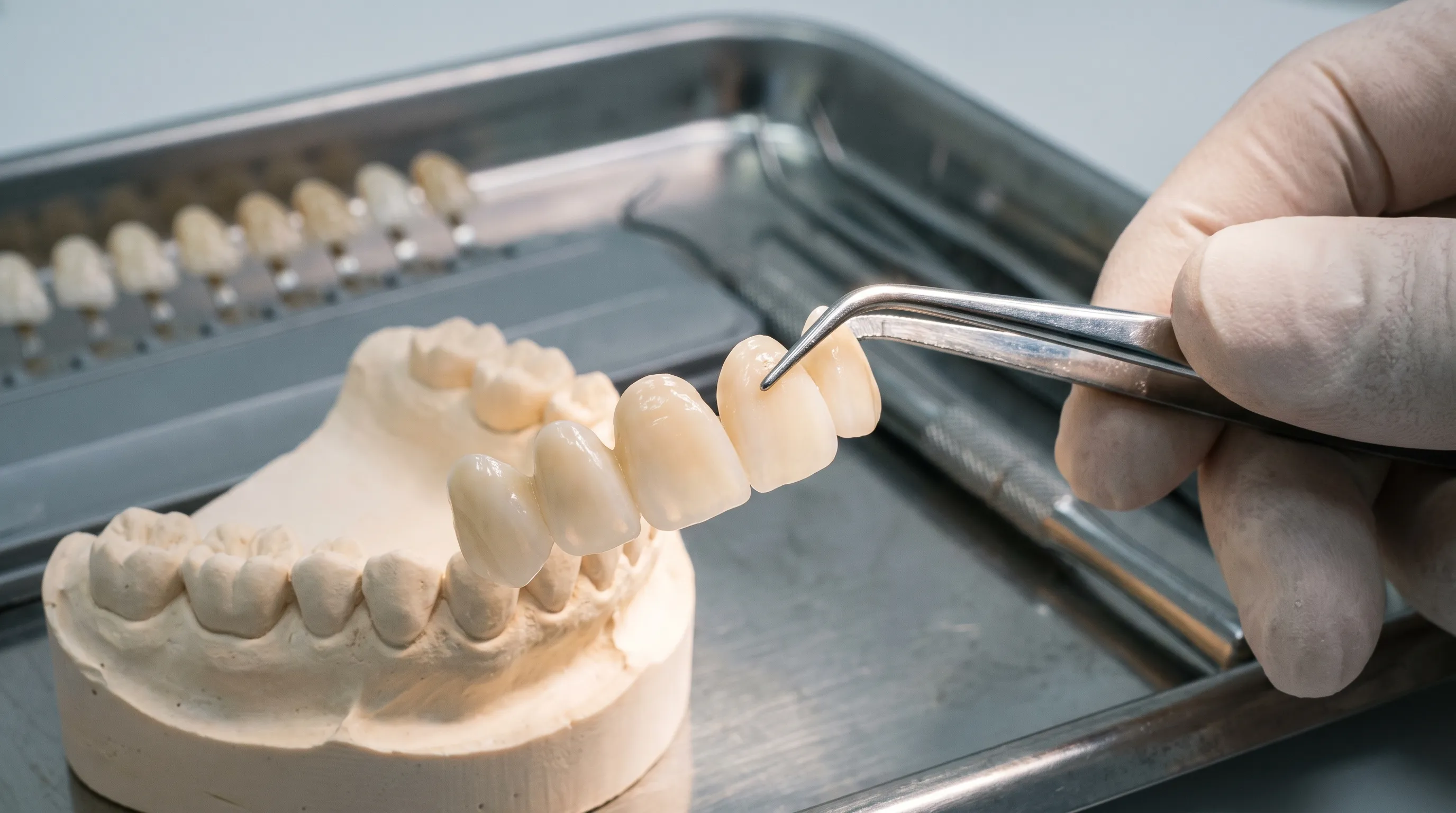
Dental veneers are thin, custom-fabricated shells bonded to the facial and occasionally incisal surfaces of teeth. Their primary purpose is aesthetic enhancement: correcting discoloration, closing diastemas, reshaping malformed teeth, and restoring fractured incisal edges. The bonding process relies on micromechanical retention and chemical adhesion using resin-based cement, a procedure thoroughly detailed in patient education resources from the Cleveland Clinic. When applied to properly prepared enamel, the bond strength can exceed the cohesive strength of the porcelain itself, creating a highly durable monolithic unit. Veneers do not move teeth, alter jaw position, or change the spatial relationship between arches. They simply modify the visible architecture of individual teeth while following the existing occlusal plane.
Why Veneers Are Cosmetic, Not Structural
The distinction between cosmetic and structural dentistry defines the boundaries of what veneers can achieve. Orthodontic appliances apply controlled, continuous force to stimulate bone remodeling through osteoclastic and osteoblastic activity. This physiological process literally repositions teeth within the alveolar socket over months or years. Veneers lack any mechanism for force application or tissue remodeling. Placing ceramic shells over misaligned teeth without addressing the underlying occlusion is analogous to painting over a cracked wall without repairing the foundation. The appearance may improve temporarily, but the structural deficiency remains active and continues generating destructive forces. Furthermore, the adhesive interface experiences shear stress whenever opposing teeth contact at abnormal angles, significantly increasing debonding risk.
When Veneers Can Mask Mild Overbites
There are specific clinical scenarios where can veneers fix overbite presentations in a limited, cosmetic capacity. If the vertical overlap measures two to three millimeters beyond the physiological range, and the patient exhibits healthy periodontal tissues, adequate enamel volume, and no temporomandibular dysfunction, carefully planned veneers can create the visual illusion of improved alignment. The dentist may slightly extend the incisal edge of the upper teeth while maintaining proper clearance during protrusive and lateral excursions. This approach requires meticulous diagnostic wax-ups, temporary mock-ups, and functional occlusal analysis. It works best for patients who have previously completed orthodontic treatment but desire final aesthetic refinements, or those with isolated dental discrepancies rather than jaw-based malocclusions. The key is conservative preparation and realistic expectation management.
| Feature | Traditional Dental Veneers | Orthodontic Braces & Aligners | Orthognathic Surgery |
|---|---|---|---|
| Primary Purpose | Aesthetic enhancement, color/shape correction | Tooth repositioning, occlusal normalization | Skeletal jaw realignment, severe functional correction |
| Treatment Duration | 2 to 4 clinical visits | 12 to 24 months | Surgery + 6 to 18 months of orthodontics |
| Invasiveness | Moderate (enamel reduction) | Minimal to moderate (appliance placement) | High (surgical bone cuts, hospitalization) |
| Functional Impact | None (cosmetic only) | High (corrects malocclusion) | Maximum (addresses skeletal discrepancy) |
| Longevity | 10 to 20 years with maintenance | Permanent results with retention | Permanent structural correction |
| Ideal Candidate | Healthy enamel, mild overlap, stable bite | Moderate malocclusion, growing or stable jaw | Severe skeletal discrepancy, functional impairment |
Limitations and Risks of Using Veneers for Overbites
Applying cosmetic restorations to functionally compromised dentition introduces predictable failure modes that ethical clinicians actively work to prevent. The dental literature consistently emphasizes that occlusion dictates longevity. When patients ask if can veneers fix overbite concerns without prior orthodontic evaluation, practitioners must highlight the physiological consequences of masking rather than correcting underlying biomechanical issues.
Excessive Tooth Reduction and Sensitivity
Veneer preparation traditionally requires removing approximately half a millimeter of facial enamel. In overbite cases, dentists may feel pressured to reduce additional tooth structure to create clearance for the restoration, especially on the incisal edges. This aggressive preparation can encroach into the dentin layer, exposing tubular networks that trigger thermal and tactile sensitivity. Patients may experience lingering discomfort with cold beverages or air exposure, sometimes requiring pulpal protection or eventual root canal therapy. Once enamel is removed, it does not regenerate. The irreversible nature of tooth structure loss demands extreme caution when functional malocclusions are present. Minimally invasive alternatives should always be exhausted first.
Bite Misalignment and TMJ Complications
The temporomandibular joint complex functions as a precision hinge and gliding mechanism that relies on harmonious occlusal contacts. When veneers alter the vertical dimension or change the guidance pathway without addressing the actual jaw relationship, the condyles are forced into abnormal positions. This creates asymmetric loading on the articular disc, leading to clicking, crepitus, muscle guarding, and progressive joint degeneration. Bruxism often worsens because the neuromuscular system continuously searches for a stable resting position that the restorations do not provide. Chronic myofascial pain, tension headaches, and limited mandibular opening frequently develop when occlusal equilibration is bypassed for cosmetic convenience.
Longevity and Durability Concerns
Porcelain is exceptionally strong under compressive load but vulnerable to tensile and shear forces. An overbite concentrates impact on the lingual aspects of the upper teeth and the facial surfaces of the lower teeth during closure. Restorations placed without correcting this trajectory experience repetitive flexural stress. Microfractures initiate at the adhesive interface, gradually expanding until catastrophic debonding or veneer fracture occurs. Clinical studies indicate that improperly indicated veneers in malocclusion cases fail at rates two to three times higher than those placed in stable, well-aligned dentition. The financial and emotional cost of repeated replacements often outweighs the initial convenience of choosing a cosmetic shortcut.
Proven Medical Alternatives for Overbite Correction
Evidence-based dentistry prioritizes interventions that address the root cause of dental pathology rather than masking symptoms. Orthodontic science has advanced tremendously, offering patients a spectrum of predictable, minimally invasive solutions that restore proper occlusal function and facial harmony. Understanding these pathways helps clarify why can veneers fix overbite issues only as an adjunct to comprehensive bite correction.
Traditional Braces and Modern Clear Aligners
Fixed appliances remain the gold standard for complex tooth movement. Brackets, archwires, and elastic chains generate controlled force vectors that tip, rotate, and translate teeth into ideal positions. They excel at closing extraction spaces, correcting rotations, and establishing proper anterior guidance. Modern ceramic brackets and lingual systems provide discreet alternatives without compromising mechanical efficiency. Clear aligner therapy utilizes digital scanning and computer-aided manufacturing to fabricate sequential polymer trays that incrementally shift teeth. While initially limited to mild crowding, contemporary aligner systems now incorporate optimized attachments, precision cuts, and bite ramps that successfully address moderate overbites. Both modalities require patient compliance and consistent retention protocols to maintain results.
Orthognathic Surgery for Severe Skeletal Cases
When growth is complete and skeletal discrepancies exceed five millimeters, orthodontic camouflage often yields unstable or aesthetically unbalanced outcomes. Orthognathic surgery repositions the maxilla, mandible, or both to achieve proportional facial relationships. Le Fort I osteotomies and bilateral sagittal split osteotomies are the most common procedures, stabilized with titanium fixation hardware and complemented by pre-surgical and post-surgical orthodontics. Recovery involves dietary modification, physical therapy, and close multidisciplinary monitoring, with comprehensive surgical protocols available through the Mayo Clinic. The functional benefits include normalized airway dimensions, resolved sleep disturbances, eliminated incisal trauma, and balanced masticatory force distribution. Aesthetic improvements are dramatic and permanent, addressing both health and confidence simultaneously.
Functional Appliances and Retainers
Growing adolescents benefit significantly from removable and fixed functional appliances that modify jaw growth patterns. Devices like the Twin Block, Herbst, or Forsus fatigue resistant system encourage mandibular advancement while restricting maxillary vertical development. These interventions work best during peak growth velocity, typically between ages ten and fourteen, harnessing natural physiological processes to reduce overbite magnitude before permanent dentition fully erupts. Following active correction, fixed and removable retainers maintain the new occlusal relationship. Nighttime wear of custom-fabricated retainers prevents relapse by allowing the periodontal fibers to reorganize around the newly positioned teeth.
When Combining Veneers with Orthodontic Treatment Works
The most predictable outcomes emerge when cosmetic dentistry and orthodontic therapy are strategically sequenced rather than competitively pursued. Patients frequently ask if can veneers fix overbite concerns after they have already completed alignment therapy. The answer is unequivocally yes, when approached systematically and with proper diagnostic planning.
Step-by-Step Combined Approach
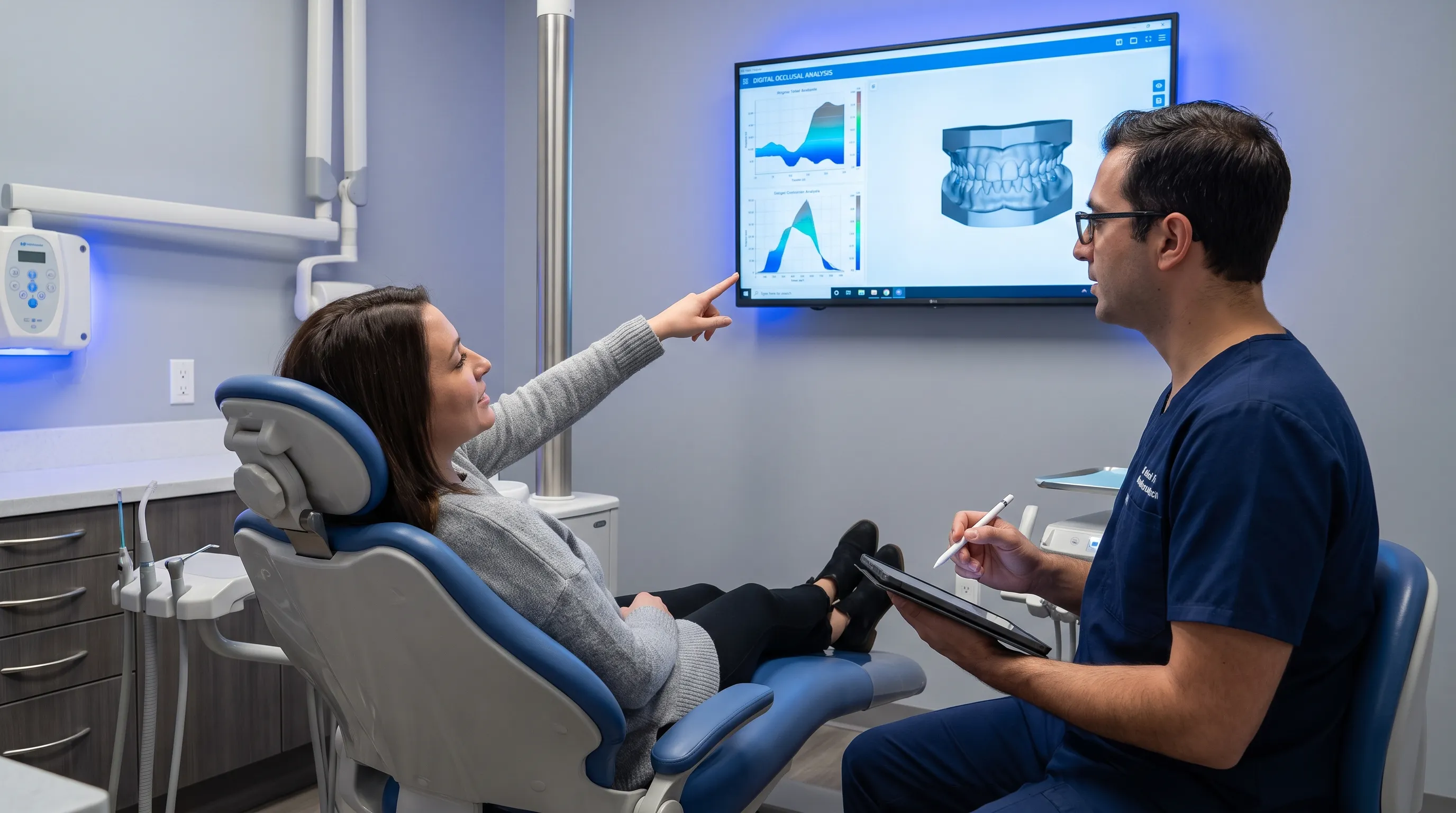
The ideal workflow begins with comprehensive orthodontic evaluation, digital imaging, and occlusal analysis. Teeth are moved into optimal positions, establishing proper anterior guidance, posterior disclusion in excursive movements, and harmonious arch coordination. Once stabilization is achieved and retainers are fabricated, a restorative phase can commence. Diagnostic wax-ups simulate the final veneer dimensions, allowing patients to preview shape and proportion. Temporary mock-ups test phonetics, lip support, and functional clearance. Only after occlusal verification does the dentist prepare teeth and bond permanent porcelain. This phased methodology ensures that restorations enhance rather than compromise the newly established bite.
Realistic Expectations and Treatment Timelines
Patients must understand that combined therapy extends the overall timeline but dramatically improves long-term stability. Orthodontic alignment typically requires twelve to twenty-four months depending on severity. Following retention placement and a stabilization period of three to six months, the cosmetic phase begins with two to four clinical visits. Rushing this process by attempting to place veneers before occlusal equilibration guarantees premature complications. Transparency about the extended timeline builds patient trust and aligns financial planning with clinical reality.
Cost Considerations and Insurance Coverage
Financial planning requires separating functional and cosmetic components. Orthodontic treatment may qualify for partial coverage under dental or medical insurance when functional impairment is documented. Clear aligner therapy and surgical interventions often carry higher premiums due to specialized training and laboratory fees. Veneers are consistently classified as elective cosmetic procedures, meaning out-of-pocket expenses apply. Many practices offer phased payment plans, healthcare credit programs, or bundled discounts for combined cases. Transparent fee scheduling and detailed treatment contracts prevent unexpected financial strain.
Practical Tips for Patients Considering Overbite Treatment
Navigating dental treatment options requires informed decision-making, professional verification, and disciplined home care. The following actionable guidelines will help you collaborate effectively with qualified providers and avoid common pitfalls associated with cosmetic shortcuts.
Questions to Ask Your Dentist or Orthodontist
Before committing to any treatment, request a detailed diagnostic report including panoramic radiographs, cephalometric analysis, and intraoral digital scans. Ask specifically about the vertical overlap measurement, skeletal versus dental classification, and predicted long-term stability. Inquire whether the provider routinely collaborates with specialists for combined cases. Verify their training credentials, continuing education participation, and case portfolio complexity. A reputable clinician will never pressure you into immediate cosmetic procedures without addressing functional occlusion first. Document all recommendations and seek second opinions when treatment plans seem disproportionately aggressive or unnecessarily expedited.
At-Home Oral Care During Treatment
Proper hygiene is non-negotiable throughout any orthodontic or restorative journey. Brush twice daily with a soft-bristled or electric toothbrush, angling the bristles toward the gingival margin to remove plaque from appliance margins and veneer edges. Interdental cleaners, water flossers, and orthodontic floss threaders maintain periodontal health around brackets and temporary restorations. Avoid hard, sticky, or excessively chewy foods that can dislodge appliances or fracture porcelain. Wear prescribed retainers exactly as instructed, and store them in protective cases when not in use. Schedule professional cleanings every three to four months to prevent calculus accumulation and early enamel demineralization.
How to Avoid Unnecessary Procedures
The rise of direct-to-consumer aligner companies and aggressive cosmetic marketing has created confusion about appropriate treatment pathways. Avoid platforms that diagnose malocclusions solely through smartphone photos without radiographic or clinical evaluation. Reject treatment plans that recommend full-arch veneers when isolated tooth movement would resolve the concern. Be wary of practitioners who promise overnight bite correction using only restorative materials. Always insist on functional occlusal records before consenting to irreversible preparations. Trust providers who prioritize conservative, phased, and multidisciplinary approaches over rapid aesthetic transformations that compromise long-term oral health.
Frequently Asked Questions
Can veneers actually fix a severe overbite?
No, veneers cannot structurally fix a severe overbite. They are purely cosmetic restorations designed to improve tooth appearance, shape, and color. Severe overbites require orthodontic intervention or orthognathic surgery to reposition teeth and jaws into proper alignment. Using veneers on a severe overbite can lead to premature failure, excessive enamel removal, and joint complications.
How much enamel needs to be removed for veneers?
Traditional porcelain veneers typically require 0.3 to 0.7 millimeters of enamel removal from the facial surface. In overbite cases, dentists may be forced to remove additional structure from the incisal edges or lingual surfaces to accommodate the restoration, which increases sensitivity risk and permanently alters the natural tooth architecture.
Will dental insurance cover veneers for an overbite?
Dental insurance rarely covers veneers for overbite correction because they are classified as cosmetic procedures. If an overbite causes documented functional impairment, speech issues, or recurrent trauma, orthodontic treatments or surgical interventions may receive partial coverage. Always verify your specific plan benefits and request a pre-authorization determination.
Can composite bonding be used instead of porcelain for mild overbites?
Yes, composite bonding is a minimally invasive alternative that requires little to no enamel removal. It can effectively camouflage minor overbites and is fully reversible. However, composite materials stain more easily, wear faster, and typically require replacement every five to eight years compared to the fifteen to twenty-year lifespan of high-quality porcelain veneers.
What happens to my bite after getting veneers on an overbite?
If veneers are placed without correcting the underlying bite discrepancy, your mandible will continue following the same dysfunctional path, causing premature contact on the restorations. This creates shear forces that lead to chipping, debonding, or accelerated wear. Proper bite adjustment and occlusal equilibration are mandatory after placement to distribute forces evenly.
Conclusion
Understanding whether can veneers fix overbite concerns ultimately depends on distinguishing between cosmetic enhancement and functional correction. Veneers are remarkable restorative tools that transform smiles, mask minor imperfections, and restore confidence. However, they do not move teeth, reshape jaws, or resolve biomechanical malocclusions. Mild overbites may tolerate conservative cosmetic camouflage under strict clinical supervision, but moderate to severe cases demand orthodontic alignment, orthopedic guidance, or surgical intervention. Attempting to bypass structural correction with restorative shortcuts routinely results in premature failure, chronic discomfort, and escalated treatment costs. The most successful outcomes emerge when patients partner with qualified, multidisciplinary teams who prioritize occlusal harmony, tissue preservation, and evidence-based sequencing. By embracing a phased, transparent approach to overbite management, you will achieve a smile that not only looks exceptional but functions optimally for decades to come. Always prioritize health over haste, verify provider credentials, and commit to lifelong retention protocols. Your teeth and joints will reward your informed decisions with lasting comfort and vitality.
How we work
Researched and drafted with AI assistance, then reviewed by a human editor against the cited sources.
This article is general health information, not medical advice. Consult a qualified healthcare professional about your own situation.