Does Every Person Have Wisdom Teeth? Genetics, Evolution, and Dental Health Explained
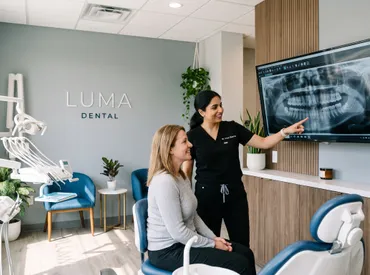
The human mouth undergoes continuous transformation from infancy to early adulthood, but few dental milestones spark as much curiosity and concern as the emergence of third molars. Whether you have experienced the familiar dull ache behind your back molars or have never noticed any changes in that area, understanding your unique dental anatomy is essential for long-term oral health. Many patients visit dental clinics asking a fundamental question: does every person have wisdom teeth? The answer is far more complex than a simple yes or no. Modern dentistry, evolutionary biology, and genetic research have revealed significant variations in third molar development across different populations. While some individuals comfortably grow in all four wisdom teeth, others develop only one or two, and a substantial percentage never forms them at all. Recognizing these differences empowers you to make informed decisions about your oral care routine, anticipate potential dental changes, and work collaboratively with dental professionals to maintain a healthy smile. In this comprehensive guide, we will explore the biological mechanisms behind third molar development, examine the latest clinical research, debunk persistent myths, and provide actionable strategies to manage your unique dental landscape effectively.
The Evolutionary Background of Wisdom Teeth
To truly understand whether does every person have wisdom teeth, we must first examine the historical and biological context of human dental evolution. Our ancestors relied heavily on a diet rich in fibrous roots, tough meats, and unprocessed plant materials. These foods required extensive grinding and chewing, which placed significant mechanical demand on the jaw. To meet these demands, early humans developed larger mandibles and an additional set of molars positioned at the very back of the mouth. These third molars served as evolutionary replacements for teeth lost to wear, trauma, or decay, acting as critical backup grinders in an era without modern dental interventions.
Free calculatorBMI CalculatorCalculate Body Mass IndexOpen the calculatorAs human civilization advanced, dietary practices shifted dramatically. The advent of agriculture, cooking techniques, and eventually industrialized food processing drastically reduced the need for robust chewing mechanics. Over thousands of generations, the human jaw gradually became smaller while the number of teeth remained unchanged. This anatomical mismatch created a common scenario where wisdom teeth simply lack the space to erupt properly. Consequently, modern humans frequently experience impaction, misalignment, or complete absence of these teeth. The evolutionary trajectory explains why the question of whether does every person have wisdom teeth remains highly relevant today, as genetic drift and dietary adaptation continue to shape our dental architecture.
Why Did Humans Develop Third Molars?
From an embryological perspective, tooth development begins during the sixth week of fetal life with the formation of the dental lamina. This specialized epithelial structure initiates a cascade of cellular differentiation that eventually produces enamel, dentin, and pulp. The third molar buds are typically the last to initiate development, usually forming between the ages of seven and ten. The delayed development timeline reflects their role as late-emerging dental structures. Historically, this delayed eruption provided a survival advantage by ensuring that individuals had additional functional molars as their primary teeth wore down from abrasive diets. Today, this biological programming persists despite the lack of functional necessity in modern populations.
Research published in the Journal of Dental Research highlights that the genetic pathways controlling molar development remain highly conserved, yet their expression varies significantly. The MSX1 and PAX9 genes play crucial roles in regulating tooth bud initiation and differentiation. Mutations or downregulation in these genes can lead to hypodontia, the clinical term for missing one or more teeth, including wisdom teeth. Understanding these molecular mechanisms helps dental professionals predict eruption patterns and develop personalized treatment protocols for patients asking whether does every person have wisdom teeth based on their family history.
Evolutionary Changes in Diet and Jaw Size
Anthropological studies consistently demonstrate that dietary softening correlates directly with reduced craniofacial dimensions. The transition from hunter-gatherer diets to carbohydrate-heavy, processed foods altered mandibular growth patterns during childhood development. Chewing forces during early development stimulate bone remodeling and jaw expansion. When diets lack sufficient mechanical resistance, the mandible develops with reduced width and length, creating insufficient arch space for third molars. This phenomenon explains why approximately one in four individuals in industrialized nations present with either impacted or absent wisdom teeth. The National Institute of Dental and Craniofacial Research (NIDCR) emphasizes that jaw size reduction is an ongoing evolutionary process, meaning future generations may see even lower rates of third molar development. Patients concerned about dental crowding should focus on proper childhood nutrition and orthodontic evaluation to optimize jaw development during formative years.
Genetic Variation and Third Molar Agenesis
The presence or absence of wisdom teeth is fundamentally governed by hereditary factors. Third molar agenesis follows polygenic inheritance patterns, meaning multiple genes interact to determine whether a tooth bud will initiate and mature. Family studies reveal that individuals with a parent who lacks wisdom teeth have a significantly higher probability of experiencing the same condition. This genetic predisposition is not strictly dominant or recessive but operates through complex epigenetic interactions influenced by environmental factors during fetal development. When considering whether does every person have wisdom teeth, examining your genetic lineage often provides valuable predictive insights.
How Common Is It to Be Born Without Them?
Epidemiological data indicates substantial global variation in third molar prevalence. Large-scale radiographic studies published in the American Journal of Orthodontics and Dentofacial Orthopedics report that approximately 22.8 percent of the general population is missing at least one wisdom tooth. Complete agenesis, where all four third molars fail to develop, occurs in roughly 5 to 7 percent of individuals. These figures vary dramatically across ethnic backgrounds and geographic regions. Understanding these statistics helps patients contextualize their own dental anatomy and reduces anxiety surrounding delayed eruption or missing teeth. If you have ever wondered whether does every person have wisdom teeth, the clinical consensus clearly supports natural variation as the standard rather than the exception.
Population Studies and Ethnic Differences
Global dental surveys reveal striking differences in third molar development across populations. Studies show that individuals of East Asian descent exhibit third molar agenesis rates exceeding 40 percent, while populations of African descent demonstrate lower absence rates, typically around 15 percent. European populations fall between these extremes, with absence rates ranging from 20 to 30 percent. Researchers attribute these variations to historical dietary patterns, genetic drift, and adaptive selection pressures unique to different geographic regions. The Mayo Clinic notes that understanding these demographic trends allows dental practitioners to tailor screening protocols and counseling strategies to individual patient backgrounds. Patients with known ethnic predispositions should prioritize early radiographic evaluation during late adolescence to establish accurate baseline dental anatomy.
The Role of Genetics in Dental Anatomy
Modern genomics has identified several candidate genes associated with third molar development. Beyond MSX1 and PAX9, researchers have discovered that EDA, WNT10A, and AXIN2 significantly influence odontogenesis. Variations in these genes can alter tooth shape, root morphology, and eruption timing. Some individuals inherit genetic profiles that completely suppress third molar initiation, while others possess genetic markers that promote earlier or more predictable eruption. Genetic counseling and DNA-based dental risk assessments are emerging as valuable tools in personalized dentistry. By analyzing specific genetic markers, clinicians can predict the likelihood of impaction, crowding, or agenesis with increasing accuracy. For patients asking whether does every person have wisdom teeth, genetic testing offers a scientifically grounded approach to understanding individual dental development trajectories.
Signs You Might Not Have Wisdom Teeth
Recognizing the absence of third molars typically requires professional intervention, as the condition rarely produces visible symptoms. Unlike erupted or impacted wisdom teeth, which frequently cause localized discomfort, swelling, or difficulty opening the mouth, missing wisdom teeth remain entirely silent. Many individuals remain unaware of their condition until routine dental imaging reveals empty spaces in the distal regions of the dental arch. Understanding these clinical indicators helps patients navigate dental evaluations more effectively and ask informed questions about their oral health status.
Clinical Diagnosis Methods
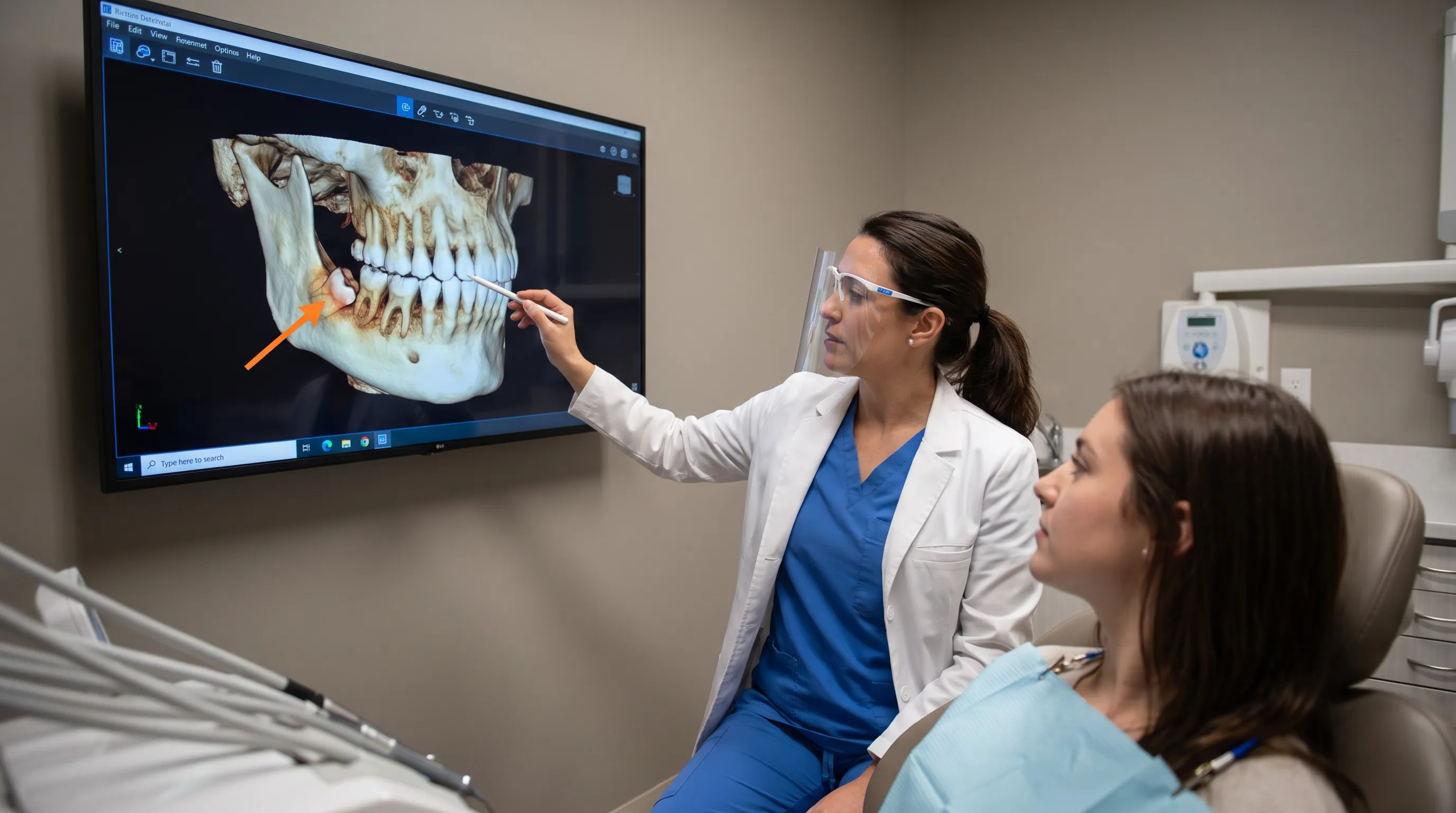
Dental professionals utilize several imaging modalities to confirm wisdom tooth absence. Panoramic radiography remains the gold standard for screening third molar development, providing a comprehensive view of the maxilla and mandible in a single exposure. When panoramic images remain inconclusive, clinicians often recommend cone beam computed tomography (CBCT), which generates three-dimensional renderings of jaw anatomy. CBCT technology allows practitioners to visualize tooth bud positions, assess proximity to the inferior alveolar nerve, and evaluate bone density with exceptional precision. The American Dental Association (ADA) recommends routine panoramic screening for adolescents between ages 15 and 17 to identify developmental patterns before potential complications arise. If you are uncertain whether does every person have wisdom teeth in your specific case, scheduling a comprehensive radiographic evaluation will provide definitive answers.
Symptoms vs. Normal Development
Patients often confuse delayed eruption with complete absence. Wisdom teeth can remain dormant beneath the gums for years, only emerging during late twenties or early thirties. Conversely, some individuals experience pericoronitis, localized pain, or shifting of adjacent teeth due to eruptive pressure. Missing wisdom teeth produce none of these symptoms. The posterior dental arch remains comfortable, and no gum flaps develop over partially erupted crowns. Distinguishing between these presentations requires clinical expertise and diagnostic imaging. Dental practitioners evaluate periodontal health, occlusal alignment, and radiographic evidence to differentiate between asymptomatic dormancy and true agenesis. Understanding these differences prevents unnecessary interventions and ensures appropriate monitoring protocols.
The Importance of Panoramic X-Rays
Regular panoramic imaging serves as the cornerstone of third molar assessment. These radiographs reveal developing tooth buds, root morphology, eruption pathways, and potential impaction patterns. Dentists analyze the angulation of developing crowns relative to adjacent molars, assess available alveolar bone space, and identify pathological cysts or follicular abnormalities. Early detection enables proactive treatment planning, whether that involves orthodontic space management, surgical extraction, or routine observation. The Centers for Disease Control and Prevention (CDC) emphasizes that routine dental radiography significantly reduces the incidence of wisdom tooth complications by enabling early intervention before pathology develops. Patients who regularly undergo panoramic evaluations maintain greater control over their dental health outcomes and avoid emergency situations related to late-stage impactions.
Impacted, Erupted, or Missing? Understanding Your Situation
When third molars fail to follow predictable development patterns, patients often struggle to interpret their unique dental landscape. Understanding the classification of wisdom tooth conditions helps demystify clinical findings and establishes clear pathways for management. Whether teeth emerge cleanly, remain trapped beneath tissue, or never develop at all, each scenario requires distinct monitoring strategies and clinical approaches.
Classifying Third Molar Positions
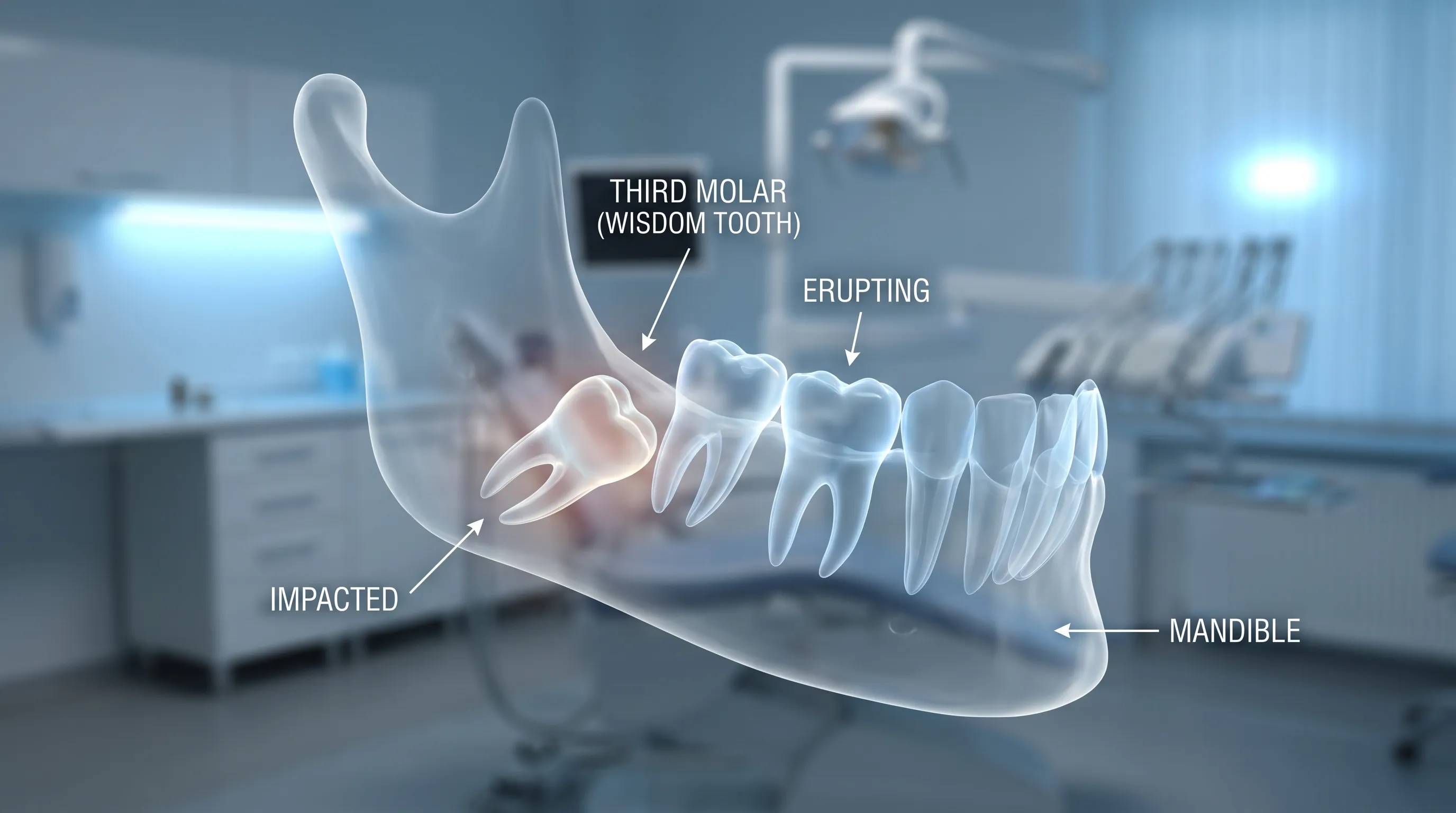
Dental professionals categorize wisdom teeth based on their eruption status and spatial orientation. Fully erupted wisdom teeth emerge through the gum tissue and establish functional occlusion with opposing teeth. These teeth require standard hygiene protocols and routine professional cleanings. Partially erupted wisdom teeth breach the gingival margin but remain partially covered by gum tissue, creating niches where bacteria accumulate and pericoronitis develops. Completely impacted wisdom teeth remain entirely encased within alveolar bone or soft tissue. Impactions further subdivide into mesial, vertical, horizontal, and distal angulations based on crown orientation. Each classification carries different risks and monitoring requirements. Understanding your specific category enables targeted preventive care and reduces anxiety surrounding unpredictable dental changes.
When Extraction Is Actually Necessary
Historically, dentists recommended prophylactic wisdom tooth removal to prevent future complications. Modern clinical guidelines have shifted toward evidence-based, patient-specific decision making. The American Association of Oral and Maxillofacial Surgeons (AAOMS) outlines clear indications for extraction: recurrent pericoronitis, irreversible periodontal damage, cystic formations, carious lesions on adjacent teeth, and orthodontic relapse prevention. Asymptomatic, fully erupted, and properly aligned wisdom teeth typically remain functional and require monitoring rather than removal. Patients who understand these criteria avoid unnecessary surgical interventions while remaining vigilant about emerging complications. If you are evaluating whether does every person have wisdom teeth that require extraction, focusing on clinical symptoms rather than fear-based assumptions leads to healthier long-term outcomes.
Monitoring vs. Intervention
Active monitoring represents a cornerstone of contemporary wisdom tooth management. Clinicians establish baseline radiographs, document eruption patterns, and schedule periodic evaluations to track changes. During monitoring phases, patients maintain rigorous oral hygiene, report new symptoms promptly, and attend regular prophylactic cleanings. Intervention becomes necessary when pathology emerges, functional impairment develops, or orthodontic treatment requires distal space expansion. The decision between observation and surgery depends on individual risk factors, anatomical constraints, and patient preferences. Shared decision-making models empower patients to participate actively in their dental care journeys while maintaining clinical safety standards.
Practical Dental Care Tips for Wisdom Tooth Management
Regardless of whether you possess wisdom teeth, impacted molars, or naturally absent third molars, implementing consistent preventive care strategies protects your long-term oral health. The posterior dental arch presents unique hygiene challenges due to limited access and complex anatomy. Targeted care routines significantly reduce complication risks and maintain optimal periodontal health throughout adulthood.
Daily Oral Hygiene for Back Molars
Effective cleaning of the posterior maxillary and mandibular regions requires specialized techniques and appropriate tools. Standard toothbrushes often fail to reach distal surfaces of second molars, creating plaque accumulation zones that promote gingivitis and caries. Switching to a compact-headed brush or utilizing an oscillating-rotating electric toothbrush improves access and cleaning efficiency. Angled interdental brushes and water flossers prove particularly valuable for navigating around partially erupted crowns and surgical sites. Patients should dedicate at least two minutes to brushing twice daily, paying careful attention to the gumline behind the second molars. Antimicrobial mouth rinses containing cetylpyridinium chloride or essential oils provide additional protection against bacterial proliferation. Consistent implementation of these techniques dramatically reduces the incidence of wisdom tooth complications and maintains periodontal stability.
Diet Adjustments During Eruption
When wisdom teeth begin emerging, dietary modifications can significantly alleviate discomfort and reduce inflammatory responses. Hard, crunchy, or sticky foods increase mechanical stress on erupting teeth and exacerbate gingival irritation. Transitioning to softer, nutrient-dense foods such as cooked vegetables, lean proteins, smoothies, and whole grains minimizes chewing pressure while supporting tissue healing. Staying adequately hydrated promotes saliva production, which naturally flushes food debris and neutralizes acidic byproducts. Limiting refined sugar consumption reduces cariogenic bacteria proliferation around partially erupted crowns. Patients experiencing active eruption phases should also avoid extreme temperature contrasts that trigger dentinal sensitivity. These nutritional strategies complement clinical monitoring and accelerate comfortable transition through the developmental period.
Recognizing Warning Signs Early
Early identification of wisdom tooth pathology prevents progression to severe complications requiring extensive surgical intervention. Key warning signs include persistent dull aching in the posterior jaw, visible swelling or redness along the gumline, difficulty opening the mouth fully, foul taste or odor indicating localized infection, and shifting of adjacent teeth. Patients who experience these symptoms should schedule prompt clinical evaluations rather than waiting for spontaneous resolution. The World Health Organization (WHO) emphasizes that timely dental assessment reduces treatment complexity and improves long-term prognosis. Maintaining a symptom journal and photographing visible changes helps practitioners track progression and customize treatment plans. Proactive recognition of warning signs transforms potentially disruptive dental emergencies into manageable clinical encounters.
| Feature | Erupted Wisdom Teeth | Impacted Wisdom Teeth | Agenesis (Missing) |
|---|---|---|---|
| Eruption Status | Fully through gum tissue | Trapped in bone/soft tissue | Never forms |
| Common Symptoms | Sensitivity, decay risk if hard to clean | Pain, swelling, infection risk, crowding | No symptoms |
| Hygiene Focus | Thorough brushing, flossing, water flossing | Antimicrobial rinses, professional monitoring | Standard posterior care |
| Treatment Approach | Routine cleanings, possible restoration | Surgical extraction, orthodontic management | Observation, no intervention needed |
| Prevalence | Varies by genetics and space | ~30-40% of dentate individuals | ~20-35% globally |
Debunking Common Myths About Third Molars
Misinformation surrounding wisdom teeth persists across dental communities, often leading to unnecessary anxiety and inappropriate treatment decisions. Addressing these myths with evidence-based clinical guidance empowers patients to make rational health choices and maintain appropriate expectations regarding third molar development.
Myth: Everyone Needs Them Removed
The historical mandate for prophylactic wisdom tooth extraction lacks robust clinical support. Contemporary research demonstrates that asymptomatic, disease-free third molars function effectively as supplemental grinding surfaces. Removing healthy teeth introduces surgical risks including nerve injury, dry socket, and prolonged recovery periods. Current guidelines emphasize risk stratification rather than blanket extraction protocols. Patients who understand that does every person have wisdom teeth requiring removal can confidently pursue conservative management strategies and reserve surgery for clinically indicated scenarios.
Myth: Missing Wisdom Teeth Means Poor Nutrition
Some individuals incorrectly associate third molar agenesis with developmental deficiencies or inadequate childhood nutrition. Genetic research clearly demonstrates that absence results from hereditary variation rather than dietary insufficiency. Populations across diverse socioeconomic backgrounds exhibit similar agenesis patterns, confirming the genetic etiology. Dental practitioners reassure patients that missing wisdom teeth do not reflect nutritional status or compromise overall oral development. Focusing on evidence-based genetics rather than outdated nutritional assumptions alleviates unnecessary guilt and promotes realistic dental health perspectives.
The Truth About Natural vs. Extracted Outcomes
Comparing outcomes between natural and extracted wisdom teeth reveals no universal superiority for either approach. Well-maintained natural third molars provide additional masticatory function, preserve bone density, and eliminate surgical complications. Conversely, successfully extracted wisdom teeth eliminate impaction risks, prevent recurrent pericoronitis, and simplify long-term hygiene maintenance. The optimal pathway depends entirely on individual anatomy, symptom presentation, and clinical risk factors. Patients benefit from personalized consultations rather than generalized recommendations, ensuring that treatment aligns with specific dental circumstances rather than broad statistical trends.
Frequently Asked Questions
Does every person have wisdom teeth?
No, does every person have wisdom teeth is a common question with a definitive answer: not everyone develops them. Genetic studies confirm that 20 to 35 percent of people are naturally missing one or more third molars due to evolutionary changes and hereditary variation. Complete agenesis affects approximately 5 to 7 percent of the population globally. The presence or absence follows polygenic inheritance patterns influenced by MSX1, PAX9, and related developmental genes. Radiographic screening during adolescence provides accurate confirmation of individual dental anatomy.
At what age do wisdom teeth typically appear?
Wisdom teeth generally begin developing between ages 17 and 25, although eruption timing varies significantly. Some individuals experience delayed emergence into their late twenties, while others may never develop visible teeth due to impaction or agenesis. The American Dental Association recommends panoramic radiography between ages 15 and 17 to evaluate developmental progress. Early imaging allows dental professionals to predict eruption pathways, assess available jaw space, and establish appropriate monitoring schedules before complications arise.
How do I know if I am missing a wisdom tooth?
Visual inspection alone cannot confirm missing wisdom teeth because tooth buds remain hidden beneath gum tissue and bone during development stages. Definitive diagnosis requires professional dental radiography, specifically panoramic X-rays or cone beam CT scans. These imaging techniques visualize developing follicles, assess bone structure, and identify agenesis with high precision. Patients should request comprehensive dental evaluations if they reach mid-twenties without noticeable posterior dental changes. Routine screening ensures accurate assessment and appropriate clinical guidance.
Are people without wisdom teeth at higher risk for dental issues?
No. Individuals born without wisdom teeth do not experience increased susceptibility to dental disease or periodontal complications. In many cases, they actually demonstrate lower rates of molar crowding, impaction-related infections, and orthodontic relapse compared to patients with fully developed third molars. Standard oral hygiene practices remain sufficient for maintaining long-term dental health. Regular professional cleanings, daily brushing, and flossing adequately protect the remaining dentition without requiring additional interventions related to absent wisdom teeth.
Should I remove wisdom teeth if they develop normally and cause no pain?
Routine removal of asymptomatic, properly aligned wisdom teeth is generally discouraged by modern dental guidelines. The American Association of Oral and Maxillofacial Surgeons recommends extraction only when clinical indications exist, including recurrent infections, periodontal damage, carious lesions on adjacent teeth, cystic pathology, or orthodontic requirements. Healthy third molars contribute to masticatory function and preserve alveolar bone integrity. Monitoring and preventive care typically represent the most appropriate management strategy unless pathological changes develop.
Conclusion
Understanding whether does every person have wisdom teeth reveals the fascinating intersection of human evolution, genetic diversity, and modern dental science. Third molar development varies significantly across populations, with a substantial percentage of individuals naturally missing one or more teeth due to hereditary factors and evolutionary adaptation. Rather than viewing missing wisdom teeth as a deficiency, contemporary dentistry recognizes this variation as a normal anatomical spectrum that often reduces the likelihood of impaction-related complications and orthodontic crowding. By prioritizing routine dental screenings, maintaining meticulous posterior oral hygiene, and partnering with dental professionals for personalized assessments, patients can confidently navigate their unique dental landscapes. Evidence-based guidelines emphasize monitoring over unnecessary intervention, ensuring that treatment decisions align with individual clinical needs rather than outdated universal protocols. Whether your wisdom teeth emerge smoothly, remain impacted, or never develop at all, proactive care and informed decision-making guarantee optimal long-term oral health outcomes.
How we work
Researched and drafted with AI assistance, then reviewed by a human editor against the cited sources.
This article is general health information, not medical advice. Consult a qualified healthcare professional about your own situation.