The Complete Guide to Using a Breast Pump for Low Milk Supply

Navigating breastfeeding challenges can feel overwhelming, especially when you are actively trying to nourish your newborn while managing concerns about inadequate milk production. Many parents find themselves searching for a reliable breast pump for low milk supply, hoping to bridge the gap between physiological output and their infant’s nutritional needs. The reality is that mechanical expression, when paired with evidence-based strategies and proper equipment selection, can effectively stimulate the hormonal pathways responsible for milk synthesis. Understanding how your body responds to suction, cycle patterns, and stimulation timing transforms a simple device into a powerful therapeutic tool. This comprehensive guide explores the science of lactation, compares pump technologies, outlines clinically validated protocols, and provides actionable troubleshooting steps. Whether you are exclusively pumping, supplementing at the breast, or working to rebuild supply after a temporary dip, you will gain clear, medically grounded insights to support your breastfeeding journey with confidence and safety.
Understanding the Physiology of Low Milk Supply
True Versus Perceived Low Milk Production
The distinction between actual hypogalactia and perceived low supply is critical before implementing any mechanical intervention. True low milk supply occurs when the mammary tissue does not produce enough colostrum or mature milk to sustain infant growth, despite adequate frequency of removal. Clinical indicators include insufficient infant weight gain, fewer than six wet diapers daily after day five, and concentrated, dark urine. Perceived low supply, on the other hand, often stems from normal developmental shifts such as infant growth spurts, cluster feeding behaviors, or softer breasts after the initial engorgement phase. Many well-intentioned parents mistakenly believe output has dropped because their pump yields only a few ounces, yet direct breastfeeding may provide adequate transfer due to the infant’s specialized oral mechanics. Before investing in specialized equipment, tracking diaper counts, monitoring weight curves with a pediatrician, and consulting a board-certified lactation consultant helps clarify whether mechanical stimulation is medically indicated or if behavioral adjustments alone will suffice. A properly selected breast pump for low milk supply becomes most effective when paired with accurate assessment rather than anxiety-driven routine changes.
Free calculatorWater Intake CalculatorCalculate daily water needsOpen the calculatorThe Hormonal Cascade: Prolactin, Oxytocin, and FIL
Lactation operates on a sophisticated endocrine feedback loop governed primarily by prolactin, oxytocin, and the feedback inhibitor of lactation (FIL). Prolactin, released from the anterior pituitary gland, drives alveolar cell activity and milk protein synthesis. Levels naturally peak during nighttime hours, which explains why overnight removal sessions yield disproportionately high stimulation responses. Oxytocin triggers the let-down reflex by contracting myoepithelial cells surrounding the alveoli, allowing milk to flow into the ductal network. Without adequate oxytocin release, even high-efficiency pumps struggle to extract meaningful volumes. FIL, a whey protein that accumulates as milk remains in the breast, acts as a natural throttle; when ducts remain full, FIL signals the body to downregulate production. Mechanical expression accelerates milk removal, depletes FIL concentrations, and signals the hypothalamus to increase prolactin secretion. This biological mechanism underscores why frequency and complete drainage matter more than raw suction intensity. A breast pump for low milk supply works best when it mimics the rapid, shallow sucks of a newborn to initiate prolactin release, then transitions to slower, deeper cycles to maximize oxytocin-mediated flow and complete milk transfer.
How Mechanical Expression Interfaces with Biology
Modern breast pumps are engineered to replicate infant feeding rhythms, but their effectiveness depends on how closely they align with human physiology. Early pump designs relied on continuous, high-vacuum cycles that often caused nipple trauma without triggering optimal let-down. Contemporary systems utilize two-phase technology: a stimulation phase with fast cycle speeds (approximately 70 to 120 cycles per minute) and low vacuum to initiate neurohormonal response, followed by an expression phase with slower cycles (40 to 60 cycles per minute) and higher vacuum to extract milk efficiently. When used correctly, these patterns stimulate nerve endings in the areola, sending afferent signals through the intercostal nerves to the spinal cord and up to the brainstem. The hypothalamus then coordinates pituitary hormone release, sustaining production over time. Research published by the Academy of Breastfeeding Medicine confirms that pumps matching natural infant rhythm patterns significantly improve milk output in lactating individuals with suboptimal supply. Understanding this interface helps users avoid the common mistake of cranking up suction too early, which compresses milk ducts, triggers pain receptors, and inadvertently suppresses oxytocin. Selecting a breast pump for low milk supply that prioritizes rhythm over brute force yields safer, more sustainable results.
Selecting the Optimal Breast Pump for Low Milk Supply
Hospital-Grade vs. Standard Electric Pumps
Hospital-grade pumps feature closed-system designs, more robust motors, and clinical-grade durability, making them the gold standard for individuals facing genuine supply challenges. These devices maintain consistent suction and vacuum levels over extended sessions without motor fatigue or pressure drop-off. Standard double-electric pumps, while highly effective for many users, often prioritize portability and quiet operation over maximum output stability. For low supply scenarios, the closed system of a hospital-grade pump prevents backflow into the tubing, reduces contamination risk, and delivers the steady, high-capacity stimulation necessary to overcome production deficits. Many insurance plans cover rental or purchase of clinical-grade models when a provider documents low milk supply, premature birth, or relactation goals. Standard pumps may suffice for maintenance or occasional use, but they frequently lack the motor strength and adjustable cycle ranges required to aggressively stimulate underactive alveolar tissue. Transitioning to a hospital-grade model, even temporarily, often jumpstarts supply before allowing users to step down to a consumer-grade breast pump for low milk supply maintenance.
Key Features to Prioritize for Supply Enhancement
When evaluating pumps specifically designed to boost output, focus on three core specifications: adjustable cycle speed, vacuum pressure customization, and stimulation mode duration. Pumps offering independent left-right settings allow targeted therapy when one breast consistently underproduces, which frequently occurs due to anatomical variations, previous surgeries, or infant preference. Look for devices with digital displays that clearly show cycles per minute (CPM) and millimeters of mercury (mmHg) for vacuum measurement, enabling precise protocol adherence. A high-quality breast pump for low milk supply should also feature ergonomic, medical-grade silicone flanges that come in multiple millimeter sizes, a programmable memory function to recall personalized settings, and a rechargeable battery that maintains full motor performance throughout a 30-minute session. Avoid models with fixed, non-adjustable rhythms, as they cannot adapt to individual let-down timing or sensitivity thresholds. Prioritizing clinical-grade adjustability over aesthetic features ensures the device functions as a therapeutic intervention rather than a convenience accessory.
The Critical Role of Correct Flange Sizing
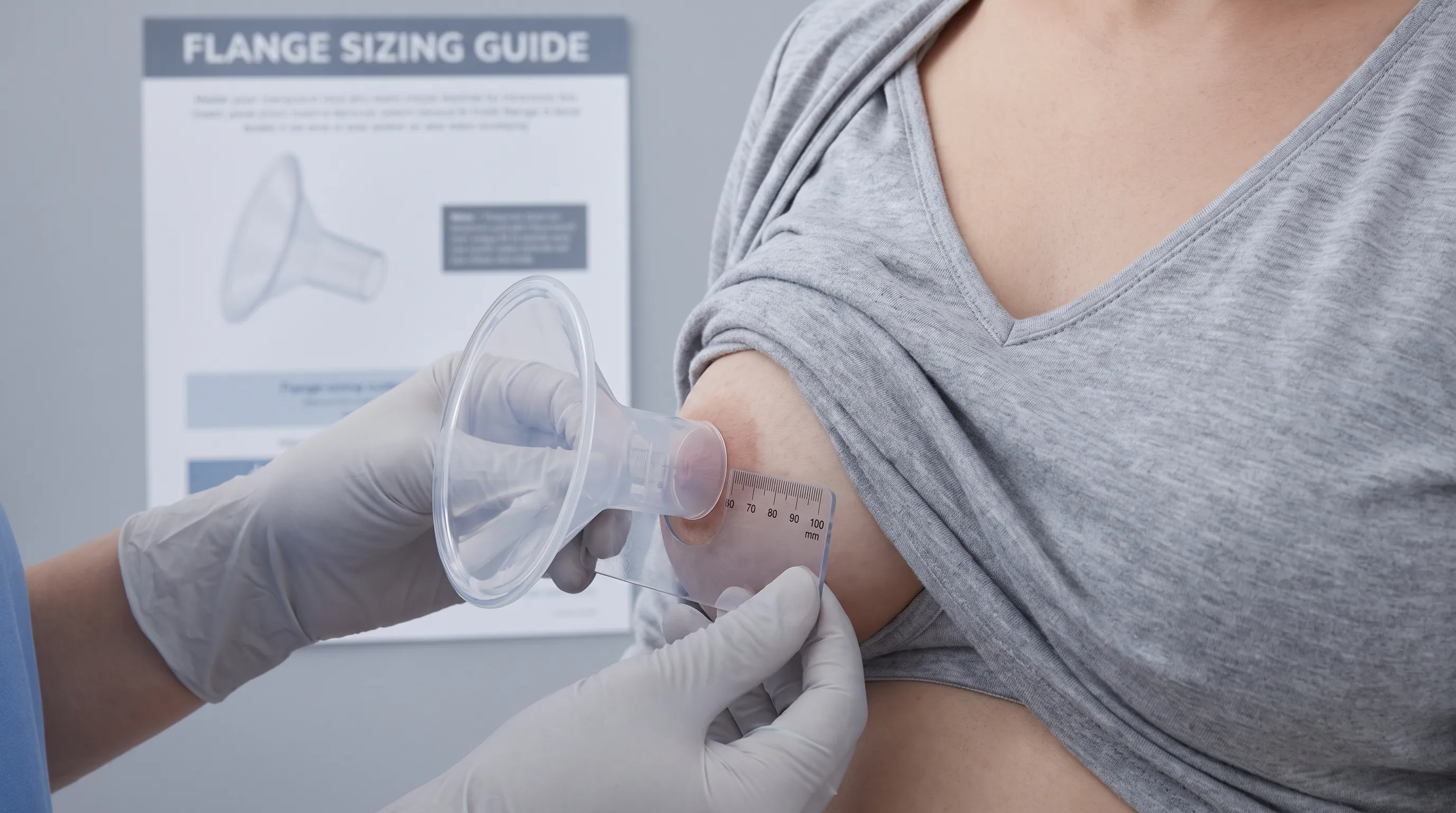
Flange mismatch is the most overlooked barrier to successful mechanical expression and supply augmentation. A flange that is too small compresses the areola and restricts milk flow, while an oversized flange pulls excessive nipple tissue into the tunnel, causing friction, edema, and incomplete ductal drainage. Proper sizing is determined by measuring nipple diameter immediately before and after a let-down, as tissue expands significantly during stimulation. The ideal fit leaves a one- to two-millimeter gap between the flange wall and the areola border, allowing the nipple to move freely without rubbing against plastic surfaces. Many manufacturers default to 24-millimeter flanges, yet studies indicate that over half of lactating individuals require 15, 17, 19, or 27-millimeter options. Using incorrect sizes not only reduces output but can trigger vasospasm and delayed onset milk ejection. Investing in a comprehensive flange sizing kit or consulting a lactation specialist ensures optimal seal mechanics. When combined with a properly calibrated breast pump for low milk supply, correctly fitted flanges transform painful, inefficient sessions into productive, tissue-preserving routines.
| Pump Type | Best For | Motor Strength | Cycle Adjustability | Portability | Typical Use Case |
|---|---|---|---|---|---|
| Hospital-Grade | Clinical supply deficits, NICU, relactation | High, consistent over 30+ mins | Full CPM & mmHg control | Low (bulky, requires outlet) | Medical intervention, aggressive stimulation |
| Double Electric | Daily maintenance, moderate supply boost | Moderate to High | Pre-set phases, some manual tuning | Moderate (battery + carry case) | Working parents, routine dual pumping |
| Wearable / Hands-Free | Convenience, discreet sessions | Moderate | Limited to pre-programmed cycles | High (fits inside bra, rechargeable) | Supplemental top-ups, mobility needs |
| Manual Pump | Emergency backup, targeted massage | Low (user-dependent) | None (manual rhythm control) | Very High | Quick relief, travel, minimal sessions |
Evidence-Based Pumping Protocols to Stimulate Production
The Power Pumping Method
Power pumping replicates infant cluster feeding by compressing multiple mini-sessions into a concentrated one-hour window, dramatically elevating prolactin concentrations and overwhelming natural FIL thresholds. The standard protocol involves pumping for twenty minutes, resting for ten, pumping for ten, resting for ten, and pumping for a final ten-minute session. This compressed stimulation pattern signals acute physiological demand, prompting the mammary glands to upregulate milk protein synthesis within forty-eight to seventy-two hours of consistent practice. Clinical guidelines recommend implementing power pumping once daily, preferably in the morning when baseline prolactin is highest, or in the late afternoon to capitalize on evening hormonal peaks. It is crucial to pair this method with adequate hydration and caloric intake, as aggressive output demands increase metabolic load. When used strategically, power pumping remains one of the most reliable mechanical interventions for a breast pump for low milk supply, often yielding measurable increases within one to two weeks without requiring pharmaceutical intervention.
Hands-On Pumping: The Stanford Protocol
The Stanford Milk Expression Protocol integrates manual breast massage, gentle compression, and targeted tissue warming with mechanical suction to overcome ductal resistance and improve complete drainage. Developed by researchers at Stanford University School of Medicine, this technique involves applying warm compresses for two minutes before pumping, massaging the breast in circular motions toward the nipple during the first stimulation phase, and using gentle C-shaped compressions during the expression phase to assist milk flow. Studies demonstrate that combining hands-on techniques with electric pumps increases average output by up to twenty-five percent compared to passive pumping alone. The method works by physically mobilizing thick, viscous milk, preventing stagnation, and reducing the pressure required for extraction. Implementing Stanford techniques requires minimal equipment but demands consistent practice to master tissue handling without causing bruising. Users who integrate hands-on pumping with their breast pump for low milk supply frequently report shorter session times, higher per-session yields, and reduced nipple soreness due to more efficient drainage mechanics.
Optimizing Cycle Speed and Vacuum Settings
Mechanical stimulation must align with individual let-down timing to prevent tissue trauma and maximize hormone release. Begin every session on the fastest stimulation cycle with low vacuum for two to three minutes until the let-down reflex initiates, characterized by a tingling sensation, spontaneous dripping, or milk flow. Once milk appears, gradually transition to the expression phase by reducing cycle speed to the slowest effective rhythm while slowly increasing vacuum until comfortable. Never exceed a vacuum threshold that causes pinching, blanching, or sharp pain, as discomfort directly suppresses oxytocin. If let-down delays beyond five minutes, return to stimulation mode rather than forcing high suction. Document your personal let-down window and program your pump accordingly, as some devices allow automatic phase transitions. Over time, consistent rhythm optimization trains the neuroendocrine system to respond faster, shortening future session lengths. A breast pump for low milk supply performs optimally when settings are personalized rather than defaulted to manufacturer presets, ensuring physiological alignment rather than mechanical overload.
Maximizing Output Through Routine and Lifestyle
Scheduling and Consistency for Hormonal Response
Lactation operates on a supply-and-demand principle that thrives on predictable rhythm. Irregular pumping intervals allow FIL to accumulate, signaling downregulation, while consistent removal maintains high prolactin turnover. Aim for a minimum of eight sessions daily, spacing them evenly across waking hours and including at least one session between 1:00 AM and 5:00 AM when prolactin peaks. Skipping nighttime sessions, even occasionally, can stall supply augmentation efforts for several days. Use calendar reminders or dedicated pumping applications to track intervals, and avoid clustering too many sessions closely together unless following power pumping protocols. If you are supplementing with formula or donor milk, coordinate bottle feeds immediately after pumping to maintain the empty-breast signal. Consistency builds neurological conditioning; over three to four weeks, the brain begins to anticipate stimulation and accelerates hormone release proactively. Establishing a rigid but sustainable schedule transforms a breast pump for low milk supply from a reactive tool into a proactive regulatory system.
Hydration, Nutrition, and Caloric Intake
Milk synthesis is metabolically expensive, requiring approximately 300 to 500 additional calories daily above baseline maternal needs. Severe caloric restriction, rapid postpartum weight loss, or dehydration directly impair mammary gland function regardless of mechanical stimulation frequency. Focus on balanced macronutrients, prioritizing complex carbohydrates, lean proteins, and omega-3 fatty acids, which support hormone synthesis and cellular membrane integrity. Electrolyte balance and fluid intake remain critical; aim for two to three liters of water daily, adjusting for activity level, climate, and sweat loss. While herbal galactagogues like fenugreek, blessed thistle, and moringa are popular, evidence regarding their efficacy remains mixed, and some individuals experience paradoxical supply drops or gastrointestinal distress. Whole-food approaches such as oats, barley, leafy greens, and brewer’s yeast offer nutritional density without hormonal interference. When caloric and hydration baselines are secured, mechanical stimulation yields predictable, compounding gains. A breast pump for low milk supply cannot compensate for systemic nutritional deficits; supporting the body’s metabolic capacity ensures sustainable output elevation.
Stress Management and the Let-Down Connection
Psychological state profoundly influences oxytocin release, the primary driver of milk ejection. Elevated cortisol levels activate the sympathetic nervous system, constricting mammary blood vessels and inhibiting myoepithelial contraction. This physiological stress response explains why tense, rushed, or anxious pumping sessions often yield minimal results despite correct equipment usage. Create a dedicated pumping environment with dim lighting, comfortable seating, and minimal distractions. Utilize diaphragmatic breathing, progressive muscle relaxation, or guided audio meditations before initiating stimulation. Keep photos or videos of your infant nearby, as visual and emotional triggers naturally prompt oxytocin surges. If pumping evokes significant anxiety or grief, consider counseling or peer support groups specializing in lactation challenges. Addressing mental health is foundational to neurohormonal function. Integrating stress-reduction practices alongside your breast pump for low milk supply strategy ensures physiological pathways remain unblocked and responsive to mechanical cues.
Integrating Professional Support and Galactagogues
Working with an IBCLC and Medical Providers
Lactation challenges frequently intersect with underlying medical conditions, including thyroid dysfunction, polycystic ovary syndrome, retained placental fragments, or prior breast surgery. A board-certified lactation consultant (IBCLC) evaluates latch mechanics, oral tie restrictions, pumping technique, and output logs to differentiate mechanical inefficiencies from physiological deficits. When low supply persists despite optimized routines, providers may order prolactin panels, thyroid function tests, or ultrasound evaluations to rule out endocrine or structural barriers. Some healthcare systems offer multidisciplinary lactation clinics combining dietitians, endocrinologists, and mental health professionals. Collaborating with specialists ensures that mechanical stimulation complements medical management rather than masking unresolved health conditions. Never self-prescribe hormonal medications or high-dose herbal supplements without clinical oversight, as inappropriate use can disrupt natural feedback loops. An integrated care team maximizes the therapeutic potential of your breast pump for low milk supply by addressing systemic, structural, and behavioral factors simultaneously.
Clinical Perspectives on Herbal and Pharmaceutical Interventions
While domperidone and metoclopramide have historically been used off-label to elevate prolactin, regulatory agencies caution against their routine use due to cardiovascular and neurological risks. These medications are typically reserved for severe, documented hypogalactia after behavioral and mechanical interventions have been exhausted. Herbal supplements vary widely in bioavailability and purity, with limited randomized controlled trial data supporting consistent efficacy. Some individuals experience genuine supply increases, while others report no change or paradoxical decreases due to individual metabolic variations. If considering supplemental support, choose third-party tested brands, introduce one agent at a time, and monitor output closely for fourteen days before continuing or discontinuing. Always disclose supplement use to your healthcare provider to avoid interactions with postpartum medications. Mechanical stimulation remains the safest, most evidence-based first-line approach. When galactagogues are introduced, they function as adjuncts rather than replacements for a properly scheduled breast pump for low milk supply.
Tracking Progress: Realistic Expectations and Metrics
Monitoring output requires objective metrics to prevent discouragement during natural fluctuation periods. Record daily total volume, per-breast yield, session duration, and any physical discomfort. Average daily intake for infants ranges from 19 to 30 ounces, but early supplementation periods may require only gradual increases. Expect output to rise in incremental steps rather than linear trajectories; some days will yield breakthrough volumes, while others plateau due to hydration status, stress levels, or infant growth spurts. Use digital scales to weigh bottles before and after pumping for precision, and log data in a dedicated app or journal. Avoid comparing your output to other parents, as glandular tissue volume, hormonal sensitivity, and pumping efficiency vary significantly. Celebrate incremental gains, such as shorter let-down times or reduced pumping frequency for the same yield, as they indicate successful neuroendocrine conditioning. Transparent tracking transforms guesswork into actionable data, allowing you to refine your breast pump for low milk supply protocol with clinical accuracy rather than emotional speculation.
Troubleshooting Common Challenges and Equipment Issues
Addressing Low Output Despite Frequent Sessions
If sessions occur regularly but yields remain stagnant, evaluate the drainage completeness, flange fit, and motor performance first. Incomplete drainage leaves FIL in the ducts, signaling production reduction. Implement hands-on compression, switch to power pumping temporarily, or extend session duration by five minutes to ensure full expression. Verify that flange tunnels are not compressing tissue and that valves and membranes are intact, as worn components reduce vacuum efficiency by up to forty percent. Test motor strength by placing the pump against your palm; a healthy device should maintain consistent pressure without fluctuation. If equipment passes inspection but output remains unchanged, consult a provider to assess prolactin responsiveness or thyroid function. Mechanical consistency alone cannot overcome unaddressed endocrine deficits. Systematic troubleshooting isolates whether the limitation lies in technique, hardware, or physiology, ensuring your breast pump for low milk supply continues functioning as an effective therapeutic device.
Preventing Nipple Trauma and Maintaining Skin Integrity
Pain during pumping indicates tissue misalignment, excessive vacuum, or flange friction, all of which trigger inflammatory responses and delay let-down. Inspect nipples post-session for blanching, horizontal creasing, or red rings, which confirm improper fit. Reduce vacuum immediately if discomfort arises, and apply a thin layer of purified lanolin or hydrogel pads between sessions to promote healing. Avoid harsh soaps or alcohol-based wipes on flanges or skin; warm water and mild, fragrance-free cleansers preserve the natural lipid barrier. If pain persists beyond forty-eight hours of fit correction, pause pumping on the affected side for twelve hours while hand-expressing to maintain stimulation without mechanical trauma. Nipple vasospasm, characterized by blanching followed by burning pain, may require medical evaluation for circulatory support. Prioritizing tissue health ensures sustained compliance and prevents supply disruption from pain-induced oxytocin suppression. A breast pump for low milk supply must operate within comfort thresholds to remain physiologically effective and psychologically sustainable.
Equipment Maintenance, Cleaning, and Longevity
Pump performance degrades rapidly without proper hygiene and part replacement protocols. Backflow protectors, duckbill valves, and silicone membranes wear out every one to three months depending on frequency, leading to vacuum loss and back-contamination. Inspect parts weekly for thinning, cracking, or discoloration, and replace them before output drops noticeably. Clean flanges and collection cups immediately after use with warm water and mild dish soap, then sanitize weekly according to manufacturer guidelines. Store components in a ventilated container to prevent mold growth in residual moisture. Lubricate motor connections sparingly if recommended, and avoid dropping or exposing the pump to extreme temperatures, which can damage internal circuitry. Maintain a supply log of replacement dates to ensure peak efficiency. Well-maintained equipment preserves vacuum consistency, reduces infection risk, and extends device lifespan, maximizing the return on your investment. Consistent maintenance transforms your breast pump for low milk supply into a reliable, long-term lactation support tool.

Frequently Asked Questions
How quickly can a breast pump increase milk supply?
When used consistently with optimized protocols, most lactating individuals notice measurable increases in output within 5 to 7 days. Full supply stabilization often requires 2 to 4 weeks of regular pumping sessions, depending on physiological factors, hydration status, and adherence to frequency guidelines. Neurohormonal conditioning takes time, so patience and documentation are essential.
What is the ideal pumping schedule for low supply?
Aim for 8 to 12 sessions per 24 hours, spacing them approximately every 2 to 3 hours during waking hours. Include at least one overnight session to leverage peak prolactin secretion. Each session should last 15 to 20 minutes, adjusting slightly if let-down is consistently delayed. Avoid skipping more than 4 hours without stimulation to prevent FIL accumulation.
Can pumping cause a drop in milk production?
Improper technique, excessive suction pressure, or infrequent sessions can temporarily reduce output by triggering pain responses or leaving residual milk in the ducts. However, correctly applied mechanical stimulation signals the body to produce more milk. Over-pumping is rare, but stress, dehydration, or incorrect flange sizing can impede the let-down reflex and lower perceived output. Always prioritize comfort and complete drainage over speed.
Should I choose single or double pumping for low milk supply?
Double pumping is clinically preferred because simultaneous bilateral stimulation elevates prolactin and oxytocin levels more efficiently, saving time while maximizing neurohormonal response. Single pumping may be used for targeted unilateral stimulation or when equipment is unavailable, but it generally requires twice the session count to achieve comparable output. For supply augmentation, double electric or hospital-grade systems remain the standard recommendation.
When should I switch from a standard pump to a hospital-grade model?
Upgrade to a hospital-grade pump if you experience consistently low output despite correct technique and scheduling, if your infant is premature or requires NICU support, or if you have a documented history of endocrine-related lactation challenges. Hospital-grade pumps offer stronger, more consistent motors and adjustable cycle speeds that better mimic clinical stimulation protocols. Many insurance plans cover rentals with provider documentation.
Conclusion
Increasing milk production through mechanical expression requires more than simply purchasing equipment; it demands a comprehensive understanding of lactation physiology, precise technique, and consistent routine. A breast pump for low milk supply becomes truly effective when paired with accurate flange sizing, optimized cycle rhythms, and evidence-based protocols like power pumping and hands-on expression. Addressing hydration, caloric intake, and stress management ensures the neuroendocrine system remains primed for sustained output. Regular monitoring, timely equipment maintenance, and professional collaboration prevent stagnation and address underlying barriers. Breastfeeding challenges are deeply personal, but they are rarely insurmountable when approached with clinical clarity and structured intervention. By aligning mechanical stimulation with natural hormonal pathways, you can safely augment supply, preserve tissue health, and maintain a sustainable feeding rhythm that supports both your infant’s growth and your own well-being. Stay consistent, trust the process, and seek professional guidance when progress plateaus; the combination of knowledge, patience, and proper equipment consistently yields measurable, lasting results.
How we work
Researched and drafted with AI assistance, then reviewed by a human editor against the cited sources.
This article is general health information, not medical advice. Consult a qualified healthcare professional about your own situation.